Precision Fused Quartz & Capillary Instrumentation
Engineered to withstand 1100°C continuous service, thermal shock, and aggressive chemical reagents. Manufactured strictly in Donghai with custom OEM/ODM drawing fabrication from 1 piece.

Custom Clear Fused Quartz Tube & Cylindrical Vessel (SJ 226)
Hand-blown, fire-polished fused silica tubes designed for high-temperature fluid delivery, visible fluid monitoring, and extreme thermal gradient tolerance.
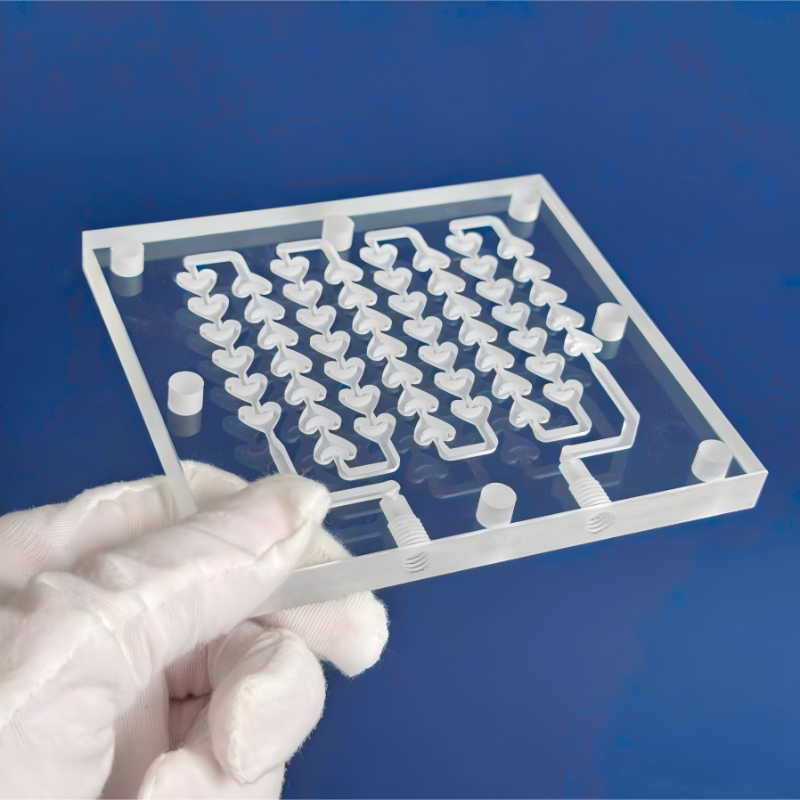
High Thermal Conductance Circular Quartz Interlayer Chips
Precision micro-machined circular quartz glass discs serving as thermal diffusion layers and heat-exchange barriers in downstream petrochemical test units.
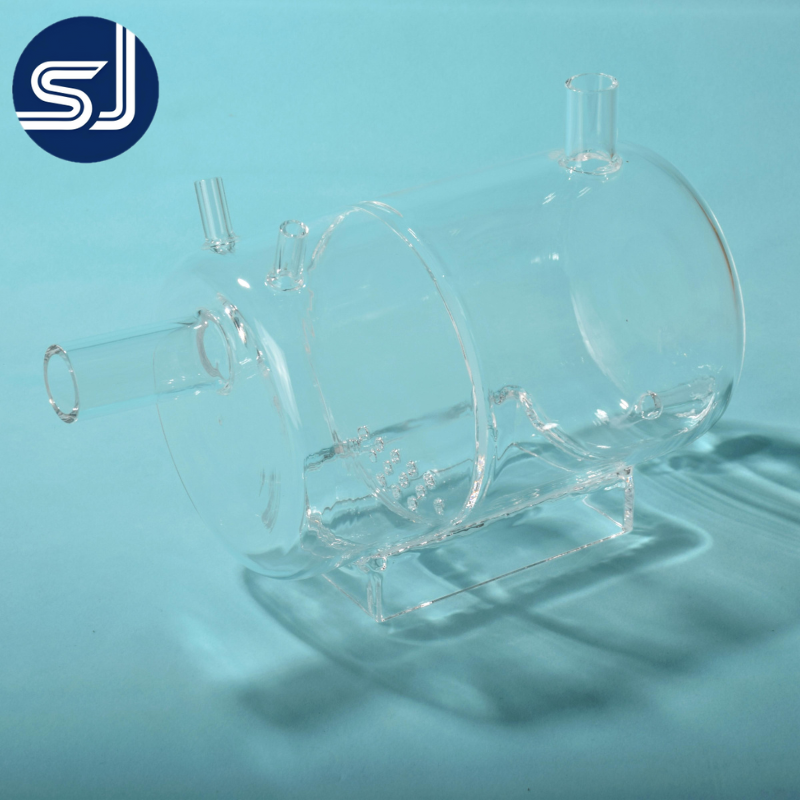
SJ High-Temp Corrosion-Resistant Quartz Flow Splitting Bottle
Multi-port capillary integration vessel for chromatography eluent distribution, photochemical flow reactions, and corrosive liquid partitioning.
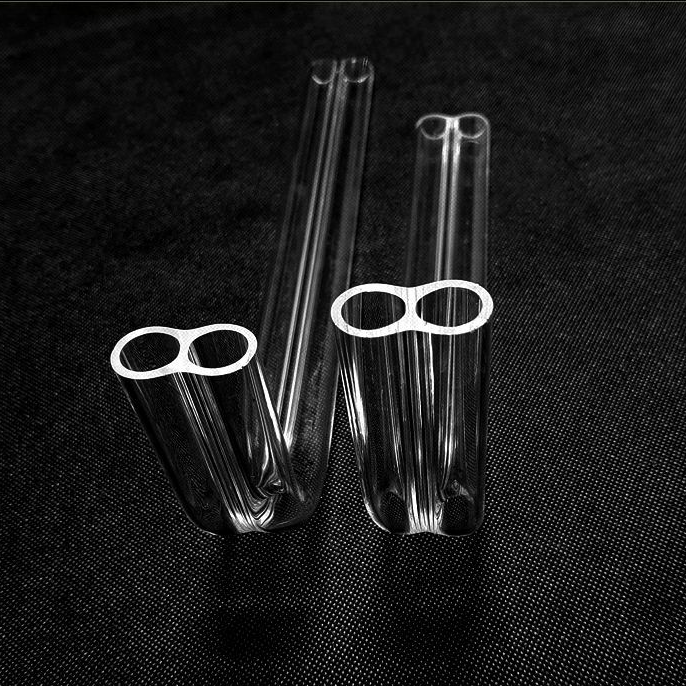
99.999% Fused Quartz Double-Tube Right-Angle Elbow
Flame-welded double-walled jacketed capillary elbow providing inert thermal isolation and zero-condensation gas sample transport in hot flues.
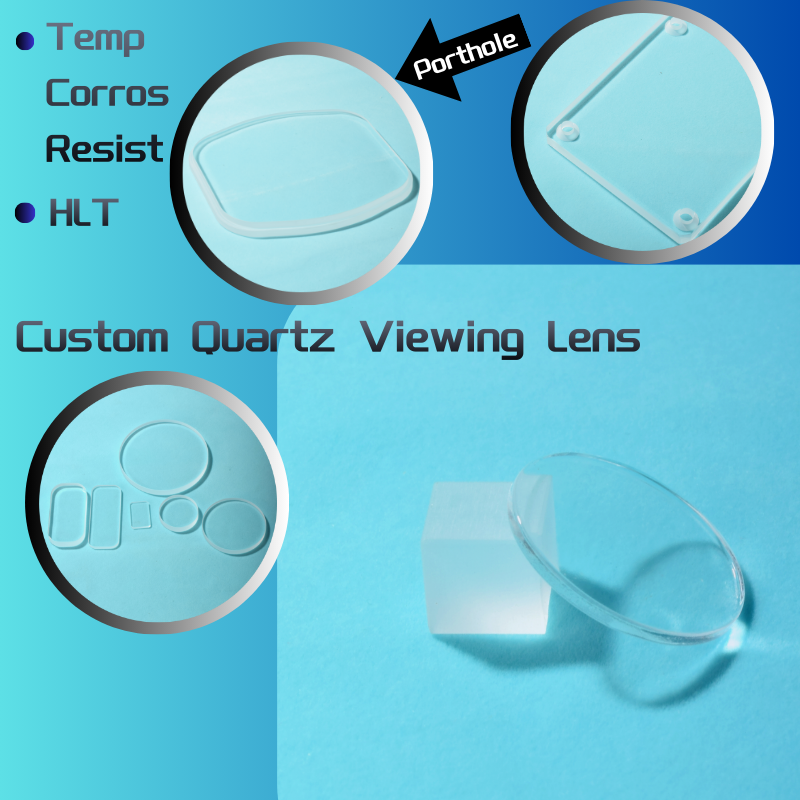
SJ 126 Natural Fused Quartz Square Precision Optical Slide
Substrate slides for UV-Vis spectrophotometry, microchannel cover sealing, and fluorescence microscopy with sub-nanometer surface roughness.
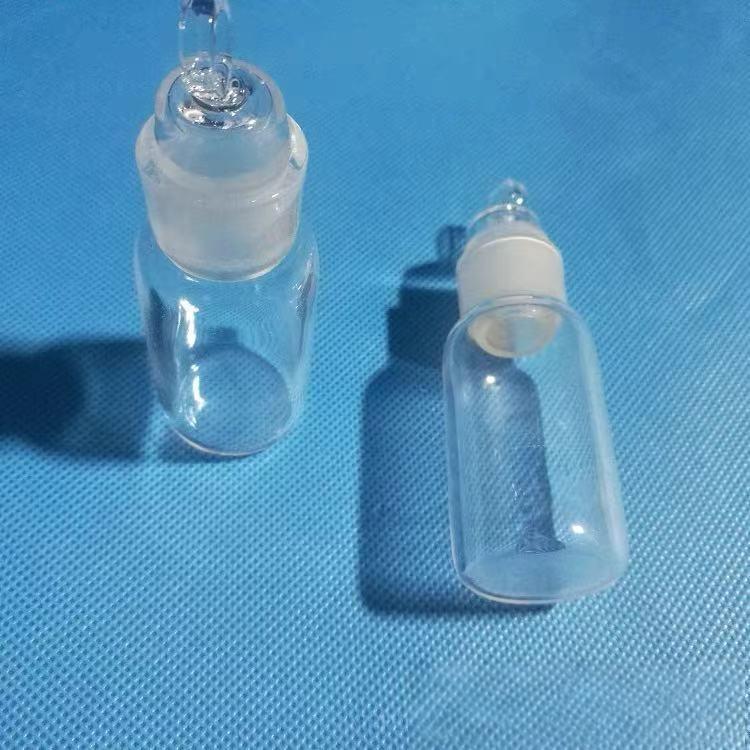
High-Corrosion Semiconductor 400-Mesh Laboratory Quartz
Micro-porous sintered silica quartz frits for capillary chromatography retention, gas micro-sparging, and particulate ultrafiltration.
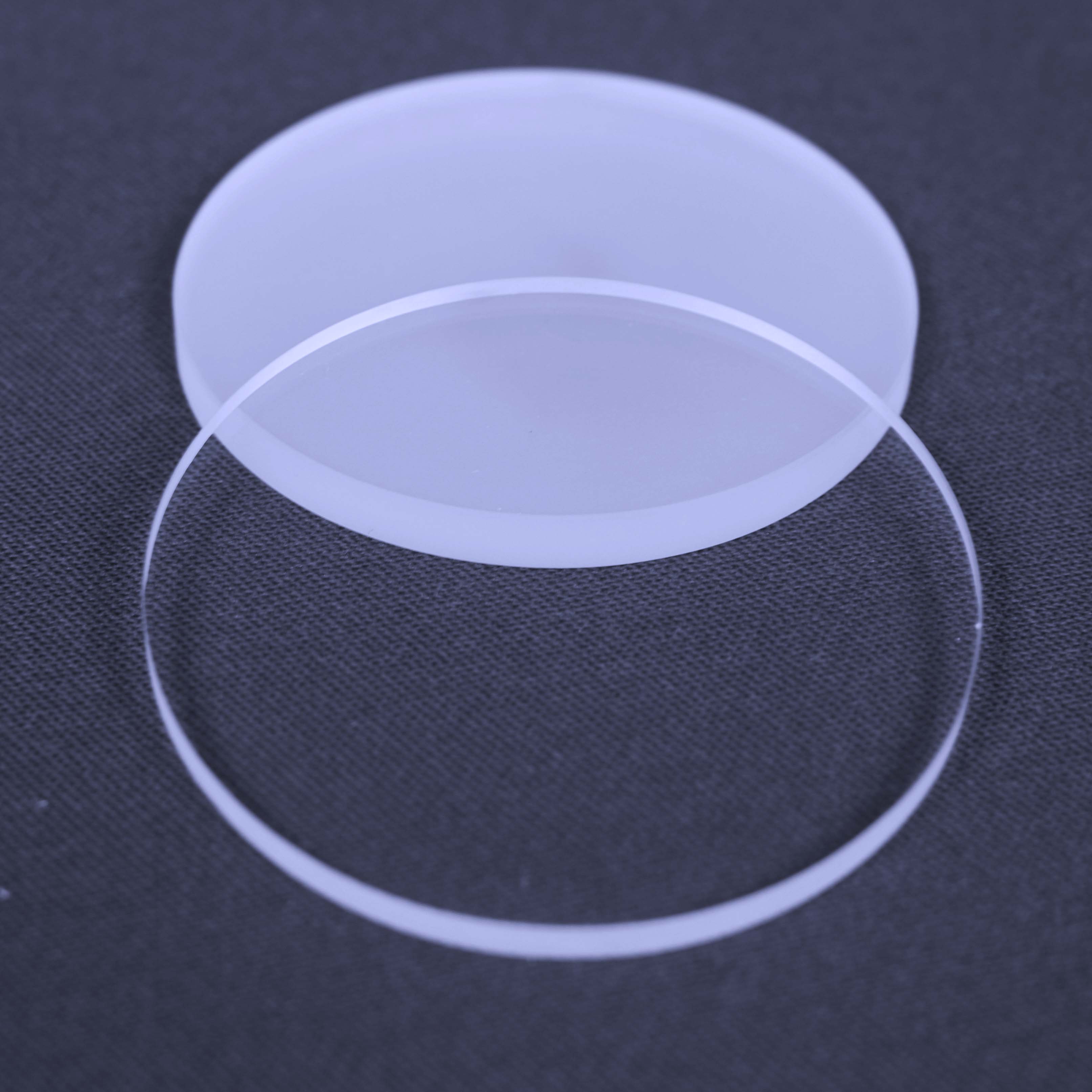
High-Transmittance Low-Background XRD Quartz Sample Holder
Crystallographic sample mounts manufactured from synthetic monocrystalline quartz glass to minimize X-ray background scattering in mineralogy testing.
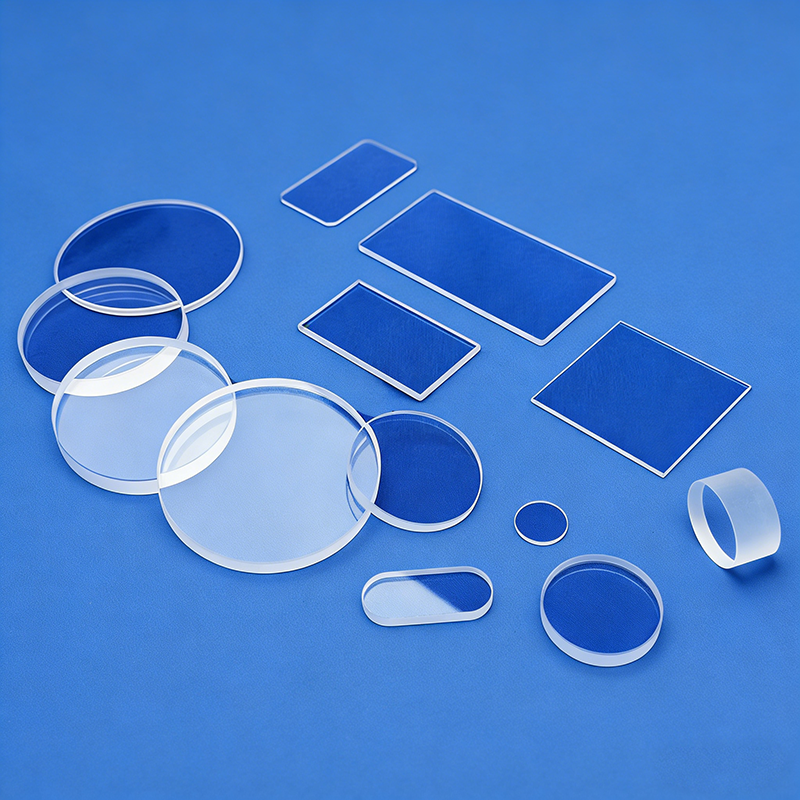
Customized Translucent Fused Quartz Components & Fabrication
Industrial opaque and translucent fused silica components fabricated with CNC water-jet slicing, flame annealing, and heavy-duty thermal insulation shields.
High-Purity Fused Silica Capillary Tubing: Physical Chemistry & Micro-Fluidic Dynamics
In analytical chemistry, gas chromatography (GC), capillary zone electrophoresis (CZE), and microfluidic instrumentation, capillary tubing acts as the critical interface where fluidic transport and optical detection intersect. For specialized industrial and research facilities in Tutong, Brunei Darussalam, selecting the right capillary tubing is a prerequisite for reliable analytical precision. Natural quartz crystal sand mined from the geological heart of Donghai undergoes continuous thermal plasma or oxy-hydrogen fusion at temperatures exceeding 2000°C. This intensive purification removes trace transition metals—reducing iron (Fe), copper (Cu), and titanium (Ti) content to less than 1.0 ppm—and yields an amorphous silicon dioxide (SiO₂) matrix characterized by unmatched dimensional integrity and low background fluorescence.
The interior surface chemistry of fused silica capillary tubing is dictated by the density and chemical distribution of surface silanol groups (≡Si-OH). In capillary electrophoresis, the deprotonation of these silanols generates a reproducible zeta potential across the electrical double layer, driving electroosmotic flow (EOF). By closely monitoring OH⁻ (hydroxyl) concentration during thermal drawing, Vulra Quartz produces capillary lines ranging from low-OH synthetic silica (<1 ppm OH, ideal for near-infrared telemetry and gas chromatography) to high-OH fused silica (>1000 ppm OH, engineered for deep ultraviolet transmission down to 190 nm). This structural control ensures high chemical resistance against acids, organic hydrocarbons, and saline matrices encountered across Borneo's maritime laboratories.
"Barlow’s thermodynamic burst pressure formula confirms that a fused silica micro-capillary tube with a 360 µm outer diameter (OD) and a 50 µm inner diameter (ID) reliably withstands internal hydrostatic pressures in excess of 450 bar (6,500 psi), providing an essential safety threshold for supercritical fluid chromatography and automated petroleum fraction sampling."
Geometric Precision and Concentricity in Optical Detection
A primary bottleneck in microbore capillary tubing performance is internal eccentricity. Uneven wall thickness creates non-uniform thermal dissipation during high-voltage electrophoresis and distorts optical paths in on-column UV absorption windows. Our Donghai manufacturing line incorporates multi-axis laser diffraction calipers coupled with dynamic drawing velocity control. This automated setup delivers inner diameter tolerances down to ±1 µm and concentricity ratios exceeding 98%. For analytical laboratories across Tutong, these dimensional controls ensure laminar fluid flow, eliminate turbulent band-broadening, and produce clean chromatograms free from flow-induced noise.
| Material Category | SiO₂ Purity (%) | Softening Point (°C) | Thermal Expansion (×10⁻⁷/K) | UV Cutoff (nm) | Typical Industrial Role in Tutong |
|---|---|---|---|---|---|
| Type I Synthetic Fused Silica | > 99.9999% | ≈ 1600 °C | 5.5 | 185 nm (Deep UV) | Capillary Electrophoresis, HPLC Optical Windows |
| Type II High-Purity Natural Quartz | > 99.999% | ≈ 1683 °C | 5.4 | 220 nm | Gas Chromatography, High-Temp Pyrolysis Tubes |
| Type III Ozone-Free Doped Silica | > 99.99% | ≈ 1650 °C | 5.5 | 260 nm (Blocks 185nm) | UV Sterilization, Ambient Air Water Monitoring |
| Standard Borosilicate 3.3 (Baseline) | ≈ 81% | ≈ 820 °C | 33.0 | 310 nm | Basic Volumetric Labware (Non-Capillary) |
Tailored Quartz Applications for Tutong's Industrial Footprint
Tutong District serves as a strategic logistical connector between Bandar Seri Begawan and the petrochemical hubs of Belait. Here is how our precision quartzware supports the district's primary testing, environmental, and educational operations.
Downstream Hydrocarbon Refining & Testing
Technicians along Tutong's transit corridor evaluate intermediate oil fractions, diesel distillates, and natural gas condensate. Our de-activated capillary gas chromatography tubing and custom split-injection quartz sleeves prevent catalytic decomposition at temperatures up to 450°C, ensuring accurate hydrocarbon identification.
Sungai Tutong Catchment Environmental Monitoring
The Tutong River basin requires reliable environmental monitoring to track agricultural runoff, municipal sewage discharge, and tidal brackish salinity. Our fused quartz optical flow-cells and UV-transmitting capillary detectors resist biological fouling and ensure dependable continuous spectrophotometric analysis.
Clinical Pathology & Molecular Diagnostics
Modern medical and biological testing labs in Brunei require capillary electrophoresis arrays for serum protein fractionation, hemoglobin screening, and DNA fragment sizing. Our laser-cleaved fused silica capillaries provide stable internal diameters and run-to-run baseline reproducibility.
Semiconductor Assembly & Optical Sensor Systems
High-purity quartz observation windows, precision capillary spacers, and optical ferrules provide reliable electrical isolation and light transmission for industrial automation systems, optical pyrometers, and level sensors throughout Brunei’s modern industrial zones.
High-Temperature Tube Furnace Operations
Academic institutions and materials laboratories utilize our 99.999% purity quartz furnace boats, double-tube right-angle elbows, and capillary thermocouple sheaths to carry out inert pyrolysis up to 1100°C without risk of devitrification or sample contamination.
Agricultural Soil & Nutrient Profiling
Tutong's expanding agro-technology research centers rely on our corrosion-resistant quartz digestion vessels and capillary flow splitters for trace nutrient extraction (P, K, Ca, Mg) using inductively coupled plasma mass spectrometry (ICP-MS).
Industrial Evolution in Tutong: Supporting Wawasan Brunei 2035 Standards
As Brunei Darussalam advances its National Vision 2035 (Wawasan Brunei 2035), the nation continues to diversify its economy beyond crude petroleum exports. This transition is driving modernization across downstream petrochemical refining, environmental stewardship, local food production, and university-level scientific research. In Tutong District, testing facilities and regional laboratories are steadily transitioning from manual wet-chemistry protocols to automated analytical chromatography, continuous in-line spectroscopy, and automated process analytics. These modern instrument architectures depend on reliable, dimensionally precise fused silica capillary tubes and inert quartzware components.
A primary challenge for laboratory operations across northern Borneo is high ambient humidity (frequently exceeding 85% RH) paired with airborne coastal salinity. These environmental conditions accelerate fungal growth and cause hydrolytic surface leaching in standard soda-lime or low-grade borosilicate glassware. In contrast, Vulra Quartz fuses high-purity synthetic silica and selected Donghai natural crystal sand at temperatures up to 2000°C, producing a non-porous glass matrix with zero sodium-ion migration. This material stability eliminates sample contamination, preserves fluidic calibration curves, and ensures predictable operational life in challenging tropical climates.
Furthermore, as supply-chain predictability becomes a central priority for public-sector procurement across Brunei, laboratory operators in Tutong increasingly prefer direct partnerships with verified manufacturers over multi-tier trading intermediaries. By sourcing from a TÜV Rheinland-certified manufacturing facility, engineering and analytical teams can review detailed drawings, request rapid one-piece prototypes, and ensure direct batch traceability down to raw mineral inspection certificates.
Direct-From-Source Donghai Quartz Manufacturing
Operating directly out of Donghai County—the global center of quartz refining—Lianyungang Vulra Quartz Products Co., Ltd. combines advanced thermal processing with comprehensive third-party audit credentials.
TÜV Rheinland Audited
On-site assessment validates our manufacturing facilities, legal registration, export capabilities, and quality-control systems.
Custom OEM/ODM from 1 PC
From one-off prototype research tubes to volume production runs, every component is manufactured strictly according to your engineering drawings.
Integrated Hot & Cold Machining
Equipped with internal CNC diamond-blade cutting, flame lathes, acid-etch cleaning lines, and vacuum annealing ovens up to 1150°C.
Specialized Export Packaging
Every piece is individually bubble-wrapped, nested in custom PE foam cutouts, and secured within reinforced drop-tested wooden shipping crates.


- Facility Address: No. 9, Dingxin Road, Jiangsu Donghai Economic Development Zone, Lianyungang, Jiangsu, China.
- Compliance Standards: CE marked and RoHS compliant product lines verified by international inspection bodies.
- Full Process Traceability: Complete raw-sand spectral chemical assay provided with high-purity custom batches.
Frequently Asked Questions for Buyers in Tutong & Brunei
Practical technical and commercial answers addressing common inquiries from laboratory directors, procurement specialists, and process engineers sourcing quartzware from abroad.
What are the standard dimensional tolerances for custom micro-capillary tubes?
How do your quartz capillary tubes withstand Brunei's high humidity and salinity?
What shipping methods and lead times apply for delivery to Tutong via Muara Port?
What is the minimum order quantity (MOQ) for custom-engineered quartz components?
Can you produce capillary assemblies with protective outer coatings?
How does Vulra Quartz prevent transit breakage for fragile thin-walled tubes?
What drawing file formats are accepted for technical feasibility reviews?
Submit Your Quartz Specifications for Tutong Facilities
Whether you require standard capillary runs, high-temperature reaction tubes, or custom one-piece lab glassware, our engineering team is ready to review your CAD drawings and provide an itemized quote within 24 hours.
Get a Quote