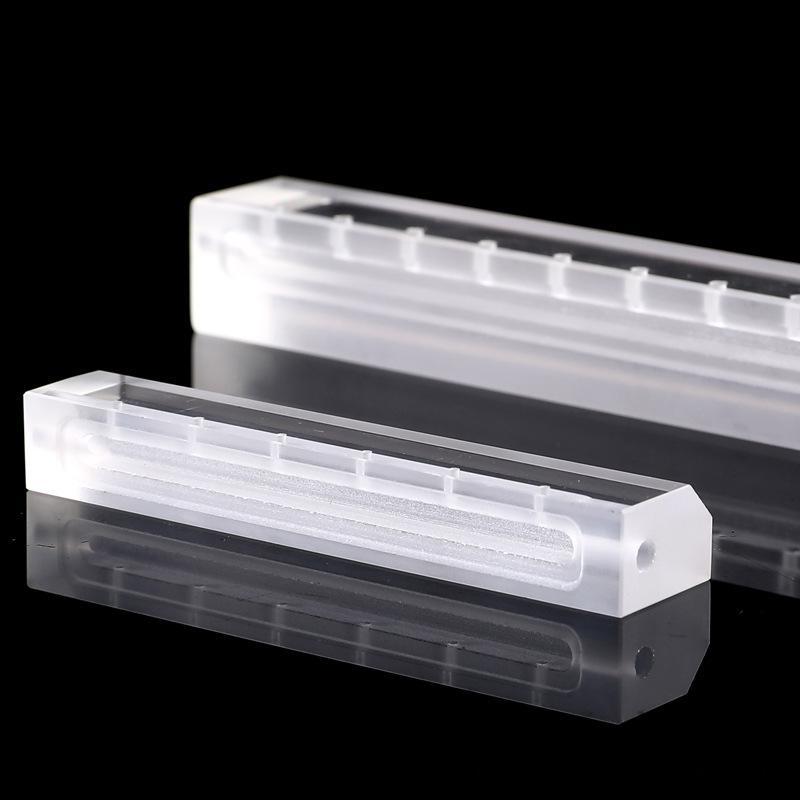
Catalog Matrix
High-Purity Quartz Thermal Chambers & Lab Components
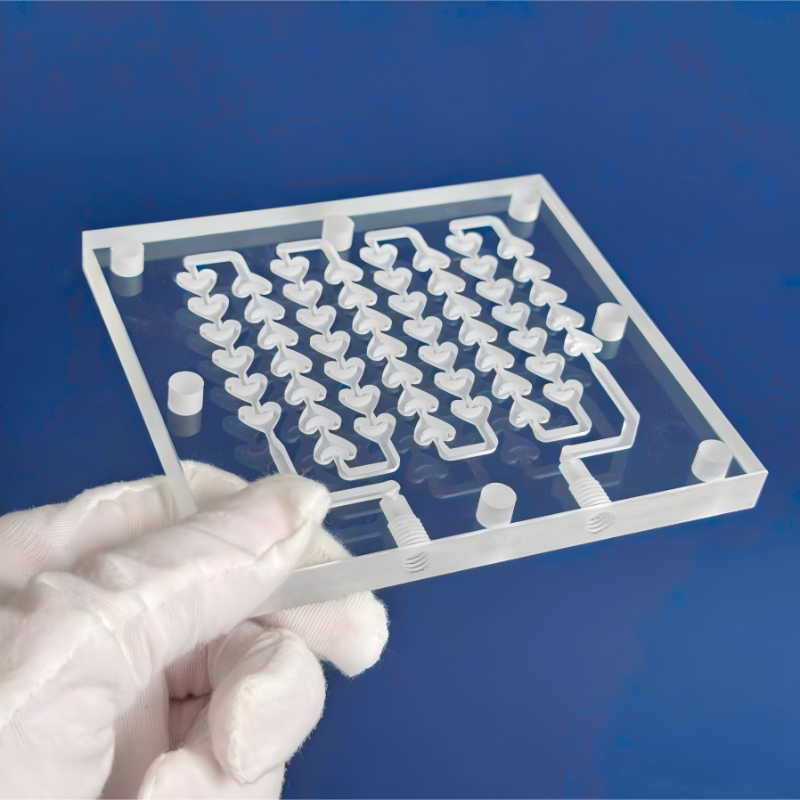
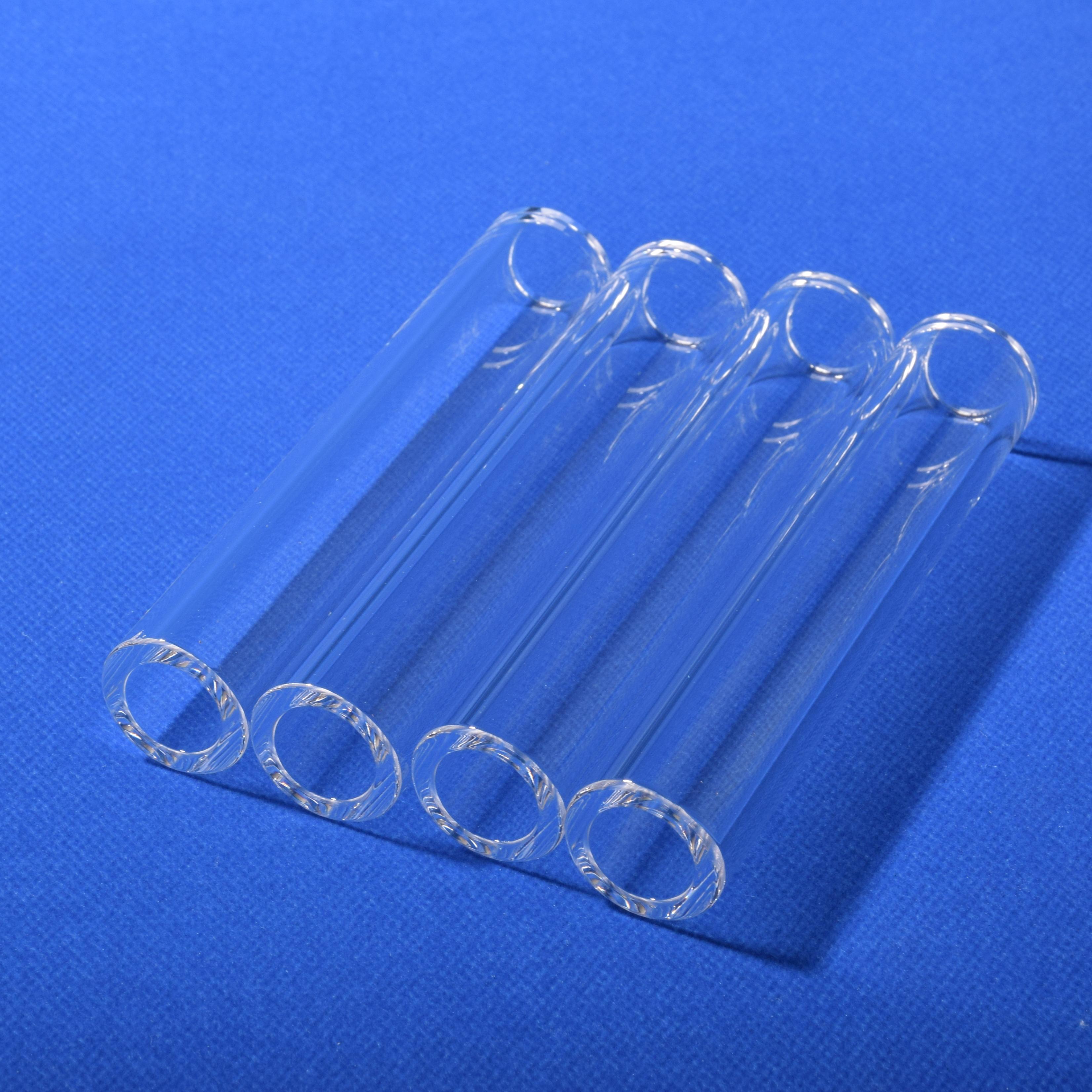
Explore standard and bespoke high-temperature fused quartz ware fabricated by certified master glassblowers and automated CNC finishing lines.
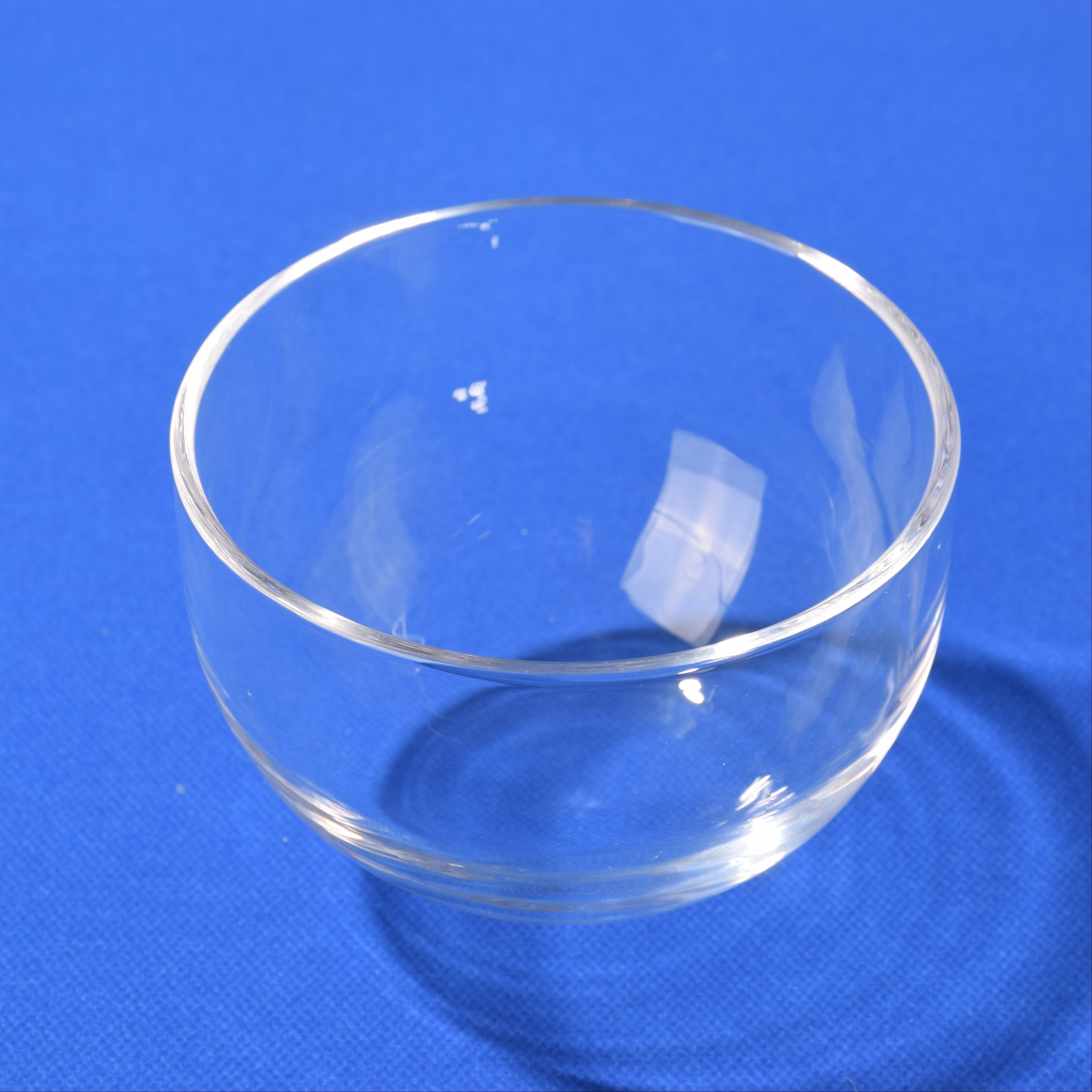
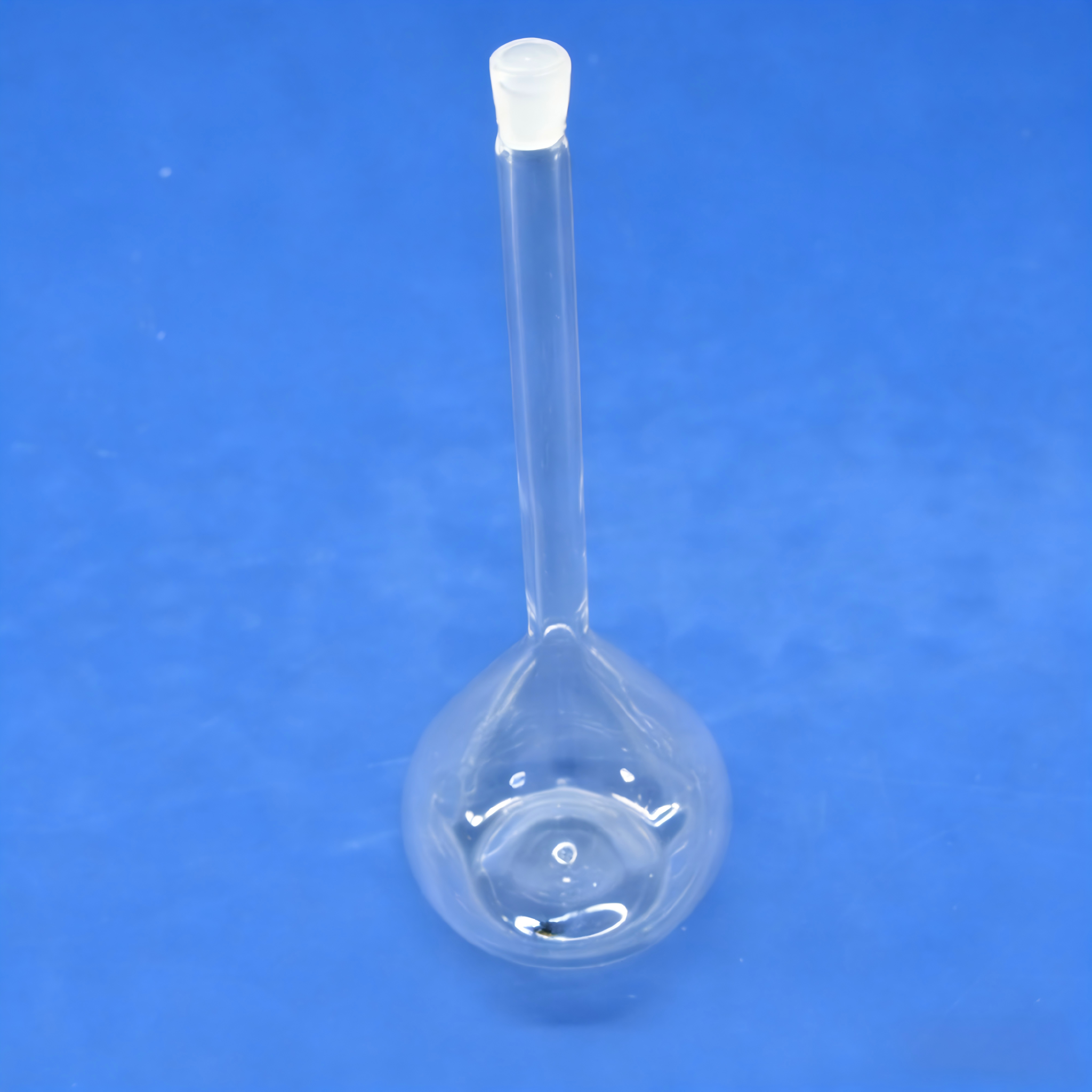
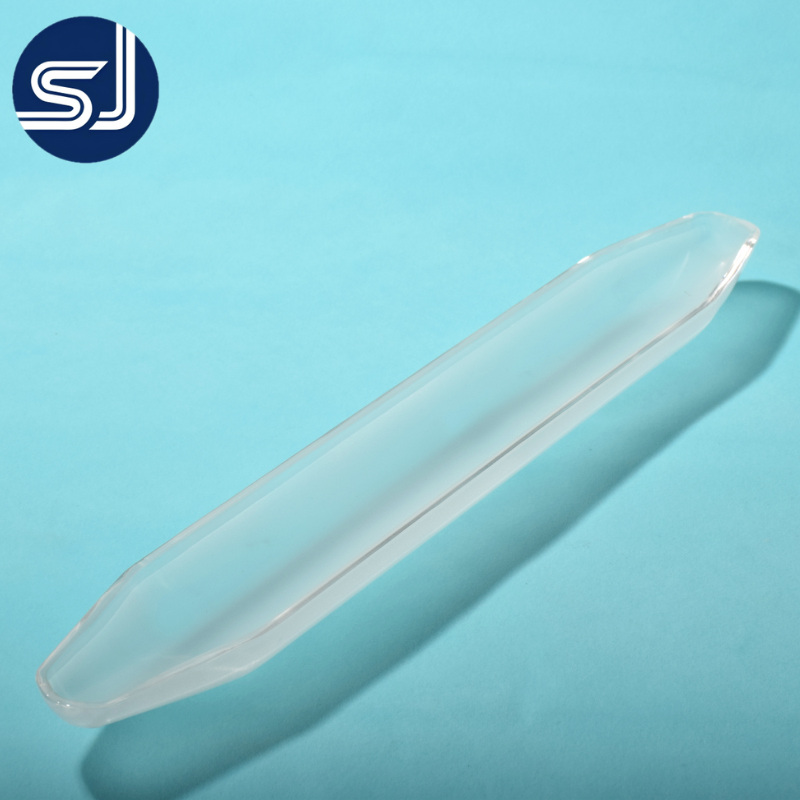
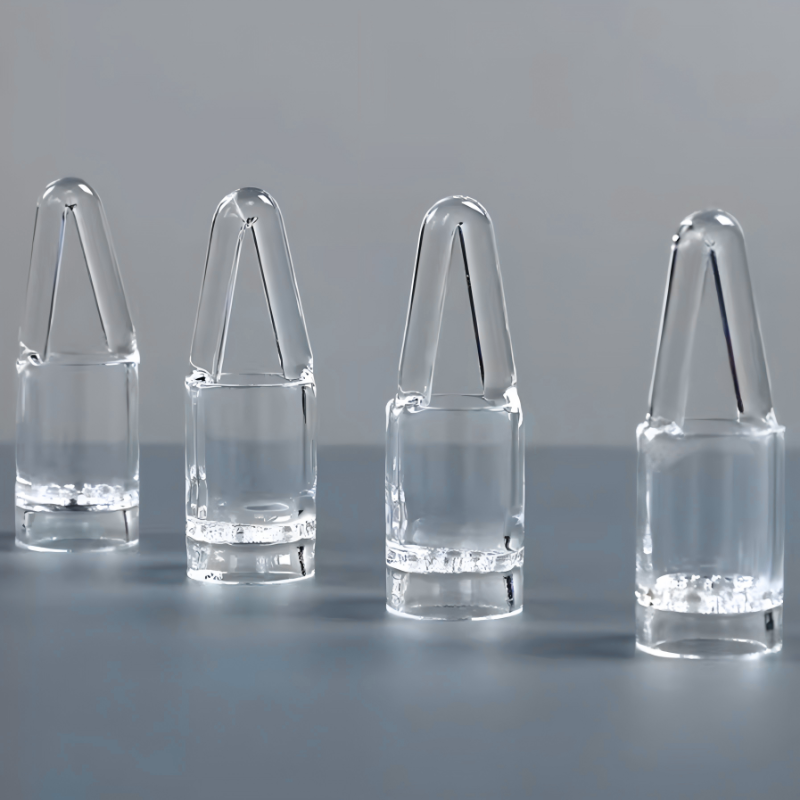
99.999%
Max Silica Purity (SiO₂)
1683°C
Glass Softening Point
0.5×10⁻⁶
Thermal Expansion Coeff.
800mm
Max Envelope Diameter
Engineering Specifications
Optimizing Vacuum Integrity at High Altitudes (990m ASL)
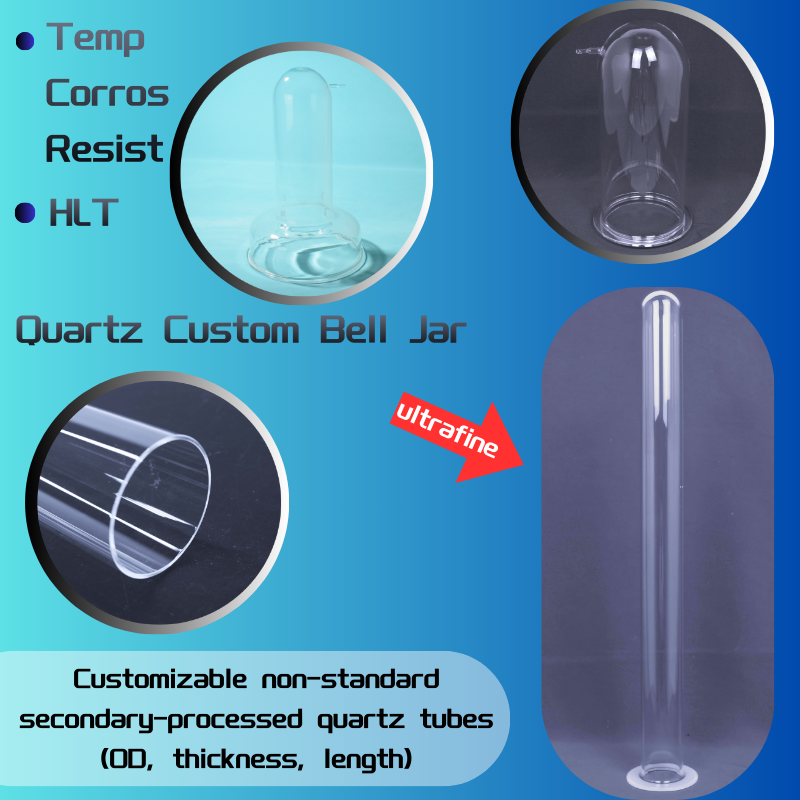
Comprehensive metallurgical and thermo-physical considerations when procuring custom OEM/ODM quartz bell jars for operations in Tegucigalpa, Honduras.
Operating thermal vacuum deposition, chemical vapor infiltration, or pyrolytic synthesis in the mountainous terrain of Tegucigalpa introduces precise mechanical stress profiles distinct from coastal manufacturing hubs. Situated nearly 1,000 meters above sea level, the local ambient atmospheric pressure sits between 90 kPa and 91 kPa. When producing high-vacuum internal environments (down to $10^{-6}$ Torr) within a heating chamber running at 1050°C, the absolute pressure differential places unique cyclical sheer stresses on the ground flange, shoulder radiuses, and the hemispherical dome crown of a quartz bell jar.
Standard borosilicate bell jars or thin-wall blown glass present unacceptable risks of catastrophic implosion under thermal shock. By sourcing directly from a vertically integrated facility utilizing natural fused quartz sand from Donghai, our OEM/ODM custom quartz bell jars maintain an extremely low coefficient of thermal expansion (CTE: 5.5 × 10⁻⁷ /°C), near-zero bubble distribution (Class 0/1 per DIN 58927), and exceptional optical clarity across both deep UV and infrared spectrums.
| Physical & Chemical Property | Vulra High-Purity Fused Quartz Bell Jar | Commercial Grade Quartz Tube Ware | Industrial Borosilicate 3.3 Glass |
|---|---|---|---|
| Silica Concentration (SiO₂) | ≥ 99.99% (Available up to 99.999% semiconductor) | 99.5% – 99.8% | ≈ 81% (Contains B₂O₃, Na₂O, Al₂O₃) |
| Continuous Operating Temp | 1100°C Continuous (Short excursions to 1450°C) | 950°C – 1000°C | Max 450°C – 500°C |
| Softening Point (Dilatometry) | 1683°C (Annealing Point: 1215°C) | 1580°C | 825°C |
| Thermal Shock Tolerance | Quench from 1100°C directly into cold water without rupture | Sensitive above 800°C rapid delta | Spalls at ΔT > 150°C rapid shifts |
| Base Flange Tolerances | Optical pitch flatness < 0.03 mm; CNC diamond ground | Manual flame-flared (± 1.2 mm tolerance) | Cast bead (Inadequate for high-vacuum O-rings) |
| Corrosion Resistance | Hydrofluoric acid (HF) is the sole aggressive reactant | Trace mineral leaches in concentrated acids | Vulnerable to strong alkaline solutions at heat |
Local Ecosystems
Targeted Applications in Tegucigalpa & Central Honduras
Bridging international advanced material production with regional research priorities, clinical fabrication, and metallurgical growth.
University Material Research (UNAH)
Academic institutions such as the Universidad Nacional Autónoma de Honduras conduct investigations into nanomaterials, solid-state physics, and renewable PV coatings. Custom transparent bell jars allow non-intrusive in-situ laser spectrographic monitoring while maintaining strict inert Argon atmospheres during synthesis.
Mining & Precious Metal Assaying
Honduras’s metallurgical refining corridors rely on precise thermal digestion and vacuum roasting to evaluate core gold-silver deposits. Fused quartz crucibles and protective reaction bell hoods resist gaseous sulfide vapor leaching and thermal cracking during induction crucible heating.
PVD & Sputtering Thin-Film Coatings
Electronics repair facilities, optical laboratories, and research workshops in Tegucigalpa employ high-vacuum bell jars for metal sputtering (Gold, Platinum, Chromium). Precision ground ground-glass or polished viton-gasket sealing rings ensure rapid pump-down times without outgassing.
Environmental & Hydrological Testing
Analyzing volcanic soils and water basins surrounding the Choluteca River basin necessitates pure analytical distillation. Our ozone-free and high-transmittance quartz flasks eliminate trace sodium leaching, ensuring accurate baseline readings during atomic absorption spectrometry (AAS).
Renewable Energy & Solar Cell Assembly
With Honduras actively scaling clean grid infrastructure, localized development of silicon-based solar collectors requires tube furnace boats and vacuum annealing bell jars capable of uniform heat distribution without heavy metal impurity contamination.
Strategic Outlook
Emerging Trends Driving Precision Quartz Demand in Honduras
Market modernization, academic investments, and nearshoring trends demand higher quality standards for engineered technical components.
Shift From Borosilicate to Fused Silica
Modernization of metallurgical testing laboratories in Tegucigalpa has exposed the limitations of standard borosilicate glass. With processes exceeding 600°C, legacy setups suffer from structural sagging, vacuum failure, and sample contamination. The local market is systematically migrating to high-purity natural fused quartz for all core reaction vessels.
Nearshoring of Analytical Calibration Units
As Central American supply chains decentralize, regional repair and calibration facilities in Francisco Morazán are assembling their own closed-loop sputtering and vapor purification systems. These teams seek direct-from-factory OEM manufacturers able to deliver bespoke flange configurations, sight ports, and vacuum manifolds built from CAD drawings.
Emphasis on Traceable Certification
Procurement departments in Tegucigalpa are increasingly mandated by ISO 17025 and national quality bodies to provide certified raw material origin docs. Verified third-party validation (such as TÜV Rheinland on-site factory audits and CE/RoHS declarations) has shifted from an optional bonus to a baseline bidding prerequisite.
Direct Factory Manufacturing From Donghai's Crystal Cluster
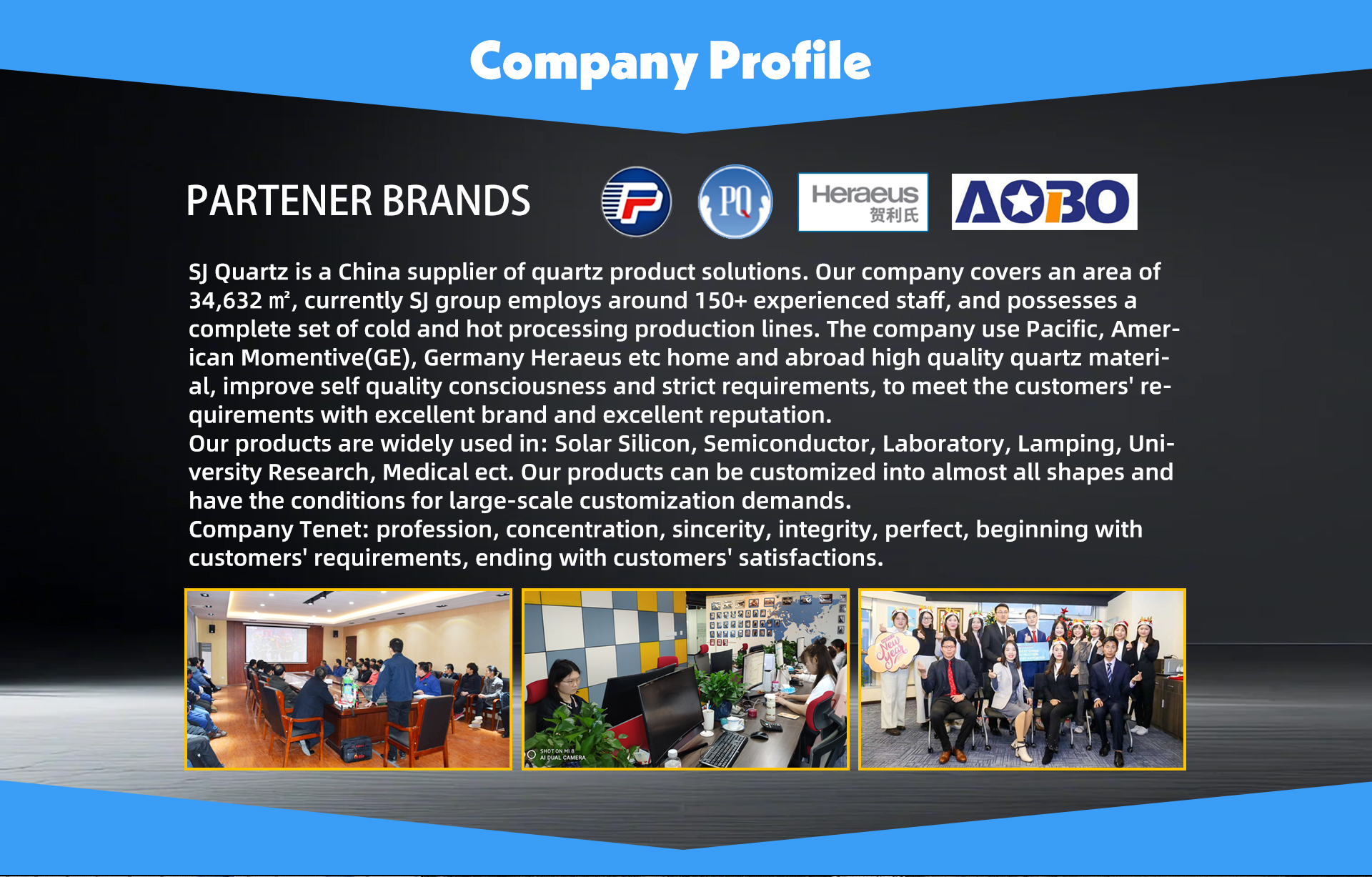
Lianyungang Vulra Quartz Products Co., Ltd. is a specialized, TÜV Rheinland-verified custom manufacturer located at No. 9 Dingxin Road, Donghai Economic Development Zone. Being positioned at the heart of the world’s crystal and silica logistics capital gives our engineering teams raw access to premium high-purity crystalline quartz sands.
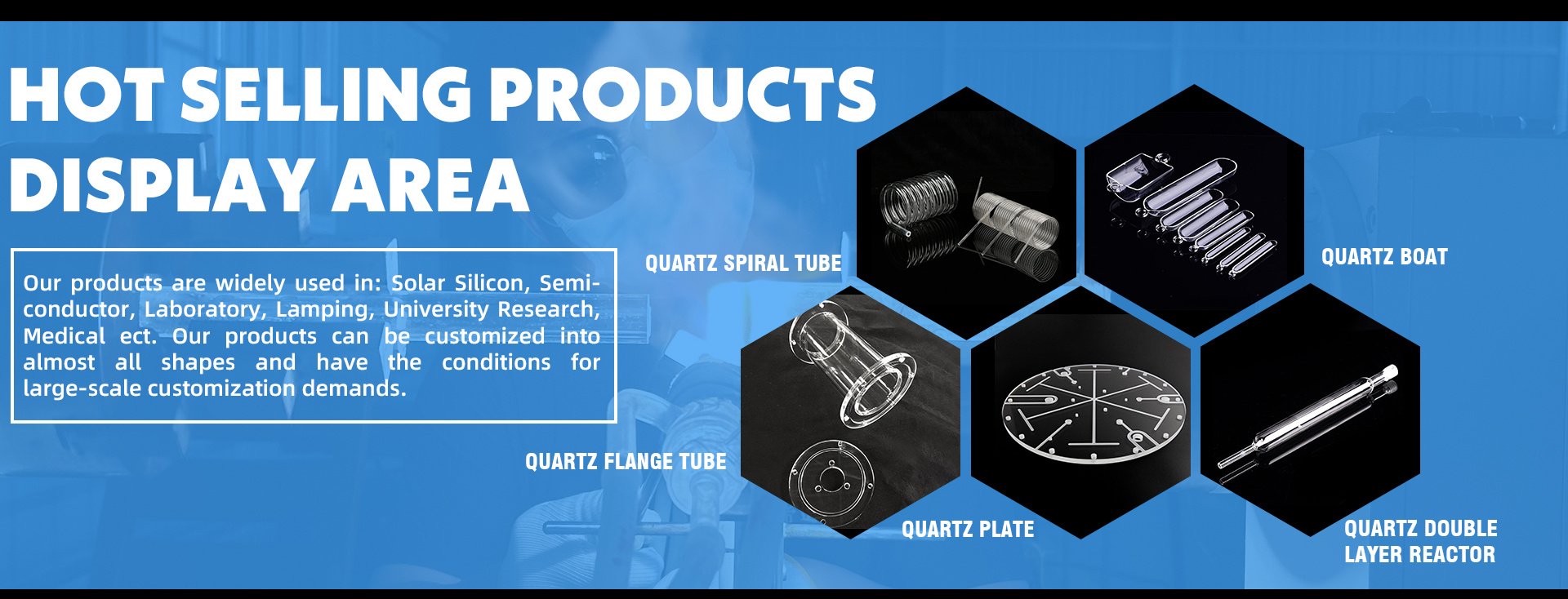
Every customized bell jar, vacuum envelope, or crucible is produced through an integrated sequence under one roof: oxy-hydrogen flame benching, computerized diamond CNC machining, controlled furnace annealing to relieve internal tension, and final hot-acid de-alkalization cleaning.
- Verified Custom Manufacturer: Assessed on-site by TÜV Rheinland for ODM capability.
- Low MOQ Flexibility: Prototypes engineered from 1 single piece based on 2D/3D customer drawings.
- Full Regulatory Compliance: Factory holds verified CE mark certification and RoHS compliance.
- Global Shockproof Packing: Multi-layer PE foam dampening and custom wooden crates engineered for overseas shipping.
Procurement Guide
Frequently Asked Questions: Sourcing Quartz Glassware in Honduras
Clear, direct technical answers regarding logistics, lead times, custom tolerances, and import customs procedures.
How can we safely ship delicate fused quartz bell jars to Tegucigalpa without in-transit breakage?
We specialize in international air and sea freight packaging for ultra-fragile quartz glassware. Every bell jar is degreased, acid-washed, sealed in vacuum dust bags, and enveloped inside custom-cut high-density polyurethane (PE) foam molds with minimum 80 mm wall clearance. The external package is constructed with heat-treated, fumigated multi-ply export wooden crates featuring integrated tip-and-tilt shock indicators. Consignments dispatched via air freight to Toncontín International Airport (TGU) or Palmerola International Airport (XPL) consistently maintain zero damage rates.
What is your typical turnaround time for custom OEM/ODM drawings sent from Honduras?
Upon receiving your PDF, DWG, or STP files, our engineering team completes the manufacturing feasibility review within 24 hours. The evaluation confirms wall thickness-to-diameter safety ratios under negative pressure, anneal thermal schedules, and flange gasket tolerances. Prototype fabrication takes between 7 and 12 business days, followed by optical flatness checks, coordinate measuring machine (CMM) dimensional verification, and direct courier dispatch.
Can you manufacture bell jars featuring custom side quartz-to-metal seals, viewports, or ball joints?
Yes. As an authentic custom manufacturer, our flame-bench lathes allow us to weld NW/KF flanges, flat ground O-ring grooves, ball-and-socket ground joints, thermocouple feedthrough wells, and polished optical windows directly to the dome or side cylinder. Annealing ovens subsequently cycle the completed assembly at 1215°C to completely eliminate shear stress concentrations at weld seams.
How do our purchasing agents handle customs documentation and clearance through SAR in Honduras?
We provide full export paperwork conforming to standard Honduran customs regulations (Servicio de Administración de Rentas - SAR). Documentation includes certified Commercial Invoices, Packing Lists with precise Net/Gross weights, Certificates of Origin (COO), raw material purity certificates (ICP-MS reports), and CE compliance documentation using standardized Harmonized System (HS) Codes for laboratory fused quartz (HS Code: 7017.10).
What is the minimum order quantity (MOQ) for non-standard, custom-dimension bell jars?
Our MOQ for fully bespoke items is just 1 piece. We actively support university researchers, pilot plant prototyping, and industrial maintenance operations requiring replacement chambers for legacy European or American equipment without forcing multi-unit inventory overstock.
Require Engineering Advice for Your Bell Jar Project in Tegucigalpa?
Our master glass technicians are ready to review your CAD files, operating pressures, and thermal envelope requirements.
Get a Quote