High-Purity Quartzware & Tubular Assemblies for Sapporo Industry
Explore our certified series of continuous-service 1100°C fused quartz apparatus, vacuum process envelopes, and customized optical/electrochemical vessels fabricated to precise ISO 9001 and JIS tolerances.
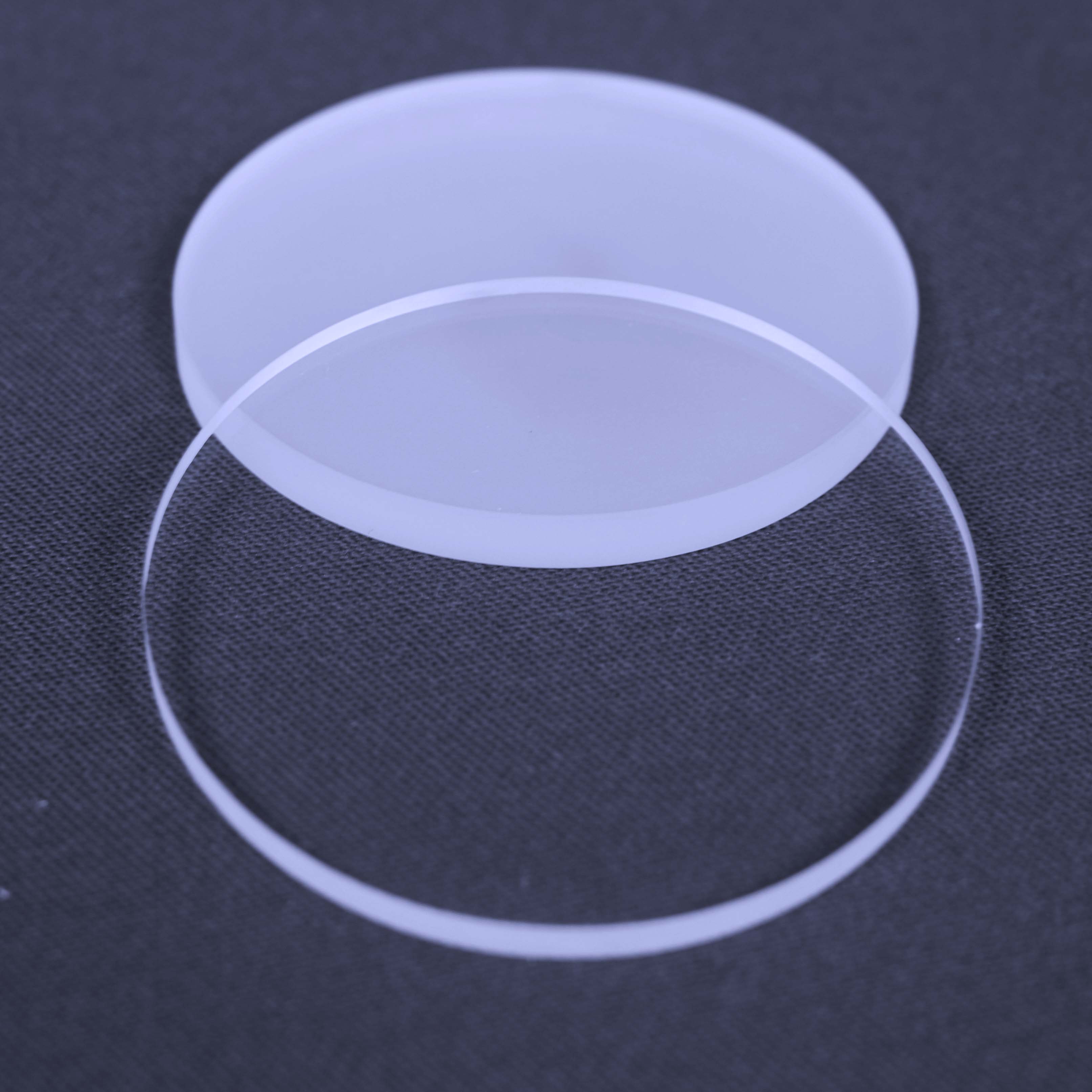
Optical-grade zero-background XRD sample holder discs with precision fire-polished edges, ultra-low background scattering, and continuous high-temperature thermal resilience.
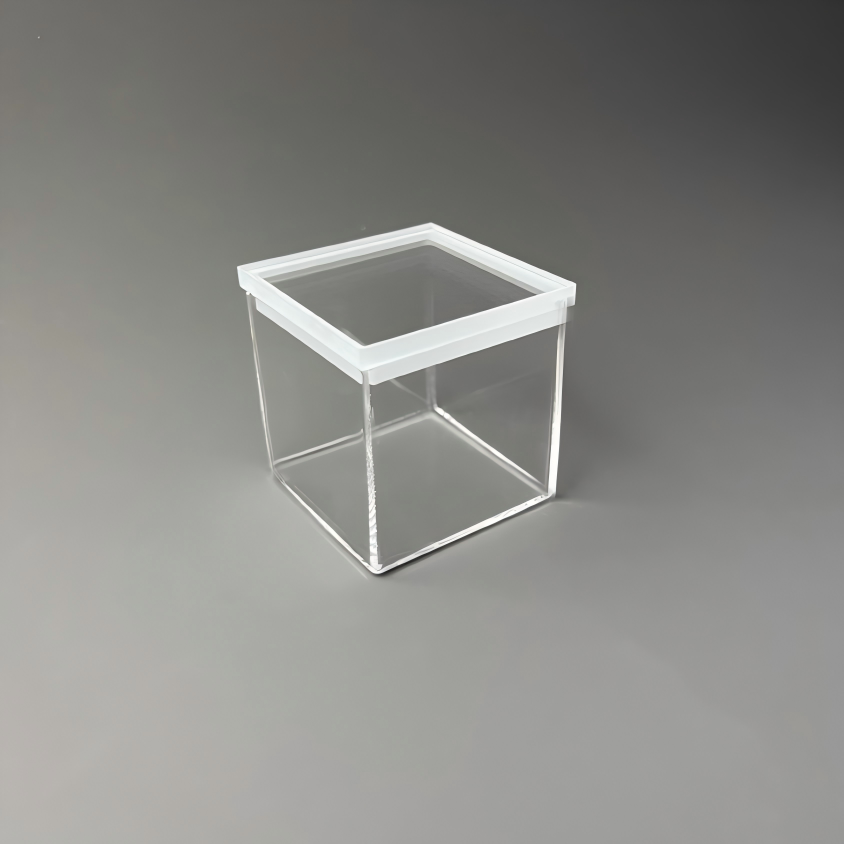
Sealed dome-end photochemical reaction cell offering 92% deep-UV optical transmission, leak-free hermetic seals, and high chemical passivity under aggressive acid baths.
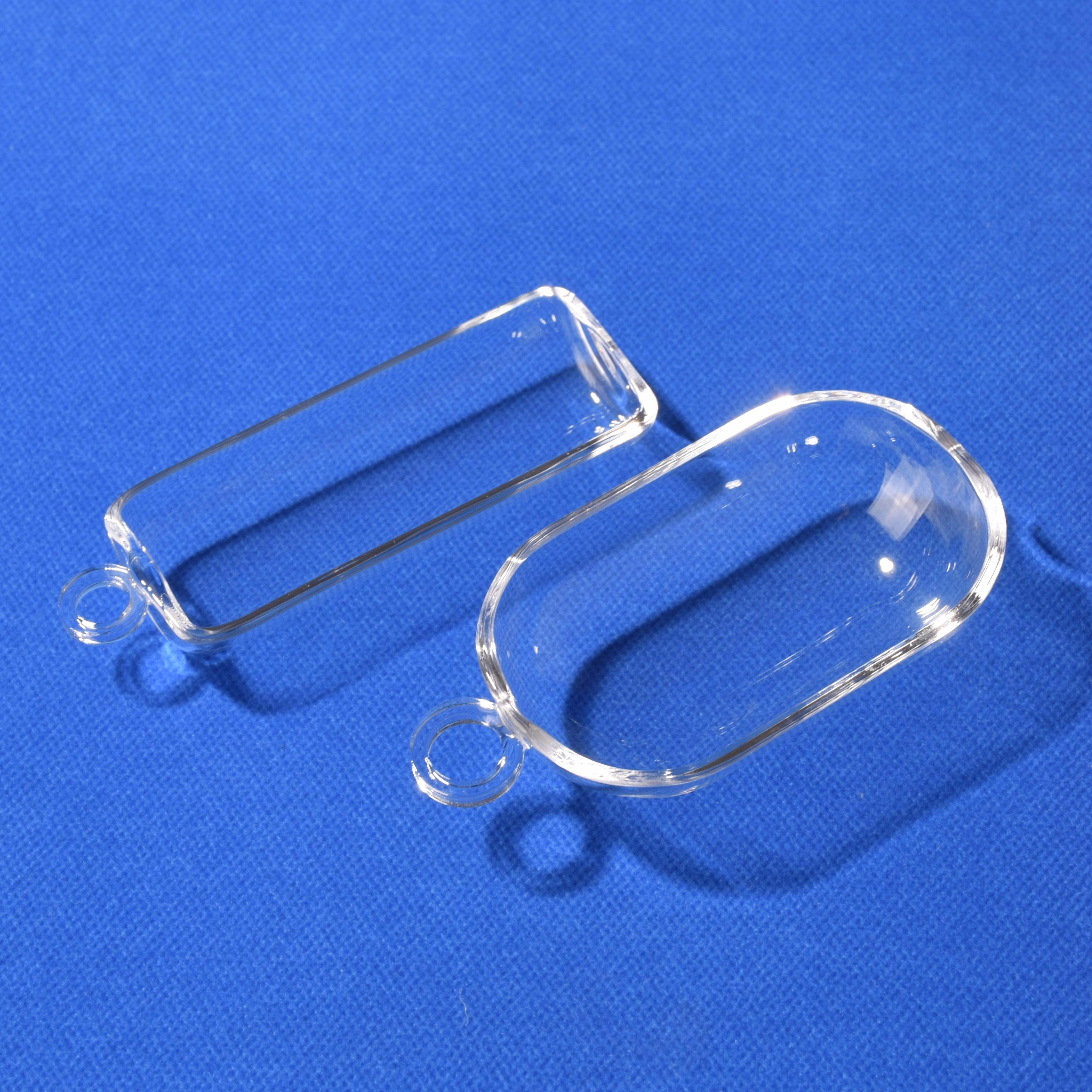
Precision flame-molded flat-bottom combustion boats engineered for horizontal tube furnaces up to 1450°C peak operating environments, ensuring planar stability for silicon wafers.
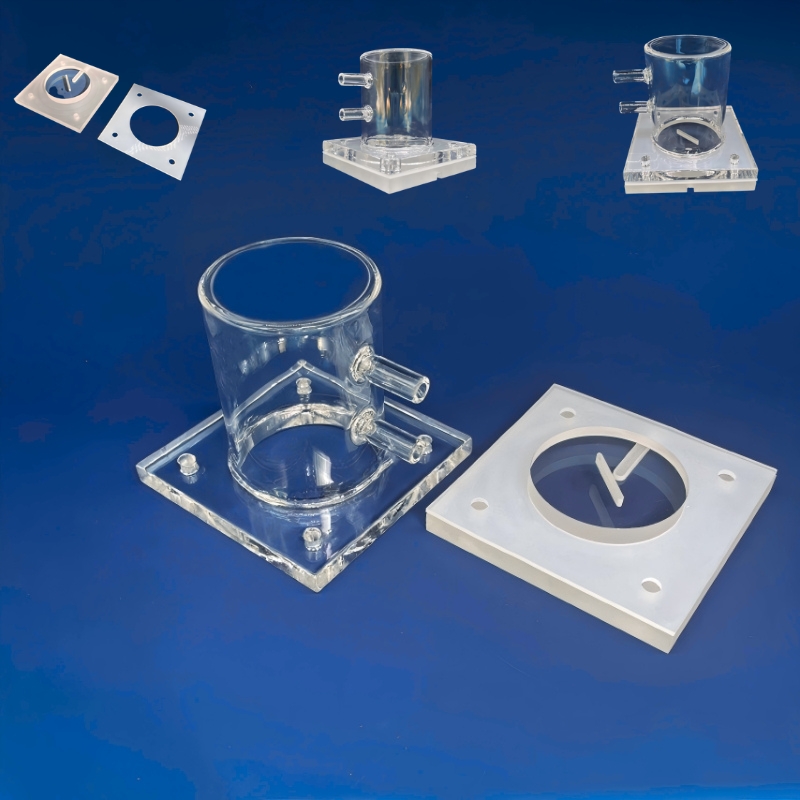
Synthetic fused silica and natural fused quartz photoreactor vessel designed for high-yield green hydrogen water-splitting research and photocatalytic oxidation schemes.
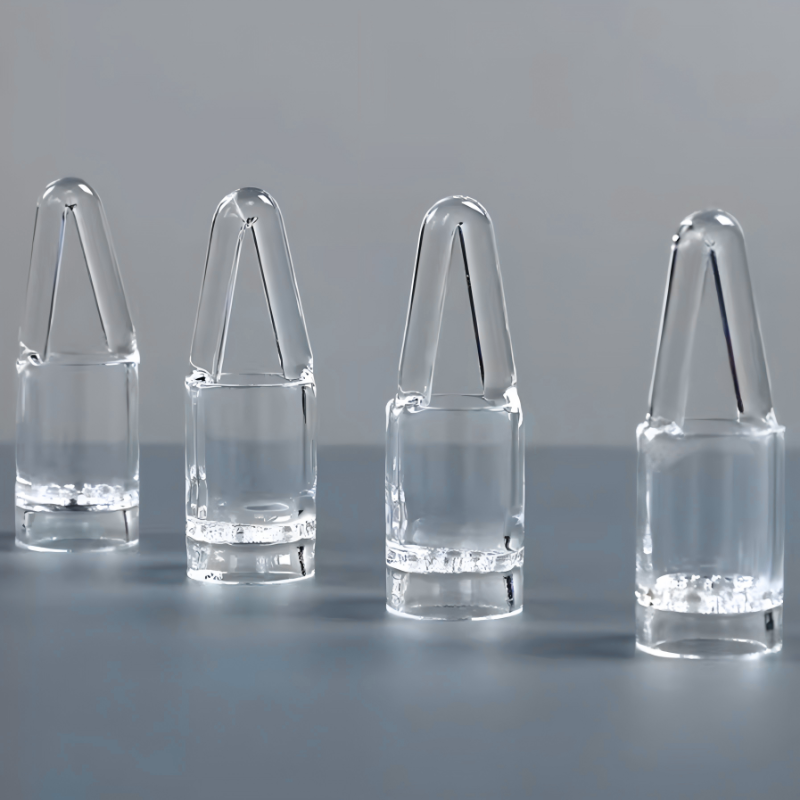
High-density fused silica crucibles and baskets with superior thermal resistance (softening point 1683°C), corrosion resistance against HF-free acids, and zero trace outgassing.
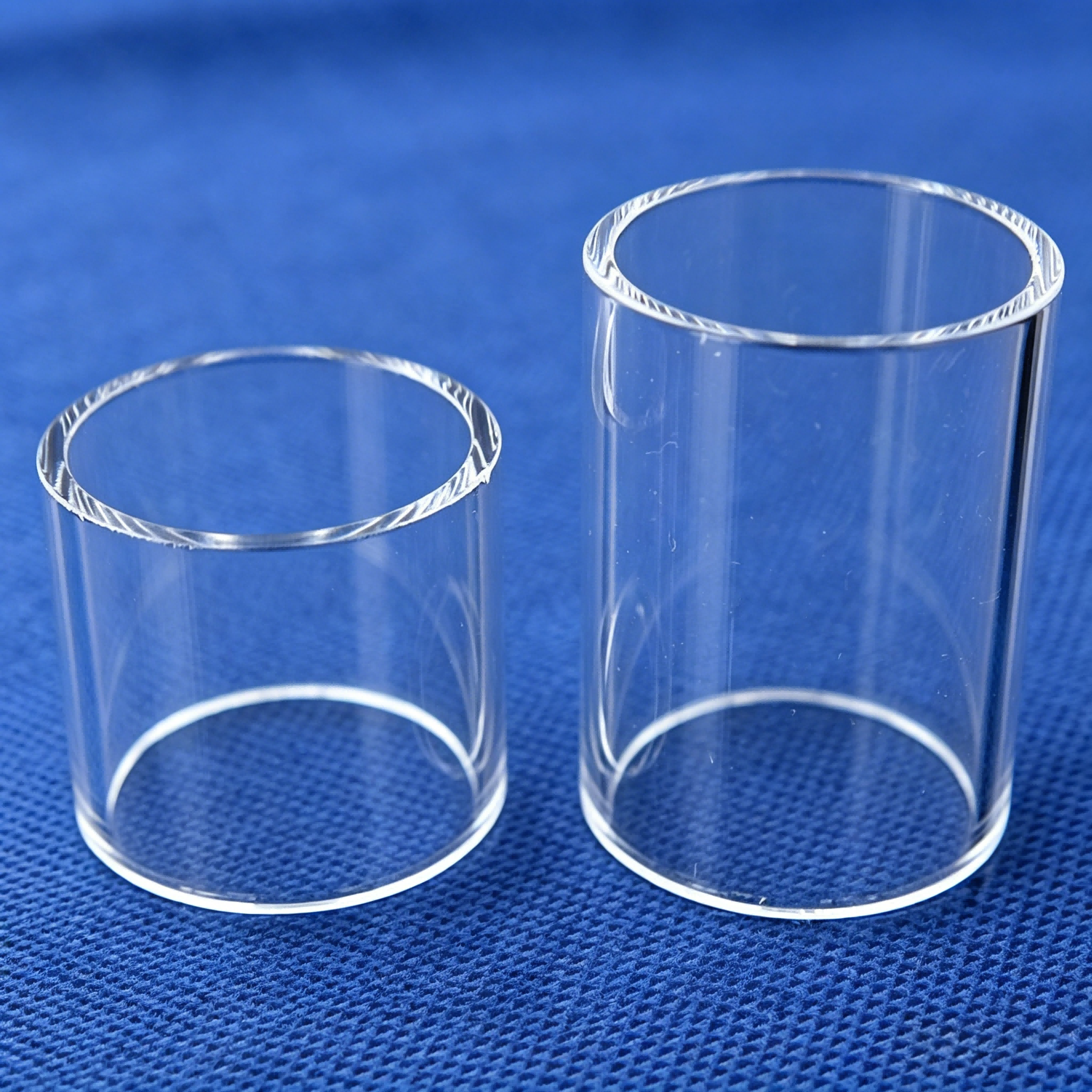
Dual-channel and large-bore heavy wall process tubes customized with precision flanges, ground glass ball joints, and fine diamond-cut bevels for vacuum diffusion furnaces.
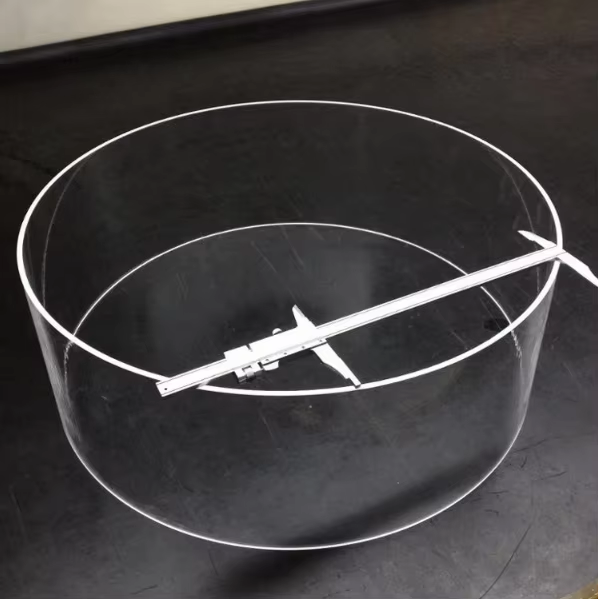
Optical-grade fused silica observation liners and furnace inspection sleeves maintaining dimensional parallelism, ultra-low bubble class, and zero visual distortion.
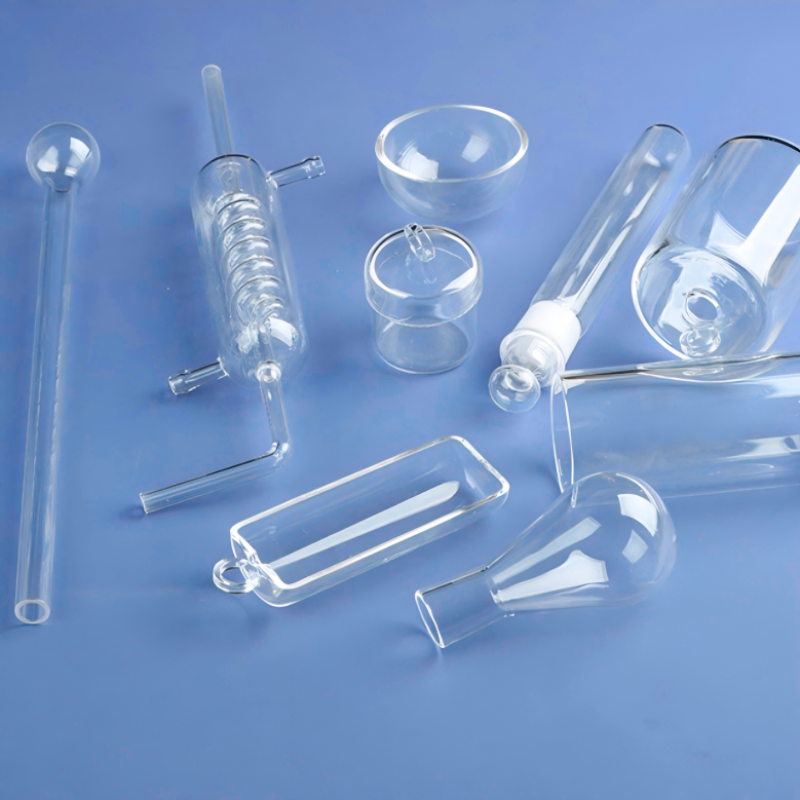
RF-plasma and induction heating test tubes with solid plugging rods, built with an extremely low dielectric dissipation factor and exceptional resistance to thermal cycling shocks.
Engineering Large-Diameter Fused Quartz Tubes for Hokkaido's Frontier Industries
Large-format fused silica and electric-melt quartz tubes represent the cornerstone of ultra-clean thermal processing. When specifying tubes with outer diameters exceeding 200 mm to 800 mm, structural thermodynamics, crystallization kinetics, and chemical impurity thresholds govern process yield.
Devitrification Resistance & Thermal Creep
In high-thermal semiconductor processes—such as LPCVD silicon nitride deposition, dry oxidation, and wafer annealing—fused quartz operates near its thermodynamic relaxation threshold. At prolonged operational temperatures of 1100°C to 1250°C, ordinary industrial silica suffers from accelerated surface devitrification, where amorphous SiO₂ transitions into crystalline cristobalite. Cristobalite possesses an abrupt, displacive phase transformation at ~220°C accompanied by a dramatic 2.8% volumetric contraction, which initiates micro-cracking and catastrophic tube implosion upon cooldown.
By utilizing high-purity natural crystal sand sourced from Donghai's global quartz nexus and employing multi-stage electric arc vacuum fusion, our large quartz tubes restrict critical alkali metal trace elements (Li, Na, K) to sub-ppm levels (<0.5 ppm combined). Alkali ions act as network disrupters that accelerate devitrification nucleations. Combined with precise thermal annealing protocols in our programmable stress-relieving lehrs, our tubes retain exceptional dimensional sag resistance, high elastic modula, and minimal thermal stress birefringence.
Hydroxyl (OH⁻) Tailoring & Optical Transmittance
The concentration of bound hydroxyl radicals (OH⁻) fundamentally determines a quartz tube’s viscosity curve and optical absorption spectra. High OH⁻ content (>150 ppm) lowers the softening point and viscosity at elevated temperatures, leading to radial sagging in horizontally mounted furnace tubes over 200 mm in diameter under continuous mechanical load.
We provide custom-tailored OH concentrations depending on your equipment geometry: low-OH quartz tubes (<5 ppm to 20 ppm) via vacuum baking for heavy-wall, horizontal CVD applications requiring maximum mechanical creep resistance, and controlled-OH grades for deep-UV photolysis and photocatalytic hydrogen systems demanding pristine 190 nm–254 nm spectral transmission without solarization degrade.
| Property Parameter | Semiconductor Grade Clear Tube | Optical / Ozone-Free Grade | Test Methodology (JIS / ASTM) |
|---|---|---|---|
| Silicon Dioxide (SiO₂) Content | ≥ 99.995% to 99.999% | ≥ 99.99% (Doped / Low Cut-off) | ICP-OES / GD-MS Analysis |
| Trace Metal Impurities (Fe, Al, Ti) | Al < 14 ppm; Fe < 0.2 ppm; Ti < 1.0 ppm | Al < 18 ppm; Fe < 0.8 ppm; Cu < 0.05 ppm | ASTM F312 Trace Contamination |
| Coefficient of Thermal Expansion (CTE) | 5.5 × 10⁻⁷ / °C (20°C – 320°C) | 5.4 × 10⁻⁷ / °C (20°C – 320°C) | JIS R3103 Dilatometry |
| Annealing Point / Strain Point | 1215°C / 1120°C | 1180°C / 1075°C | ASTM C598 Beam Bending Viscosity |
| Softening Point | 1683°C | 1660°C | ASTM C338 Fiber Elongation |
| Dielectric Strength (20°C, 1 MHz) | 2.5 × 10⁷ V/m (tan δ < 0.0001) | 2.2 × 10⁷ V/m (tan δ < 0.0002) | JIS C2110 Dielectric Breakdown |
| Radial Runout & Wall Tolerance | OD ±0.5% (Tighter to ±0.2mm on request) | Concentricity ≥ 95% within bore run | Continuous Optical Profilometry |
Precision Applications Serving Sapporo & Hokkaido's High-Tech Corridor
Hokkaido's industrial landscape is undergoing a monumental renaissance. From the rapid buildout of next-generation 2-nanometer semiconductor packaging ecosystems spanning the Sapporo-Chitose axis to cold-climate renewable hydrogen innovation, large quartz vessels form critical functional infrastructure.
Semiconductor Fabs & Advanced Packaging
With massive public and private capital constructing leading-edge foundries across the Chitose-Sapporo corridor (spearheaded by Rapidus), clean quartz process envelopes are in severe demand. We supply extra-large diameter diffusion chambers, vertical quartz furnace liners, and vacuum purge tubes capable of maintaining stringent Class 1 cleanroom particulates. Every tube delivers near-zero trace heavy metal contamination to ensure defect-free silicon and compound wafer oxidation.
Sapporo-Chitose Silicon BeltAcademic Research & Materials Synthesis
Researchers at Hokkaido University (Kita Ward, Sapporo) and associated research institutes in Sapporo Techno Park require specialized quartz hardware for zero-background XRD diffractometry, high-temperature catalytic reaction kinetics, and supercritical CO₂ synthesis. Our bespoke drawing-based manufacturing produces 1-off prototypes and custom quartz manifolds with laser-aligned ports and optical sight windows.
Hokkaido Univ. Research StandardsGreen Hydrogen & Cold-Region Energy
Hokkaido is Japan's premier proving ground for surplus renewable wind and solar power conversion into green hydrogen. Our sealed quartz photoelectrochemical cells, UV irradiation vessels, and ozone-free photochemical reactors are deployed in extreme cold testing facilities across Ishikari and Tomakomai, withstanding drastic thermal shock transitions from sub-zero ambient loading to vigorous exothermic photolysis.
Renewable H₂ InfrastructureProcurement Dynamics & Industrial Trends Shaping Sapporo Quartz Supply
Procuring large quartz tubes in Hokkaido presents distinct challenges involving thermal transit conditions, lead times, and rigorous Japanese industrial compliance. Understanding regional supply variables allows procurement managers to mitigate downtime.
Semiconductor Expansion Driving Tube Diameter Escalation
With Japan reinvesting heavily in domestic semiconductor sovereignty, process envelopes are shifting from legacy 150mm/200mm configurations to large 300mm wafer formats. This mandates quartz furnace tubes with outer diameters ranging between 350 mm and 550 mm. These dimensions demand exceptional wall uniformities (±0.3 mm) to balance atmospheric evacuation pressure without mechanical fatigue.
Sub-Zero Transit Thermal Integrity & Annealing Requirements
Sapporo winter freight temperatures frequently dip well below -10°C to -15°C. When fragile quartzware is transported into climate-controlled cleanrooms (+22°C), micro-stresses present in poorly annealed glass tubes can trigger catastrophic cleavage. We subject all finished tubes to polarized strain-viewer inspections and post-fabrication de-stress cycles, ensuring stable transport via New Chitose Airport or the Port of Tomakomai.
Direct-to-Fabricator OEM Cost Rationalization
Traditionally, Japanese research institutions and Tier-1 fab vendors relied on multi-tiered domestic trading companies (shosha), introducing 40%–70% markups and prolonged turnaround times for custom drawings. Engineering buyers in Sapporo now increasingly partner directly with verified source manufacturers capable of translating CAD drawings into bespoke quartzware within 10 to 14 production days.
Streamlined Direct Supply from China's Crystal Capital to Hokkaido
Situated in Donghai County—the globally recognized center of high-purity silica mineral refinement—Lianyungang Vulra Quartz Products Co., Ltd. bypasses raw-material broker bottlenecks. We control the entire production chain: electric melt fusing of ingot preforms, heavy-lathe diamond tube slicing, hot oxy-hydrogen torch shaping, automated fire polishing, and high-purity deionized water acid leaching.
For our buyers across Sapporo, Asahikawa, and Muroran, consignments are packaged inside form-fitting shock-absorbent poly-foam cases and ISPM-15 certified multi-layer wooden crates. Whether entering Hokkaido through expedited international air courier to New Chitose (CTS) or containerized sea freight into Tomakomai Port, our shipments feature zero transit-breakage guarantees backed by full dimensional replacement policies.
Direct CAD/Drawing Evaluation
Send DWG, DXF, STP, or PDF mechanical drawings to our engineering division for real-time manufacturability feedback, thermal stress simulations, and competitive quotation within 24 business hours.
Why Sapporo Engineers & Buyers Choose Vulra Quartz
Combining primary origin raw quartz advantages with certified manufacturing rigor, we bridge the gap between custom prototypes and volume semiconductor consignments.
TÜV Rheinland Verified Factory
Our manufacturing premises, production lines, and quality verification workflows are on-site assessed and certified by TÜV Rheinland, validating legitimate OEM/ODM capacity and enterprise reliability.
Prototype Flexibility from 1 Piece
We eliminate standard high-volume minimum orders. Whether Sapporo laboratories need a single custom-flanged quartz reactor or an industrial plant requires 200 furnace tubes, production begins without MOQ hurdles.
Comprehensive Hot & Cold Tooling
From large glassblowing lathes, CNC diamond core drillers, flat-lap optical polishers, to computer-controlled annealing lehrs—all processing remains vertically integrated under one roof in Donghai.
Certified Purity & Compliance
Products are fully CE marked and RoHS compliant. Every shipment is accompanied by dimensional inspection sheets, spectrophotometer optical curves, and trace element impurity reports upon request.
Frequently Asked Questions by Japanese Engineers & Buyers in Sapporo
Actionable technical answers addressing tolerance metrics, thermal thresholds, import protocols, and dimensional stability for engineering teams across Hokkaido.