Engineered Fused Quartz Portfolio
Direct OEM/ODM production compliant with strict ASTM, ISO, and Texas industrial thermal safety protocols. Available from single prototypes to full volume runouts.
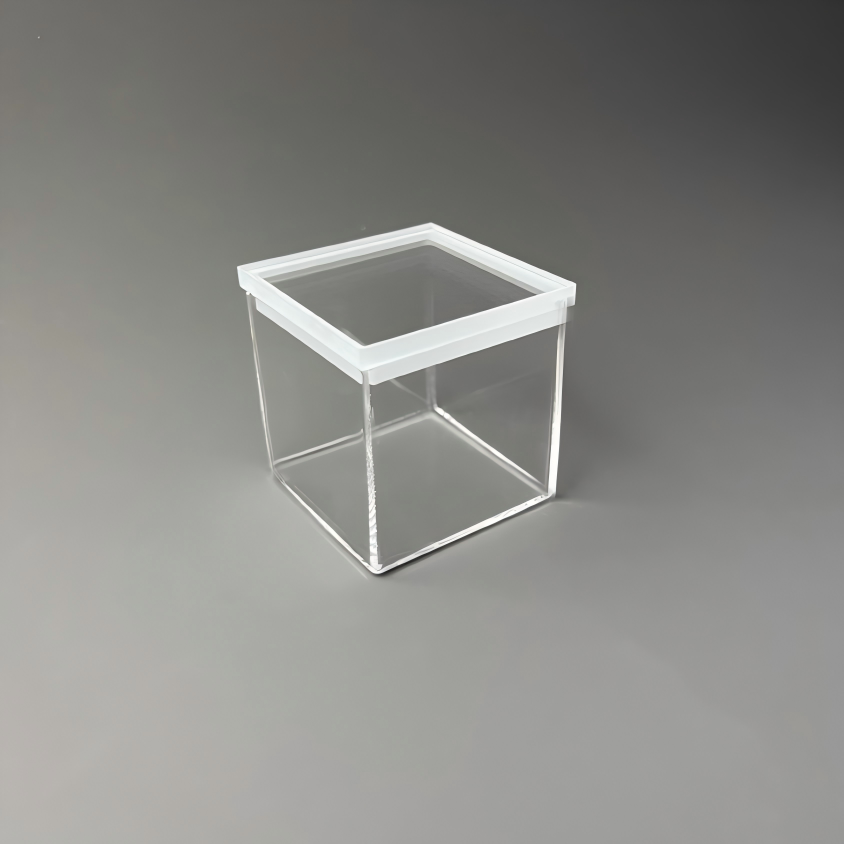
Quartz Glass Sealed Electrolytic Cell Dome Closed End Custom Dimensions Photocatalytic Ozone Free Polished
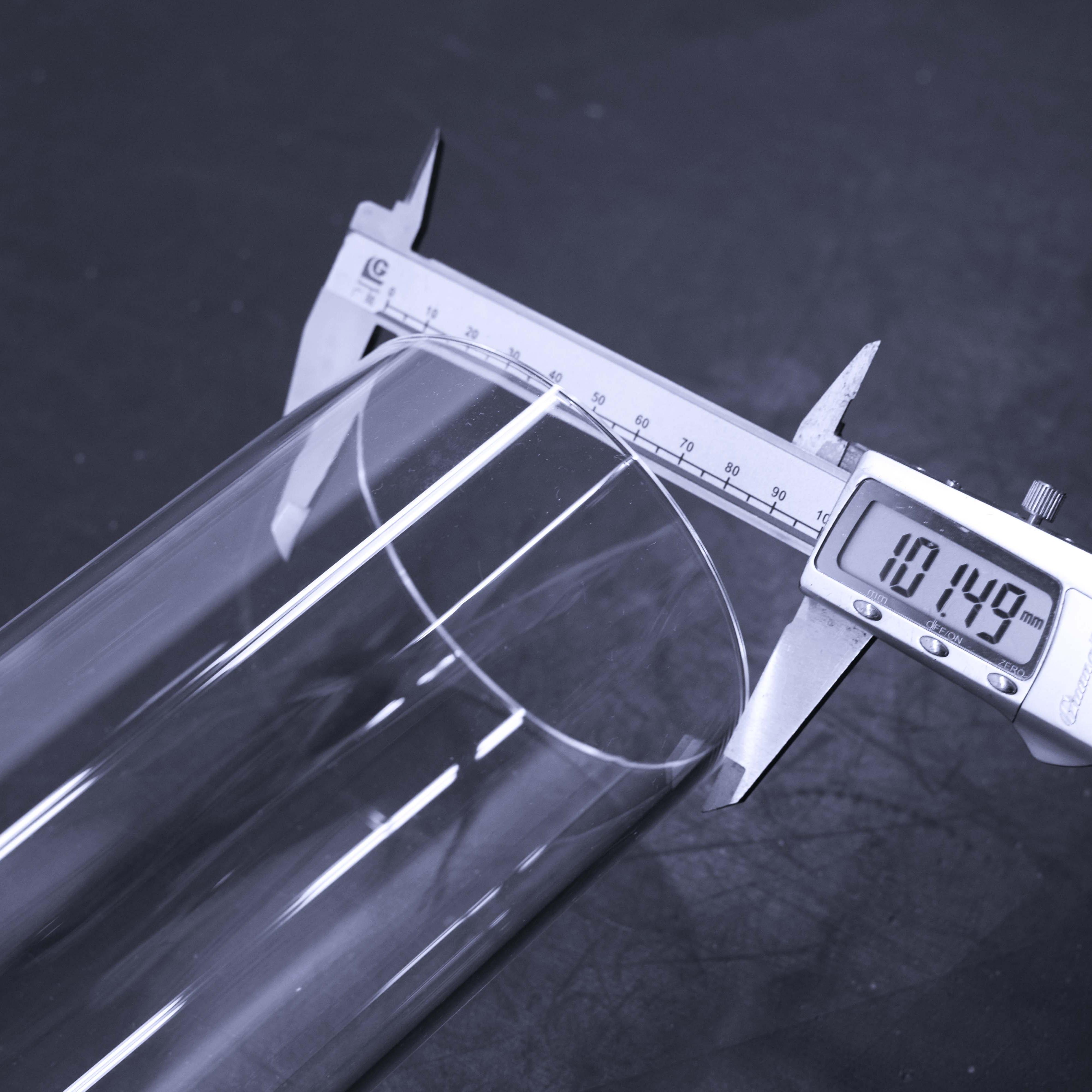
High Purity Quartz Transparent Polished Glass Tube Hollow High Temperature Resistance Clear Quartz Tube Bending
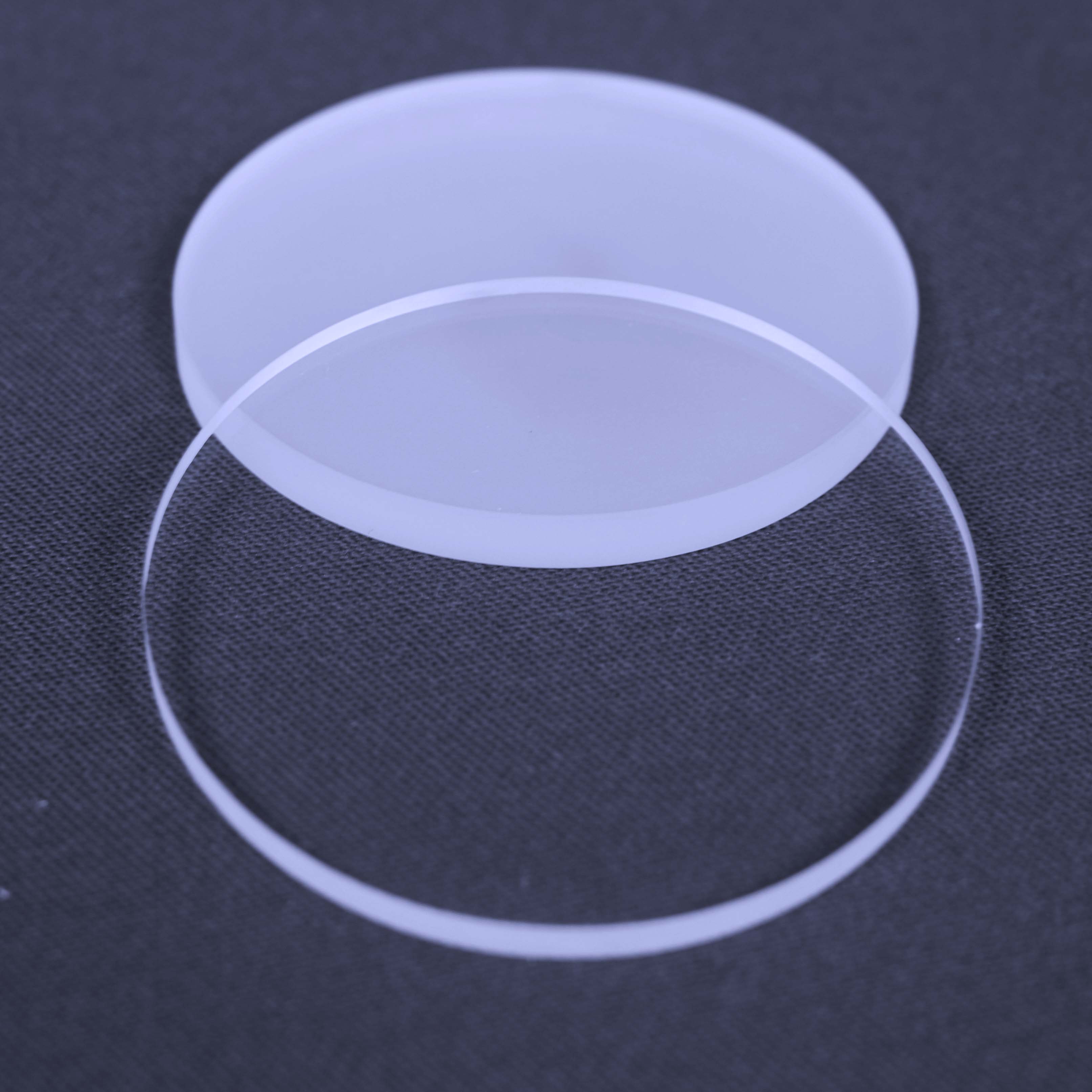
XRD Quartz Holder Test Samples High Transmittance Clear Plate Circular Shape High Melting Point SJ
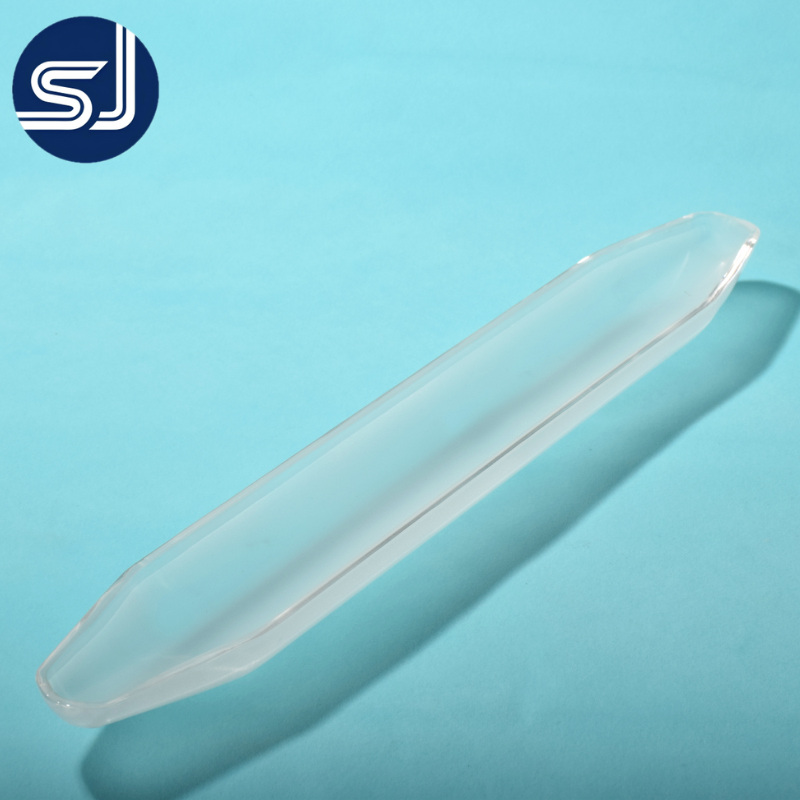
SJ 140 QUARTZ Customizable Transparent High Purity 99.9-99.999% Precision Polished Quartz Boat 1100 Lab
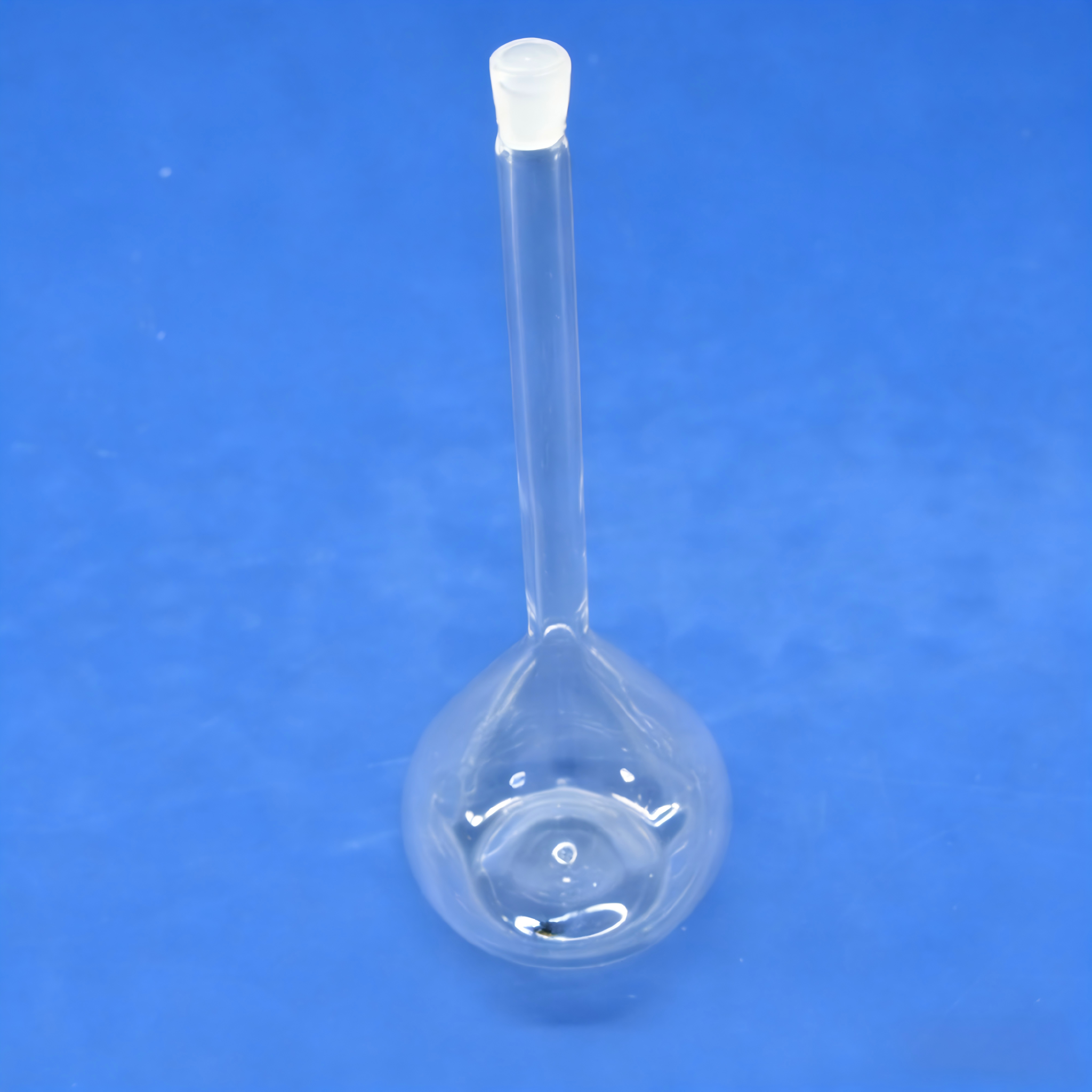
High Purity Transparent Quartz Glass Ampoule Customized Clear Quartz Flask Bending Cutting Welding Lab Use
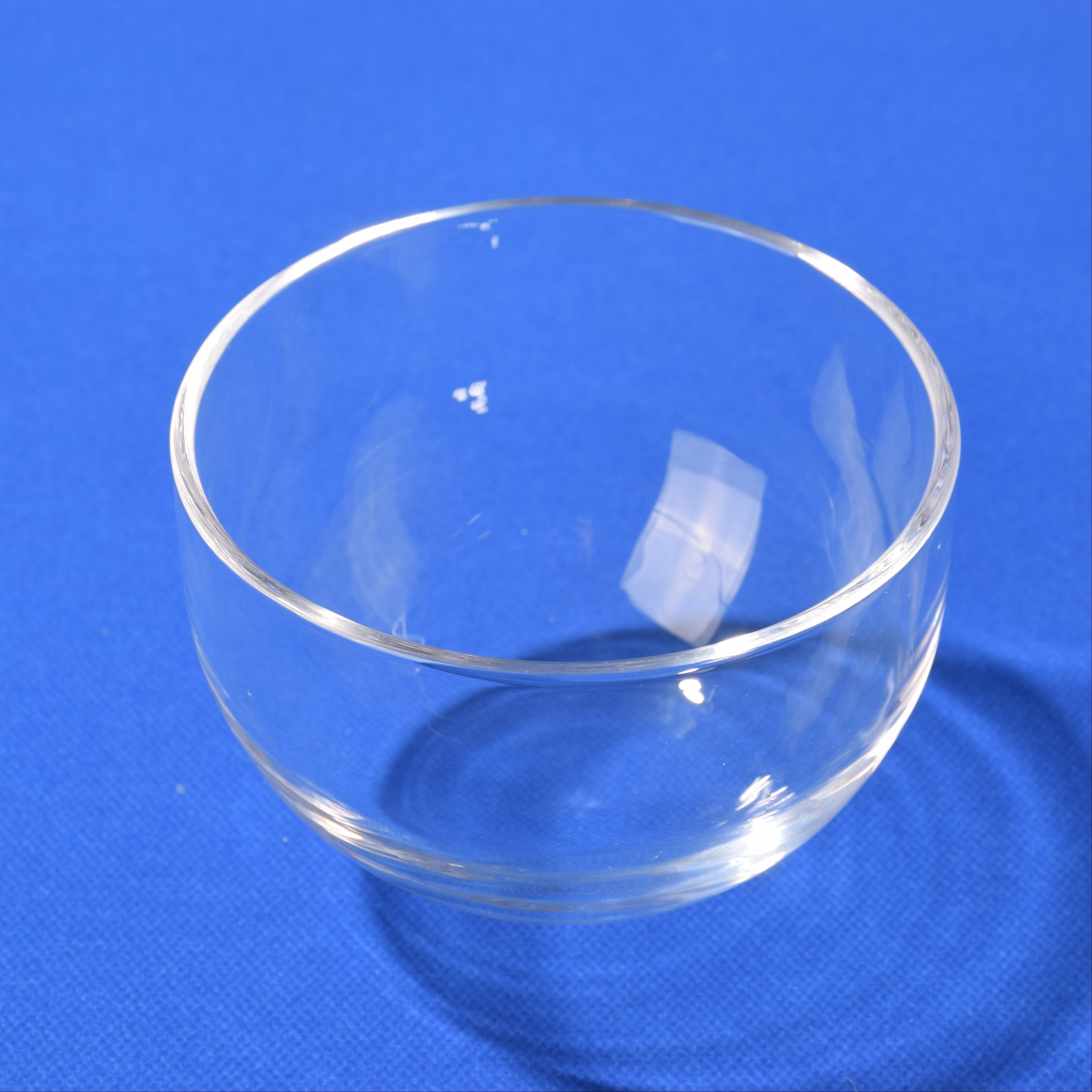
Clear Refractory Fused Quartz Crucible Bowl SJ Brand High Tension Strength 48 N/mm 1683 Softening Point
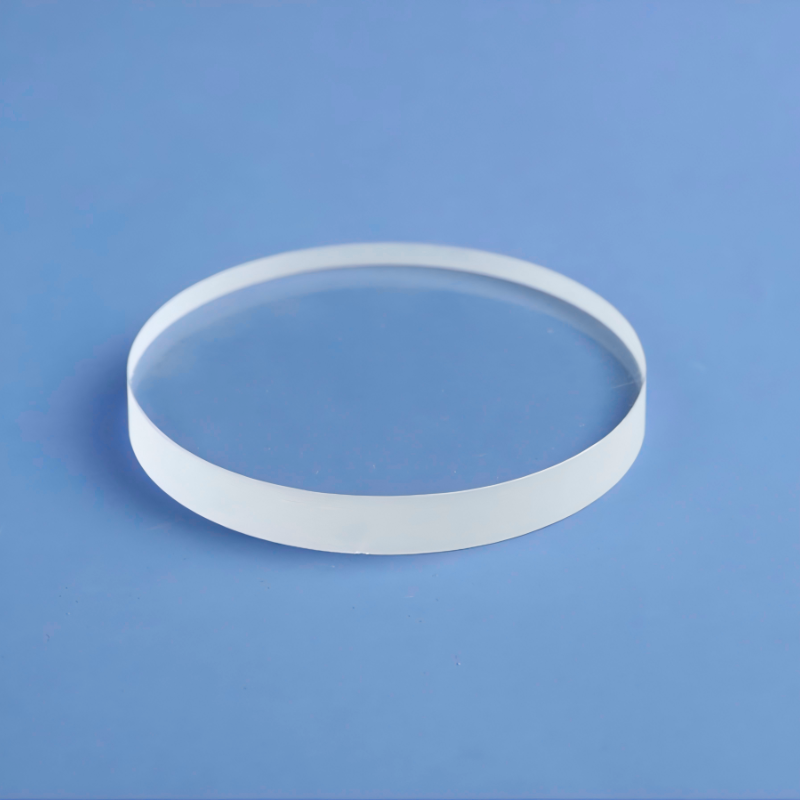
High Temperature Resistant Clear Sapphire Quartz Tablets Fused Silica Glass Sheets Customizable Sizes
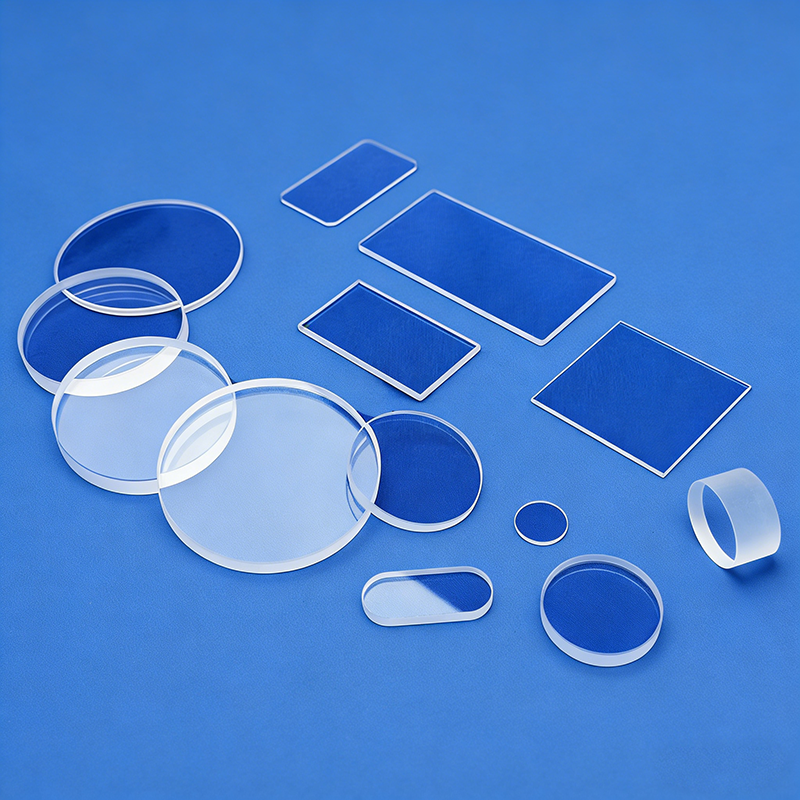
SJ QUARTZ Customized Translucent Natural Fused Quartz Arc-Welding Cutting Services Industrial Lab
Executive Technical Brief: Large-Bore Fused Quartz Engineering in South Texas
The industrial ecosystem of Greater San Antonio and the surrounding I-35 innovation corridor represents one of North America's fastest-growing advanced manufacturing regions. As capital investment accelerates across semiconductor wafer fabrication, high-yield photovoltaic manufacturing, aerospace propulsion testing, biomedical synthesis, and specialty energy refining, the demand for ultra-pure, thermally robust fluidic and thermal containment vessels has intensified.
Standard borosilicate glass fails when continuous processing temperatures exceed 500°C or when exposed to rapid thermal cycling, thermal shocks greater than 150°C, and aggressive plasma chemistries. Large-diameter fused quartz tubes, fabricated with an amorphous silicon dioxide (SiO₂) lattice exceeding 99.99% to 99.999% purity, have emerged as the foundational material resolving these processing bottlenecks. This engineering paper evaluates material performance thresholds, local integration scenarios across Bexar County, procurement failure mitigation, and custom fabrication advantages.
Zero Thermal Expansion Strain
Features an extraordinarily low coefficient of thermal expansion (CTE ≈ 5.5 × 10⁻⁷ /°C), preventing catastrophic wall fracture under extreme rapid furnace thermal shock from 1100°C to ambient water quench.
Broadband Optical Transmission
Delivers exceptional deep ultraviolet (DUV down to 185nm) through mid-range infrared (MIR up to 3500nm) transmission, providing optical transparency for photochemical reactors and pyrometric monitoring.
Chemical & Plasma Inertness
Impervious to virtually all acids, solvents, and neutral salts at elevated temperatures (except hydrofluoric and hot concentrated phosphoric acids), maintaining ultra-low trace metal ppm budgets.
Localized Industrial Applications in the San Antonio & Central Texas Corridor
Procurement requirements for large-diameter quartz glass in San Antonio are largely distinct from coastal petrochemical centers or standard optical laboratory clusters. The regional consumption profile is steered by high-technology initiatives, federal defense research, renewable energy manufacturing, and the continuous migration of high-density semiconductor capacity along the Austin-San Antonio technological megaregion.
1. Semiconductor Wafer Processing & CVD Diffusion Furnaces
Central Texas hosts some of the world's most strategic semiconductor fabrication installations. In diffusion, thermal oxidation, annealing, and low-pressure chemical vapor deposition (LPCVD) processes, the integrity of process tubes is paramount. Large quartz tubes—ranging from outer diameters of 150mm up to 450mm and 600mm—act as the primary thermal process chamber. In these applications, any trace transition-metal contamination (such as Fe, Cu, Ni, or alkali elements like Na and K) diffusing from the quartz wall into the silicon substrate causes device failure and yield degradation.
Our facility leverages natural high-purity quartz crystal sand directly sourced through the Donghai supply corridor, achieving total metallic impurity levels <15–20 ppm in standard furnace lines, and down to sub-5 ppm in electric-arc fused synthetic grades. The mechanical dimensional stability under high vacuum at 1100°C ensures zero wall collapse or ovality drift over multi-month thermal run campaigns.
2. Aerospace Propulsion & Hypersonic Materials R&D
San Antonio's long-standing prominence in military aerospace engineering, Southwest Research Institute (SwRI) initiatives, and commercial propulsion testing facilities creates unique demand for high-temperature flow observation channels. Fused silica tubes are deployed as continuous combustor sight sections, high-enthalpy aerodynamic wind tunnel viewing ports, and radiometer-shielding tubes. The ability to endure continuous operational thermal loads of 1100°C and short-duration peaks up to 1450°C—coupled with an ultimate softening transition point of 1683°C—allows researchers to directly record spectral combustion emissions and aerodynamic ablations without window failure.
3. Solar Cell Ingot Growth & Thin-Film PV Metallurgy
As South Texas positions itself as a clean energy hub, localized production of solar cells and next-generation perovskite/silicon tandem cells demands large-bore furnace tubes for crystal pulling, phosphine diffusion, and selenization cycles. Quartz tubes designed with uniform wall thicknesses prevent localized hot-spot formation, ensuring even radiant heating profiles across expansive multi-substrate boats.
4. Municipal Water Treatment & Industrial UV Photolysis
Serving the Edwards Aquifer water management districts and regional biopharmaceutical manufacturing facilities, heavy-wall ozone-free and high-transmittance synthetic quartz sleeves are critical components. Our doped quartz sleeves effectively block ozone-generating 185nm emissions while transmitting germicidal 254nm ultraviolet energy at >90% efficiency. This configuration protects plant personnel and downstream elastomeric seals from premature ozone degradation while maximizing pathogenic sterilization rates.
Material Engineering: Comparative Performance Matrix
Engineers often face trade-offs when selecting between Borosilicate Glass 3.3, Standard Fused Quartz, and Synthetic Fused Silica. The matrix below outlines fundamental thermodynamic and mechanical parameters critical for local San Antonio manufacturing designs:
| Property Parameter | Borosilicate 3.3 | Clear Fused Quartz (Natural) | Synthetic Fused Silica |
|---|---|---|---|
| SiO₂ Purity Content | ~80 - 81% | 99.99% – 99.999% | > 99.9999% (Electronic Grade) |
| Continuous Max Working Temp | ~450°C - 500°C | 1100°C | 1150°C - 1200°C |
| Softening Point (ASTM C338) | ~820°C | 1683°C | 1730°C |
| Thermal Expansion Coeff. (CTE) | 3.3 × 10⁻⁶ /°C | 5.5 × 10⁻⁷ /°C | 5.2 × 10⁻⁷ /°C |
| Thermal Shock Tolerance (ΔT) | ~150°C | > 1100°C to water plunge | > 1150°C to water plunge |
| Deep UV Transmission (at 193-254nm) | Near Zero (Opaque) | 75% – 88% (Grade Dependent) | > 90% – 92% |
| Tensile Strength Yield | 35 N/mm² | ≈ 48 N/mm² | ≈ 50 N/mm² |
Emerging Regional Procurement Trends in Central & South Texas
Procurement workflows within the San Antonio corridor are undergoing a structural shift driven by supply chain resilience imperatives and higher process automation.
1. Shift Toward Direct-From-Factory Rapid Customization: Traditional distributors stocking standardized 4-foot tube lengths with broad dimensional tolerances are losing share to agile original manufacturers. Advanced semiconductor diffusion tools and customized CVD setups require exact lengths, flared ground joints, ball-and-socket connections, welded gas-inlet manifolds, and slotting fabricated directly from engineering CAD files. Vulra Quartz enables local engineers to order custom-dimensioned tubes starting at an MOQ of just 1 piece, removing intermediate markup and reducing drawing-to-delivery lead times.
2. Stringent Impurity Budgeting for Wafer Fabs: As semiconductor process nodes contract, thermal diffusion tubes are subjected to stricter impurity audits. Procurement departments no longer accept generalized certificates of conformance; they require inductively coupled plasma mass spectrometry (ICP-MS) trace impurity documentation to verify that volatile transition metals (specifically Copper, Iron, Nickel, and Zinc) remain below detectable parts-per-billion thresholds.
3. Demand for Larger Bore Diameters (>300mm to 800mm): Driven by multi-wafer batch furnace scaling and high-throughput solar cell wafer carriers, localized facilities are migrating to large-bore process tubes. Maintaining dimensional roundness (low ovality) and consistent wall thickness along a 2-meter or 3-meter tube length is a difficult manufacturing challenge that requires continuous optical measuring feedback and computerized oxy-hydrogen glass lathe precision.
Manufacturing Strengths & Factory Capabilities
Located at No. 9, Dingxin Road within the Jiangsu Donghai Economic Development Zone—the internationally acknowledged crystal capital of China—Lianyungang Vulra Quartz Products Co., Ltd. controls an integrated manufacturing campus spanning raw crystal sand beneficiation, precision thermal forming, diamond cold machining, controlled annealing, and cleanroom packaging.
TÜV Rheinland Audited
Verified on-site by TÜV Rheinland for production floor capacity, legal licensing, and testing systems. CE-marked and RoHS compliant across all structural tube families.
Hot & Cold Dual Integration
Complete hot-working glass lathes for tube dome sealing, reduction necking, and manifold welding, plus cold diamond cutting, CNC drilling, surface lapping, and fire-polishing.
Engineered Export Crating
Each fragile tube is acid-etched, DI-water decontaminated, wrapped in anti-static PE, nested in high-density customized shock-absorption foam, and secured in international export plywood crates.
Engineering Quality Assurance & Metrology
Every tube shipped to North American buyers undergoes rigorous metrology controls before dispatch:
A. Dimensional Verification & Ovality Control: Laser micrometers measure outer diameter (OD) and wall thickness at multiple axial points. Standard dimensional tolerances are held within ±0.2mm to ±0.5mm, with high-precision ground options achieving ±0.05mm. Ovality across diameters exceeding 200mm is strictly limited to <1.2% to guarantee airtight sealing against silicon or metal flanges.
B. Polariscopic Stress Analysis: Uneven cooling during flame welding creates residual thermal stresses that can cause spontaneous fracture during high-temperature cycling. Our factory utilizes multi-stage electric annealing furnaces up to 1180°C followed by slow, programmed ramp-downs. Every weld and flared joint is audited under polarized light to guarantee complete stress relief.
C. Surface Defect & Bubble Grade Classification: Fused quartz tubes are visually graded under high-intensity darkfield lighting. Bubble content, inclusions, and air lines comply with DIN 58927 / ISO 12123 standards, ensuring minimal seed concentrations that could act as stress concentrators during vacuum or pressure cycles.
San Antonio Buyer's Frequently Asked Questions (FAQ)
What are the standard delivery lead times for custom-dimensioned quartz tubes to San Antonio, TX?
How do you guarantee that large, heavy-wall quartz tubes do not arrive cracked or shattered?
Can you fabricate directly from proprietary CAD drawings, and what file formats do you accept?
How do I determine whether my application requires natural fused quartz or synthetic fused silica?
What is the operational difference between clear quartz tubes and ozone-free quartz tubes?
What is your Minimum Order Quantity (MOQ) for prototypes and pilot manufacturing runs?
Connect with our Factory Engineering Team
Need technical evaluation of a custom tube drawing, a detailed material purity trace report, or volume quote for your facility in San Antonio? Our senior quartz engineers are available for direct engineering consultations.
Inquire Now