Thermal 1683°C

Clear Refractory Fused Quartz Crucible Bowl Semiconductor Grade
Tensile Strength48 N/mm²
Softening Point1683 °C
Engineered to meet the exact thermal, optical, and mechanical specifications demanded by laboratory researchers, cleanroom fabs, and high-frequency instrumentation engineers across Ontario.
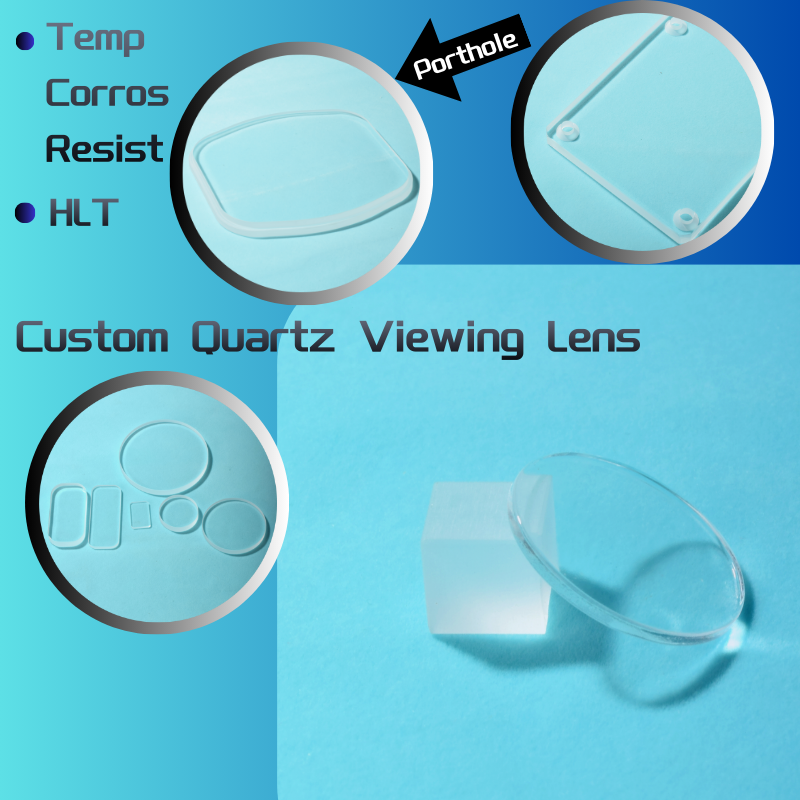
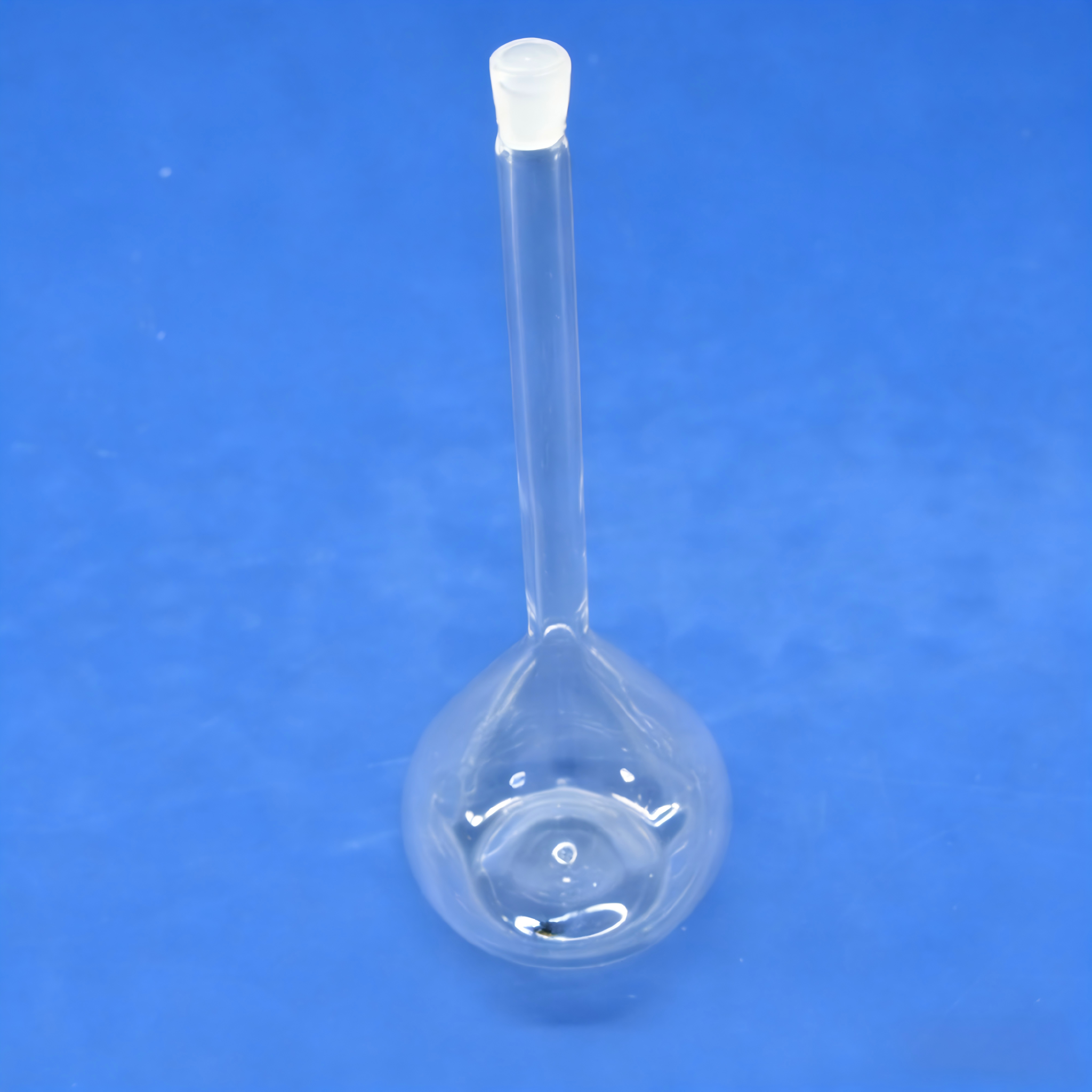
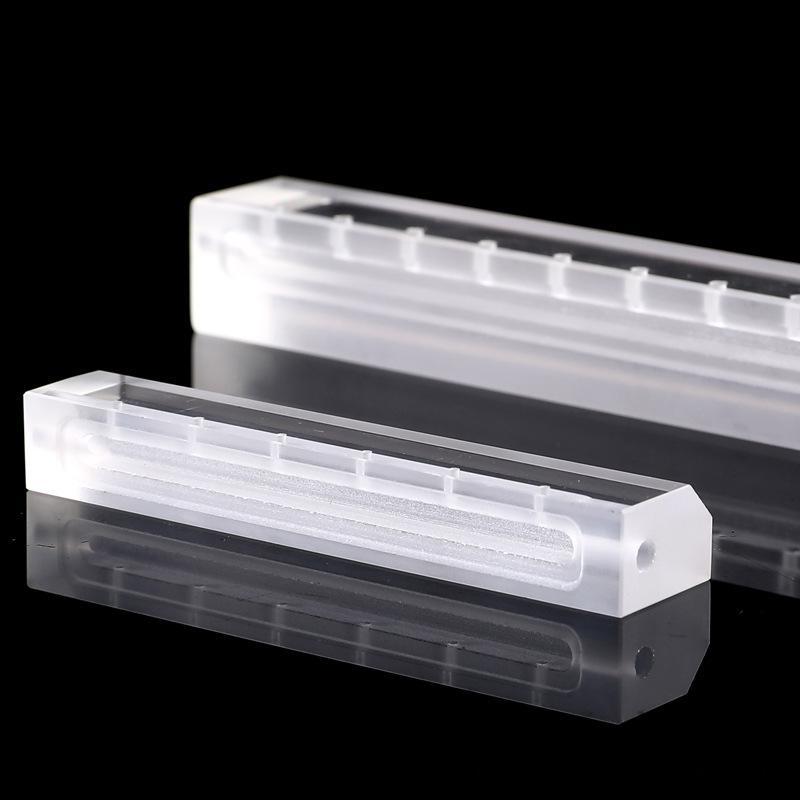

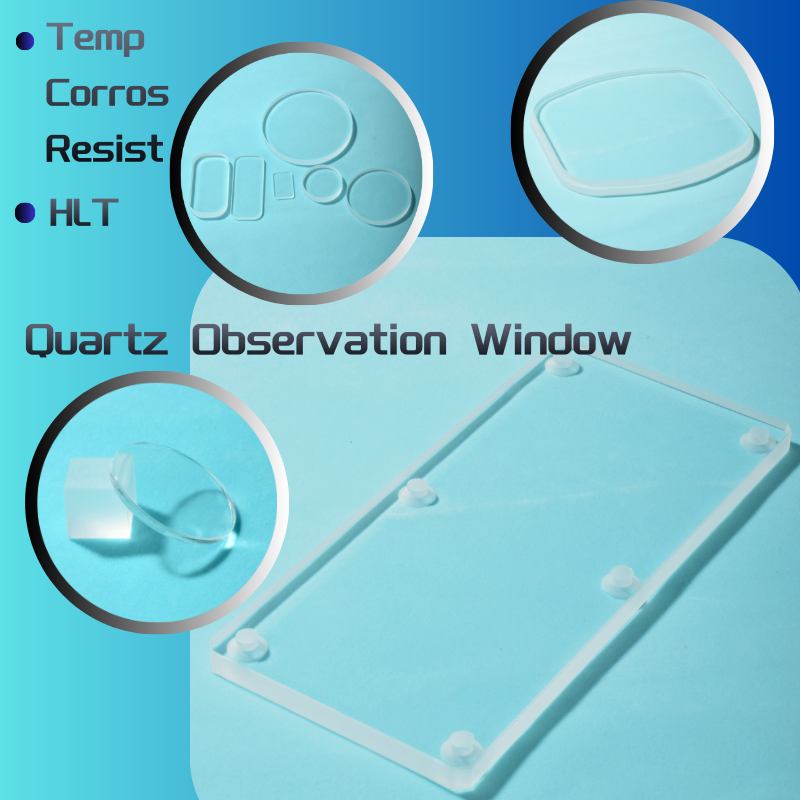
A comprehensive examination of interface adhesion, dielectric stability, and infrared-to-ultraviolet optical reflectance for high-integrity Canadian research applications.
In high-precision optical, analytical, and photothermal systems, gold-coated quartz occupies a unique intersection of material science. Fused quartz ($SiO_2$) delivers near-zero thermal expansion ($5.5 \times 10^{-7} /^\circ\text{C}$), exceptional chemical inertness against harsh acids (excluding hydrofluoric and hot phosphoric), and high structural stability across temperature excursions extending past $1100^\circ\text{C}$. When combined with an engineered gold ($Au$) thin-film deposited via physical vapor deposition (PVD) or magnetron sputtering, the resulting composite substrate provides specular infrared reflection exceeding 98% in the $700\,\text{nm}$ to $20\,\mu\text{m}$ spectral bandwidth, alongside an electrically conductive, chemically inert surface tailored for molecular self-assembly.
The manufacturing process begins with optical-grade synthetic fused silica or natural high-purity fused quartz mined and refined from select pegmatite veins. The quartz substrate undergoes double-sided planetary chemo-mechanical polishing (CMP) to achieve an atomic surface roughness ($R_a$) below $0.5\,\text{nm}$ (5 Ångströms), with surface scratch-dig ratings held strictly to 20-10 or 10-5 per MIL-PRF-13830B. Any subsurface micro-fracture or residual alkali contamination rapidly causes vapor blistering or peeling when subjected to thermal thermal cycles in semiconductor annealing furnaces or continuous NIR radiant emitters.
Prior to thin-film coating, substrates undergo multi-stage ultrasonic degreasing, piranha acid etching ($H_2SO_4:H_2O_2$ in 3:1 volumetric ratio) to eliminate trace organic adsorbates, and in-situ radio-frequency (RF) argon plasma sputtering inside a Class 1,000 cleanroom vacuum chamber pumped down to $10^{-7}\,\text{Torr}$. Magnetron deposition introduces a precisely metered intermediate adhesion layer: Chromium ($Cr$) is preferred for aggressive cryogenic-to-high-temperature cycling, whereas Titanium ($Ti$) is standard for biomedical and biophotonic Surface Plasmon Resonance (SPR) chips where optical absorption in the visible spectrum must remain tightly controlled. The primary gold layer ($99.999\%$ pure Au) is then deposited without breaking vacuum to a target thickness ranging from $50\,\text{nm}$ (semi-transparent sensor substrates) to $250\,\text{nm}$ (fully opaque first-surface mirrors and industrial infrared heater reflectors).
| Physical / Optical Parameter | Standard Clear Fused Quartz | Semiconductor-Grade Quartz | Gold-Coated Quartz Substrate |
|---|---|---|---|
| $SiO_2$ Purity Content | > 99.99% | > 99.999% | Substrate > 99.999% | Film 99.999% Au |
| Coefficient of Thermal Expansion ($0-1000^\circ\text{C}$) | $5.5 \times 10^{-7} /^\circ\text{C}$ | $5.4 \times 10^{-7} /^\circ\text{C}$ | Interface Compensated ($< 5.6 \times 10^{-7}$) |
| Infrared Reflectance ($1.0 - 15\,\mu\text{m}$) | ≈ 4% (Fresnel Reflection) | ≈ 4% | ≥ 98.2% Specular Reflection |
| Continuous Service Temperature | 1100 °C | 1150 °C | Up to 350°C (film limit) / 950°C (encapsulated) |
| Adhesion Intermediate Layer | N/A | N/A | 3 - 5 nm Sputtered Titanium (Ti) or Chromium (Cr) |
| Surface Roughness ($R_a$) Post-CMP | < 1.5 nm | < 0.8 nm | < 0.3 - 0.5 nm (Super-polished) |
How precision gold-metallized fused silica and custom laboratory quartz components empower deep-tech enterprises, universities, and industrial manufacturers across the Greater Toronto Area.
Toronto's Downtown Discovery District, anchored by the MaRS Centre, Princess Margaret Cancer Centre, and the University of Toronto, drives cutting-edge biomolecular interaction analysis. Gold-coated quartz slides functionalized with self-assembled monolayers (SAMs) of alkanethiols serve as the critical transducer interface for Surface Plasmon Resonance (SPR) and localized SPR (LSPR) instruments, measuring label-free kinetic binding of proteins, aptamers, and mRNA therapeutics.
Within the Waterloo-Toronto quantum tech supercluster, cleanroom facilities require ultra-low dielectric loss substrates. Gold-coated quartz wafers act as resilient grounding planes, coplanar waveguides, and patterned electrode stages operating under millikelvin dilution refrigerator conditions, providing uncompromised planar flatness and cryogenic stress endurance without film delamination.
Advanced automotive component suppliers, optical instrumentation builders, and clean-tech equipment manufacturers in Markham and Mississauga utilize gold-jacketed dual-tube quartz infrared lamps. The internal 180° directional gold reflector reflects up to 98% of thermal radiation directly onto process zones, halving energy loss in rapid thermal processing (RTP) and PET preform stretch-blow molding.
Market intelligence analyzing how supply chain reconfiguration, semiconductor subsidies, and high-frequency diagnostics are driving quartz demand in Canada.
The rapid shift toward decentralized disease detection and water quality monitoring throughout Ontario has elevated demand for Quartz Crystal Microbalance with Dissipation (QCM-D) sensors. 5 MHz and 10 MHz AT-cut fused quartz discs with patterned gold electrodes are increasingly specified with strict resonance frequency tolerances (±2 kHz), driving procurement toward direct-from-factory custom glass fabricators capable of micron-level edge beveling.
Canadian photonics corporations and university procurement offices are increasingly sidestepping multi-tiered domestic distribution markups. Sourcing directly from verified manufacturers in prime crystal clusters (such as Donghai) with established third-party audit credentials (TÜV Rheinland, CE, RoHS) delivers cost reductions of 35% to 50% while guaranteeing documented raw material purity and drawing conformance.
With industrial electricity tariffs across Ontario incentivizing peak-demand reductions, manufacturing facilities are retrofitting legacy ceramic and quartz resistance heaters with gold-coated quartz directional emitters. The gold coating acts as a selective back-surface optical barrier, focusing directional heat flux and eliminating the need for bulky external reflector cooling loops.
Our optical fabrication engineers review your 2D/3D CAD drawings for thermal stress mitigation, coating uniformity, and dimension tolerances within 24 hours.
Combining the mineral resource wealth of China's crystal capital with international auditing standards to serve Toronto's discerning engineering community.
Headquartered at No. 9 Dingxin Road, Donghai Economic Development Zone, we draw directly upon high-purity quartz silica sand deposits, guaranteeing consistent raw material lots with total elemental metallic impurities under 10 ppm.
Our production facilities, hot flame-working lathes, cleanroom packaging areas, and legal operational entity undergo regular on-site verification by TÜV Rheinland, backed by full CE and RoHS product compliance documentation.
Integrated capabilities under one roof: oxy-hydrogen bench glass-blowing, precision diamond sawing, laser cutting, double-sided optical lapping, ultrasonic hole core drilling, and computer-controlled electric de-stress annealing ovens.
Fragile optical quartz parts are individual sealed in cleanroom vacuum bags, cushioned with multi-density shock-absorbing EPE foam cells, and crated inside fumigated export timber frames with shock/tilt warning indicators for seamless delivery to YYZ.
Direct answers addressing import tariffs, optical tolerances, cleaning protocols, and technical validation parameters.