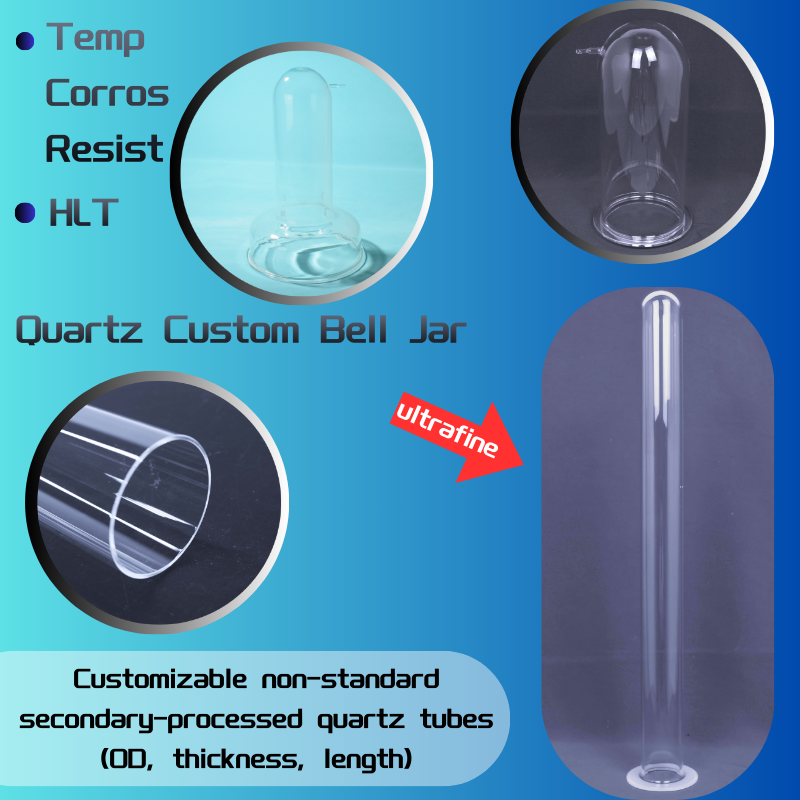
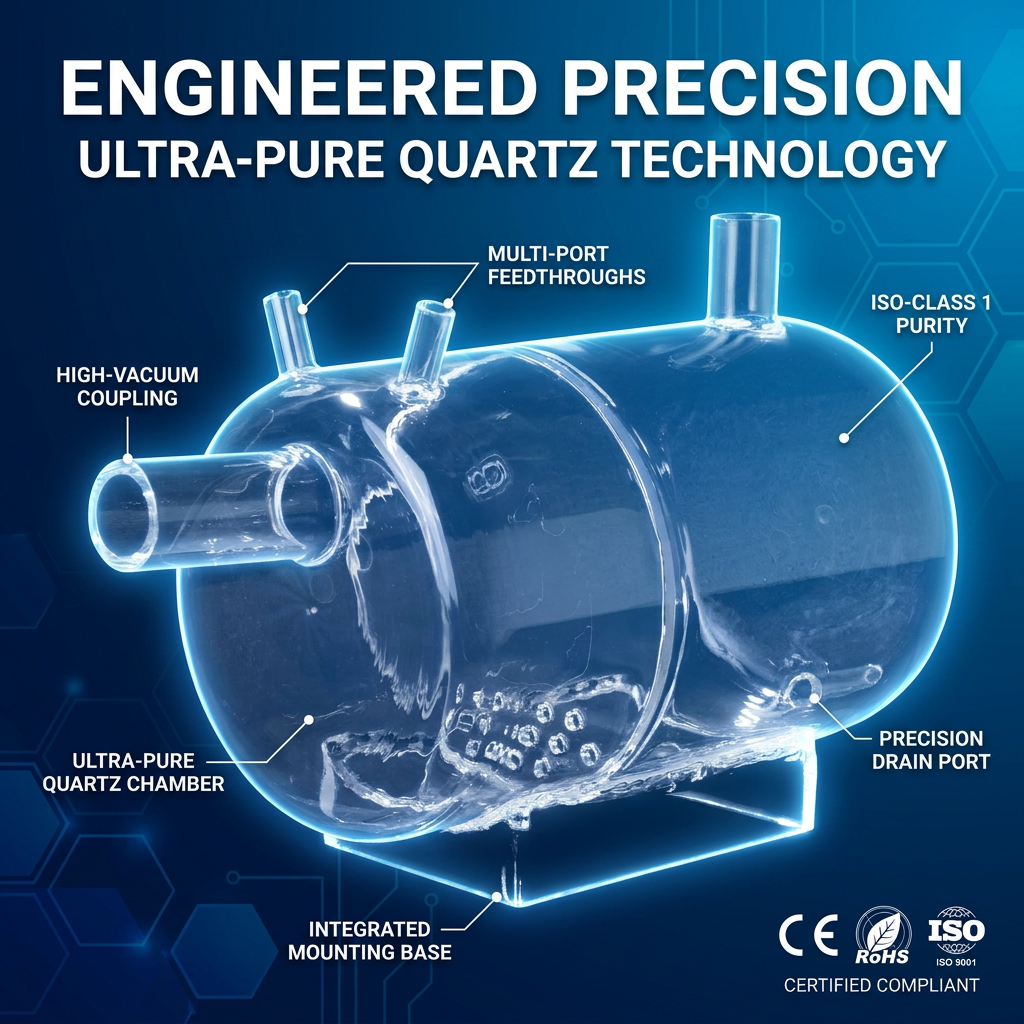
SJ 130 Clear Customizable Negative Pressure Leak-Proof Vacuum Tube
Engineered for extreme vacuum integrity down to 10⁻⁶ Torr, zero microscopic wall fissures, and uniform thermal distribution in diffusion furnaces.
Precision-machined, flame-worked, and dehydroxylated quartz glass configurations fabricated to micro-tolerances for laboratory furnaces, vacuum chambers, and thermal process reactors.
Engineered for extreme vacuum integrity down to 10⁻⁶ Torr, zero microscopic wall fissures, and uniform thermal distribution in diffusion furnaces.
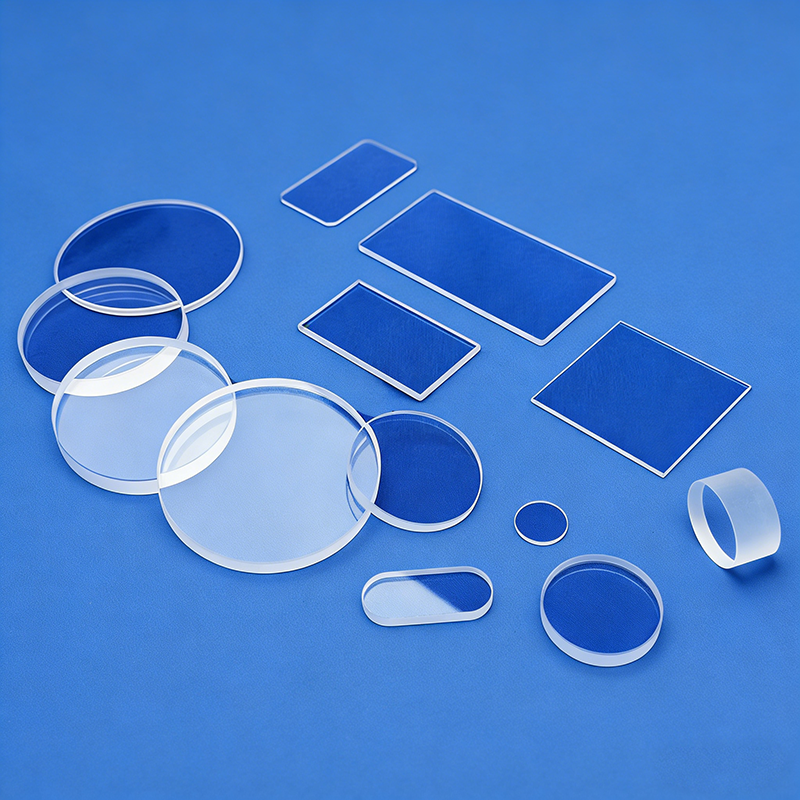
Heavy-duty industrial furnace chambers with superior infrared diffuse reflectance, high thermal shock resilience, and customized diamond-blade cutting.
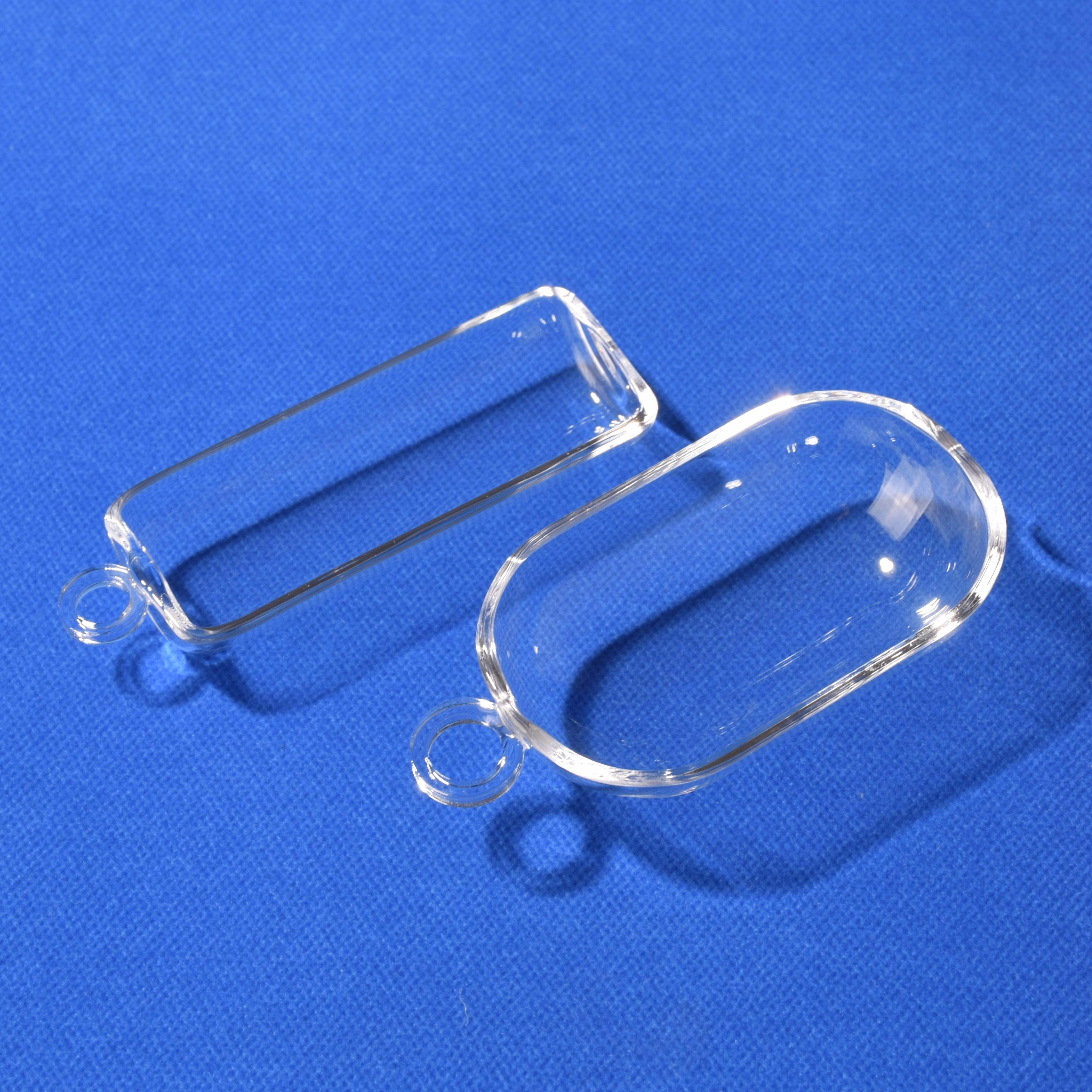
Fire-polished transparent profile with high bending strength, designed specifically for horizontal material sintering and chemical vapor deposition processes.
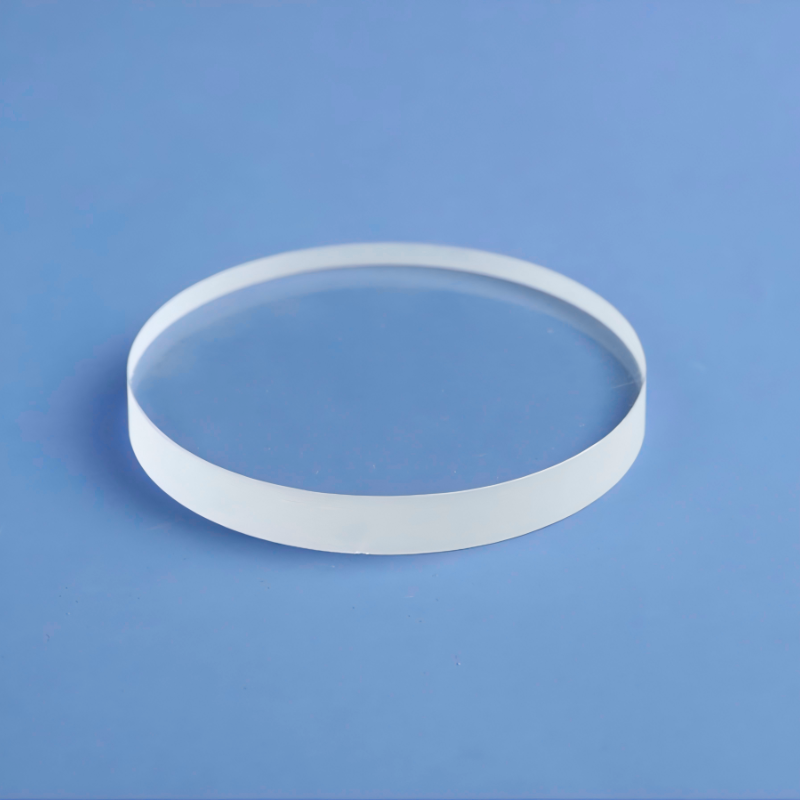
Ultra-parallel double-sided optical polishing for vacuum sight windows, laser diagnostics, high-pressure spectrometry, and pyrometric observation ports.
Acid-resistant digestion and extraction vessels engineered for trace-element separation without risk of alkali or transition-metal leaching into ultra-pure reagents.
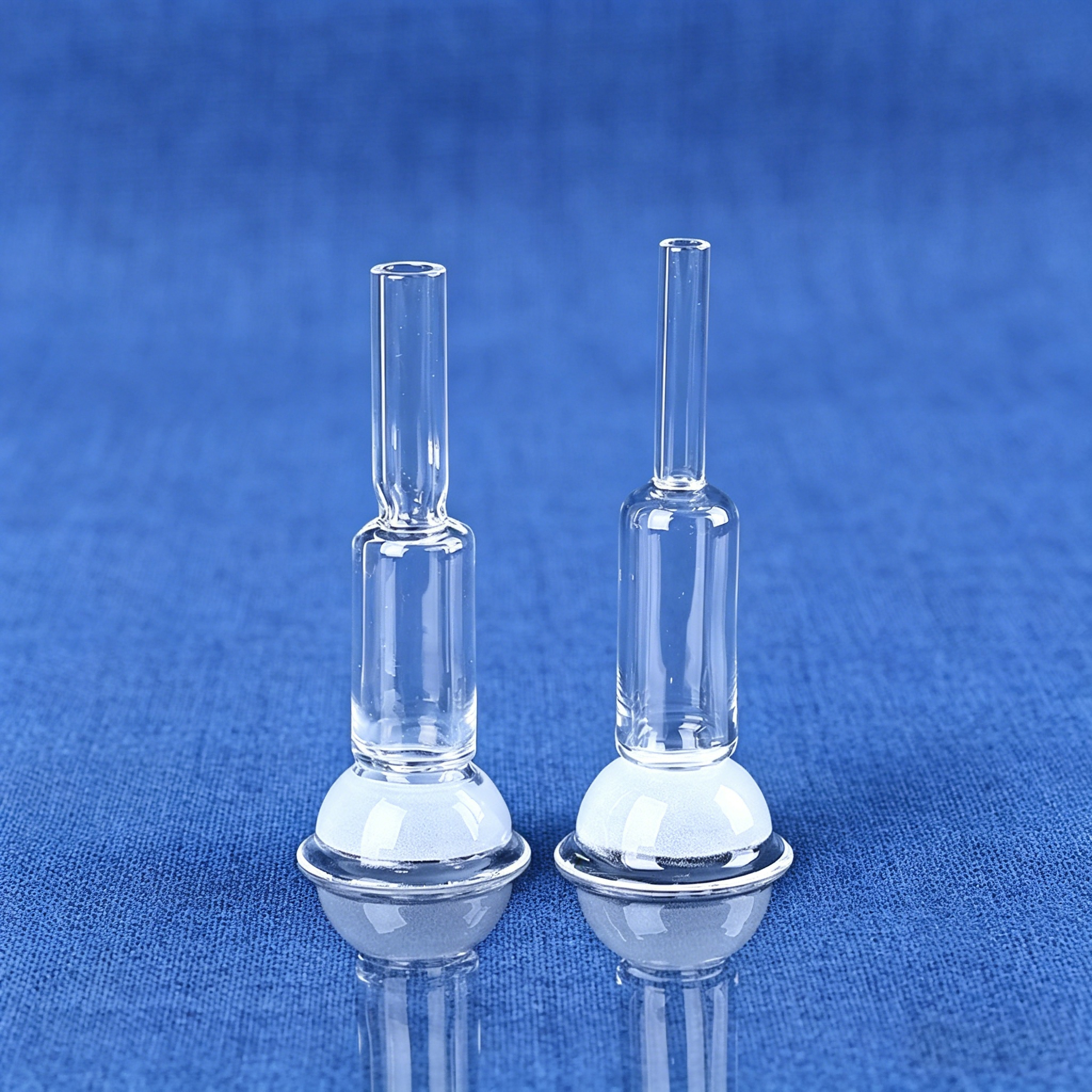
Micro-welded and precision-bent quartz tubes designed for specific surface area and gas physisorption testing rigs (BELSORP/Micromeritics compatible).
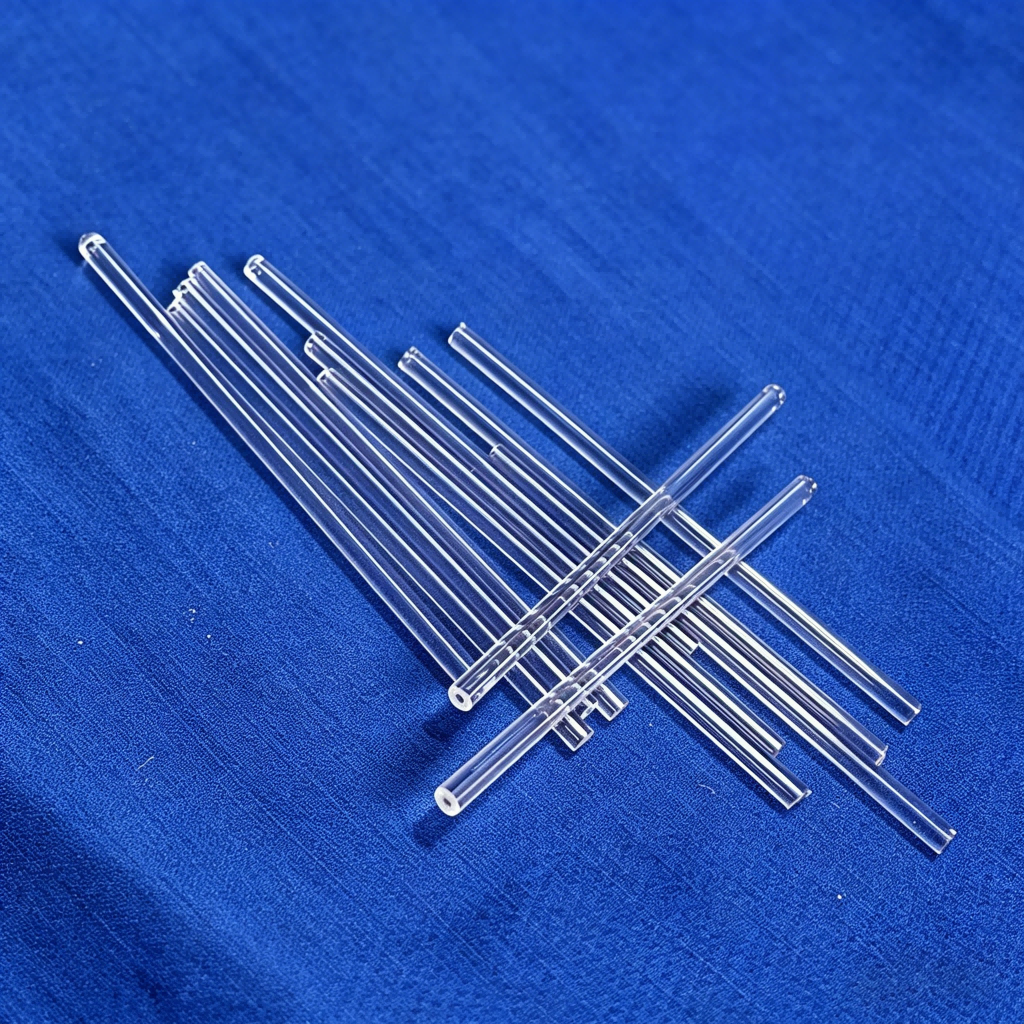
Controlled internal diameter tolerances (±0.02 mm) for mass spectrometry gas injection, thermal discharge lines, and microfluidic research under thermal stress.
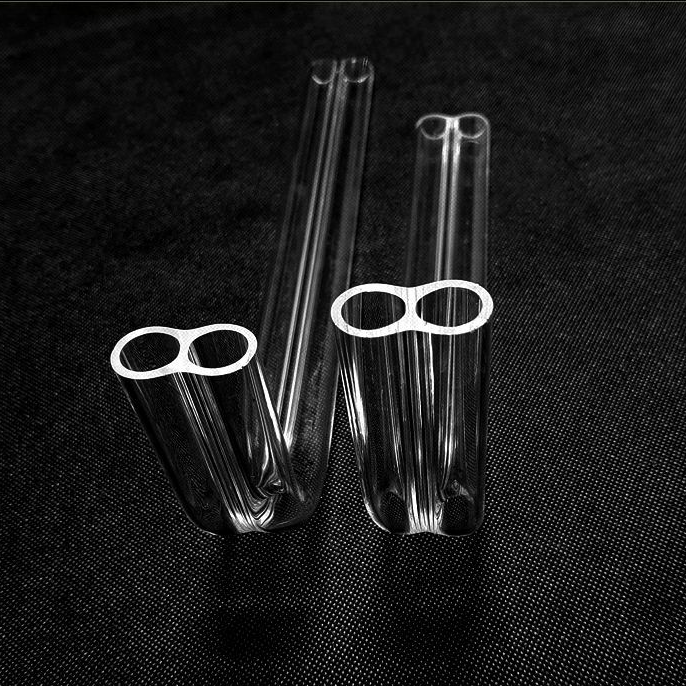
Annealed dual-wall quartz assembly with 90-degree bending geometry, mitigating thermal stress points in aggressive halogen gas transfer and exhaust systems.
In high-temperature material processing, nuclear physics, and microelectronics, vitreous fused silica and fused quartz tubing serve as foundational structural materials. For technical directors, plant engineers, and research procurement officers operating in the industrial and academic clusters of Kharkiv, selecting high-purity quartz tubing involves critical evaluations of thermophysical stability, devitrification kinetics, chemical leachability, and optical transmission bandwidths. Unlike conventional borosilicate or aluminosilicate glasses, vitreous fused quartz is comprised of an amorphous network of pure silicon dioxide (SiO₂) tetrahedra without traditional fluxing agents (such as Na₂O, K₂O, or CaO). This structural purity yields an extraordinarily low coefficient of thermal expansion, near-zero thermal shock vulnerability, and remarkable chemical inertness.
"Thermal expansion of high-grade fused quartz remains locked at 5.5 × 10⁻⁷ / K between 20°C and 320°C. This allows red-hot quartz tubing operating at 1100°C to be instantaneously submerged into icy water without macroscopic crack propagation or structural failure—a parameter vital for Kharkiv’s induction heating and chemical vapor phase reactors."
Lianyungang Vulra Quartz Products Co., Ltd., based in Donghai—the world's crystal sourcing and quartz processing capital—manufactures transparent, translucent, and opaque fused quartz tubing from natural high-purity crystal quartz sand, ensuring SiO₂ concentrations consistently between 99.99% and 99.999%. Our manufacturing protocol integrates continuous electric fusion, oxy-hydrogen flame drawing, and diamond cold machining to supply Kharkiv industrial operators with components capable of enduring continuous exposure to 1100°C and peak intermittent excursions up to 1450°C.
| Physical / Chemical Property | Standard Purity (Industrial Grade) | High Purity (Semiconductor Grade) | Test Standard / Engineering Benchmark |
|---|---|---|---|
| Silicon Dioxide (SiO₂) Content | ≥ 99.99 % | ≥ 99.999 % | ICP-OES / GD-MS Chemical Verification |
| Hydroxyl (OH⁻) Ion Concentration | < 30 ppm (Dehydroxylated < 5 ppm) | < 15 ppm (UV Grade < 5 ppm) | FTIR Infrared Absorption at 2.73 μm |
| Coefficient of Thermal Expansion (CTE) | 5.5 × 10⁻⁷ cm / cm · °C (20–320°C) | 5.4 × 10⁻⁷ cm / cm · °C (20–320°C) | ASTM E228 Push-Rod Dilatometry |
| Continuous Maximum Operating Temp | 1100 °C | 1150 °C | Long-cycle thermal furnace test (>100 hrs) |
| Intermittent / Peak Softening Point | 1450 °C (Softens at 1683 °C) | 1500 °C (Softens at 1710 °C) | ASTM C338 Fiber Elongation Method |
| Dielectric Constant (ε) | 3.80 at 1 MHz | 3.78 at 1 MHz | ASTM D150 Dielectric Permittivity |
| Spectral Transmission Bandwidth | 260 nm – 2500 nm (> 90%) | 190 nm – 3500 nm (> 92%) | UV-VIS-NIR Double-Beam Spectrophotometry |
| Chemical Acid Resistance | Unaffected by HNO₃, H₂SO₄, HCl | Unaffected by aqua regia and organic solvents | Corroded solely by HF and conc. H₃PO₄ (>300°C) |
For high-temperature vacuum furnaces and tube-furnace synthesis, the primary failure mode of quartz glass is devitrification—the phase transformation of metastable vitreous silica into crystalline cristobalite. Cristobalite undergoes a displacive α-to-β phase transition at approximately 220°C, accompanied by a localized 5% volume expansion that generates catastrophic micro-cracking and loss of vacuum hermeticity. This crystallization process is catalyzed almost entirely by microscopic surface impurities, specifically alkaline and alkali-earth elements (sodium, potassium, lithium, calcium, and magnesium).
At Vulra Quartz, our Donghai purification protocols enforce rigorous trace-element limitations. Sodium (Na) is constrained below 0.7 ppm, Potassium (K) below 0.6 ppm, and Iron (Fe) below 0.2 ppm. Furthermore, all tubes undergo double-sided deionized water chemical etching (acid-wash passivation in hydrofluoric/nitric mixtures) and cleanroom thermal annealing inside electric resistance lehrs to relieve mechanical micro-stresses imparted during lathe-drawing or flame-welding operations.
Kharkiv represents Ukraine’s premier hub for physical science research, power-engineering apparatus manufacturing, and advanced metallurgical synthesis. Here is how Vulra Quartz engineering integrates into local facilities.
The National Science Center "Kharkiv Institute of Physics and Technology" operates cutting-edge particle accelerators, stellarators, and plasma injectors. Our ultra-high-purity quartz vacuum tubes (99.999% SiO₂) provide critical RF-transparent dielectric break isolation, vacuum beamline sightports, and ion chamber enclosures unaffected by intense electromagnetic radiation.
The Institute for Scintillation Materials in Kharkiv requires ultra-clean thermal containment for synthesizing alkali-halide crystals, oxide scintillators, and radiation detection substrates. Our custom large-diameter quartz ampoules, crucibles, and reaction jackets exhibit zero metal leaching, preserving the strict stoichiometric purity needed for high-efficiency detectors.
From heavy industrial boiler monitoring at combined heat and power plants (CHPP-3, CHPP-5) to gas turbine telemetry, Kharkiv’s energy systems demand heavy-wall quartz sight glasses, high-pressure liquid level gauges, and thermocouple protection sheaths able to endure high-velocity steam corrosion and violent temperature swings up to 1200°C.
Laboratories across V. N. Karazin Kharkiv National University and NTU "KhPI" utilize our C-shaped BET surface area tubes, ozone-free UV photochemical reactors, micro-capillary chromatography lines, and Kjeldahl digestion assemblies requiring custom drawing fabrication and resilience against aggressive hot mineral acids.
Across Kharkiv Oblast and the wider northeastern industrial corridor of Ukraine, facilities are undergoing comprehensive modernization. For decades, technical enterprises in the region relied upon domestic or legacy Soviet standards for industrial glass products, including OST 21-42-87 and GOST 15130-86 for transparent quartz glass. While historically robust, these legacy specifications often tolerate wider dimensional runout, higher bubble density (Class 3/4), and elevated sodium and iron concentrations that trigger premature devitrification under modern high-efficiency sintering regimes.
Today, Kharkiv’s research institutes, specialized foundries, and energy equipment builders are aggressively aligning their procurement protocols with European Norms (EN), ISO 9001:2015 frameworks, and international semiconductor manufacturing standards. Modern applications—such as vacuum plasma spray deposition, semiconductor wafer research, and high-intensity ultraviolet (UV-C) water purification—require strict adherence to DIN 3140 optical inspection standards, near-zero wall eccentricity, and certified dehydroxylation.
Furthermore, current geopolitical and logistical realignments necessitate resilient, direct-from-manufacturer supply chains. Engineering procurement teams in Kharkiv cannot afford multi-tiered middleman markups or unpredictable quality variances. By sourcing directly from Lianyungang Vulra Quartz Products Co., Ltd., Kharkiv buyers establish direct technical communication with factory engineers, enabling 1-piece rapid prototyping, drawing-based OEM fabrication, and verifiable quality testing documentation (including GD-MS chemical assay sheets, dimensional inspection reports, and CE/RoHS conformity declarations).
| Evaluation Parameter | Legacy Regional Standard (e.g., GOST 15130 / Industrial Grade) | Vulra Quartz Semiconductor-Grade Spec (DIN/ISO Aligned) | Direct Operational Benefit for Kharkiv Facilities |
|---|---|---|---|
| Trace Alkali Content (Na, K, Li) | Typically > 15 – 35 ppm | Strictly ≤ 1.5 ppm (Total Alkalis) | Multiplies continuous furnace service life 3-fold; halts cristobalite devitrification. |
| Outer Diameter (OD) Tolerance | ± 1.5 mm to ± 3.0 mm (coarse draw) | ± 0.10 mm to ± 0.30 mm (precision draw) | Guarantees air-tight O-ring sealing in high-vacuum chambers without flange slippage. |
| Wall Thickness Eccentricity | Up to 15% – 20% wall variation | ≤ 6% – 8% maximum variation | Eliminates localized thermal hotspots and prevents wall blowout under negative pressure. |
| Optical Transmittance @ 254 nm | 72% – 82% (variable absorption) | ≥ 90% – 92% (high UV transmission) | Maximizes germicidal irradiation output for municipal & industrial water decontamination. |
| Hydroxyl (OH⁻) Tuning | Uncontrolled (often 100–300 ppm) | Grade-specified: Standard <30 ppm or Dry <5 ppm | Prevents infrared absorption dips at 2.73 μm; stops bubbling in vacuum heating. |
Located in Donghai County—the crystal epicentre of China—Lianyungang Vulra Quartz Products Co., Ltd. provides seamless end-to-end quartz manufacturing verified by independent testing authorities.
Our operations, fabrication workshops, quality assurance protocols, and export credentials have undergone rigorous on-site inspection and authentication by TÜV Rheinland. We operate fully certified CE and RoHS compliant production lines, guaranteeing transparent trade practices.
Under one single roof, we maintain continuous electric fusion drawing towers, oxy-hydrogen automated glassblowing lathes, CNC diamond slicing arrays, 4-axis ultrasonic milling machines, surface polishing benches, and controlled electric resistance stress-relief annealing lehrs.
We support Kharkiv's academic researchers and equipment builders with drawing-based customization from an MOQ of just 1 piece. Send your 2D/3D CAD drawings (STEP, DWG, PDF) to receive an engineering feasibility review addressing thermal load, joint stress, and tolerance optimization.
Transporting delicate, large-diameter quartz furnace tubes and thin-walled laboratory apparatus over long-distance multimodal freight corridors into Eastern Europe requires rigorous packaging engineering. Vulra Quartz employs a multi-tiered protection protocol:
Detailed answers addressing engineering parameters, delivery logistics, custom machining, and thermal maintenance for buyers in Ukraine.