Engineered Quartz & Silica Portfolio
Direct factory supply of precision-machined fused quartz derivatives, optical monitoring windows, lab reactor cells, and high-temperature cylinders for industrial and analytical operations in Sarajevo.
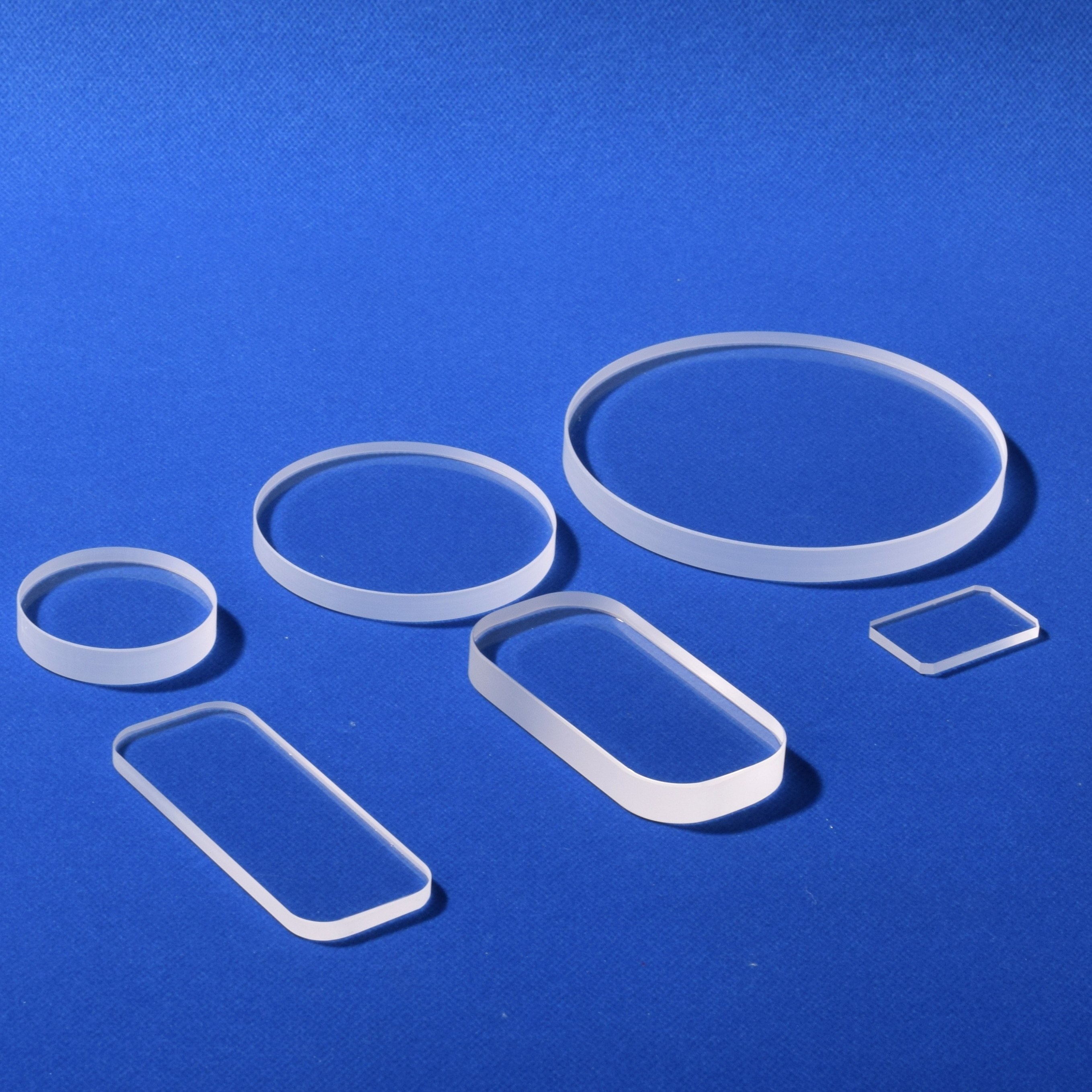
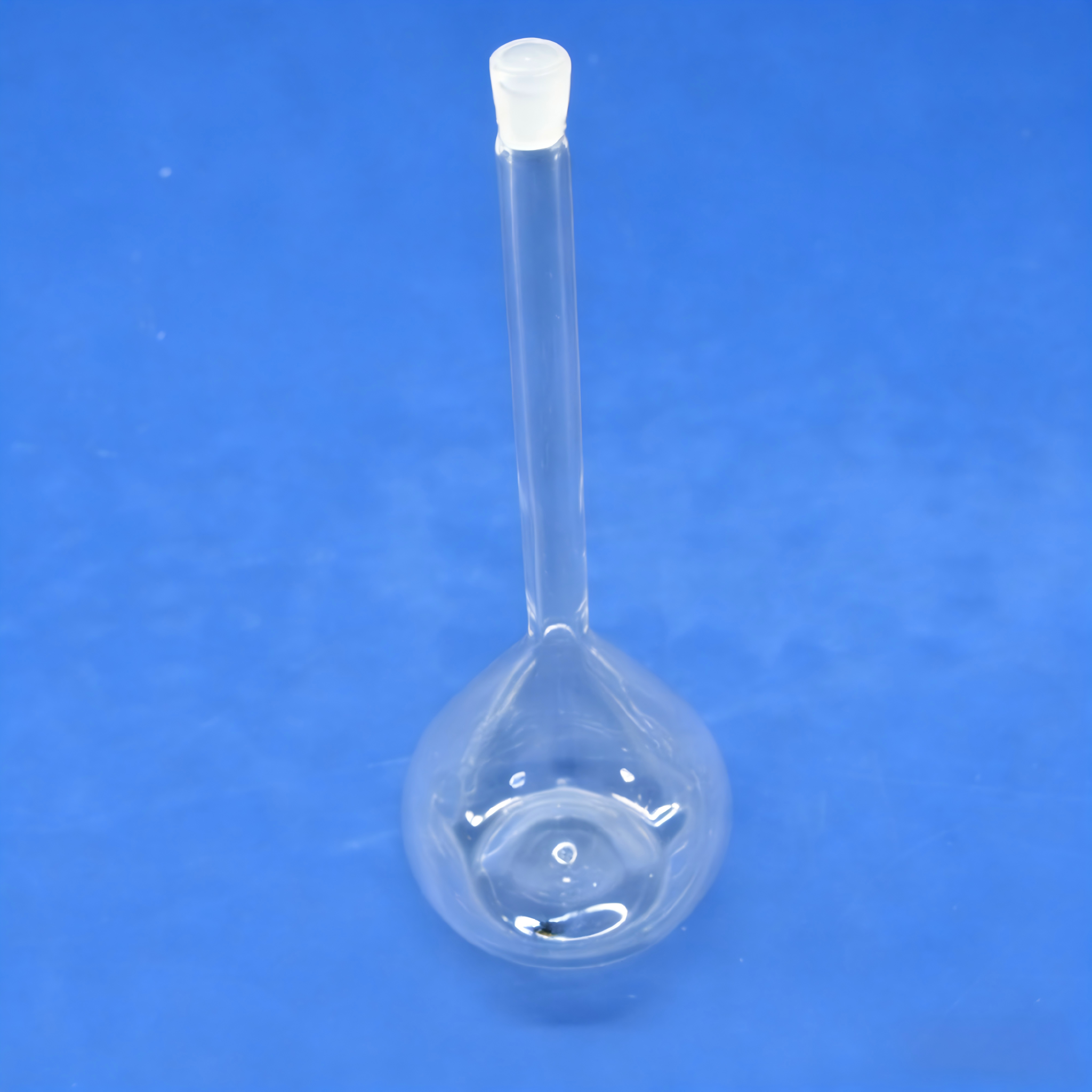
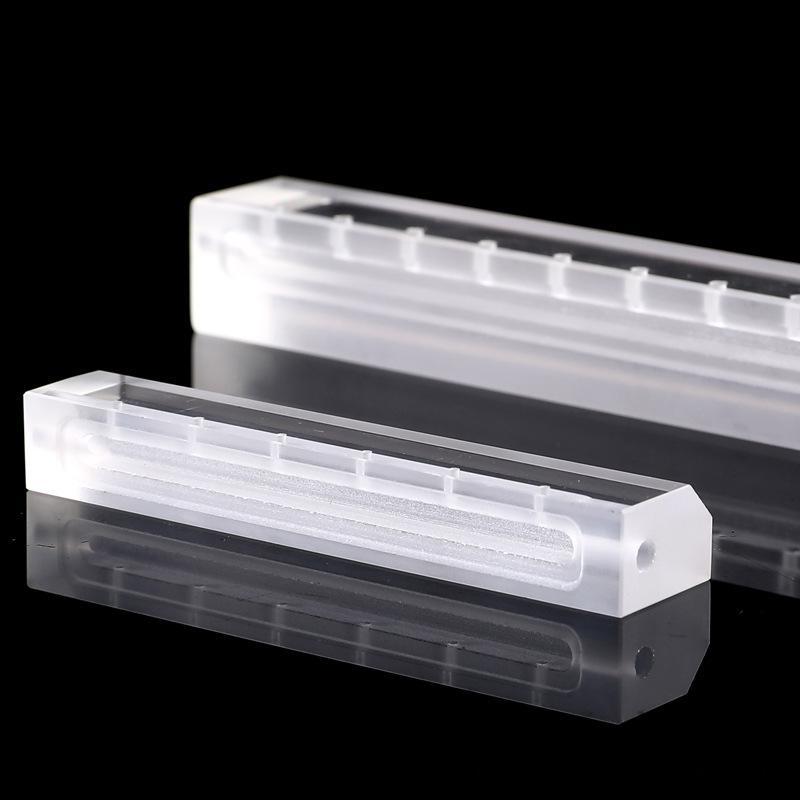
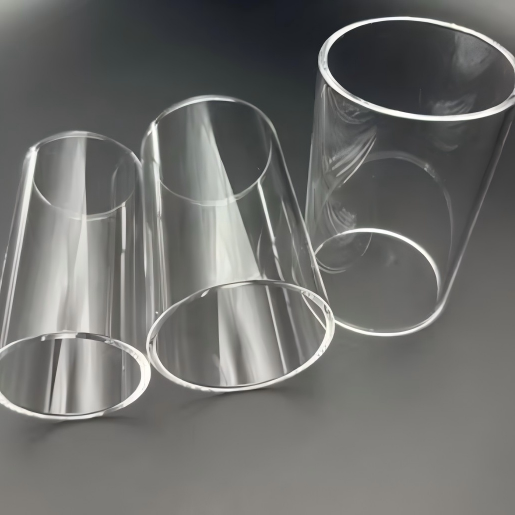
High-Purity Fused Quartz Ingots: Structural Physics, Synthesis, and Thermal Dynamics
Fused quartz ingots represent the apex of amorphous silicon dioxide (SiO₂) engineering. Unlike conventional glasses or multicomponent borosilicate compositions, fused quartz is manufactured through the continuous thermal fusion of naturally occurring high-purity crystalline quartz sand in specialized vacuum or electrically heated resistance furnaces at temperatures exceeding 2,000°C. The resulting vitreous silica network features an exceptionally robust three-dimensional tetrahedral coordination of [SiO₄], conferring virtually unmatched physical, optical, and thermal stability.
For high-precision industrial operations, engineering consultancies, and testing laboratories across the Sarajevo Canton and the wider Bosnia and Herzegovina corridor, procuring raw fused quartz ingots or large-format cylindrical boules provides the indispensable structural substrate for machining critical parts: high-temperature furnace liners, photolithography sight windows, semiconductor etching rings, and pyrometrical monitoring wells. The absence of traditional fluxing agents (such as Na₂O, CaO, or B₂O₃) eliminates thermal expansion hysteresis, enabling the material to withstand instantaneous thermal shock differentials of ΔT > 1,000°C without catastrophic mechanical fracture.
Purity Profiles (4N to 5N)
Refined via electric vacuum fusion to suppress transitional metal impurities (Fe, Ti, Al, Cu) below 15 ppm cumulative, guaranteeing ultra-low dielectric losses and high chemical inertness.
Extreme Thermal Thresholds
Continuous operational endurance at 1,100°C with short-duration thermal excursions up to 1,450°C. Strain point reaches 1,075°C and annealing occurs at 1,180°C for internal stress mitigation.
Deep UV-to-NIR Transmission
Spectral transparency extending smoothly from 260 nm in the deep ultraviolet through the visible spectrum up to 3,500 nm in the near-infrared, maximizing sensor accuracy in pyrometry.
When selecting fused quartz ingots for export to the Sarajevo commercial ecosystem, differentiating between electrically fused natural quartz (Type II) and synthetic fused silica (Type III/IV synthesized via SiCl₄ flame hydrolysis) is paramount. Electrically fused ingots, which form the primary export bulk manufactured in Donghai, feature minimal hydroxyl ([OH] < 5–30 ppm), rendering them structurally rigid at higher operating temperatures with superior resistance to thermal sag (viscosity log10 η = 13.0 poise at 1,180°C). Synthetic silica, conversely, offers absolute metal purity (ppb levels) and near-zero bubble content, tailored for high-energy UV laser optics and excimer lithography lenses.
Localized Application Scenarios in Sarajevo and the Central Balkan Industrial Basin
Sarajevo, serving as the administrative, scientific, and technological nerve center of Bosnia and Herzegovina, anchors a regional manufacturing corridor that extends through Vogošæa, Ilijaš, and the adjoining Zenica-Doboj industrial axis. The procurement of raw fused quartz ingots, pre-cut quartz rounds, and custom quartzware plays an integral role across several core economic sectors:
Metallurgical Quality Assurance
Precision foundries and metalworking facilities surrounding Sarajevo utilize quartz tubes, pyrometric protection sleeves, and analytical crucibles for continuous sampling of molten steel and aluminum alloys.
Advanced Precision Tooling & Optics
Specialized CNC tooling workshops in Vogošæa and Sarajevo convert cylindrical quartz ingots into optical inspection blanks, high-pressure sight glasses, and calibration gauge blocks with sub-micron tolerances.
Academic & Industrial R&D
Laboratories at the University of Sarajevo (UNSA)—notably within the Faculties of Mechanical Engineering, Metallurgy, and Natural Sciences—require photochemical cells, reactor tubes, and XRD quartz sample holders.
Additionally, the transition toward decentralized renewable energy generation across Bosnia and Herzegovina has triggered interest in solar photovoltaic (PV) wafer handling accessories. High-purity quartz boats, diffusion tubes, and quartz ingot slicing guides are mandatory consumables during cell passivation and metallization processes. By procuring factory-direct ingots with certified trace impurity matrices, local engineers ensure that thermal processing lines remain entirely free from heavy metal poisoning.
Empirical Material Data: Fused Quartz Ingot Technical Specifications
To assist procurement managers, optical designers, and furnace engineers in evaluating Vulra Quartz raw ingots against alternative technical glasses, the empirical physical, mechanical, and thermodynamic constants are detailed below:
| Physical / Chemical Property | Vulra Fused Quartz (Ingot Grade) | Borosilicate Glass 3.3 | Optical Soda-Lime Glass |
|---|---|---|---|
| Silicon Dioxide (SiO₂) Content | ≥ 99.995% – 99.999% | ~ 81% | ~ 72% |
| Density (at 20°C) | 2.20 ± 0.02 g/cm³ | 2.23 g/cm³ | 2.50 g/cm³ |
| Thermal Expansion Coefficient (α) | 0.54 × 10⁻⁶ / K (20–320°C) | 3.3 × 10⁻⁶ / K | 8.5 × 10⁻⁶ / K |
| Maximum Continuous Working Temp | 1,100 °C | 450 °C | 150 °C |
| Softening Point (Dilatometric) | 1,683 °C | 820 °C | 720 °C |
| Thermal Shock Resistance (ΔT) | > 1,000 °C (Air/Water Quench) | 150 °C | 50 °C |
| Dielectric Constant (ε at 1 MHz) | 3.75 | 4.60 | 7.20 |
| Refractive Index (nD at 589.3 nm) | 1.4585 | 1.4730 | 1.5230 |
Trace Impurity Element Matrix (Typical GDMS Analysis in PPM)
Chemical integrity is monitored strictly through Glow Discharge Mass Spectrometry (GDMS) and Inductively Coupled Plasma Mass Spectrometry (ICP-MS). Ingots manufactured for sensitive optical and electronic use maintain low trace contaminants across key elements:
| Element | Aluminium (Al) | Iron (Fe) | Calcium (Ca) | Titanium (Ti) | Sodium (Na) | Potassium (K) | Lithium (Li) | Hydroxyl ([OH]) |
|---|---|---|---|---|---|---|---|---|
| Concentration (PPM) | 6.0 – 14.0 | 0.1 – 0.5 | 0.4 – 0.9 | 1.0 – 1.8 | 0.3 – 0.7 | 0.2 – 0.6 | 0.2 – 0.5 | < 5 – 25 |
Modernization Trends in Bosnia and Herzegovina’s High-Tech Supply Chain
The industrial landscape in Canton Sarajevo and neighboring regions is undergoing a technological transformation driven by European Union candidate integration, near-shoring of component manufacturing, and modernization of laboratory testing protocols. Several localized supply trends have emerged:
Traditional Borosilicate Limitations
- Borosilicate micro-cracks occur above 450°C in industrial furnace viewports.
- High solar ultraviolet causes irreversible solarization and transmission degradation.
- Substantial alkali leaching in acidic and superheated steam environments.
High-Purity Fused Quartz Advantage
- Thermal endurance at 1,100°C continuous allows direct glass-to-furnace integration.
- Zero solarization under intense UV-C irradiation (254 nm and 185 nm bands).
- Chemical immunity to virtually all acids (except hydrofluoric and hot phosphoric).
Furthermore, engineering procurement teams in Sarajevo are consolidating supply channels by transitioning away from fragmented intermediaries in Western Europe toward verified, source-located manufacturers. By purchasing directly from primary processing clusters in Donghai, Chinese crystal capital, regional enterprises obtain full material batch traceability, manufacturer Certificate of Analysis (CoA), and significant savings on capital equipment costs without sacrificing ISO/CE compliance.
Lianyungang Vulra Quartz: Direct Manufacturing Pedigree
Headquartered at No. 9, Dingxin Road within the Jiangsu Donghai Economic Development Zone, Vulra Quartz leverages immediate proximity to the world's most concentrated natural silica extraction and refining cluster. Audited and verified on-site by TÜV Rheinland, our manufacturing infrastructure bridges raw ingot fusion with complex, micrometer-level cold CNC machining.
Flexible MOQ
Prototypes and custom ingot billets produced from 1 piece to support research and pilot manufacturing.
Drawing-Based OEM
Complete multi-axis CNC drilling, slotting, diamond wire saw slicing, and double-side optical lap polishing.
Annealing Control
Equipped with computerized high-capacity annealing furnaces to ensure polariscopic optical retardation < 5 nm/cm.
Export Packaging
Shock-isolated vacuum packaging encased within heat-treated export crates engineered for air and maritime transit.
Procurement & Logistics FAQ for Bosnia & Herzegovina
Key information regarding international logistics, customs clearance, technical tolerances, and documentation for commercial deliveries into Sarajevo.
How are fused quartz ingots and components cleared through customs in Bosnia and Herzegovina?
Shipments destined for Sarajevo are cleared under standard customs procedures monitored by the Indirect Taxation Authority of Bosnia and Herzegovina (Uprava za indirektno oporezivanje - UIO BiH). Most fused quartz raw ingots fall under Harmonized System (HS) Code 7002.31 (Tubes of fused quartz or other fused silica) or 7020.00 (Other articles of glass/fused silica).
Vulra Quartz supplies a comprehensive export dossier: Commercial Invoice, Packing List with net/gross weights, Certificate of Origin, and technical Certificate of Analysis (CoA) referencing purity metrics. Standard import VAT of 17% applies upon clearance at Sarajevo Airport (SJJ) or designated regional inland customs terminals (Carinska ispostava Sarajevo).
What freight corridors are utilized for fragile quartz shipments from China to Sarajevo?
Depending on order urgency and weight, two primary shipping lanes are deployed:
1. Air Cargo Express (Door-to-Airport / Door-to-Door): Suitable for custom prototypes, optical discs, testing windows, and small ingot batches. Shipped via DHL, FedEx, or air freight directly into Sarajevo International Airport (SJJ) with transit times typically ranging from 4 to 8 business days.
2. Multimodal Maritime Freight: For bulk raw ingot deliveries, large furnace tubes (up to 800 mm OD), or recurring production orders. Containers transit via Adriatic deep-water ports—specifically the Port of Ploče (Croatia, the natural historical logistics gateway for BiH) or the Port of Rijeka—and are trucked bonded under transit declaration (T1) directly to Sarajevo customs terminals.
Can you manufacture custom dimensions and machined features directly from CAD drawings?
Yes. Our engineering facility operates multi-axis diamond CNC machining centers, precision glass lathes, ultrasonic drilling units, and continuous fire-polishing stations. We accept 2D drawings (DWG, DXF, PDF) and 3D CAD files (STEP, IGES). Standard machining tolerances are held to ±0.05 mm, with specialized grinding achieving ±0.01 mm on optical flats and observation sight windows.
How is fragile fused quartz packaged to prevent breakage during international transit?
Export packaging complies with international phytosanitary and transit standards (ISPM 15). Each quartz ingot or component undergoes ultrasonic solvent cleaning, is individually vacuum-sealed in moisture-barrier PE film, cushioned within high-density expanded polyethylene (EPE) custom foam cradles, and secured inside double-walled corrugated cartons. For heavier products, items are packed in reinforced, palletized plywood crates with internal shock mounts and “Fragile / Do Not Tip” indicators.
What is the difference between standard clear fused quartz and ozone-free quartz?
Standard optical quartz permits the transmission of deep ultraviolet wavelengths down to approximately 180 nm. However, radiation around the 184.9 nm band photo-dissociates atmospheric oxygen (O₂), synthesizing ambient ozone gas (O₃), which can be hazardous to personnel and corrosive to electronic fixtures. Ozone-free quartz is selectively doped with trace elements (such as titanium) during fusion to generate a steep optical absorption cutoff below 220 nm, eliminating ozone generation while maintaining high transmittance (>85%) across the 253.7 nm germicidal band and the visible spectrum.
What documentation accompanies every export shipment to Sarajevo?
Every commercial delivery includes an individualized Certificate of Analysis (CoA) detailing the batch melt number, GDMS elemental purity report, spectrophotometric transmission curve (UV-VIS-NIR), dimensional calibration protocol, and CE/RoHS material conformity certificates.
Initiate Your Quartz Engineering Inquiry
Submit your 2D/3D component drawings, target chemical purity requirements, or raw fused quartz ingot specifications. Our engineering desk provides a comprehensive feasibility assessment and DDP/CIF Sarajevo quotation within 24 hours.
Send an Inquiry