Precision Far Infrared & Fused Quartz Products
Direct factory supply of high-purity fused silica, far infrared heating elements, vacuum process tubes, and reaction chambers for the Pomeranian industrial hub.
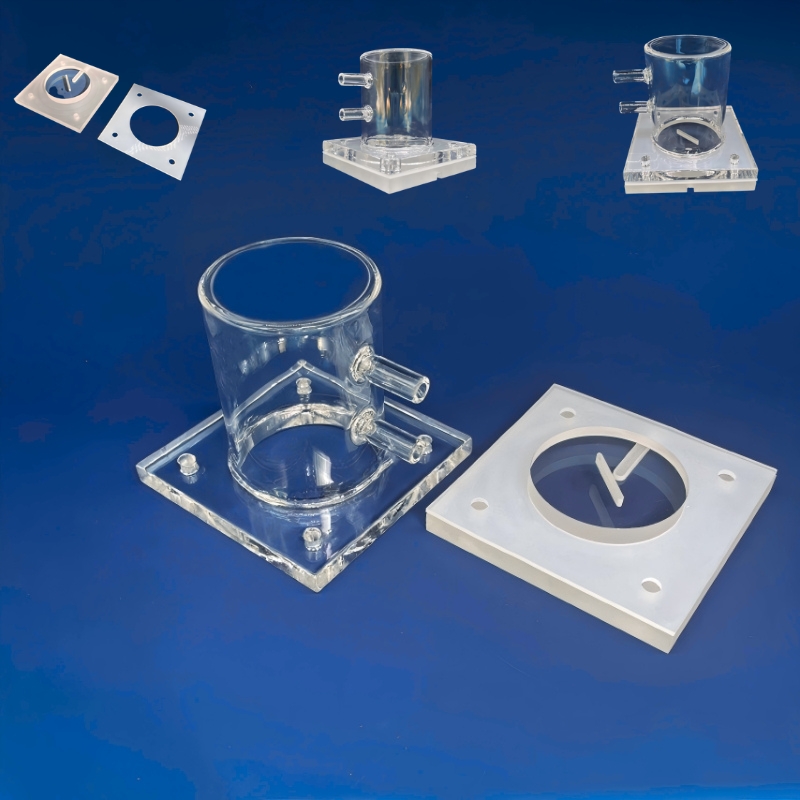
Quartz Photocatalytic Reactor for H₂ & O₂ Production
- Ozone-Free Translucent Silica
- High UV/FIR Energy Transfer
- Precision CNC Moulding & Cutting
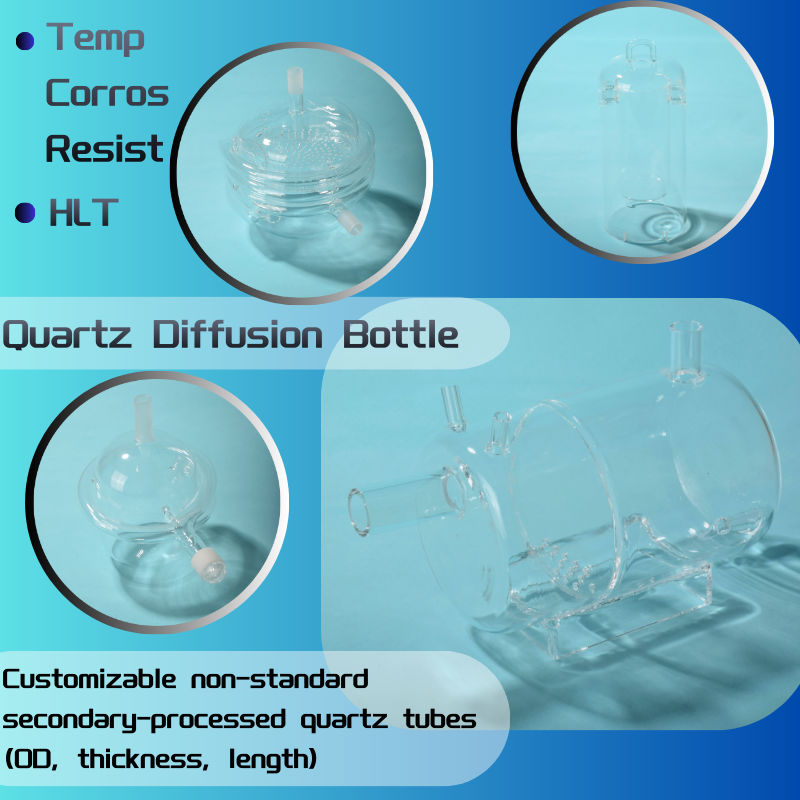
SJ 135 Quartz Condensers & Purification Units
- Semiconductor Grade Pure Silica
- Corrosion & Acid Resistant Body
- Custom Precision Distillation Path
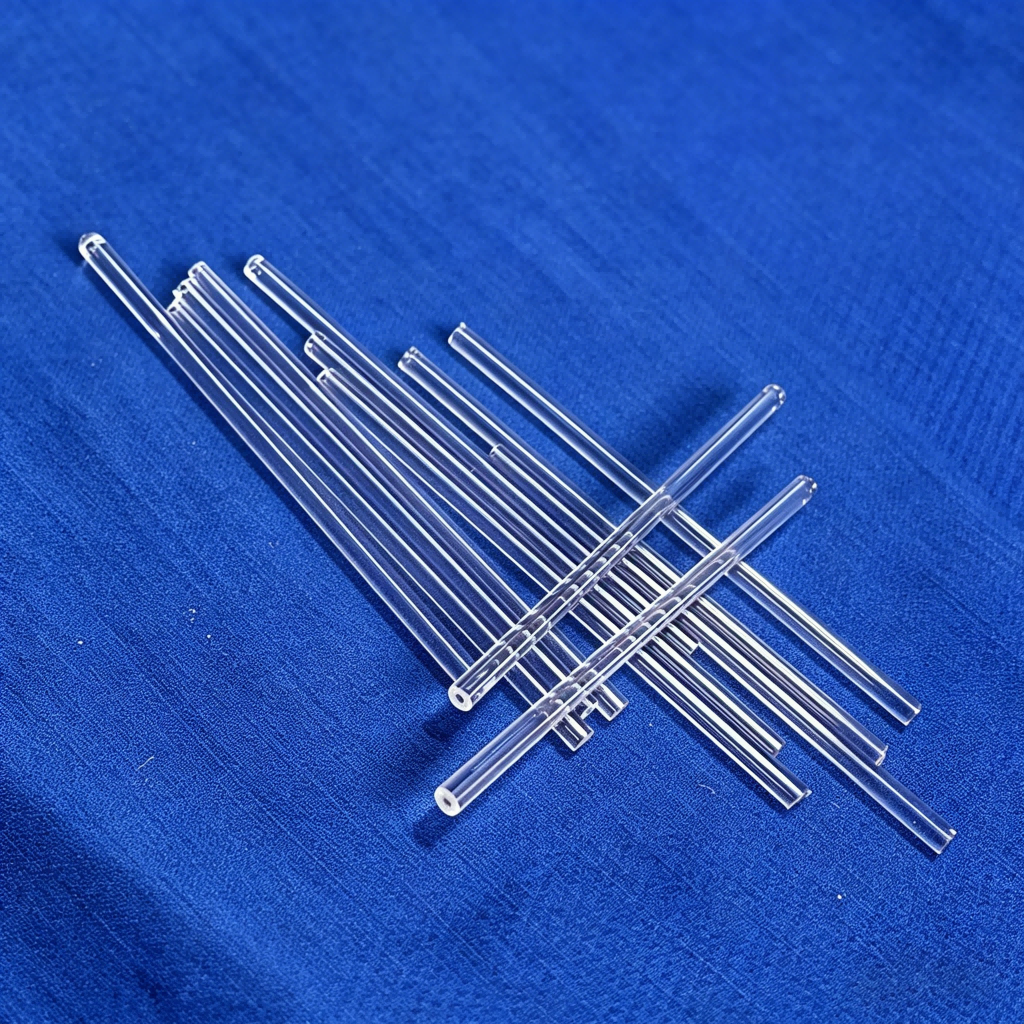
Opaque Micro Capillary Quartz Glass Tube
- 99.9% - 99.999% SiO₂ Purity
- Outer Diameter Range: 2–10 mm
- Diffuse Far Infrared Emission

Custom Clear Fused Quartz Vessel & Tube
- Fire-Polished Hand-Blown Silica
- Peak Thermal Shock Tolerance
- Available with Custom Flanges
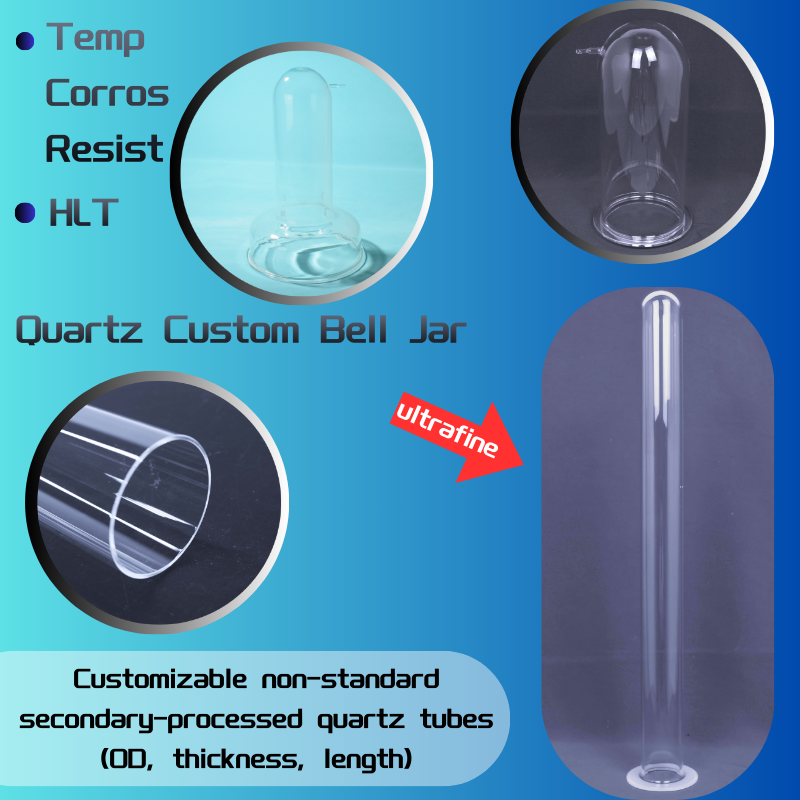
SJ 130 Negative Pressure Quartz Vacuum Tube
- Leak-Proof High-Vacuum Integrity
- 99.99% SiO₂ Zero-Degassing
- Reinforced Heavy Wall Section
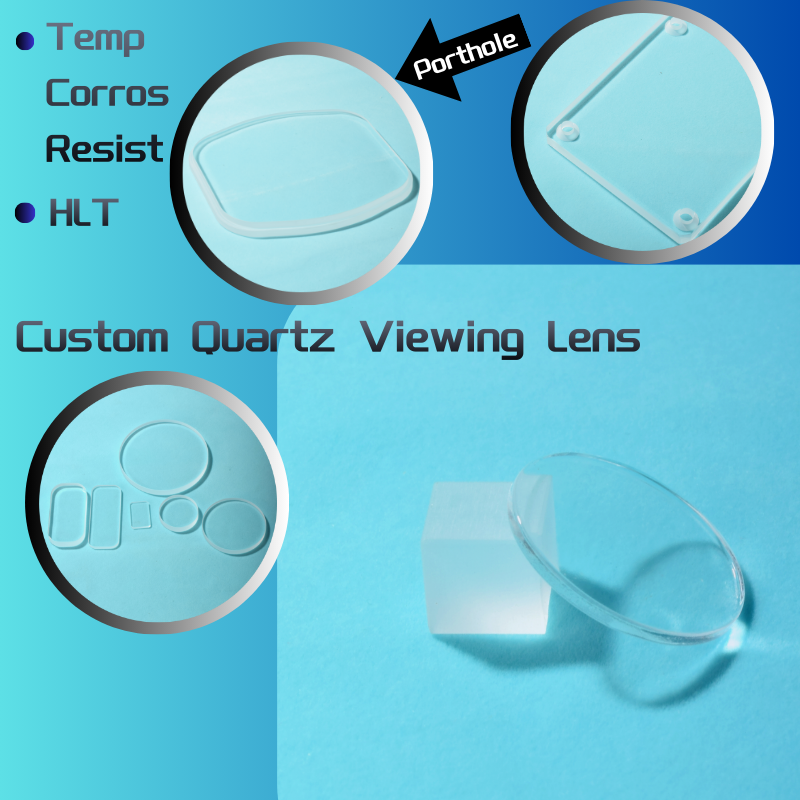
SJ 126 Natural Fused Quartz Optical Slide
- Ultra-Thin Polished Clear Plate
- High Parallelism & Flatness
- Transmission Spectrum: UV to FIR
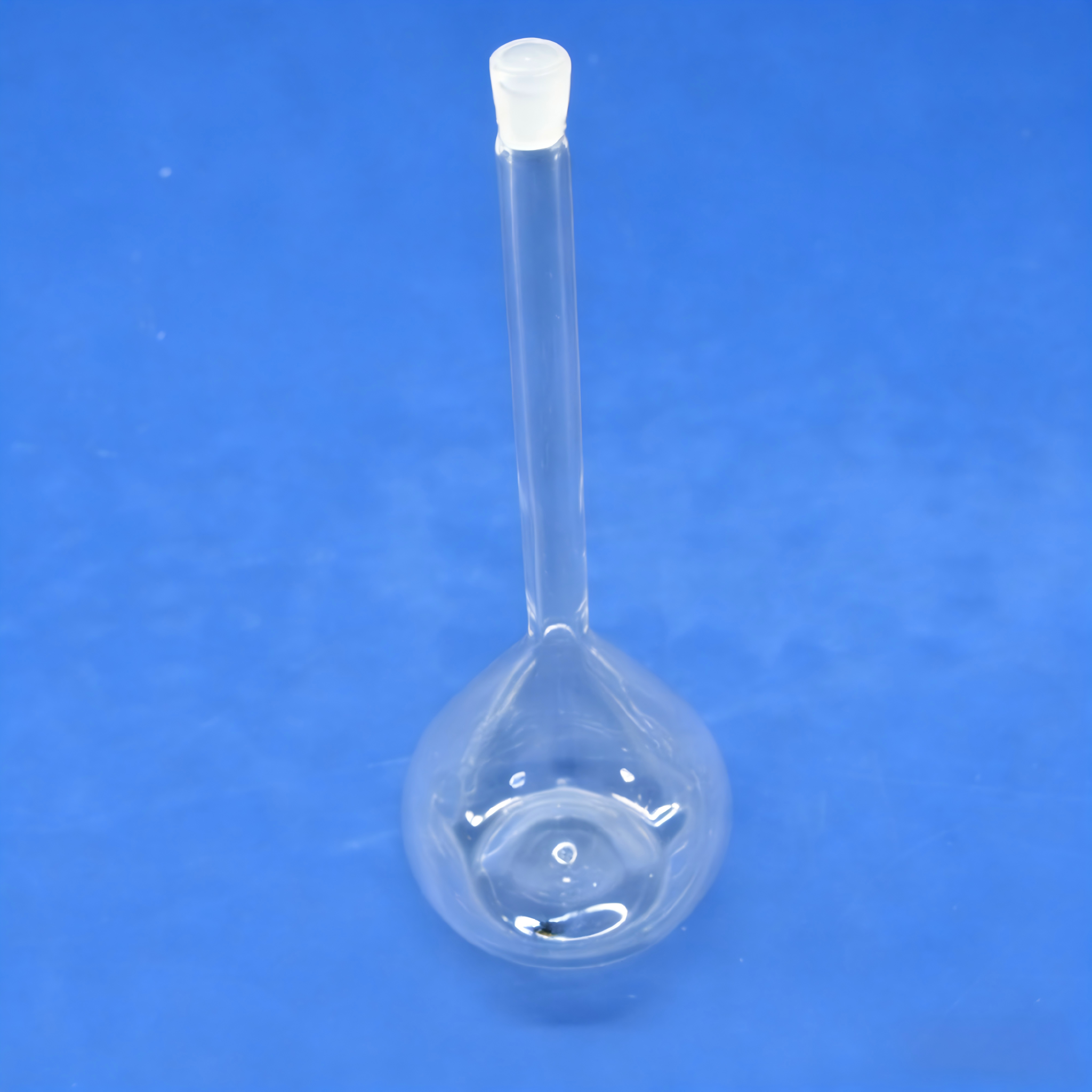
Transparent Quartz Ampoule & Lab Flask
- Precision Flame Welding & Bending
- Annealed for Residual Stress Relief
- Ozone-Free Chemically Inert Surface
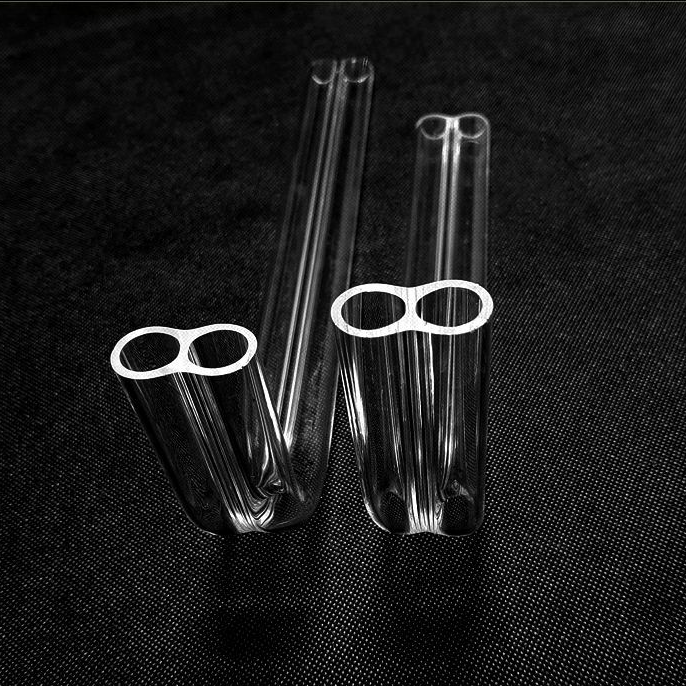
Double-Tube Right-Angle Quartz Elbow
- Rated 1100°C Continuous Working
- Corrosion-Proof Coaxial Design
- Micro-Flame Precision Elbow Bend
Thermodynamics & Radiation Physics of Far Infrared Quartz
A rigorous evaluation of electromagnetic wave propagation, high-purity silicon dioxide lattice absorption bands, and infrared emission optimization for Baltic industrial thermal processing.
1. Spectral Emission Dynamics & Silicon Dioxide (SiO₂) Lattice Resonance
Far Infrared (FIR) radiation—spanning wavelengths from 3.0 μm to 1000 μm within the electromagnetic spectrum—functions not through convective air heating, but via direct radiative photon absorption. In industrial thermal engineering, the energy density $E$ and spectral distribution emitted by a heating element are governed by Planck's Radiation Law and Wien’s Displacement Law ($\lambda_{\text{peak}} \cdot T = 2898\,\mu\text{m}\cdot\text{K}$). When high-purity fused silica (amorphous $\text{SiO}_2$) is engineered as an infrared emitter sheath or thermal barrier, its atomic network provides an exceptional physical medium. The fundamental molecular vibrations of the $\text{Si}-\text{O}-\text{Si}$ bonds—specifically asymmetrical stretching vibrations near $9.1\,\mu\text{m}$ and bending vibrations around $21\,\mu\text{m}$—dictate the optical transmission, absorption, and secondary re-emission characteristics of the tube wall.
Standard clear fused quartz allows broad transmission across the ultraviolet (from $185\,\text{nm}$ in synthetic grades) through the near-infrared band (up to $2.5\,\mu\text{m}$). Beyond $2.73\,\mu\text{m}$, clear quartz encounters strong internal absorption caused by structural hydroxyl ($\text{OH}^-$) radicals. In Far Infrared Quartz manufacturing, this physical property is utilized strategically: rather than acting solely as a passive transparent window, doped or micro-porous opaque fused quartz captures high-frequency primary radiation from inner resistance filaments (nickel-chromium, iron-chromium-aluminium, or carbon fiber) and converts this thermal energy into a uniform, long-wavelength diffuse infrared emission. This secondary blackbody re-radiation peaks precisely within the $3.0 - 8.0\,\mu\text{m}$ window—the exact resonance absorption frequency of polar bonds in marine epoxy coatings, polymer matrices, automotive primers, and industrial drying reagents utilized throughout Pomeranian manufacturing plants.
2. Thermal Shock Thresholds & Low Coefficient of Thermal Expansion (CTE)
The critical operational metric distinguishing fused quartz from conventional borosilicate, aluminosilicate, or soda-lime glass is its extraordinarily low Linear Coefficient of Thermal Expansion:
This minuscule dimensional displacement under intense thermal gradients yields high thermal shock resistance ($R$). The material effortlessly withstands abrupt thermal quenching from $1100^\circ\text{C}$ directly into ice water ($0^\circ\text{C}$) without macro-crack propagation or micro-cleavage failure. The thermal stress parameter is defined by:
Where $E \approx 72\,\text{GPa}$ represents Young’s Modulus, and $\nu \approx 0.17$ denotes Poisson's Ratio. Because $\alpha$ is remarkably small, induced mechanical stress ($\sigma_{\text{thermal}}$) remains substantially lower than the flexural tensile strength ($\approx 48\,\text{N/mm}^2$), preventing thermal fracture even during erratic power surges, cold drafts in shipyard assembly halls, or explosive flashing of residual moisture during autoclave degassing cycles.
Comprehensive Material Performance Matrix
Engineers and technical procurement officers in Gdańsk, Gdynia, and Sopot must balance structural integrity, spectral bandwidth, and chemical tolerance. The matrix below benchmarks Vulra Quartz materials against alternative industrial glasses.
| Physical / Thermal Parameter | High-Purity Fused Quartz (Vulra) | Borosilicate 3.3 Glass | Standard Ceramic Emitter | Aluminosilicate Glass |
|---|---|---|---|---|
| Chemical Purity ($\text{SiO}_2$ Content) | 99.99% – 99.999% | ≈ 81% | Al₂O₃-SiO₂ Composite | ≈ 60% |
| Max Continuous Operating Temp (°C) | 1100 °C | 450 °C | 750 °C | 650 °C |
| Softening Point (°C) | 1683 °C | 820 °C | None (Sintered) | 910 °C |
| Thermal Expansion ($\times 10^{-7} \text{ K}^{-1}$) | 5.5 | 33.0 | ≈ 55.0 | 42.0 |
| Thermal Shock Gradient ($\Delta T$ Ice Drop) | > 1000 °C Safe | ≈ 150 °C | ≈ 350 °C | ≈ 200 °C |
| Infrared Emission Band | 1.5 μm – 8.0 μm (Custom Doped) | Poor (Opaque > 3.5 μm, low temp) | 3.0 μm – 10 μm (High inertia) | Narrow Band |
| Thermal Response Time (Ramp Up) | 1 – 3 Seconds (Low Mass) | Slow (Thermal Lag) | 5 – 15 Minutes (Very Slow) | Medium |
| Dielectric Breakdown Strength (20°C) | 25 – 40 kV/mm | ≈ 10 kV/mm | ≈ 5 kV/mm | ≈ 12 kV/mm |
Far Infrared Quartz Applications in Gdańsk & Pomerania
Supporting Northern Poland's core economic drivers: advanced shipbuilding, petrochemical processing at Rafineria Gdańska, offshore wind assembly, and university laboratory research.
Maritime Coating & Hull Primer Curing
In the maritime and repair shipyards along the Martwa Wisła (such as Remontowa Holding and Crist S.A.), cold Baltic ambient humidity presents significant challenges for solvent evaporation and epoxy polymerization. Custom Far Infrared Quartz Emitters deliver penetrating thermal radiation that initiates cross-linking from the substrate outward, eliminating solvent boiling, blistering, and micro-pinholing on heavy steel plate assemblies.
Gdańsk Shipyard & Ostrów IslandPetrochemical Analytical & Catalyst Beds
Operating adjacent to the Orlen Refinery (Rafineria Gdańska in Stogi), chemical engineers require ultra-high-purity quartz vacuum tubes and double-tube right-angle elbows for high-temperature desulfurization testing, hydrocarbon cracking analysis, and catalytic stream evaluation up to 1100°C without risk of ionic leaching or heavy-metal contamination.
Rafineria Gdańska Industrial ClusterOffshore Wind Turbine Blade Infusion
As the Pomeranian Voivodeship advances offshore wind capacity in the Baltic Sea (Baltic Power and MFW Bałtyk projects), composite nacelle enclosures and carbon-fiber turbine blades demand precise thermal preheating. Opaque micro-capillary and medium/far-infrared quartz radiant arrays ensure rapid post-curing of vacuum-infused vinyl ester resin matrices without localized thermal degradation.
Baltic Offshore Wind Logistics CorridorElectronics Assembly & Conformal Coating
In the Pomeranian Special Economic Zone (PSEZ) around Kokoszki, electronics contract manufacturers (EMS) depend on fast-response quartz infrared tubes for lead-free solder reflow profiling and conformal coating drying. Because quartz heaters ramp from 0% to 100% thermal flux in seconds, automated assembly lines maintain pinpoint PID temperature control without convective airflow disturbing sensitive SMD components.
Pomeranian Special Economic Zone (PSEZ)Photocatalytic Hydrogen & Clean Energy R&D
Leading academic bodies including Gdańsk University of Technology (Politechnika Gdańska) and the University of Gdańsk employ our specialized quartz photocatalytic reactors for water-splitting and hydrogen-oxygen production studies. Featuring ozone-free transmission profiles and vacuum integrity, these units isolate experimental catalytic reactions from ambient environmental interference.
Gdańsk Tech & Tricity Bio-Tech ParksPomeranian Industrial Trends: Electrification & Green Transition
Analyzing the strategic shift from legacy fossil fuel convection heating toward high-efficiency far infrared quartz thermal systems across Poland.
Industrial Decarbonization & The EU "Fit for 55" Directive in Poland
Heavy manufacturing, metal finishing, and maritime facilities in Gdańsk and the wider Pomeranian Voivodeship operate under strict European Union emissions benchmarks, including the EU Emissions Trading System (ETS) and the Fit for 55 package. Traditional natural gas-fired and heavy fuel oil convective drying ovens suffer from substantial thermodynamic inefficiency: up to 55% of generated heat is dissipated through exhaust stacks and ambient air turbulence. Convection also introduces airborne particulate matter onto pristine wet paint finishes and composite layups, leading to elevated defect rates and extensive secondary rework.
The accelerating transition toward modular electric Far Infrared (FIR) quartz radiators resolves these operational liabilities:
- Targeted Radiative Transfer: Radiation transfers heat directly to the workpiece, eliminating the need to continuously heat the massive internal air volume of industrial assembly bays.
- 60% Energy Consumption Reduction: Instantaneous on/off capability eliminates prolonged pre-heating cycles, reducing baseline kilowatt consumption during shift transitions.
- Zero Localized Carbon Emissions: Electric quartz arrays powered by Poland’s expanding offshore and onshore renewable energy grid yield zero direct Scope 1 exhaust emissions.
- Precise Zonal Temperature Regulation: Independent multi-zone PID loop control enables tailored heating profiles across varying component thicknesses, preventing over-curing and edge discoloration.
In parallel, the expansion of high-throughput automated logistics lines in Pomeranian industrial parks requires quartz tubes manufactured to tighter mechanical tolerances. With custom lengths up to 2.5 meters, custom ceramic base caps, and specialized reflective coatings (gold or opaque white ceramic backings), quartz infrared emitters maximize directional radiant output toward target processing zones.
Why Leading European OEMs Choose Vulra Quartz
Operating from the world's crystal raw material hub with dedicated hot-flame and cold-machining workshops, verified by TÜV Rheinland.
Donghai Crystal Raw Material Supply
Located in the Donghai Economic Development Zone, our factory benefits from immediate proximity to high-purity natural silica sand reserves. We achieve verified $99.99\%$ to $99.999\%$ purity ($\text{SiO}_2$) with trace metal impurities (Al, Fe, Ti, Ca) controlled under 15 ppm.
Hot-Flame & Cold-Machining Under One Roof
We maintain an integrated facility featuring automated glassblowing lathes, diamond cutting saws, ultrasonic CNC drills, and optical double-sided polishing benches. Bending, welding, acid etching, and annealing take place within a single quality-controlled loop.
Drawing-Based OEM/ODM From 1 Piece
Whether supplying a standard fused silica tube or an intricate custom photocatalytic vacuum reactor, our engineering department reviews 2D/3D CAD drawings (STEP, DWG, DXF) to optimize wall thicknesses and minimize weld-zone thermal stress, accepting prototyping orders from 1 piece.
De-Hydroxylation & Ozone Control
Through precision thermal vacuum baking and dopant control, we deliver specialized quartz: hydroxyl content ($\text{OH}^-$) can be lowered below 5 ppm for high-temperature IR emitter tubes, or titanium-doped for 100% ozone-free environments in manned industrial plants.
Stress-Relief Annealing & Polarimetry
Every welded junction, flange, and right-angle elbow undergoes controlled furnace annealing at 1150°C to eliminate residual mechanical stress. Finished quartzware is inspected via optical polarimeters to ensure zero birefringence risk before dispatch.
Export-Grade Cushioning for Europe
Fragile quartz shipments undergo rigorous packaging: ultrasonic cleaning, nitrogen-sealed dustproof wrapping, individual polyethylene cell compartmentalization, and reinforced multi-layer plywood export crates rated for long-haul maritime and air transit directly to Gdańsk.
TÜV Rheinland Audited & CE/RoHS Certified
Lianyungang Vulra Quartz Products Co., Ltd. has undergone comprehensive on-site facility verification by TÜV Rheinland. Our management systems, production capacities, material tracing standards, and test protocols comply fully with European industrial CE machinery safety directives and RoHS restrictions.
Frequently Asked Questions by Polish & Baltic Buyers
Essential answers regarding material selection, international logistics to Poland, customs clearance, and precision manufacturing tolerances.
1. What distinguishes Far Infrared (FIR) quartz emitters from Medium and Near Infrared (NIR) tubes?
The primary differentiator lies in the peak emission wavelength and filament operating temperature:
- Short-Wave / NIR (0.8 – 1.4 μm): Operates at filament temperatures above 2200°C. Emits high-intensity visible light with deep material penetration. Ideal for thin films and localized spot welding preheats, but can cause surface scorching on thick organic coatings.
- Medium-Wave / MIR (1.4 – 3.0 μm): Operates between 800°C and 1500°C. Provides rapid heating suited for drying thin layers of water and surface lacquers.
- Far Infrared / FIR (3.0 – 8.0 μm): Utilizes lower filament surface temperatures (400°C to 800°C) encased in clear, satin, or opaque fused quartz sheaths. This wavelength closely matches the resonant absorption frequencies of water molecules, marine epoxy primers, powder coatings, and composite matrix polymers used extensively across Gdańsk shipyards, ensuring thorough, uniform curing without skin-effect wrinkling.
2. Can you manufacture custom quartz apparatus directly from engineering drawings (CAD/STEP)?
Yes. Over 75% of our production consists of custom OEM components. We regularly work from technical drawings in 2D (PDF, DWG, DXF) and 3D (STEP, IGES) formats. Our engineering team evaluates your specified tolerances (standard dimensional tolerance $\pm 0.1\,\text{mm}$ to $\pm 0.02\,\text{mm}$ for precision cold-ground components), calculates wall-to-diameter stability ratios, identifies thermal stress concentration zones, and confirms production feasibility within 24 hours.
3. What is the typical shipping lead time to Gdańsk, Gdynia, and wider Poland?
We provide streamlined logistics options to Pomeranian destinations:
- Air Freight / Express (DHL/FedEx/UPS): Prototype samples and urgent replacement tubes typically arrive in Gdańsk (GDN Airport) within 5 to 7 business days following manufacturing completion.
- Rail Freight (China-Europe Railway Express / Małaszewicze Hub): Balanced cost and transit time, reaching central Poland in approximately 16 to 22 days.
- Direct Ocean Freight to Port of Gdańsk (Baltic Hub Container Terminal): The most cost-efficient route for high-volume recurring container shipments of tubes, furnace boats, and large quartz plates, with transit times averaging 32 to 38 days.
4. How is fragile quartz glass protected against breakage during international transit?
Our export packaging is engineered to withstand intermodal cargo handling. Each quartz piece is acid-washed, wrapped in dust-free film, cushioned with shock-absorbing high-density polyethylene (EPE) foam, and housed in heavy-duty cellular inner cartons. Consignments are packed into custom-built, fumigated plywood export crates with internal suspension rails for tubes longer than 1 meter. Our historical international transit damage rate remains below 0.3%, backed by a full replacement guarantee against in-transit breakage.
5. What causes high-temperature devitrification in fused quartz, and how can it be avoided?
Devitrification is the phase transformation of metastable amorphous fused silica into crystalline cristobalite. It generally initiates above 1150°C and accelerates substantially if the surface is contaminated with alkali metals (sodium, potassium) or alkaline earth metals (calcium, magnesium)—even from fingerprints. To prevent premature devitrification:
- Ensure our low-alkali semiconductor grade quartz ($< 15\,\text{ppm}$ total impurities) is specified for operating temperatures exceeding 1000°C.
- Always handle quartz components using clean cotton or lint-free polymer gloves.
- Wipe surfaces with pure isopropyl alcohol or a dilute $5\%$ hydrofluoric acid (HF) wash followed by deionized water rinse before high-temperature thermal cycling.
6. What are the European customs codes (HS Codes) for importing quartz components into Poland?
Typical Harmonized System (HS) classifications for our quartz shipments to Poland and the European Union include:
- HS 7002.31.00: Tubes of fused quartz or other fused silica.
- HS 7002.20.10: Rods of fused quartz or other fused silica.
- HS 7017.10.00: Laboratory, hygienic, or pharmaceutical glassware made from fused quartz or other fused silica.
- HS 8516.80.00: Electric heating resistors (when assembled as quartz infrared heating elements).
We supply complete commercial invoices, packing lists, and Certificates of Origin (COO) to facilitate smooth customs clearance via the Polish National Revenue Administration (Krajowa Administracja Skarbowa).
7. What is your minimum order quantity (MOQ) for custom fabricated quartzware?
We support both R&D prototyping and industrial production runs. For custom machined parts, specialized optical windows, distillation flasks, and vacuum process tubes, our MOQ starts from 1 piece. Standard sized clear fused quartz tubing and small laboratory consumables typically carry an MOQ of 5 to 10 pieces depending on outer diameter and tooling requirements.
Accelerate Your Thermal Processing Project in Gdańsk
Collaborate directly with our technical glass engineers. Share your operational specifications, operating temperature limits, dimensional tolerances, or CAD files for an immediate engineering review and competitive direct-factory quotation.