High-Purity Fused Quartz Engineered for Munich Industry
Drawing-based fabrication compliant with DIN ISO standards. Featuring low trace-metal impurities, exceptional thermal shock stability up to 1450°C, and certified optical clarity across deep UV to infrared spectral bands.
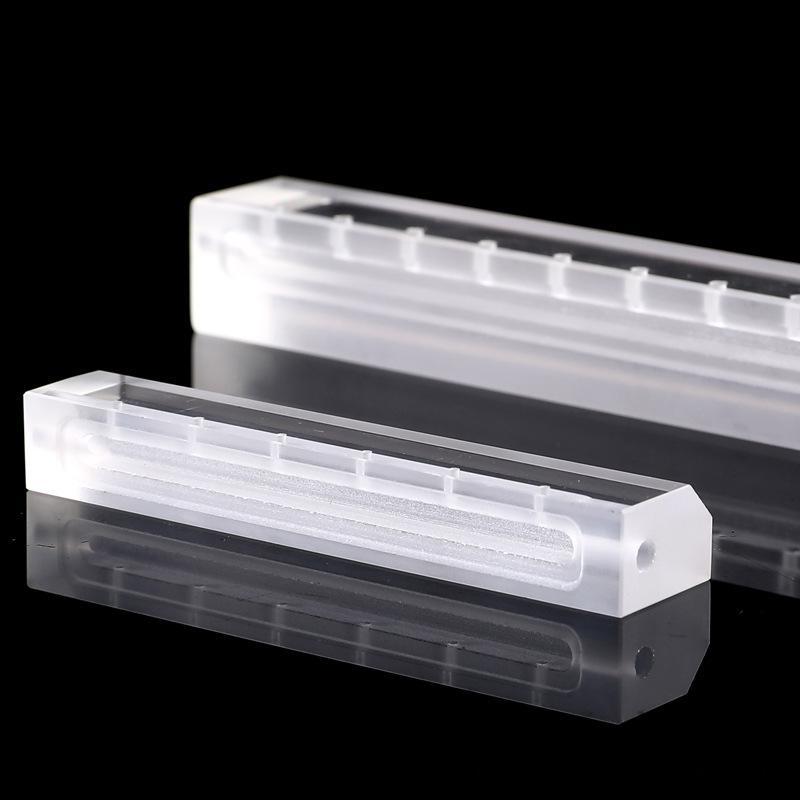
Clear Quartz Testing Sheet Ultra-thin Optical Grade Circular Shape SJ Brand Model SJ 077 High Thermal Conductance Welding
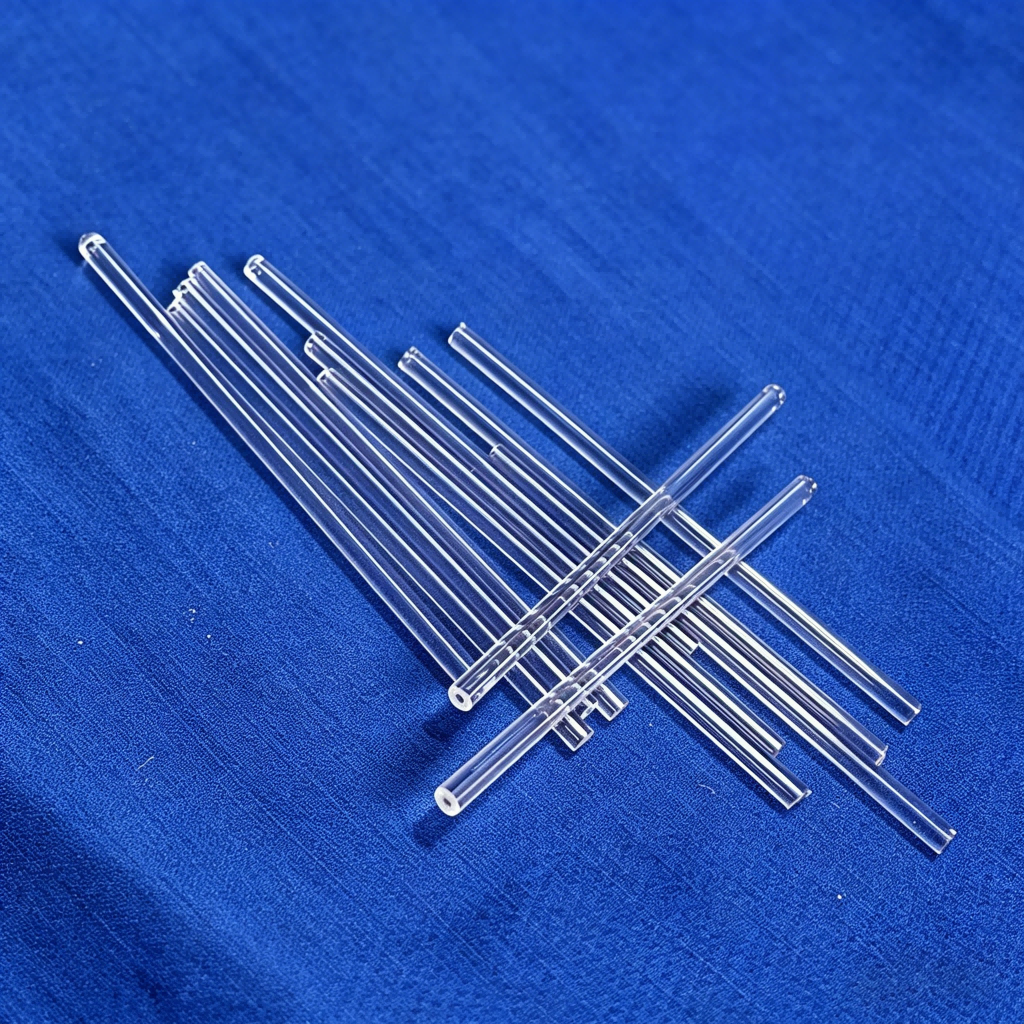
High Purity Opaque Micro Capillary Quartz Glass Tube | Laboratory Exhaust Capillary Tube 99.9%-99.999% Silicon Dioxide 2-10mm OD
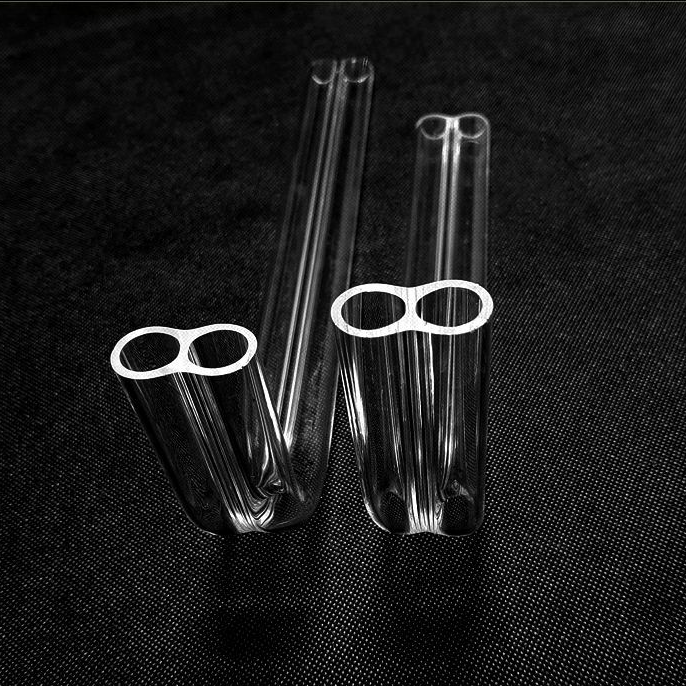
High-temperature (1100) Corrosion-resistant 99.999% Purity Ozone-Free Fused Quartz Double-tube Right-angle Elbow Bending Cutting
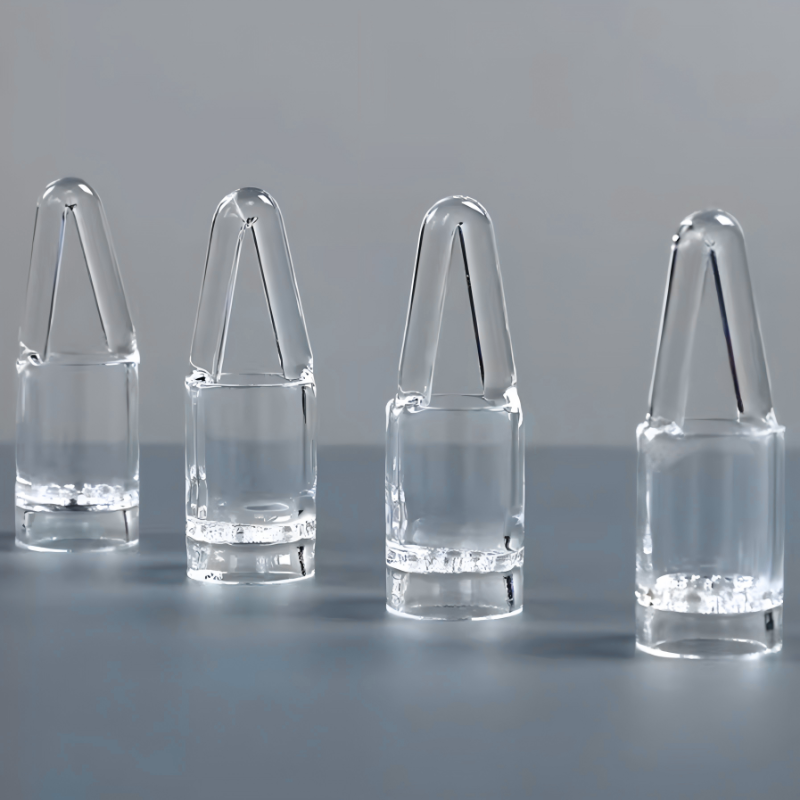
Quartz Crucible Acid/Alkali Resistant Polished Ozone Free Quartz Glass Basket Beaker Dome Closed End 200 Mesh High Temperature
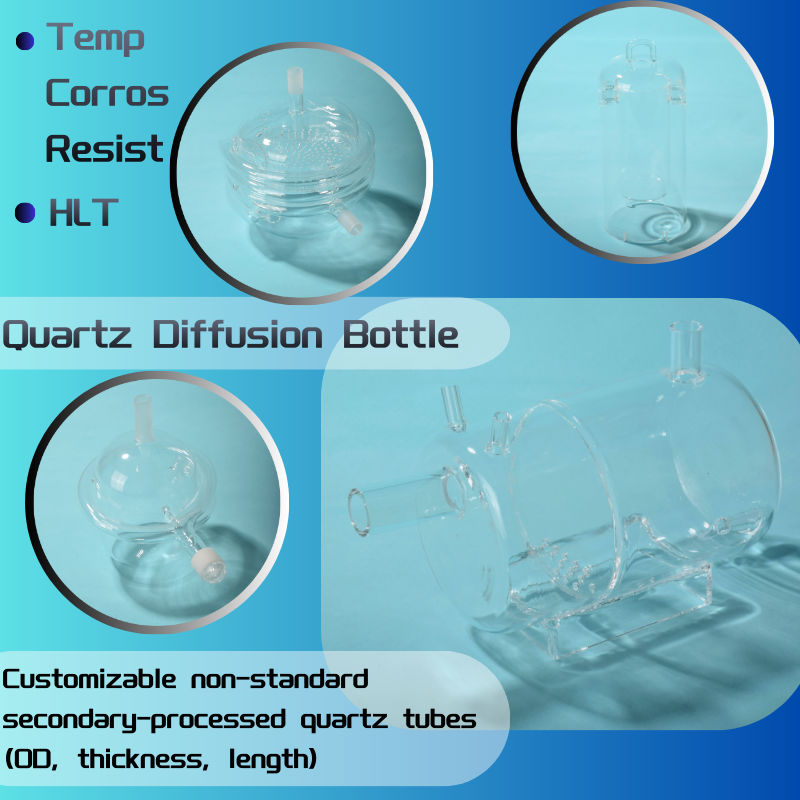
SJ 135 Custom High Purity Clear Quartz Tube Condensers Separatory Funnels Waste Jars Purification Units Semiconductor Grade High
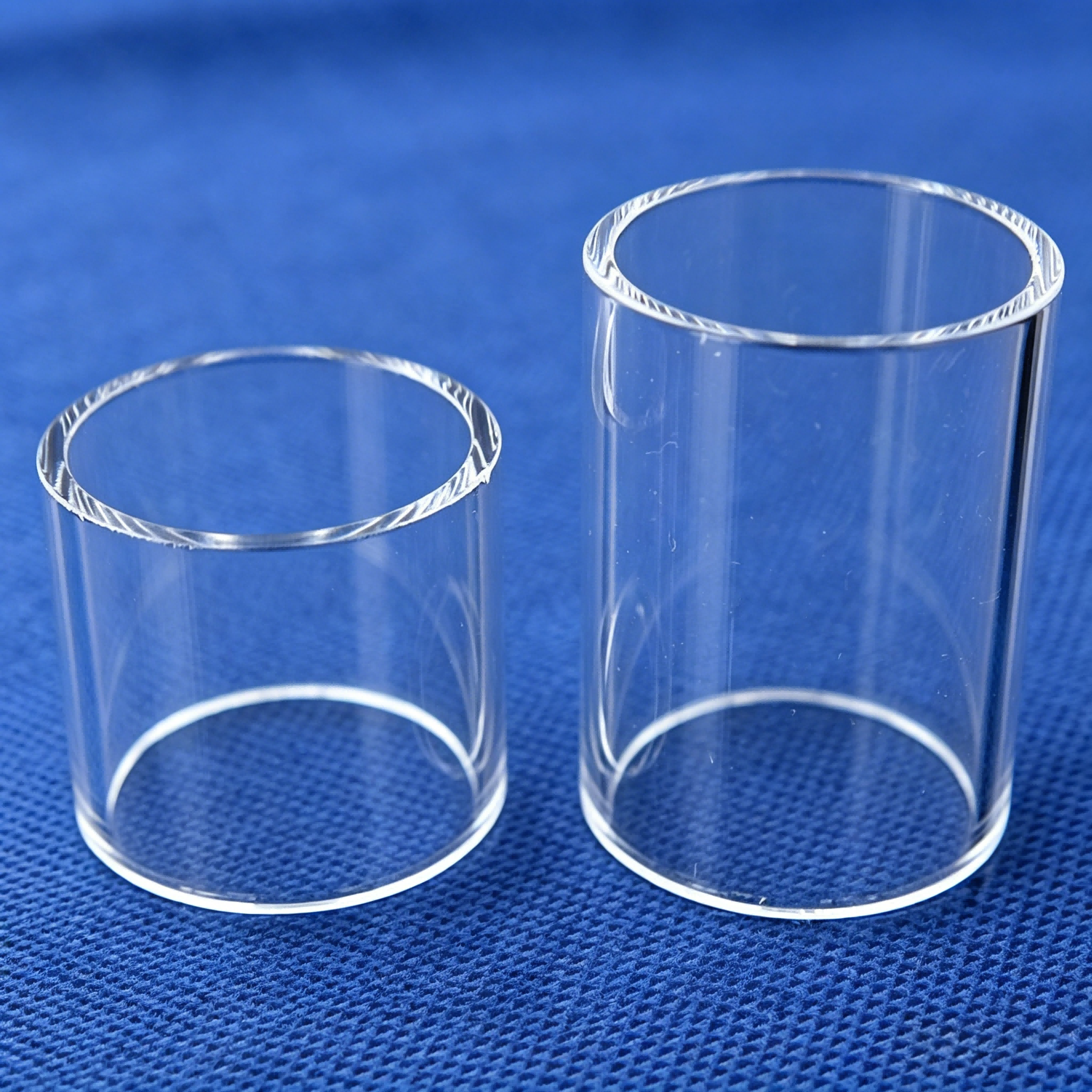
Custom High Temperature Corrosion Resistant Clear Quartz Glass Pipe | Twin Tube Polished Surface Bending/Welding/Cutting SJ 210
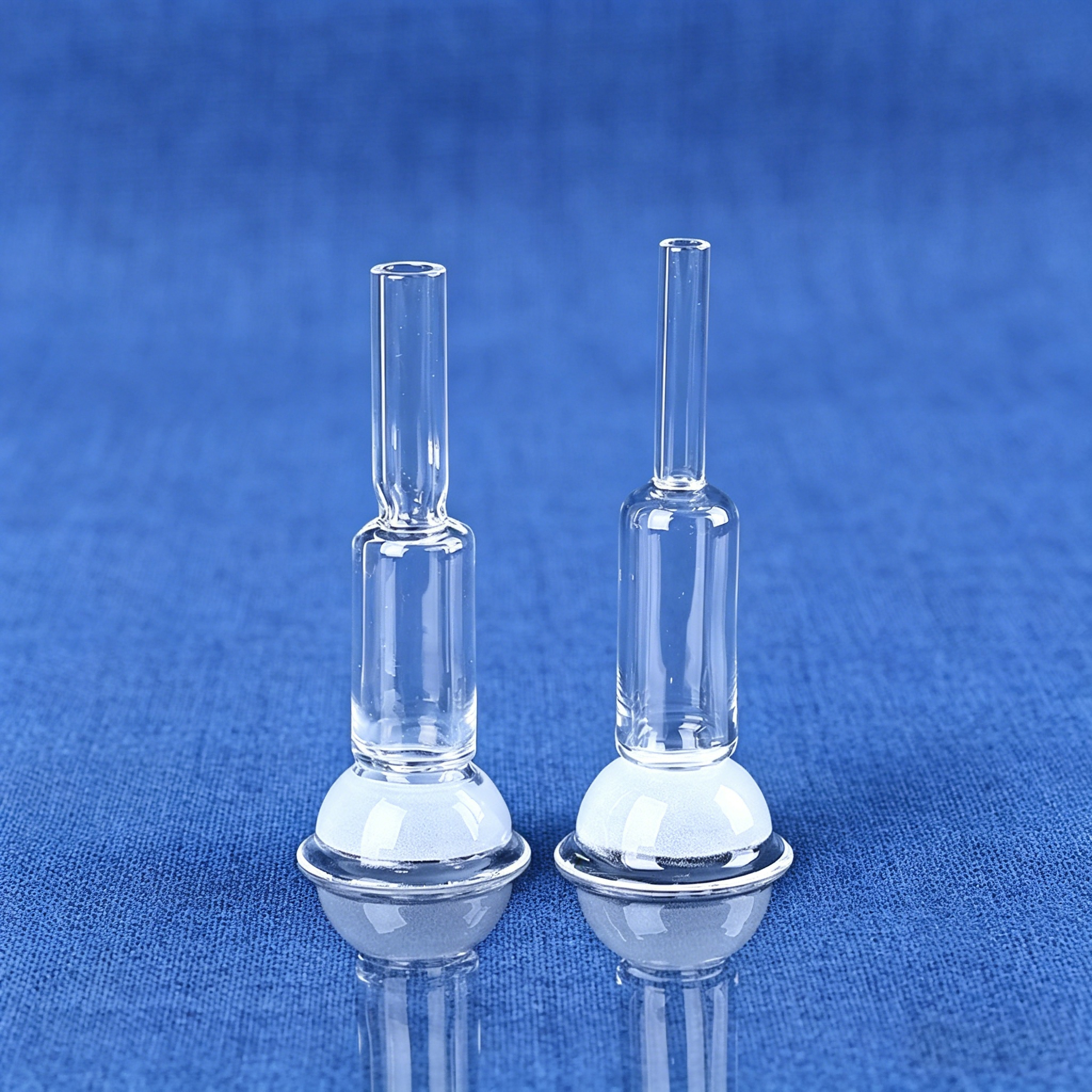
Custom High Purity Quartz C-shaped Small-sized BET Tube Welding Bending Cutting Polished Surface Semiconductor High Temp 1100
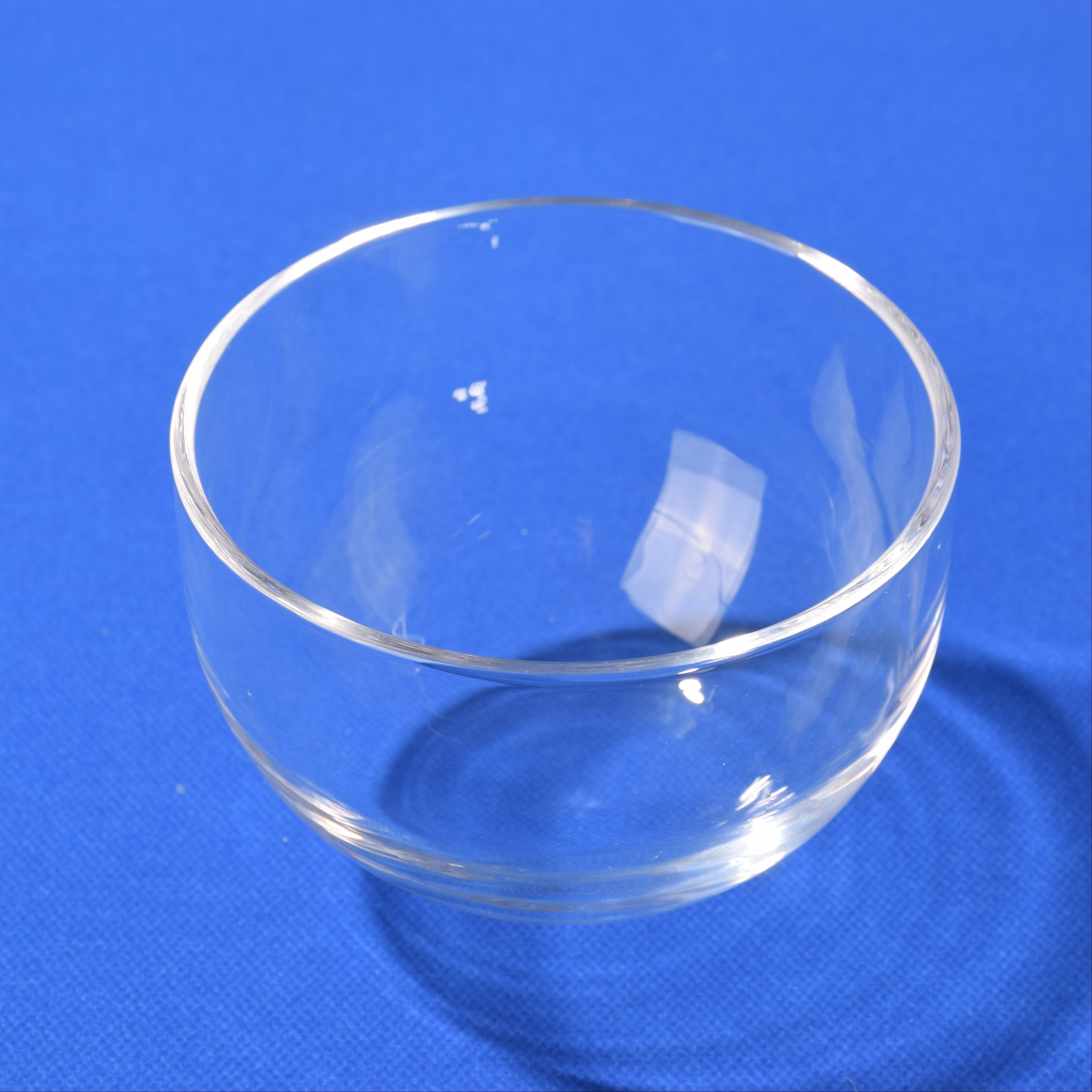
Clear Refractory Fused Quartz Crucible Bowl SJ Brand High Tension Strength 48 N/mm 1683 Softening Point Semiconductor
Engineering High-Purity Fused Quartz for Munich's Advanced Industries
The Greater Munich metropolitan area, recognized across Europe as the epicenter of Bavaria's "Isar Valley," constitutes one of the most demanding markets for technical glass and specialized ceramics. Anchored by prestigious research universities such as the Technical University of Munich (TUM) and Ludwig Maximilian University (LMU), alongside global corporate research hubs in Garching, Martinsried, and Oberpfaffenhofen, Munich's advanced microelectronics, photonics, and quantum technologies require fused quartz components engineered to the most stringent physical tolerances and trace-metal impurity thresholds.
As a verified specialized custom quartz manufacturer rooted in Donghai—the world's foremost high-purity silica raw material processing capital—Vulra Quartz (Lianyungang Vulra Quartz Products Co., Ltd.) provides Bavarian research institutes, analytical testing laboratories, and semiconductor equipment original equipment manufacturers (OEMs) with direct factory access to optical-grade and semiconductor-grade quartzware. By controlling the synthesis, flame-working, CNC cold machining, and cleanroom annealing processes, we eliminate multi-tier brokerage markups while enforcing strict compliance with European quality standards, including DIN ISO 2768-m/f dimensional tolerances, RoHS, and REACH (EC 1907/2006) compliance directives.
Information Gain Metric: While typical commercial quartz contains total metallic impurity profiles between 30 and 50 ppm, Vulra Quartz’s semiconductor-grade fused quartz maintains aggregate trace alkali and heavy metal elements below 15 ppm. This drastically mitigates devitrification at continuous operating temperatures of 1100°C and prevents ion cross-contamination in thermal diffusion, plasma etch, and high-energy laser optic arrays throughout Bavaria's fab ecosystems.
Localized Applications: Precision Quartzware Across the Munich Innovation Axis
Munich’s technical landscape is uniquely diversified, combining industrial high-volume automotive power-electronics manufacturing with cutting-edge academic investigation into quantum computing and synchrotron radiation. Our customized quartz products are deployed across four primary local application sectors:
Semiconductor & Epitaxy in Isar Valley
Power electronics fabs and R&D pilot lines across Munich and surrounding Upper Bavaria require quartz process tubes, wafer carrier boats, and plasma etch rings capable of sustaining harsh chemical etching environments (HF, HNO₃) and high-temperature thermal cycling without micro-cracking or sagging.
Photonics & Ultrafast Laser Optics
As host to the biennial Laser World of Photonics, Munich leads global quantum photonics and diode-pumped solid-state laser innovation. Our synthetic fused silica windows and circular testing sheets (SJ 077) provide deep-UV transmission down to 190 nm with minimal wavefront distortion and high laser damage threshold (LDT).
Analytical Chemistry & BET Surface Testing
Laboratories at the Max Planck Institutes and university chemistry faculties rely on specialized analytical quartz glassware, such as C-shaped micro-reactor tubes, Kjeldahl distillation units, and BET gas sorption bulb cells designed to maintain structural vacuum integrity under cryogenic liquid nitrogen and 1100°C outgassing.
Material Science Benchmark: Fused Quartz vs. Synthetic Fused Silica
Bavarian procurement engineers frequently require precise material differentiation between natural fused quartz and synthetic fused silica (FS). While natural quartz provides unmatched thermal stability, high structural rigidity, and economical pricing for furnace applications, synthetic fused silica provides absolute metallic purity and near-zero bubble inclusion for transmissive optical arrays:
| Property Parameter | Natural Fused Quartz (SJ Brand) | Synthetic Fused Silica (Optical Grade) | Industrial Relevance for Munich Buyers |
|---|---|---|---|
| Chemical Purity (SiO₂) | ≥ 99.99% – 99.999% | ≥ 99.9999% (< 1 ppm trace metal) | Zero metallic leaching into semiconductor wafers or trace analytical eluents |
| Softening Point | 1683 °C | 1580 °C | High resistance to structural sag in high-temperature silicon carbide/silicon tube furnaces |
| Continuous Working Temp | 1100 °C (Short peak: 1450 °C) | 1000 °C (Short peak: 1300 °C) | Reliable thermal longevity in continuous chemical vapor deposition (CVD) cycles |
| Thermal Expansion (CTE) | 5.5 × 10⁻⁷ / K (20°C to 320°C) | 5.2 × 10⁻⁷ / K (20°C to 320°C) | Extreme thermal shock resistance: withstands quenching from 1100°C into ice water |
| Spectral Transmission | 260 nm – 2500 nm (Standard Optical) | 185 nm – 3500 nm (Deep-UV / Excimer) | Critical for Munich optical sensors, laser cutting heads, and UV disinfection arrays |
| Hydroxyl (OH⁻) Content | < 5 ppm to 30 ppm (Customizable) | < 1 ppm (Water-free) up to 1200 ppm | Governs infrared absorption bands at 2.73 µm; tuned to client laser wavelengths |
Bavaria & DACH Sourcing Trends: Quality, Resilience, and Precision
Industrial procurement practices across Southern Germany have evolved rapidly. Munich-based engineering teams and research laboratories operate under strict corporate governance and European Union environmental frameworks, creating distinct sourcing preferences:
Transition to DIN ISO 2768 Precision
German mechanical and electrical engineers universally mandate drawing tolerances governed by DIN ISO 2768 fine (f) or medium (m). Imported quartz components must feature flame-polished, ground, or CNC chamfered edges with documented non-contact CMM dimensional verification to fit seamlessly into automated robotic handling equipment.
Direct Manufacturer Disintermediation
To hedge against soaring local energy tariffs impacting European heavy quartz glass blowing workshops, Munich purchasers increasingly establish direct contractual relationships with integrated manufacturers who handle high-purity raw silica reserves through to finished CNC cold working.
Full RoHS, REACH, and ESG Verification
Supply chains feeding Bavaria’s automotive (BMW, Audi ecosystem) and healthcare diagnostics sectors require verifiable compliance certifications proving zero heavy metal contamination (Lead, Cadmium, Hexavalent Chromium) and audit-ready factory verification by accredited bodies like TÜV Rheinland.
Our Manufacturing Edge: Direct from China's Crystal Capital
Integrated production capabilities in Donghai County, delivering certified quality, high customization agility, and predictable lead times to Munich buyers.
TÜV Rheinland Verified
Our manufacturing facility, business credibility, and production lines have undergone rigorous on-site third-party assessment by TÜV Rheinland, providing complete auditing peace of mind.
1-Piece Prototype Agility
We eliminate punitive minimum order restrictions. Custom quartz reactor tubes, optical observation windows, and specialized furnace crucibles start at an MOQ of just 1 piece for rapid prototyping.
Dual Hot & Cold Machining
Fully equipped flame benches, precision glass lathes, diamond-blade CNC mills, ultrasonic drilling, and computerized optical polishing allow us to realize complex geometric drawings under one roof.
Zero-Stress Annealing
Every welded joint and mechanically ground part undergoes programmatic thermal annealing cycles at 1120°C to eliminate residual polarization stresses and prevent spontaneous shattering during operation.
Frequently Asked Questions by German Purchasing & Technical Teams
Direct technical and operational answers regarding customs clearance, testing documentation, shipping to Bavaria, and engineering tolerances.
What Incoterms and shipping methods are standard for Munich deliveries?
We regularly supply Bavarian clients under DAP Munich, CIP Munich Airport (MUC), or DDP (Delivered Duty Paid) terms. For urgent prototype requirements, express air shipments (DHL Express, FedEx) deliver within 3–5 working days following factory dispatch. For high-volume serialized batch supply, consolidated air freight or sea freight via Hamburg/Rotterdam connected by German rail networks offers optimal cost efficiency.
What engineering drawing file formats do your CAD/CAM systems accept?
Our engineering team reviews 2D technical drawings in PDF, DWG, and DXF format with explicit geometric dimensioning and tolerancing (GD&T) callouts. For complex 3D quartz manifolds, twin-tube welded pipes, or custom CNC milled parts, we work directly with native STEP (.stp) and IGES (.igs) files. Pre-production engineering reviews are completed within 24 hours.
Can you provide EN 10204 3.1 Material Test Certificates and Spectrophotometer Data?
Yes. Upon request, shipments to German research institutions and semiconductor customers include certified inspection documentation detailing ICP-MS trace metal impurity profiles, surface roughness interferometry reports (Ra), and UV-Vis-NIR spectrophotometer spectral transmission curves verifying optical transmission thresholds.
How do you guarantee zero breakage during air and long-haul intercontinental transit?
Fragile quartzware demands specialized multi-stage protective export packaging. Individual components are ultrasonic acid-washed, sealed in anti-static dustproof polyethylene bagging, encapsulated within tailored multi-density EPE shock-absorbent foam inserts, and housed in heavy-duty triple-wall corrugated cartons or fumigated, export-grade plywood crates compliant with ISPM-15 regulations. Our transport breakage rate remains below 0.1%.
What is the TARIC / HS Code for importing technical quartz into Germany?
Fused quartz and fused silica tubes, pipes, rods, and unworked blanks entering Germany typically clear customs under HS Code 7002.31.00 (Tubes of fused quartz or other fused silica) or 7017.10.00 (Laboratory, hygienic or pharmaceutical glassware of fused quartz or other fused silica). Vulra Quartz provides comprehensive commercial invoices, packing lists, and Certificates of Origin to facilitate swift clearance via German customs (Zollamt).
How does your ozone-free quartz differ from standard clear fused silica?
Standard clear fused quartz transmits short-wave vacuum ultraviolet (VUV) radiation down to 185 nm, which photochemically dissociates ambient atmospheric oxygen (O₂) into highly reactive ozone (O₃). Our ozone-free fused quartz tubes are engineered with specialized dopants that selectively absorb wavelengths below 220 nm while preserving peak transmission across the 254 nm germicidal or infrared thermal spectrum, safeguarding operator health and sensitive cleanroom electronics in Munich facilities.
Accelerate Your Munich Engineering Project Today
Send your custom technical drawings, dimensional specifications, or material requirements. Our quartz engineering specialists provide comprehensive DFM evaluations and official commercial quotations within 12 hours.