High-Purity Fused Quartz & Laboratory Quartzware Catalog
Direct-from-factory OEM/ODM fabrication supporting Stavanger analytical laboratories, offshore testing bases, and thermal calcination facilities.
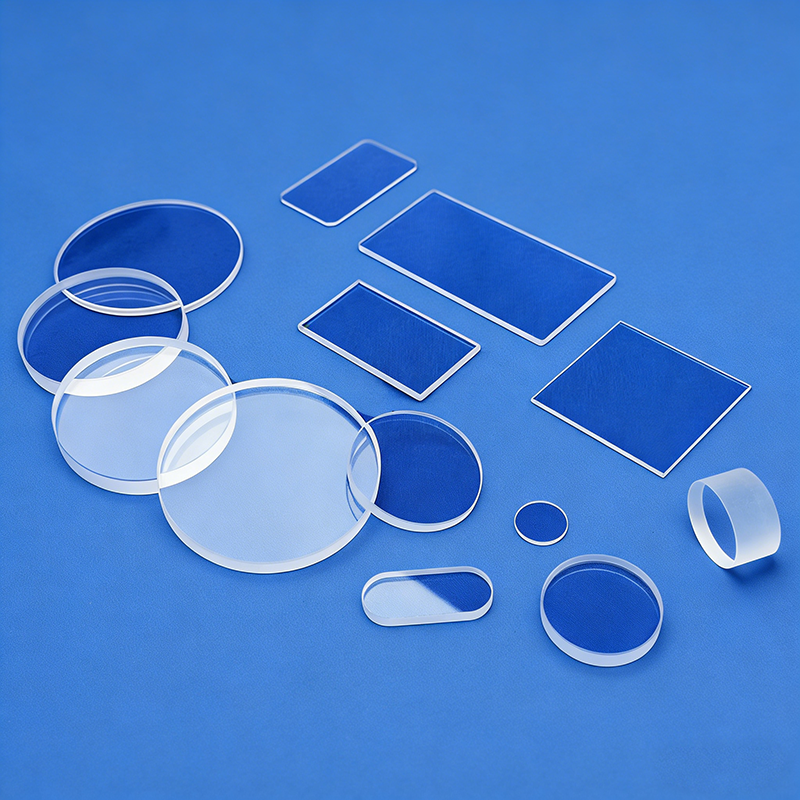
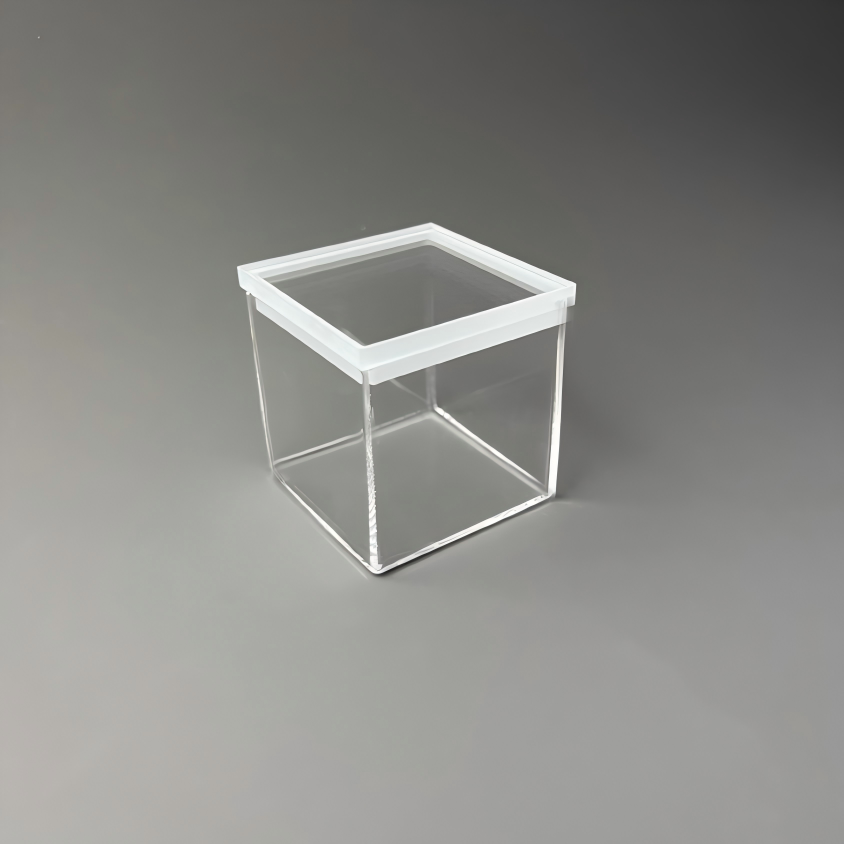
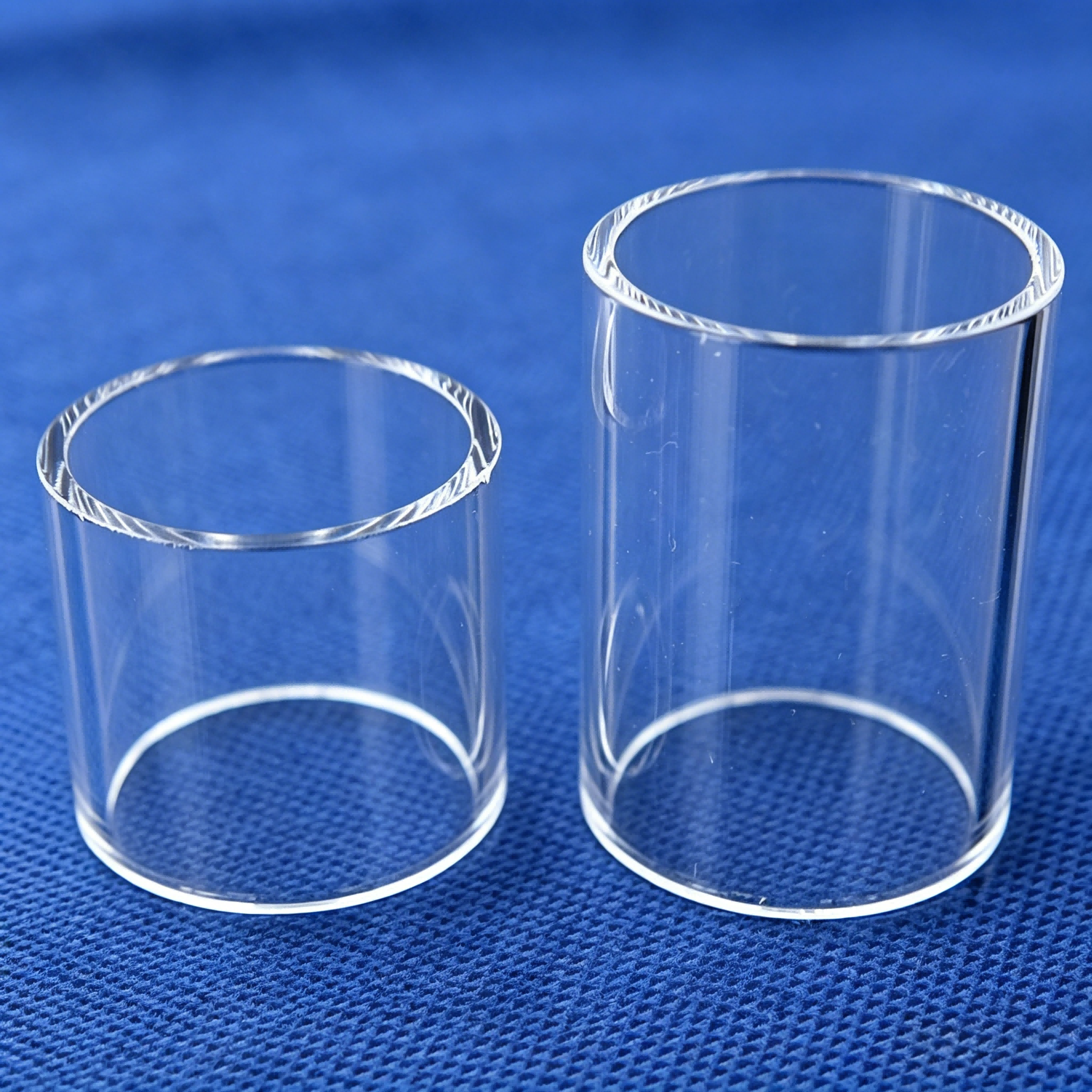
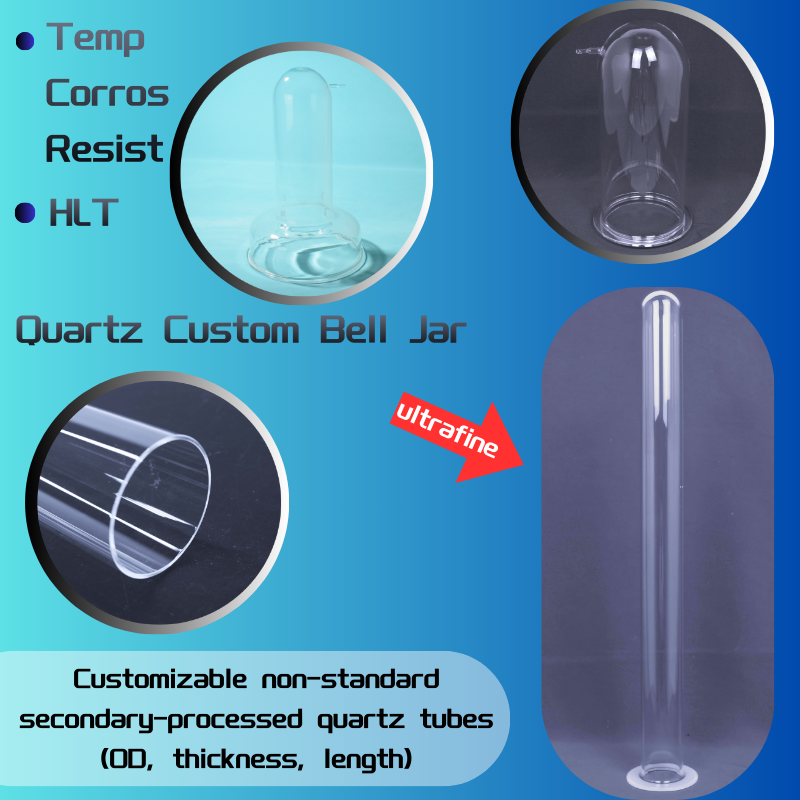
The Role of Fused Silica Ashing Dishes in Modern Thermogravimetric Pyrolysis
Analytical quantification in petrochemistry, geosciences, and marine bio-refining relies on one uncompromising metric: absolute sample recovery without vessel contamination. The quartz ashing dish represents the apex of refractory vitreous vessels, fabricated from natural crystalline silica feedstock melted under high-temperature vacuum furnaces. Unlike standard borosilicate labware or porcelain vessels, fused quartz dishes feature a virtually amorphous silica glass matrix (>99.99% to 99.999% SiO₂) characterized by an exceptionally low coefficient of thermal expansion (5.5 × 10⁻⁷ /°C from 20°C to 1000°C).
This near-zero thermal expansion coefficient grants the vessel an extraordinary immunity to catastrophic thermal shock. In rapid automated ashing processes, laboratory technicians in the Stavanger hydrocarbon basin frequently cycle crucibles directly from 1100°C muffle furnaces into cold desiccators or ice-cooled sample mounts. Borosilicate immediately shatters under this mechanical strain; porcelain succumbs to glaze micro-crazing and subsequent sample adsorption. Fused silica maintains structural equilibrium without micro-fracturing or volumetric deformation.
Porcelain crucibles inherently leach aluminum, potassium, iron, and sodium oxides into acidic digestion residues. Our custom OEM fused quartz dishes feature heavy metal impurity totals below 15 ppm, preventing false-positive spikes during Inductively Coupled Plasma Mass Spectrometry (ICP-MS) and Optical Emission Spectrometry (ICP-OES) analysis.
Furthermore, the chemical inertness of clear fused silica dishes protects the specimen against aggressive acid fumes during wet sulfated ashing. Concentrated sulfuric acid (H₂SO₄), nitric acid (HNO₃), perchloric acid (HClO₄), and hydrochloric acid (HCl) remain chemically non-reactive with the polished inner quartz surface at temperatures exceeding 400°C, ensuring that trace analytes such as vanadium, nickel, sulfur, and lead in petroleum coke or crude bottoms are retained with precision recoveries >99.8%.
Vessel Geometry & Thermal Dissipation
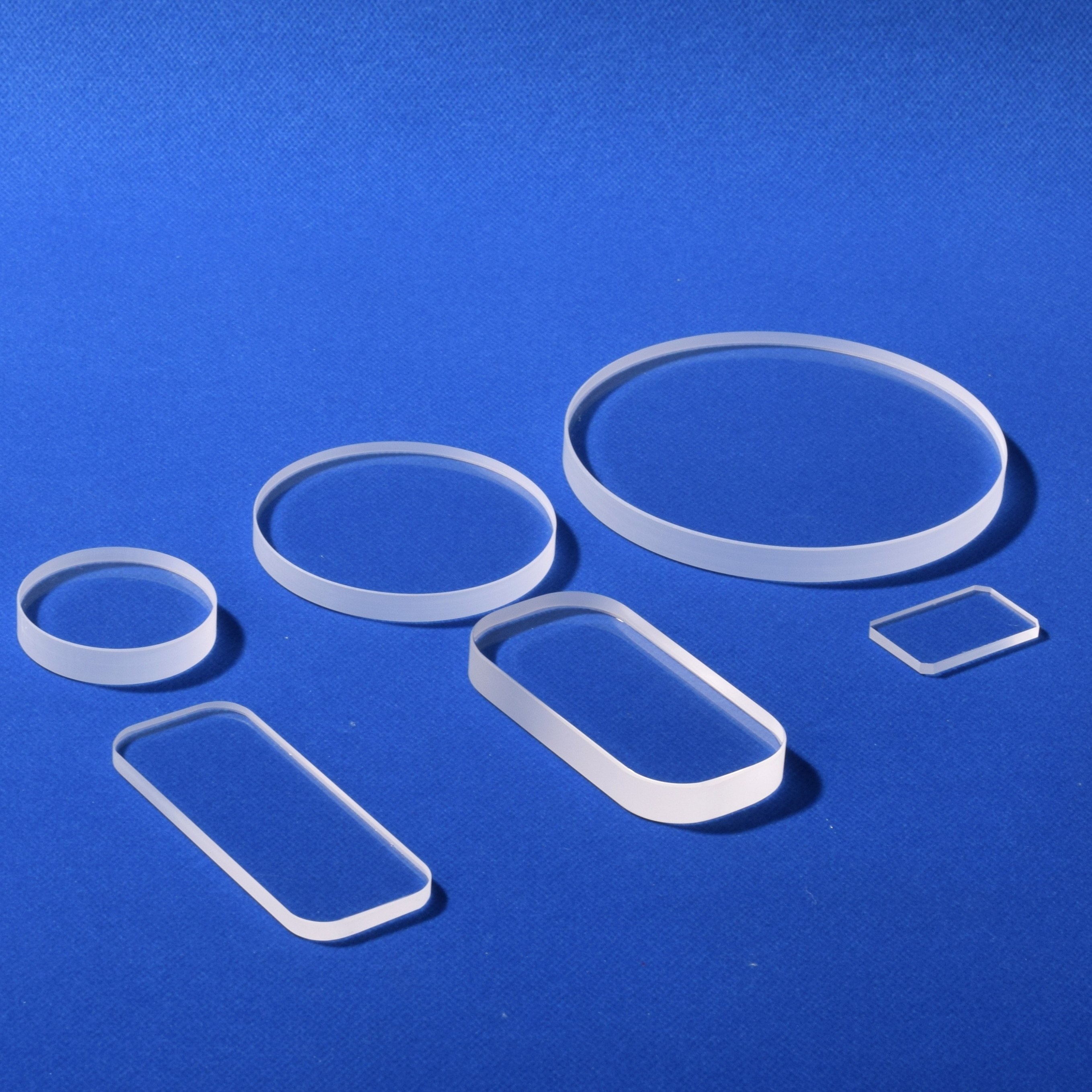
Every OEM ashing dish manufactured for the Stavanger market features a precision-contoured meniscus-free flat bottom, maximizing heat conduction from the muffle furnace floor plate into the sample bed.
- • Wall Thickness: Uniform 1.5mm to 3.0mm (±0.15mm tolerance) to avoid localized temperature hotspots.
- • Surface Finish: Fire-polished or optical ground polish with roughness Ra < 0.05 µm for effortless residue scraping.
- • Edge Design: Reinforced beaded rim or precision ground spout for zero-spill liquid transfers.
- • Annealing State: 100% polariscope-inspected to guarantee zero residual birefringent stress.
Comparative Material Science Benchmark: Ashing Labware
| Performance Metric | Vulra OEM Fused Quartz | Standard Lab Porcelain | Platinum / Pt-Au Alloy | Borosilicate Glass 3.3 |
|---|---|---|---|---|
| Continuous Service Temp | 1100°C (Peaks to 1450°C) | 1000°C (Glaze softens >950°C) | 1300°C (Inert in air) | 490°C (Deforms >520°C) |
| Thermal Shock Tolerance (ΔT) | >1000°C Instant Water Quench | ≈ 200°C (Prone to crazing) | >1000°C Rapid Dissipation | ≈ 150°C (Catastrophic failure) |
| Heavy Metal Blank Leaching | < 1 ppb (Ideal for ICP-MS) | High (Leaches Al, K, Na, Fe) | Ultra-low (Risk of Bi/As alloying) | Extremely High (Leaches B, Na) |
| Acid Resistance (H₂SO₄ / HNO₃) | Unaffected at boiling point | Glaze degraded over time | Exceptional (Attacked by aqua regia) | Moderate surface etching |
| Cost-per-Calcination Cycle | Very Low (High reusability) | Low (Frequent discarding) | High Initial Capital Cost | N/A (Unusable at high heat) |
High-Purity Quartzware Deployments in the Stavanger Region
Serving the North Sea petroleum hub, the Forus industrial technological corridor, Risavika energy testing terminals, and academic institutions in Rogaland.
ASTM D482 / D874 Crude Residue Assay
Crucial for petroleum testing laboratories along the Stavanger port and offshore rigs. Fused silica dishes withstand the direct ignition of volatile crude samples, followed by sustained muffle furnace combustion at 775°C to quantify inorganic ash and sulfated residues.
Petroleum & RefiningNorth Sea Drill Core & Marine Soil Pyrolysis
Offshore geochemical laboratories analyze subsea sediments and cutting samples for organic carbon content (TOC) and mineralogy. Quartz dishes prevent matrix contamination during 550°C and 950°C sequential loss-on-ignition (LOI) testing protocols.
Geosciences & DrillingBiomelt & Clean Maritime Fuel Testing
In accordance with the Norwegian Maritime Authority's stringent low-emission directives, facilities at Risavika assess catalyst degradation, bio-oil blends, and synthetic marine fuel ash contents, demanding cleanroom-purified quartz crucibles.
Maritime Energy TransitionUniversity of Stavanger (UiS) Research
Advanced chemical engineering and material science labs at UiS and NORCE rely on custom dimensioned quartz boats, flat dishes, and photoelectrochemical cells for carbon capture (CCS) catalyst development and high-temperature electrolysis.
Academic & NORCE R&DProcurement & Technological Trends in Western Norway
Strategic structural shifts shaping how procurement managers and laboratory heads in Rogaland acquire specialized quartz glassware.
Automation in Muffle Ashing
Laboratory automation across Stavanger's quality control facilities requires dimensional tolerances within ±0.1mm. High-throughput automated robotic arms loading samples into carousels require standardized ashing dish geometries that will not jam or tilt inside furnaces.
Sub-ppb Environmental Compliance
Norway's Miljødirektoratet enforcement has tightened emission thresholds for drilling mud discharge and produced water. Ash residue analysis has shifted directly to ultra-sensitive ICP-MS, necessitating zero-contaminant synthetic silica vessels over mineral-bearing ceramics.
Direct OEM Supply Streamlining
Norwegian lab operators are moving away from traditional high-markup Scandinavian catalog distributors. Direct technical partnerships with TÜV Rheinland-verified manufacturing plants provide drawing-based custom designs, 1-piece prototypes, and immediate volume supply chains.
Why Stavanger Engineers Partner with Vulra Quartz
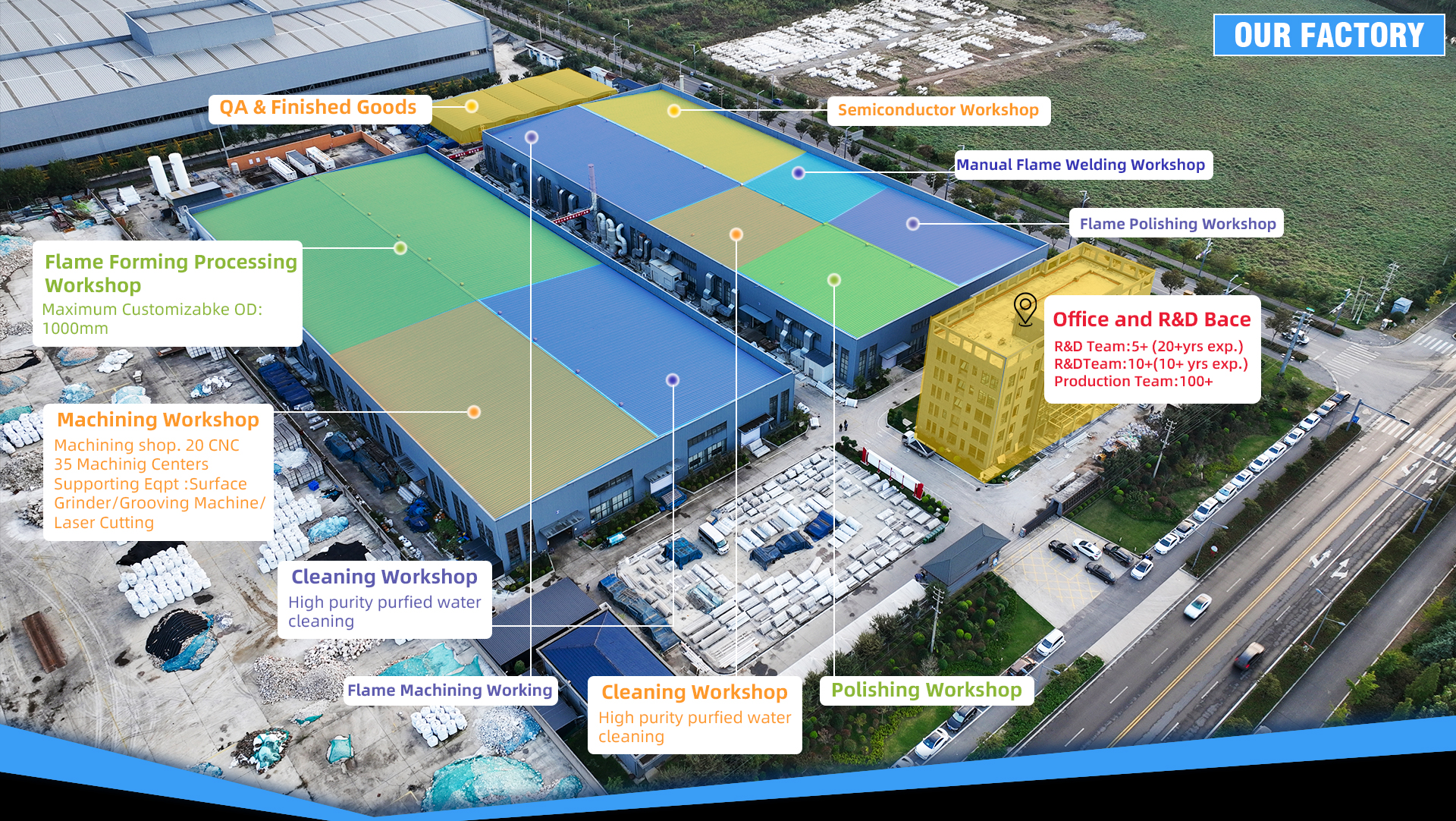
Combining Donghai's world-class raw silica basin with precision thermal glassworking, cleanroom acid treatment, and rigorous European quality control.
Donghai Silica Basin
Located at China's crystal hub with direct access to high-purity natural silica sand. This raw resource stability guarantees continuous supplies with batch-to-batch chemical purity exceeding 99.99% SiO₂.
TÜV Rheinland Audited
Our production facilities, cleanrooms, and quality management systems are independently audited and on-site certified by TÜV Rheinland. Full CE and RoHS compliance is maintained across our catalog.
Thermal Stress Annealing
Every welded, bent, or ground ashing dish undergoes programmable furnace annealing up to 1150°C to eliminate micro-crystallite stresses, drastically extending crucible lifespan under North Sea rig conditions.
Custom Prototype From 1 PC
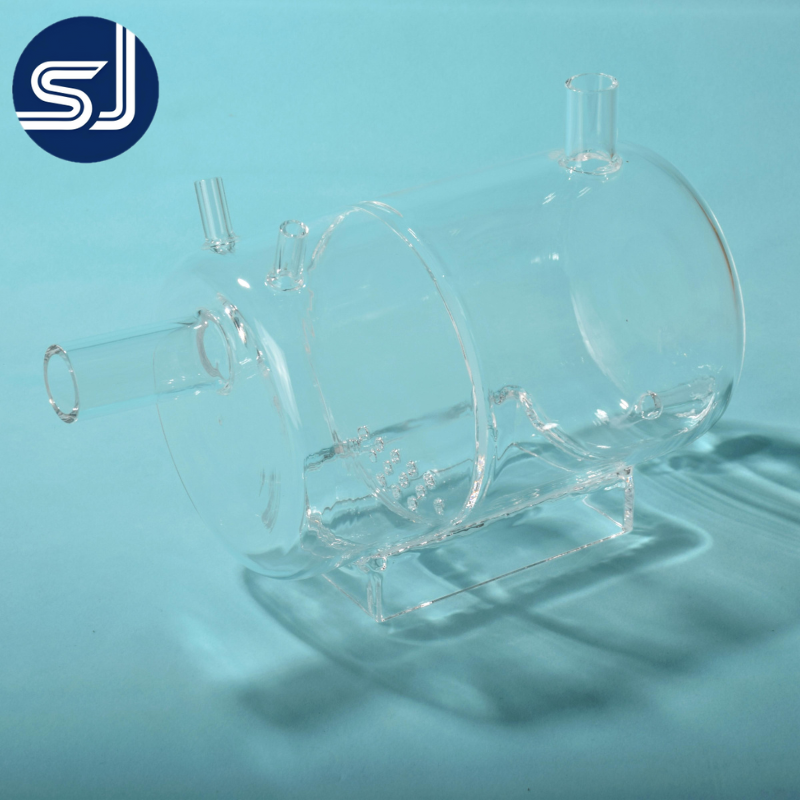
We do not enforce prohibitive minimum orders. Whether you need a singular custom C-shaped BET tube, a sealed photoelectrochemical dome cell, or 5,000 ashing dishes, we fabricate directly from your CAD files.

Frequently Asked Questions: Stavanger Lab Sourcing
Authoritative technical answers addressing customs, specifications, heating kinetics, and logistical delivery to Western Norway.