Featured Industrial & Laboratory Quartzware
Customizable high-transmittance, thermal-shock immune fused quartz solutions manufactured in accordance with strict ISO and CE standards for European researchers and equipment integrators.
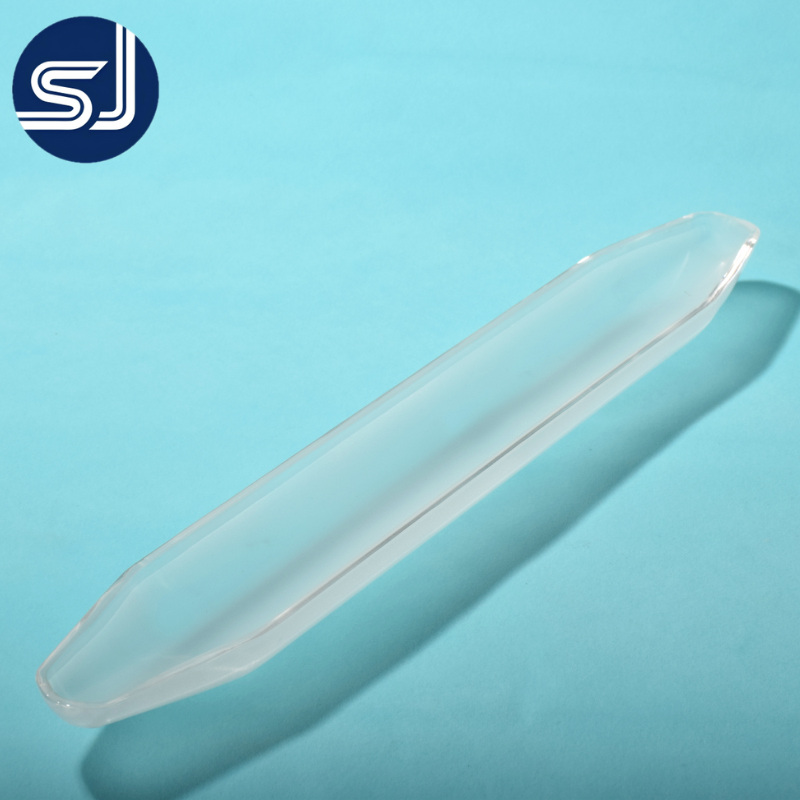
SJ 140 QUARTZ Precision Polished Quartz Boat
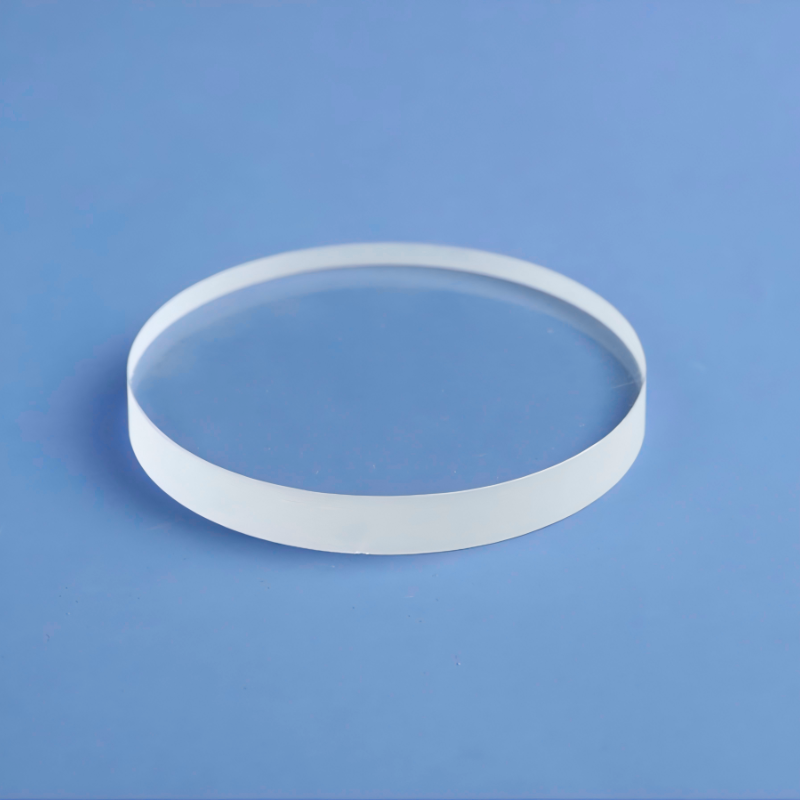
High Temperature Clear Sapphire Quartz Tablets & Sheets
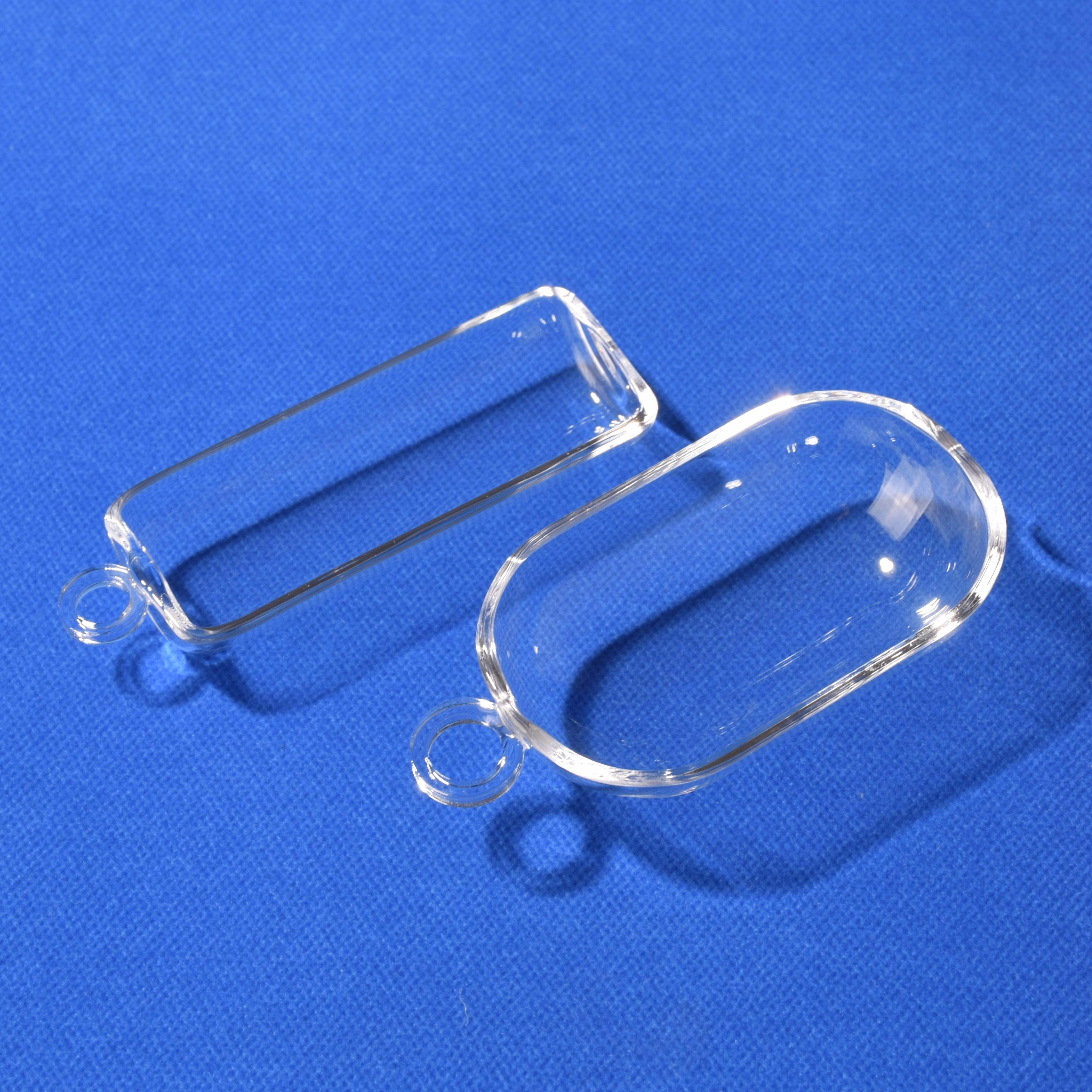
Semi-Circular Flat Bottom High-Temp Tube Furnace Boat
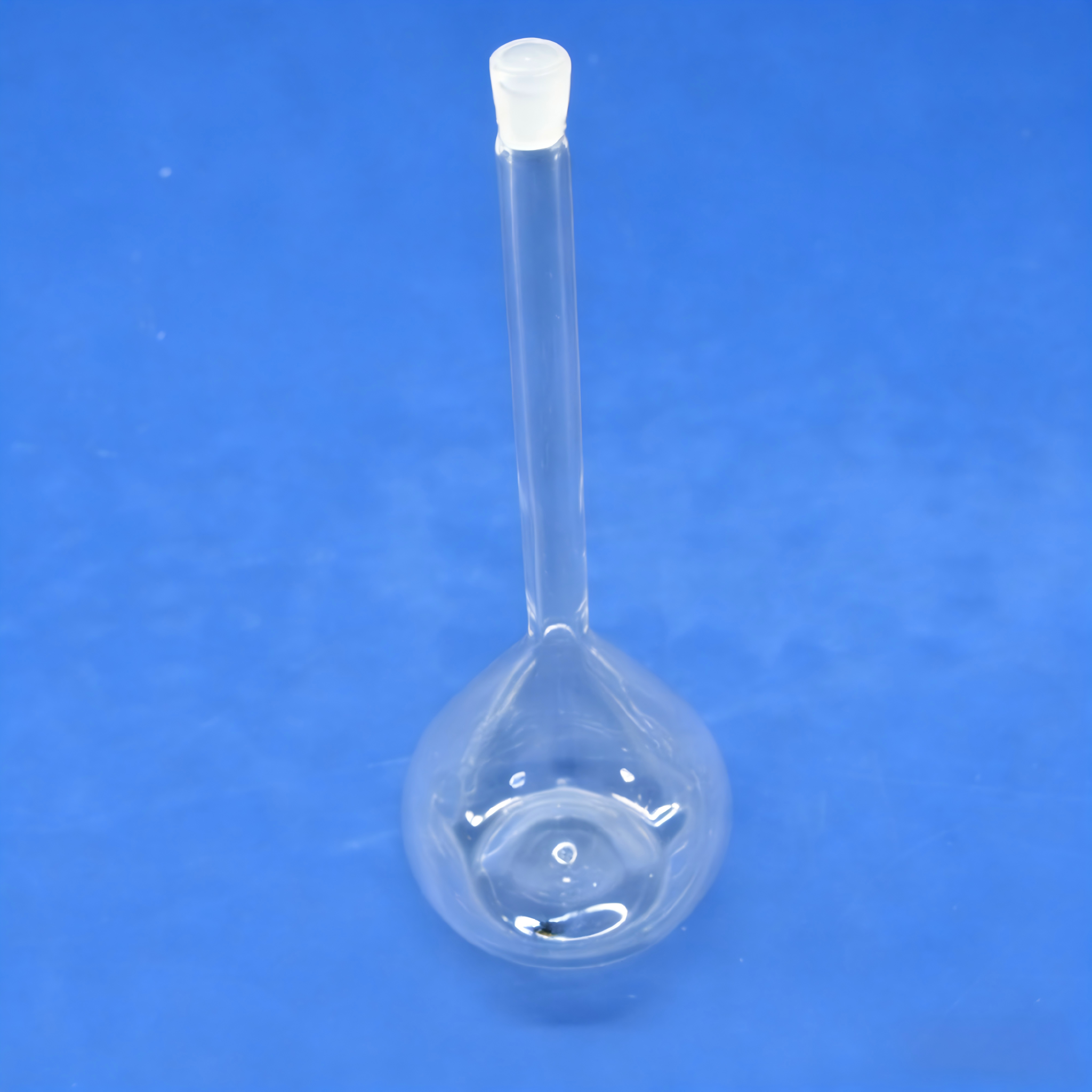
Customized Clear Quartz Flask & Sealed Ampoule
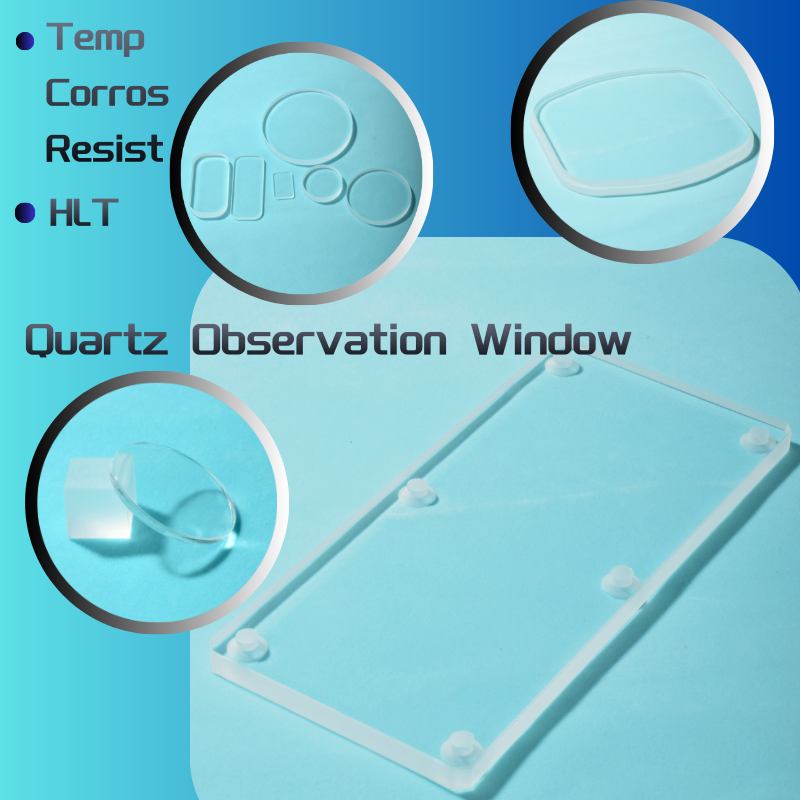
SJ Natural Fused Quartz Polished Optical Plate
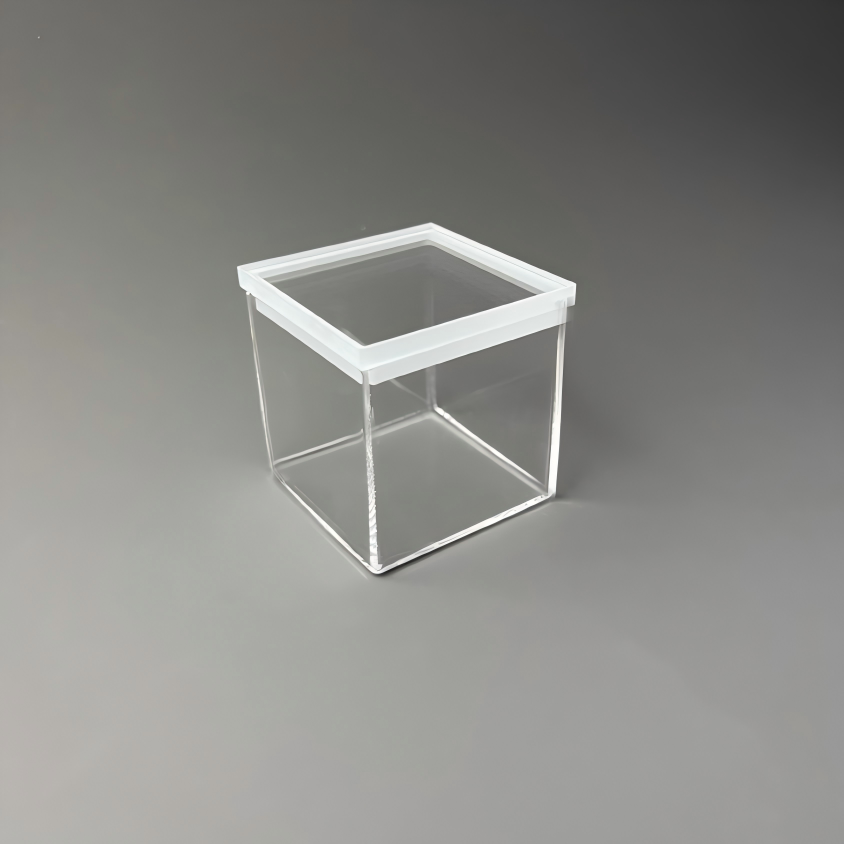
Quartz Glass Sealed Electrolytic Cell Dome Closed End
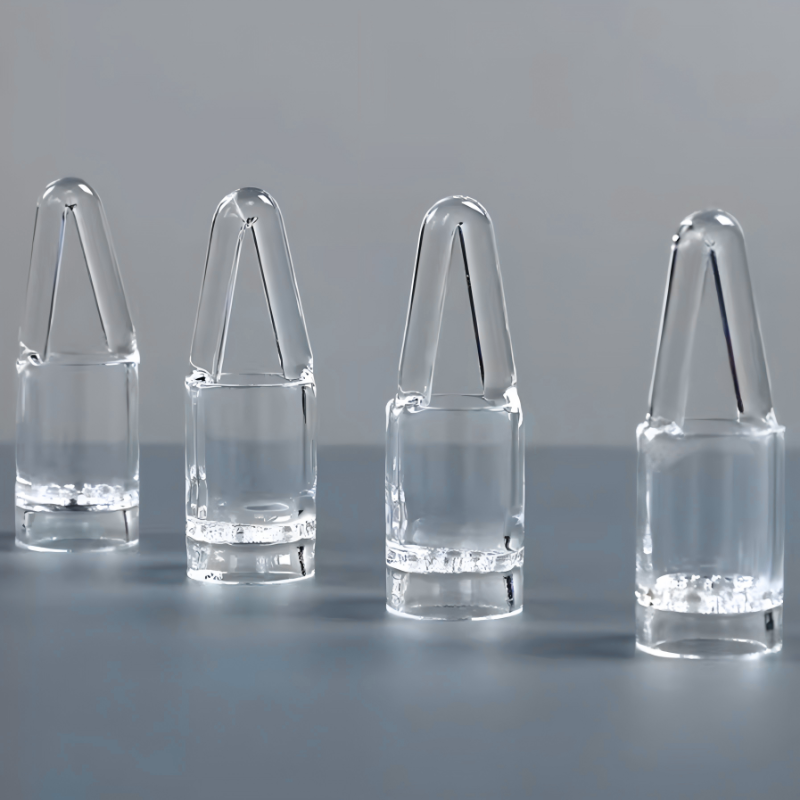
Quartz Crucible Acid/Alkali Resistant Basket Beaker
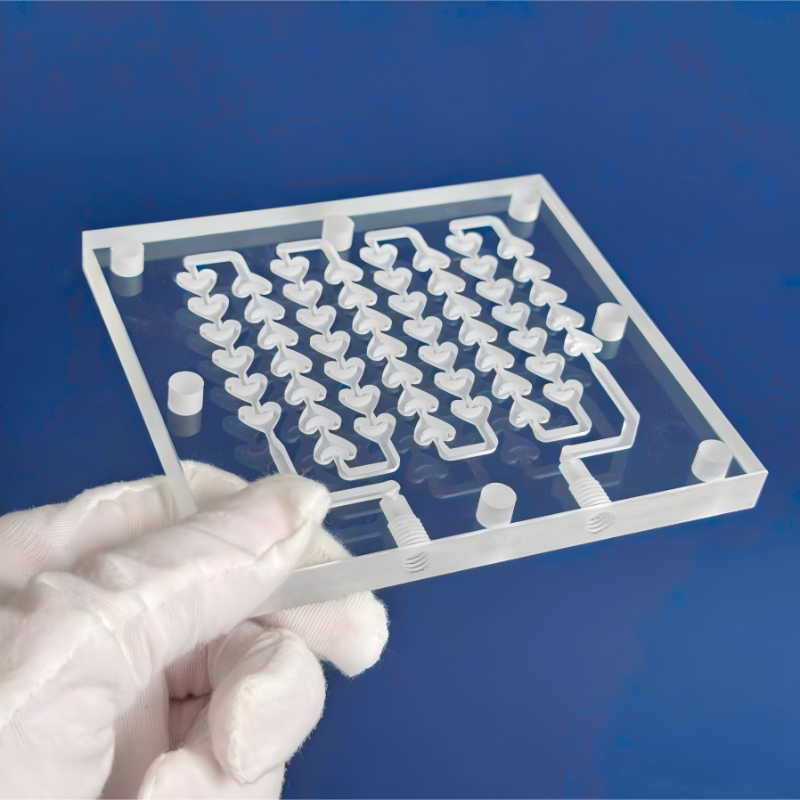
High Thermal Conductance Heat-Exchange Quartz Chips
Clear Quartz Rods: Material Physics, Purity Grading & Optical Metrics
A comprehensive engineering guide on fused silica microstructure, devitrification kinetics, and precision processing for researchers and procurement engineers across Southern Portugal.
In optical, semiconductor, and advanced chemical thermal processing, Clear Quartz Rods (vitreous fused silica rods) represent the gold standard for applications requiring zero ionic contamination, absolute thermal dimensional stability, and exceptional broadband electromagnetic transmission from deep ultraviolet (UV-C at 190 nm) through the near-infrared spectrum (up to 3500 nm). Produced by high-temperature fusion of natural crystal sand from Donghai—widely acknowledged as China’s premier high-purity quartz capital—our quartz rod series offers an exceptionally dense, non-crystalline tetrahedral silicon dioxide (SiO₂) network with impurities measured strictly at trace parts-per-million (ppm) levels.
Unlike conventional borosilicate or soda-lime glass, clear fused quartz displays an extraordinarily low Coefficient of Thermal Expansion (CTE) of only 5.5 × 10⁻⁷ / °C between 20°C and 320°C. This nearly negligible thermal dilation allows a red-hot quartz rod at 1100°C to be instantaneously quenched in ice water without fracture, micro-fissuring, or optical birefringence degradation. For industrial apparatus builders in Faro and the greater Algarve district, where precision optical sensors and extreme thermal receivers operate under demanding marine and solar environments, this material behavior eliminates thermal fatigue failures.
Ultra-Low Hydroxyl (OH⁻) Grading
We offer low-OH electrically fused quartz rods (<5 ppm to <20 ppm OH⁻) designed to eliminate infrared water absorption bands at 2.73 µm, alongside flame-fused optical grade silica suited for high UV-transmittance light transmission waveguides.
Thermal Shock Resistance
With a softening point at 1683°C and an annealing point at 1180°C, our fused quartz rods operate reliably under continuous loads at 1100°C and short-duration thermal excursions up to 1450°C without plastic deformation.
Chemical Inertness
Virtually unreactive with acids (including boiling HCl, HNO₃, and H₂SO₄) except hydrofluoric and hot phosphoric acid (>300°C). Resistant to atmospheric salinity and oxidation in coastal Mediterranean climates.
| Physical / Chemical Property | Test Standard / Condition | Typical Value (Donghai Fused Quartz) | Synthetically Fused Silica Alternative |
|---|---|---|---|
| SiO₂ Purity Level | ICP-OES / GDMS Trace Analysis | 99.99% – 99.999% | > 99.9999% |
| Density (ρ) | ASTM C693 (20°C) | 2.20 g/cm³ | 2.201 g/cm³ |
| Coefficient of Thermal Expansion (CTE) | 20°C to 300°C | 5.5 × 10⁻⁷ K⁻¹ | 5.2 × 10⁻⁷ K⁻¹ |
| Softening Point (η = 10⁷·⁶ dPa·s) | ASTM C338 | 1683°C | 1600°C – 1650°C |
| Annealing Point (η = 10¹³ dPa·s) | ASTM C336 | 1180°C | 1120°C |
| Strain Point (η = 10¹⁴·⁵ dPa·s) | ASTM C336 | 1070°C | 1025°C |
| Tensile Strength / Modulus | Four-point bending (25°C) | 48 MPa / 72 GPa | 50 MPa / 73 GPa |
| Refractive Index (n_d) | λ = 589.3 nm (Sodium D) | 1.4585 | 1.4584 |
| Optical Transmission (10mm path) | λ = 260 nm – 2500 nm | ≥ 90% (Bubble Class 0/1) | ≥ 92% (Laser Grade) |
Engineering Implementations in Faro & Southern Portugal
How high-purity quartz rods and components empower Faro's burgeoning blue economy, high-flux solar research, oceanographic sensors, and regional cleanroom laboratories.
Marine Biotech & Photobioreactors
Across Ria Formosa natural park and aquaculture research hubs at the University of Algarve (CCMAR), clear quartz rods serve as internal UV-C sterilization waveguides and light guides for microalgae cultivation, remaining fully immune to biofilm adherence and saline corrosion.
Concentrated Solar Power (CSP)
With Faro experiencing over 3,000 hours of sunlight annually, local green energy development utilizes solid quartz rods as secondary optical concentrators and molten-salt thermocouple protection probes due to extreme 1683°C thermal resilience.
Oceanographic Spectrometry
Marine sensor stations deployed off the southern coast use ground and fire-polished quartz rods as total internal reflection (TIR) optical light pipes for dissolved oxygen, turbidity, and fluorometric seawater monitoring under high hydrostatic pressure.
Semiconductor & Cleanroom R&D
Faro technology incubators developing micro-sensors leverage our quartz rods as high-resistivity wafer supports, insulating push rods, and oxidation furnace paddles characterized by low alkali metal content (Na < 0.7 ppm, K < 0.5 ppm).
Faro & Southern Portugal Industrial Modernization Trends
Examining how European Green Deal objectives and Portugal's National Hydrogen Strategy drive the local demand for specialized fused silica components.
The Algarve region, traditionally celebrated for tourism and agriculture, is actively diversifying into a high-technology maritime and renewable energy corridor. Under the regional smart specialisation strategy (RIS3 Algarve), projects linking the Port of Faro, international tech parks, and academic research centres are fostering advanced industrial verticals. This transition drives specific technical demands for high-purity fused silica that standard European distributors struggle to satisfy economically with short delivery lead times.
Trend 1: Scaled Photobioreactor Infrastructure for Blue Biotechnology. Algarve’s microalgae facilities producing high-value compounds (astaxanthin, spirulina, and pharmaceutical bio-actives) are moving from open raceway ponds to closed-loop tubular photobioreactors. Fused quartz rods with fire-polished optical ends are increasingly deployed as interior lighting pipelines delivering narrow-band LED photons deep into dense biomass cultures without generating unwanted heat spikes.
Trend 2: Green Hydrogen & High-Temperature Electrolysis in Southern Portugal. As southern transport corridors near Sines and Faro implement solid oxide electrolysis cells (SOEC) operating upwards of 800°C to 1000°C, inert quartz rods, insulation spacers, and gas-routing manifolds provide structural integrity where metals oxidize and ceramics present cracking risks under dynamic thermal cycling.
Trend 3: Direct CAD-to-Spec Procurement Models. Procurement directors in Portugal are shifting away from rigid standard catalogs toward drawing-based on-demand fabrication. Vulra Quartz enables research teams across Faro to submit 2D/3D step files for single-piece prototyping (MOQ: 1 PC) and transition directly to batch production with guaranteed repeatability.
Why European Buyers Partner with Vulra Quartz
Rooted in Donghai—the world's crystal capital—with TÜV Rheinland on-site audit verification, multi-axis cold machining, and high-vacuum annealing lines.
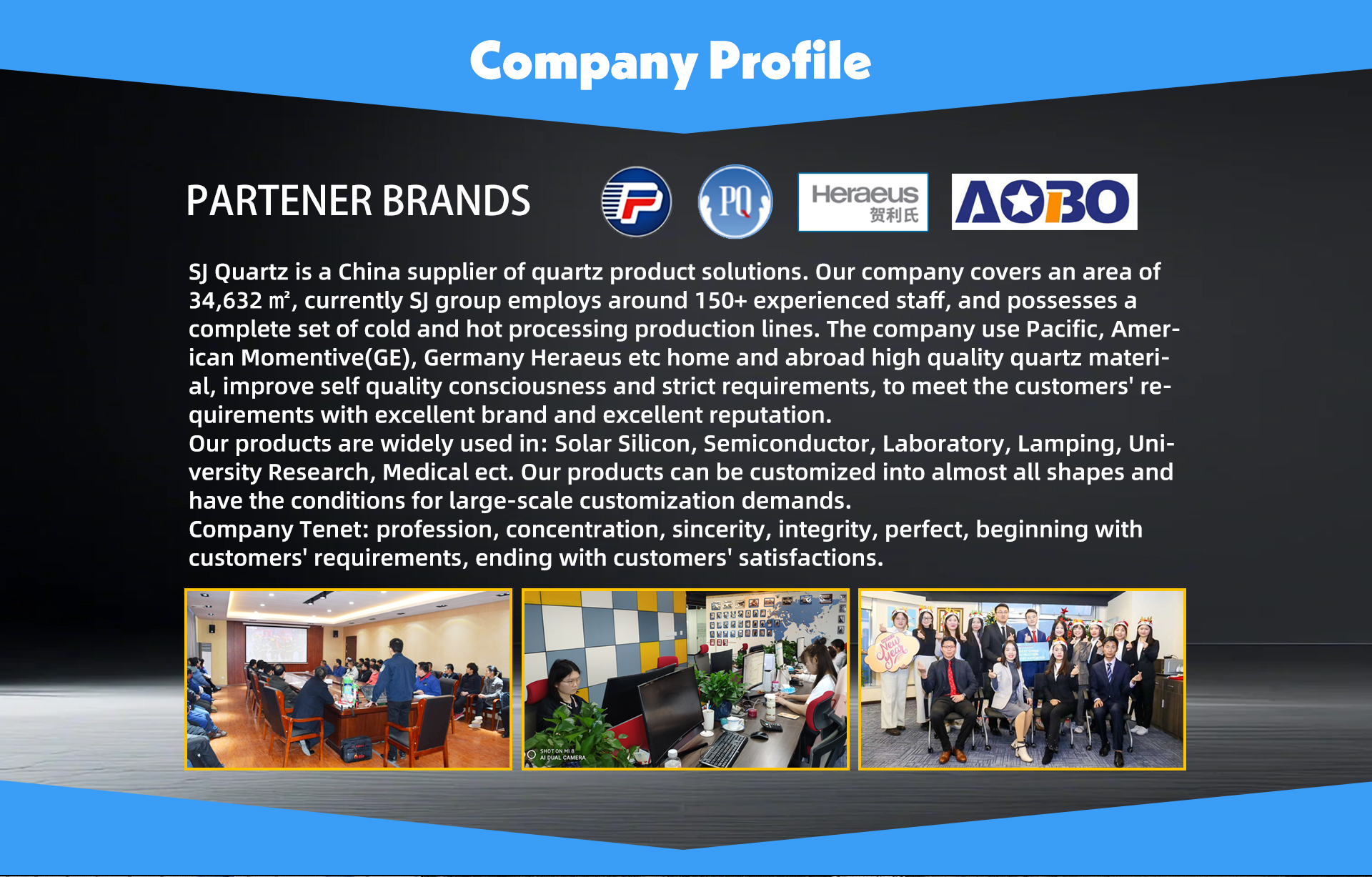
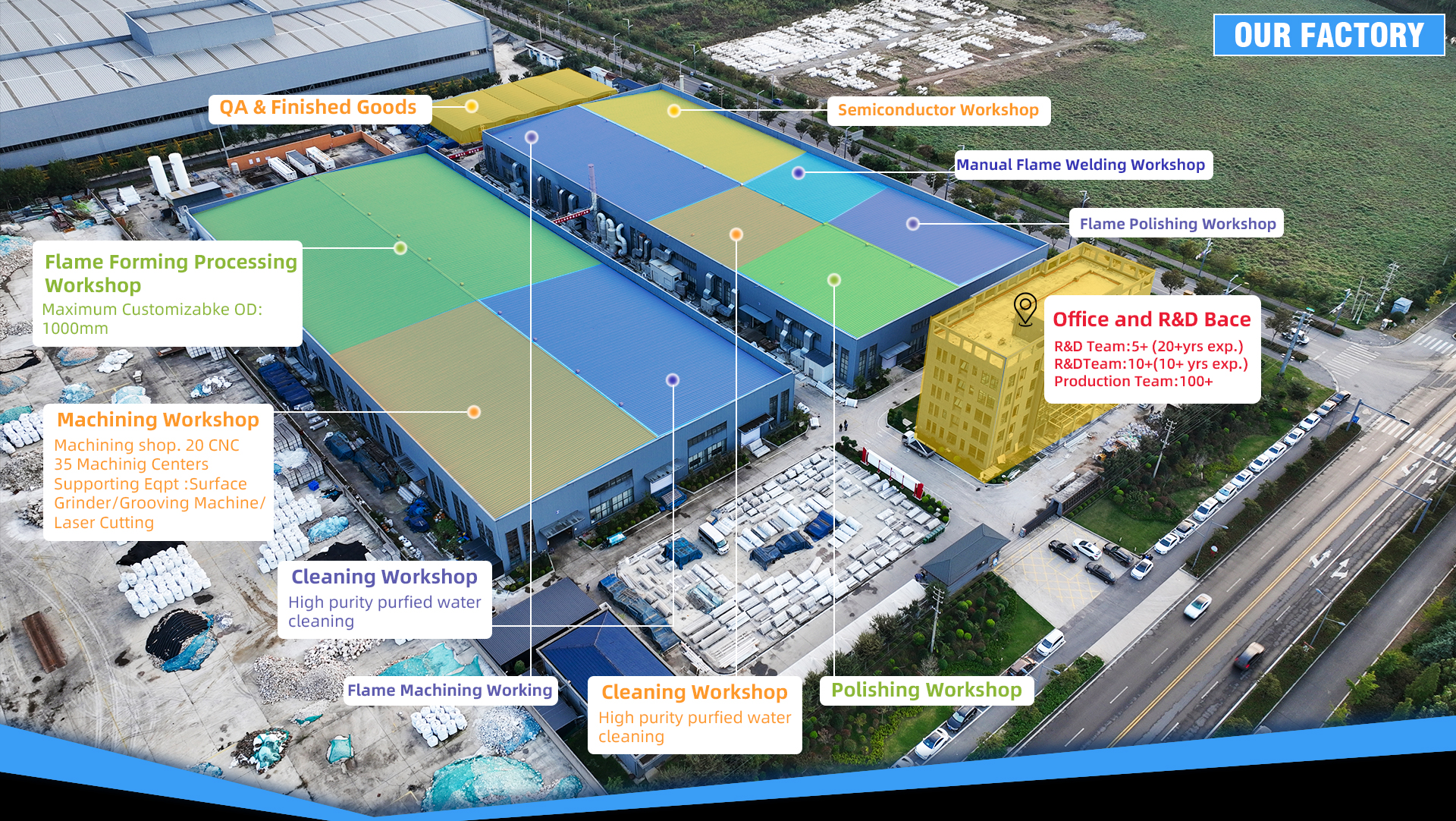
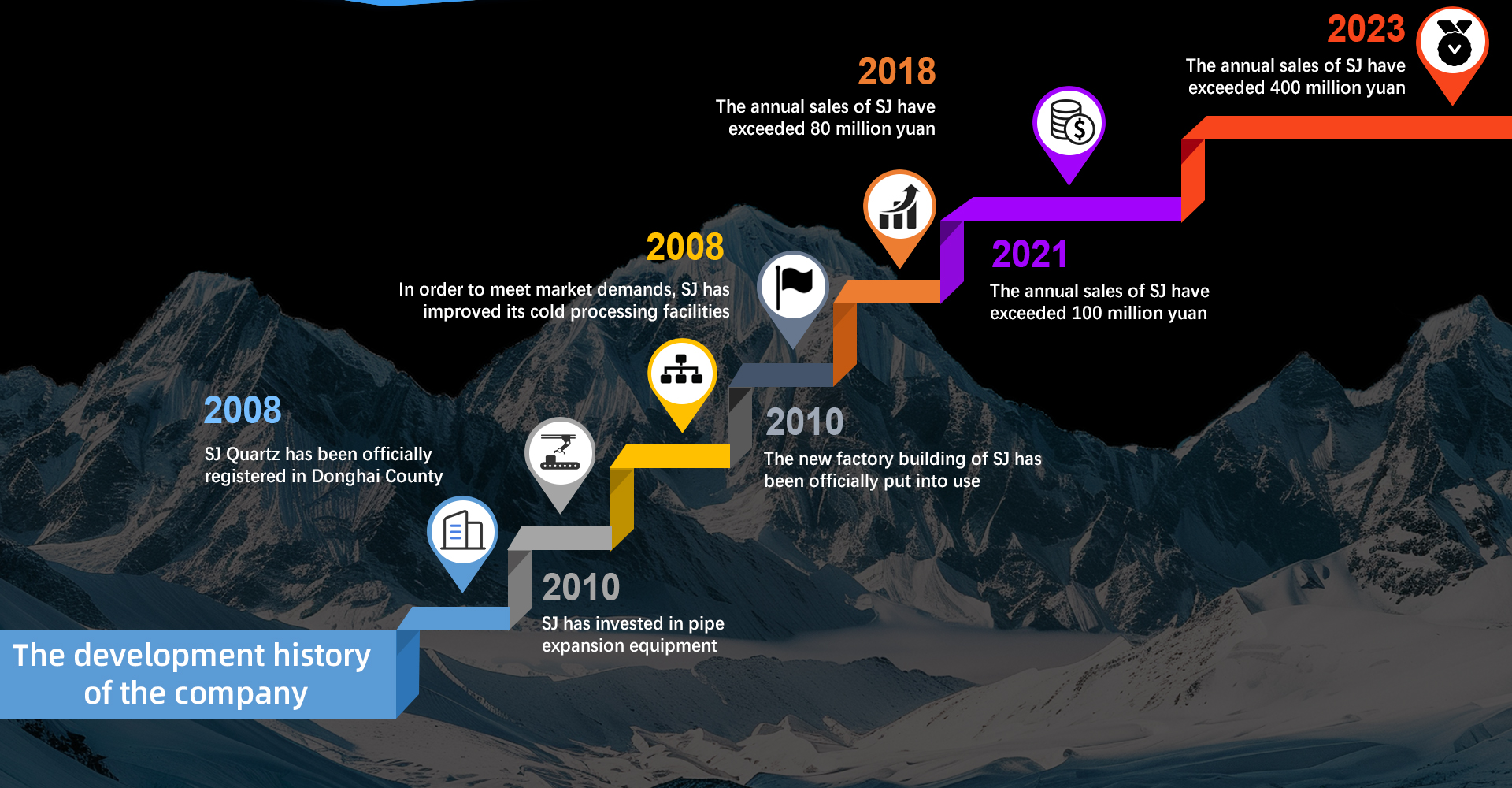
Lianyungang Vulra Quartz Products Co., Ltd. operates out of the Jiangsu Donghai Economic Development Zone. This geographic positioning grants us unfettered access to the world’s purest natural quartz resources, creating an integrated supply ecosystem spanning raw ingot melting, precision mechanical grinding, ultrasonic CNC coring, and multi-gas flame hot-working.
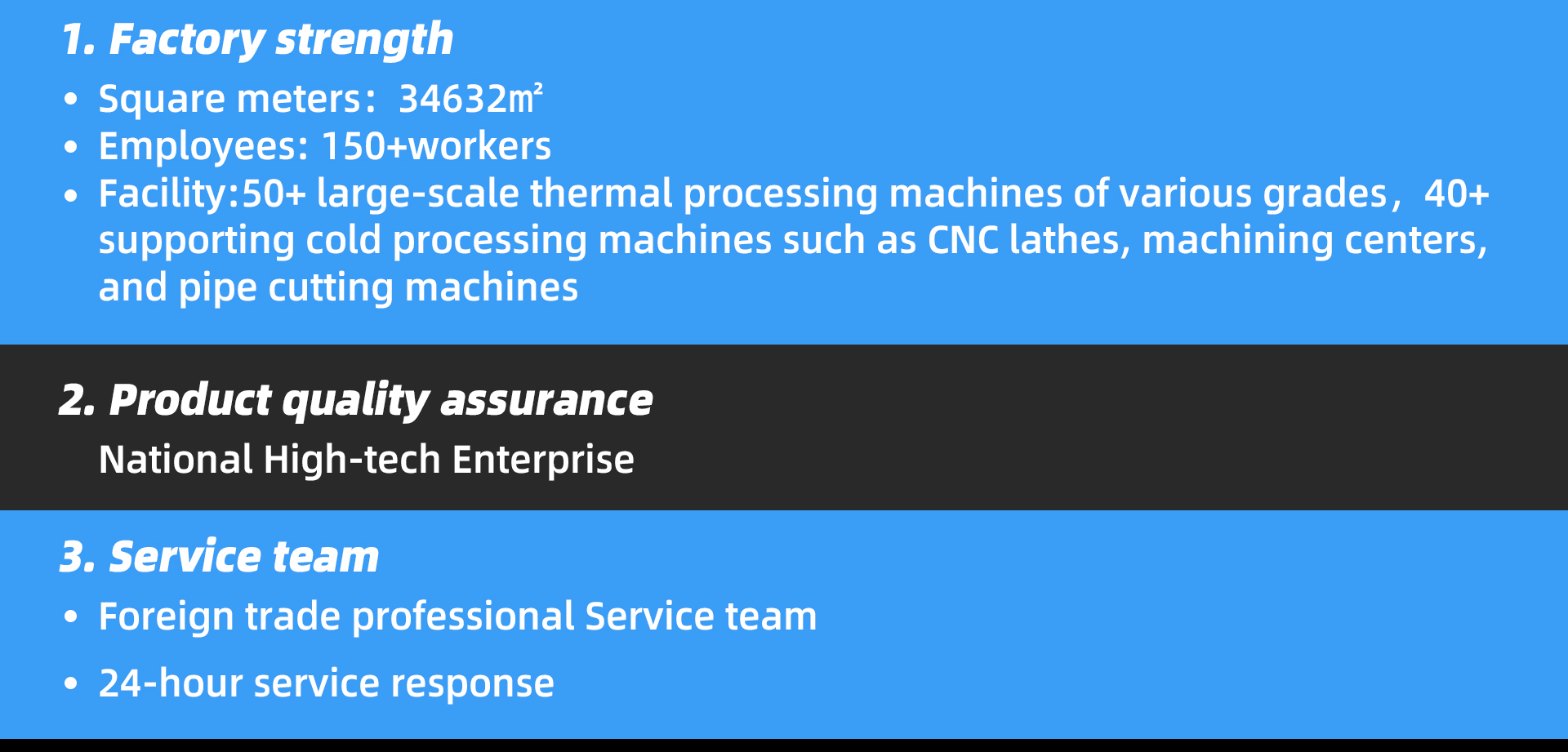
Unlike mere trading intermediaries, our manufacturing facility has been independently audited on-site by TÜV Rheinland, confirming verified production capacity, strict QA traceability, CE product declarations, and RoHS hazardous substance compliance.
Faro Buyer FAQ: Shipping, Customs & Engineering Specs
Clear, actionable answers addressing EU customs clearance, delivery timelines to Faro, international breakage guarantees, and custom tolerances.
What is the standard shipping lead time to Faro (Algarve), Portugal?
For custom prototype orders (1–50 pieces), fabrication requires 7–12 business days depending on geometric complexity. Express air freight (DHL, FedEx, or UPS Priority) delivers directly to Faro Airport (FAO) or your facility within 4–6 business days. For volume industrial consignments, containerized sea freight reaches the Port of Sines or Port of Lisbon in 28–34 days, followed by direct bonded truck transit to Faro.
How do you guarantee fragile quartz rods arrive intact without breakage?
We deploy export-grade shock-absorption packaging. Each quartz rod is individually vacuum-sleeved in dust-free PE foil, nestled in custom-molded high-density EPE pearl cotton channels, and secured inside reinforced honeycomb cartons and heavy fumigated plywood crates compliant with ISPM-15. In the improbable event of transit damage, Vulra Quartz provides immediate expedited replacement under our full export transit warranty.
What documentation is provided for Portuguese customs clearance?
Every commercial export is supplied with complete documentation for the Portuguese Tax and Customs Authority (Autoridade Tributária e Aduaneira), including Commercial Invoice with specific TARIC / HS codes (typically 7002.20 for quartz rods or 7017.10 for lab quartzware), Packing Lists, Certificates of Conformity (CE, RoHS), and full Mill Test Certificates detailing SiO₂ purity and spectrographic impurity analyses.
What is the minimum order quantity (MOQ) for custom drawing fabrications?
Our MOQ is strictly 1 piece for custom quartz rods, machined optical light guides, and specialized laboratory quartzware. We actively support university researchers, startup prototype validation, and custom machine builds before committing to recurring batch quantities.
What mechanical and dimensional tolerances can you achieve on rods?
Standard drawn quartz rods hold an outside diameter tolerance of ±0.2 mm to ±0.5 mm. For high-precision applications, our centerless precision grinding and polishing line delivers outer diameter tolerances down to ±0.01 mm, total runout/straightness <0.1 mm/meter, and end-face optical pitch polishing with surface qualities of 20/10 scratch-dig and λ/4 wavefront distortion.
Can you provide ozone-free quartz rods or tubes for UV curing systems?
Yes. By strategically doping the silica melt with trace elements such as titanium, our ozone-free quartz completely absorbs deep UV radiation below 220 nm (blocking the 184.9 nm ozone-generating line) while transmitting over 85% of 253.7 nm germicidal radiation. This prevents toxic ozone accumulation in unvented laboratory or factory environments in Faro.
Launch Your Custom Quartz Project in Faro
Send your CAD drawings, dimensional specifications, or purity requirements to Vulra Quartz's engineering desk. Receive a comprehensive feasibility evaluation, DFM feedback, and a competitive factory-direct quote within 12 hours.
Get a Quote