Featured Optical & Laboratory Quartz Components
Direct wholesale procurement channels for specialized quartzware. Every optical plate, tube, and crucible undergoes spectrophotometric transmission verification, dimensional tolerance inspections, and thermal stress annealing prior to international export.

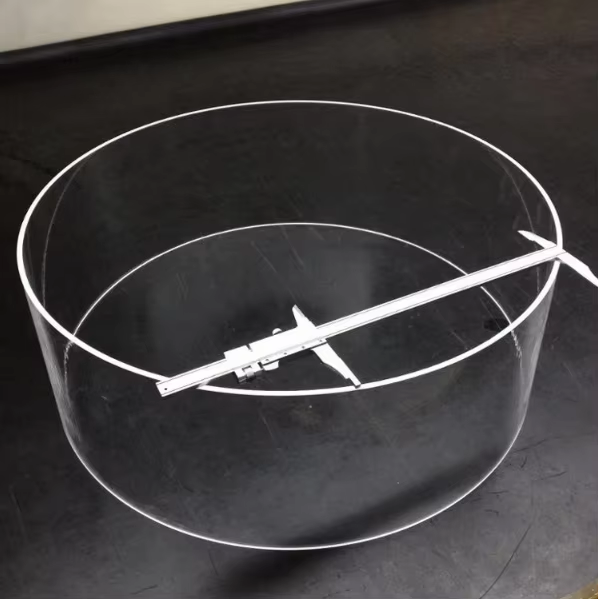
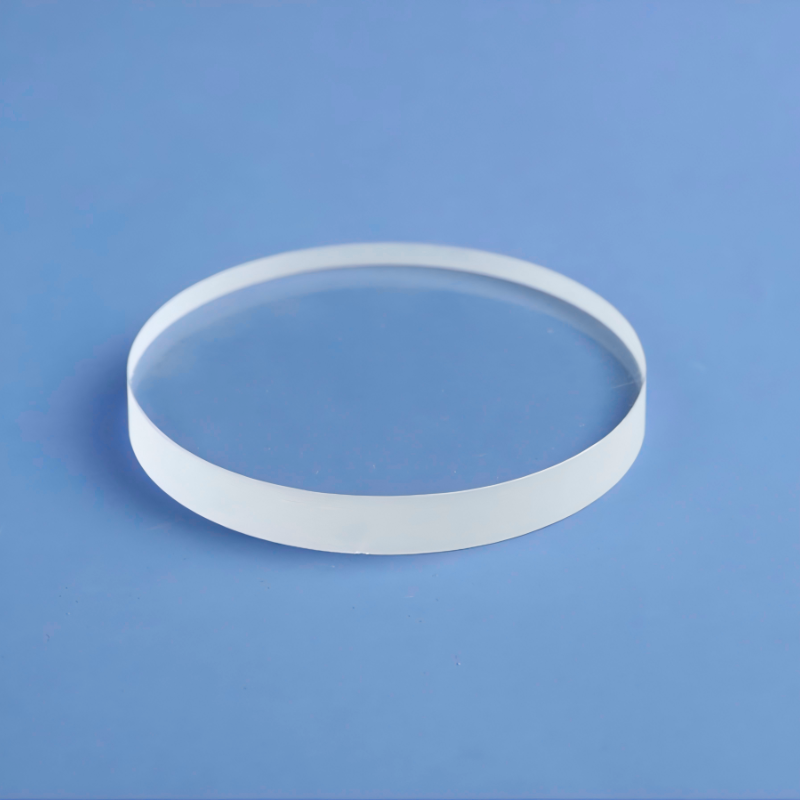
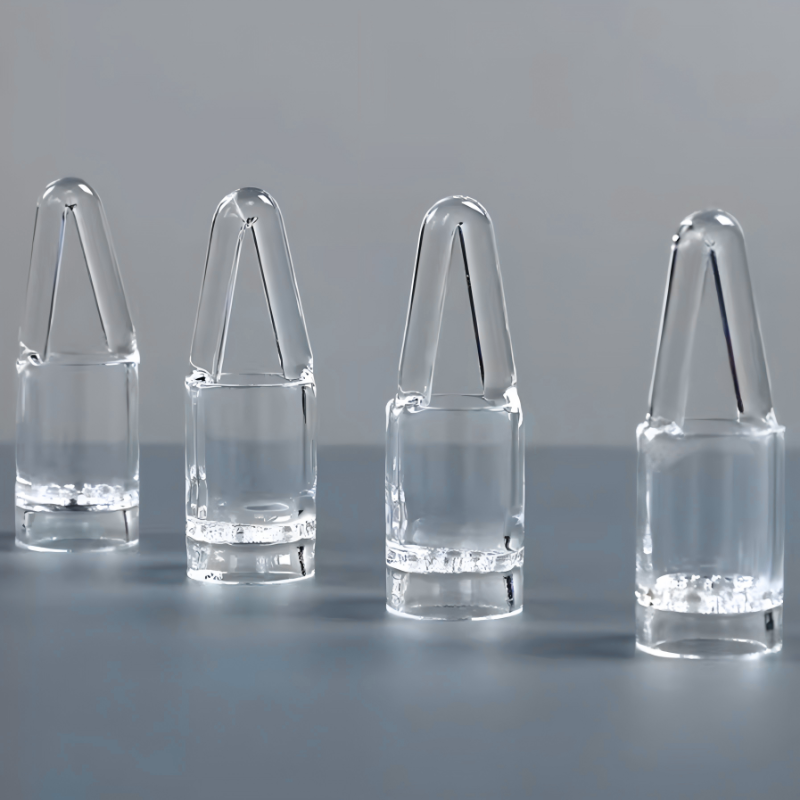
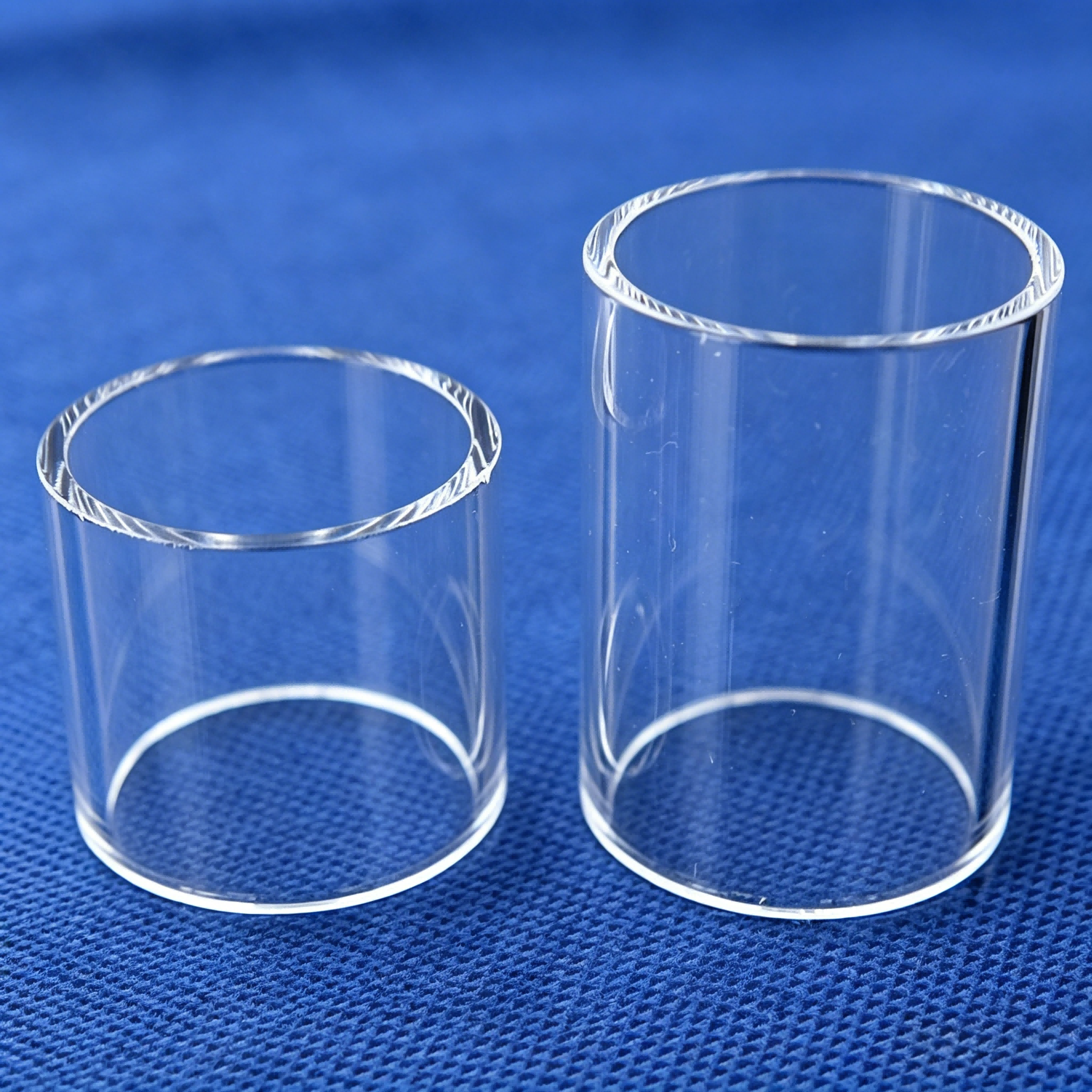
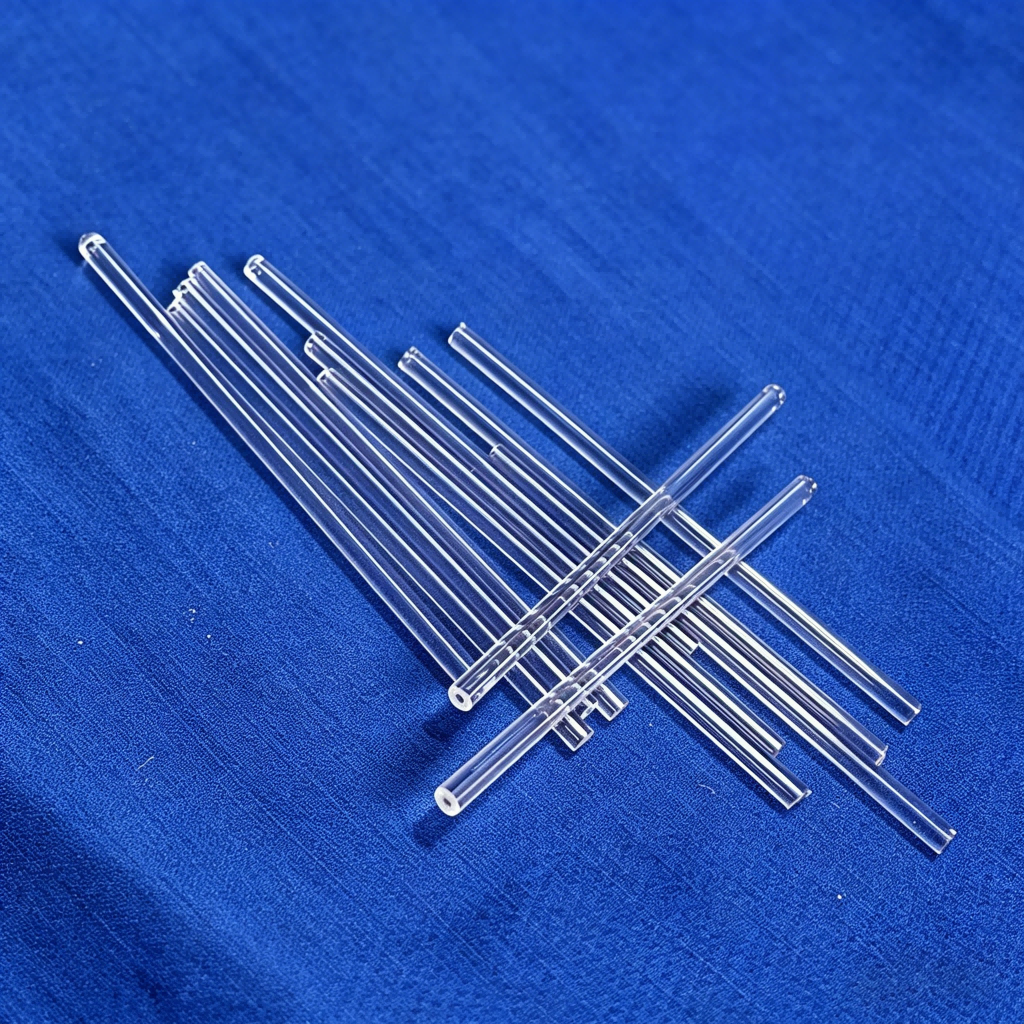
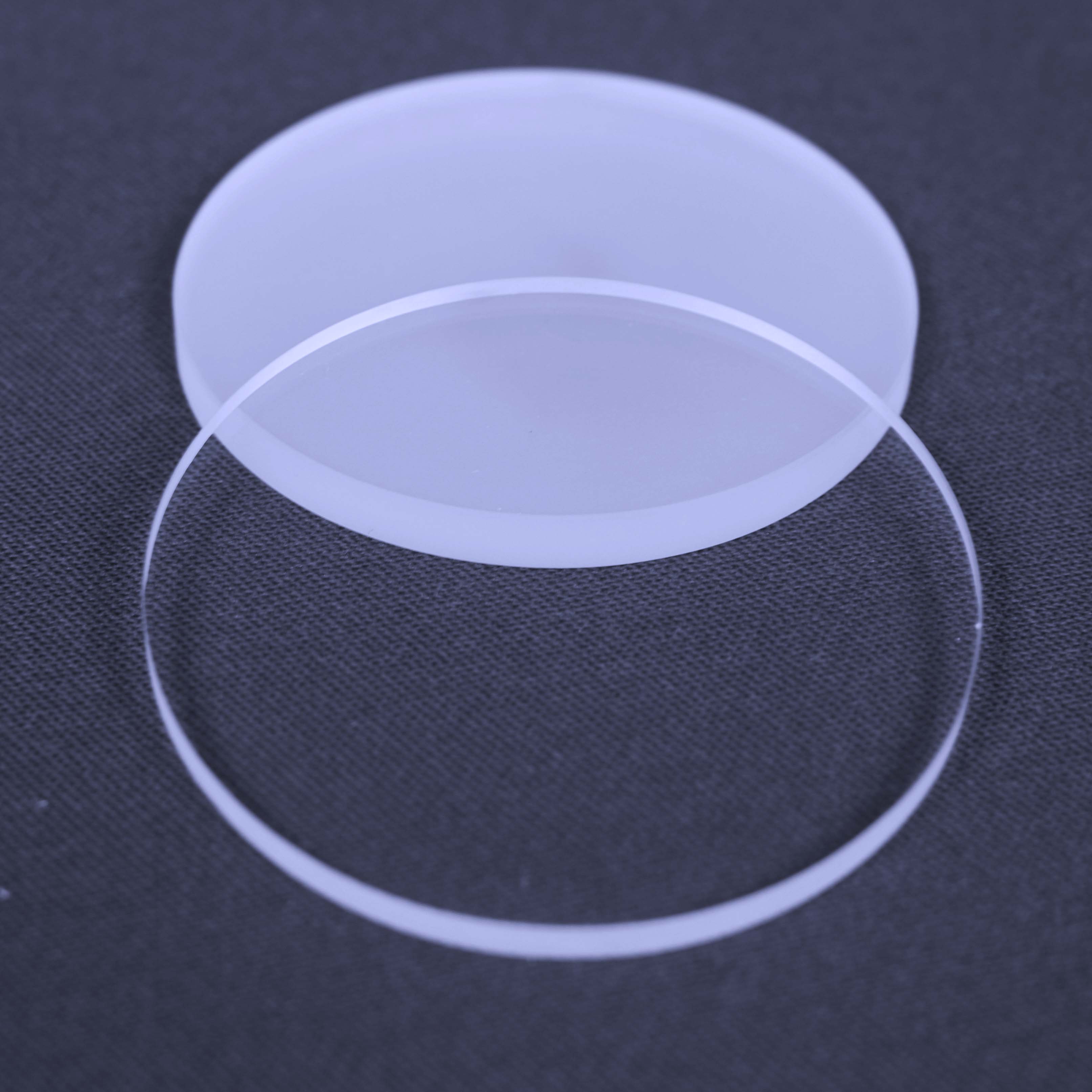
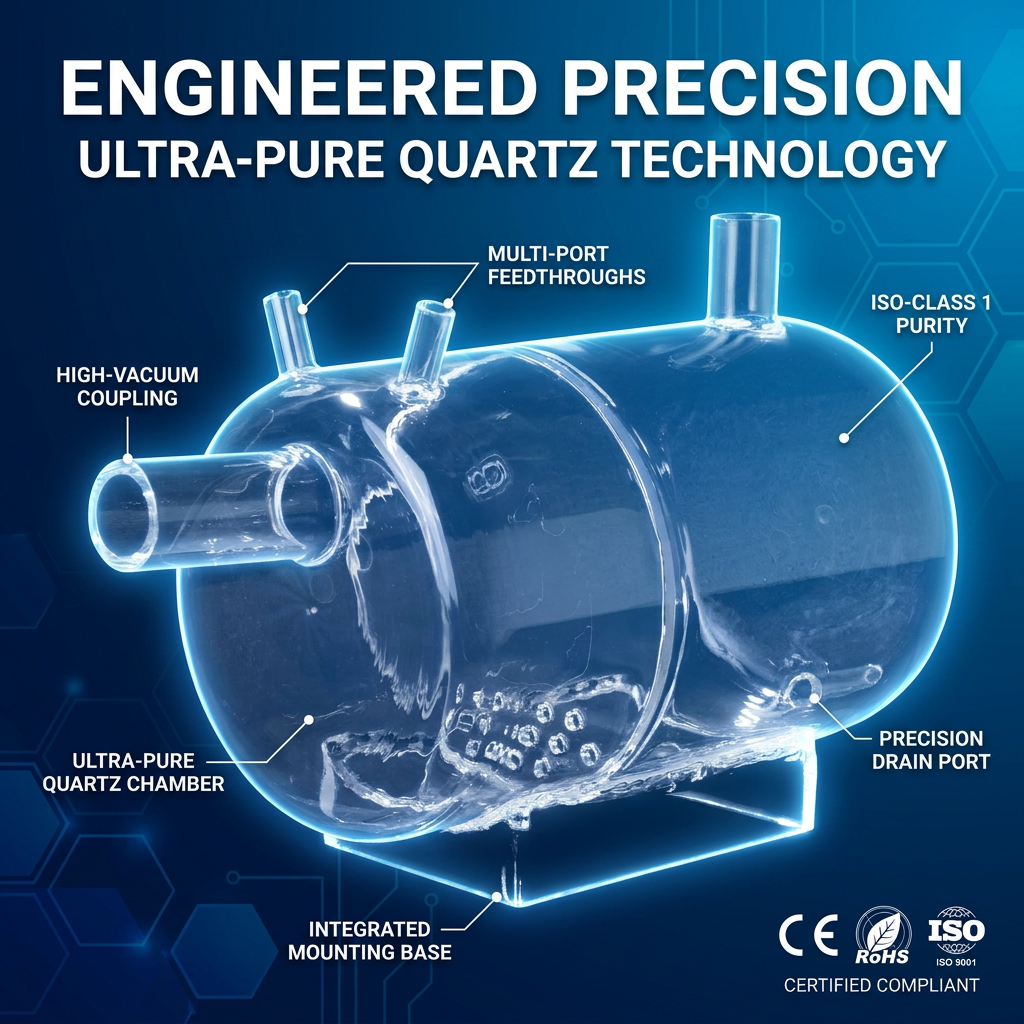
Engineering Specifications of Fused Silica & Synthetic Quartz Plates
Comparative analysis of optical transmittance, hydroxyl ($OH^-$) ion distribution, and structural thermal dynamics for high-precision European procurement.
In modern scientific research, industrial optoelectronics, and micro-fabrication laboratories across Banja Luka and the Republika Srpska industrial cluster, selection of transmission substrates dictates the threshold between signal fidelity and operational failure. Optical grade quartz plate fabrication requires rigorous control over both raw mineral chemistry and post-fusion thermal kinetics. Originating from Donghai—the world's foremost crystalline silica refining belt—Lianyungang Vulra Quartz Products Co., Ltd. produces structural fused quartz and synthetic fused silica characterized by exceptional silicon dioxide ($SiO_2$) concentration, ranging strictly between 99.99% and 99.999% purity.
Standard industrial borosilicate glasses fail catastrophically when exposed to aggressive thermal fluctuations or high-intensity ultraviolet irradiation. Fused quartz exhibits an ultra-low linear thermal expansion coefficient ($\alpha = 5.5 \times 10^{-7} \text{ K}^{-1}$ across the 20°C to 320°C range), granting total immunity to thermal shock. An optical grade quartz plate can be superheated to 1100°C and plunged directly into cold water without developing micro-fractures, delaminating, or shifting refractive indices.
For optoelectronic engineers and laboratory procurement managers in Banja Luka, determining whether an application mandates JGS1 (Synthetic Fused Silica), JGS2 (Fused Quartz), or JGS3 (Infrared Optical Quartz) represents the fundamental sourcing decision:
| Optical Grade | Spectral Window | OH⁻ Content | Core Applications in Banja Luka | Typical Flatness / Polish |
|---|---|---|---|---|
| JGS1 (Deep UV) | 185 nm – 2500 nm | < 5 ppm to 1200 ppm (Dep. on type) | Excimer laser optics, UKC RS clinical UV spectrometry, semiconductor photolithography | λ/4 or λ/10; 20/10 Scratch-Dig |
| JGS2 (Standard Optical) | 220 nm – 2500 nm | ≈ 30 – 150 ppm | Industrial sight glasses, university laboratory test fixtures, furnace viewing ports | λ/2 or λ/4; 40/20 Scratch-Dig |
| JGS3 (Full Infrared) | 260 nm – 3500 nm | < 5 ppm (Water-free) | Thermal imaging sensors, IR pyrometry windows, petrochemical pyrolytic cells | λ/4; 60/40 Scratch-Dig |
| Borosilicate 3.3 (Reference) | 350 nm – 2000 nm | Variable (High Boron/Alkali) | Basic commercial glassware (Not suitable for deep UV, XRD, or >500°C long-term) | Standard Commercial Fire Polish |
When utilizing JGS1 synthetic fused silica, the complete absence of bubble clusters (Striae Grade A according to MIL-G-174B standards) ensures negligible optical phase distortion and ultra-low fluorescence emission under 254 nm and 193 nm ultraviolet excitation. Conversely, for thermal engineering in metallurgical, timber processing, and district heating plants across Republika Srpska, JGS2 fused quartz plates deliver the optimal economic balance between superior heat endurance (up to 1100°C continuously, 1450°C intermittently) and resilient mechanical integrity under pressurized atmospheric operating states.
Optical Quartz Applications in Banja Luka & Bosnia-Herzegovina
Addressing specific operational requirements across municipal academic institutions, medical clinical complexes, and the emerging mechatronics ecosystem of the Vrbas industrial corridor.
University & Scientific Research
Supporting research at institutions such as the University of Banja Luka (UNIBL), specifically the Faculty of Electrical Engineering (ETF) and Faculty of Technology. High-transmission optical plates serve as zero-background substrates for X-ray diffraction (XRD), sample stages for Raman spectroscopy, and protective windows in custom chemical vapor deposition (CVD) test chambers.
Clinical & Biomedical Diagnostics
Laboratories affiliated with the University Clinical Centre of Republika Srpska (UKC RS) and specialized biochemical diagnostics centers require precision quartz flow-through cells, UV spectrophotometer micro-plates, and high-purity quartz capillary tubing. Non-reactive, pyrogen-free quartz surfaces eliminate metallic ion leaching during high-sensitivity enzyme or protein assays.
Industrial Pyrometry & Sight Glasses
In industrial zones such as Ramići and Jelšingrad, manufacturers operating metal hardening furnaces, aluminum casting facilities, and biomass-fueled district boilers deploy circular and rectangular JGS2 quartz plates as transparent pressure shields. These observation windows allow direct infrared thermal imaging without risk of thermal blowout or soot etching.
Industrial Modernization & Direct Sourcing Trends in Republika Srpska
How Balkan industrial facilities and research laboratories are transforming optical quartz supply chains through factory-direct Sino-European logistics models.
Bypassing Western European Markups
Historically, laboratory managers in Bosnia and Herzegovina procured fused silica through regional resellers headquartered in Austria, Germany, or Slovenia. These intermediaries levied 200% to 400% price surcharges while experiencing 8 to 12-week distribution delays. Direct procurement from TÜV-verified manufacturers in China provides identical or superior optical specifications at factory-floor pricing, with rapid DDP express delivery directly to Banja Luka.
Expansion of Fiber Laser Cutting Hubs
The sheet metal fabrication and precision mechanical engineering industries in Banja Luka, Laktaši, and Gradiška have rapidly upgraded from CO₂ lasers to high-power fiber laser cutting machines (4kW to 20kW). This transition drives consistent recurring consumption of optical quartz protective windows (typically 30mm × 1.5mm, 37mm × 7mm, or 50mm × 5mm) with double-sided anti-reflective (AR) coatings resistant to laser damage thresholds (LDT) > 10 J/cm².
Adoption of Clean Energy & Photovoltaic R&D
Aligned with national decarbonization roadmaps and EU energy transition compliance in the Western Balkans, solar energy research and localized silicon cell processing demand large-diameter quartz diffusion tubes, quartz boats, and specialized wafer carriers capable of sustaining sustained operational cycles at 1100°C without devitrification (cristobalite crystal growth).
Integrated Precision Manufacturing from China's Crystal Capital
Headquartered in Donghai, Jiangsu Province, Lianyungang Vulra Quartz Products Co., Ltd. combines sovereign natural quartz supply chains with world-class optical CNC grinding, flame lathe sculpting, and verified quality controls.
Geographic Raw Material Edge
Direct proximity to Donghai’s crystalline mineral reserves ensures immediate access to low-iron, high-purity natural silica sand, stabilizing production costs and maintaining purity standard guarantees up to 99.999%.
Dual Hot & Cold Machining
Equipped with specialized continuous hydrogen-oxygen glass lathes, precision diamond inner-diameter slicers, dual-side planar lapping tables, and laser chamfering systems for micro-crack-free edge profiling.
TÜV Rheinland Verified
Independently audited and assessed on-site by TÜV Rheinland. Full certification portfolio including CE marking and RoHS compliance guarantees uncompromised material safety for European end-users.
Custom Prototypes from 1 Piece
No arbitrary industrial minimum order quantities. We fabricate bespoke optical windows, ground flanged sight glasses, or slotted XRD holders directly from 2D/3D technical drawings (CAD/STEP) starting from a single unit.
Drawing-to-Part CNC Optical Fabrication Workflow
Every custom order dispatched to Banja Luka begins with a comprehensive feasibility audit by our optical engineering team. We calculate thermal stress gradients, evaluate mechanical loading pressures against part aspect ratios, and calibrate CNC diamond grinding parameters to achieve surface roughness down to $Ra < 0.5 \text{ nm}$. Subsequent thermal de-stressing annealing in electric resistance furnaces prevents residual birefringence, guaranteeing zero optical distortion during polarization experiments.
Frequently Asked Questions by Banja Luka Buyers
Essential operational insights concerning customs clearance, mechanical tolerances, optical coatings, and protective transit protocols to Bosnia and Herzegovina.
Accelerate Your Quartz Procurement in Banja Luka
Eliminate distributor middle-margins. Send your 2D/3D engineering drawings or technical requirement datasheets directly to our Donghai factory engineering desk for an immediate manufacturing feasibility review, transmittance simulation, and wholesale quotation.