Thermal Grade
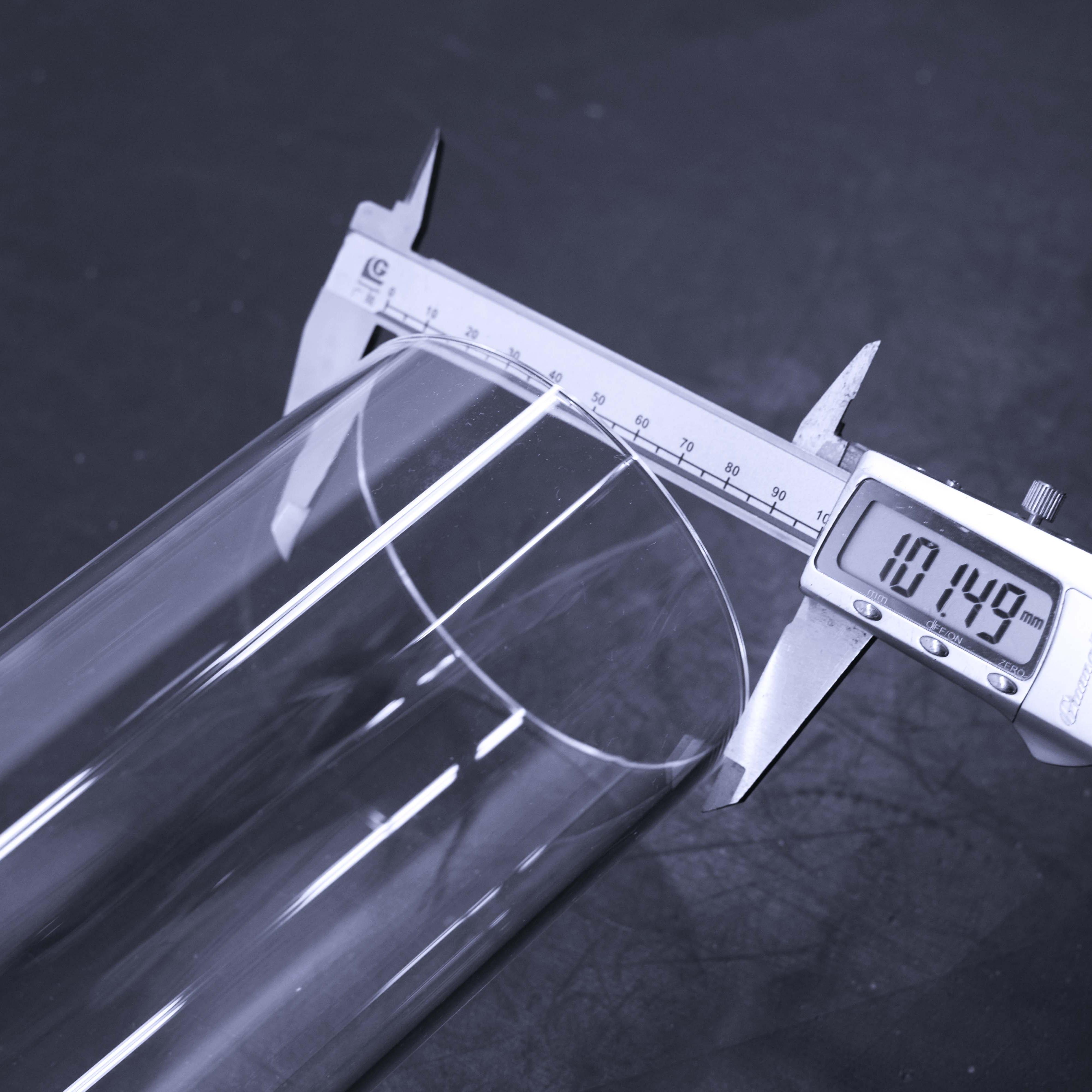
Direct-from-factory custom quartzware fabricated from high-purity natural silica sand in Donghai, China. Seamlessly integrated into rapid thermal processing (RTP), infrared wave curing cassettes, and laboratory analytical lines.
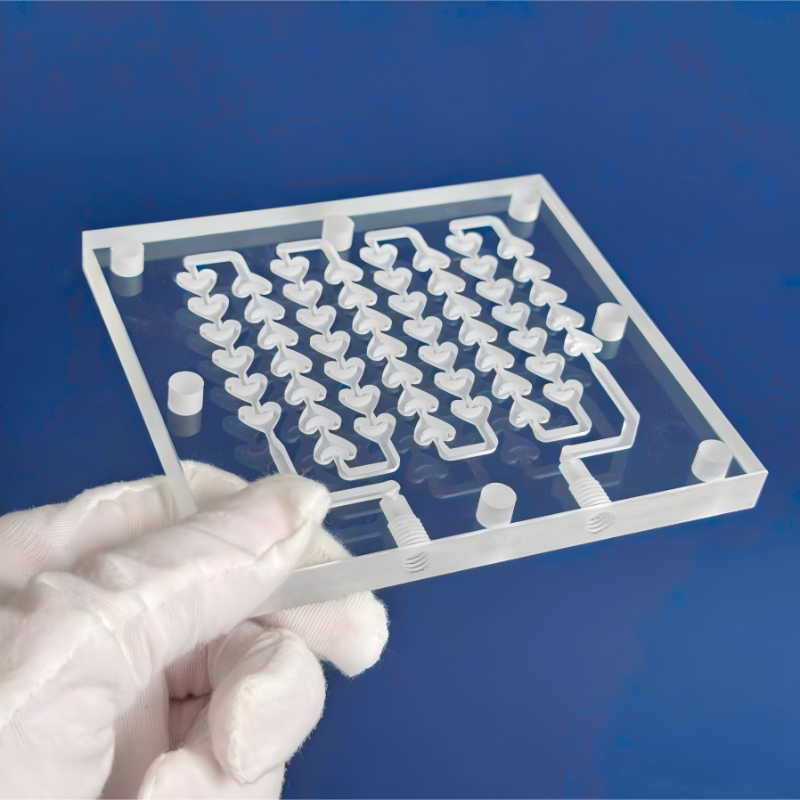
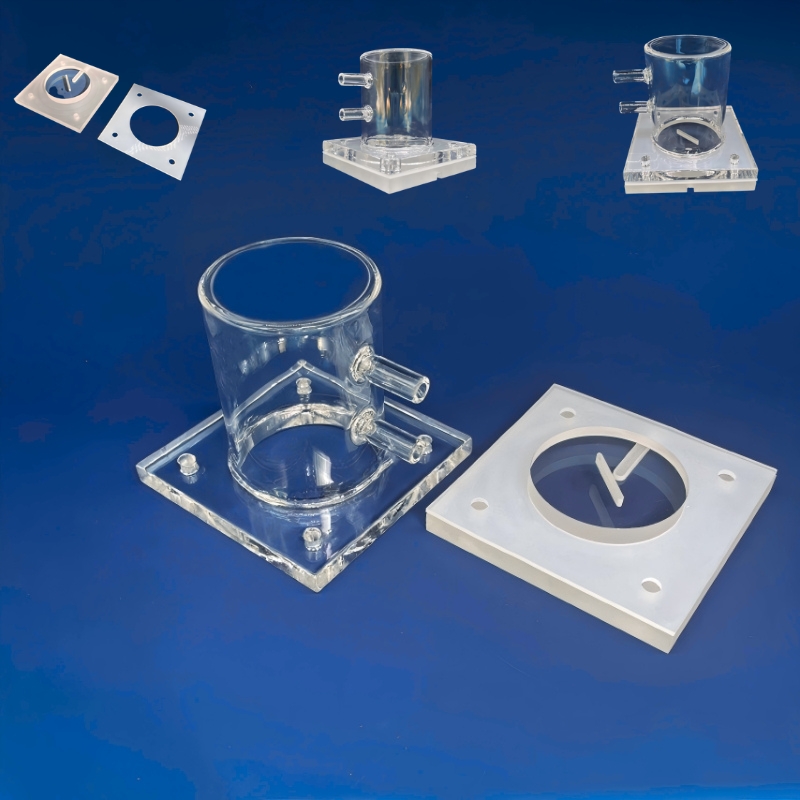
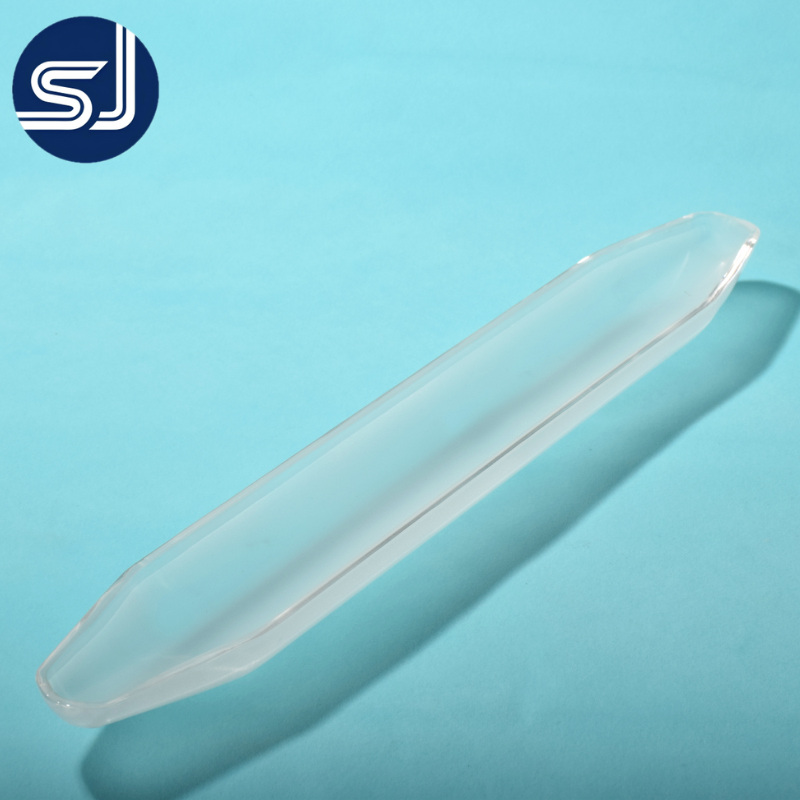
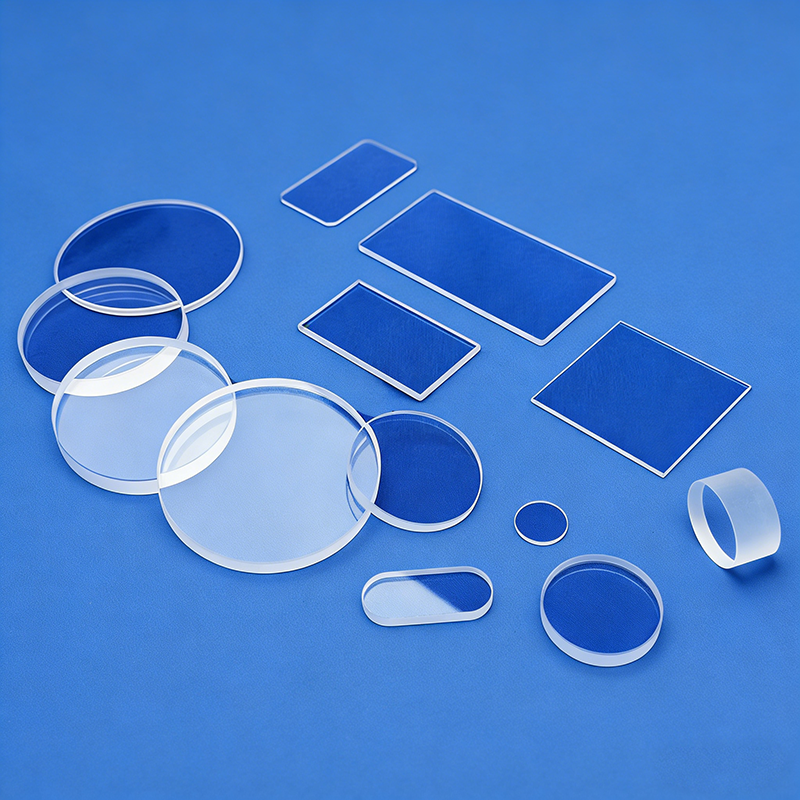
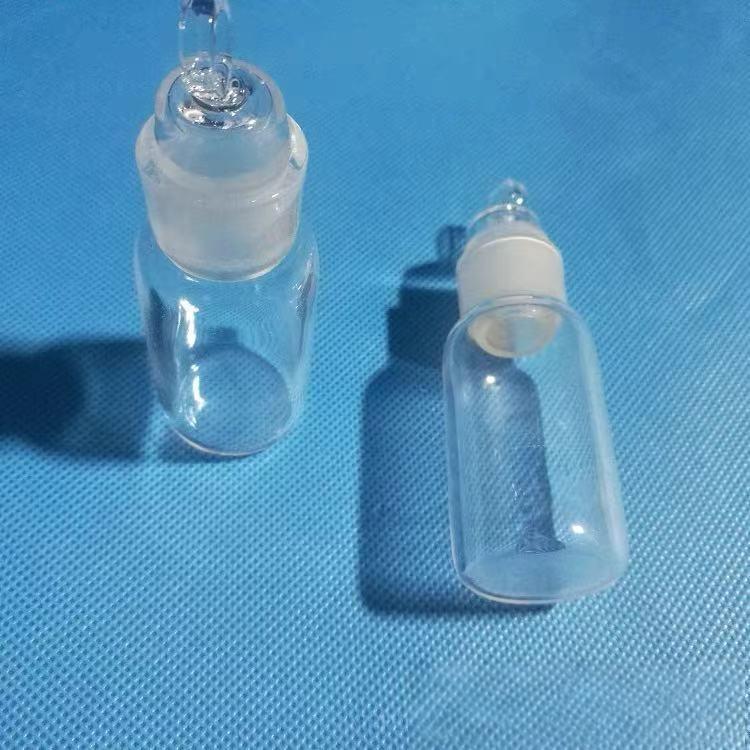
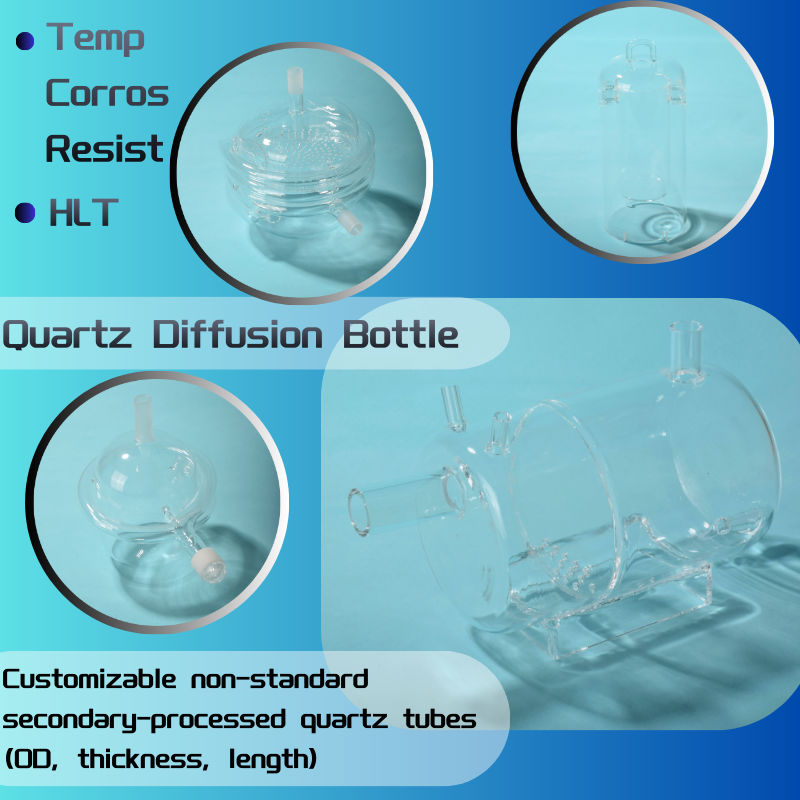
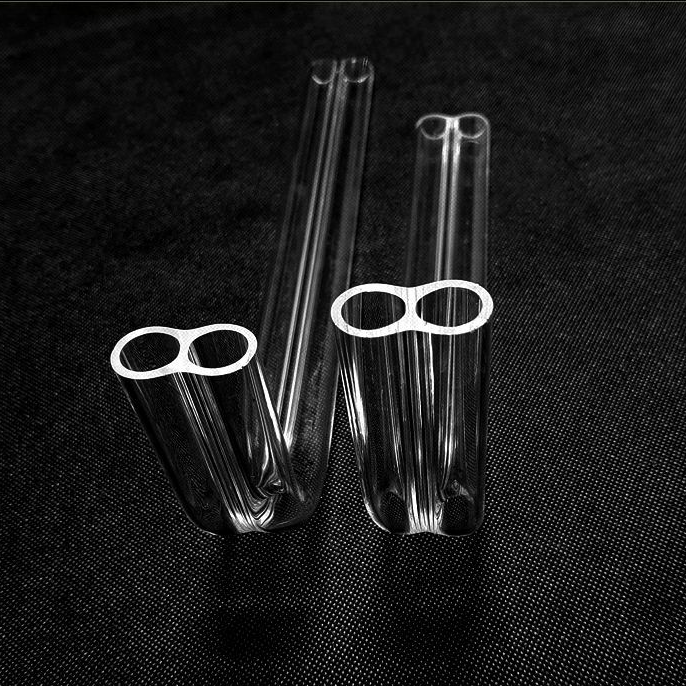
Evaluating electromagnetic transmission, hydroxyl absorption mitigation, and mechanical thermal shock thresholds for Daegu's precision thermal processing engineers.
Standard fused quartz displays a severe internal absorption dip in the mid-infrared waveband at 2.60 µm to 2.80 µm caused by fundamental vibrational stretching of chemical hydroxyl (≡Si-OH) radicals. In high-efficiency industrial heating cassettes, this absorption band converts emitted radiant flux into unwanted bulk thermal stress, precipitating premature devitrification. Through vacuum electrical fusion and secondary thermal degassing, our dehydroxylated IR quartz plates retain hydroxyl concentrations strictly below 5 ppm (and as low as <2 ppm upon specification), unlocking continuous, uninterrupted transmission exceeding 90% across the critical 1.0 µm – 3.5 µm infrared spectrum.
Industrial heating panels deployed across Daegu's dynamic manufacturing facilities endure instantaneous cyclic thermal switching. Our fused quartz plates exhibit an extraordinarily low linear coefficient of thermal expansion (CTE) of only 5.5 × 10⁻⁷ /°C from 20°C to 320°C—approximately 1/15th that of ordinary borosilicate float glass. This crystalline network morphology permits severe thermal shock resilience: a 10mm thick polished quartz plate heated to 1100°C can be submerged immediately into cold ambient water (20°C) without micro-fracturing, structural cleaving, or optical degradation, ensuring catastrophic failure risk is engineered out of automated continuous lines.
Thermal radiation uniformity across semiconductor wafer carriers, secondary battery electrode drying beds, and display films demands exceptional geometric parallelism. Produced on 5-axis CNC grinding and double-sided planetary polishing benches, our infrared plates achieve surface roughness tolerances of Ra < 0.5 nm, total thickness variation (TTV) under 0.02 mm across a 600 mm × 600 mm window, and parallelism under 30 arcseconds. This optical precision avoids localized wave refraction, prevents hot-spot formation on sensitive substrate coatings, and facilitates airtight sealing against high-vacuum chamber flanges.
How high-purity quartz emitter plates and optical furnace barriers drive technological leadership across Daegu's key industrial complexes: Seongseo, Daegu Technopolis, and the Dyeing Industrial Complex.
Daegu's Seongseo Industrial Complex and Dalseong industrial clusters are premier manufacturing centers for Hyundai-Kia tier-1 mobility suppliers, specializing in electric traction motors, battery thermal housings, and power control electronics. During stator hairpin winding varnish curing and pouch cell electrode slurry drying, convective air ovens suffer from particulate agitation and prolonged cycle times. High-transmission low-OH quartz plates serve as cleanroom thermal emitter shields. By channeling pure medium-wave infrared (MWIR) at 1.4–2.5 µm directly into the organic binders without heating the air volume, drying speed surges by 45% with absolute particulate contamination control.
Known globally as the historic epicenter of South Korea's textile and synthetic fiber processing, the Daegu Dyeing Industrial Complex is actively modernizing. Legacy liquefied natural gas (LNG) stenter curing frames are transitioning toward high-density infrared thermo-fixation cassettes to slash carbon emissions. Translucent and clear fused quartz plates cover the short-wave tungsten emitter banks, shielding sensitive fabric webs from direct filament combustion while equalizing radiation across broad 2.4-meter textile rolls. The inert silica barrier resists volatile dye sub-products, plasticizer fumes, and acidic finishing vapors, maintaining high optical transmission through thousands of production hours.
In the high-tech corridors of Daegu Technopolis and Hyeonpung, semiconductor backend equipment makers, sensor packaging lines, and research centers require precision Rapid Thermal Processing (RTP) and vacuum reflow ovens. These tools depend on double-side polished optical quartz plates serving as vacuum chamber partition windows. Our semiconductor-grade plates isolate aggressive forming gases (H₂, N₂, silane) while admitting high-flux lamp power to cycle 200mm and 300mm silicon substrates from 25°C to 1050°C in fractions of a second without mechanical deflection or trace heavy-metal outgassing.
With the presence of the Korea Institute for Robot and Convergence (KIRO) and major industrial robotic integrator clusters in Daegu, automated laser and infrared composite welding has surged. High-purity quartz protective plates function as durable debris-spatter barriers in continuous carbon fiber-reinforced thermoplastic (CFRTP) laminating cells. The plates endure constant localized thermal reflection up to 900°C while safeguarding optical sensors, infrared temperature pyrometers, and multi-axis automated robotic laser heads from molten resin splash and aerosolized degradation.
Analyzing regulatory tailwinds, clean-energy incentives, and supply chain recalibration driving Daegu procurement directors toward verified Chinese quartz manufacturers.
The South Korean Ministry of Trade, Industry and Energy (MOTIE) has intensified industrial energy efficiency standards, pressuring energy-dense manufacturing districts in Daegu-Gyeongbuk to retire fossil-gas fired curing tunnels. Electric infrared cassette systems backed by high-transmittance fused quartz plates deliver thermal efficiency ratings above 86%, compared to less than 35% for conventional hot-air convection ovens. As Daegu factories participate in Korea's carbon trading scheme and corporate K-RE100 compliance, conversion to targeted electric IR radiation has transitioned from an environmental option to an economic imperative.
Historically, Daegu-based factories procured quartzware through regional intermediary trading houses based in Seoul or Busan. These distributors impose markups of 80% to 150% while operating as communication bottlenecks during technical drawing revisions. Procurement managers at Seongseo and Hyeonpung plants now aggressively shorten their supply chains by engaging verified manufacturers in Donghai, China directly. Leveraging the China-Korea Free Trade Agreement (CKFTA) with origin certification, Daegu enterprises eliminate distributor premiums, secure direct engineering feedback on bespoke CAD blueprints, and cut lead times from 10 weeks to under 18 business days.
As Daegu's automotive parts makers pivot from internal combustion components toward complex 800V silicon carbide (SiC) inverters and solid-state battery manufacturing, allowable trace metal impurities in quartz tooling have contracted from parts-per-thousand to single-digit parts-per-billion. Sodium, potassium, and lithium alkali ions cause devastating electrical leakage if released under high temperature. Modern Daegu purchasing specifications enforce strict trace metal assays (ICP-MS testing) and certified cleanroom packaging, establishing clear differentiation between commodity glassmakers and audited high-purity quartz manufacturers.
Data-driven evaluation of material integrity, precision tolerances, and landed capital expenditures for Daegu factory buyers.
| Evaluation Parameter | Local Korean Distributor / Re-Seller | Vulra Quartz (Direct Donghai Manufacturer) | Operational Impact on Daegu Plant |
|---|---|---|---|
| Raw Material Provenance | Secondary blended or untracked domestic stock | 100% High-Purity Natural Quartz Sand (Donghai Basin) | Guaranteed >99.99% SiO₂ Purity |
| Hydroxyl (OH) Content | Typically standard commercial grade (30–60 ppm) | Controlled low-OH infrared grade (<5 ppm optional) | Zero 2.7µm IR Thermal Distortion |
| Bespoke Dimension Feasibility | Standard off-the-shelf catalog sizes only | Full 5-axis CNC shaping, cutting, drilling, and edging from 1 pc | Perfect Drop-In Machine Retrofits |
| Third-Party Credentialing | Self-declared or third-party reseller pass-through | TÜV Rheinland audited facility, CE marked, RoHS compliant | Failsafe Quality Audit Compliance |
| Unit Sourcing Expenditure | 80% – 140% margin added for local warehousing | Direct factory FOB / CIF Busan or Incheon terms | 35% – 50% Capital Cost Savings |
| Sample & Prototyping MOQ | High MOQ requirements (typically 10–50 pcs) | Drawing-based prototype validation from exactly 1 piece | Zero Risk R&D Iteration |
| Landed Shipping Time | Immediate if in stock; 8–10 weeks if backordered | 5–7 days fabrication + 3–4 days air/sea freight to Daegu | Predictable Production Scheduling |
Headquartered at No. 9 Dingxin Road in China's crystal capital, Donghai County, Lianyungang Vulra Quartz Products Co., Ltd. delivers world-class manufacturing fidelity for mission-critical overseas procurement.
Unlike trading intermediaries, Vulra Quartz has undergone rigorous on-site physical auditing by TÜV Rheinland. Our audited legal entity status, verified production floor machinery, cleanroom assembly zones, and complete OEM/ODM production processes ensure overseas enterprise buyers in Daegu partner with a compliant, certified manufacturing organization that meets all international trade criteria.
From raw ingot breakdown to final micro-finishing, all operations are conducted in-house. Our facility houses high-precision diamond cutting lathes, CNC water-jet cutters, 5-axis profile machining centers, ultrasonic drilling, oxy-hydrogen flame welding benches, and computer-controlled electrical annealing lehrs. Post-machining thermal annealing eliminates residual mechanical stresses, guaranteeing zero post-installation warping or spontaneous thermal fracture under 1100°C furnace cycling.
Fragile optical and thermal quartz plates require robust logistics protection. Every finished component undergoes multi-stage ultrasonic degreasing, deionized (DI) water rinsing, and cleanroom vacuum poly-wrapping. Items are individually suspended in high-density customized EPE foam pockets within reinforced corrugated multi-wall outer cartons, ultimately crated in heat-treated, fumigated plywood cases designed to endure turbulent air transport or maritime transshipment into Busan Port without scratch or chip risks.
Practical guidance regarding technical specifications, customs clearance, drawing submission formats, and logistics routines for Korean industrial facilities.
Connect directly with Vulra Quartz's application engineering team. Submit your 2D/3D drawings for technical review, tolerance optimization, and direct-factory wholesale pricing delivered to your facility in Daegu.