Engineered Electrochemical & Laboratory Quartz Systems
Precision-melted fused quartz components fabricated from >99.999% SiO₂ raw silica crystal sand in Donghai, certified for rigorous chemical inertness, high thermal shock tolerance, and broad UV-Vis-NIR optical clarity.
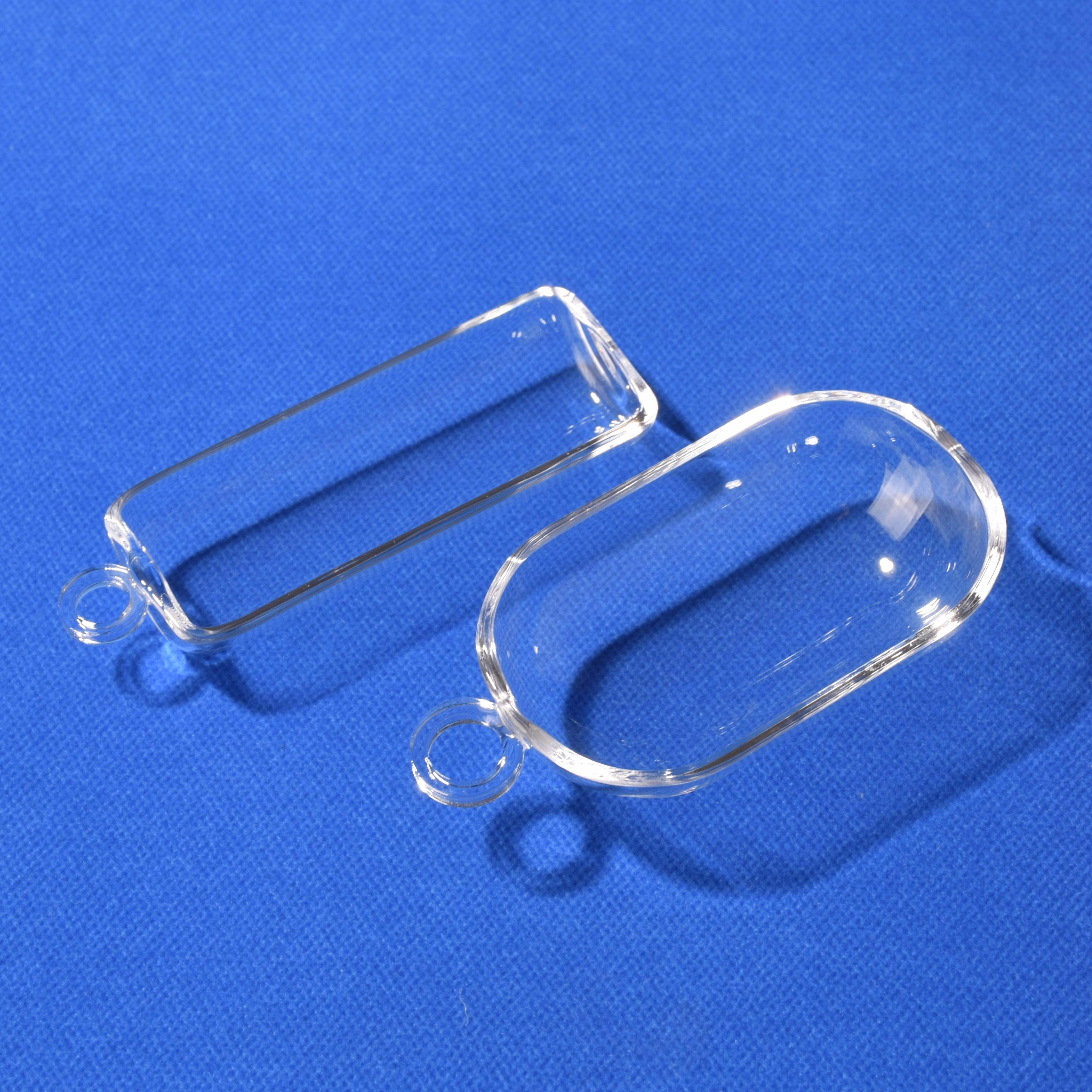
Semi-Circular Flat Bottom High-Temp Tube Furnace Boat
Transparent ozone-free polished surface furnace container. Ideal for solid-state electrochemical sintering, catalyst annealing, and vapor transport synthesis up to 1100°C.
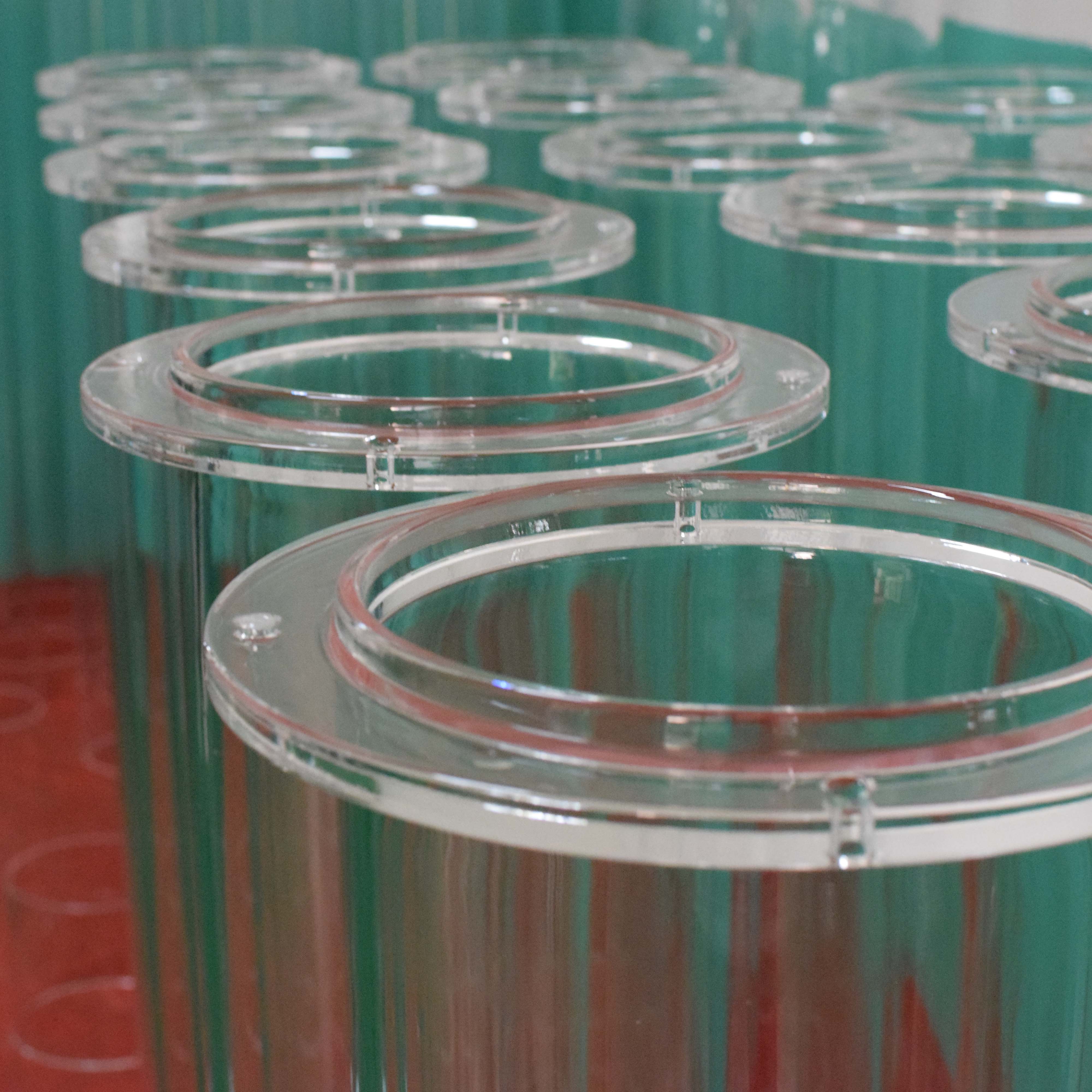
High Purity 99.999% Quartz Glass Tube Flange Container
Precision-welded single-crystal purity flange connection with hermetic O-ring seating. Designed for air-sensitive sealed photoelectrochemical cell chambers and gas-flow lines.
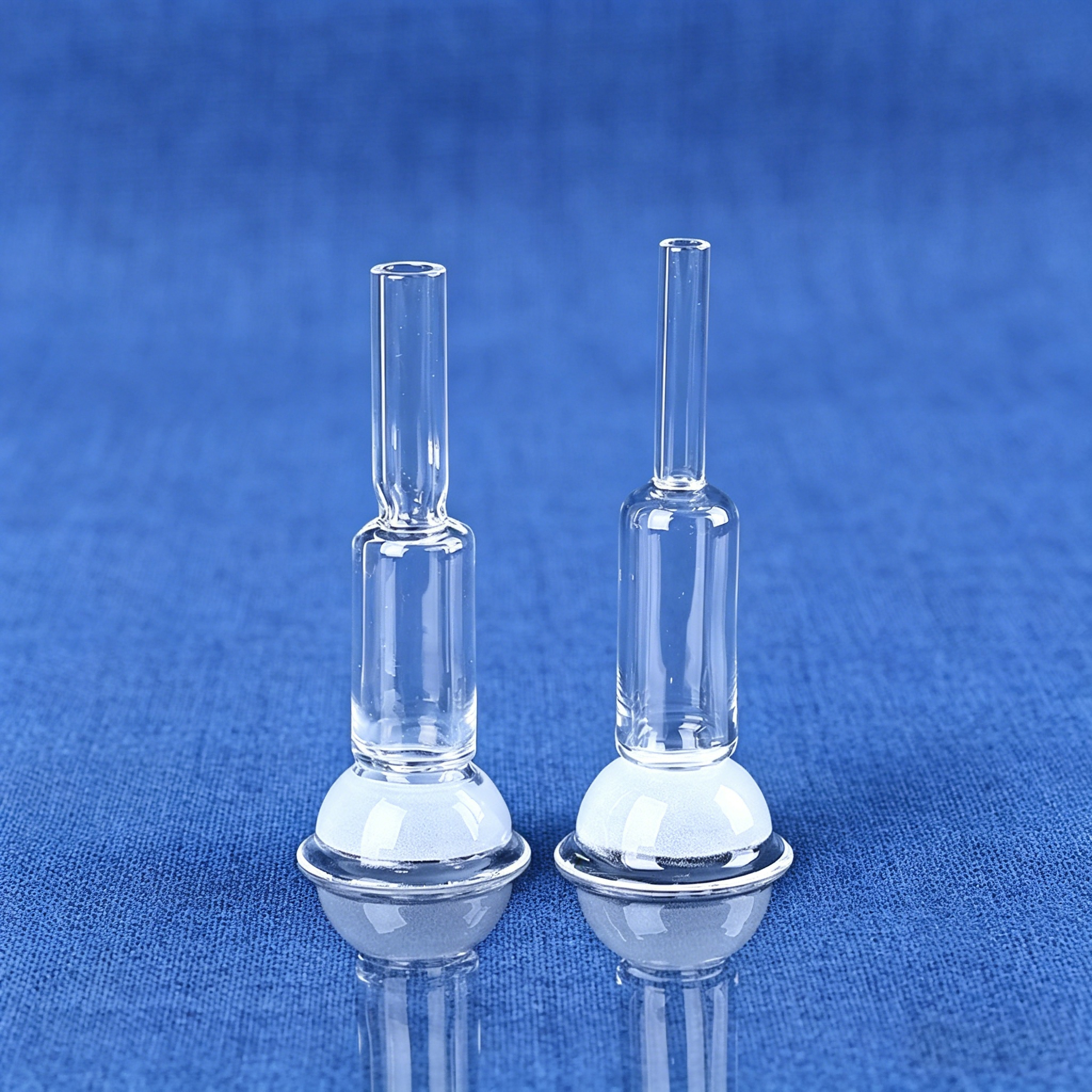
Custom High Purity Quartz C-Shaped BET Tube
Small-sized C-shaped BET testing tube engineered for degas systems and surface-area characterization of nanostructured electrocatalysts and battery electrode slurries.
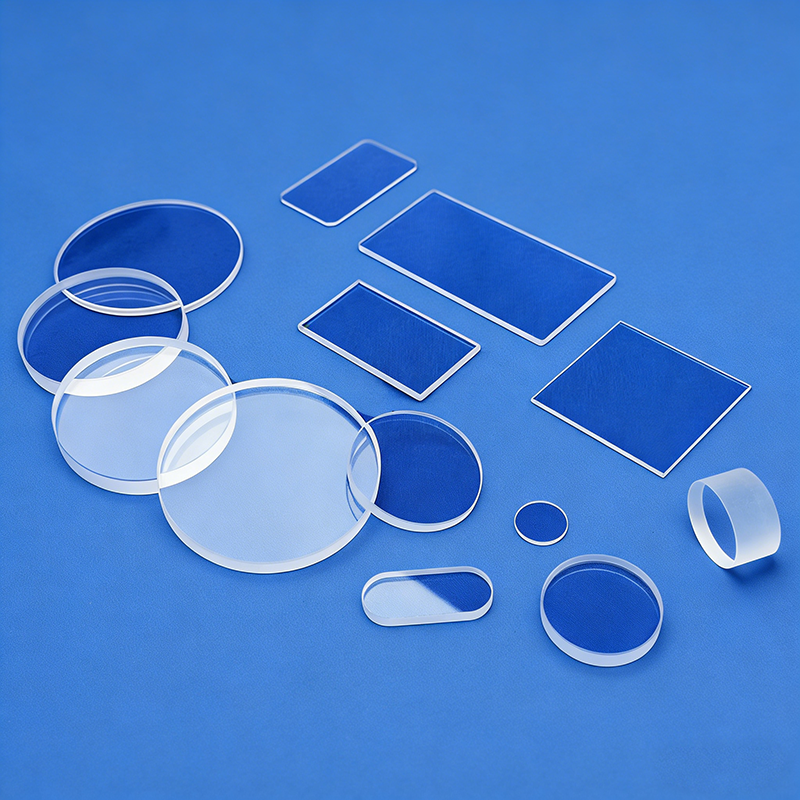
Custom Translucent Natural Fused Quartz Welded Assembly
Heavy-duty natural fused quartz thermal barrier and insulation vessels built with oxy-hydrogen arc welding for harsh chemical electrolyte containment and molten salt electrolysis.
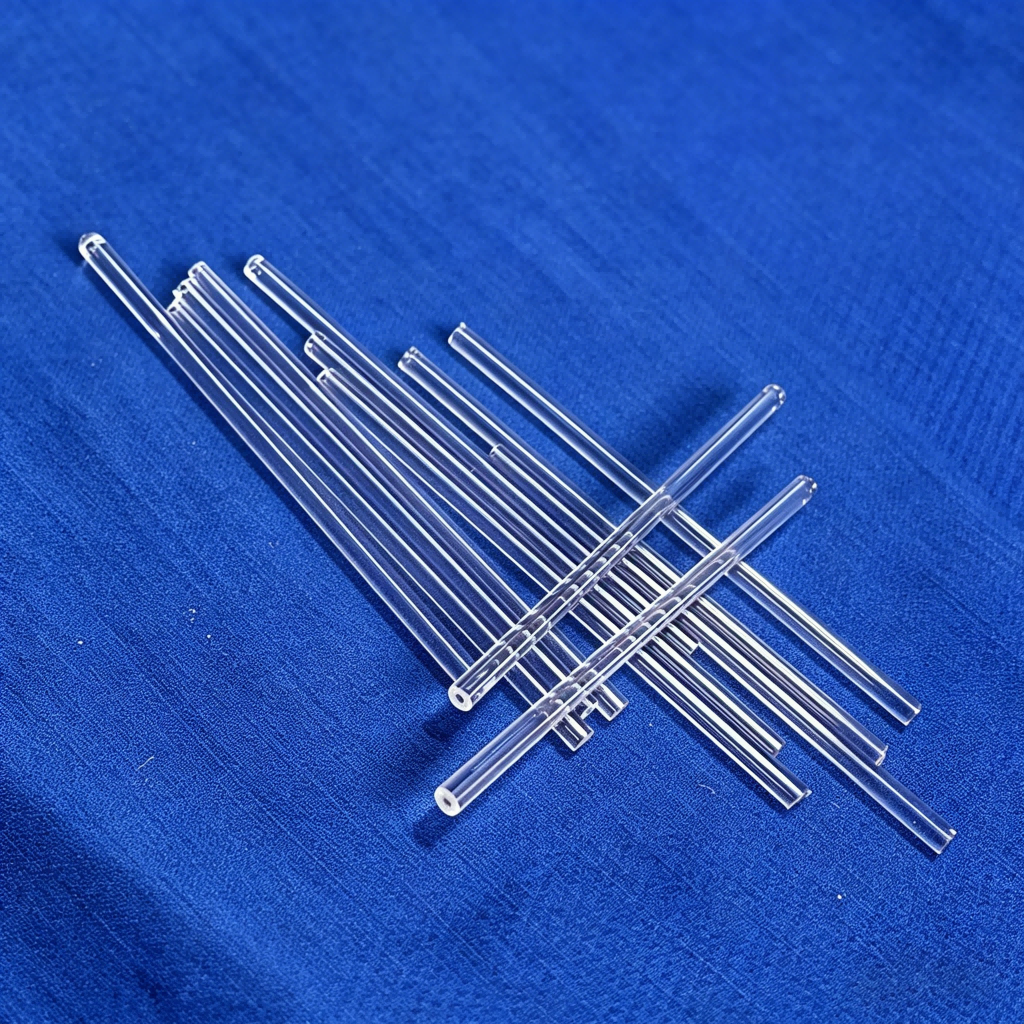
High Purity Micro-Capillary Quartz Glass Tube (2-10mm)
Ultra-fine tolerance micro-capillary tubes functioning as Luggin capillary probes, reference electrode salt bridges, and analytical gas exhaust vents in pressurized cell chambers.
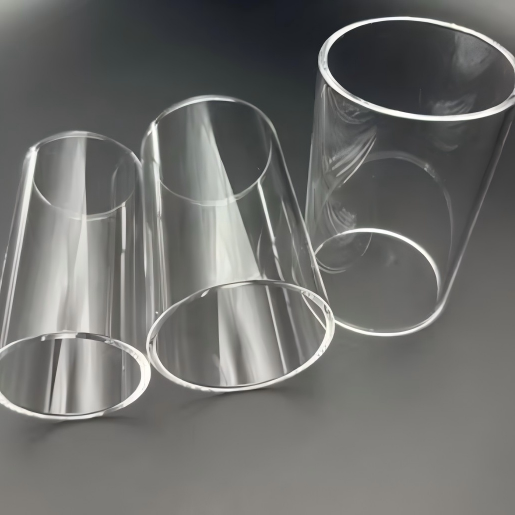
One-End Closed Polished Transparent Quartz Reactor Tube
Domed or flat closed-end quartz reaction vessel (5-800mm diameter). Serves as the primary body for single-compartment and gas-tight immersion photoelectrochemical cells.
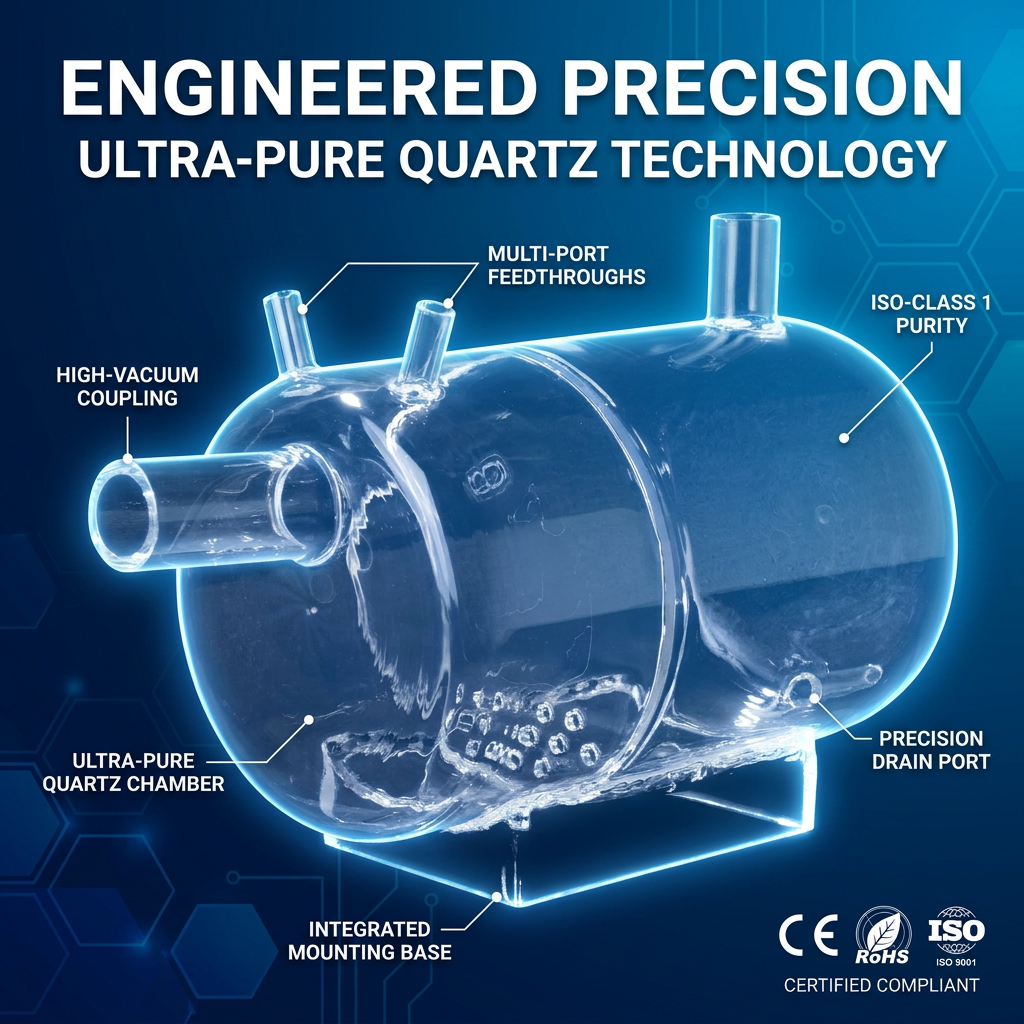
Semiconductor-Grade Quartz Separating Container
Ultra-clean quartz separatory and dividing vessel engineered to ISO cleanroom standards. Prevents trace cationic leaching during micro-impurity extraction and ultrapure electrolyte storage.
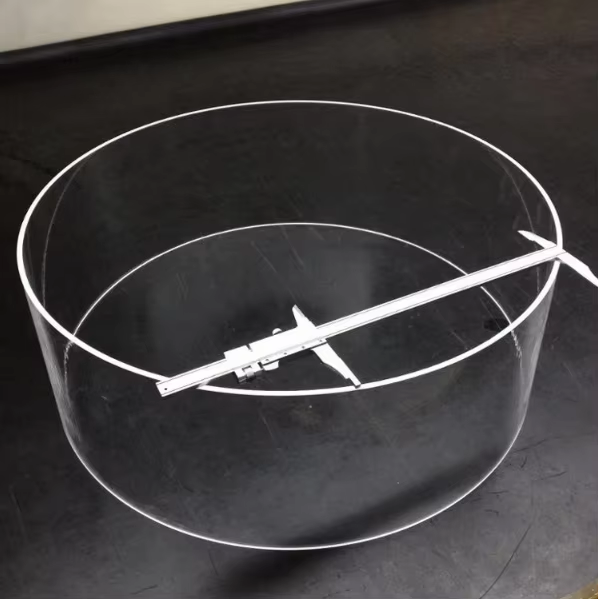
Optical Quartz & Sapphire UV Transmission Test Pipes
JGS1 deep-UV transparent tube assemblies featuring parallel polished optical windows with transmission exceeding 92% at 200–2500 nm wavelengths. Built for in-situ spectroelectrochemistry.
Precision Fabrication Standards for Quartz Sealed Electrolytic Cells
In modern photoelectrochemical (PEC) analytics, water-splitting hydrogen research, and localized electrocatalytic degradation studies across Malaysia, the reaction environment must meet strict requirements: absolute atmospheric hermeticity, total chemical inertness, and uncompromised spectral transmittance across the deep ultraviolet (UV) to near-infrared (NIR) spectra. As a premier Chinese manufacturer established in Donghai—the world-renowned crystalline silica hub—Lianyungang Vulra Quartz Products Co., Ltd. delivers custom-engineered sealed quartz electrolytic cells specifically fabricated to eliminate boundary layer degradation, ionic leaching, and headspace gas escape.
1. Optical Window Integration and Transmission Dynamics
A primary bottleneck in photoelectrochemical reaction analysis is transmission loss through non-homogenized glass walls. Standard borosilicate glassware (such as Pyrex or 3.3 borosilicate) absorbs significantly in the UV-B and UV-C regions, exhibiting an optical cutoff around 300–320 nm. This severely degrades experimental accuracy in photocatalysis utilizing high-energy ultraviolet light (such as TiO₂, BiVO₄, and perovskite-based photoanodes). Vulra Quartz integrates optically polished JGS1 synthetic fused silica windows directly into the electrolytic cell body via thermal fusion welding, achieving optical transmittance >92% in the 200–2500 nm range. This thermal fusion process eliminates adhesive resins or optical glues that disintegrate under aggressive solvent exposure or prolonged illumination from 300W Xenon solar simulators.
2. Hermetic Sealing Architecture & Multi-Electrode Ports
Electrochemical research involving volatile solvents, carbon dioxide reduction reaction (CO₂RR), or nitrogen reduction (NRR) requires zero gas leakage to permit accurate gas chromatography (GC) quantification. Our quartz sealed electrolytic cells incorporate multi-port architectures:
- Standard Ground Joint Ports: High-precision taper joints (ST 14/20, 19/22, or 24/40) diamond-ground to tight sphericity, creating hermetic vapor barriers without contaminating grease.
- Threaded Compression Ports: PTFE/PEEK compression caps equipped with double-tiered fluoroelastomer (FKM/FFKM) or silicone O-rings that hold reference electrodes (Ag/AgCl, SCE, Hg/HgO), working electrodes (FTO/ITO substrates, glassy carbon), and counter electrodes (platinum mesh or wire) under slight positive gauge pressures up to 0.3 MPa.
- Purge Gas Inlets & Sampling Ports: Integrated fused quartz micro-bubblers and needles enabling uninterrupted N₂ or CO₂ bubbling while preventing back-siphoning of electrolyte.
Material Comparison: Fused Quartz vs. Competing Cell Materials
| Property Parameter | Vulra Fused Quartz (JGS1 / JGS2) | Borosilicate 3.3 Glass | Optical Sapphire (Al₂O₃) | Fluoropolymer (PTFE / PFA) |
|---|---|---|---|---|
| Chemical Purity (Main Constituent) | ≥ 99.999% SiO₂ | ~80% SiO₂, 13% B₂O₃, 4% Na₂O | ≥ 99.99% Al₂O₃ | (C₂F₄)ₙ Pure Polymer |
| UV-Vis Spectral Range (Transmittance >85%) | 200 nm – 2500 nm (Broad Spectrum) | 340 nm – 2200 nm (Cuts off UV) | 190 nm – 4500 nm (Full Spectrum) | Opaque / Non-optical |
| Softening / Melting Point | 1683 °C | 820 °C | 2040 °C | 260 °C (Deforms easily) |
| Thermal Expansion Coeff. (0–300°C) | 5.5 × 10⁻⁷ / °C (Extreme shock proof) | 33 × 10⁻⁷ / °C (Moderate shock) | 58 × 10⁻⁷ / °C (High shock risk) | 1000 × 10⁻⁷ / °C (High expansion) |
| Acid Resistance (except HF, conc. H₃PO₄) | Class 1 (Superior / Nil leaching) | Class 1 (Trace ion leaching) | Class 1 (High resistance) | Immune to all chemical attack |
| Cost-to-Performance Ratio | Optimal for high-precision PEC | Low, but unusable for UV PEC | Extremely High Cost / Hard to shape | Moderate / Lacks transparency |
Quartz Electrolytic Cell Applications across Greater Kuala Lumpur
From university research centers along the Federal Highway to industrial innovation hubs in Bangi, Shah Alam, and Cyberjaya, high-precision quartz sealed cells are vital for the Klang Valley's evolving scientific ecosystem.
UM & UKM Photoelectrochemical Research
Researchers at Universiti Malaya's Centre of Advanced Materials (CAM) and UKM’s Fuel Cell Institute (Selfuel) utilize our gas-tight H-type and single-chamber quartz cells for solar-driven hydrogen production (HER) and oxygen evolution reaction (OER). The zero-leak seal guarantees accurate gas-chromatography analysis of evolved H₂.
Solar PV & Thin-Film Degradation Profiling
Within semiconductor and photovoltaic fabrication test labs in Petaling Jaya and Bayan Lepas supply corridors, our quartz cells are used for in-situ electrochemical impedance spectroscopy (EIS) and cyclic voltammetry of perovskite, silicon, and CIGS layers exposed to aggressive humid-tropical simulations.
Palm Oil Mill Effluent (POME) Degradation
Collaborative environmental engineering facilities at UTM Kuala Lumpur and UPM Serdang apply quartz-windowed photoelectrocatalytic reactors to treat dark organic effluents. The broadband UV transmission activates specialized photocatalysts (like TiO₂ or g-C₃N₄) to break down recalcitrant compounds under intense artificial radiation.
SIRIM Standardization & Trace Heavy Metal Analysis
National certification bodies including SIRIM Berhad (Shah Alam) employ Vulra's semiconductor-grade quartz electrochemical vessels for trace heavy metal quantification (Pb²⁺, Cd²⁺, As³⁺) via anodic stripping voltammetry (ASV), where standard glassware would leach sodium and silicate background noise.
CO₂ Electroreduction in Petrochemical Centers
R&D consortia partnering with regional energy leaders around Greater KL use custom gas-tight electrochemical flow cells to convert sequestered carbon dioxide into value-added chemicals (formate, ethanol, syngas) using continuous gas-flow quartz reaction systems.
Corrosion Studies in Tropical Marine Atmospheres
Applied materials laboratories in Port Klang maritime hubs execute potentiodynamic polarization tests inside sealed quartz vessels to simulate electrochemical chloride-induced pitting on high-entropy alloys and marine pipeline steel without ambient gas contamination.
Malaysia's Clean Tech Transition: NETR & NIMP 2030 Impact
Malaysia is experiencing an unprecedented structural pivot toward renewable energy, advanced materials, and semiconductor packaging, stimulated by clear governmental frameworks such as the National Energy Transition Roadmap (NETR) and the New Industrial Master Plan 2030 (NIMP 2030). This strategic trajectory directly drives institutional demand for research-grade fused quartz hardware in several key domains:
Green Hydrogen Economy
Under the NETR, Malaysia aims to develop large-scale hydrogen generation by 2030. Accelerating electrocatalytic water splitting requires airtight, chemically robust quartz cells that operate without wall contamination under extreme current densities.
Next-Gen Semiconductor Packaging
As Selangor and Penang secure major investments in advanced wafer testing and packaging, ultra-high-purity quartz containers (<1 ppm metallic impurities) are critical to store ultrapure reagents and conduct plating-bath voltammetry.
Decarbonization of Energy Grids
TNB Research (Tenaga Nasional) and institutional laboratories in Bangi are investing heavily in grid-scale flow battery prototypes (vanadium, iron-chromium), utilizing customized quartz separator cells to observe crossover phenomena.
Tropical Environmental Sensors
Rapid expansion of smart environmental monitoring demands photoelectrochemical sensors that survive prolonged solar UV irradiance and humid tropical outdoor operation without seal failure or glass clouding.
Why Research Centers in Malaysia Source from Vulra Quartz
Combining Donghai’s crystal raw material supply with advanced German-calibrated hot-working lathes and cleanroom inspection procedures.
TÜV Rheinland Verified Factory
Our manufacturing plant at No. 9 Dingxin Road, Donghai Economic Development Zone, Jiangsu, is independently assessed and certified on-site by TÜV Rheinland. We ensure transparent trade metrics, audited quality control, and rigorous CE & RoHS compliance.
1-Piece Drawing-Based OEM/ODM
Custom academic glassware should never be restricted by massive industrial batch MOQs. Vulra Quartz offers 1-piece bespoke fabrication from 2D/3D CAD, SolidWorks, or hand sketches with an engineering feasibility response within 12 hours.
Dual Flame & Cold Precision Tooling
Equipped with specialized oxy-hydrogen quartz lathes, diamond-blade saws, precision CNC surface grinders, and ultrasonic drilling centers, we achieve tight dimensional tolerances within ±0.05 mm and optical surface flatness down to λ/4.
Vacuum Annealing & Stress Relief
Every hand-welded electrode port and optical window joint undergoes programmed thermal annealing at 1150°C in electric vacuum furnaces, followed by polariscope residual stress examination to eliminate premature cracking during thermal cycling.
Zero-Contamination Acid Cleansing
Before shipment, cells undergo hydrofluoric-nitric acid etching followed by cascading resistivity >18.2 MΩ·cm deionized (DI) water ultrasonic rinsing and Class 100 cleanroom nitrogen drying, ensuring pristine, trace-metal-free surfaces on arrival.
Specialized Tropical Export Packaging
Fragile quartzware demands dedicated shock protection. We utilize custom-molded high-density polyethylene (EPE) foam chambers, multi-layer vacuum moisture barriers, and shock-indicating wooden crates to ensure zero breakage into Kuala Lumpur.
Frequently Asked Questions by Kuala Lumpur & Malaysian Buyers
Direct answers addressing procurement, customs clearance, tropical resilience, and technical configurations.
What HS code and Sales & Service Tax (SST) apply to quartz cells imported into Malaysia?
Fused quartz laboratory glassware generally classifies under HS Code 7017.10.0000 (Laboratory, hygienic or pharmaceutical glassware, whether or not graduated or calibrated — of fused quartz or other fused silica). While import duties are typically 0% for scientific equipment, standard Sales Tax (SST) applies. Malaysian public universities (UM, UKM, UTM, USM) and recognized research centers with Ministry of Finance (MOF) exemption status can obtain SST exemptions using Form K1 with appropriate exemption certs.
How does Kuala Lumpur's tropical humidity affect quartz cells, and how is it addressed?
Kuala Lumpur averages >80% relative humidity and temperatures around 30°C. Standard elastomeric O-rings can experience accelerated hydrolytic aging, and exterior optical windows can develop fungal or moisture condensation. Vulra Quartz equips its cells with chemically inert, moisture-impermeable fluoroelastomer (FKM/FFKM) or PTFE compression ferrules and incorporates hydrophobic surface-polished JGS1 optical windows to prevent light scattering from humidity condensation.
What is the typical shipping lead time and customs transit to Greater Kuala Lumpur?
For custom-fabricated quartz cells, production turnaround is usually 7–12 working days from engineering drawing sign-off. Air express delivery via DHL, FedEx, or SF International directly to addresses in the Klang Valley (Kuala Lumpur, Petaling Jaya, Subang Jaya, Cyberjaya, Bangi) requires approximately 3–5 business days, clearing customs through KLIA Cargo (KUL). For larger batch orders, sea freight to Port Klang (Westports/Northport) takes approximately 10–14 days.
Can Vulra Quartz accommodate proprietary Malaysian university potentiostat setups?
Yes. Our engineering department commonly customizes electrode port angles, immersion depths, and inter-electrode distances to fit commercial potentiostats widely used in Malaysia, including Metrohm Autolab, Gamry, BioLogic, and CorrTest. Whether you require specific Luggin capillary tip positioning relative to the working electrode or distinct jacketed temperature-control ports, we build exactly to your setup's geometry.
How does Vulra guarantee zero breakage during long-haul transport to Malaysia?
We boast a transit damage rate below 0.2%. Every quartz cell is individually cushioned within custom-contoured high-density foam, sealed in moisture-vapor barrier wrap, enclosed in heavy-gauge corrugated cartons, and crated in fumigated solid-plywood export cases. In the rare event of transit damage, our guaranteed replacement policy immediately fast-tracks an identical replacement item free of charge upon photographic confirmation.
What is the cleaning and maintenance protocol for quartz cells in aggressive electrolytes?
Fused quartz exhibits supreme resistance to almost all mineral and organic acids (including concentrated HNO₃, H₂SO₄, and aqua regia) at elevated temperatures. However, it should never be exposed to hydrofluoric acid (HF) or concentrated alkaline solutions (>2M NaOH/KOH) at boiling temperatures, as hydroxide ions slowly etch silica networks. For routine maintenance, wash with 10% nitric acid or piranha solution, rinse thoroughly with ultrapure deionized water, and blow-dry with dry nitrogen.
Launch Your Custom Quartz Cell Fabrication Today
Consult with Vulra Quartz's technical engineering team. Send us your CAD drawings, dimensional specifications, or custom research sketches to receive a verified technical quote and feasibility assessment within 12 hours.
Get a Quote