High-Precision Engineered Quartz & Combustion Boats
TÜV Rheinland audited manufacturing process: delivering thermal resistance, dimensional stability, and chemical neutrality to Japan's premier fabrication plants and chemical laboratories.
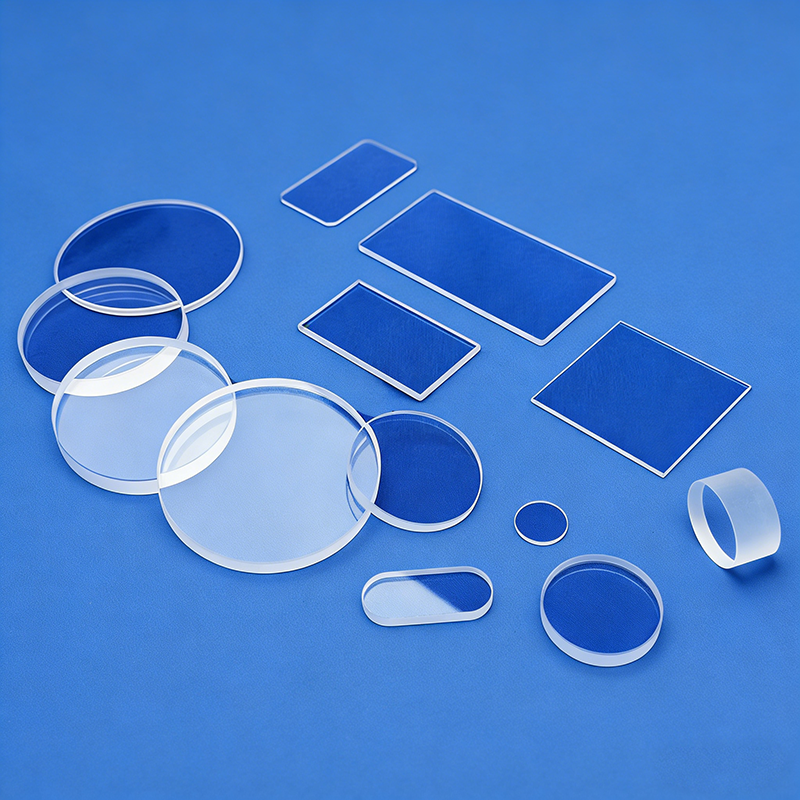
SJ QUARTZ Customized Translucent Natural Fused Quartz
Arc-welding and high precision diamond cutting for high-load carbon/sulfur combustion analysis and tubular furnace operations.
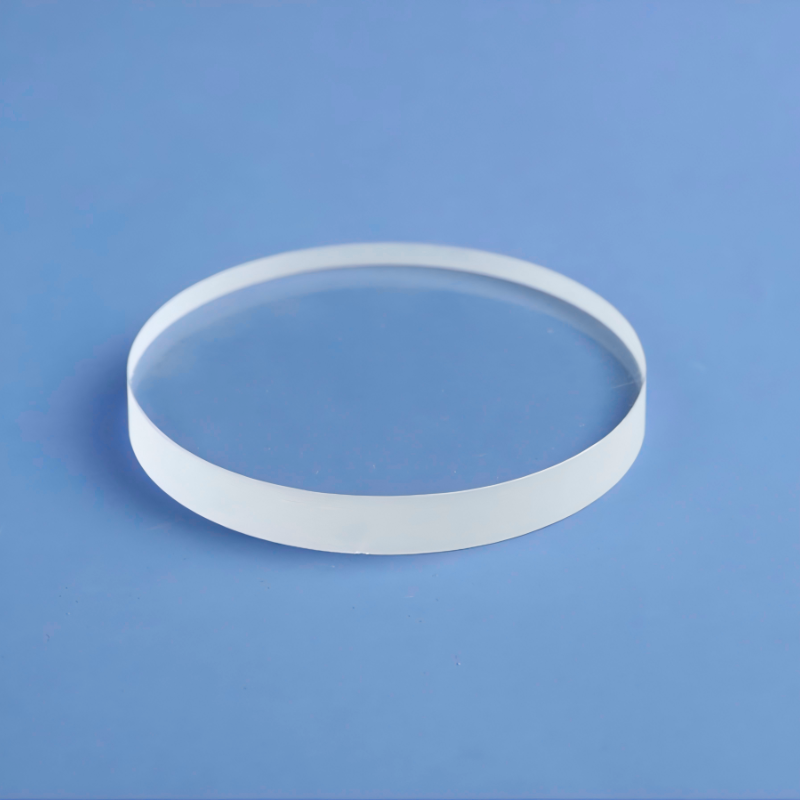
Clear Sapphire Quartz Tablets & Fused Silica Sheets
Optical-grade polished surfaces with custom CNC profiling, ideal for protective furnace windows and semiconductor thermal substrates.
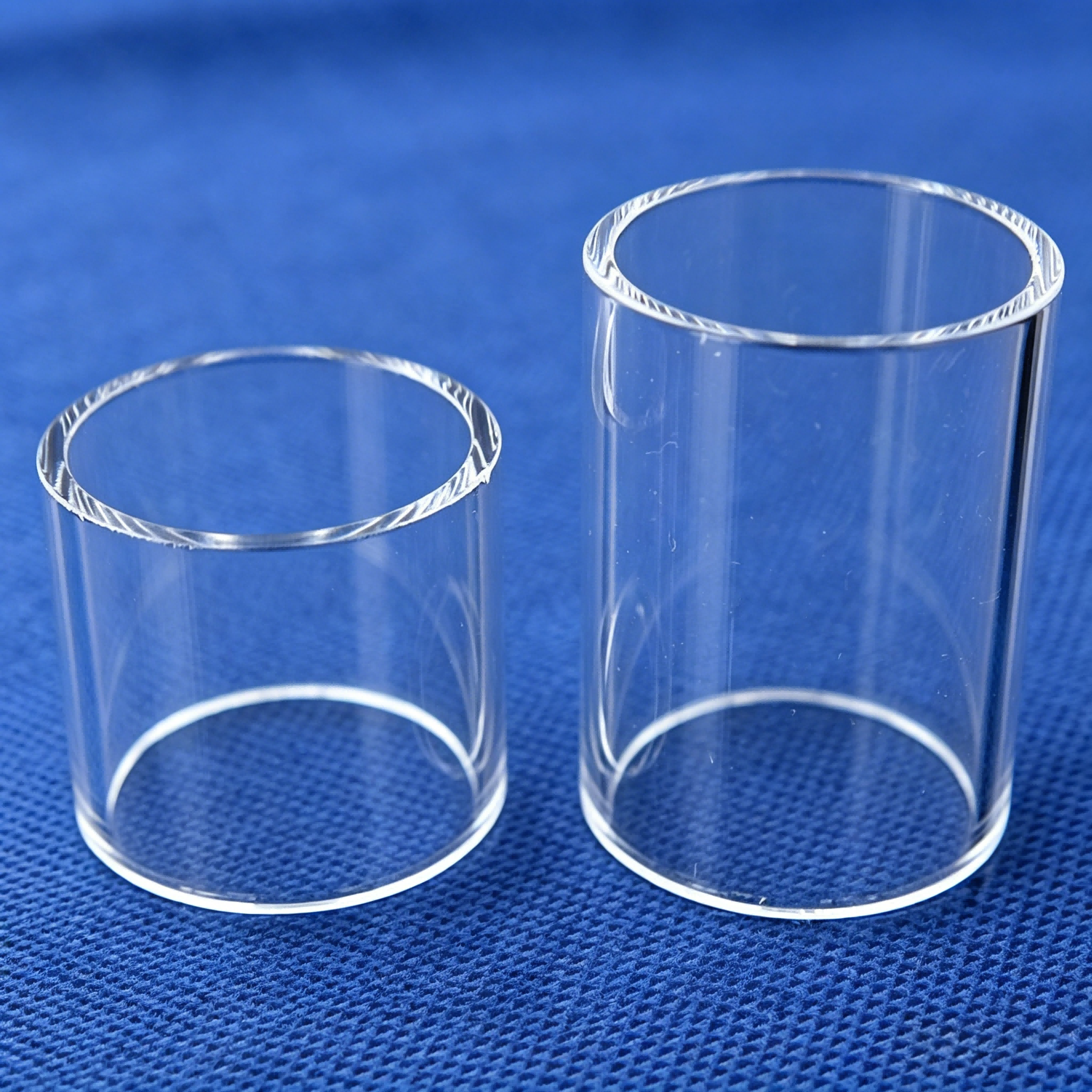
Twin Tube & Industrial Quartz Glass Carrier Pipe SJ 210
Optimized for thermal gas analysis systems, heavy vapor diffusion processes, and furnace core reaction chambers.
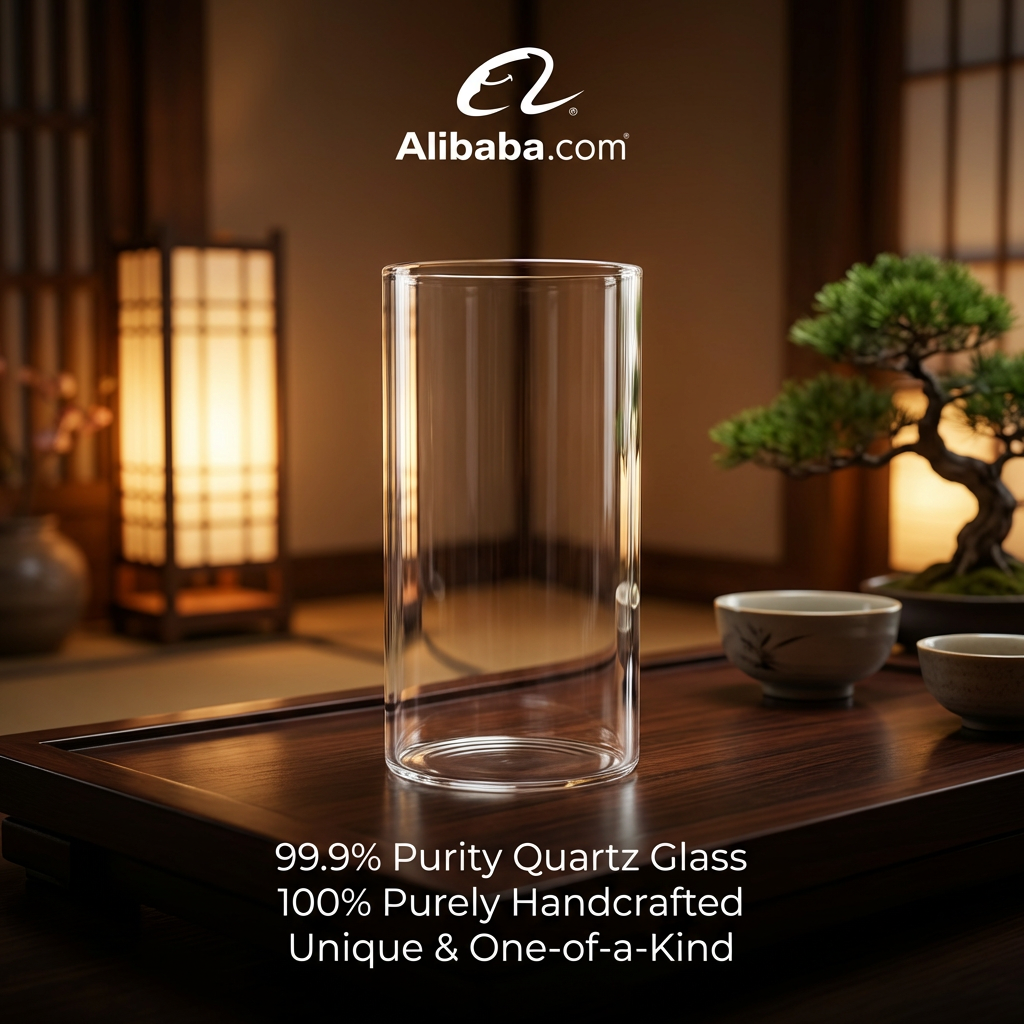
99.999% Fire-Polished Hand-Blown Quartz Vessels SJ 226
Zero micro-bubble fire-polished handling units, with and without integrated quartz handles, tailored for chemical batch testing.
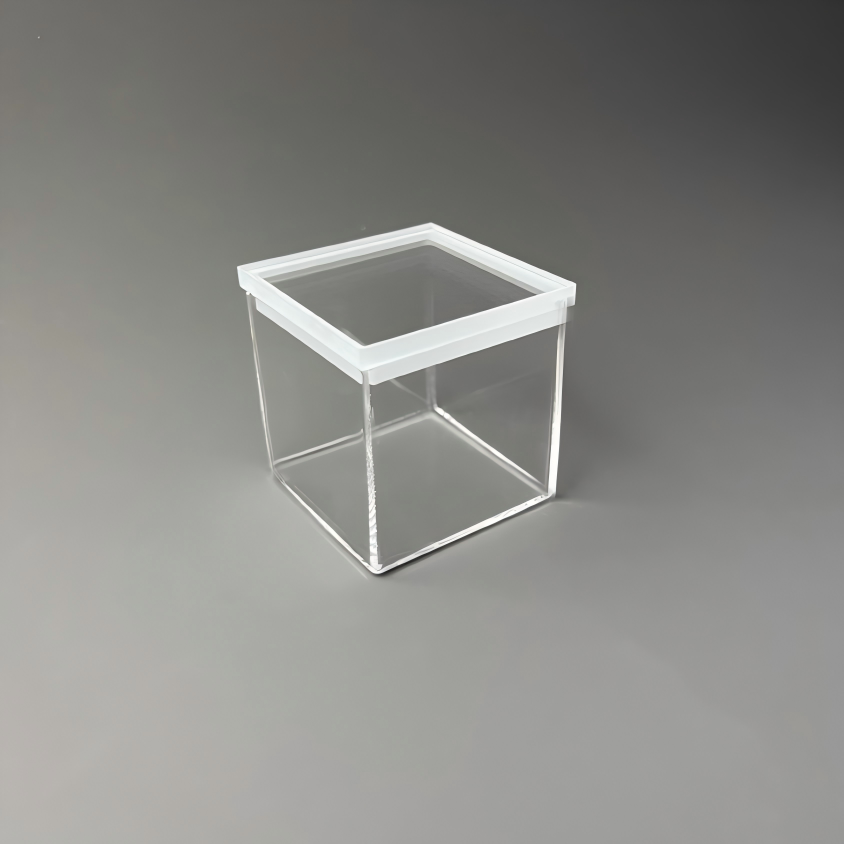
Dome Closed Quartz Sealed Photoelectrochemical Cell
Engineered for photocatalysis and precision electrochemistry, featuring ultra-violet ozone-free optical transmissive glass.
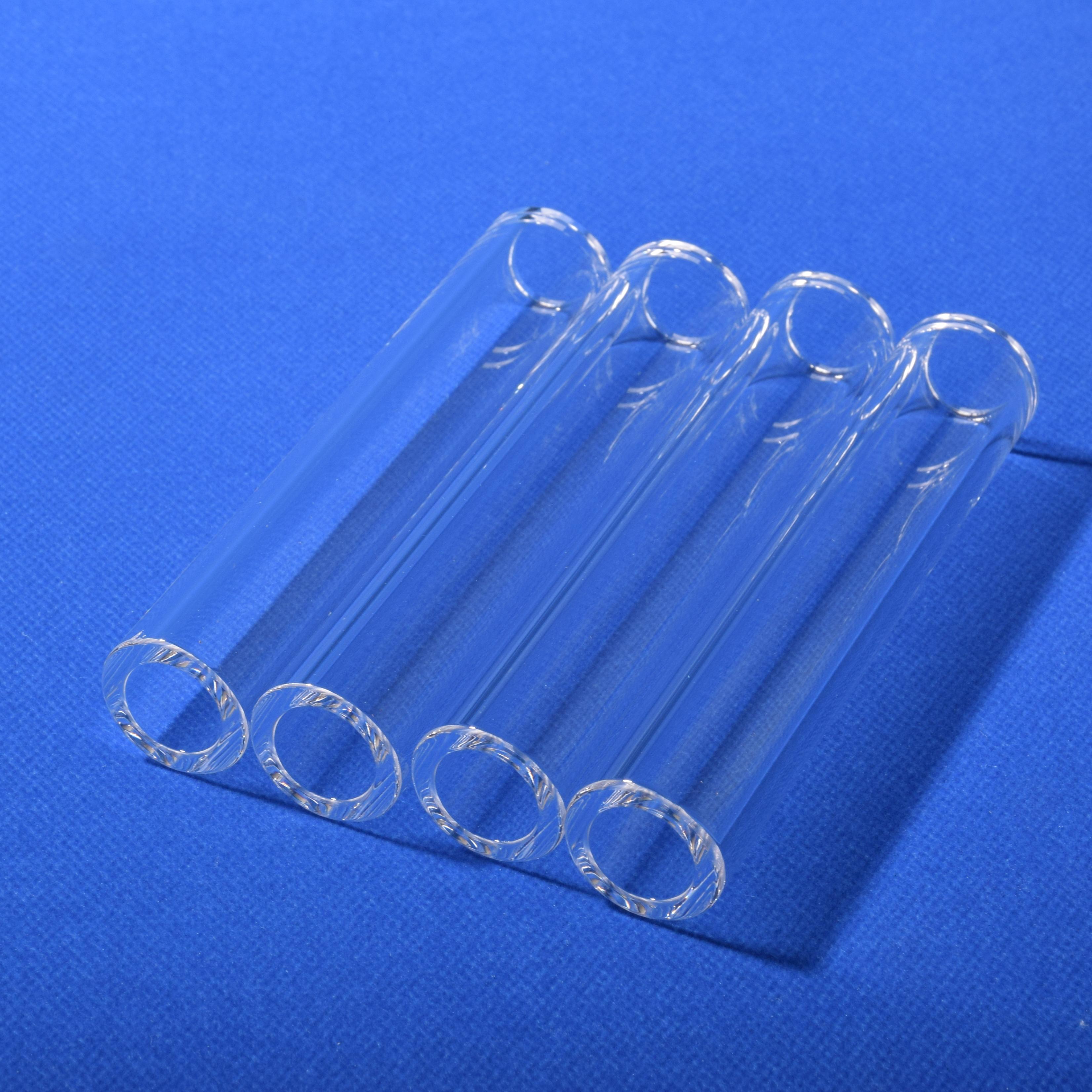
SJ 150 Oversized Thick-Wall Polished Quartz Pipe
High structural strength rated for 1100°C long-term operations, corrosion-resistant tube furnace liner for metallurgical sintering.
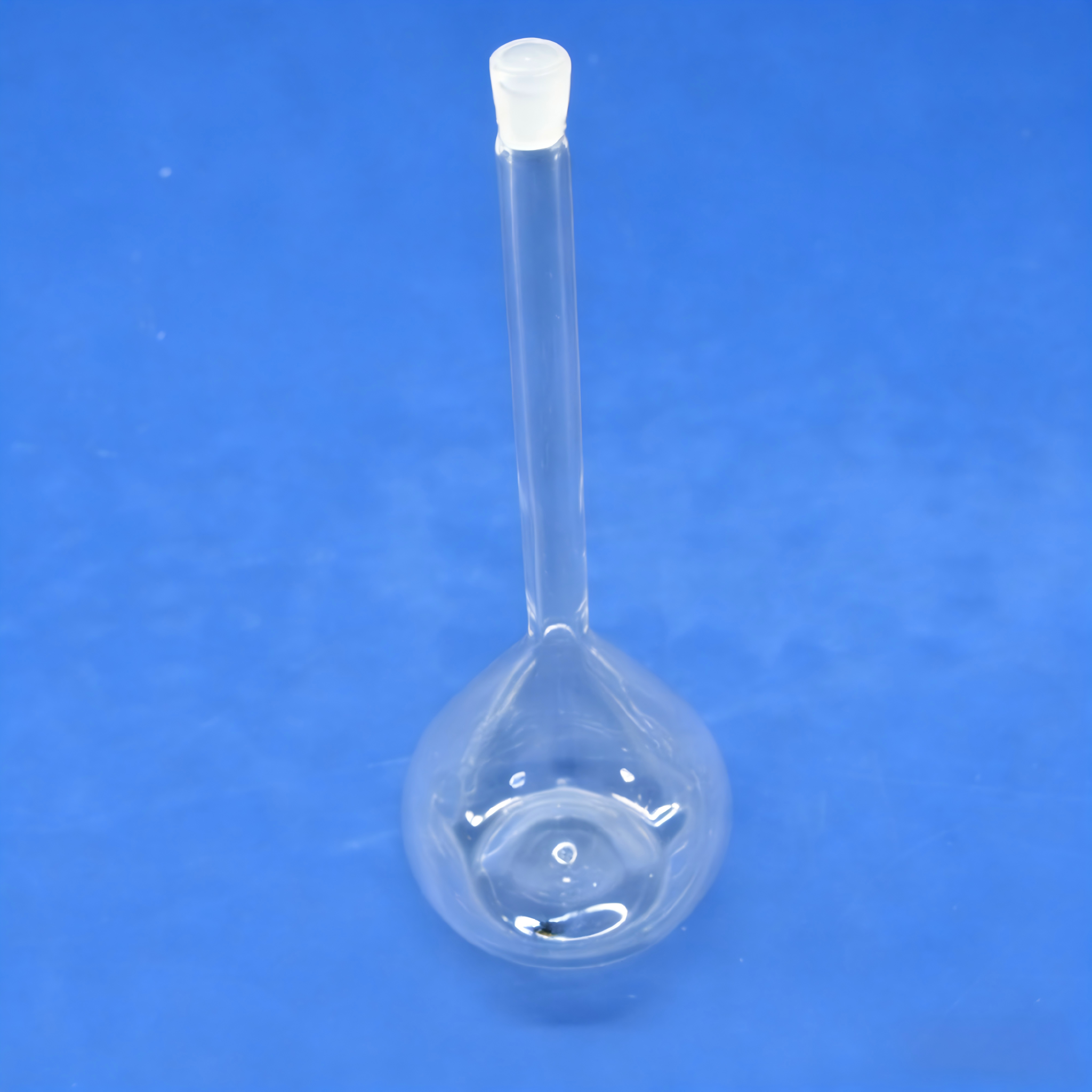
Custom High-Purity Quartz Ampoule & Reaction Flask
Vacuum sealing and cleanroom synthesis vessels designed for low-contamination solid-state reaction pathways.
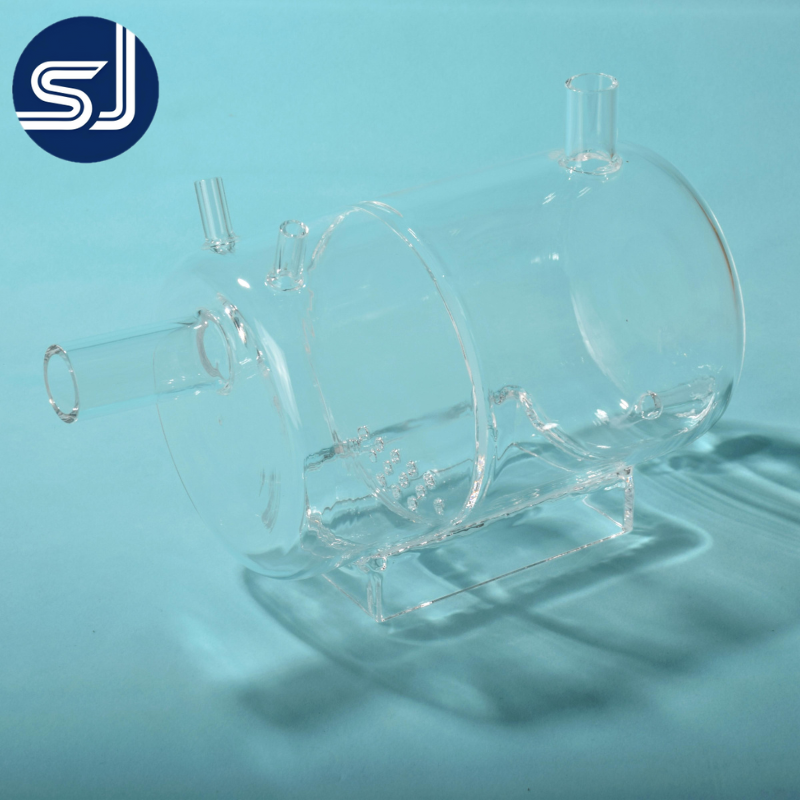
Laboratory Flow Splitting Quartz Dispenser Bottle
High transmission (>85%), 99.99% pure SiO2 fluid handling flask designed for corrosive gas routing and analytical dosing.
Executive Whitepaper: Strategic Sourcing of Fused Quartz Combustion Boats for the Japanese Market
In the highly demanding precision manufacturing landscape of Japan—spanning Kyushu's "Silicon Island," the advanced chemical manufacturing hubs in Mie, and analytical metrology labs in Kanagawa—quartz combustion boats and thermal reaction vessels represent indispensable infrastructure. As modern semiconductor process nodes shrink below 3nm and high-entropy alloy characterization demands absolute stoichiometric purity, standard glass or low-grade refractories fail completely due to thermal devitrification and trace ionic migration. Vulra Quartz (Lianyungang Vulra Quartz Products Co., Ltd.), situated in Donghai County—the epicenter of the world's high-purity natural silica sand deposit—bridges the strategic divide between scalable Chinese industrial quartz smelting and the exacting quality thresholds (Monozukuri) expected by Japanese engineering directors.
Quartz combustion boats serve a critical role: they must contain sample charges under continuous operating temperatures exceeding 1100°C, endure aggressive acid leaching (including Aqua Regia, hot concentrated H2SO4, and dry halogen atmospheres), and facilitate accurate elemental analysis (Carbon, Hydrogen, Nitrogen, Sulfur, and Oxygen) without introducing spurious background signals. For Japanese procurement professionals, the criteria for choosing a manufacturing partner extend beyond base pricing. Key evaluative factors center on trace element thresholds (sub-ppm alkali metals), isotropic coefficient of thermal expansion (CTE of ~5.5 × 10⁻⁷ /°C), zero micro-structural devitrification seed points, and precise dimensional compliance matching OEM analytical instruments such as HORIBA, Rigaku, and LECO systems.
Core Localization Application Scenarios Across Japanese High-Tech Sectors
Our custom-tailored combustion boats, carriers, and high-purity tubular ware are systematically integrated into high-stakes Japanese processing pipelines:
- Semiconductor Epitaxy & Diffusion (Silicon Island, Kyushu): In LPCVD (Low Pressure Chemical Vapor Deposition) and rapid thermal annealing (RTA), combustion-style flat boats and wafer cradles act as inert sample holders. Even fractional levels of trace copper, iron, or lithium can permanently compromise p-n junctions. Our 99.999% SiO₂ profile prevents deep-level impurity traps.
- Clean Metallurgy & Carbon/Sulfur Combustion Metrology: Japanese automotive steel, titanium alloy, and advanced ceramic manufacturers leverage induction combustion furnaces. Vulra quartz boats function seamlessly across intense RF heating ramps, exhibiting zero cracking under abrupt temperature fluctuations from room temperature to 1350°C.
- Advanced Lithium-Ion & Solid-State Battery Cathode Calcination: As Japanese battery manufacturers scale solid-state sulfide and oxide electrolytes, cross-contamination from refractory crucibles ruins electrochemical cycling stability. Our glazed, non-porous fused silica combustion boats eliminate lithium vapor scavenging and prevent sample adhesion.
- Photocatalytic & Environmental Analytical Facilities (Tokyo/Tsukuba): Specialized quartz glass cells and flow-through combustion vessels are applied in high-throughput trace pollutant degradation, utilizing maximum UV-C transmission and chemically inert inner walls to resist strong ozone and hydroxyl radical attack.
Emerging Technological Trends in the Japanese Quartzware Sector
The structural demands on thermal quartzware within Japan are evolving rapidly. First, the movement toward Zero-Carbon and Hydrogen Sintering introduces reducing atmospheres inside high-temperature tube furnaces. Standard fused quartz containing structural hydroxyl radicals (-OH) suffers from bubble expansion and accelerated cristobalite transformation under hydrogen exposure. Vulra has introduced low-OH synthetic and gas-phase refined fused quartz options that resist high-temperature hydrogen reduction. Second, the drive toward Automated Robotic Loading in Analysis (JIS Standards compliance) mandates tighter external dimensional tolerances (down to ±0.05mm) on furnace boat flanges and landing feet to eliminate robotic gripper jams. Third, the domestic push within Japan to lower total procurement expenditures without sacrificing quality has made directly audited Chinese Tier-1 factories—such as Vulra Quartz, fully certified by TÜV Rheinland—the preferred direct supply partner over intermediaries.
Enterprise Advantages: Engineering Precision in Donghai
Combining primary mineral sourcing access with advanced hot/cold CNC glassmaking infrastructure.
Donghai Crystal Origin Supply
Direct supply of high-purity silica sand (SiO2 ≥ 99.99% - 99.999%). Minimal background contamination from iron, aluminum, and alkali elements.
Thermal Stress Annealing
Every combustion boat passes through computer-controlled electric annealing kilns to systematically discharge internal thermal strain, ensuring zero cracking upon thermal shock.
Cleanroom Acid Passivation
Ultrasonic hydrofluoric/nitric acid pickling followed by 18.2 MΩ·cm DI-water rinsing removes cold-machining micro-particulates prior to high-cleanliness vacuum packaging.
Custom Drawing OEM from 1 PC
We welcome technical drawings (.DWG, .DXF, .STEP, or dimensioned PDFs). Rapid prototyping allows Japanese R&D units to test fits before batch procurement.
TÜV Rheinland Verified Credential
Our production facilities, on-site machining capabilities, and quality control checkpoints have undergone rigorous on-site auditing by TÜV Rheinland.
Shock-Proof Export Packaging
Custom form-fitting suspended EVA foam, vacuum inner sleeves, and reinforced outer plywood crates ensure intact air or sea shipping to Japanese ports (Tokyo/Osaka/Fukuoka).
Frequently Asked Questions by Japanese Procurement Teams
Addressing core technical, quality assurance, and logistic considerations commonly raised by corporate purchasing divisions in Japan.