Engineered Fused Quartz Portfolio for Spanish Industrial Foundries
Manufactured in Donghai—the world's crystal capital—under TÜV Rheinland-verified protocols. Available from single prototype trial units to recurring container shipments with zero thermal-stress fracturing.
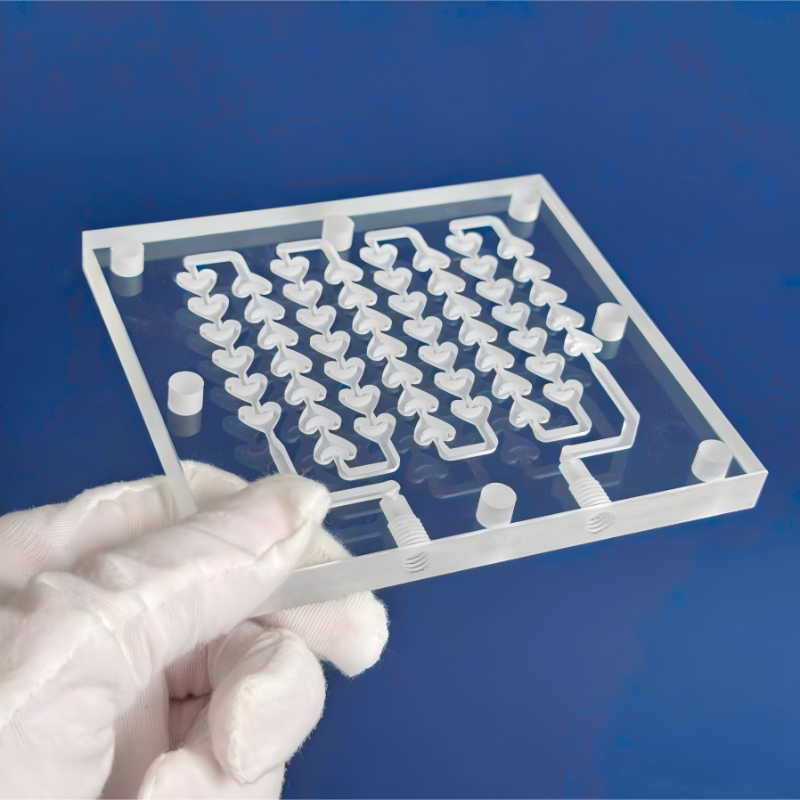
High Thermal Conductance 1750°C Melting Point Circular Quartz Chips
Precision-sliced vitreous quartz discs optimized for heat-exchange interfaces and thermal insulation barriers in vacuum metallurgy.
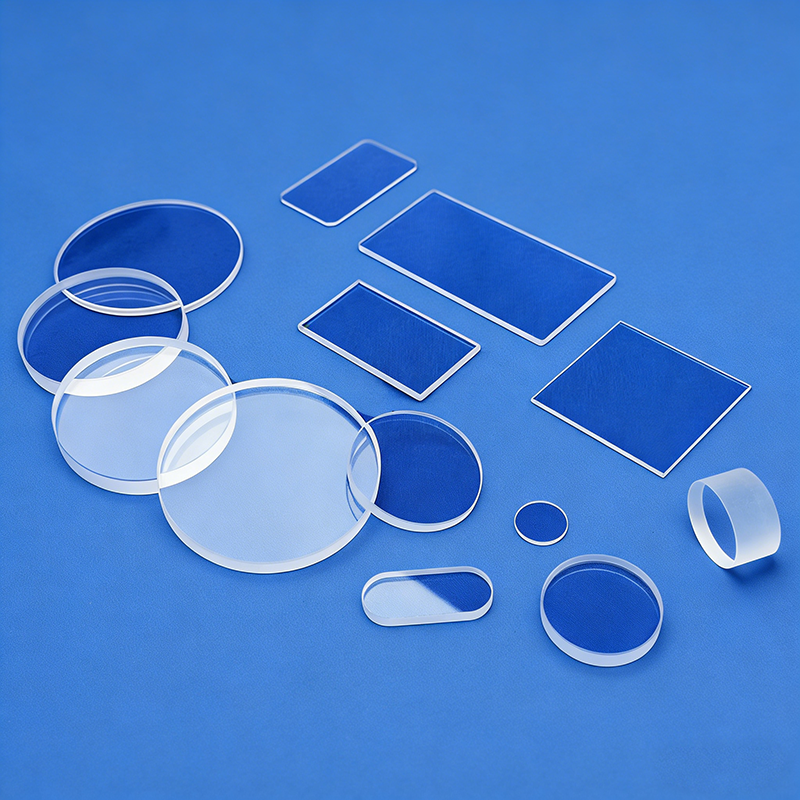
SJ-126 Natural Fused Quartz Square Thin Glass Optical Slide
Ultra-parallel, micro-polished quartz slides engineered for spectrophotometric analysis, high-temperature XRD stages, and microfluidics.
Translucent Natural Fused Quartz Arc-Welded Industrial Plates
Opaque-arc and translucent vitreous quartz tailored with CNC waterjet cutting and robotic edge welding for heavy thermal baffles.
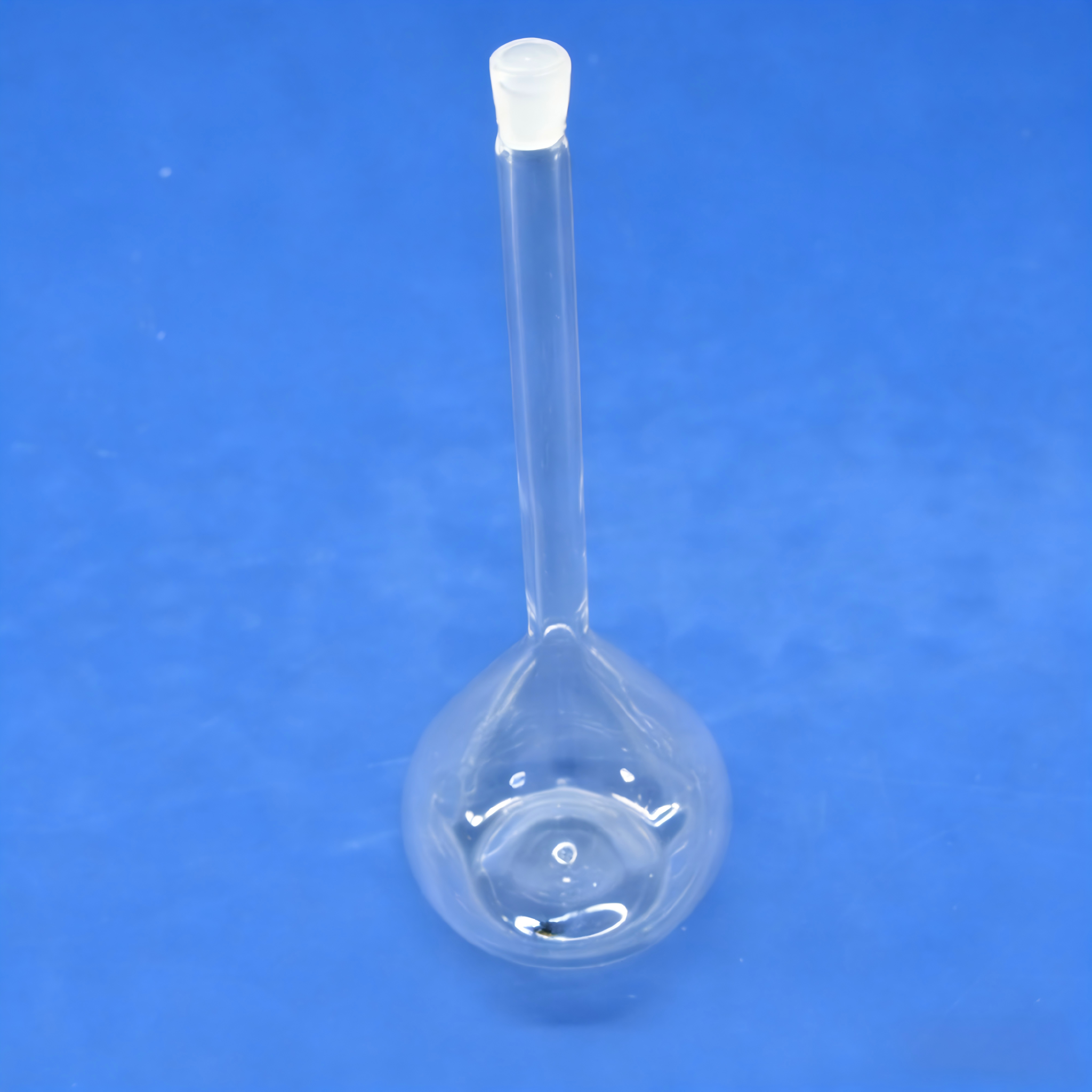
Transparent Quartz Glass Ampoule & Lab Distillation Flask
Seamless round-bottom and ampoule vessels crafted with oxy-hydrogen flame blowing, resistant to aggressive acids and thermal shock.
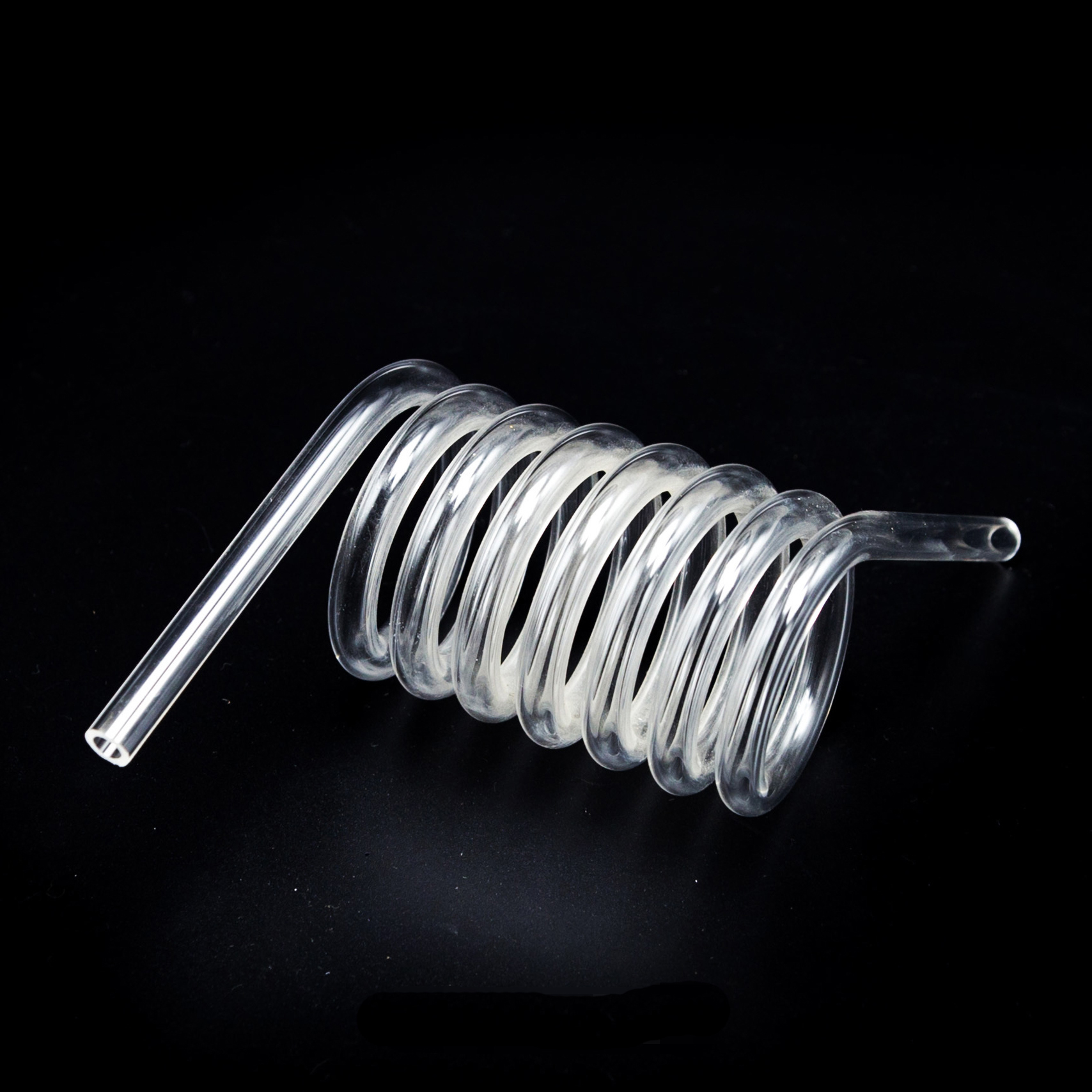
Custom Polished Clear Quartz C-Shape & Spiral Bent Tubes
Precision mandrel-formed heating coils, bubbler immersion wands, and process manifolds designed for corrosive fluid transfer.
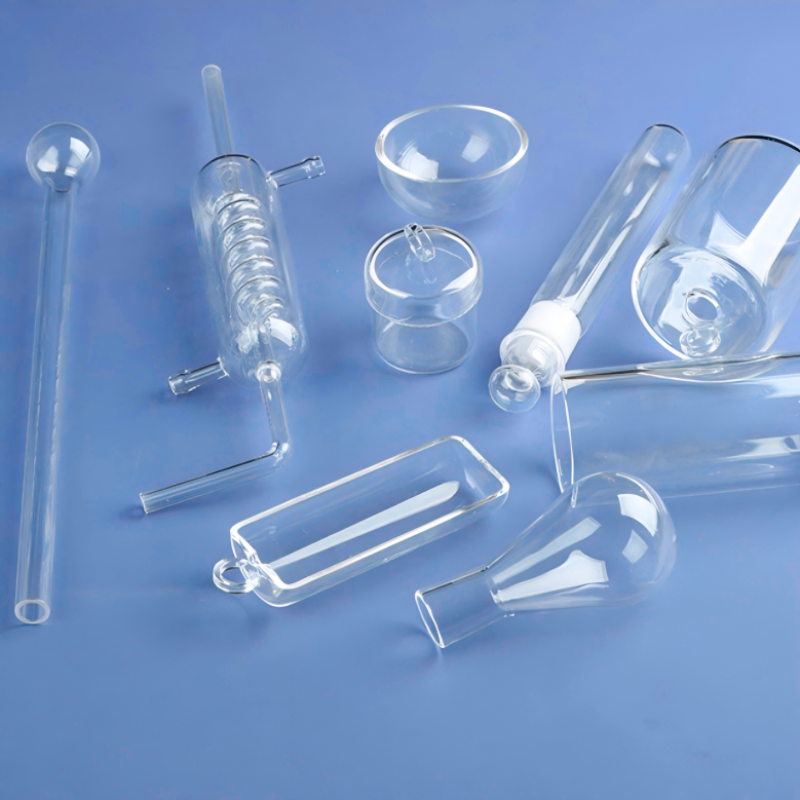
Plugging Rod & Combustion Tube Boat for High-Temp Sintering
Heavy-wall quartz stopper rods and combustion carrier boats for horizontal tube furnaces operating in high-frequency thermal environments.
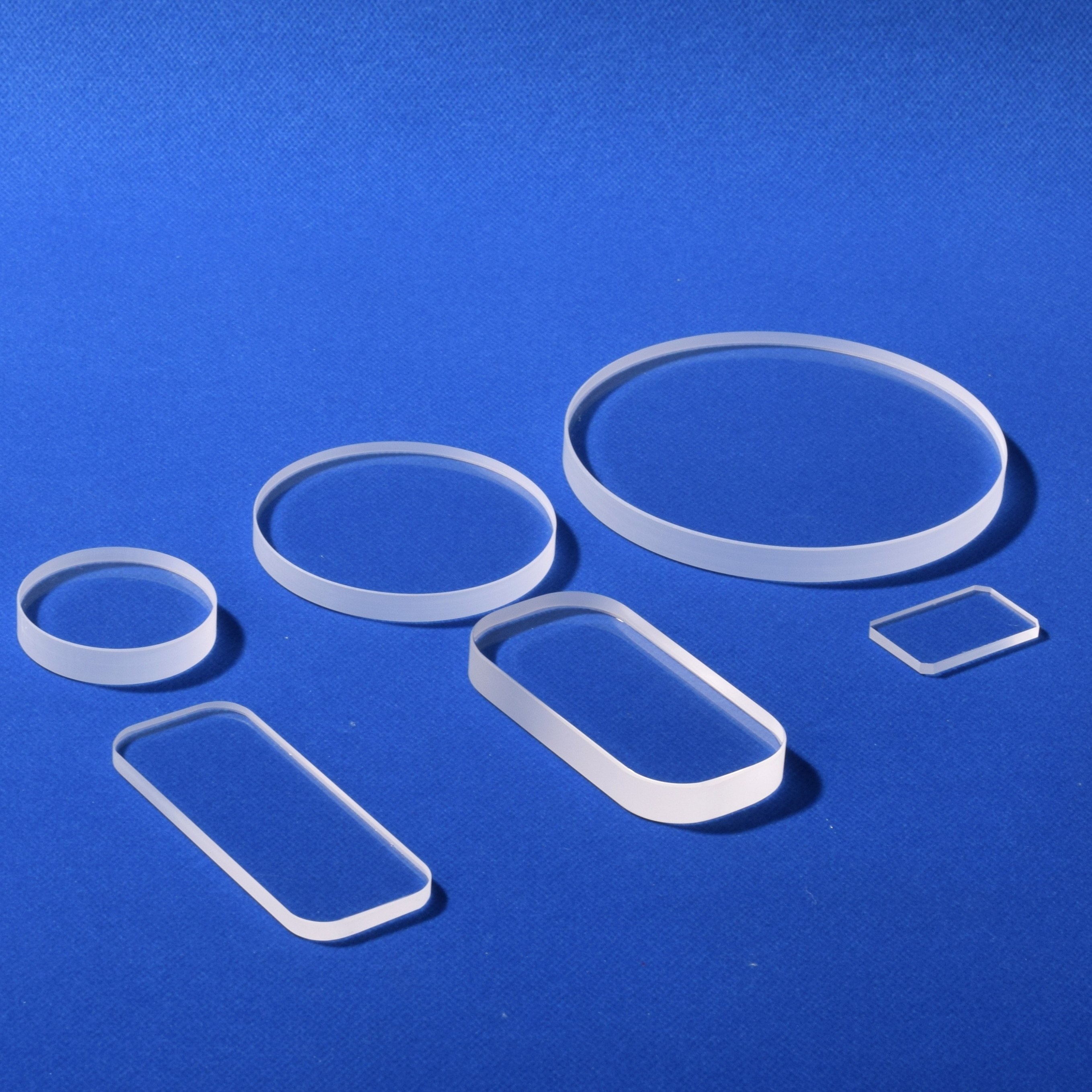
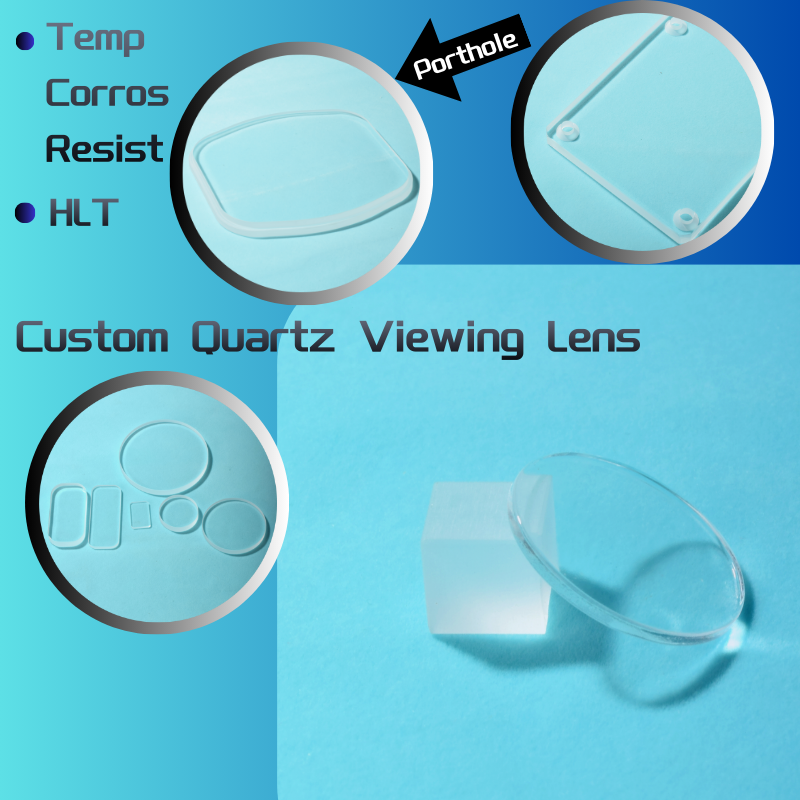
High Transmittance Customized Quartz Glass Observation Window
Ground and fire-polished furnace viewport sight glasses delivering over 92% optical transmission from deep UV through near IR spectra.
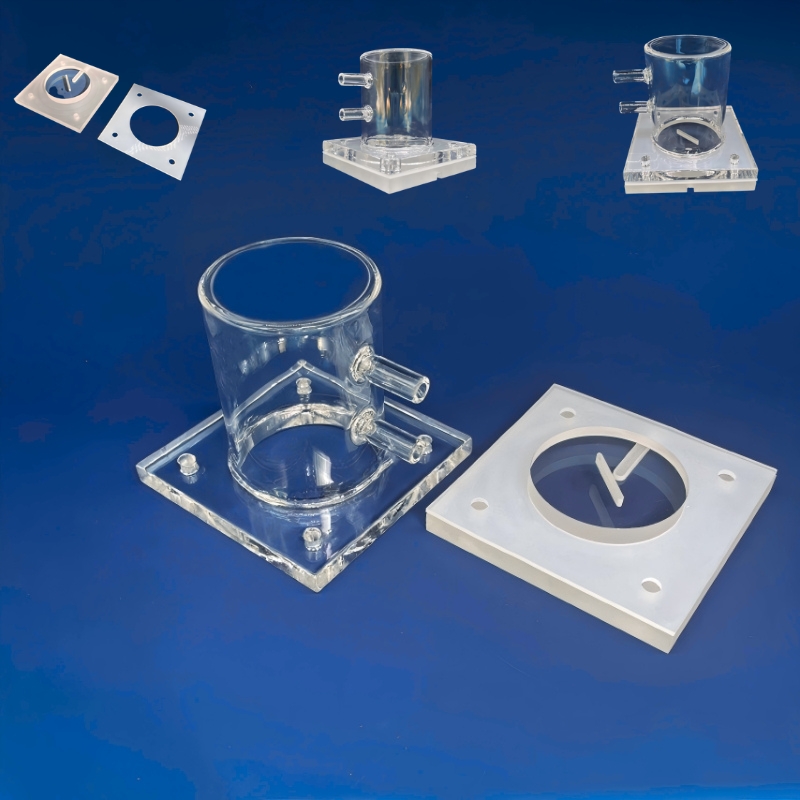
Quartz Photocatalytic Reactor for Green Hydrogen & Oxygen Production
Internal UV-illuminated photoreactors designed for solar fuel research, catalytic water-splitting cells, and ozone-free photochemical reactions.
Thermodynamic Stability and Devitrification Kinetics of Fused Quartz Crucibles
In high-temperature pyrometallurgy, crystal growth, and optical casting, the performance of a fused quartz crucible bowl is dictated by its vitreous silica network. Natural crystalline quartz undergoes irreversible polymorph transitions at high temperatures (alpha-quartz to beta-quartz at 573°C, beta-quartz to tridymite at 870°C, and tridymite to cristobalite at 1470°C). However, when high-purity natural silica sand is transformed via arc fusion or vacuum electric melting into an amorphous glassy matrix, it yields fused silica (vitreous quartz). This amorphous state possesses an exceptionally low coefficient of thermal expansion (α ≈ 5.5 × 10⁻⁷ K-1), imparting unparalleled resistance to thermal shock. A fused quartz crucible bowl can be repeatedly cycled from molten temperatures (up to 1250°C) directly into ambient quenching media without micro-fissuring or mechanical cleavage.
Furthermore, our production incorporates a two-layer arc-melting centrifugal casting process. The inner wall forms an ultra-dense, micro-bubble-free transparent vitreous glaze (apparent bubble diameter < 0.05 mm), ensuring minimal dissolution into molten melts and mitigating premature pinhole corrosion when melting corrosive non-ferrous precious metals, technical silicon, or high-purity optical borates. The outer opaque or translucent quartz shell exhibits controlled micro-porosity to act as an integrated thermal barrier, homogenizing inductive field distribution and curtailing excessive heat dissipation toward outer coil housings.
| Material Property | Vulra Arc-Fused Quartz Crucible | Standard Slip-Cast Silica | High-Purity Alumina (Al&sub2;O&sub3;) | Iso-Molded Graphite |
|---|---|---|---|---|
| SiO&sub2; Chemical Purity | ≥ 99.99% – 99.999% | 98.5% – 99.2% | < 0.1% (99.5% Al&sub2;O&sub3;) | Carbon base (< 20 ppm ash) |
| Thermal Expansion (20-1000°C) | 5.5 × 10⁻⁷ K-1 | 7.8 × 10⁻⁷ K-1 | 8.0 × 10⁻⁶ K-1 | 4.5 × 10⁻⁶ K-1 |
| Thermal Shock Tolerance | Extreme (Drop from 1200°C into water) | Moderate (Sensitive to shock) | Low (Fractures on rapid cycle) | High (Subject to oxidation) |
| Max Continuous Temp | 1100°C (Short peaks to 1450°C) | 1050°C | 1600°C | 2400°C (Inert atm only) |
| Oxidation Susceptibility | Completely Inert to O&sub2; | Completely Inert | Inert | Rapid burnoff > 450°C in air |
| Wettability by Molten Si | Very Low (Passivated boundary) | Moderate to High | Severe chemical erosion | Forms SiC contamination layer |
Serving Spain's Advanced Metallurgy, Semiconductor & Clean-Tech Clusters
The Kingdom of Spain represents one of the European Union's most dynamic industrial hubs undergoing an unprecedented transition toward high-value manufacturing. From the Basque metallurgical heartland to Catalonia's chemical complexes and Andalusia's renewable corridors, our fused quartz crucibles and custom quartzware provide foundational thermal process integrity across specific regional clusters:
Basque Country & Cantabria
Superalloy vacuum induction melting (VIM), precision aerospace turbine blade casting, and high-frequency induction smelting of specialty gold and dental alloys.
Madrid & Barcelona
Cleanroom thin-film processing, semiconductor epitaxy CVD/ALD reactors, CSIC research laboratories, and photolithography mask substrates.
Andalusia & Extremadura
Concentrated solar power (CSP) molten nitrate salt corrosion test vessels, solar polysilicon ingot synthesis, and green hydrogen photocatalysis modules.
Valencia & Castellón
Ceramic glaze frit calcination, technical frit melting vessels, chemical distillation columns, and high-temperature optical viewing windows for calcining kilns.
Precious Metals Refining & Assaying
Used widely across Spanish hallmark assay offices and precious metal recyclers in Madrid and Valencia for melting pure gold, silver, platinum, and palladium scrap without carbon inclusion or metallic pickup.
Solar Thermal Energy & Molten Salts
Testing secondary heat transfer fluids for next-generation parabolic trough and central tower CSP plants. Vitreous silica crucibles withstand ternary molten eutectic salts (KNO&sub3;-NaNO&sub2;-NaNO&sub3;) up to 600°C without boundary cracking.
Microfluidic & Photoreactor Systems
Supporting Spain's National Hydrogen Strategy through transparent fused quartz photocatalytic reactor vessels that maximize 254 nm and 365 nm irradiation penetration for advanced water-splitting catalysts.
Spanish Industry Trends: PERTE Chip, Decarbonization & Green Re-Shoring
Spain's strategic implementation of the PERTE Chip (Strategic Project for Economic Recovery and Transformation in Microelectronics and Semiconductors), backed by over €12 billion in public funding, is catalyzing domestic microchip foundries, photonics packaging, and compound semiconductor research (such as Gallium Nitride and Silicon Carbide). As Spanish semiconductor foundries and research consortia scale, the demand for ultra-pure silica consumables—specifically fused quartz crucible bowls, epitaxial diffusion furnace tubes, and custom quartz reaction ampoules—has risen exponentially.
Simultaneously, Spain is leading the European continent in decarbonizing energy-intensive pyrometallurgy. Legacy gas-fired melting crucibles are being systematically replaced by high-frequency electric induction melting and microwave-assisted sintering furnaces across the automotive casting clusters of Catalonia and Zaragoza. Fused quartz crucible bowls are the premier containment material for induction melting due to their near-zero electrical conductivity and high dielectric breakdown resistance (over 25 kV/mm at 20°C), ensuring induction electromagnetic coupling acts strictly upon the metallic charge rather than heating or shattering the crucible vessel.
Moreover, Spain's Hoja de Ruta del Hidrógeno (Renewable Hydrogen Roadmap) mandates 4 GW of electrolysis capacity by 2030. Universities and research institutes (such as IMDEA Energía, CIEMAT, and CSIC) are developing thermochemical and photocatalytic water-splitting reactors that require custom transparent fused quartz cylinders and autoclaves capable of enduring intense UV radiation and temperature fluctuations up to 1000°C under acidic electrolyte steam conditions.
Enterprise Strengths & Precision Manufacturing Rigor
Combining Donghai's world-class silica mineral belt with European-standard quality validation and seamless logistics directly to Spanish destinations.
Origin at Donghai
Direct supply line from China's quartz capital provides unrivaled access to natural crystal sand, yielding 99.999% SiO&sub2; purity with sub-ppm transition metal impurities.
TÜV Rheinland Audited
Independently verified manufacturing facilities. Comprehensive CE and RoHS compliance across our entire fused quartz crucible and tube series.
Drawing-Based OEM/ODM
In-house hot and cold fabrication: oxy-hydrogen flame welding, CNC diamond machining, ultrasonic drilling, laser wall-thickness verification from 1 piece MOQ.
Zero-Breakage Export Packaging
Reinforced dual-ply polyolefin foam encapsulation inside custom ISPM-15 export wooden crates, guaranteed for multimodal sea/air freight into Valencia or Barcelona.
Trace Element Impurity Profile: Typical ICP-MS Analysis (ppm by weight)
Contamination risk in semiconductor melting and metallurgical assaying is strictly controlled. The following ICP-MS (Inductively Coupled Plasma Mass Spectrometry) profile represents our standard production batch parameters for semiconductor and optical-grade fused quartz crucible bowls:
| Element | Aluminum (Al) | Iron (Fe) | Calcium (Ca) | Magnesium (Mg) | Sodium (Na) | Potassium (K) | Lithium (Li) | Copper (Cu) | Boron (B) | Hydroxyl [OH-] |
|---|---|---|---|---|---|---|---|---|---|---|
| Typical Value (ppm) | 12.5 – 16.0 | 0.12 – 0.25 | 0.35 – 0.50 | 0.04 – 0.08 | 0.25 – 0.40 | 0.15 – 0.30 | 0.10 – 0.18 | < 0.01 | < 0.03 | < 25 (Low OH) |
| Significance | Structural viscosity stabilizer | Prevents optical color centers | Inhibits surface nucleations | Mitigates phase segregation | Prevents ionic drift currents | Eliminates alkali fluxing | Guarantees dielectric strength | No transition metal poisoning | No p-type silicon doping | Elevates high-temp strain point |
Frequently Asked Questions by Spanish Sourcing Engineers
Clear answers regarding customs clearance, Incoterms, thermal parameters, and structural customizability for buyers in Spain.
What is the standard TARIC/HS code and customs duty for importing quartz crucibles into Spain?
Fused quartz crucible bowls and technical quartz glassware typically classify under TARIC code 7017 10 00 00 ("Laboratory, hygienic or pharmaceutical glassware, whether or not graduated or calibrated – Of fused quartz or other fused silica"). Third-country standard import duty into the European Union is generally 3%, with Spanish IVA (VAT) applicable at 21% unless the buyer holds an authorized VIES (ROI) VAT registration for intra-community operations or operates under free customs warehouse warehousing regimes (Depósito Aduanero).
How do you guarantee that fragile quartz crucible bowls will not crack during ocean transport to Spanish ports?
Every crucible bowl undergoes complete thermal annealing to remove residual shear stress (< 5 nm/cm birefringence). For transport, items are wrapped in electrostatic protective film, embedded within custom-molded high-density polyethylene (EPE) foam, boxed in heavy double-wall corrugated cartons, and secured inside fumigated ISPM-15 plywood crates with external tilt and shock indicators (ShockWatch). We ship CIF or DDP to Puerto de Valencia, Puerto de Barcelona, or direct air freight to Madrid-Barajas (MAD) with zero damage guarantees.
What dimensional tolerances can your CNC cold-working facility achieve for custom crucible designs?
Our Donghai production center utilizes multi-axis diamond CNC milling and optical grinding centers. Standard outer diameter (OD) and wall thickness tolerances are held within ± 0.20 mm for standard crucibles, and can be tightened to ± 0.05 mm for specialized semiconductor and optical crucible assemblies upon request. We can machine flat bottoms, rim pouring spouts, lifting flanges, indexing grooves, and through-wall pyrometer monitoring ports based directly on your CAD drawings (.STEP, .IGES, or .DWG).
How does molten metal interact with the inner wall of a fused quartz crucible bowl during induction smelting?
Vitreous silica is thermodynamically non-reactive with most molten non-ferrous precious metals (Au, Ag, Cu, Pt) and molten silicon. However, basic slag components, active fluorides, and strong alkali fluxing agents will accelerate surface dissolution and cristobalite nucleation at elevated temperatures. For aggressive vacuum casting, we recommend our arc-glazed inner wall finish with less than 20 ppm [OH-] hydroxyl content, which significantly elevates the softening point and inhibits wetting-induced boundary penetration.
Do your products comply with European Union REACH and RoHS standards?
Yes. Fused quartz is 100% natural, high-purity amorphous silicon dioxide (CAS No. 60676-86-0). Our products are strictly inert, containing no heavy metals (Lead, Cadmium, Mercury, Hexavalent Chromium), polybrominated biphenyls (PBB), or phthalates. We furnish complete REACH declarations of conformity and RoHS compliance test certificates verified by third-party testing institutions alongside shipment documentation for hassle-free customs clearance.
Can Spanish research centers or SMEs order small prototype runs (e.g., 1 to 5 pieces)?
Yes. As a TÜV-verified custom manufacturer, our flexible batch lines support prototype development starting from an MOQ of just 1 piece for custom fused quartz crucible bowls, furnace boats, or bespoke photochemical cells. We review technical drawings within 24 hours, perform rapid flame-working or cold-machining, and dispatch pre-production prototypes to Spain via DHL/FedEx Express in as little as 7–10 working days.