Precision Fused Quartz Components for Heraklion Laboratories
Engineered directly from Donghai crystal-grade quartz sand, our component portfolio supports high-thermal vacuum furnaces, laser physics instrumentation, and electrochemical synthesis across the Crete research corridor.
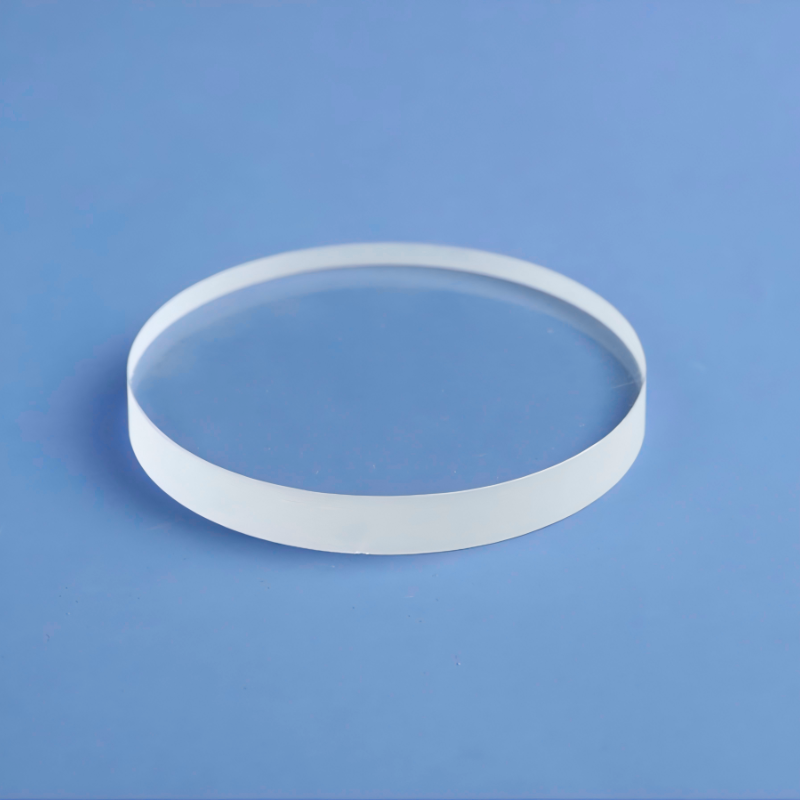
High Temperature Clear Sapphire Quartz Tablets & Fused Silica Sheets
Customizable plate thickness from 0.5mm to 20mm with polished edges, micro-cutting tolerances, and laser-grade optical transmission across UV-Vis spectra.
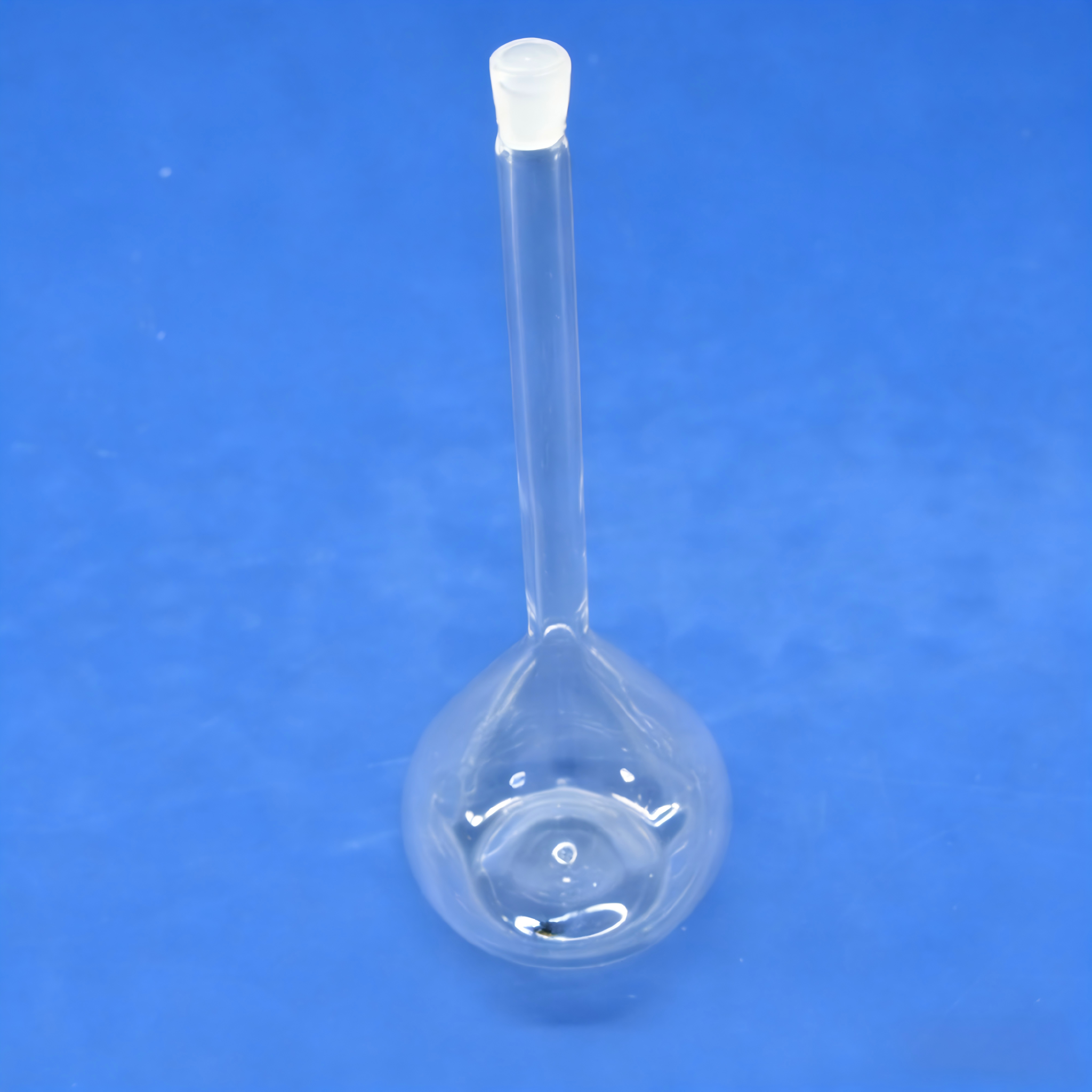
High Purity Transparent Quartz Glass Ampoule & Lab Flask
Seamless flame-welded lab ampoules, customized round/flat-bottom distillation flasks, ozone-free options, and ultra-high chemical corrosion resistance.
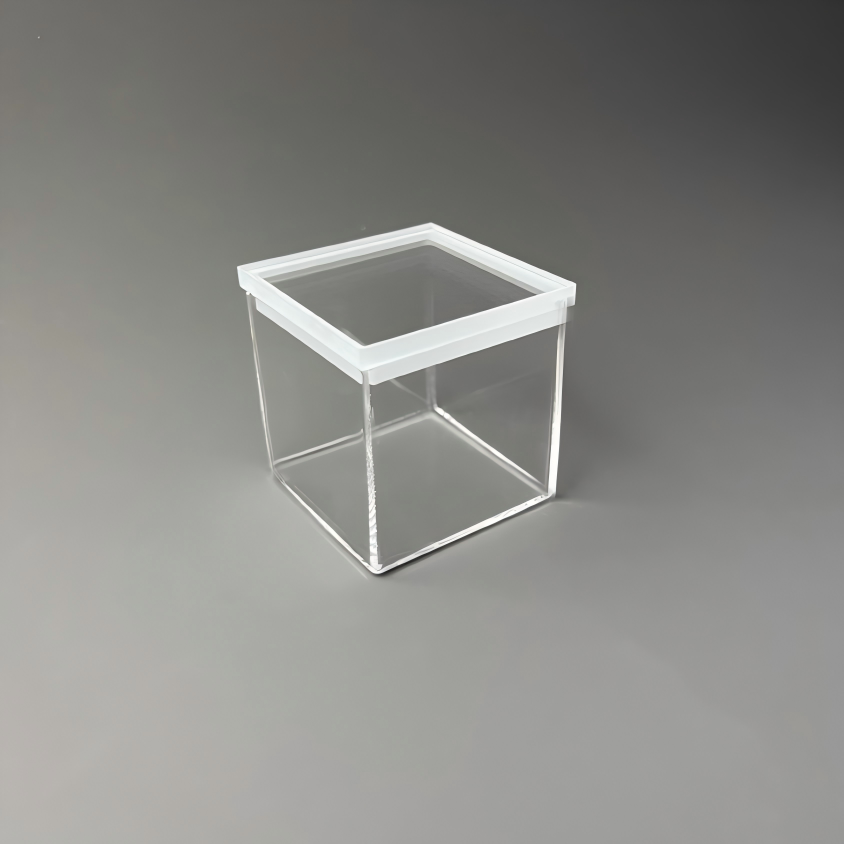
Quartz Glass Sealed Electrolytic Cell & Dome Closed Vessel
Optically transparent dome cell for photoelectrochemical research, gas-tight seals, photocatalytic reaction analysis, and high-vacuum endurance.
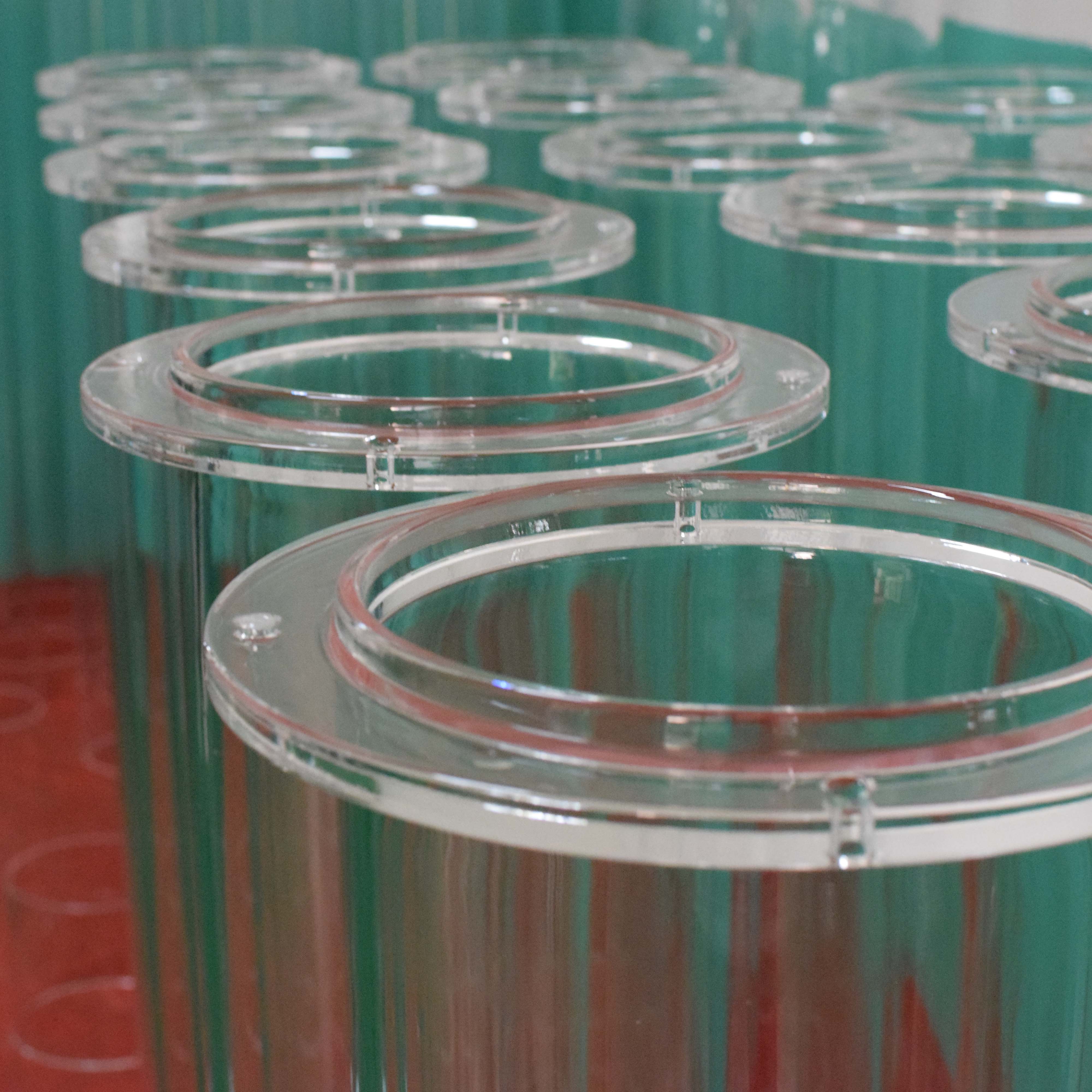
High Purity 99.999% Single Crystal Quartz Glass Tube Flange
Precision re-feeder containers and flanged reaction tubes. High thermal dimensional stability, precision ground joints, and zero atmospheric leaking.
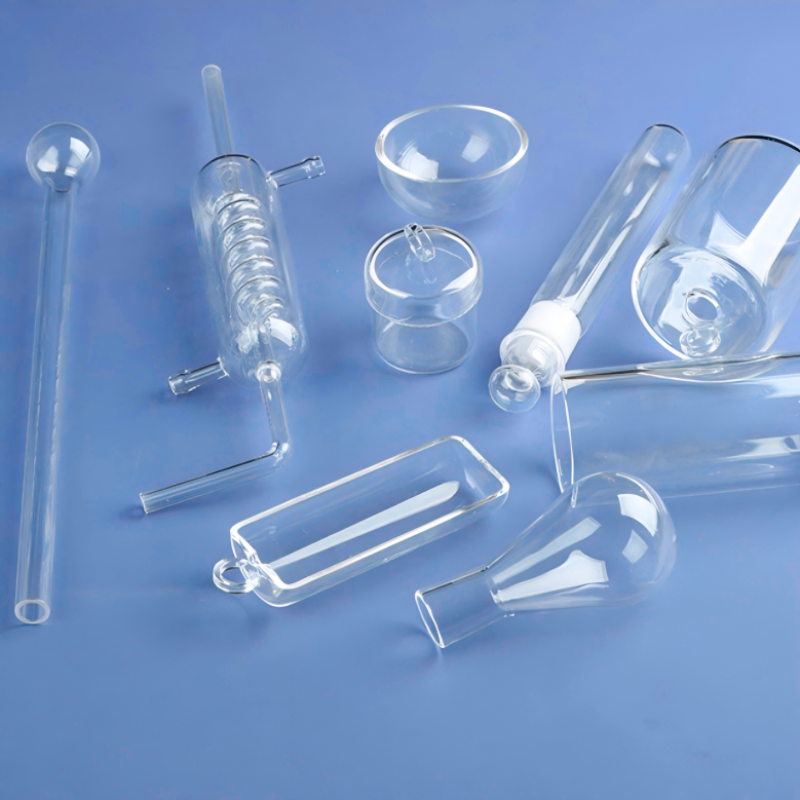
Quartz Glass Tube Plugging Rod & Heating Test Tube Boat
High-frequency heating test boats, solid plugging rods, and thermal combustion containers rated for continuous cyclic thermal loading at 1100°C.
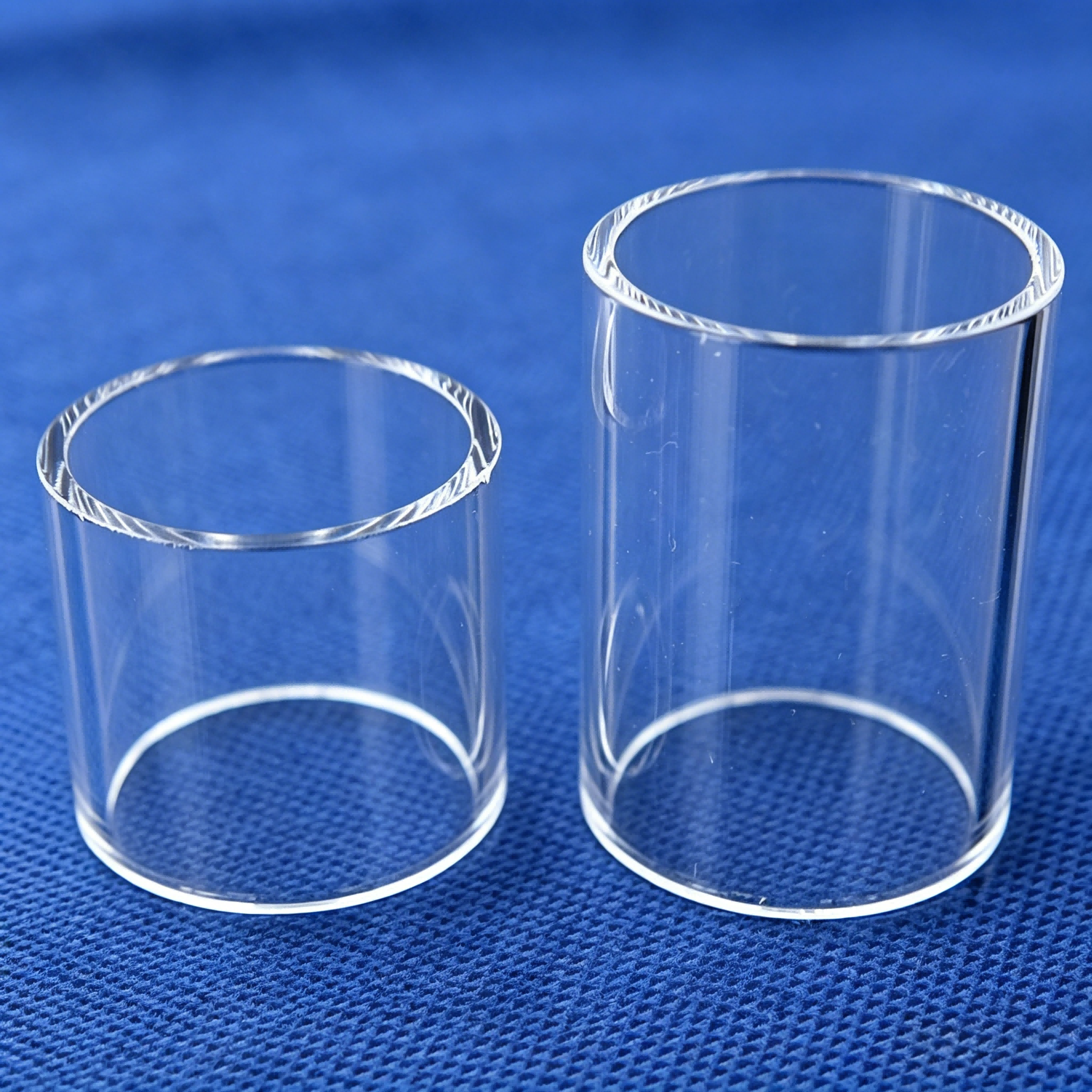
Custom Corrosion Resistant Clear Twin Quartz Glass Pipe
Specialized dual-channel and single-pipe fluid conveyance tubes, precision fire-polished surfaces, CNC bending, and high hydrofluoric acid resistance.
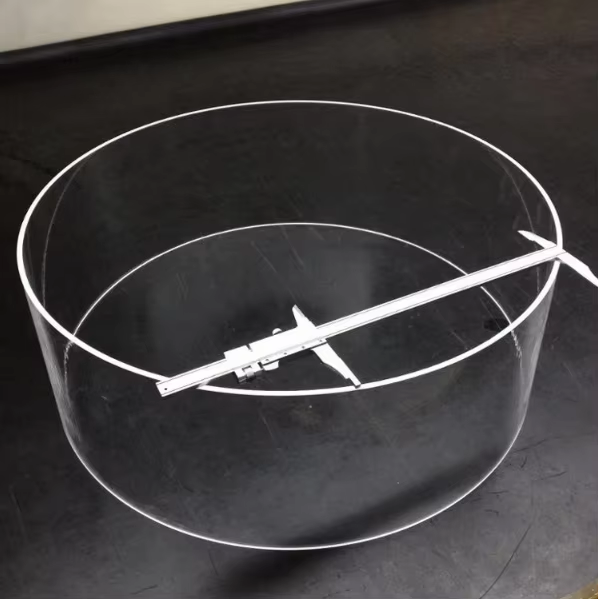
Factory Supply Optical Quartz & Sintering Process Tubes
Engineered for powder metallurgy sintering, chemical vapor deposition (CVD), and UV photolysis applications requiring deep transmission below 254nm.
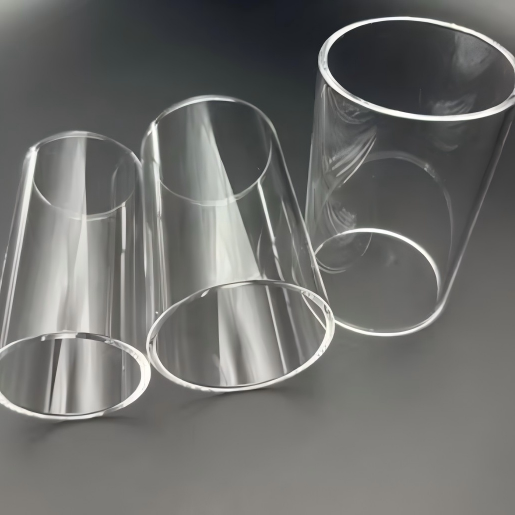
High Temperature Ozone-Free One End Closed Quartz Tube
Diameters from 5mm up to 800mm with precision dome closures. Essential for thermocouple protection sheaths, vacuum retorts, and pyrometer wells.
Fused Quartz Crucible Bowls: Thermodynamics, Purity, and Devitrification Control
A rigorous metallurgical overview of high-temperature fused quartz crucibles designed to assist Heraklion research engineers, laboratory directors, and industrial procurement managers in mitigating thermal failure and ionic contamination.
Purity Profiles & Raw Material Provenance
The performance of a fused quartz crucible bowl under aggressive thermal conditions is fundamentally determined by its silicon dioxide purity and trace alkali impurity matrix. At our manufacturing center in Donghai County—globally recognized as China’s crystal capital—raw natural crystal silica is subjected to magnetic separation, ultrasonic acid leaching, and thermal decrepitation to achieve an SiO₂ concentration of 99.99% to 99.999%.
In high-temperature melt applications, alkali metal cations (specifically Sodium [Na], Potassium [K], and Lithium [Li]) act as network modifiers within the vitreous silica glass. If concentrations exceed 1.5 parts per million (ppm), these ions drastically accelerate the kinetics of devitrification—the solid-state phase transformation of amorphous fused quartz into crystalline beta-cristobalite. By keeping cumulative alkali impurities below 0.8 ppm and transition metals (Fe, Cu, Ni) below 0.2 ppm, our crucibles preserve their structural vitreous integrity during repetitive thermal cycles up to 1450°C.
Thermal Dynamics & Shock Resilience
Fused quartz boasts an extraordinarily low linear coefficient of thermal expansion (CTE) of approximately 5.5 × 10⁻⁷ /°C between 20°C and 1000°C. This near-zero dimensional expansion gives Vulra quartz crucible bowls almost total immunity to severe thermal shock. A crucible extracted from an electric arc or muffle furnace at 1100°C can be rapidly quenched in cold ambient conditions without brittle catastrophic shattering.
Furthermore, the low internal hydroxyl content (OH⁻ < 20 ppm in our electrically vacuum-fused and flame-treated grades) raises the annealing point to 1215°C and the softening threshold to 1683°C. This ensures high dimensional stability during high-temperature metal alloy melting, calcination of battery precursor materials, and single-crystal pulling without creeping or wall-sagging.
| Property / Parameter | Test Standard / Method | Vulra Fused Quartz Specification | Standard Borosilicate / Alumina Alternative |
|---|---|---|---|
| Silicon Dioxide (SiO₂) Purity | ICP-MS Spectrometry | 99.99% – 99.999% (Optical/Semiconductor) | 70% – 81% (Borosilicate Glass) |
| Coefficient of Thermal Expansion (CTE) | Dilatometry (20°C – 320°C) | 5.5 × 10⁻⁷ cm/cm·°C | 32.5 × 10⁻⁷ cm/cm·°C (6x higher thermal risk) |
| Continuous Service Temperature | Thermal Equilibrium Test | 1100°C (Up to 1450°C short-term) | 450°C – 500°C max continuous |
| Softening Point (Log η = 7.6) | Fiber Elongation Method | 1683°C ± 15°C | 820°C |
| Chemical Inertness | Acid Leaching (HCl, HNO₃, H₂SO₄) | Inert to all acids except HF and H₃PO₄ (>300°C) | Moderate alkali/acid salt leaching risk |
| Dielectric Strength (20°C) | ASTM D149 (1 MHz) | 25 – 40 kV/mm (Excellent RF/Induction transparency) | 10 – 15 kV/mm |
Electric Arc Rotational Fusion
Crucible bowls fabricated via high-current centrifugal arc fusion feature a dense, micro-bubble-free transparent inner glazed wall backed by a reinforced translucent outer layer for enhanced mechanical load-bearing at 1400°C.
Precision Oxy-Hydrogen Flame Glazing
Our automated multi-axis torch systems glaze the lip and base radii of each crucible bowl, eliminating micro-fissures and surface cracks that could otherwise seed premature devitrification under localized heat concentrations.
Class-10,000 Decontamination & Etch
Post-machining, all crucibles undergo hydrofluoric-nitric acid pickling followed by 18.2 MΩ·cm ultra-pure deionized water cascade ultrasonic washing, eliminating all machining grit prior to cleanroom vacuum heat sealing.
Serving Heraklion’s Leading Academic, Scientific & Industrial Facilities
The city of Heraklion is the undisputed technological, research, and scientific epicenter of Crete. We engineer our quartzware to fulfill the stringent requirements of local institutions, institutes, and growing Mediterranean industrial initiatives.
FORTH - Institute of Electronic Structure & Laser (IESL)
Our ultra-pure quartz crucibles and UV-grade transparent silica vessels are routinely selected for laser ablation targets, pulsed laser deposition (PLD) crucible linings, and high-temperature vacuum sintering in materials physics research at Vassilika Vouton campus.
University of Crete (Dept. of Chemistry & Materials)
Supporting advanced academic synthesis, our quartz crucibles, round-bottom flasks, and sealed electrolytic dome cells provide zero ionic contamination during inorganic salt fusion, catalyst thermal reduction, and polymer high-temperature pyrolysis.
STEP-C & Regional Solar Thermal Pilot Plants
Heraklion's burgeoning focus on concentrated solar power (CSP) and high-temperature green hydrogen storage requires thermal receiver test crucibles and reaction pipes capable of withstanding cyclic thermal shock without structural fatigue.
Crete Marine Industry & Pyrometallurgical Testing
Local naval repair engineering, alloy testing facilities, and mineral processing units in the Heraklion Industrial Area utilize our deep-form quartz crucible bowls for molten metal slag analysis, noble metal fire assaying, and alloy melting.
Heraklion Quartz Procurement Trends: Factory-Direct vs. Regional Markups
Historically, laboratories and industrial operators across Heraklion and wider Crete depended on Athens-based intermediate resellers or Western European catalog distributors for custom fused quartz glassware. This traditional supply chain model imposed 200% to 400% price markups, long lead times (frequently 8 to 14 weeks for non-standard geometries), and severe communication disconnects when specialized dimensional drawings were required.
Vulra Quartz has established a streamlined direct manufacturer-to-client pipeline for the Heraklion market. Leveraging direct customs routing via Athens/Piraeus logistics corridors and priority express air-cargo to Heraklion International Airport (HER "Nikos Kazantzakis" and the new Kastelli Airport development), local engineers receive custom-engineered quartz crucible bowls within 10 to 18 business days. All items include factory-direct inspection certificates, full drawing compliance, and significant cost savings that maximize research and production budgets.
Lianyungang Vulra Quartz Products Co., Ltd.
Rooted in China's crystal capital and authenticated by independent global testing agencies, we unite raw material sovereignty with microscopic machining tolerances.
Unrivaled Control from Raw Sand to Finished Crucible
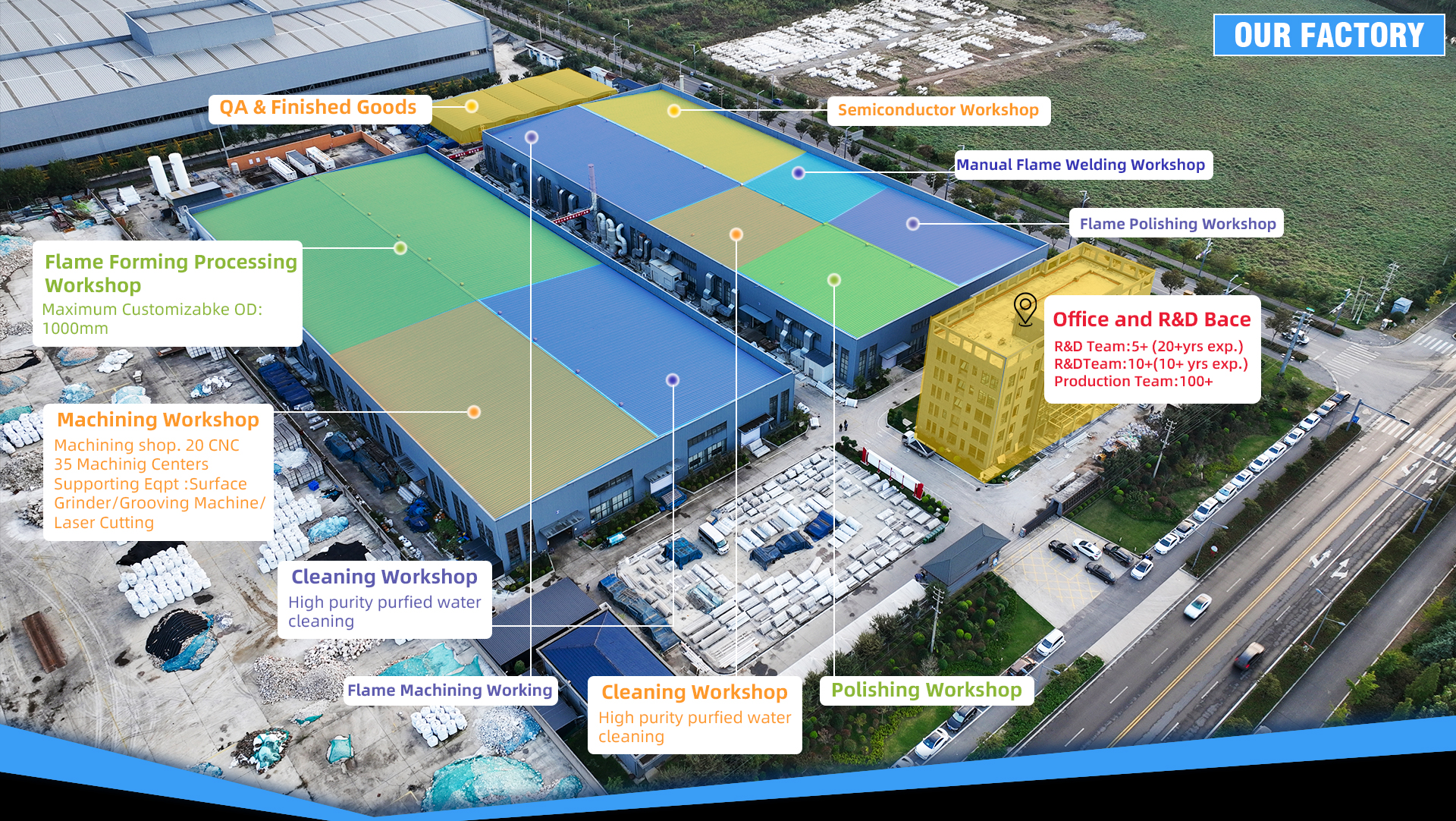
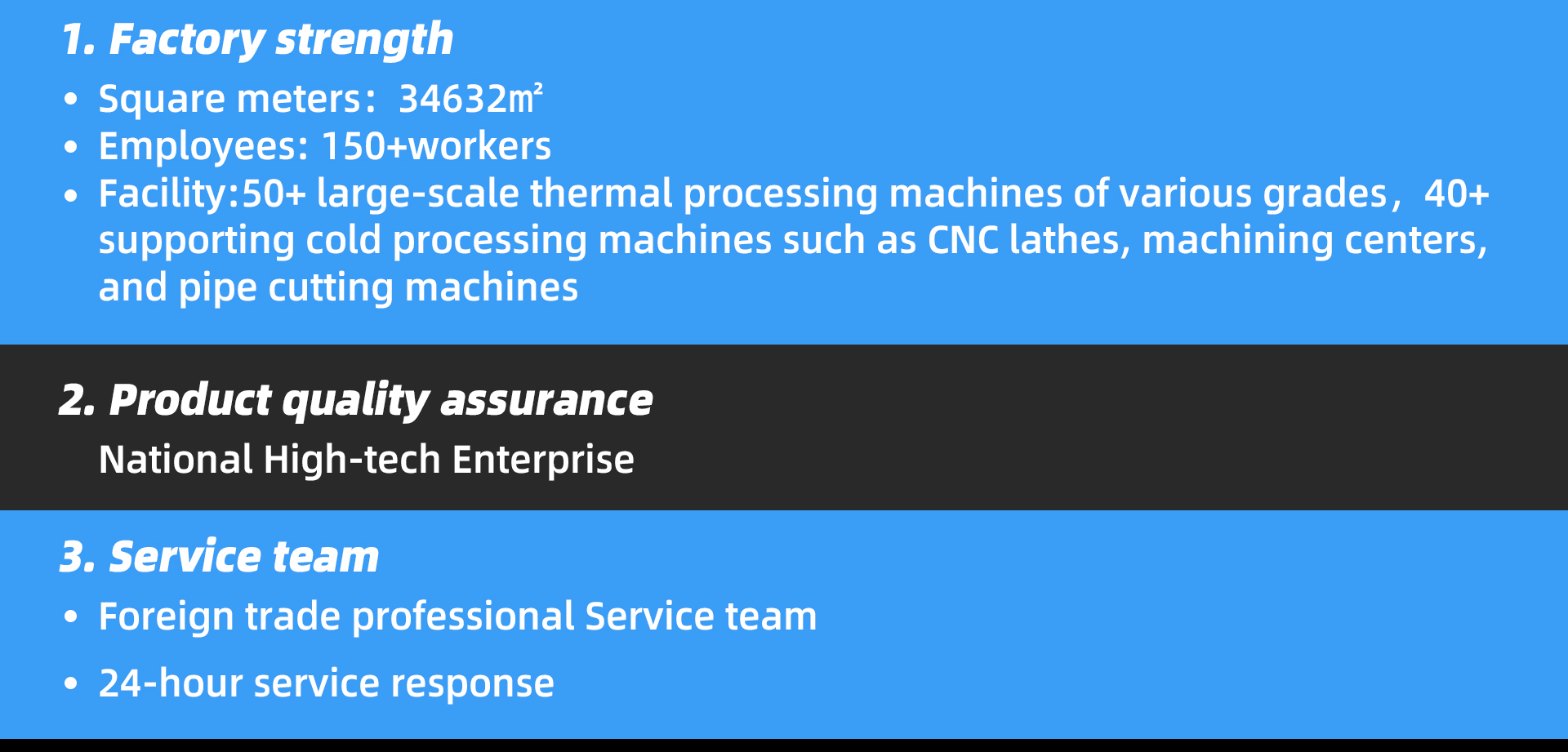
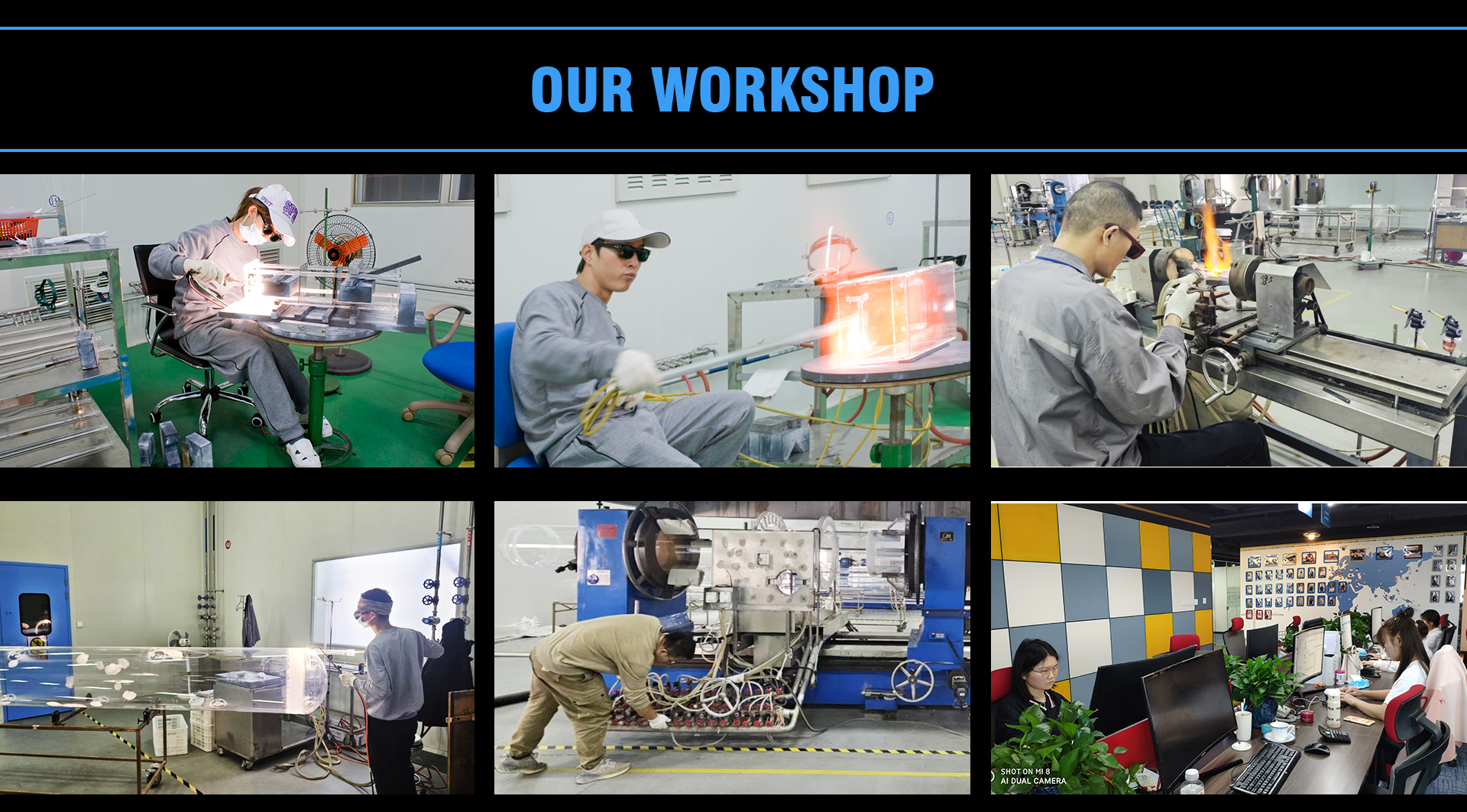
Situated at No. 9, Dingxin Road within the Jiangsu Donghai Economic Development Zone, Vulra Quartz operates a fully integrated manufacturing infrastructure encompassing over 12,000 square meters of specialized production bays. We bypass raw material volatility by drawing quartz feedstocks directly from Donghai’s crystalline deposits, guaranteeing chemical consistency from batch to batch.
Our facility unites high-temperature arc spinning furnaces, CNC diamond milling centers, automated glassblower lathes, computer-controlled annealing ovens, and precision chemical etching suites. Whether our Heraklion clients require a standard 50ml quartz crucible bowl or an engineered 500mm diameter cylindrical melting cauldron with integrated flanges, our engineering team handles the transformation from technical drawing to finished part under strict quality management protocols.


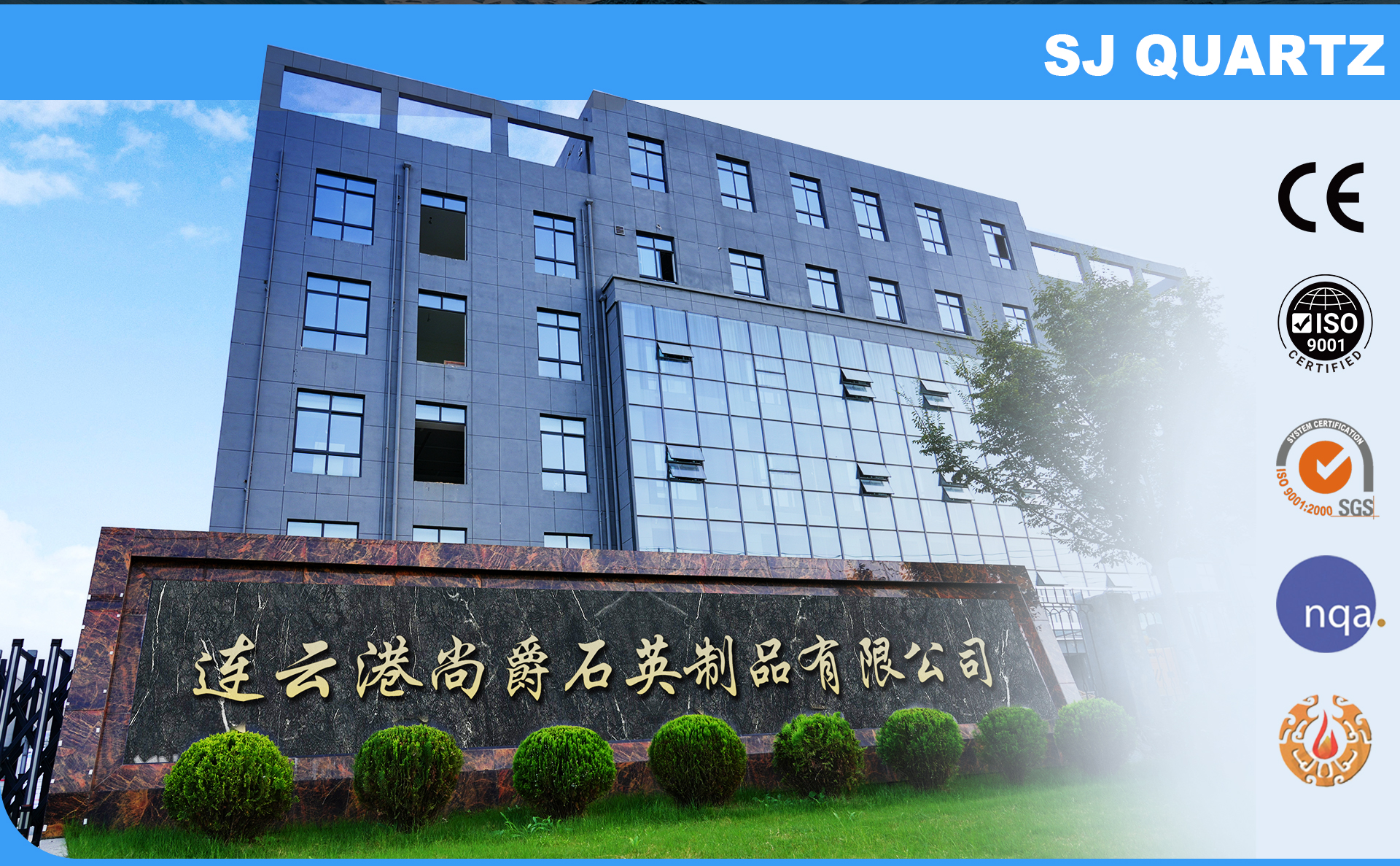
- TÜV Rheinland On-Site Assessed: Full facility verification, legal validation, and factory audit.
- CE Marked & RoHS Compliant: Fully documented compliance with EU health, safety, and chemical protocols.
- Low-Quantity Prototyping: Drawing-based OEM/ODM from 1 piece up to multi-thousand unit shipments.
- Optical Spectrophotometer Verification: Transmittance curves and bubble/inclusions certified prior to packing.
01. Arc Fusion & Flame Forming
High-temperature oxy-hydrogen fusion shaping crucible walls with zero internal macro-bubbles.
02. Precision Cold Diamond Cutting
High-speed diamond tooling creating micron-accurate lip diameters, flanges, and pouring spouts.
03. Surface Grinding & Lapping
Multi-stage abrasive polishing delivering optical smoothness (Ra < 0.2µm) and uniform wall thickness.
04. Controlled Thermal Annealing
1200°C electric furnace soaking to eradicate residual mechanical stress and prevent spontaneous cracking.
05. Ultrasonic Acid Wash & DI Rinse
Acid pickling stripping ionic surface contaminants followed by 18.2 MΩ cascade baths.
06. Polariscopic Stress & QA Check
Strict optical polariscope inspection for residual birefringence, dimensional checks, and vacuum seal testing.
Custom Packaging & Mediterranean Air/Sea Transport Architecture
Fused quartz is a rigid, high-hardness yet brittle material. Our five-stage export containment system eliminates vibration resonance and impacts across maritime and intermodal transit to the port of Heraklion.
Cleanroom Vacuum Sealed
Every crucible bowl is sealed in dust-free, anti-static polyethylene pouches with desiccant packages to eliminate moisture absorption and air-borne dust before final crating.
Custom CNC EPE Foam Cavities
We machine high-density expanded polyethylene (EPE) foam blocks configured exactly to each crucible’s external curvature and rim profile, isolating each unit in individual shock cells.
Reinforced Double-Wall Boxes
Inner individual boxes are enclosed in heavy-duty 5-ply corrugated structural cartons designed to resist lateral crush loads during palletization and international container handling.
Fumigated Export Plywood Crates
Bulk shipments are locked inside ISPM-15 certified export plywood cases with corner edge protectors, impact indicator decals (ShockWatch), and moisture-barrier lining.
Frequently Asked Questions by Heraklion Buyers
Direct technical and logistical answers prepared by our production and trade teams for purchasing agents, principal investigators, and process engineers in Greece.
Q What distinguishes clear transparent quartz crucibles from opaque/translucent crucibles?
Clear fused quartz crucibles are melted under vacuum or electric flame torches from crystal quartz sand, resulting in an entirely vitreous, transparent wall with near-zero air bubbles. They are preferred for optical monitoring, high-purity semiconductor synthesis, and aggressive acid digestion where complete inner visual inspection is critical. Translucent or opaque silica crucibles contain microscopic trapped gas bubbles that diffuse radiation, providing superior thermal insulation and resistance to thermal sagging in high-tonnage metal melting applications.
Q How do we prevent devitrification of quartz crucibles during repeated furnace runs in Crete labs?
Devitrification (transformation of vitreous silica to crystalline cristobalite) begins around 1000°C–1150°C and is catalyzed by fingerprint oils, dust, or alkali residues. For extended service life, never handle crucible bowls with bare hands; clean with a 5%–10% hydrofluoric (HF) acid flash dip or ethanol rinse prior to loading; and ensure the furnace chamber atmosphere is free of alkali vapors (such as sodium or potassium flux). If cristobalite forms, it can crack the crucible when cooling through its phase transition at 220°C–270°C.
Q Can Vulra Quartz manufacture custom crucible bowls according to our research department's CAD drawing?
Yes. Custom fabrication is our primary manufacturing pillar. We accept 2D drawings (DWG, DXF, PDF) and 3D CAD files (STEP, IGES). Our engineering team reviews wall thicknesses, draft angles, pouring lip profiles, and tolerance limits (±0.05mm achievable via CNC cold grinding) within 24 hours. We gladly produce 1-piece prototypes for experimental validation before fulfilling batch production runs.
Q What are the shipping transit times and customs procedures for deliveries to Heraklion, Greece?
For urgent laboratory trials and low-volume orders, air express (DHL/FedEx/UPS) delivers directly to Heraklion addresses in 4 to 7 business days following dispatch. For heavy or volume shipments, air freight to HER Airport or consolidated containerized ocean freight to Piraeus with ferry transfer to Heraklion Port takes approximately 22 to 32 days. We furnish all necessary trade documents including Commercial Invoice, Packing List, CE Certificates, and Certificate of Origin to facilitate smooth Hellenic Customs clearance.
Q How does fused quartz perform in contact with molten non-ferrous metals and aggressive molten salts?
Fused quartz crucible bowls exhibit exceptional inertness to molten gold, silver, copper, silicon, and aluminum alloys at operating temperatures up to 1350°C. However, molten basic fluxes, heavy alkali hydroxides (e.g., molten NaOH/KOH), and strong fluorides will dissolve the silica matrix. Our technical engineers can review your specific melt chemistry and recommend protective pyrolytic carbon coatings or specialized thermal profiles if aggressive fluxing is involved.
Q What payment mechanisms and trade terms are supported for Greek academic institutions and commercial buyers?
We accommodate international B2B terms including EXW, FOB, CIF Heraklion Port, and DDP (Delivered Duty Paid) to your laboratory door. Payments are accepted via international bank telegraphic transfer (T/T), confirmed Letters of Credit (L/C) for volume orders, and major credit card/PayPal channels for rapid prototype sample releases. We regularly assist university procurement offices with proforma documentation aligned with EU research grant guidelines.
Equip Your Heraklion Facility with Factory-Direct Fused Quartz
Submit your dimensional requirements, operational temperature parameters, or CAD schematics directly to our engineering desk. Receive an authoritative feasibility assessment and competitive factory quote within 12 hours.