
1. The Critical Role of Quartz Rings in Modern Wafer Processing
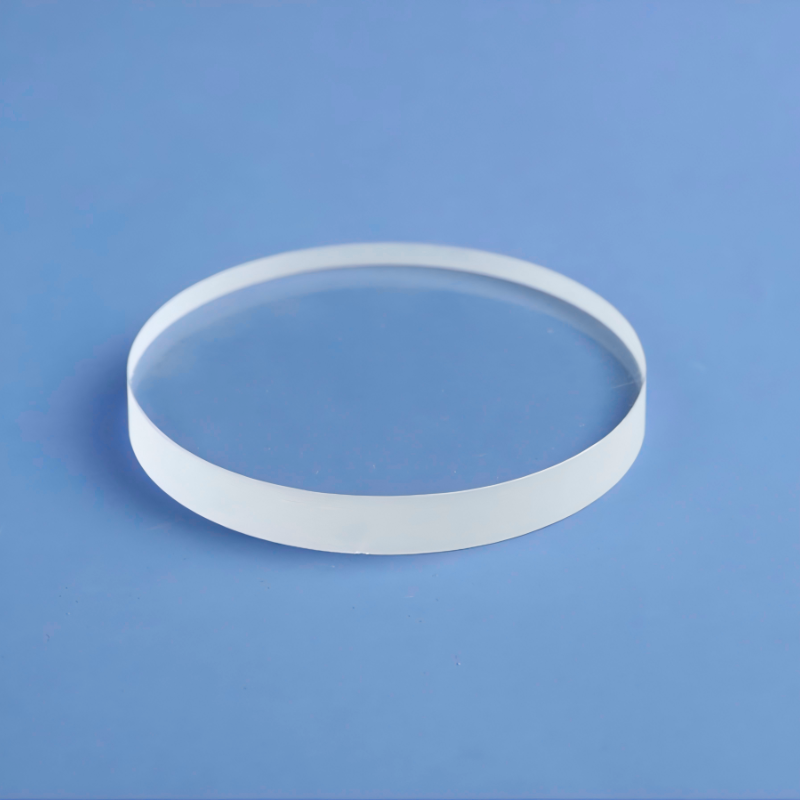
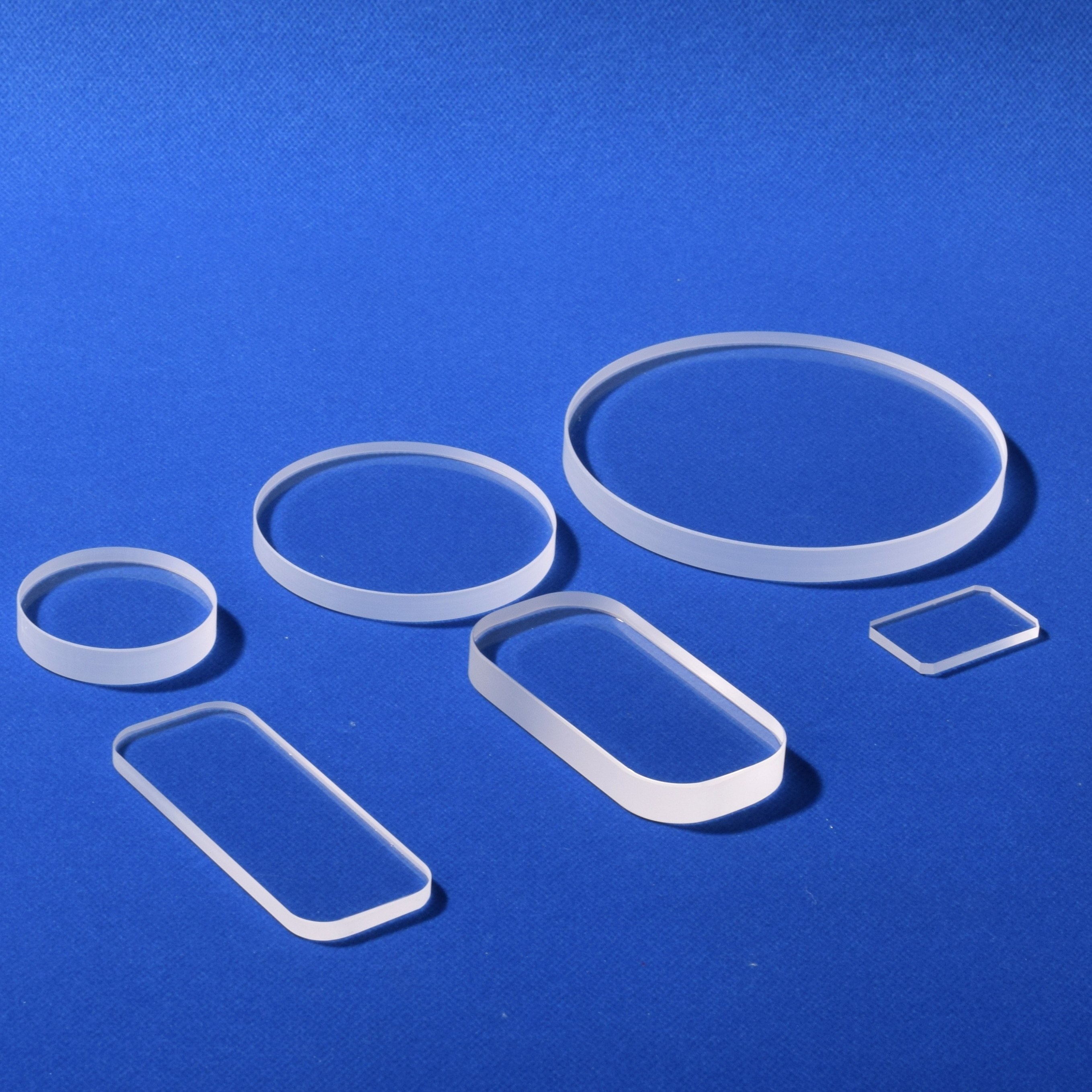
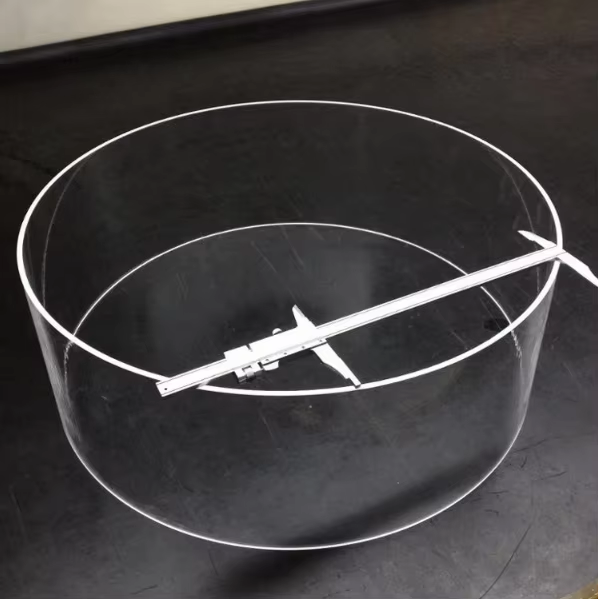
In high-density plasma etching systems (ICP, CCP, and MERIE), semiconductor quartz rings—specifically focus rings, edge rings, gas distribution rings, and lower dielectric shield rings—perform essential physical and electromagnetic stabilization. Situated in direct contact with or in immediate proximity to the 200mm and 300mm silicon wafer boundary, a quartz focus ring shapes the plasma sheath potential, maintaining uniform ion bombardment trajectory right up to the outermost bevel edge of the wafer.
A minor deviation in dielectric constant, bulk density, or surface roughness creates microscopic plasma density fluctuations. In sub-14nm, sub-7nm, and advanced packaging processes operating across Dublin and Kildare manufacturing corridors, such anomalies manifest as severe critical dimension (CD) non-uniformity, profile tilting, and premature wafer edge yield loss. Furthermore, as fluorine-based and chlorine-based etchant chemistries (such as CF₄, C₄F₈, NF₃, and Cl₂) relentlessly bombard chamber components, quartz consumables must exhibit uniform etching consumption rates without micro-spalling or releasing metallic impurities into the active device area.
2. Material Metallurgy: Natural Fused Quartz vs. Synthetic Fused Silica
Procuring semiconductor quartz rings requires balancing chemical purity, hydroxyl (OH⁻) content, bubble class, and ionic defect density. Vulcanized into two distinct metallurgical categories, Vulra Quartz supplies precision rings tailored to specific process modules:
Electrically Fused Natural Quartz (Semiconductor Grade): Synthesized by vacuum melting refined Donghai natural quartz crystal sand. Characterized by an exceptionally low hydroxyl content (<5 ppm OH⁻), it delivers supreme structural rigidity and dimensional stability at prolonged thermal exposures up to 1160°C. It serves as the industry standard for vertical LPCVD diffusion furnace liners, wafer carrier boats, pedestal support rings, and rapid thermal processing (RTP) chamber windows.
Synthetic Fused Silica (CVD Grade): Fabricated via chemical vapor deposition of ultra-pure silicon tetrachloride (SiCl₄) in an oxy-hydrogen flame. This synthetic variant guarantees near-zero total heavy metal impurities (<0.1 ppm aggregate Fe, Cu, Ni, Cr, Zn). Possessing a typical OH⁻ content between 150 and 1000 ppm, synthetic quartz rings provide predictable micro-erosion surfaces in reactive ion etch (RIE) chambers, drastically minimizing particle contamination during extreme aspect ratio (HAR) contact hole etching.