Thermal Elbow
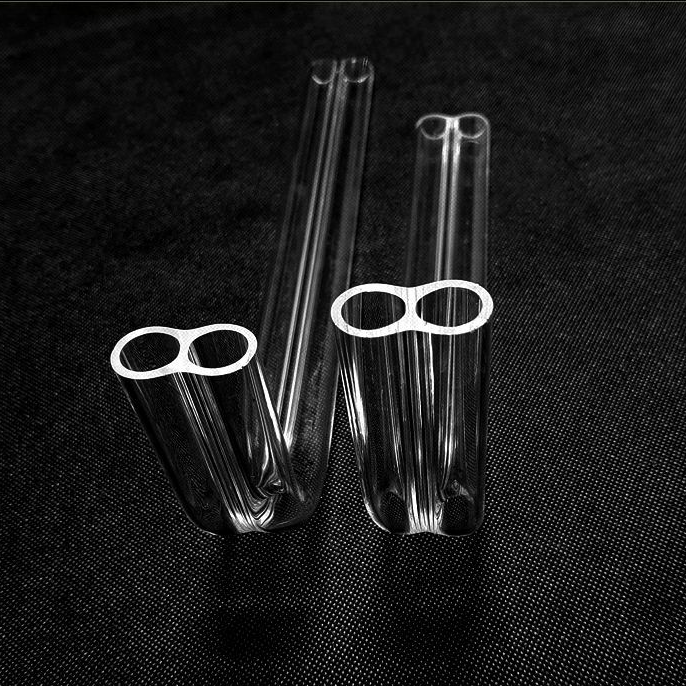
Fabricated under ISO 9001 and TÜV Rheinland-verified protocols from Donghai crystalline sand. High-purity opaque, translucent, and optical clear quartz engineered to withstand up to 1450°C peak operational stress.

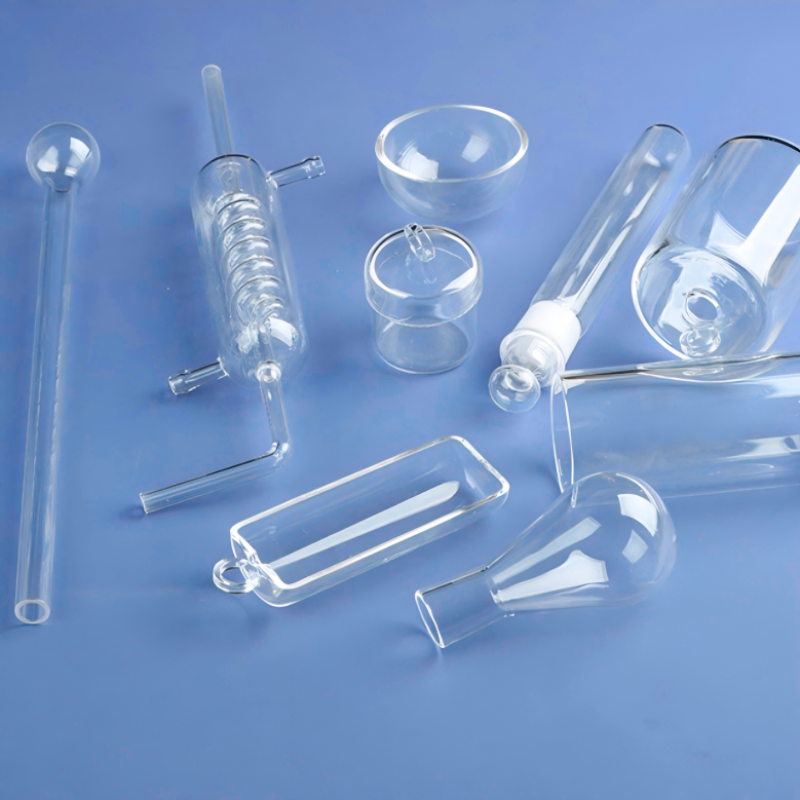

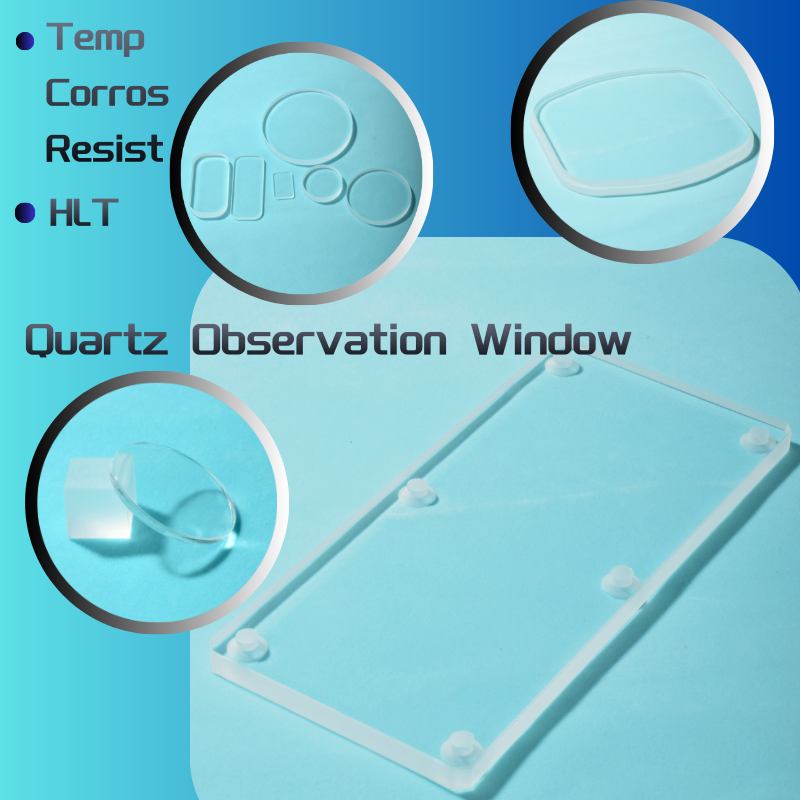
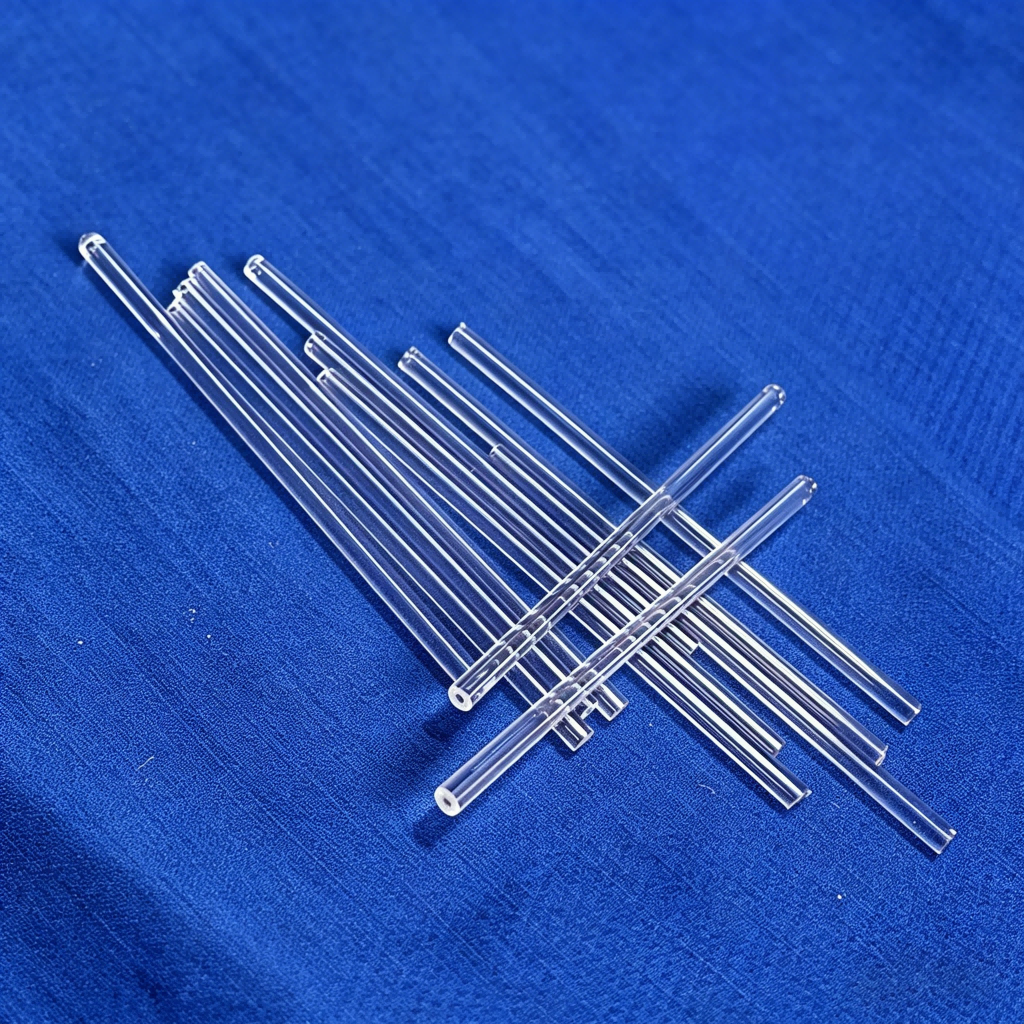

An in-depth exploration of sintered opaque fused silica (milky quartz) behavior under extreme thermodynamic gradients and reactive industrial environments in Eastern Europe.
Opaque quartz rods (frequently designated across Eurasian engineering documentation as milky quartz rods or sintered vitreous silica) represent a specialized structural branch of fused silica. Unlike optical-grade clear quartz, which relies on complete bubble evacuation, opaque quartz is deliberately engineered to contain a uniform, high-density dispersion of microscopic gas pores (typically 20 μm to 80 μm in diameter). This internal gaseous phase produces intense Mie scattering across the electromagnetic spectrum from 200 nm to beyond 4000 nm.
For industrial plant managers and technical directors in Minsk, this structural property translates into superior diffuse thermal reflectance. In furnaces operating above 900°C, radiant heat transfer dominates conduction. A solid transparent quartz rod conducts infrared radiation directly along its longitudinal axis through internal reflection, acting like a light pipe for thermal energy. In contrast, an opaque quartz rod blocks axial radiation, transforming incoming infrared rays into scattered diffuse energy, thereby functioning as an unmatched high-temperature thermal barrier and insulation support.
The matrix base of our opaque quartz originates from Donghai County, China—globally renowned for exceptionally high-purity natural silica sand deposits. Using electrical arc fusion and rotary induction furnaces, crystalline silica is fused at temperatures exceeding 2000°C. Total residual metallic impurities (Fe, Al, Ti, Ca, Mg, Na, K, Li) are maintained strictly below 20 ppm, ensuring that devitrification (the high-temperature phase transformation of vitreous amorphous silica into crystalline cristobalite) is substantially delayed.
Devitrification is catastrophic in thermal processes because cristobalite undergoes an abrupt $\alpha \to \beta$ displacive phase transformation around 220°C to 270°C upon cooling, generating a 2.8% volume change that causes spalling and structural fracturing. Our vacuum-refined opaque rods, processed with controlled hydroxyl (OH⁻) content below 15 ppm, provide extended service life even during cyclic thermal operations between 1100°C and ambient room temperature in high-power casting foundries and vacuum sintering plants across the Minsk Industrial District.
| Physical / Chemical Property | Opaque Fused Quartz Rod (Milky) | Clear Fused Quartz Rod | Testing Standard / Basis |
|---|---|---|---|
| SiO₂ Content (Purity) | ≥ 99.99% – 99.995% | ≥ 99.999% | ICP-OES / X-Ray Fluorescence |
| Density | 2.05 – 2.18 g/cm³ (Micro-porous) | 2.20 – 2.21 g/cm³ | DIN EN ISO 1183-1 |
| Thermal Conductivity (at 1000°C) | 1.8 – 2.2 W/(m·K) (Axially Blocked) | 3.8 – 4.5 W/(m·K) (Radiative Conduction) | Laser Flash Method (ASTM E1461) |
| Coefficient of Thermal Expansion (20-1000°C) | 5.4 × 10⁻⁷ / K | 5.5 × 10⁻⁷ / K | Dilatometry (DIN 51045) |
| Softening Point | ≈ 1680 °C | ≈ 1683 °C | Viscometric Dilatometry |
| Infrared (IR) Attenuation Ratio | > 92% (Diffuse Back-Scattering) | < 8% (High In-line Transmission) | Spectrophotometry (0.8 - 4.5 μm) |
| Compressive Strength (20°C) | ≥ 850 MPa | ≥ 1100 MPa | Hydraulic Loading (ISO 604) |
| Dielectric Strength (20°C, 1MHz) | 25 – 35 kV/mm | 30 – 40 kV/mm | IEC 60243-1 |
Tailored engineering adaptations serving microelectronics foundries, opto-mechanical plants, and heavy metallurgical enterprises situated across Belarus and the Greater Minsk Special Economic Zone.
Essential for production lines resembling those at Integral Holding and semiconductor tool builders. Opaque quartz rods are machined into wafer carrier support struts, thermocouple wells, and diffusion tube end-baffles where trace metal contamination must remain below sub-ppm thresholds while insulating hot processing zones.
Designed for defense-grade optomechanical facilities such as BelOMO Holding and high-precision instrument labs. Opaque quartz rods function as zero-expansion thermal decoupling posts, laser flash-lamp radiation dampers, and structural isolators inside high-power laser cavities subjected to rapid thermal transitions.
Critical for automotive and heavy vehicle complexes including MTZ (Minsk Tractor Works) and MAZ engine casting plants. Sintered opaque quartz rods serve as disposable and semi-permanent molten steel immersion pyrometer sleeves, stopper rods, and slag-resistant induction furnace stirring stems.
Supplying the National Academy of Sciences of Belarus (NASB), BSU chemical labs, and plasma research institutes. Deployed as reactor tube core baffles, CVD gas dispersers, and microwave digestion thermal isolation pins requiring exceptional chemical inertia against aggressive halides.
Analyzing geopolitical restructuring, Eurasian logistics integration, and the rise of direct China-Belarus industrial supply partnerships.
Belarusian high-tech and metallurgical manufacturers historically procured engineered quartzware from Western and Central European fabricators. Ongoing supply restrictions and tariff barriers have expedited a permanent strategic shift toward top-tier Chinese manufacturers capable of supplying equivalent chemical purity (99.999%) and stricter machining tolerances under drawing-based OEM contracts.
The China-Belarus Industrial Park "Great Stone" (located adjacent to Minsk National Airport) has established a robust, streamlined customs and regulatory highway. Bilateral customs clearance, bonded warehousing, and simplified tariff classifications facilitate rapid transit of custom high-purity quartz goods directly from Jiangsu Donghai to the Minsk logistics hubs without third-country intermediary delays.
Unlike fragile sea cargo navigating multiple transshipment ports over 45 to 60 days, direct China-Europe Railway Express trains (originating in Chinese freight centers and connecting to the Minsk-Kolyadichi freight terminal) deliver fragile quartz consignments in 12 to 16 days. Reinforced crating protocols eliminate transit vibration damage, maintaining supply chain predictability for production-critical foundries.
Direct answers addressing technical specifications, Eurasian Economic Union conformity, custom tolerances, and freight security.
Rooted at the core of the world's crystal supply chain in Donghai County, China, delivering verified industrial precision to global high-tech sectors.
Located in the heart of Donghai's crystal and silica corridor. Direct quarry partnerships guarantee access to low-iron, high-purity natural silica sand, securing stable material costs and uncompromised structural purity for high-volume orders.
Our production premises, testing facilities, and trade operations have been comprehensively audited and authenticated on-site by TÜV Rheinland. Full CE marks, RoHS compliance, and ISO 9001 certified QA workflows govern every production run.
Comprehensive in-house fabrication spanning computerized wire-sawing, diamond grinding, ultrasonic core drilling, CNC lathe flame-bending, arc-fusion welding, high-temperature annealing furnaces, and class-10,000 cleanroom acid-pickling baths.
Every consignment of opaque and clear quartz products undergoes rigorous dimensional laser inspection, spectrophotometric transmission checks, and thermal shock validation (1100°C water quenching tests) accompanied by full batch traceability.
Submit your technical CAD drawings, component specifications, or prototype requirements. Our materials science engineers will deliver an exhaustive feasibility review, tolerance verification, and competitive CIF/FCA quotation within 12 hours.
Get a Quote