Precision Quartz Bell Jars & Complementary Processware
Direct factory supply from our Donghai crystal manufacturing hub. Every quartz bell jar, vessel, and furnace assembly is verified for thermal shock tolerance up to 1450°C, optical homogeneity, and mechanical integrity under ultra-high vacuum conditions.
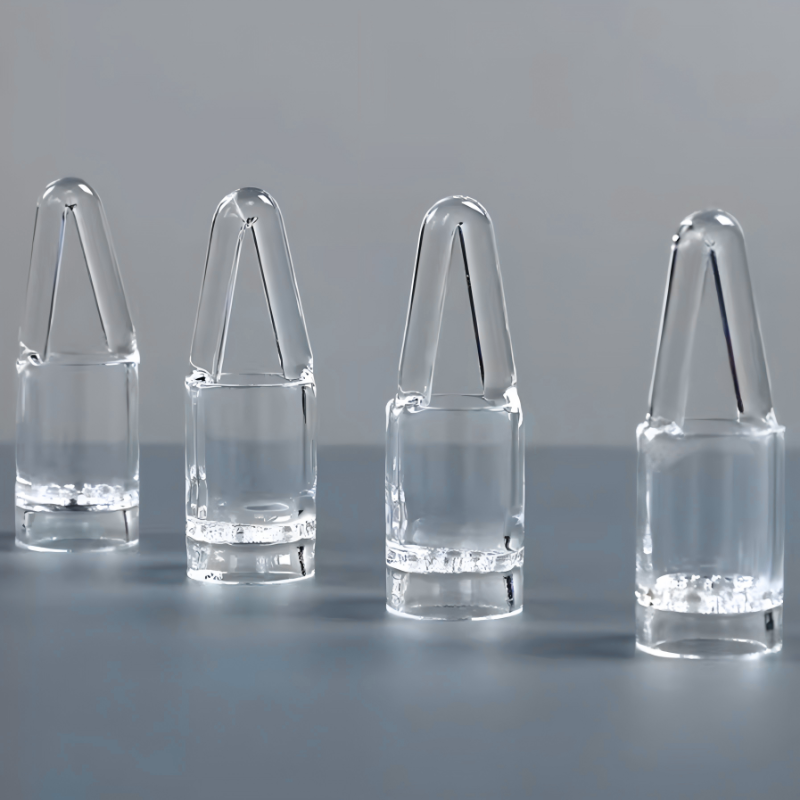
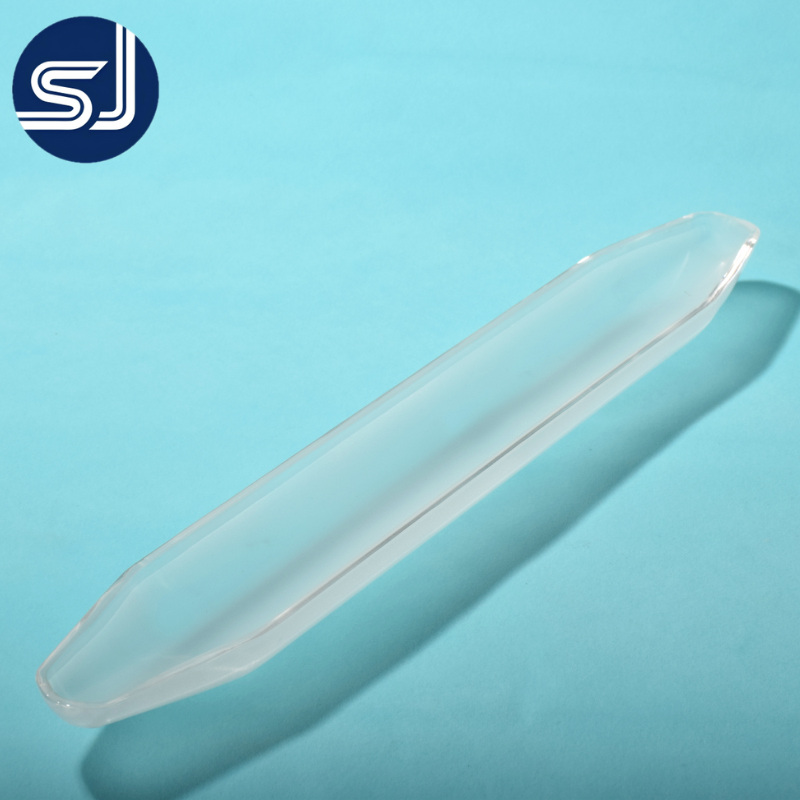
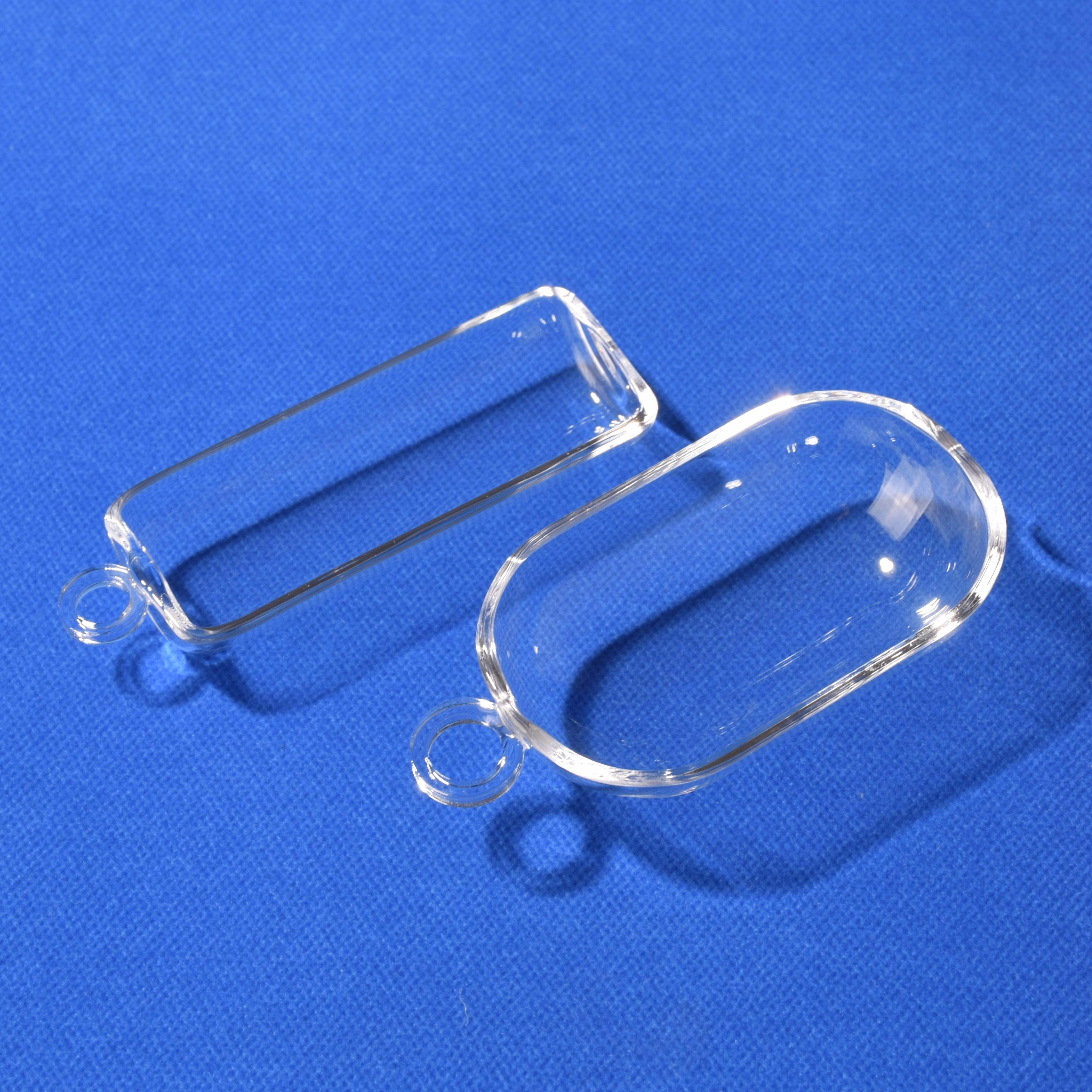

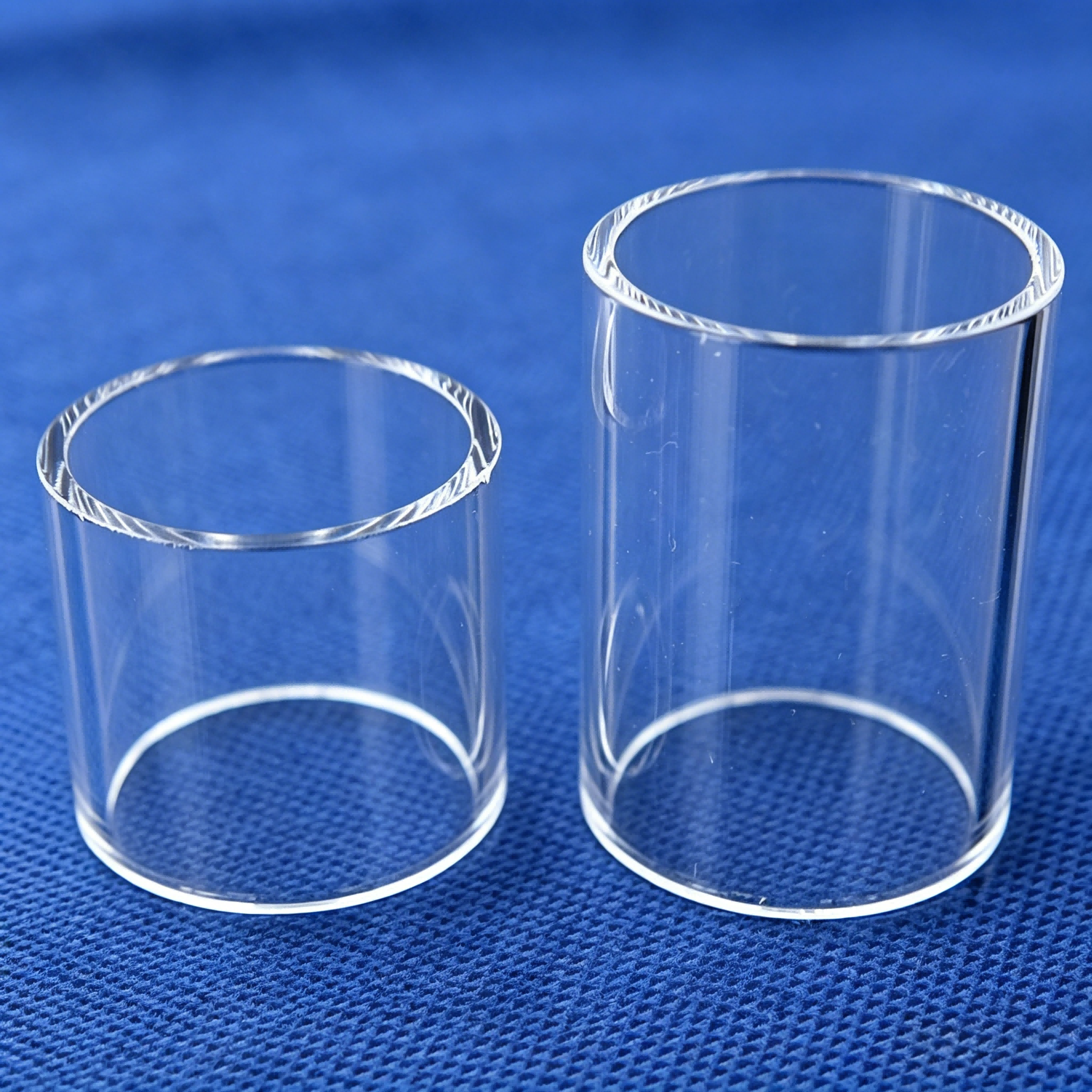
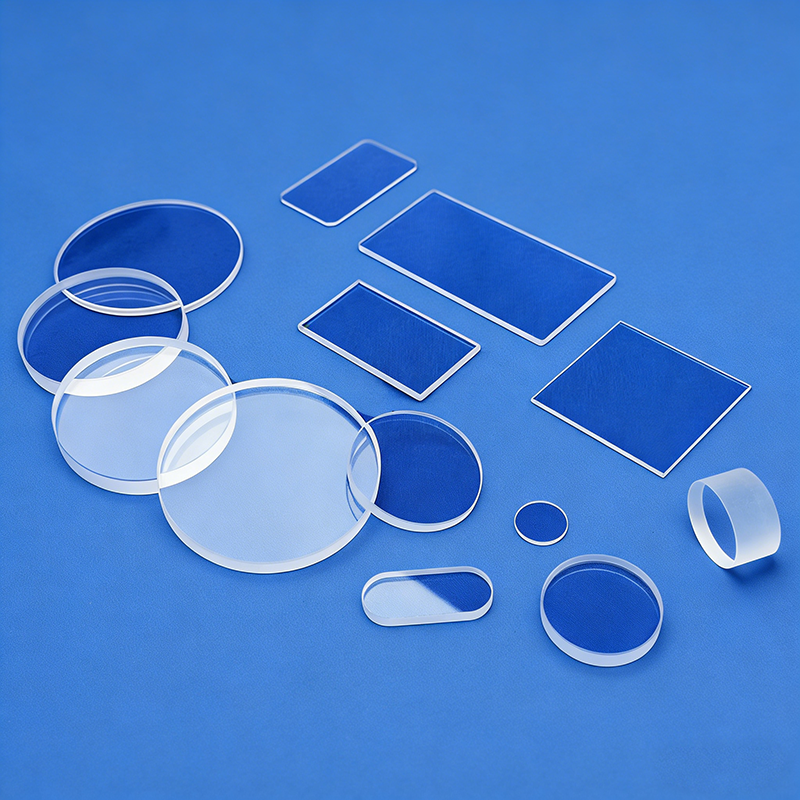
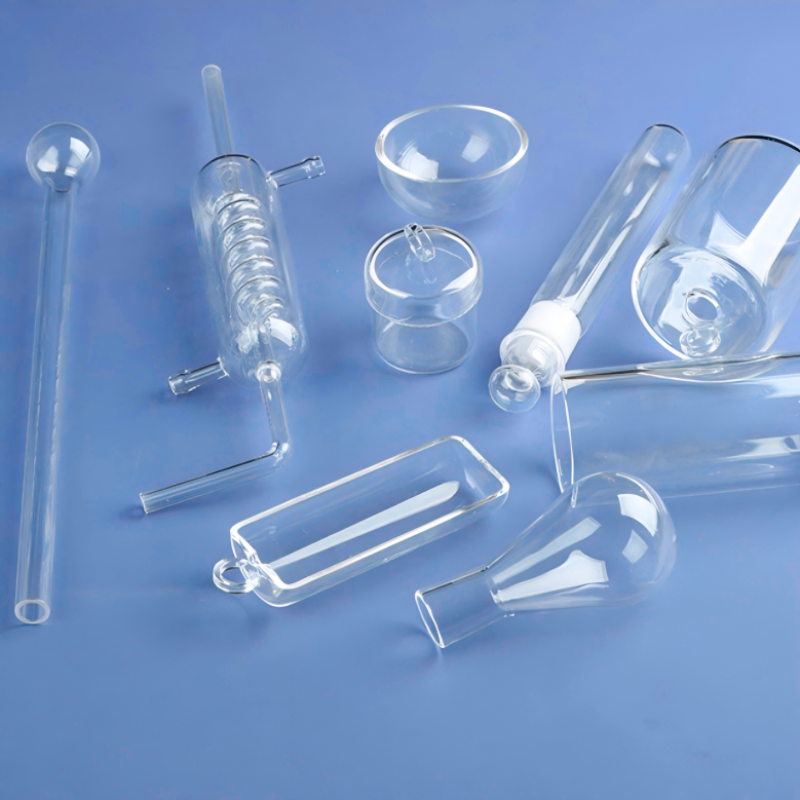
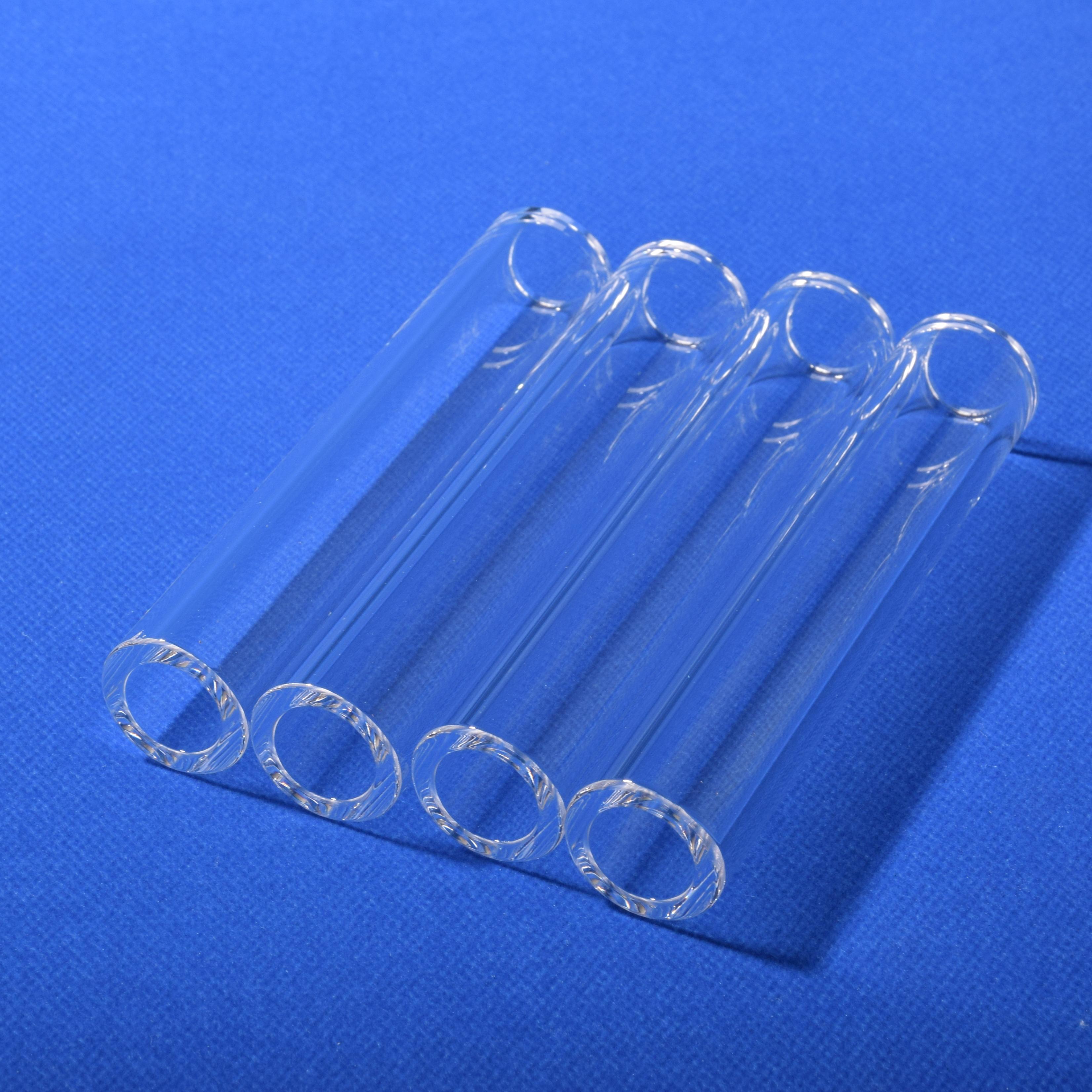
1. The Engineering Architecture of High-Purity Quartz Bell Jars
In high-vacuum thermal processing, thin-film deposition, and reactive gas vapor phase synthesis, the physical containment vessel is not merely a passive cover; it is a critical thermodynamic and structural component. Vulra Quartz (Lianyungang Vulra Quartz Products Co., Ltd.) manufactures CE-certified fused silica and natural quartz bell jars specifically optimized for ultra-high vacuum (UHV) regimes down to 10⁻⁷ Torr and working process temperatures exceeding 1100°C continuous service.
Manufactured using purest silica sand derived from China's primary quartz nexus in Donghai County, our quartz bell jars exhibit an exceptionally low thermal expansion coefficient (α = 5.5 × 10⁻⁷ /°C between 20°C and 1000°C). This thermal shock resistance allows experimental and production cycles to ramp through severe thermal gradients without risk of catastrophic brittle failure or structural micro-fracturing—an essential guarantee for industrial labs running volatile chemical vapor deposition (CVD), plasma-enhanced etching (PECVD), and rapid thermal annealing (RTA).
Key Material Specifications vs. Industrial Requirements
Unlike borosilicate glass, which softens around 500°C–550°C and releases trace sodium, boron, and alkali ions under intense heating, our synthetic and electric-fused quartz glass retains structural rigidity up to its transformation point of 1075°C and softening boundary of 1683°C. The absence of volatile metallic impurities prevents cross-contamination in semiconductor wafer doping, optoelectronic substrate synthesis, and battery material sintering.
| Physical / Chemical Property | Standard Electric Fused Silica | Semiconductor Grade (SJ-High Purity) | Operational Value for Mexico City Labs |
|---|---|---|---|
| SiO₂ Purity Level | ≥ 99.99% | ≥ 99.999% (<10 ppm metallic impurity) | Eliminates contamination in thin film sputtering |
| Working Temp (Continuous) | 1100°C | 1150°C (peaks up to 1450°C) | Thermal stability during prolonged annealing |
| Softening Point | 1683°C | 1710°C | Maintains chamber seal under high vacuum load |
| Tensile Strength | 48 N/mm² | 52 N/mm² | High mechanical resistance to implosion forces |
| Optical Transmittance (UV-Vis) | > 85% at 254nm - 1100nm | > 92% (Optical bubble-free grade) | Direct pyrometry & laser diagnostic observation |
| Base Flange Tolerance | Ground Flat ±0.10mm | Micro-Lapped Flat ±0.03mm | Hermetic vacuum seal on Viton/fluorocarbon rings |
Atmospheric Pressure Consideration for Mexico City High Altitude:
At Mexico City's mean elevation of 2,240 meters above sea level, the baseline atmospheric barometric pressure averages roughly 585 mmHg (0.77 atm / 78 kPa), approximately 23% lower than sea level baseline pressure (101.3 kPa). This differential alters external delta pressure on vacuum vessels and influences thermal dissipation convection rates around air-cooled quartz bell jars. Our engineering team custom-calculates wall-thickness-to-diameter ratios (t/D ratio ≥ 0.035 for broad bell shapes) to guarantee safe vacuum margins against implosion while ensuring accelerated radiative cooling in thin-atmosphere operational conditions.
2. Localized Industrial & Scientific Applications Across the Valley of Mexico
The Metropolitan Zone of the Valley of Mexico (ZMVM), spanning the central boroughs of CDMX, industrial parks in Tlalnepantla, Naucalpan, Vallejo, Cuautitlán Izcalli, and extending southward into Cuernavaca and northward into Querétaro, represents Mexico's most concentrated cluster of precision engineering, advanced materials research, and electronics prototyping. Vulra Quartz serves as a premier OEM/ODM supplier delivering CE-marked quartz bell jars tailored to four primary industrial verticals across this region:
Semiconductor & MEMS R&D
Institutes such as UNAM (Instituto de Física, IIM-UNAM) and CINVESTAV-IPN Unidad Zacatenco rely on high-purity quartz bell jars for physical vapor deposition (PVD), thermal resistive evaporation, and electron-beam lithography deposition. Our low-bubble, optically polished domes permit unhindered quartz crystal microbalance (QCM) monitoring and uniform layer growth down to atomic thicknesses.
Automotive Sensor Metallization
With Tier 1 and Tier 2 automotive component manufacturers located in Toluca, Lerma, and Cuautitlán supplying global electric vehicle (EV) programs, our quartz vacuum bell jars serve in batch vacuum aluminizing and protective anti-reflective lens coating for head-up displays, LiDAR windows, and silicon-based engine sensors.
Photovoltaic & Perovskite Synthesis
Clean technology initiatives at UAM (Iztapalapa, Azcapotzalco) and renewable energy start-ups in central Mexico utilize closed-dome quartz reactors for perovskite thin-film solar cell sublimation. High UV-transmittance enables external in-situ photo-excitation during vapor-phase reaction without opening the high-integrity vacuum chamber.
Industrial Vacuum Brazing & Metallurgy
High-reliability aerospace components processed in the Querétaro-Mexico City manufacturing corridor demand fluxless vacuum brazing of titanium and superalloys. Transparent quartz bell jars enable direct pyrometric optical temperature tracking while preventing furnace oxidation under high-vacuum inert gas purge.
Analytical Spectrometry & Plasma Enclosures
Industrial testing laboratories and quality verification centers throughout CDMX require ozone-free or synthetic transparent quartz envelopes for inductively coupled plasma (ICP) torches, microwave digestion reaction vessels, and sample degassing bell chambers operating under severe acid vapors.
Custom Drawing-Based OEM Replacements
Many Mexican university labs and processing facilities operate legacy equipment (such as Edwards, Denton Vacuum, or Balzers systems) where OEM glass domes have fractured or become etched. Vulra Quartz manufactures drop-in quartz bell jar replacements with customized base flanges and ground lip seals precisely matching vintage baseplates.
3. Nearshoring Momentum & The Evolution of Quartz Ware Sourcing in Mexico
Under the framework of the United States-Mexico-Canada Agreement (T-MEC / USMCA), Mexico is undergoing a monumental industrial transformation driven by nearshoring. Semiconductor packaging test lines, medical sensor fabrication, defense-aerospace electronics, and advanced cleanroom operations are establishing manufacturing footprints within Central Mexico and the Bajío zone. This trend has placed unprecedented demands on local supply chains for high-specification consumables, where fused quartzware serves as a vital component.
Mitigating Supply Chain Bottlenecks for Mexican Importers
Historically, procurement directors in Mexico City were forced to source custom quartz chambers through US-based distributors, leading to marked price markups (often exceeding 150%–300%) and lead times stretching from 16 to 24 weeks. By establishing direct factory relationships with Vulra Quartz in Donghai, China, enterprises and academic procurement departments in CDMX secure significant strategic advantages:
- Direct Drawing-Based Engineering: Elimination of intermediaries ensures direct communication with hot-working and cold-machining master technicians, cutting cycle design time from weeks to hours.
- Full T-MEC & International Compliance: Our factory provides certified Certificates of Analysis (COA), CE conformity declarations, RoHS hazardous substances testing documentation, and TÜV Rheinland assessment reports required by Mexican SAT customs auditors.
- Optimized Logistics Pipelines: From Qingdao or Shanghai port, sea-freight consolidations arrive at Mexico's Pacific ports of Manzanillo or Lázaro Cárdenas within 18–22 days, followed by direct bonded transport to Pantaco customs terminal in Mexico City. For rush prototype requirements, air-cargo delivery to Felipe Ángeles International Airport (NLU) or Benito Juárez (MEX) arrives within 5 to 7 business days.
Furthermore, as Mexican plants modernize toward Industry 4.0 standards, thermal processes are adopting computerized optical monitoring. The high homogeneous purity of our quartz bell jars ensures optical clarity across both deep ultraviolet (DUV) and near-infrared (NIR) spectra, allowing infrared thermography cameras to accurately measure substrate temperatures without wall refraction distortion.
Direct Manufacturing Strengths From Donghai Crystal Base
Combining natural raw mineral purity with advanced flame-lathe manipulation, precision CNC grinding, and certified European compliance.
TÜV Rheinland Assessed
Our complete factory facilities, equipment capacity, and quality management systems in Jiangsu Donghai Economic Zone are rigorously audited and verified on-site by TÜV Rheinland.
CE & RoHS Certifications
Full CE-marking conformity across our quartz tube, plate, crucible, and bell jar product lines, guaranteeing compliance with European safety criteria and Mexican NOM standards.
1-Piece Prototype OEM
We do not restrict custom engineering behind prohibitive minimums. Most bespoke bell jars, custom flange geometries, and specialized ports start from a single piece (MOQ 1 PC).
Export Shockproof Packaging
Multi-layer EPE foam suspension, moisture barriers, and custom fumigated plywood structural crates ensure delicate quartz arrives in Mexico City undamaged via air or sea.
4. Frequently Asked Questions (FAQ) for Mexican Buyers
Procuring specialized scientific quartz glass across international borders requires clarity regarding mechanical parameters, customs clearance, and thermal maintenance. Here are the core questions handled by our international engineering desk:
How does Mexico City's high altitude affect quartz bell jar vacuum design?
Because Mexico City sits at ~2,240m altitude with barometric air pressure around 78 kPa (vs 101.3 kPa at sea level), the external crushing pressure under full vacuum is marginally lower. However, radiative heating and thermal conduction through thin air are reduced. We specify slightly thicker dome walls and precise micro-lapped base flanges to ensure Viton or fluoroelastomer gaskets seat evenly without localized shear stress points.
Can you manufacture quartz bell jars from custom CAD / STP drawings?
Yes. Send your 2D PDF blueprints with geometrical tolerances or 3D STEP/IGES models directly to our technical team. We inspect flange flatness, dome wall thickness uniformity, lifting eyehook or top handle safety loads, and port angle alignments before preparing a complete DFM (Design for Manufacturability) report.
What documentation is provided for Mexican Customs (SAT) clearance?
We provide full commercial documentation matching Harmonized Tariff Schedule (HTS) code 7017.10 (Laboratory, hygienic or pharmaceutical glassware of fused quartz or other fused silica). This includes formal Commercial Invoices, Packing Lists with net/gross weights, Certificate of Origin, Mill Test Chemical Analysis Certificates, and CE conformity sheets to ensure hassle-free entry via Mexican customs agents.
What is the difference between standard clear fused quartz and synthetic fused silica?
Standard clear fused quartz is created by high-temperature electric melting of natural pure quartz crystal sand (99.99%+ SiO₂). It is the industry standard for thermal bell jars, tubes, and crucibles operating up to 1100°C. Synthetic fused silica is produced via chemical vapor deposition of silicon gas precursors, achieving 99.9999% purity with virtually zero metallic elements and supreme UV transparency down to 193nm—recommended for excimer laser systems and the most critical semiconductor layers.
How are fragile oversized quartz bell jars packed to avoid breakage during transit?
Every bell jar is thoroughly acid washed, rinsed with deionized water, dried, and vacuum sealed inside cleanroom dust barrier plastic. The unit is then suspended inside custom-molded high-density Polyethylene foam within double-wall cartons, which are encased in engineered, ISPM-15 fumigated shock-absorbent wooden crates fitted with tip-and-tell shock indicator sensors.
How do we maintain and clean quartz bell jars after thin-film metal evaporation?
To strip deposited gold, aluminum, chromium, or oxide coatings without damaging the quartz substrate, we recommend a controlled acidic bath (such as dilute aqua regia or nitric acid for metals). Never clean with hydrofluoric acid (HF) or strong hot alkalis unless performing controlled etching, as they attack the SiO₂ glass matrix and create localized micro-fissures that compromise vacuum strength.
Request an Engineering Review & Quotation for Mexico City
Whether you require a one-off custom replacement bell jar for an academic cleanroom in Ciudad Universitaria or recurring batch supply for industrial vacuum coating lines in Cuautitlán, our production engineers are ready to evaluate your CAD files and technical tolerances.
Inquire Now