High-Precision Quartz Hardware for Analytical Testing
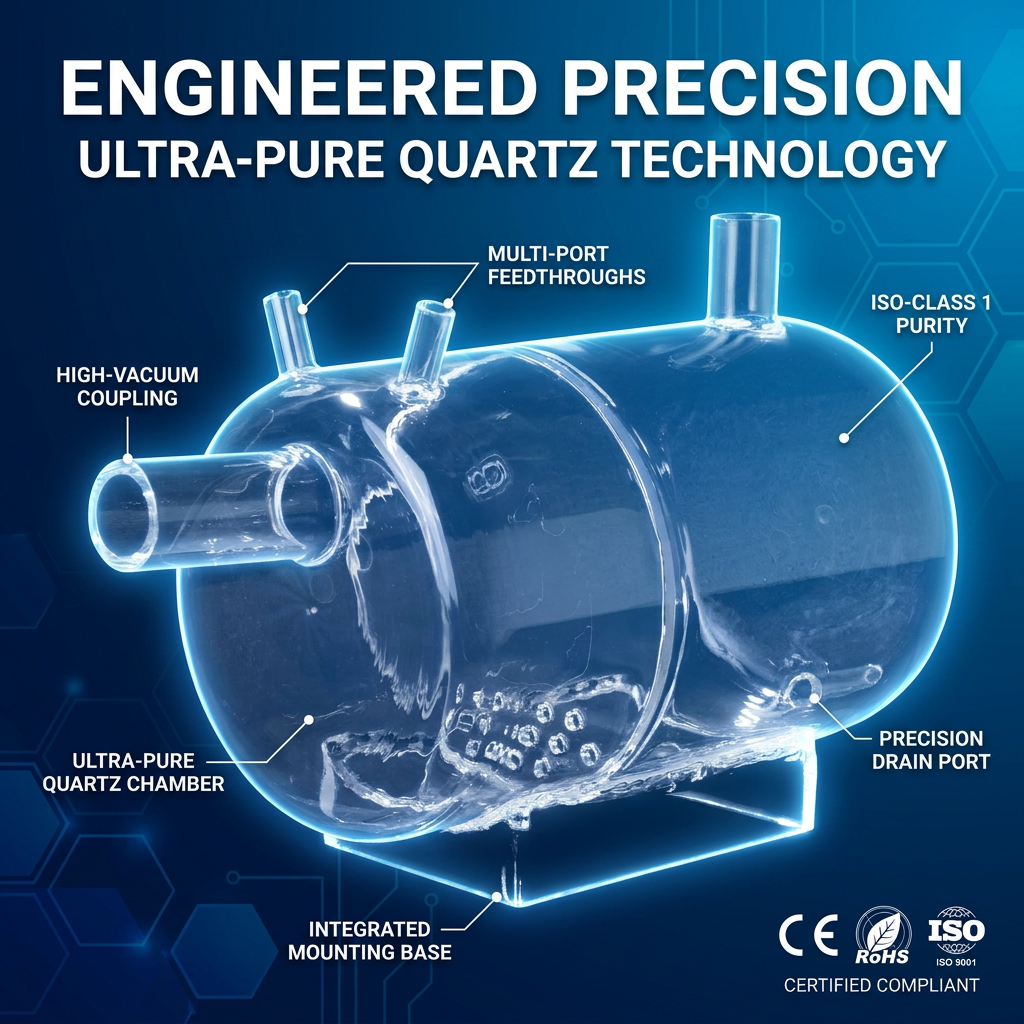
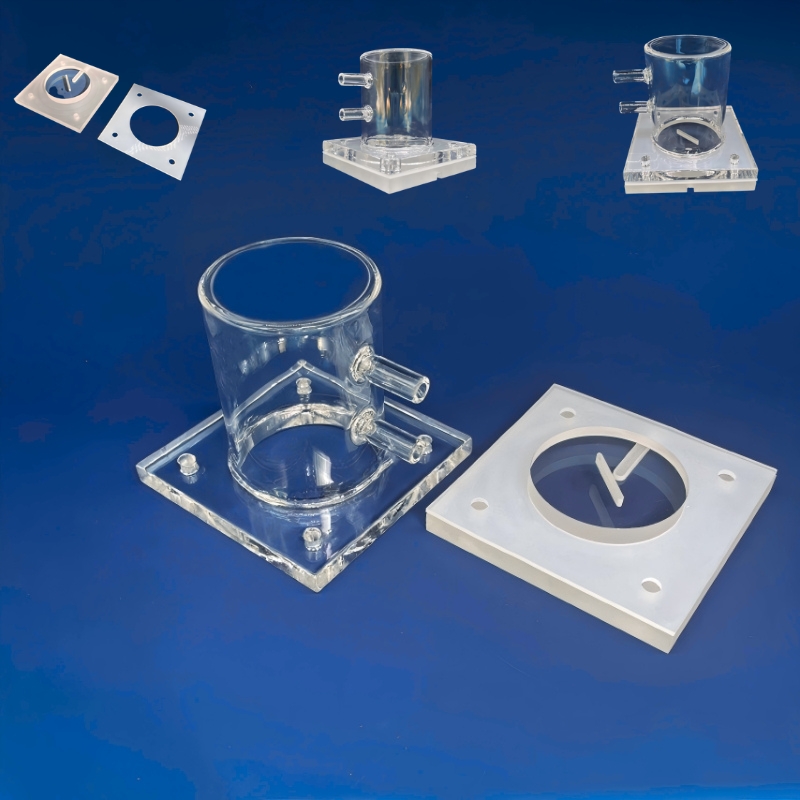
Engineered to withstand rigorous outgassing protocols up to 1100°C and cryogenic flash-quenching in liquid nitrogen. Explore our core standard and customized fused quartz configurations available for prompt export to Masaya and Central American facilities.

Critical Mechanics of Fused Quartz in Gas Adsorption Metrology
Why Brunauer-Emmett-Teller (BET) specific surface area and BJH mesopore distribution testing mandate semiconductor-grade fused quartz rather than conventional borosilicate glass.
Thermal Stability Across 1200°C Gradient
BET sample preparation demands high-temperature vacuum degasification (typically 300°C to 1050°C) to desorb atmospheric moisture and hydrocarbons without altering the adsorbent pore matrix. Standard borosilicate begins softening and deforming near 520°C, risking manifold collapse. Fused quartz features an annealing point of 1180°C and a softening threshold of 1683°C, permitting aggressive outgassing protocols for stubborn refractory oxides, activated chars, and volcanic pozzolana.
Zero Cryogenic Shock Devitrification
Analytical isotherms are captured under cryogenic conditions (77.3 K in liquid nitrogen or 87.3 K in liquid argon). The quartz sample cell transitions rapidly from an external heating mantle into an ultra-low temperature bath. Fused quartz exhibits an extraordinarily low coefficient of thermal expansion (CTE of 5.5 × 10⁻⁷ /°C), nearly twenty times lower than borosilicate. This eliminates tensile microfractures, prevents catastrophic cell implosion under high vacuum, and protects expensive multi-port manifold sensors.
Precision Calibrated "Cold Free Space"
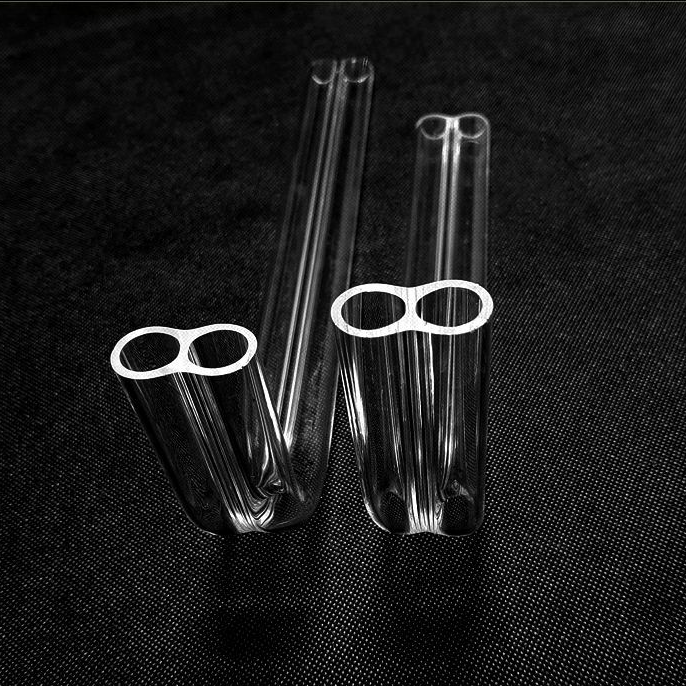
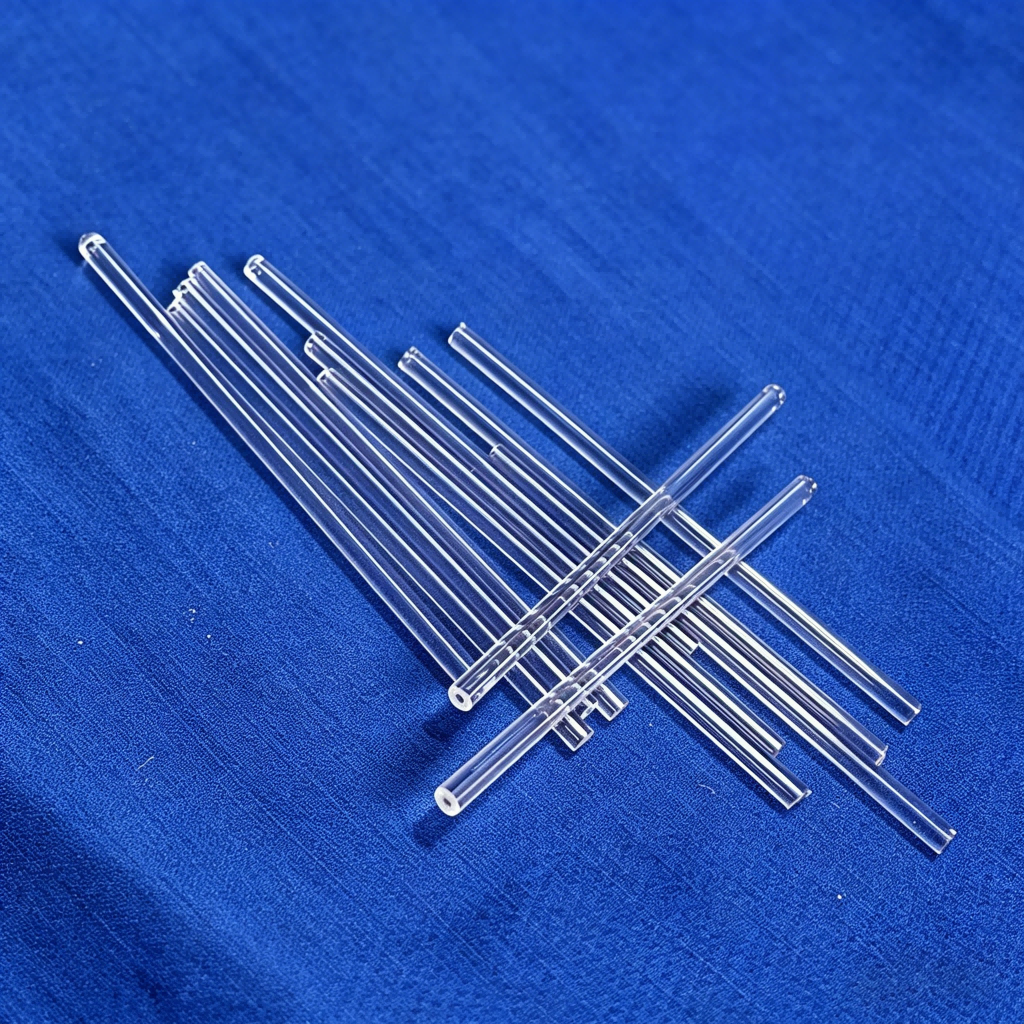
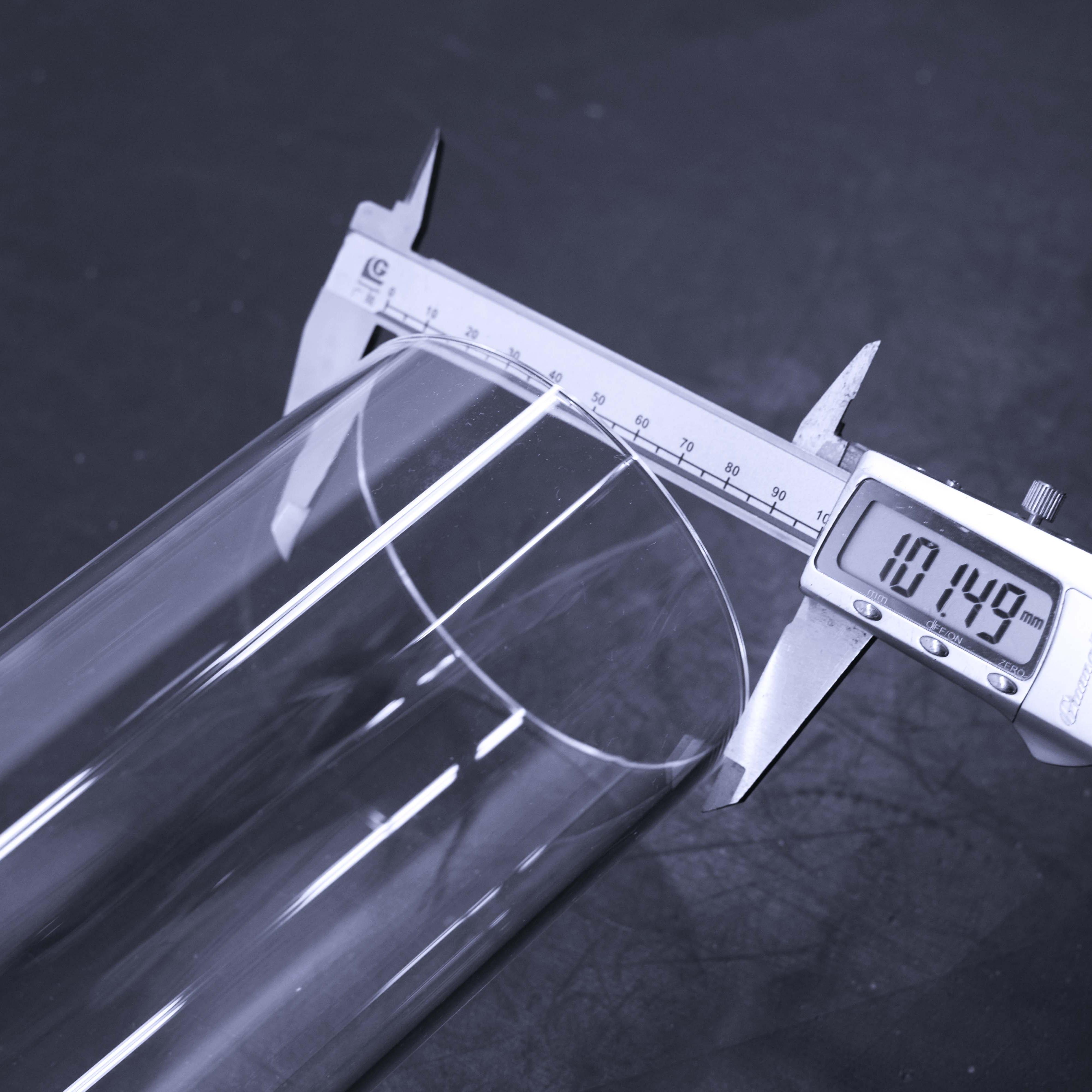
Accurate adsorption calculations rely on precise dead-volume (free space) calibration using non-adsorbing helium gas. Our BET quartz tubes are cold-drawn and hot-lathe calibrated to maintain inner diameter tolerances within ±0.05 mm and stem concentricity within 0.02 mm. This stringent dimensional consistency prevents volumetric drift between ambient and submerged zones, ensuring reproducible monolayer capacity (Vm) computations across low-surface-area catalysts.
Material Performance Matrix: Gas Adsorption Sample Cells
Laboratory Metric Comparison| Physical Property | Standard Borosilicate 3.3 | Vulra High-Purity Fused Quartz | Semiconductor Synthetic Silica |
|---|---|---|---|
| SiO₂ Chemical Purity | ~ 80.5% | 99.99% – 99.999% | ≥ 99.9999% |
| Thermal Expansion (0–300°C) | 3.3 × 10⁻⁶ /°C | 5.5 × 10⁻⁷ /°C | 5.2 × 10⁻⁷ /°C |
| Max Continuous Temp (Vacuum) | 450 °C | 1100 °C | 1150 °C |
| Softening Point | 820 °C | 1683 °C | 1730 °C |
| Helium Permeability Rate (20°C) | Moderate Risk | Ultra-Low (<10⁻¹⁰ cm³/s) | Negligible |
| Resistance to HF & Hot H₃PO₄ | Poor (Rapid Etching) | Acid Resistant (Excl. HF) | Acid Resistant (Excl. HF) |
| Thermal Shock Tolerance (ΔT) | ~ 150 °C | > 1000 °C Instant Drop | > 1100 °C Instant Drop |
Serving Masaya’s Mineral, Geothermal & Industrial Ecosystem
The Department of Masaya, positioned within Nicaragua’s active volcanic arc and dynamic industrial corridor, presents distinct material characterization demands. Our CE-certified BET test quartz tubes and auxiliary apparatus directly address local industrial and geochemical needs.
Volcanic Ash & Pozzolans
Masaya's geological proximity to active volcanic vents makes it a prime region for studying basaltic tephra, volcanic ash, and natural pozzolans used in low-carbon hydraulic cements. Determining the specific surface area and micropore fraction requires clean quartz cells resistant to corrosive sulfur and halogen volatiles desorbed during pre-test baking at 400°C–650°C.
Geothermal Reservoir Clays
Nicaragua's aggressive expansion into volcanic geothermal energy relies on analyzing the alteration of smectite, bentonite, and illite clay minerals from deep well drilling cores around the Masaya-Granada graben. BET gas sorption in quartz tube setups provides exact pore-throat sizing essential to evaluate reservoir caprock integrity and fluid migration.
Ceramic & Refractory Clays
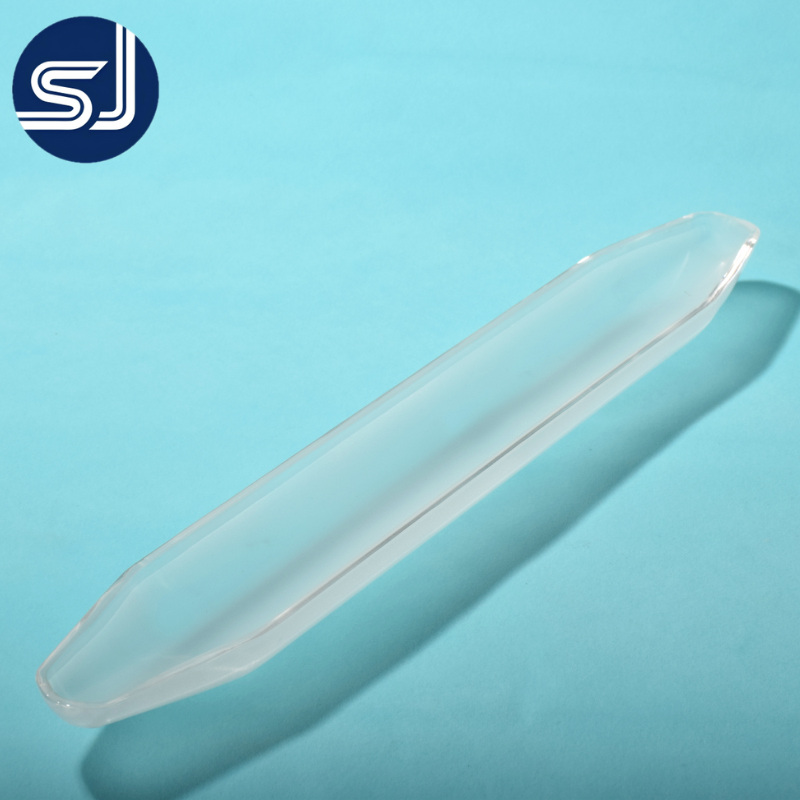
Masaya is widely recognized as the traditional and industrial craftsmanship heartland of Nicaragua. The modernization of local ceramics, brick factories, and refractory linings demands precise monitoring of grain size distributions and sub-micron sintering active areas to prevent cracking during firing, requiring durable laboratory-grade quartz boats and tubes.
Agricultural Adsorbents
Agricultural processing plants between Masaya, Tipitapa, and Managua utilize activated charcoal and biochar derived from coffee husks, sugarcane bagasse, and peanut shells for water filtration and soil amelioration. Multi-point BET surface area verification in quartz test bulbs guarantees compliance with international environmental standards.
Central American Testing Trends & Supply Chain Resilience
Analysis of laboratory modernization in Nicaragua and strategies to bypass long shipping cycles for specialized analytical quartz consumables.
Modernization of Academic & Civil Testing
Collaborative research initiatives involving national polytechnic universities (such as UNI and UNAN), geology departments, and commercial testing institutes in western Nicaragua have sparked increased demand for international-grade gas sorption apparatus. Instrument managers are actively migrating away from generic glassware to standardized, CE-certified quartzware that matches Micromeritics, Quantachrome, BELSORP, and Anton Paar port dimensions.
Decarbonization of Cement Aggregates
Regional construction manufacturers operating in the Masaya and Managua industrial corridors are optimizing supplementary cementitious materials (SCM). Replacing clinker with locally calcined volcanic ash requires high-throughput nitrogen adsorption testing to monitor specific surface area (m²/g), leading to continuous demand for replacement BET bulb stems, capillary stoppers, and quartz furnace tubes.
Specialized Packaging for Central American Transit
Exporting brittle, thin-walled precision glassware to Nicaragua requires robust packing techniques to withstand maritime container transit through Puerto Corinto or multimodal air freight into Augusto C. Sandino International Airport. We utilize custom-molded high-density PE foam nesting, rigid inner plastic tubing, and reinforced plywood crating to maintain zero-breakage rates.
Lianyungang Vulra Quartz Products Co., Ltd.
Headquartered at No. 9, Dingxin Road within the Jiangsu Donghai Economic Development Zone, Vulra Quartz operates at the epicenter of China’s crystal and silica capital. This unique industrial positioning gives us direct access to 99.999% high-purity natural silica sand deposits, enabling refined melt purity, consistent wall geometry, and industry-leading mechanical resilience.
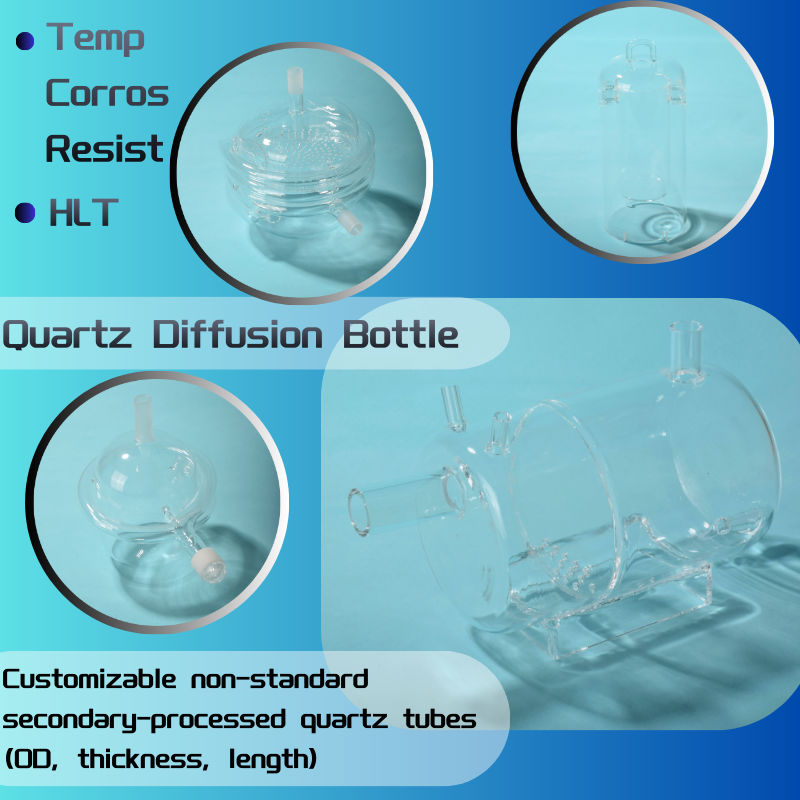
As a verified custom manufacturer assessed on-site by TÜV Rheinland, we maintain comprehensive hot and cold fabrication lines under one roof. Our glassworking master technicians handle oxy-hydrogen precision torch welding, automated CNC grinding, drilling, flame-polishing, and controlled annealing to eliminate residual internal stresses.
Audited Compliance & Credentials
Frequently Asked Questions by Laboratory Engineers
Practical technical answers to common queries raised by chemical analysts, purchasing directors, and mineralogists sourcing quartz glassware for Central American operations.