High-Purity Quartz Hardware for Analytical Instruments
Direct supply from Lianyungang Vulra Quartz to South Korean research facilities. Every product is calibrated for dimensional concentricity, minimum thermal devitrification up to 1100°C, and vacuum leak-tightness under 10⁻⁶ Pa.
Zero Helium Background & High-Temperature Outgassing
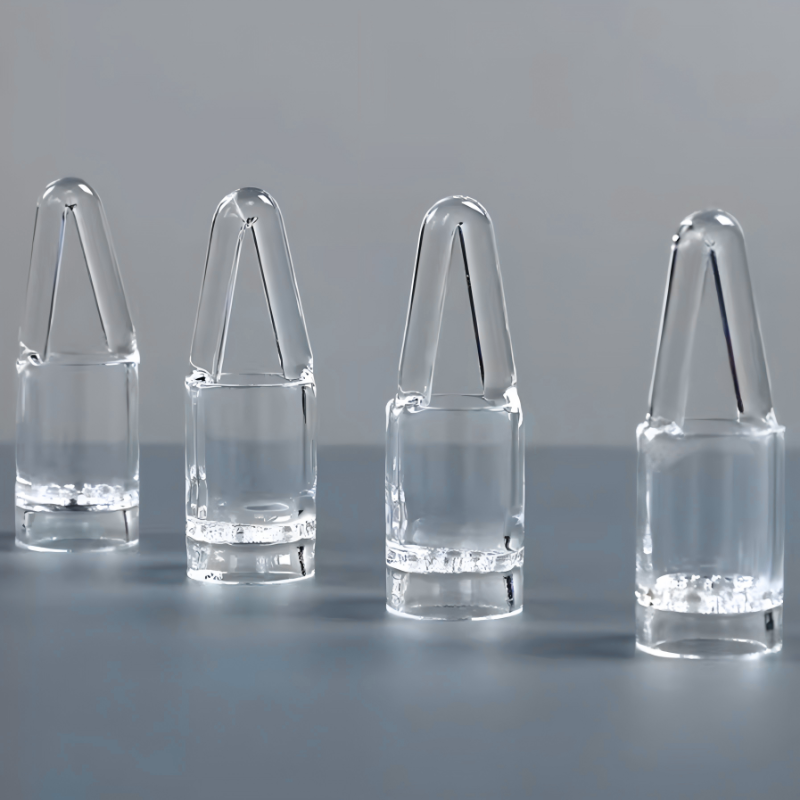
Standard borosilicate glass sample cells are inherently restricted to degas thresholds below 300°C due to structural sodium migration and structural softening under high vacuum. Vulra's fused quartz sample cells, refined from Donghai crystalline pegmatite ($SiO_2 \ge 99.999\%$), sustain thermal evacuation up to 1050°C. This enables total moisture, volatile organic, and coordinating solvent desorption from challenging materials like metal-organic frameworks (MOFs), synthetic zeolites, and ultra-high-nickel cathode precursors without sample cell deformation or hydroxyl outgassing contamination.
Cryogenic Shock Resilience: 77 K to 1323 K Cycle
BET nitrogen physisorption requires abrupt cyclic transitions between deep cryogenic conditions ($77\text{ K} / -196^\circ\text{C}$ in liquid nitrogen) and extreme thermal activation environments. With an ultra-low linear thermal expansion coefficient ($\alpha = 5.5 \times 10^{-7}\text{ K}^{-1}$ across the 20°C–1000°C spectrum), our precision-blown quartz bulb tubes eliminate the catastrophic micro-cracking and wall embrittlement that plague inferior fused silica, safeguarding the ultra-high vacuum manifold against catastrophic atmospheric leaks.
Calibrated Stem Geometry & Isothermal Boundary Control
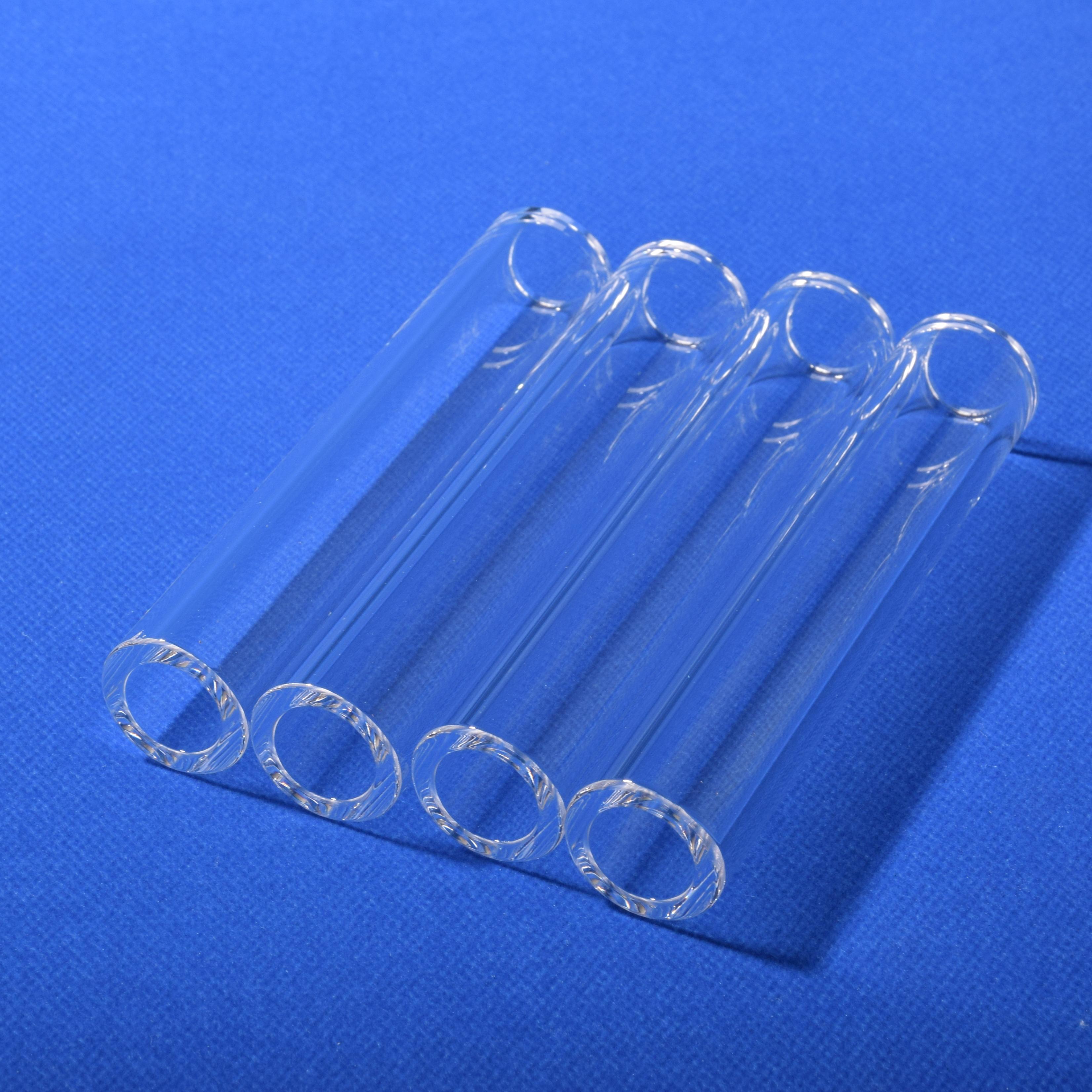
Manometric dead space determination relies on steady-state thermal gradients across the liquid nitrogen boundary. Vulra manufactures BET tubes with strict outer diameter (OD) and inner diameter (ID) tolerances within $\pm 0.05\text{ mm}$, accompanied by optical surface polishing along the stem. This precise geometry maintains a stable meniscus with isothermal jackets, suppressing thermomolecular pressure variance and ensuring non-ideality gas factor corrections remain mathematically exact.
| Performance Parameter | Commercial Borosilicate Glass 3.3 | Standard Laboratory Quartzware | Vulra Gwangju-Spec BET Quartz (SJ-Grade) |
|---|---|---|---|
| Purity ($SiO_2$ Content) | ~ 81.0% | 99.9% | ≥ 99.999% (Ultra-Trace Metal Content < 8 ppm) |
| Continuous Degassing Ceiling | < 320 °C (Structural sag risk) | ~ 900 °C | 1100 °C (Short excursions to 1450 °C) |
| Softening Point ($T_s$) | ~ 820 °C | ~ 1580 °C | 1683 °C (Highest Thermal Rigidity) |
| Thermal Expansion Coeff. ($\alpha$) | $33 \times 10^{-7}\text{ K}^{-1}$ | $5.8 \times 10^{-7}\text{ K}^{-1}$ | $5.5 \times 10^{-7}\text{ K}^{-1}$ (Immune to Cryogenic Shock) |
| Bore / Wall Uniformity | ± 0.25 mm (Broad variation) | ± 0.15 mm | ± 0.03 mm to ± 0.05 mm (Precision Ground & Polished) |
| Degas Outgassing Background | Elevated $Na^+, K^+, B_2O_3$ leaching | Low trace moisture | Zero baseline drift; Hydroxyl [OH] < 5 ppm option |
Precision Sorption Scenarios Across Gwangju & Honam Clusters
Gwangju has established itself as an epicenter for South Korea’s Green Energy New Deal, secondary battery supply chains, and advanced optoelectronic semiconductors. Here is how Vulra’s BET test quartz tubes serve prominent research and manufacturing hubs throughout the metropolitan ecosystem.
Next-Gen Secondary Battery Materials
Engineers characterizing high-nickel cathode active materials (NCM/NCMA), solid electrolytes, and silicon-carbon composite anodes require BET specific surface area repeatability down to $\pm 0.01\text{ m}^2/\text{g}$. Our 9mm and 12mm bulb cells prevent volatile electrolyte residues from binding to inner tube walls, enabling uncorrupted volumetric isotherms.
Advanced Nanoporous MOFs & Catalysts
Materials scientists at GIST developing Metal-Organic Frameworks (MOFs), Covalent Organic Frameworks (COFs), and single-atom catalysts rely on ultra-high temperature degassing (up to 600°C) under high vacuum ($10^{-5}\text{ Torr}$). Vulra's fused silica cells ensure zero thermal deformation during prolonged 24-hour desorption routines.
Optoelectronic Silica Precursors & VAD
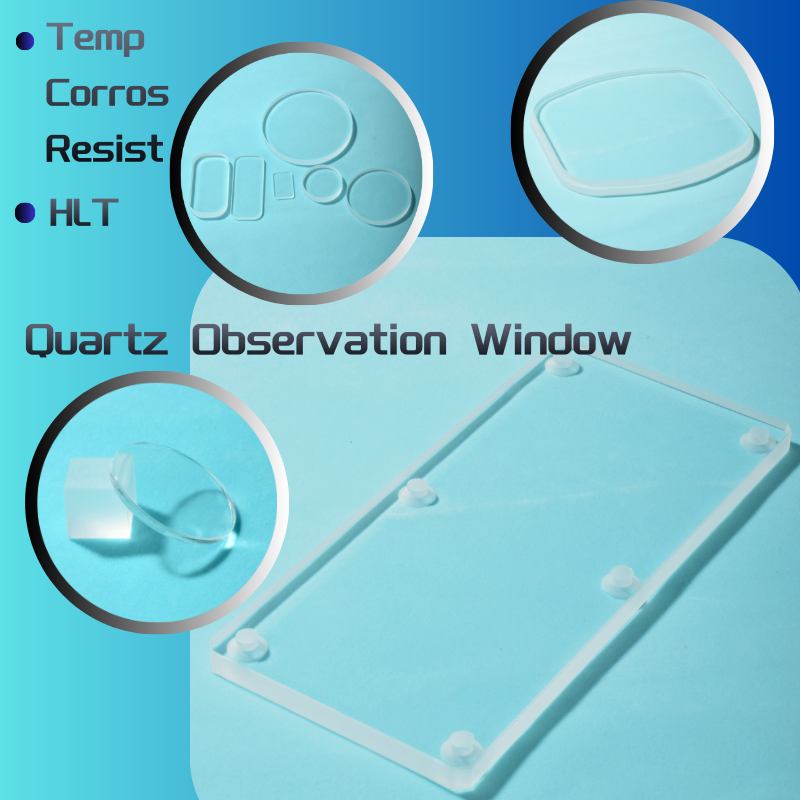
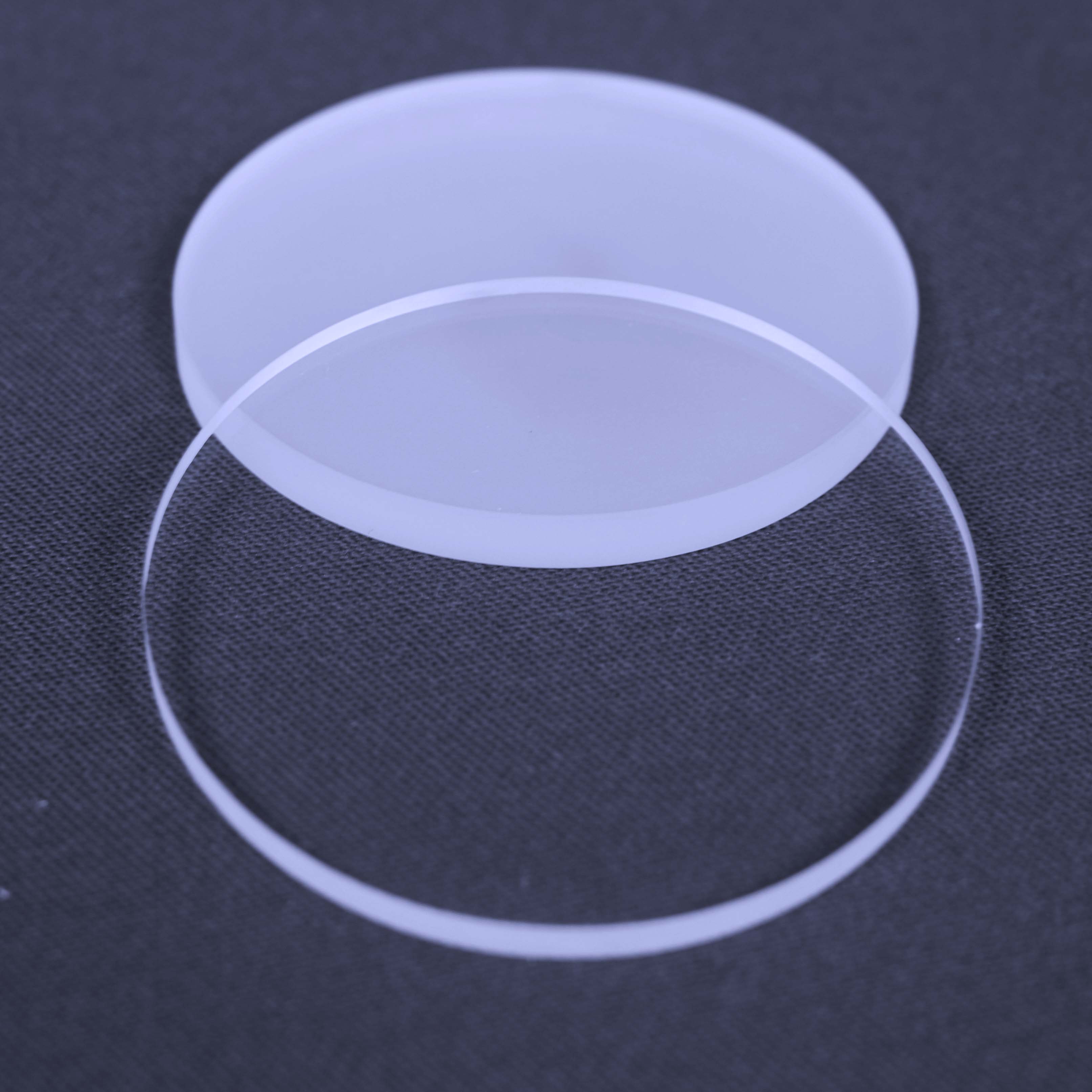
Optical fiber preform fabrication and UV laser optics characterization at the Korea Photonic Technology Institute (KOPTI) require zero-bubble quartzware. Our precision polished quartz plates and tubing provide certified transmittance across the deep ultraviolet and near-infrared bands.
Multi-Dimensional Surface Analysis
Supporting advanced metrology at the Korea Basic Science Institute (KBSI) Gwangju Center, our paired XRD sample holders and quartz flow cells allow seamless cross-correlative structural and volumetric surface analysis of air-sensitive battery materials without environmental contamination.
Emerging Analytical Glassware Trends in the Gwangju Ecosystem
The convergence of South Korea’s battery mega-clusters, AI-driven cleanroom manufacturing, and strict ESG chemical safety regulations has shifted the quartz procurement paradigm from commoditized glass to customized, engineered metrology hardware.
1. Transition to Ultra-High-Nickel & Dry Electrode BET Testing
With regional battery manufacturers expanding in the Honam corridor, cathode materials are transitioning to 90%+ Ni chemistries and dry-process coatings. These materials are exceptionally sensitive to ambient moisture and require rapid, high-temperature in-situ vacuum degassing. Consequently, Gwangju procurement teams are phasing out standard borosilicate cells, specifying $99.999\%$ high-purity quartzware exclusively to avoid background alkaline leaching during quality-control auditing.
2. Customized Dead-Space Reducer Inserts
As advanced materials yield lower sample mass availability (frequently <50 mg for exploratory nanomaterials), instrument dead space becomes a dominant source of measurement error. Gwangju labs are increasingly ordering custom-ground quartz rod filler inserts (isothermal glass displacers) manufactured to micron tolerances, reducing free-space volume in the cold zone by up to 65% and vastly improving micropore volume resolution.
3. Near-Shoring Supply Chains via Donghai-Incheon Maritime/Air Bridges
Historically, Korean research institutions faced 8 to 14-week lead times when purchasing replacement quartz cells from OEM instrument vendors in North America and Western Europe. Vulra Quartz’s strategic manufacturing corridor—shipping directly from our verified factory in Donghai via Qingdao/Lianyungang ports to Incheon and onward to Gwangju—reduces turnaround times to under 10 business days for custom drawing-based fabrications.
Why Gwangju Engineers & Buyers Choose Vulra Quartz
Combining primary crystal mining resources from Donghai County with rigorous German TÜV Rheinland-certified manufacturing workflows, we bridge high-volume industrial reliability with academic research precision.
Geographic Raw Material Superiority
Our processing facility is situated in the Jiangsu Donghai Economic Development Zone—the world-renowned crystal hub. We possess direct access to pristine silica sands with single-digit ppb elemental alkali metal impurities, preventing crystallization or devitrification under repeated 1000°C furnace cycling.
Integrated Hot Flame & Cold Precision Machining
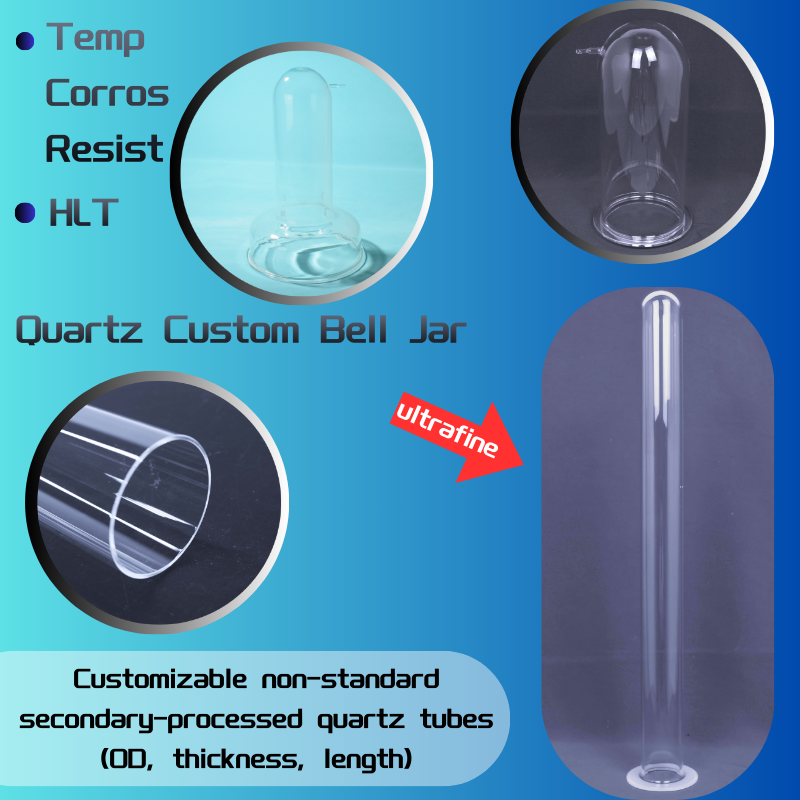
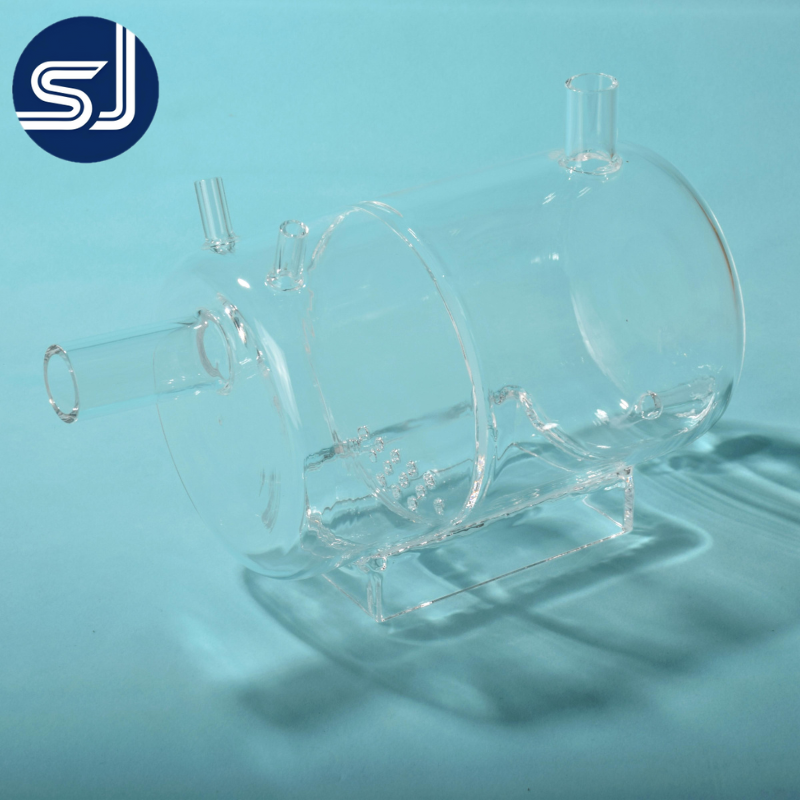
Unlike simple traders, Vulra hosts computerized glass-blowing lathes, diamond-blade cold cutting, surface lapping, precision ultrasonic drilling, and hydrogen-oxygen flame welding under one roof. Every BET bulb, flange joint, and vacuum taper is fabricated in-house to exact OEM or custom blueprint specifications.
Thermal Stress Annealing & Chemical Passivation
Welded quartz joints suffer from residual thermal stress that can rupture during liquid nitrogen immersion. Every Vulra test tube undergoes computer-controlled furnace annealing at 1150°C to eliminate micro-stress, followed by HF-acid decontamination and class-10,000 cleanroom DI-water ultrasonic rinsing before export packing.
Frequently Asked Questions by Gwangju Sourcing Teams
Direct technical answers addressing compatibility, Korean customs logistics, dead space calibration, and material performance specifications.
Are your quartz sample tubes fully compatible with Micromeritics, Quantachrome, and BELSORP instruments?
Yes. We manufacture BET tubes according to exact OEM mechanical interface specifications. Whether you operate a Micromeritics ASAP 2020 / 3Flex (requiring 1/2-inch or 3/8-inch precision stems), an Anton Paar Autosorb iQ (6mm or 9mm bulb/flat cells with specialized O-ring seals), or a MicrotracBEL BELSORP-max II, our stem outer diameter tolerances are strictly calibrated to ensure hermetic sealing with standard brass, Kalrez, and Viton ferrule assemblies.
How does Vulra guarantee zero breakage during air and ocean transit to South Korea?
Fragile quartz requires engineered packaging. Each BET test tube is cleaned, vacuum-sealed in dust-free PE protective film, encapsulated within custom-molded high-density EPE foam cradles, and isolated in heavy-duty triple-wall corrugated cartons or fumigated plywood export crates. Our damage claim rate on shipments to Incheon, Busan, and Gwangju is well below 0.2% over six consecutive years.
Can we provide custom 2D CAD or 3D drawings for proprietary reactor-coupled BET tubes?
Absolutely. Over 60% of our production volume consists of custom ODM/OEM designs. If your laboratory at GIST, KBSI, or Chonnam National University requires integrated thermocouple wells, quartz frit sample supports, high-vacuum stopcocks, or bypass bypass arms for in-situ chemisorption, send your PDF, DWG, or STEP drawings to our engineering team. We review thermal stress concentration risks and offer prototype batches starting from 1 piece.
What HS Code and customs compliance documents are supplied for Korean import clearance?
We routinely clear shipments into South Korea under Harmonized System Code HS 7017.10.0000 (Laboratory, hygienic or pharmaceutical glassware, whether or not graduated or calibrated, of fused quartz or other fused silica). We provide complete Commercial Invoices, Packing Lists, Certificates of Analysis (COA) specifying SiO₂ purity and metal impurities, and China-Korea FTA Certificates of Origin (Form C/O) for preferential duty rates.
Why is quartz mandatory over borosilicate for high-temperature catalyst pretreatment?
Zeolites, mixed-metal oxides, and supported catalysts frequently retain structural water or organic templates that require thermal desorptive activation at temperatures between 450°C and 850°C under vacuum or reducing gas flow ($H_2/Ar$). Borosilicate 3.3 begins viscous softening near 500°C and releases volatilized boric oxide and sodium ions that chemically poison active catalyst sites. Fused quartz ($SiO_2 \ge 99.99\%$) remains chemically inert and dimensionally rigid up to 1100°C.
What is the typical lead time for urgent prototype or repeat orders destined for Gwangju?
Standard BET bulb tubes (6mm, 9mm, 12mm stem diameters) are held in stock as pre-annealed blanks. Finished cut-to-length and precision fire-polished batches dispatch within 3–5 working days. Custom drawing-based orders typically require 7–10 working days. Shipments via express air logistics (DHL, FedEx, SF Express) reach Gwangju destinations within 2–4 days of factory dispatch.
Accelerate Your Surface Characterization Accuracy
Send your instrument specifications, replacement part numbers, or custom CAD blueprints. Our senior quartz processing engineers will review thermal gradients, dead-space minimization requirements, and provide a competitive factory-direct quote tailored for the South Korean research market.