Acid/Alkali Res.
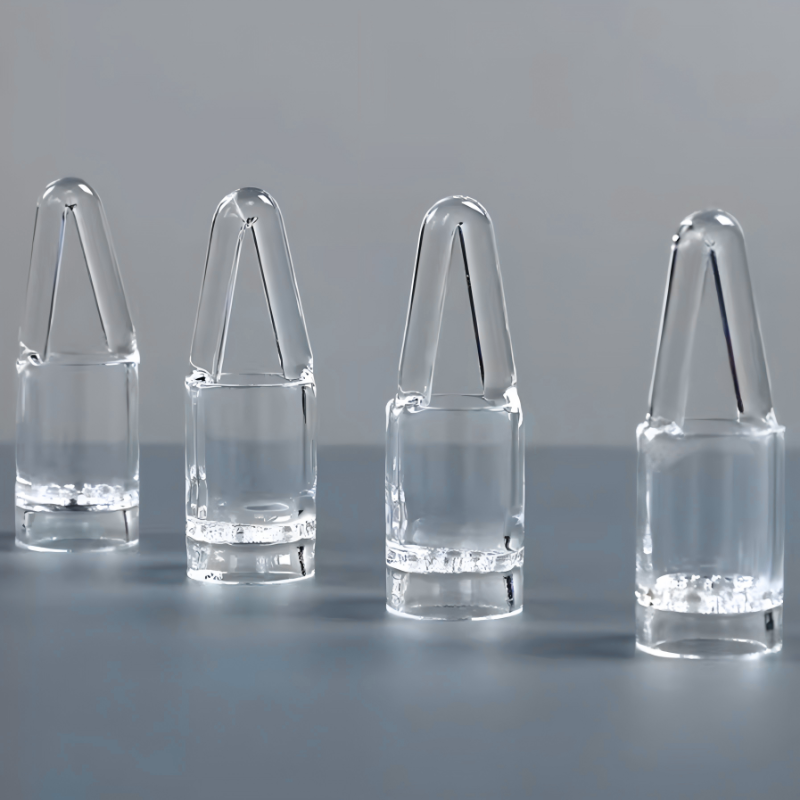
Quartz Crucible Acid/Alkali Resistant Polished Ozone Free
Material: 99.99% Fused SiO₂
Temp: 1100°C cont. / 1450°C peak
Use: Ashing, sintering, and catalyst preparation.
Every product is thermally stabilized, vacuum-tested, and manufactured from high-purity natural quartz sand (Donghai crystal cluster) with dimensional tolerance controlled within ±0.05 mm.
Material: 99.99% Fused SiO₂
Temp: 1100°C cont. / 1450°C peak
Use: Ashing, sintering, and catalyst preparation.
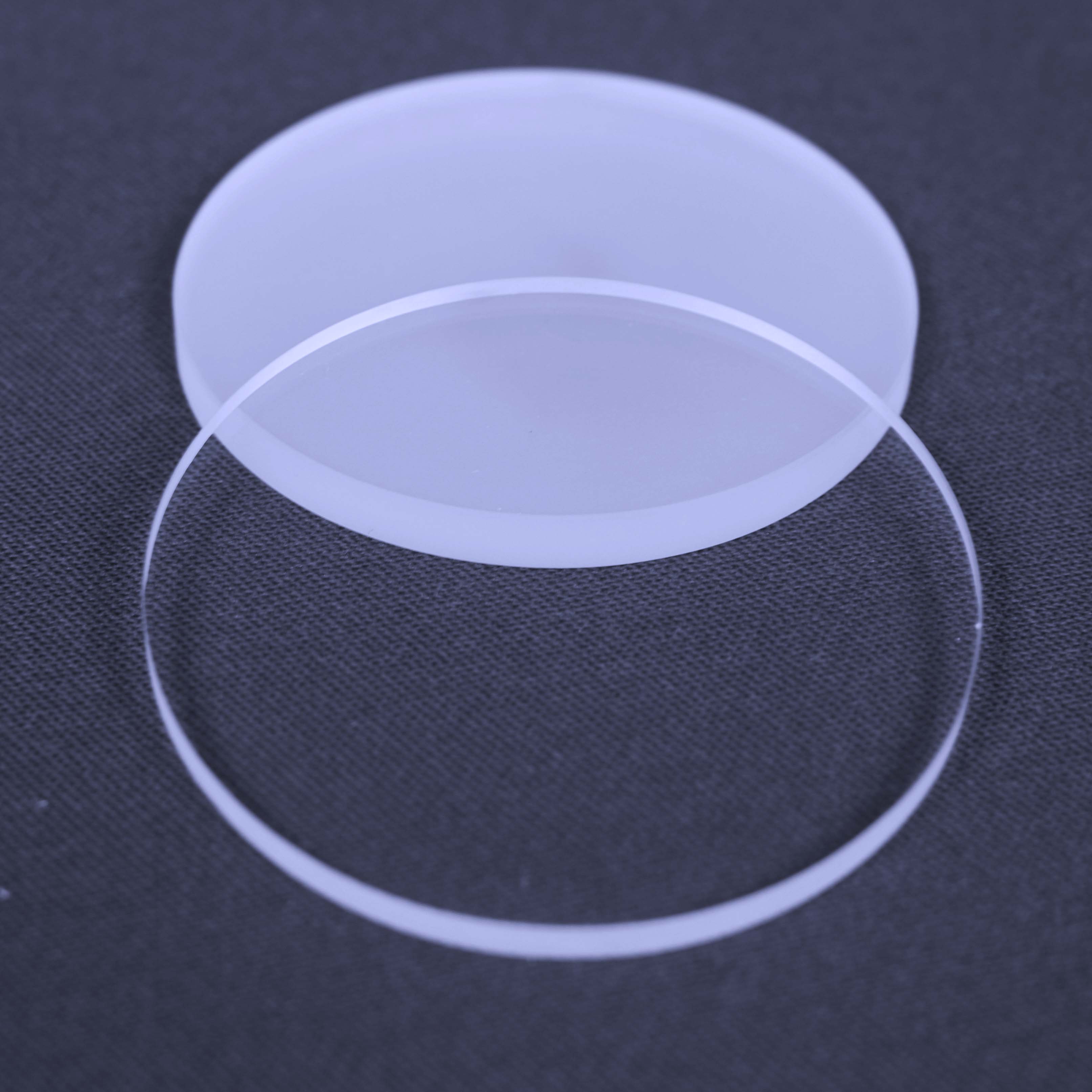
Transmission: >92% (UV-Vis spectrum)
Parallelism: <30 arcsec
Feature: Zero background diffraction angle.
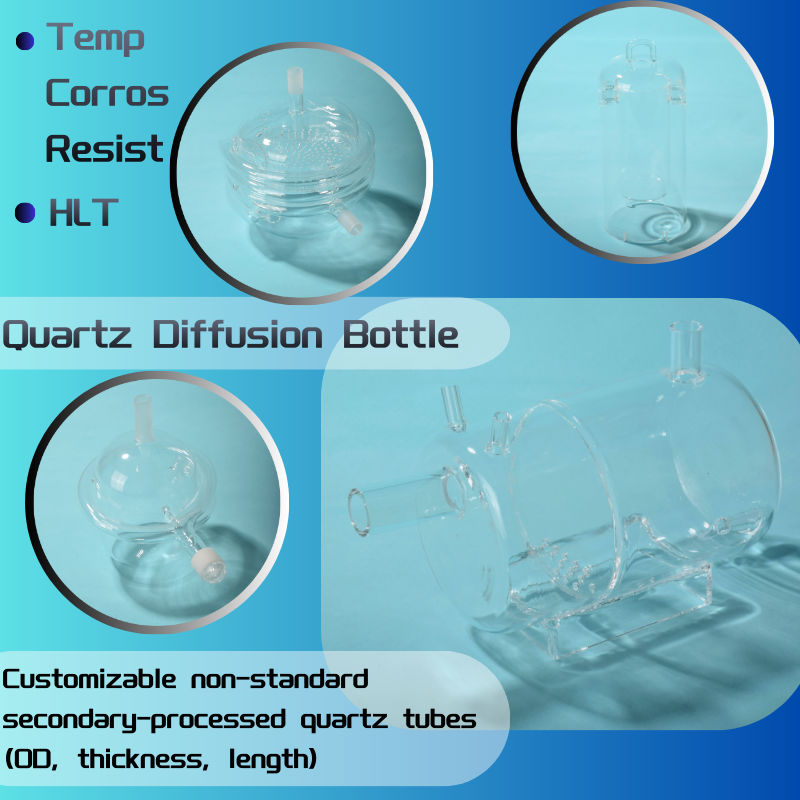
Assembly: Precision Ground Joint
Grade: Semiconductor Ultra-pure
Application: Chemical vapor purifiers & funnels.
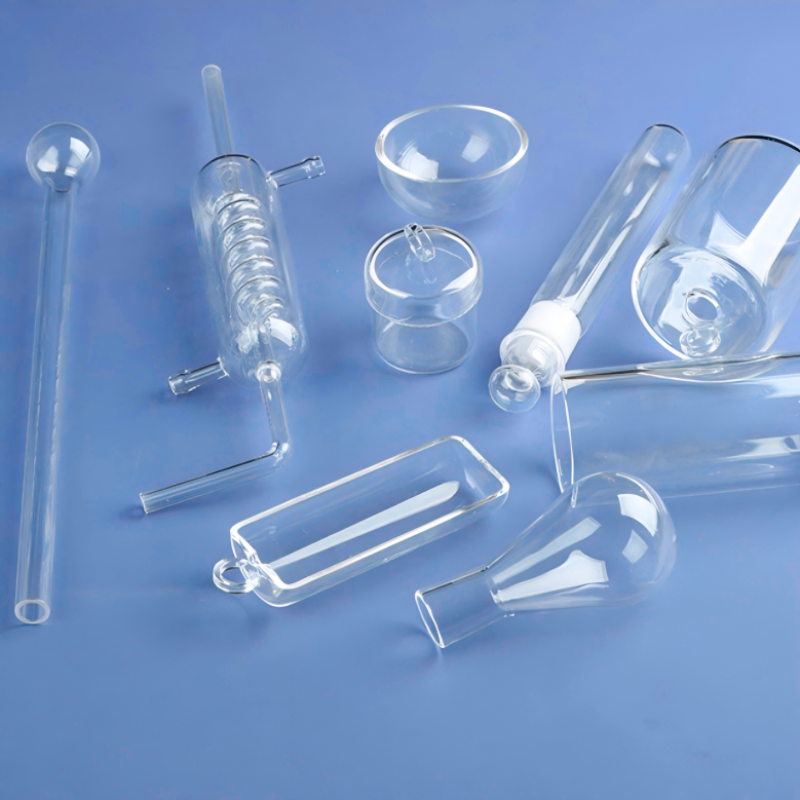
Working Temp: 1150°C continuous
Wall Uniformity: ±0.03 mm
Finish: Flame glazed, zero micro-fissure.
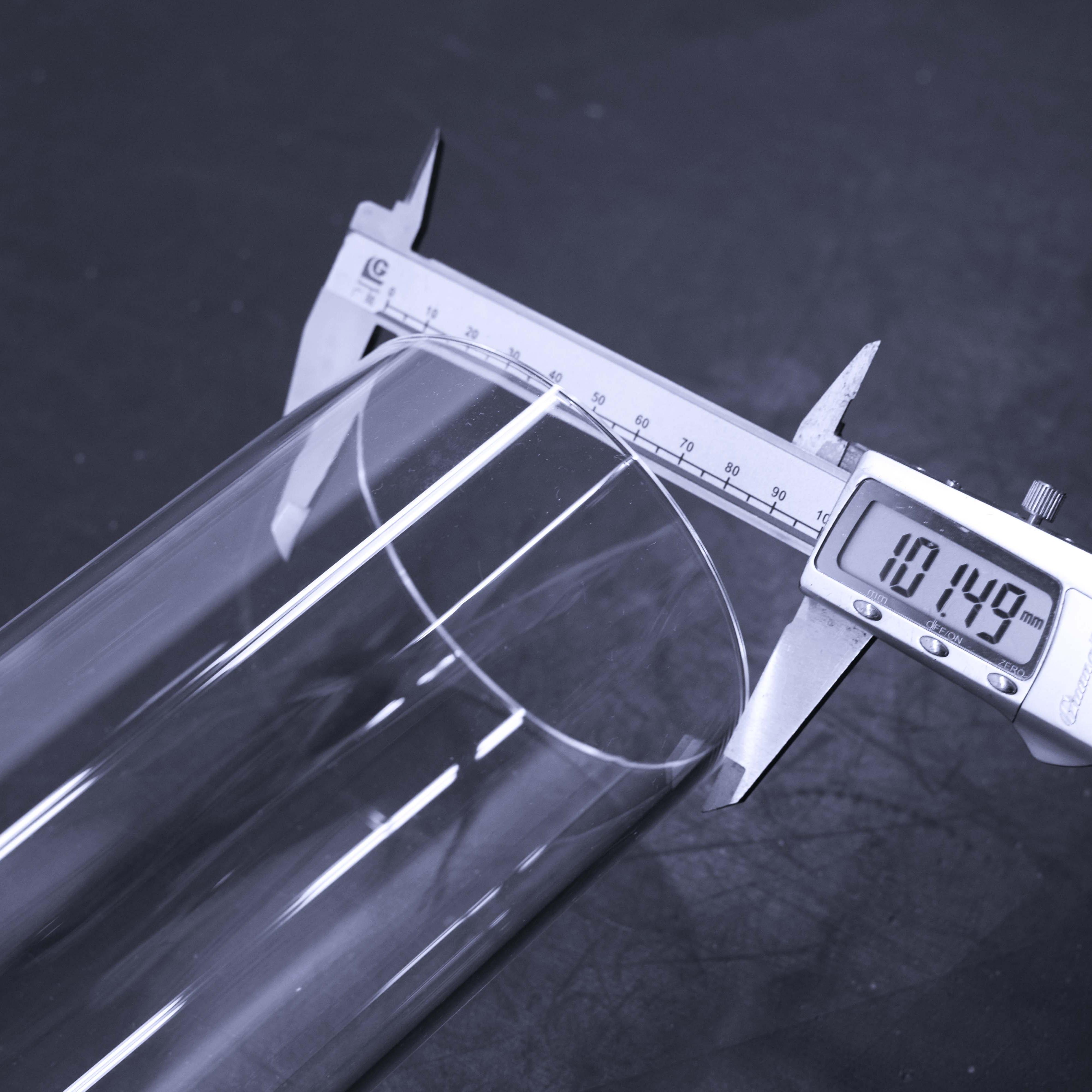
Outer Diam: 5 mm to 800 mm
Hydroxyl (OH-): <15 ppm low OH option
Machining: Diamond wire cut, annealed.
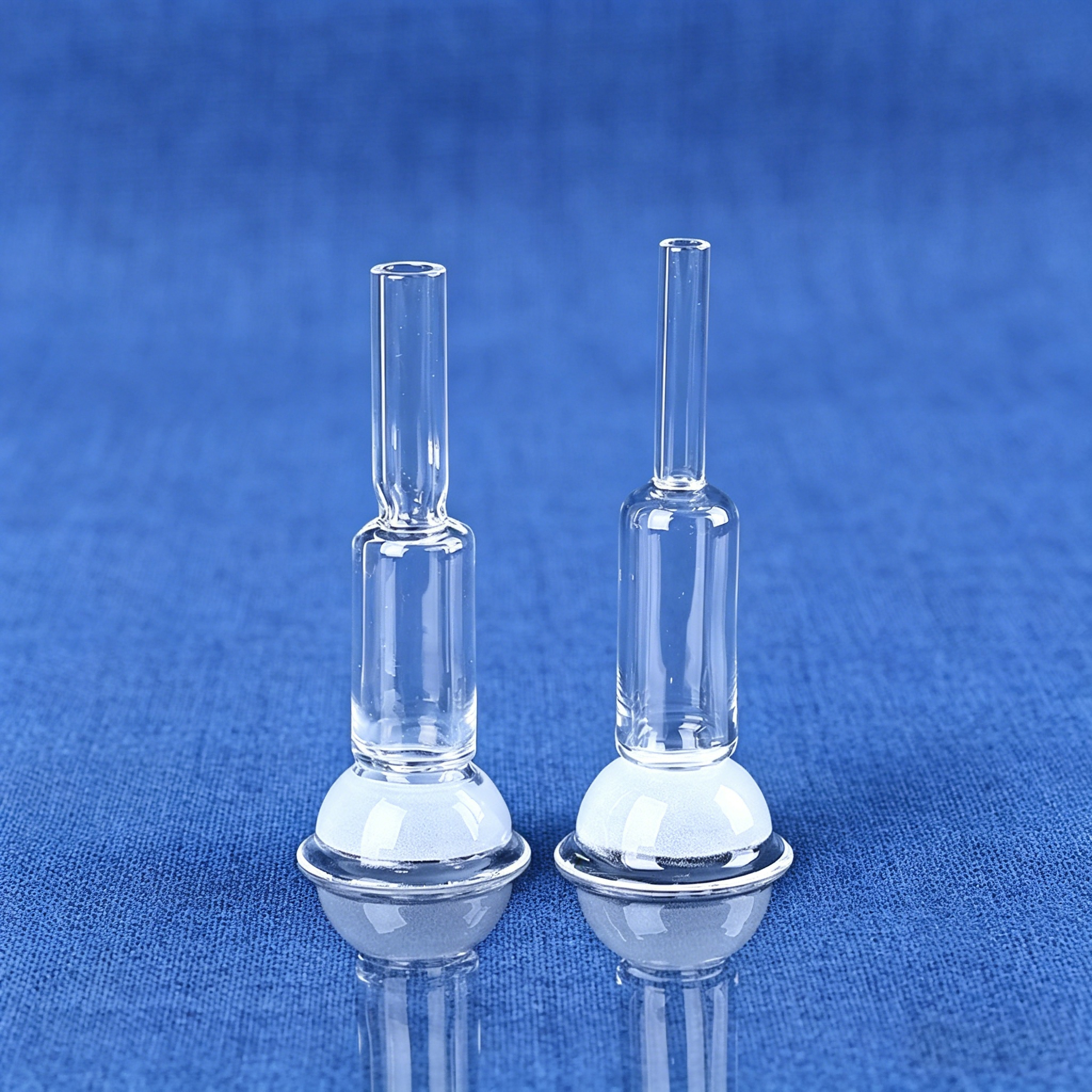
Compatibility: Micromeritics / BELSORP
Thermal Degas: Up to 1050°C in vacuum
Stem OD: 6 mm / 9 mm / 12 mm calibrated.
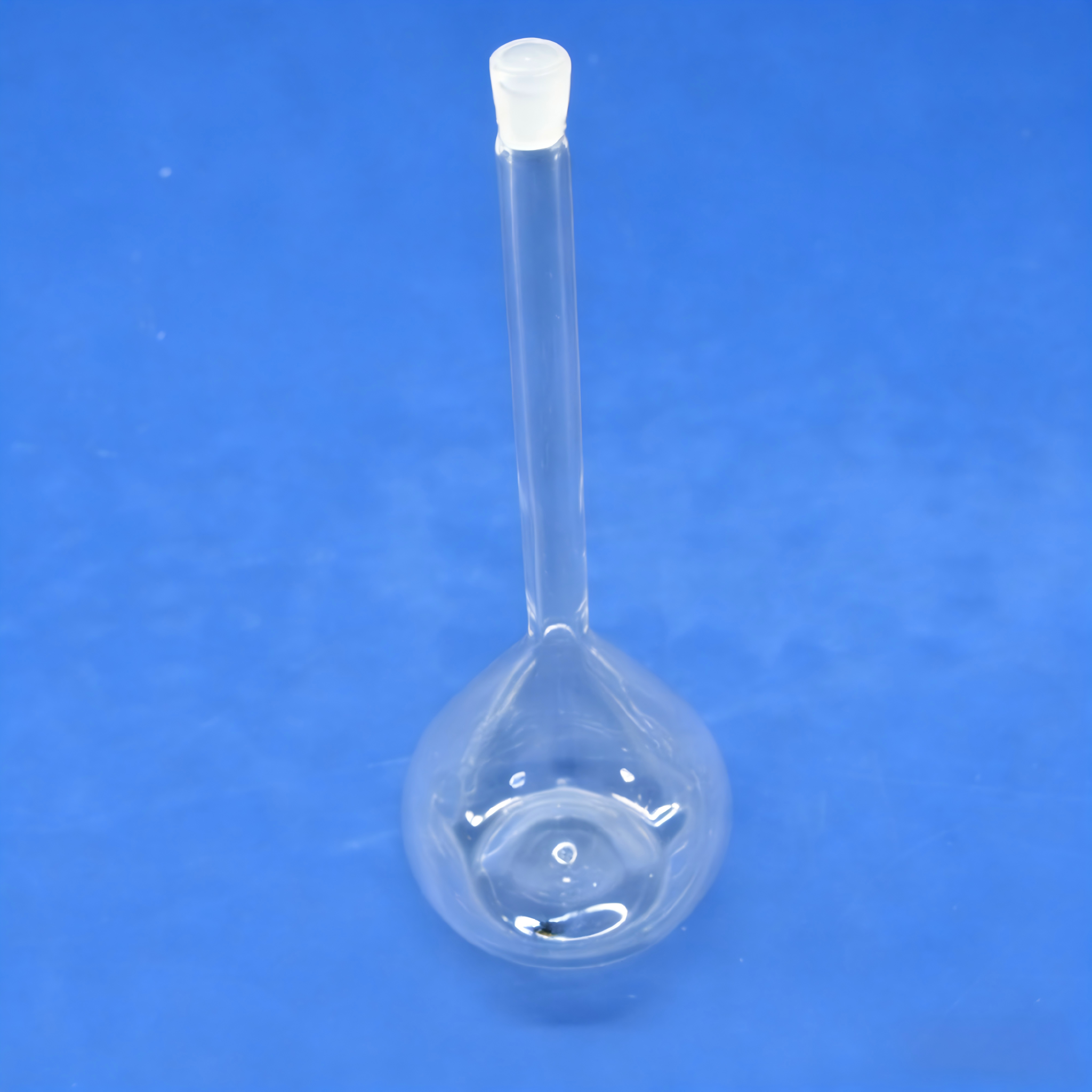
Vacuum Limit: 10⁻⁵ Pa hermetic seal
Surface: Fire-polished, ozone free
Processing: Hot bending, precision necking.
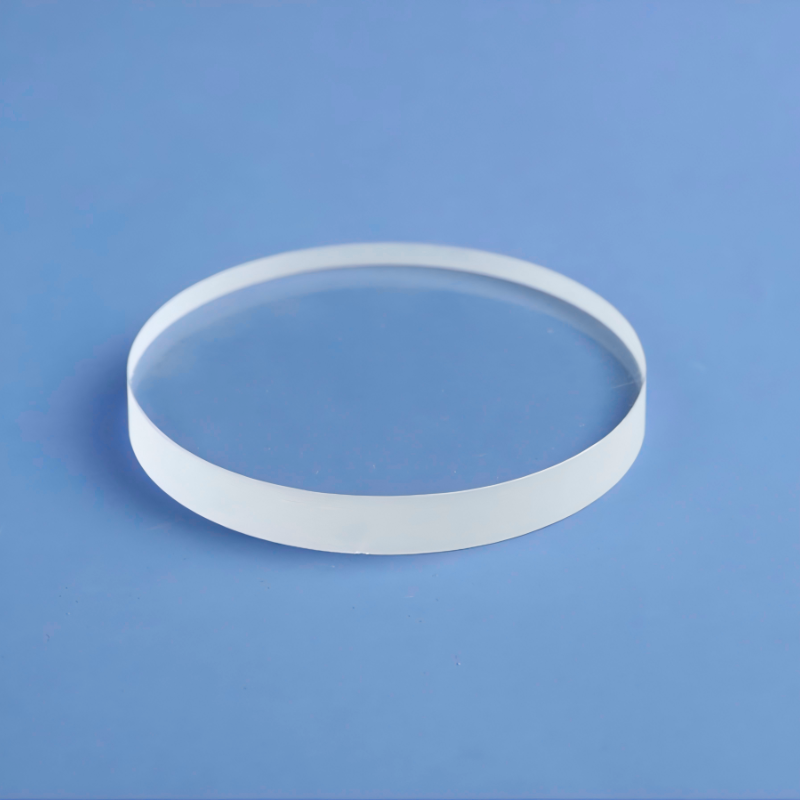
Thickness: 0.5 mm to 20 mm
Surface Finish: 80/50 or 60/40 scratch/dig
Application: High-pressure viewports & cells.
In high-precision gas sorption analyzers—such as Micromeritics 3Flex/ASAP series, Anton Paar Autosorb, and Microtrac BELSORP platforms—the fundamental physical quantity measured is the differential quantity of adsorbate gas (N₂, Kr, Ar, or CO₂) removed from the gas phase upon physisorption onto the solid matrix. Crucially, calculating adsorbed gas molarity relies on subtracting the "free space" or "dead space" volume of the tube from the total manifold volume. Standard borosilicate glassware undergoes subtle thermal deformation and volumetric hysteresis when cycled repeatedly between ambient outgassing furnaces (350°C) and cryogenic liquid nitrogen dewars (-196°C).
Vulra Quartz manufactures its BET sample cells exclusively from GE 214 equivalent semiconductor-grade fused quartz. With an exceptionally low coefficient of thermal expansion (CTE of 5.5 × 10⁻⁷ cm/cm·°C between 20°C and 320°C), our tubes exhibit near-zero dimensional shift during warm-to-cryogenic thermal transits. This geometric rigidity guarantees that the calibrated non-ideality factor and cryogenic dead-space volume remain invariant across 500+ testing cycles, effectively eliminating sample-to-sample baseline drift in low-surface-area krypton isotherms (< 1 m²/g).
Prior to physical adsorption isotherm recording, microporous frameworks (MOFs, zeolites, synthetic mesoporous silicas, and battery carbon allotropes) require rigorous vacuum outgassing to strip physically bound moisture, volatile hydrocarbons, and chemisorbed atmospheric contaminants. While standard glass limits outgassing temperatures to 300°C due to mechanical softening and boron-phase migration, refractory quartz cells fabricated by Vulra Quartz permit uninterrupted thermal ramp rates up to 1050°C under vacuum levels below 1 × 10⁻⁶ Torr without wall collapse or devitrification.
Furthermore, standard synthetic glasses exhibit high concentrations of internal structural hydroxyl radicals (Si-OH), which outgas water vapor into the high-vacuum manifold during prolonged heating, yielding artificially inflated outgassing pressure plateaus. Vulra Quartz integrates oxy-hydrogen flame refinement with controlled electric-fusion quartz refining to suppress structural hydroxyl radicals below 20 ppm, preventing moisture background interference during micro-pore analyses (sub-2 nm micropore diameter evaluation).
Direct comparison of critical material parameters impacting accuracy, thermal longevity, and vacuum stability in BET gas sorption metrology.
| Performance Characteristic | Vulra Semiconductor Fused Quartz | Standard Laboratory Borosilicate (3.3) | Low-Cost Commercial Quartz |
|---|---|---|---|
| SiO₂ Chemical Purity | ≥ 99.999% (Trace metals < 8 ppm) | ~ 81% (Contains B₂O₃, Na₂O, Al₂O₃) | 99.90% – 99.95% |
| Maximum Working Temperature | 1150°C (Continuous) / 1450°C (Peak) | 450°C (Continuous) / 500°C (Peak) | 1000°C (Early sag at 1100°C) |
| Softening Point (ASTM C338) | 1683°C | 820°C | 1580°C |
| Thermal Shock Resistance (ΔT) | Resists quench from 1100°C into 20°C H₂O | Cracks at sudden ΔT > 150°C | Resists quench up to 900°C |
| Coefficient of Thermal Expansion | 5.5 × 10⁻⁷ K⁻¹ (20°C–320°C) | 33 × 10⁻⁷ K⁻¹ (6x higher drift) | 5.9 × 10⁻⁷ K⁻¹ |
| Internal Hydroxyl (OH⁻) Content | < 15 – 25 ppm (Electrically refined) | High hydrate surface matrix | > 150 – 200 ppm (Flame melted) |
| He-Leak Tightness (Ground Joints) | < 1 × 10⁻⁹ mbar·L/s (ISO certified ground) | < 1 × 10⁻⁶ mbar·L/s | Variable (< 1 × 10⁻⁷ mbar·L/s) |
The Metropolitan City of Turin and the Piedmont region represent one of Southern Europe's densest advanced engineering and materials science concentrations. Once dominated purely by traditional automotive manufacturing, Turin's contemporary industrial complex leads Europe in powertrain electrification, advanced energy storage systems, fuel cell catalyst engineering, and lightweight aerospace structural alloys. Vulra Quartz serves as a dedicated OEM and replacement factory for the specialized quartzware required by these technical sectors.
Characterizing washcoat surface dispersion, active platinum-group metals (PGM), and ceria-zirconia oxygen storage matrices in automotive three-way and SCR de-NOx catalytic converters. Our C-shaped and bulb cells handle dynamic gas-flow outgassing up to 900°C without devitrifying.
Ensuring ultra-precise surface area assessment of synthetic graphite, silicon-carbon composite anodes, and high-nickel NMC/LFP cathode powders. Uniform BET dead-space maintains reproducible Brunauer C-constant calculations, vital for battery electrode wetting.
Supporting advanced academic research within the DISAT (Department of Applied Science and Technology). Our quartz tubes provide zero background gas bleed-off during high-precision argon adsorption (87 K) for sub-nanometer pore size distribution modeling.
Validating gas-atomized titanium (Ti-6Al-4V), nickel superalloy (Inconel 718), and scalable ceramic powders for additive manufacturing. Precise stem wall thickness avoids thermal gradient fractures when cooling from 800°C back to ambient.
Under Italy’s National Recovery and Resilience Plan (PNRR) and the regional development roadmaps managed by Piemonte Agency (Centro Estero per l'Internazionalizzazione), Turin is repositioning its core competencies around hydrogen value chains, green mobility, and circular economy raw material recycling. This macro transition imposes strict metrological requirements upon regional material laboratories:
Combining the direct raw-material superiority of the world crystal capital with European third-party audit credentials and custom drawing-to-part agility.
Located at No. 9 Dingxin Road, Donghai Economic Zone—China's crystal capital. Direct access to premium 99.999% high-purity natural silica sand without third-party raw material brokerage, ensuring consistent chemical homogeneity batch after batch.
Our manufacturing plant, hot-working flame workshops, diamond cold-cutting bays, and cleanroom annealing ovens are verified in-person by TÜV Rheinland. Full CE compliance and RoHS certified analytical quartz product series.
Hot-formed BET bulbs and precision glass-welded joints undergo programmed 48-hour thermal de-stress annealing at 1150°C followed by slow chamber cooling. Polariscopic inspection ensures zero residual stress fringes in critical neck bends.
No arbitrary MOQ barriers for specialized research prototypes. Whether you require a proprietary C-shape geometry, specialized ISO ground ball joints, or integrated thermocouple wells, our master glassblowers fabricate directly from 2D/3D CAD models.
Standard BET stem diameters (6 mm, 9 mm, 1/4", 3/8", 1/2") and spherical joints are ground with micron precision to match OEM degassing ports and analysis stations without requiring adapter gaskets or causing vacuum o-ring degradation.
Every analytical quartz tube is acid-washed in class-10,000 cleanrooms, vacuum-sealed in dust-free PE sleeves, shock-isolated with custom die-cut EPE foam, and packaged in reinforced export crates engineered for air transit into Turin-Caselle (TRN) or Milan Malpensa (MXP).
Everything you need to know regarding technical compatibility, customs clearance into Italy, thermal procedures, and drawing submission.
Whether you require standard replacement BET tubes for your Micromeritics or BELSORP stations, custom reaction vessels, or furnace boats, Vulra Quartz delivers factory-direct engineering, certified 99.999% purity, and rapid express dispatch to Piedmont.