Precision Laboratory Quartzware for Zurich Researchers
Explore our core engineered quartz collection designed for specific surface area (BET) testing, inert high-temperature furnaces, catalytic reactors, and high-vacuum analytical metrology.
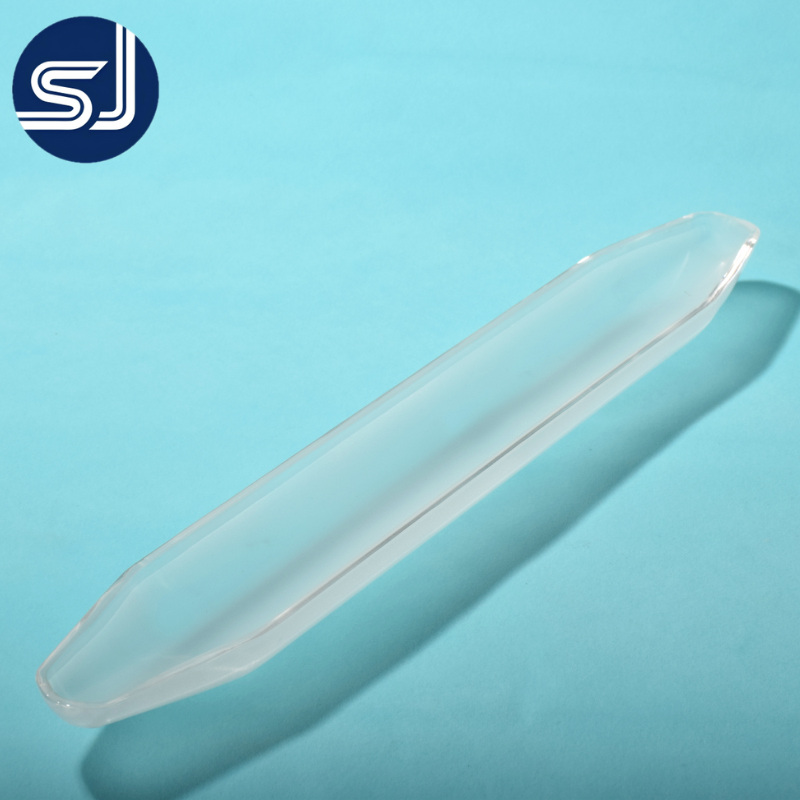
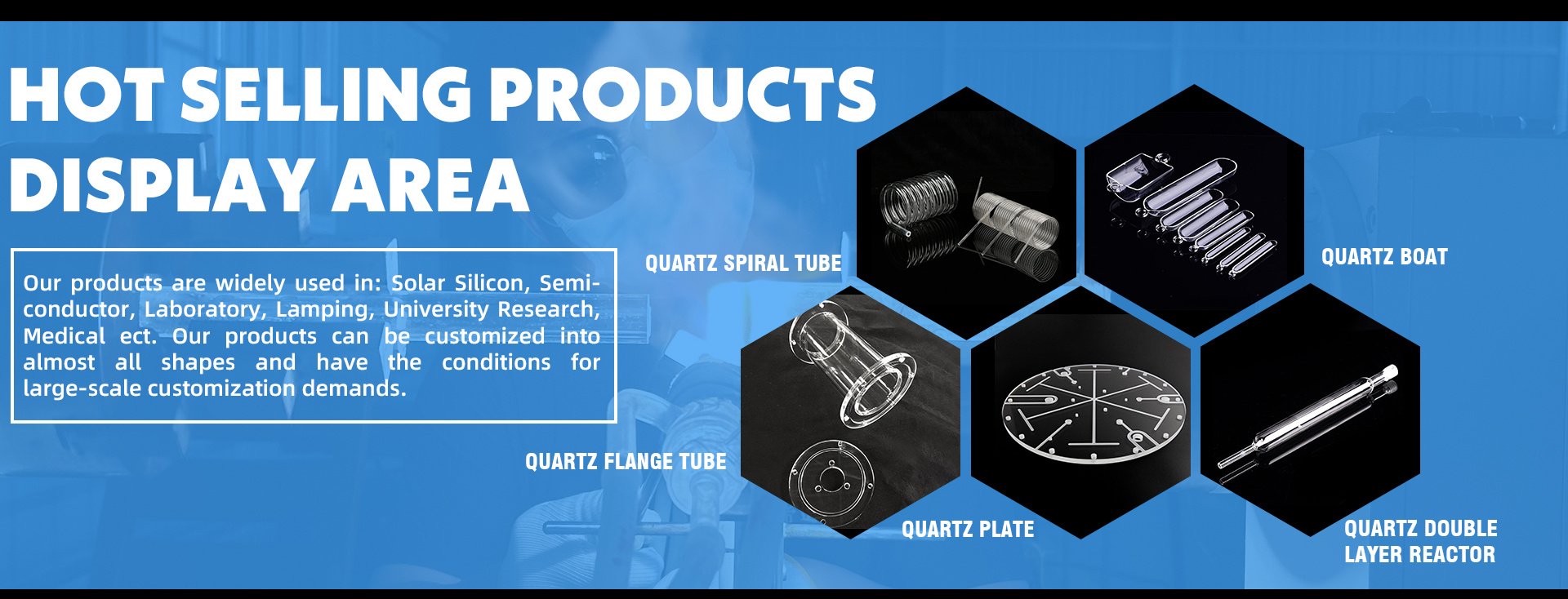
Optically transparent furnace boat fabricated with flame-polished edges for clean degas phases and thermal annealing without heavy metal leaching.
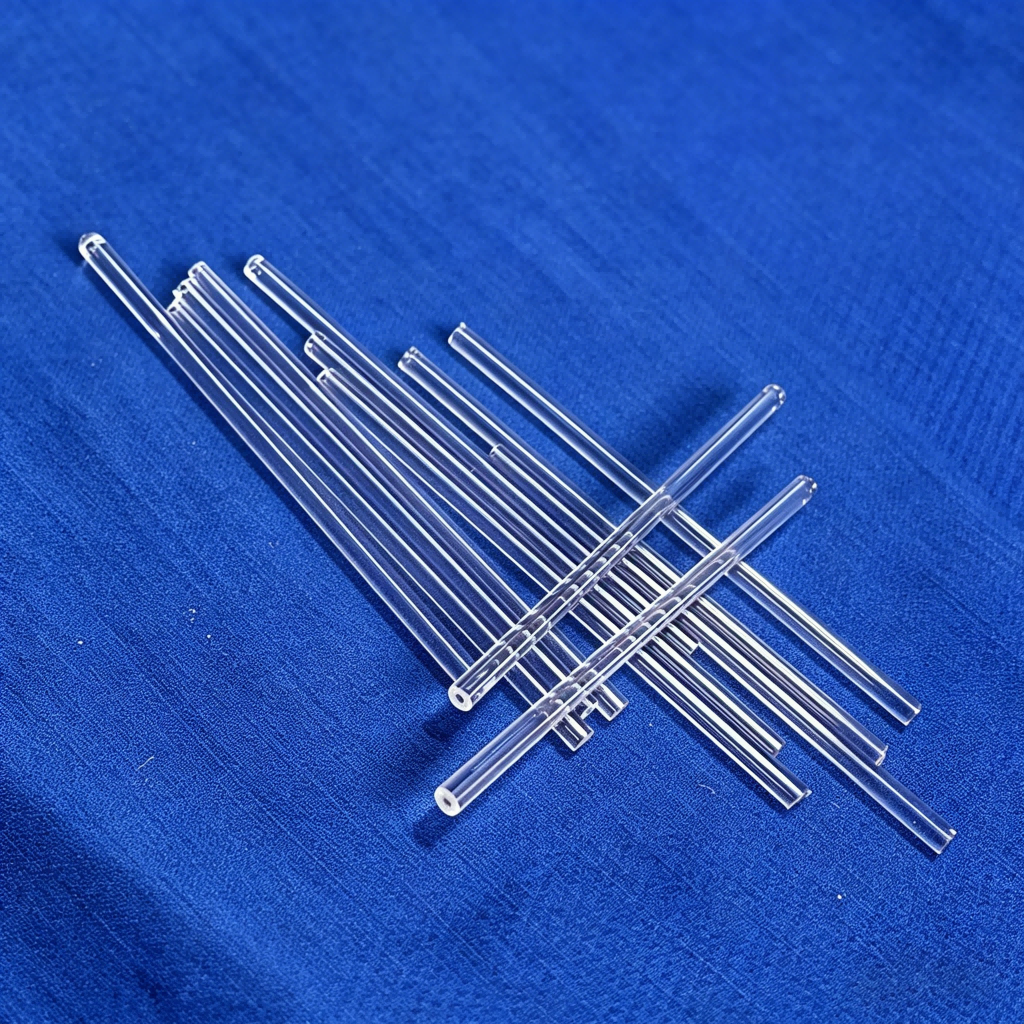
Porous or opaque quartz capillary tube engineered for calibrated carrier gas delivery, micro-evacuation lines, and localized mass-spectrometer inlets.
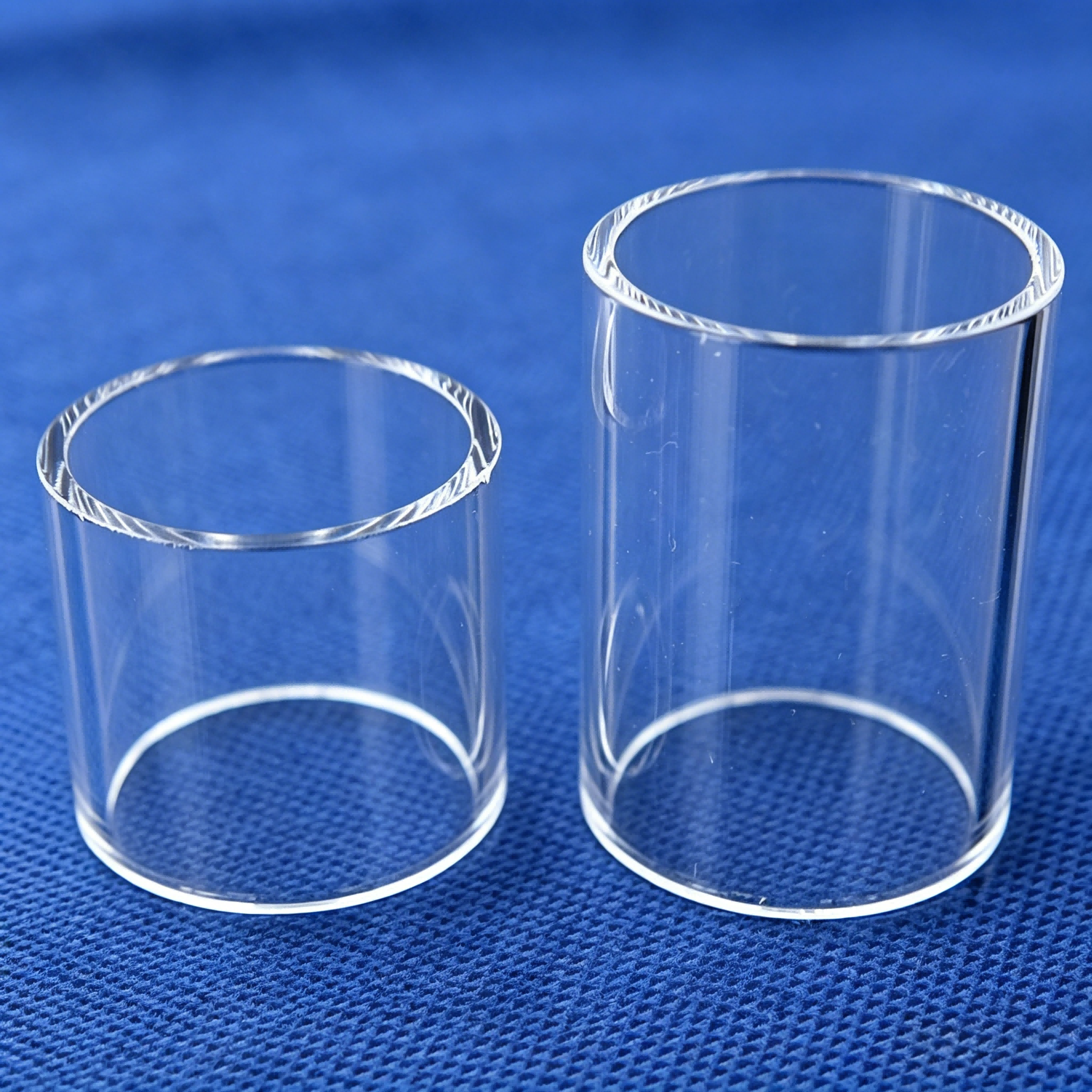
Dual-chamber high-temperature quartz pipe custom-welded for dual-gas flow catalysis, isothermal zones, and high-pressure chemical digestion tests.
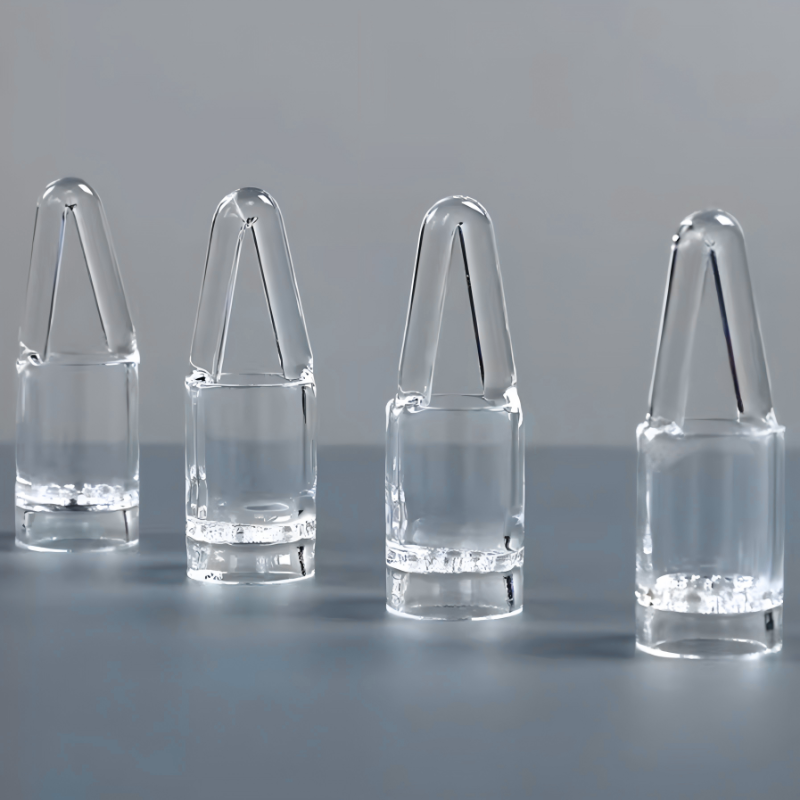
Heavy-duty fused quartz basket crucible featuring sintered quartz disc filters, designed for molten salt reactions and ultra-pure sample acid leaching.
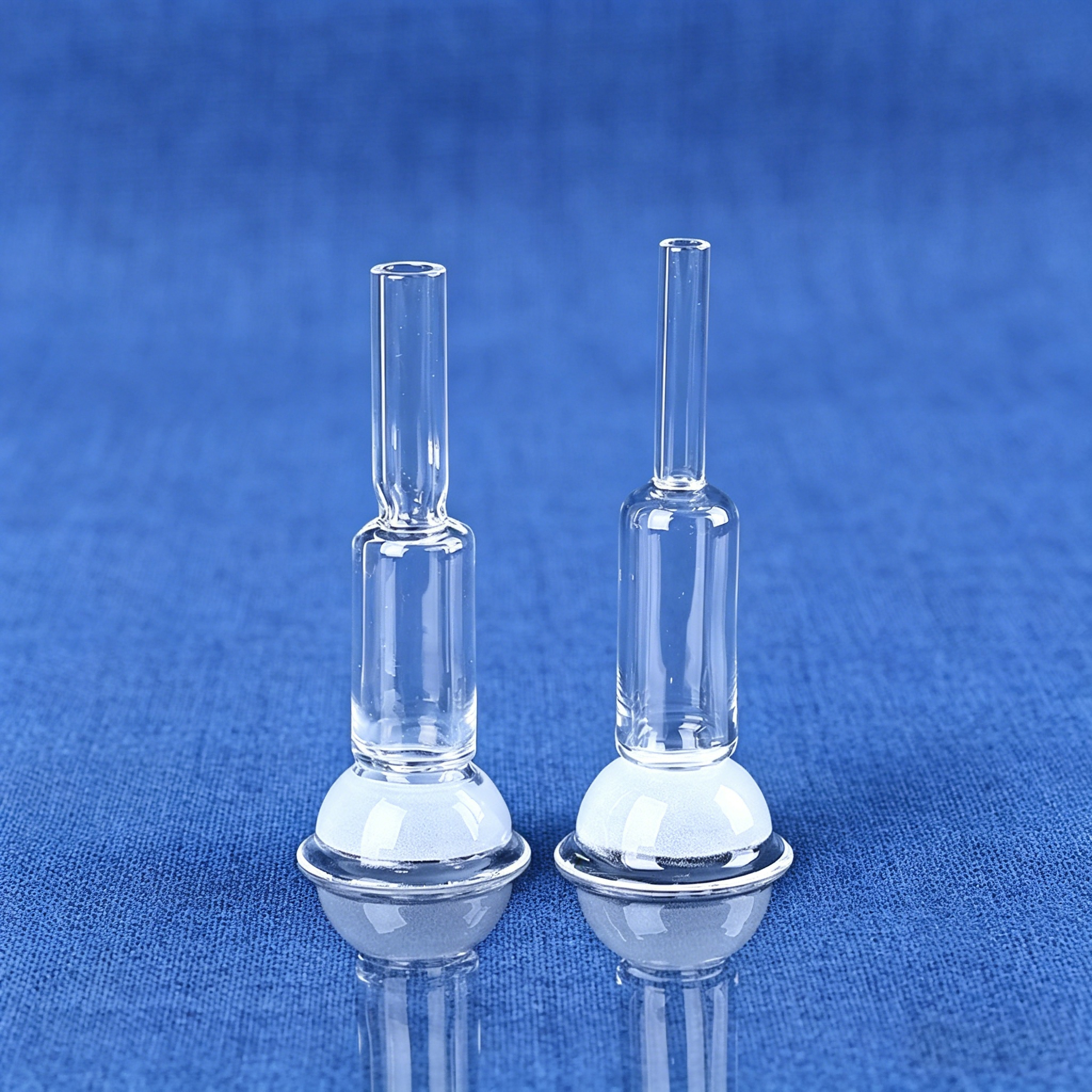
Custom bend radius and uniform bulb wall thickness engineered specifically for high-precision gas physisorption and dynamic chemisorption analyzers.
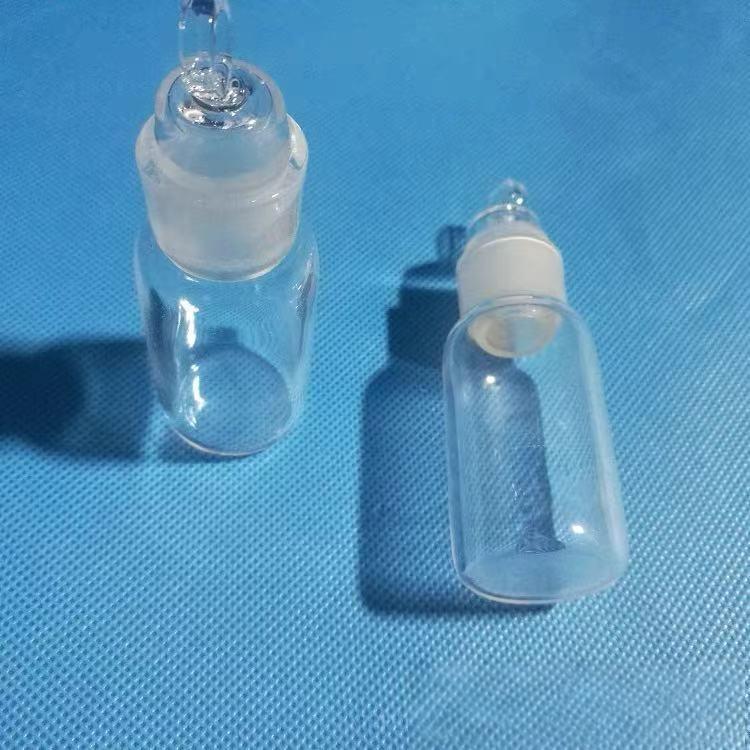
Ultra-fine microporous sintered quartz plate integrated within fused silica tube bodies to retain nanoscale catalytic powders under high carrier gas velocities.
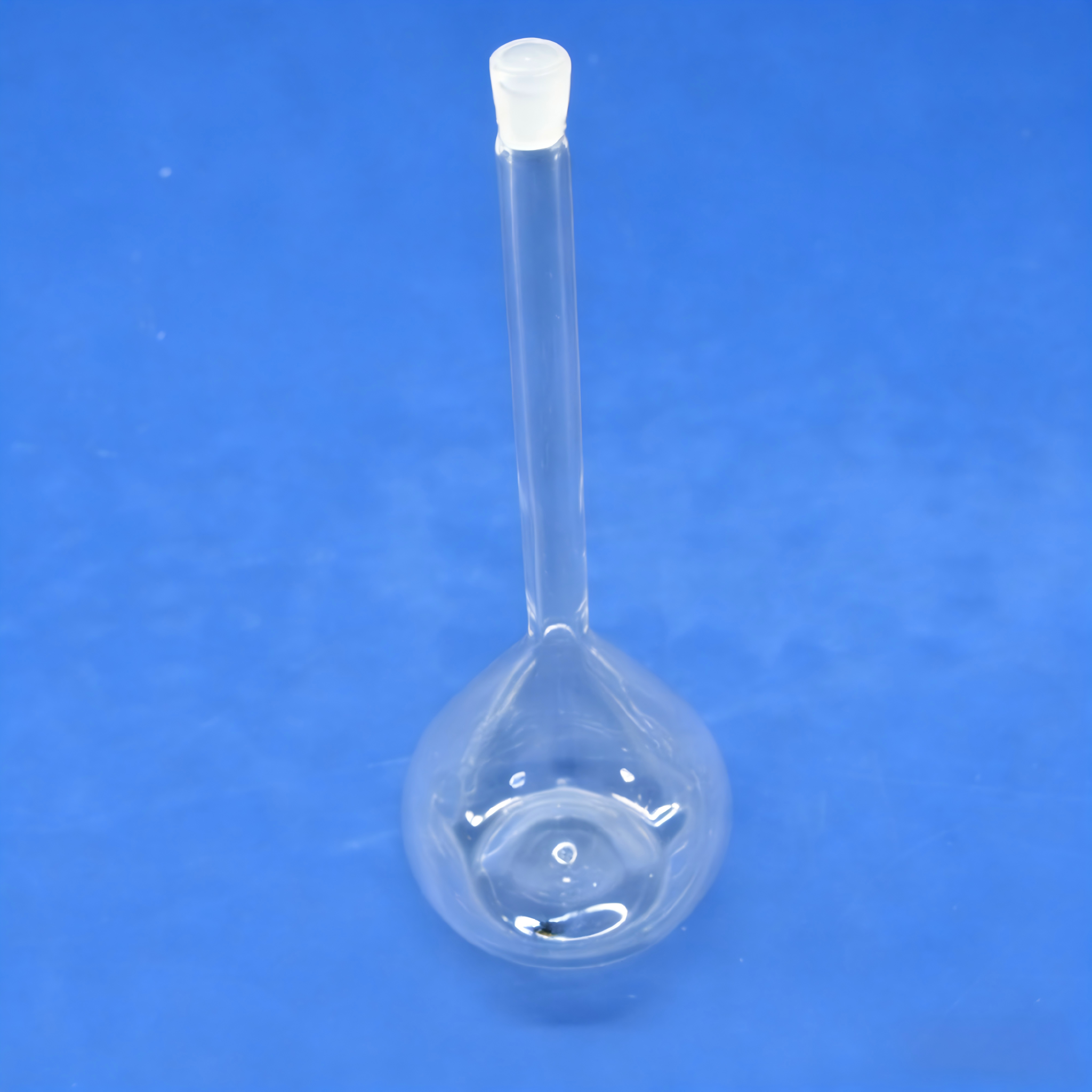
Direct flame sealable quartz ampoules and round flasks for inert sample degassing, high-temperature synthesis, and prolonged air-sensitive material storage.
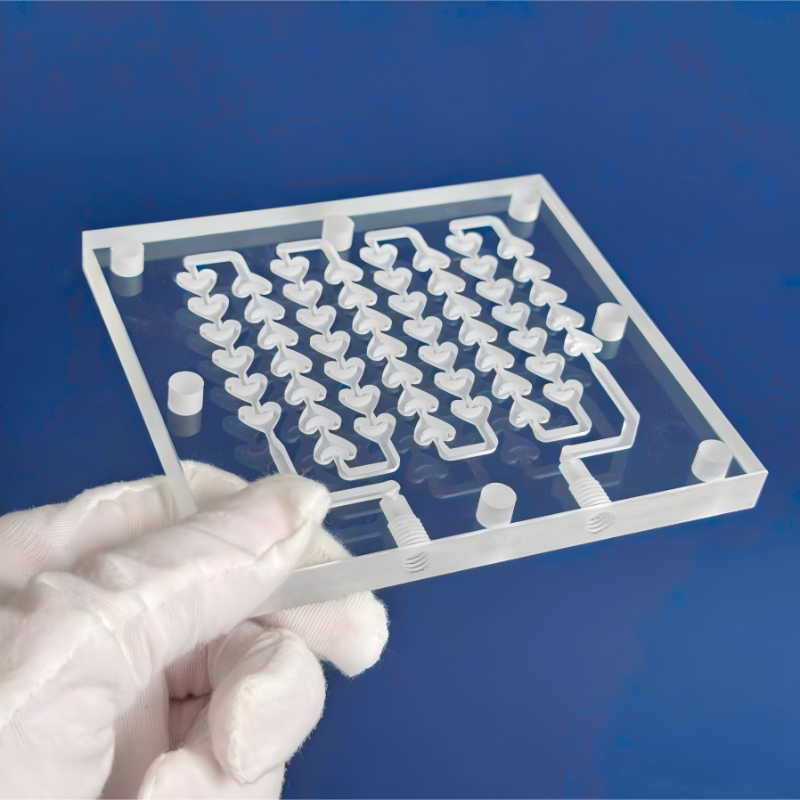
Precision-ground circular quartz heat-exchange discs and spacers, providing exceptional thermal stability and dimensional planar accuracy up to 1450°C.
Precision Gas Physisorption: Why Quartz Metrology Dictates BET Accuracy
In high-precision surface area analysis across Zurich's materials laboratories, measurement artifacts originate not from mathematical modeling, but from thermal expansion mismatches and volumetric dead-space instability within the sample cell.
Free Space (Dead Volume) Minimization
The determination of monolayer adsorption volume ($V_m$) using nitrogen ($N_2$ at 77.35 K) or krypton ($Kr$ at 77 K) relies strictly on calculating unadsorbed gas quantity in the sample cell dead volume. Vulra Quartz BET tubes are fabricated with calibrated internal stem bore diameters ($6\text{ mm}, 9\text{ mm}, 12\text{ mm} \pm 0.05\text{ mm}$) to guarantee volumetric reproducibility down to $\pm 0.008\text{ cm}^3$, preventing baseline drift in micro-pore evaluation.
Thermal Transpiration & Gradient Stability
When the sample bulb is immersed in liquid nitrogen while the upper stem remains at ambient laboratory temperatures (298 K in climatized Zurich test centers), an extreme longitudinal thermal gradient of over 220 K is established across a distance of fewer than 80 mm. With an ultra-low thermal expansion coefficient of $\alpha \approx 5.5 \times 10^{-7}\ \text{K}^{-1}$, fused quartz maintains strict dimensional stability without volumetric deformation or micro-fractures.
High-Vacuum Outgassing Integrity up to 1100°C
Standard borosilicate glass degrades, softens, and continuously releases structural water and sodium borate vapor above 350°C. In contrast, Vulra Quartz BET sample tubes sustain aggressive vacuum degassing protocols up to 1100°C under ultra-high vacuum ($< 10^{-6}\ \text{mbar}$). This prevents cross-contamination and ensures thorough desorption of moisture, hydrocarbons, and surface hydroxyls from advanced metal-organic frameworks (MOFs).
Metrological Material Comparison: Porosimetry Cells
Empirical data demonstrating physical quartz stability under cryogenic-to-high-temperature cycling.
| Physical / Chemical Property | Vulra Semiconductor Fused Quartz | Standard Laboratory Quartz | Borosilicate Glass 3.3 |
|---|---|---|---|
| SiO₂ Chemical Purity | 99.999% (< 10 ppm total metals) | 99.9% (approx. 100 ppm impurities) | ~81% (contains B₂O₃, Na₂O, Al₂O₃) |
| Coefficient of Thermal Expansion (20-300°C) | 5.5 × 10⁻⁷ K⁻¹ | 5.8 × 10⁻⁷ K⁻¹ | 33 × 10⁻⁷ K⁻¹ (6x higher drift) |
| Max Degas / Operating Temperature | 1100°C continuous (1450°C peak) | 1050°C continuous | 450°C (structural softening risk) |
| Softening Point (ASTM C338) | 1683°C | 1660°C | 825°C |
| Resistance to Thermal Shock (77 K to 1000 K) | Zero cracking over 250+ cycles | Mild strain lines after 100 cycles | Catastrophic failure / Shatter risk |
| Helium Permeability Rate (25°C) | Extremely Low (< 2.1 × 10⁻¹⁰ cm³/s) | Low | Moderate (Outgassing interference) |
Localized Applications Across Zurich's Scientific Centers
From university laboratories on the Hönggerberg campus to industrial materials clusters along the Limmat Valley, Vulra Quartz supports leading scientific and industrial workflows in Canton Zurich.
Advanced Catalyst & MOF Characterization
Researchers at ETH Zurich Department of Chemistry and Applied Biosciences (D-CHAB) and Empa require repeatable specific surface area measurements for hierarchical zeolites, covalent organic frameworks (COFs), and single-atom heterogeneous catalysts. Our precision C-shaped quartz tubes fit automated manifold sample ports (Micromeritics 3Flex, ASAP 2020) without vacuum leaks, safeguarding sub-monolayer nitrogen adsorption isotherms.
Battery Aerogels & Solid-State Electrolytes
Empa's Building Energy Materials and Components laboratory in Dübendorf develops silica aerogels and nanoporous battery electrode composites. These ultra-lightweight, high-surface-area materials require deep thermal vacuum degassing up to 500°C without mechanical compaction. Vulra Quartz offers customized wide-bulb sample tubes with calibrated isothermal jackets, ensuring zero moisture re-condensation during long equilibration runs.
Powder Metallurgy & Bioceramic Additive Mfg
Within Winterthur and Zurich North precision engineering clusters, specialized additive manufacturing facilities utilize gas atomized titanium, cobalt-chromium, and zirconia powders. Gas physisorption determines exact surface roughness and inter-particle porosity prior to laser powder bed fusion (LPBF), where our certified batch quartzware ensures compliance with ISO 9277 and DIN 66131 standards.
Emerging Analytical Porosimetry Trends in Switzerland
Swiss materials research is experiencing rapid shifts toward direct air carbon capture (DAC), high-pressure chemisorption, and closed-loop battery recycling—demanding next-generation quartzware integrity.
Solid-Sorbent DAC & CO₂ Mineralization
Pioneering clean-tech enterprises based in Hinwil and Zurich develop solid amine functionalized nanofibrillated cellulose and basic zeolites for CO₂ direct air capture. Evaluating desorption energetics demands continuous cycle durability from 30°C humidity adsorption to 130°C inert gas regeneration directly inside quartz physisorption flow cells.
Low-Pressure Krypton Sorption for Thin Films
With cleanroom semiconductor microfabrication at the Binnig and Rohrer Nanotechnology Center (IBM Research Zurich / ETH Zurich), researchers characterize mesoporous dielectric thin films with total surface areas below $0.5\text{ m}^2$. Vulra Quartz manufactures specialized ultra-low dead space bulb ampoules that eliminate outgassing baseline interferences during low-pressure 77 K Krypton saturation runs.
Swiss Stringent Environmental & Quality Audits
Swiss procurement regulations enforce stringent compliance with European and federal norms (RoHS, REACH, and SN EN ISO 9001/17025 accreditation). Swiss testing protocols reject analytical consumables with heavy metal leachates, requiring documented lot-to-lot traceability and spectrophotometric certificates of analysis for silicon dioxide purity.
Why European Research Facilities Partner with Vulra Quartz
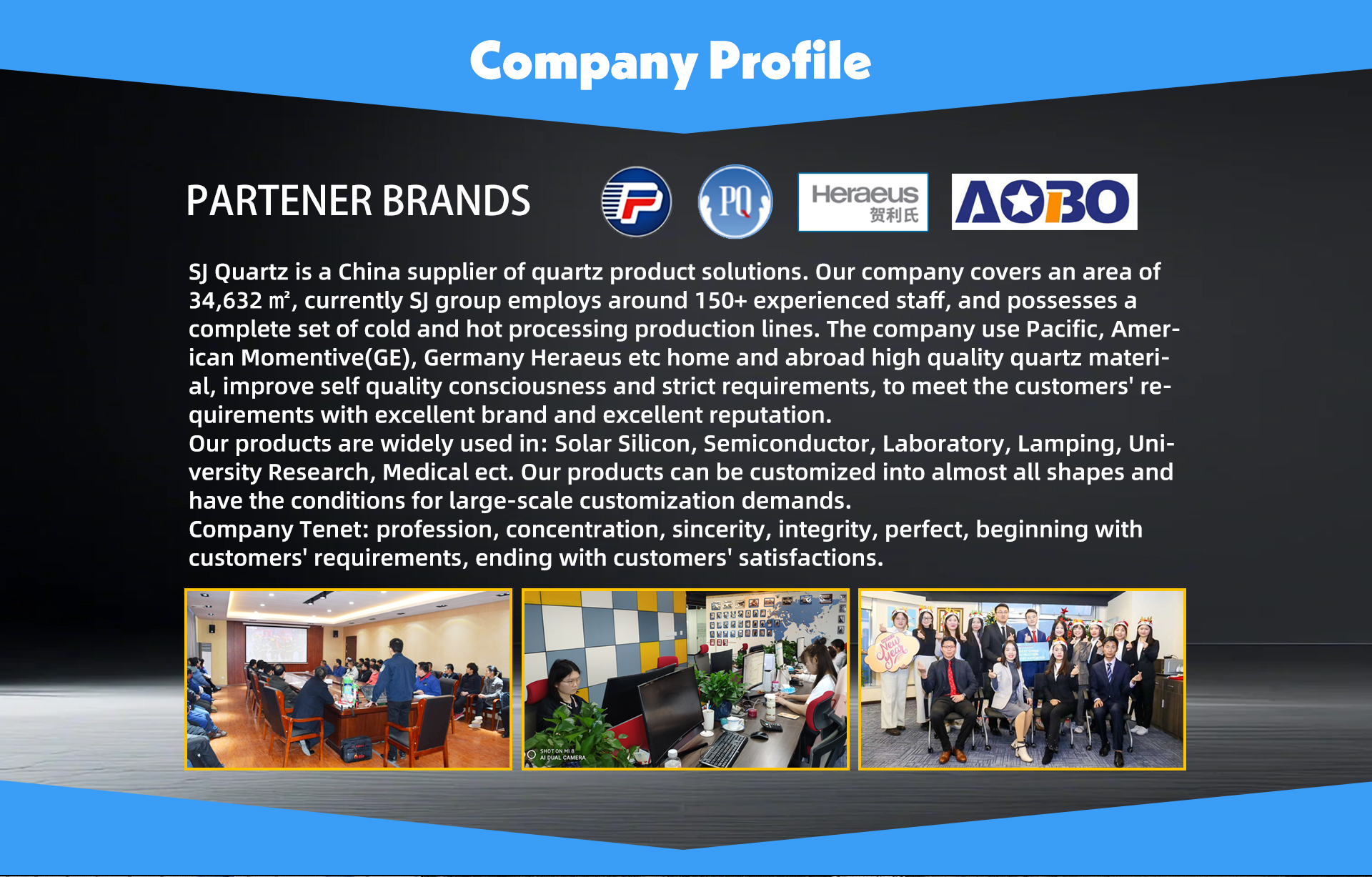
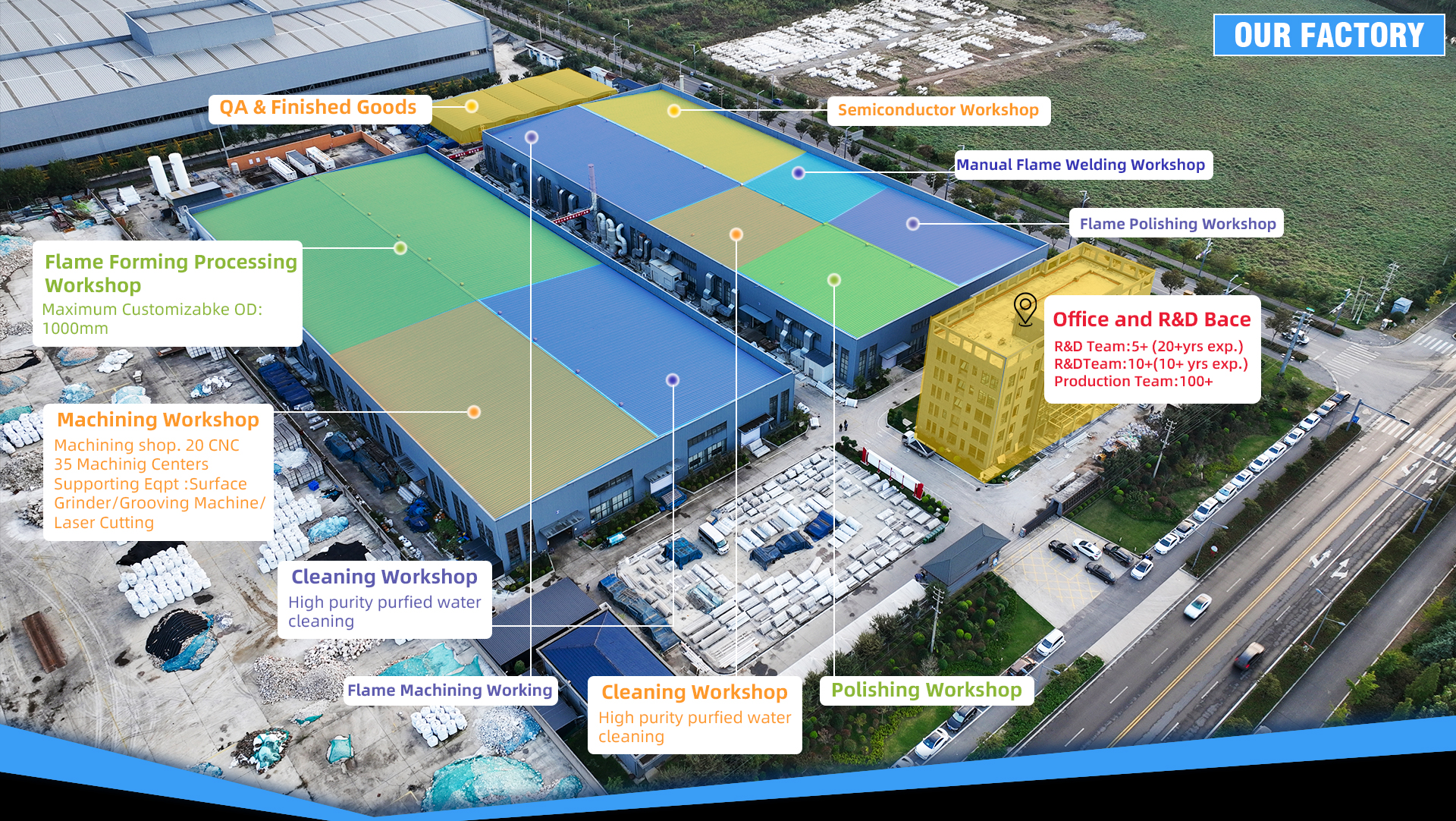
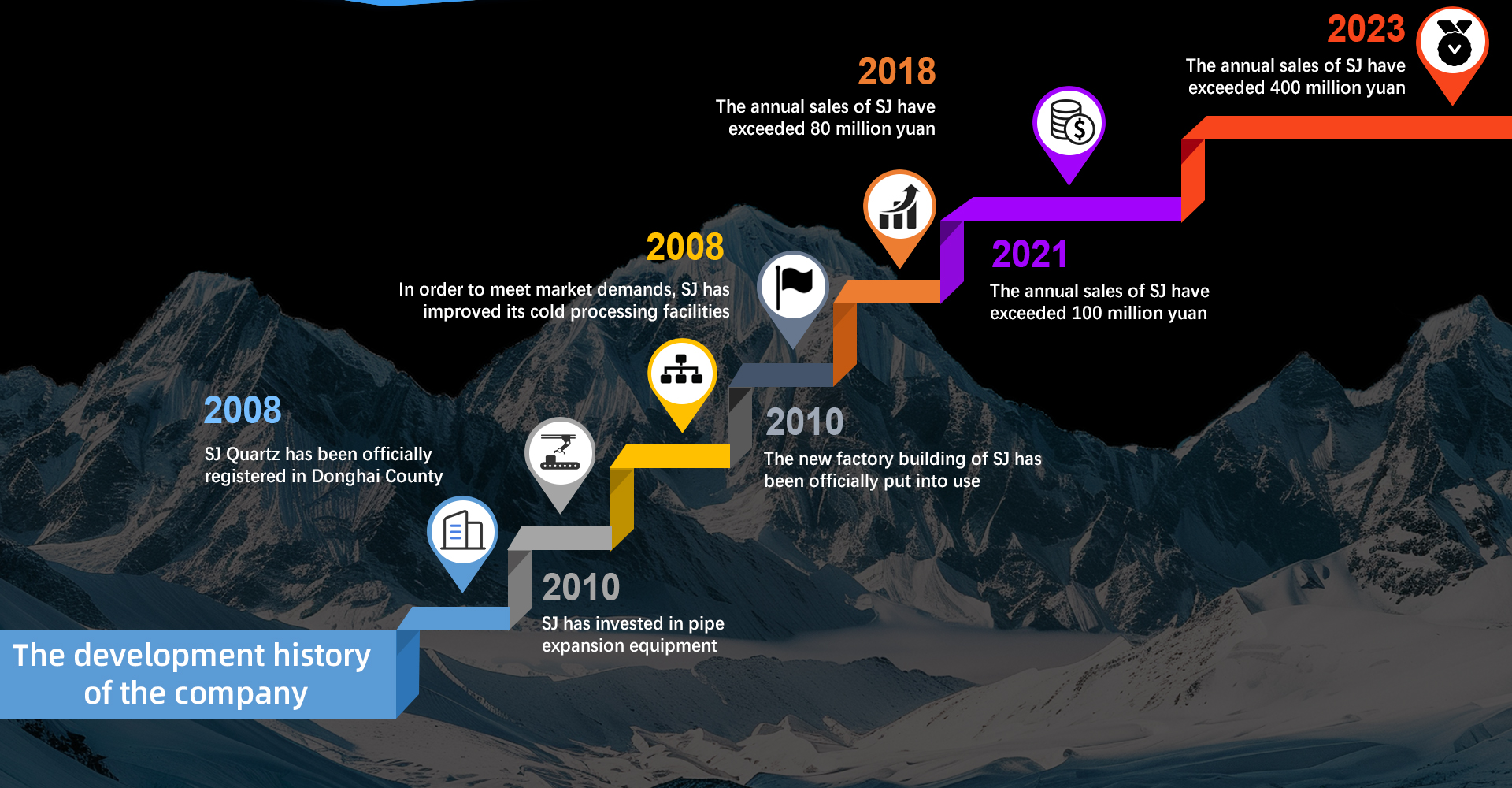
Lianyungang Vulra Quartz Products Co., Ltd. operates in Donghai County—the world-renowned hub for natural high-purity quartz crystal resources. This strategic geographic proximity gives us direct control over raw silicon dioxide purity from the earliest refining stages.
We bridge Chinese precision manufacturing speed with strict European quality expectations. As an independently verified custom manufacturer audited on-site by TÜV Rheinland, we maintain dedicated fabrication lines for precision cutting, robotic flame blowing, precision CNC grinding, and thermal strain annealing.
Engineered Precision: From High-Purity Ingot to Finished Cell
Every BET tube, furnace boat, and capillary pipe undergoes rigorous multi-stage physical and thermal processing.
Oxy-Hydrogen Lathe Working
Precision robotic & manual torch bending creates seamless BET C-loops without wall thinning.
Cold Diamond Machining
Ultra-clean end-face cutting prevents micro-chipping, ensuring vacuum O-ring tight seals.
1150°C Stress Annealing
Full-cycle thermal annealing removes internal mechanical stresses to prevent thermal shock fractures.
Frequently Asked Questions by Zurich Laboratory Buyers
Key technical, regulatory, and logistics answers for procurement officers, lab managers, and researchers in Switzerland.
Are your BET test quartz tubes compatible with standard Micromeritics, Quantachrome, and BELSORP instruments?
- Micromeritics Instruments: ASAP 2020, TriStar II/3Flex, Gemini series with 1/4", 3/8", and 1/2" stem outer diameters.
- Quantachrome (Anton Paar): Autosorb iQ, Quadrasorb, NOVA touch with 9 mm and 12 mm cell stems and ground ball joints.
- Microtrac MRB (BELSORP): BELSORP-mini, BELSORP-max with specialized flat-bottom bulb geometries and isothermal jacket collars.
How does Vulra Quartz handle Swiss customs clearance, VAT, and logistics to Zurich?
What dimensional tolerances do you guarantee on custom drawing-based quartz fabrication?
- Outer Diameter (OD) tolerance: ±0.05 mm (or ±0.02 mm upon request for ground joints).
- Wall Thickness concentricity: ±0.05 mm, preventing thermal hot spots during outgassing.
- Bulb Outer Sphericity & Centerline Runout: < 0.15 mm total indicator reading.
How do you ensure fragile quartzware arrives intact across long-haul international transport?
Can your fused quartz withstand repeated direct quenching from 900°C into liquid nitrogen (77 K)?
What is your Minimum Order Quantity (MOQ) and lead time for custom prototypes?
Do you provide formal compliance certification for Swiss academic and industrial audits?
Need Custom BET Quartzware or Factory Pricing for Zurich?
Send your CAD drawing, instrument model number, or technical specifications to our direct engineering team. We deliver rapid feasibility reviews, prototype quotes, and door-to-door Swiss delivery schedules.