Standard & Custom Fused Quartz Solutions
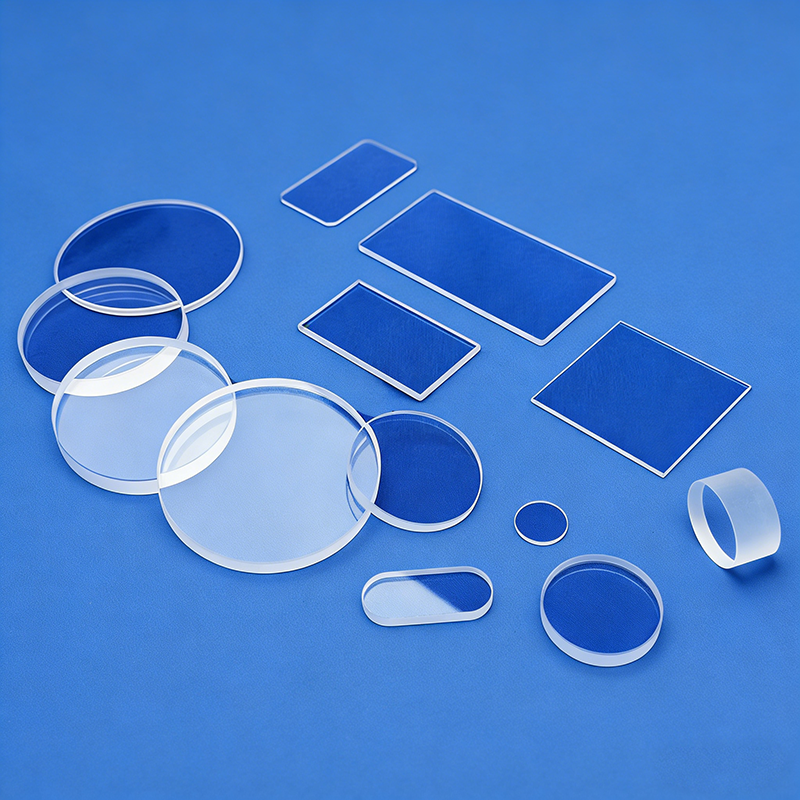
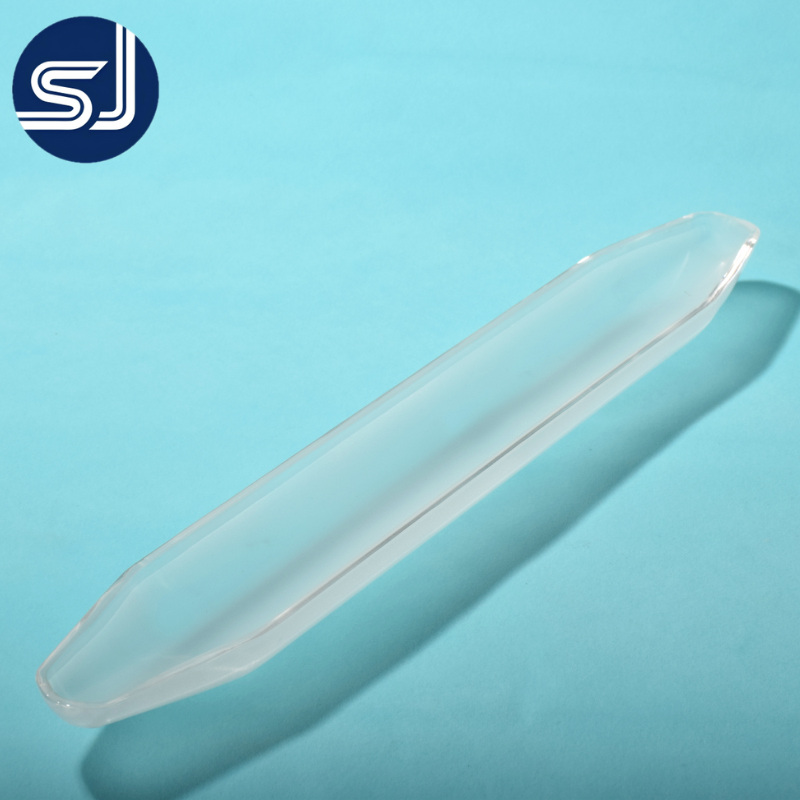
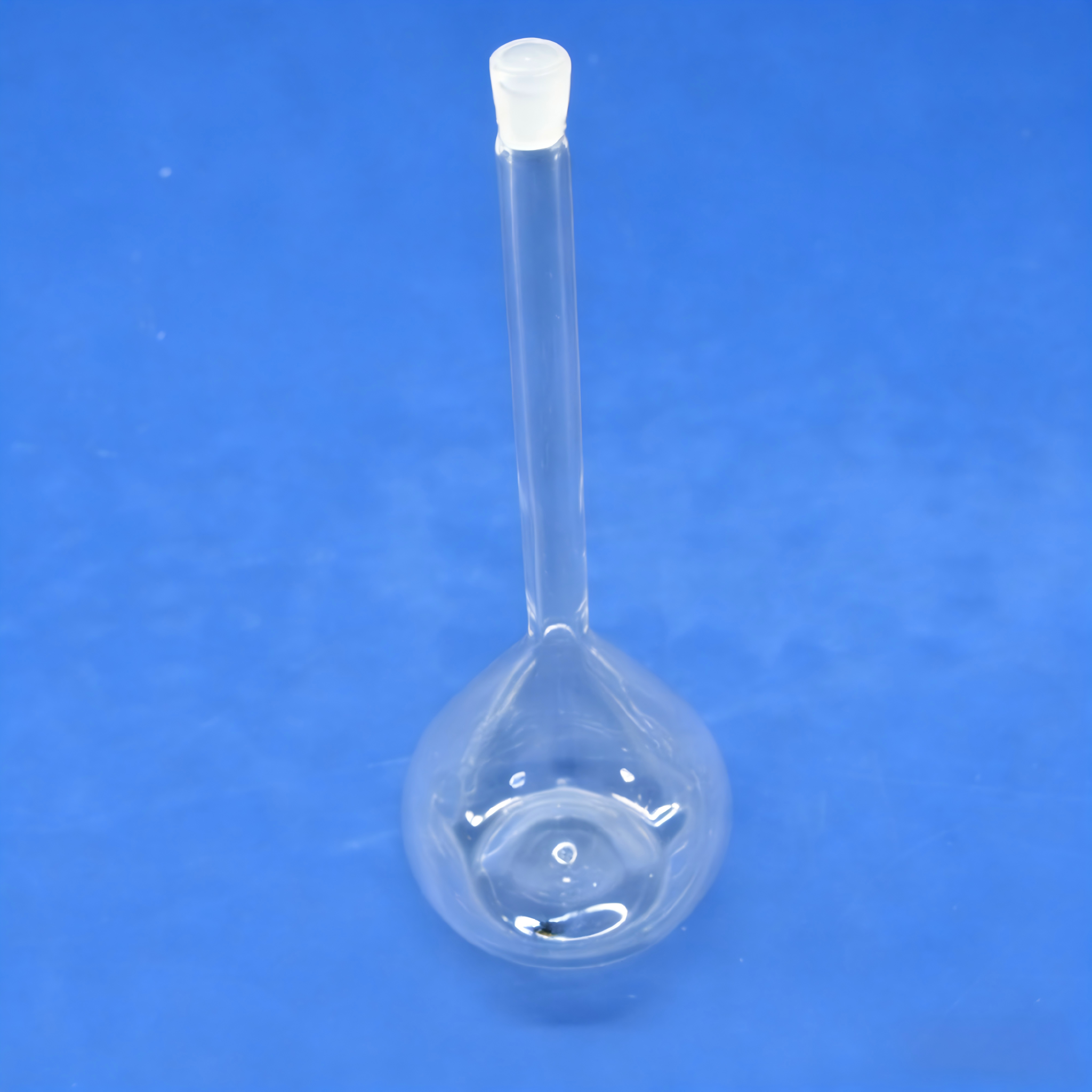
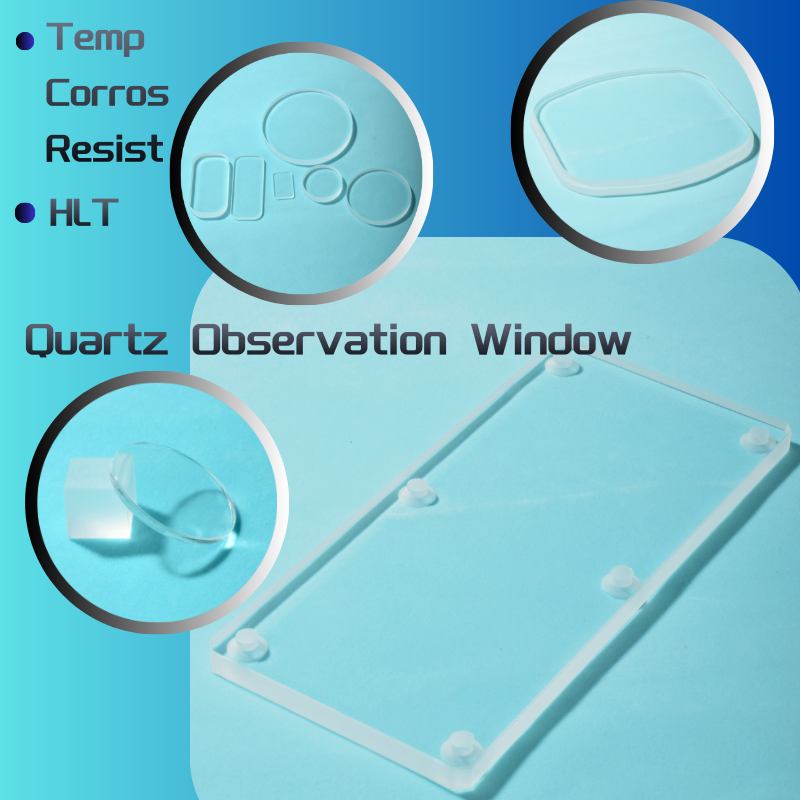
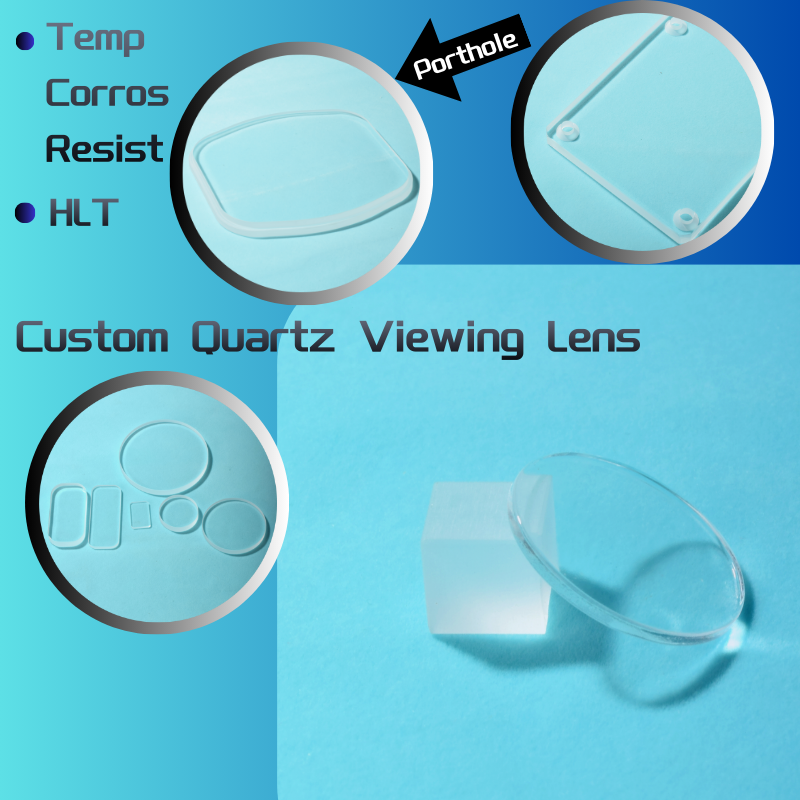
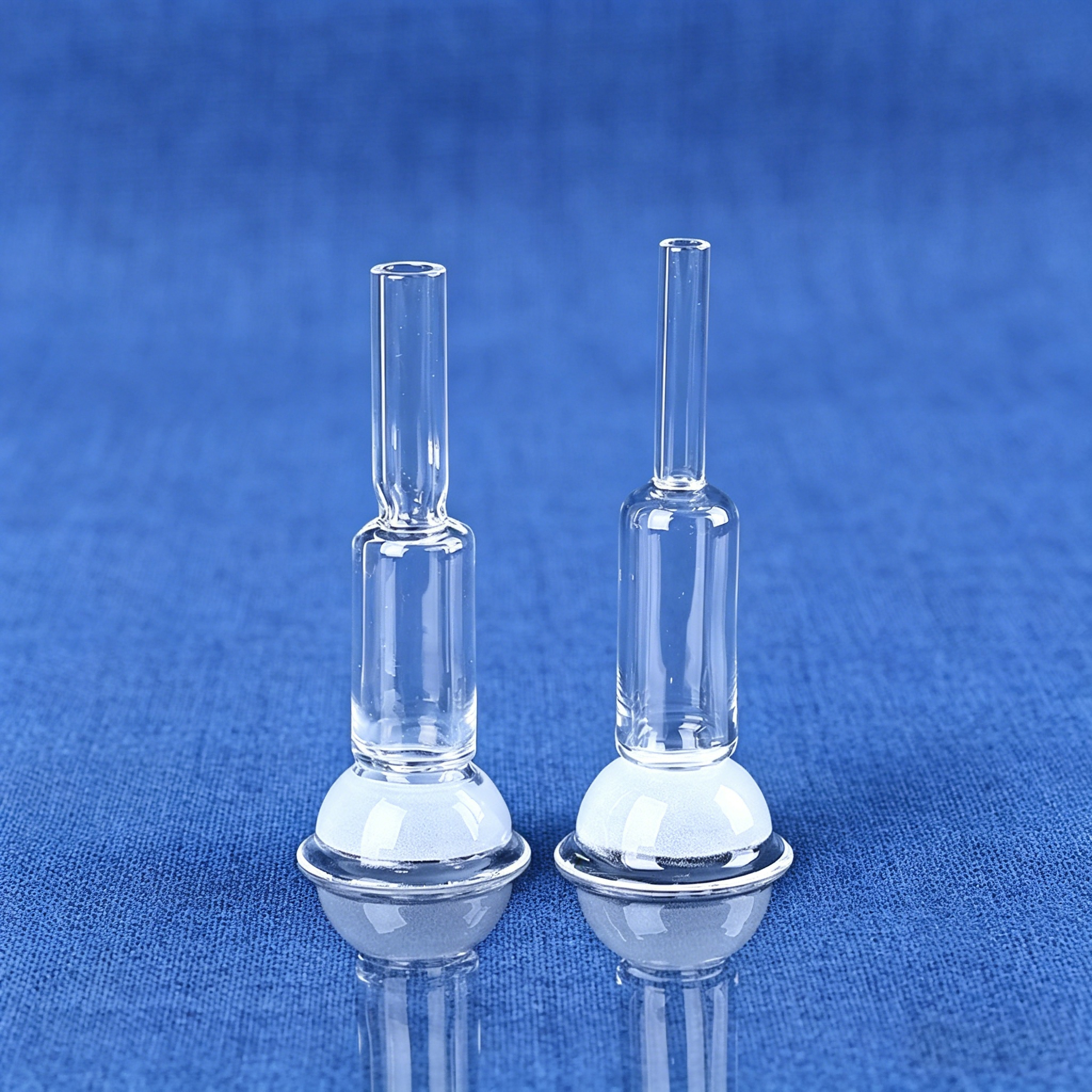
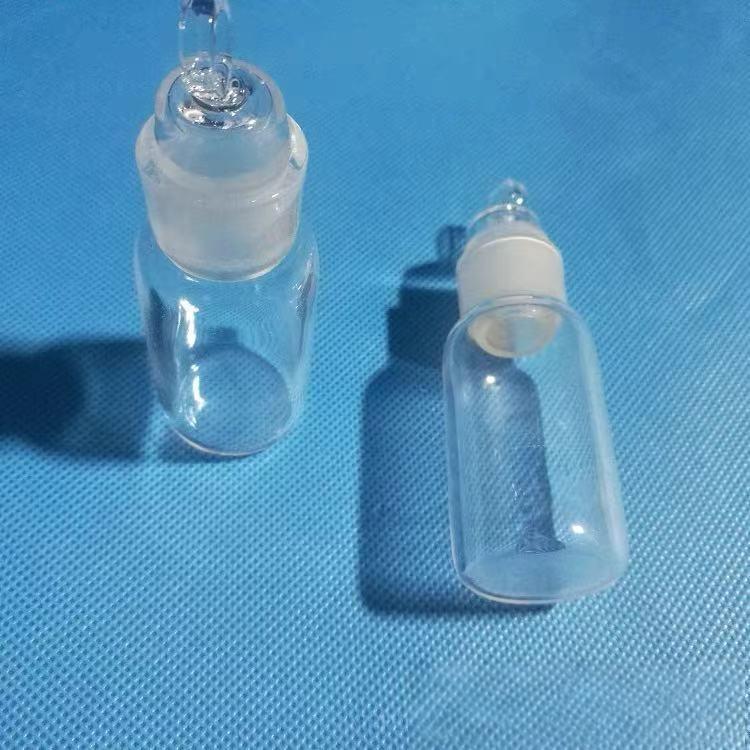
Explore our certified inventory of transparent quartz tubes, curved reaction vessels, furnace boats, and optical glass plates. Fully customizable from 1-piece prototypes to volume production batches.
Bent Quartz Glass Tube Manufacturing Dynamics for Žilina's Industry
A rigorous examination of vitreous silica hot-forming mechanics, thermal shock boundaries, optical purity, and supply chain logistics powering northwest Slovakia's engineering core.
The Vitreous Silica Advantage in the Upper Váh Industrial Basin
In modern industrial engineering, few materials bridge the extreme gap between mechanical integrity and optical transparency under intense thermal loads as reliably as high-purity fused quartz (vitreous silica). For procurement engineers, plant metallurgists, and technical directors across Žilina, Kysucké Nové Mesto, Bytča, and Martin, the operational demands placed on fluid handling, thermocouple protection, and optical sensor sheathing frequently exceed the operational thresholds of standard borosilicate glass 3.3. When continuous thermal environments surpass 500°C, or when cycling between cryogenic temperatures and open flames is required, fused silica is the singular viable engineering material.
Žilina holds an esteemed strategic position within Central Europe's manufacturing framework. Anchored by heavy transport machinery, cutting-edge automotive manufacturing corridors (exemplified by the Kia Slovakia assembly plant in Teplička nad Váhom and its extensive Tier-1 supplier cluster in Mobis and Gbeľany), electrotechnical component prototyping, and advanced tribology research conducted at the University of Žilina (Žilinská univerzita v Žiline - UNIZA), the regional requirement for tailor-formed, precision-bent quartz tubes has surged over the past five years.
Unlike standard straight tubes, a bent quartz glass tube introduces complex thermodynamic and geometrical challenges. Vitreous silica does not pass through a wide, malleable softening phase like multi-component soda-lime or borosilicate glasses. It exhibits an exceptionally narrow working range centered between 1680°C and 1850°C. Heating silica beyond this range without precise optical pyrometry and inert gas backfilling risks localized devitrification—the destructive crystalline phase change to β-cristobalite. Cristobalite undergoes a catastrophic displacive inversion during cooling down to 220°C–270°C, causing microcracking, thermal fatigue, and explosive structural failures under mechanical pressure. As a TÜV Rheinland-inspected manufacturer originating from Donghai—China’s global center of high-purity natural silica sand—we bring institutional glassblowing science directly to procurement desks serving Žilina.
Material Science Metric: Fused Quartz vs. Industrial Borosilicate 3.3
To assist Slovak mechanical designers in selecting appropriate glass tubing materials, the following engineering matrix outlines key physical, thermal, and optical parameters governing bent tube installations:
| Physical / Engineering Property | Vulra Fused Quartz (SiO₂ >99.99%) | Standard Borosilicate Glass 3.3 | Operational Impact on Žilina Facilities |
|---|---|---|---|
| Continuous Max Working Temp | 1,100 °C | 450 °C – 500 °C | Allows direct flame exposure and furnace flue gas monitoring without tube sagging or wall deformation. |
| Short-Term Peak Temp | 1,450 °C | 550 °C | Withstands extreme exothermic reaction spikes in chemical vapor synthesis and pyrolysis testing. |
| Thermal Expansion Coeff. (0-300°C) | 5.5 × 10⁻⁷ K⁻¹ | 3.3 × 10⁻⁶ K⁻¹ | Near-zero expansion; can be quenched directly from 1000°C into ice water without thermal shock breakage. |
| Softening Point | 1,683 °C | 820 °C | Permits ultra-high temperature vacuum degassing and clean sintering of powder metallurgy samples. |
| Deep UV Transmittance (200-300 nm) | >85% (Ozone-free or Optical grades) | <10% (Completely opaque below 290nm) | Essential for high-output photochemical decomposition, UV curing lamps, and optical sensor windows. |
| Dielectric Strength (at 20°C, 1MHz) | 25 - 40 kV/mm | 10 - 15 kV/mm | Superior high-frequency electrical isolation in induction furnaces and plasma chambers. |
| Chemical Resistance to Mineral Acids | Unaffected by all acids (except HF & H₃PO₄ >150°C) | Subject to alkaline & hot acid leaching | Eliminates trace metal leaching into sensitive analytical samples and semiconductor chemistry. |
Thermal Physics of Tube Bending: Preventing Ovality and Wall Thinning
The manufacturing of a curved or bent quartz tube—whether it is a simple 90° sweep, a tight U-bend, a helical cooling coil, or an intricate C-shaped BET analyzer cell—demands meticulous control over four fundamental thermal variables:
1. Controlled Oxy-Hydrogen Flame Geometry: Fused quartz cannot be softened using standard hydrocarbon gas torches (such as propane or natural gas) because combustion temperatures are insufficient to reach the glass transformation zone without leaving carbon deposits. Our factory utilizes multi-orifice hydrogen-oxygen burners capable of generating focal temperatures above 2000°C. The clean water-vapor combustion byproduct leaves the silica lattice completely free of metal oxides or hydrocarbon soot.
2. Dynamic Internal Gas Pressurization: When a straight fused quartz tube is bent over a radius $R$ that is less than four times its outer diameter ($R/D < 4$), mechanical tensile forces on the extrados (outer radius) cause severe wall thinning, while compressive forces on the intrados (inner radius) cause localized wrinkling and cross-sectional ovalization. To overcome this, our glass artisans seal one end of the workpiece and maintain micro-metered ultra-pure nitrogen ($N_2$) backpressure during the bending cycle. This internal pneumatic support maintains tube circularity with ovality variations below 1.5% across the entire bent arch.
3. Avoidance of Cristobalite Nucleation: When quartz glass is held between 1150°C and 1600°C, hydroxyl (OH⁻) ions and surface trace alkalis act as nucleation seeds for devitrification. By leveraging premium natural quartz raw materials with impurity levels below 20 ppm and handling all workpieces under cleanroom-filtered air, we preserve the vitreous amorphous phase during extended heating.
4. Full Annealing Cycle: Following flame bending, cutting, or arc-welding, intense residual hoop and axial stresses remain trapped within the bend transition zones. Our workpieces undergo an extended thermodynamic annealing treatment inside programmable electric kilns: soaking at 1150°C to relieve frozen stresses, followed by an ultra-slow, linear temperature ramp-down past the strain point (1025°C) at less than 1.5°C per minute. Every finished bent quartz tube delivered to Žilina is inspected via cross-polarizers to guarantee zero residual birefringence.
Zero Ovality Bending
Internal nitrogen pressurization ensures uniform cross-sections along complex U-bends, coils, and elbows, maintaining precise internal fluid volume and laminar flow dynamics.
Full Cycle Annealing
Every hot-worked quartz element undergoes computer-controlled kiln thermal soaking at 1150°C to eliminate micro-stress, preventing premature cracking under cyclic furnace loading.
Drawing-to-Part Accuracy
Whether you supply STEP, DWG, DXF, or PDF engineering prints, our hot-bench and CNC diamond grinding technicians respect strict tolerances down to ±0.05 mm on critical lengths.
Integrated Application Scenarios Across Northwest Slovakia
How customized bent quartz glass components solve mission-critical thermal, optical, and chemical engineering bottlenecks in Žilina's key industrial clusters.
1. Automotive Paint Curing, Infrared Emitters & Exhaust Sensor Prototyping
Žilina is the undisputed epicenter of automotive manufacturing in northern Slovakia. Modern automotive production lines require rapid infrared heating modules to dry primer coats, cure protective polymers, and thermoform composite interiors without lengthy pre-heating delays. Standard straight infrared quartz lamps frequently leave cold spots on deeply contoured vehicle panels, battery enclosures, and door stamps. By utilizing custom-bent twin-tube quartz emitters, heating elements can mirror the 3D contour of car body assemblies, providing concentrated radiant flux directly to target surfaces.
Furthermore, in exhaust system testing and lambda sensor development, gas sampling probes must endure continuous exposure to hot, acidic combustion fumes reaching up to 900°C. Bent quartz sampling tubes provide complete resistance to sulfur dioxide ($SO_2$), nitric oxides ($NO_x$), and carbon soot, ensuring that analytical gas chromatography readouts remain free from catalytic wall effects caused by metallic sampling tubes.
2. Academic Research & Tribology Laboratories at the University of Žilina (UNIZA)
The academic institutions of northwest Slovakia—spearheaded by UNIZA’s Faculty of Mechanical Engineering and the Research Centre—regularly push the limits of material sciences, battery chemistry, and aerodynamic friction diagnostics. Specialized materials characterization techniques such as BET (Brunauer-Emmett-Teller) specific surface area analysis rely upon delicate, calibrated C-shaped and U-shaped quartz sample tubes. These tubes are repeatedly subjected to liquid nitrogen immersion (-196°C) followed by rapid heating to 350°C during sample outgassing.
Standard laboratory glassware fractures instantly under such severe thermal shock cycles. Our custom C-shaped BET quartz tubes, manufactured with precision ground joints and uniform wall profiles, deliver the mechanical reliability needed for reproducible adsorption isotherms on porous battery anodes, carbon nanotubes, and catalytic zeolite matrices synthesized in Žilina’s research centers.
3. Electrotechnical Heat-Treating & High-Frequency Induction Coils
In the neighboring engineering centers of Martin, Bytča, and Čadca, manufacturers specializing in magnetic materials, electromechanical drives, and high-frequency inductors require non-conductive, dielectric process chambers. When induction annealing small ferromagnetic parts, copper coils generate intense RF electromagnetic fields. An insulating bent quartz liner protects the copper induction coil from contact with red-hot workpieces while providing transparent sight access for two-color pyrometric thermal tracking.
Because fused quartz has an electrical resistivity exceeding $10^{18}$ Ω·cm and an exceptionally low dielectric loss factor ($\tan \delta < 0.0001$), RF magnetic fields pass through the quartz tube with zero attenuation and zero parasitic dielectric heating, concentrating 100% of RF energy into the metal workpiece.
4. Photochemical Synthesis & Industrial UV Disinfection Modules
Municipal water monitoring along the Váh River basin, coupled with chemical manufacturing in upper Slovakia, increasingly deploys high-intensity ultraviolet irradiation to degrade organic micropollutants. Bent quartz jacket sleeves allow multi-pass flow reactors to encircle high-power amalgam UV lamps, maximizing UV-C photon exposure per milliliter of fluid. By selecting our ozone-free doped quartz (which absorbs radiation below 220 nm while transmitting the 254 nm germicidal peak), operators protect system gaskets and surrounding electronics from destructive ozone oxidation.
Procurement Evolution in the Slovakian High-Tech Corridor
How automation, green automotive transformation, and strict European supply chain regulations are reshaping quartz component procurement across the Žilina Region.
Over the past three years, the purchasing strategies of Central European engineering firms have shifted dramatically from passive wholesale distribution toward direct-manufacturer technical engagement. Several pronounced trends are dictating procurement protocols within the Žilina industrial cluster:
1. Demand for Rapid Prototyping Without Minimum Order Quantities (MOQ): European automotive R&D cycles are accelerating in response to the global electric vehicle transition. Plant engineers in Teplička nad Váhom and surrounding industrial parks can no longer wait 16 weeks for European stockists to fabricate custom experimental quartz tooling. Our ability to accept 2D/3D CAD drawings and deliver customized 1-piece prototypes within 7 to 10 working days provides local engineers with an indispensable competitive edge during pilot plant qualification.
2. Full Compliance with EU REACH, RoHS & CE Standards: As an EU member state, Slovak customs and environmental regulators enforce stringent controls over industrial imports. Every quartz tube produced in our Donghai manufacturing center is fabricated from natural quartz crystal that is 100% free from restricted hazardous substances, including lead, mercury, cadmium, and hexavalent chromium, backed by CE marking and third-party certified RoHS compliance reports.
3. Transition Toward Integrated Modular Glassware: Rather than sourcing straight tubes, connectors, and ground joints separately and attempting localized lampworking (a craft suffering from a severe shortage of skilled glassblowers across Slovakia), procurement leads are demanding pre-assembled, fully integrated, arc-welded quartz assemblies directly from the factory. Our specialized cleanroom hot-working workshops fabricate complete quartz condenser systems, C-tube analyzers, and observation manifolds that are delivered ready for immediate line integration.
Why Slovak Industrial Buyers Partner with Vulra Quartz
Direct from Donghai—the world's crystal capital—our independently audited production facilities deliver unmatched purity, drawing-based accuracy, and reliable export logistics to Žilina.
TÜV Rheinland Audited
On-site verified manufacturing facilities. Premises, production capacity, legal credentials, and export trade compliance independently inspected and certified.
Donghai Sand Advantage
Situated directly at China's premier silica hub, ensuring unbroken supply access to ultra-pure 99.999% SiO₂ quartz sand with total trace impurities under 20 ppm.
Hot & Cold All-In-One
Oxy-hydrogen flame bending, robotic glass lathe welding, diamond cutting, CNC ultrasonic drilling, and double-sided optical polishing executed under one roof.
Zero-Loss Export Crate Packing
Engineered shock-absorbing foam nests, moisture-barrier wrapping, and export-compliant treated wooden crates engineered for long-haul air, rail, and sea logistics to Slovakia.
Accelerate Your Žilina Facility's High-Temperature Tooling
Submit your 2D engineering sketches (PDF) or 3D CAD models (STEP/DWG). Our senior glass engineers will evaluate wall thickness tolerances, bend radiuses, and thermal strain parameters within 24 hours.
Frequently Asked Questions by Žilina Procurement Engineers
Authoritative technical, chemical, and logistics answers from our chief glass engineers to resolve common design and procurement inquiries before placing an order.
What is the minimum bend radius ($R_{min}$) feasible for custom bent quartz tubes?
How do you manage import customs clearance, TARIC codes, and freight delivery to Žilina?
What is the difference between natural fused quartz and synthetic fused silica?
How do your engineers eliminate the risk of transit breakage for fragile quartz shapes?
Can bent quartz tubes withstand direct exposure to aggressive chemical acids in Žilina pickling lines?
What are the standard dimensional tolerances for custom bent quartz tubing?
What is your typical production lead time for custom quartz prototypes?
Why is stress-relief annealing critical after hot flame bending?
Connect Directly with Our Quartz Engineering Team
Whether you require standard high-purity replacement tubes, optical windows, or custom multi-axis bent quartz manifolds for your operations in Žilina, download our full product catalog or submit your technical specifications today.