Precision Bent & Fabricated Quartz Solutions
Direct-factory supply from Donghai's certified manufacturing plant to the Dnipropetrovsk industrial zone. Drawing-based customization with high-purity SiO₂ feedstocks and rigorous dimensional tolerance control.
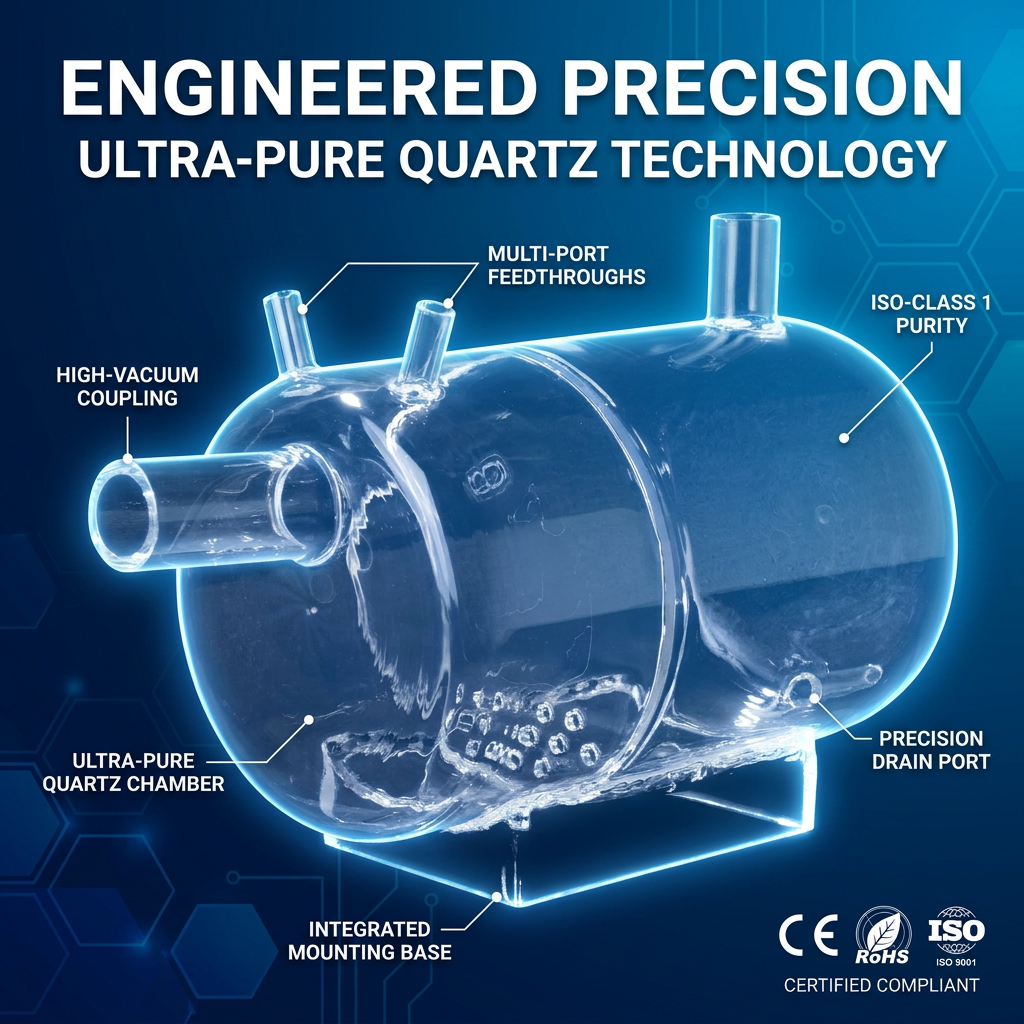
Precision Quartz Separating Container 99.999% Purity
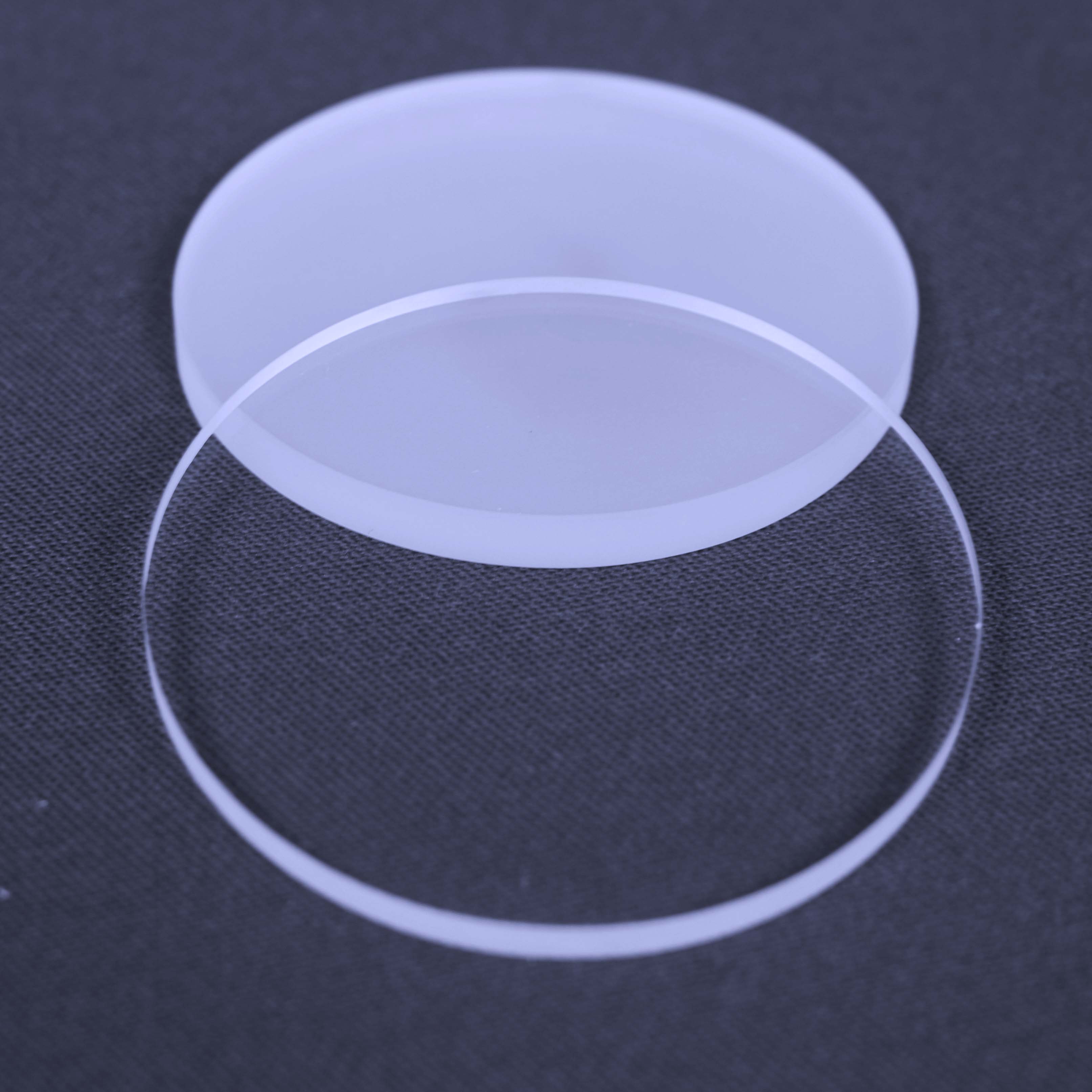
High-Transmittance Circular XRD Quartz Sample Holder
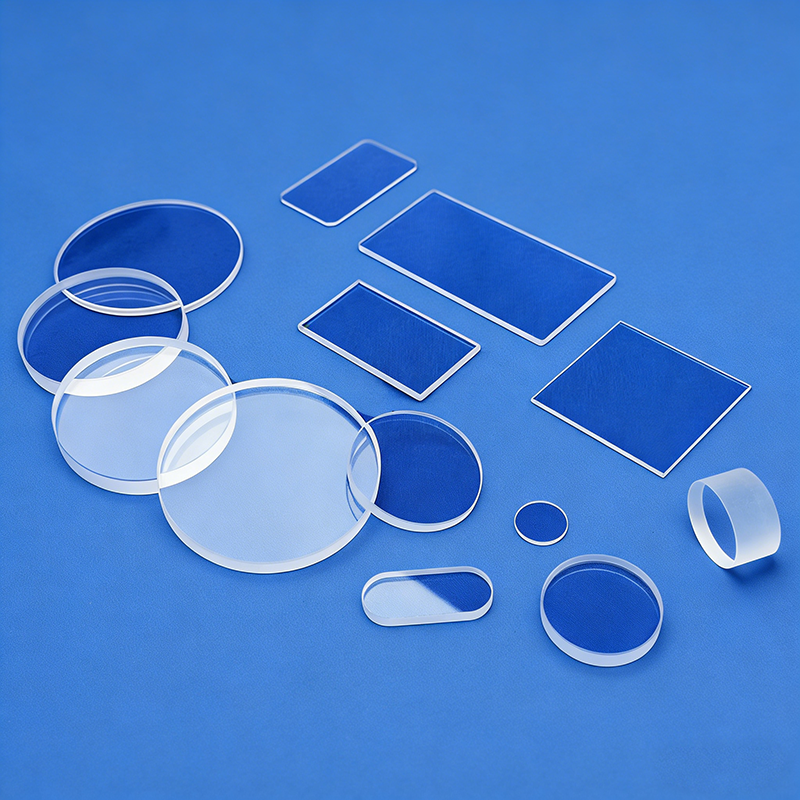
Customized Translucent Fused Quartz Arc-Welded Assembly
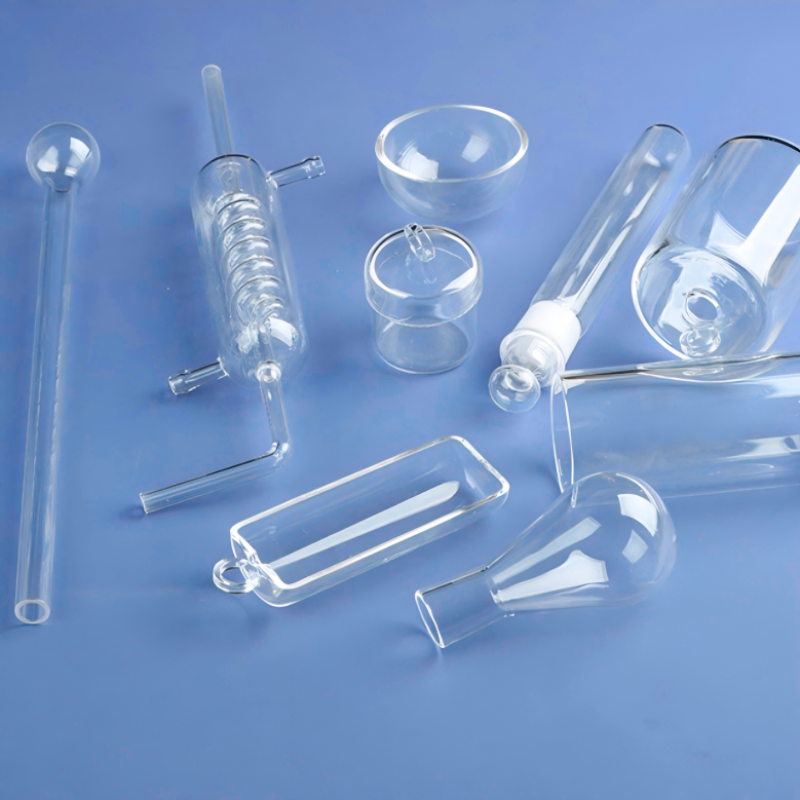
High-Temp Resistant Transparent Quartz Tube & Plug Rod
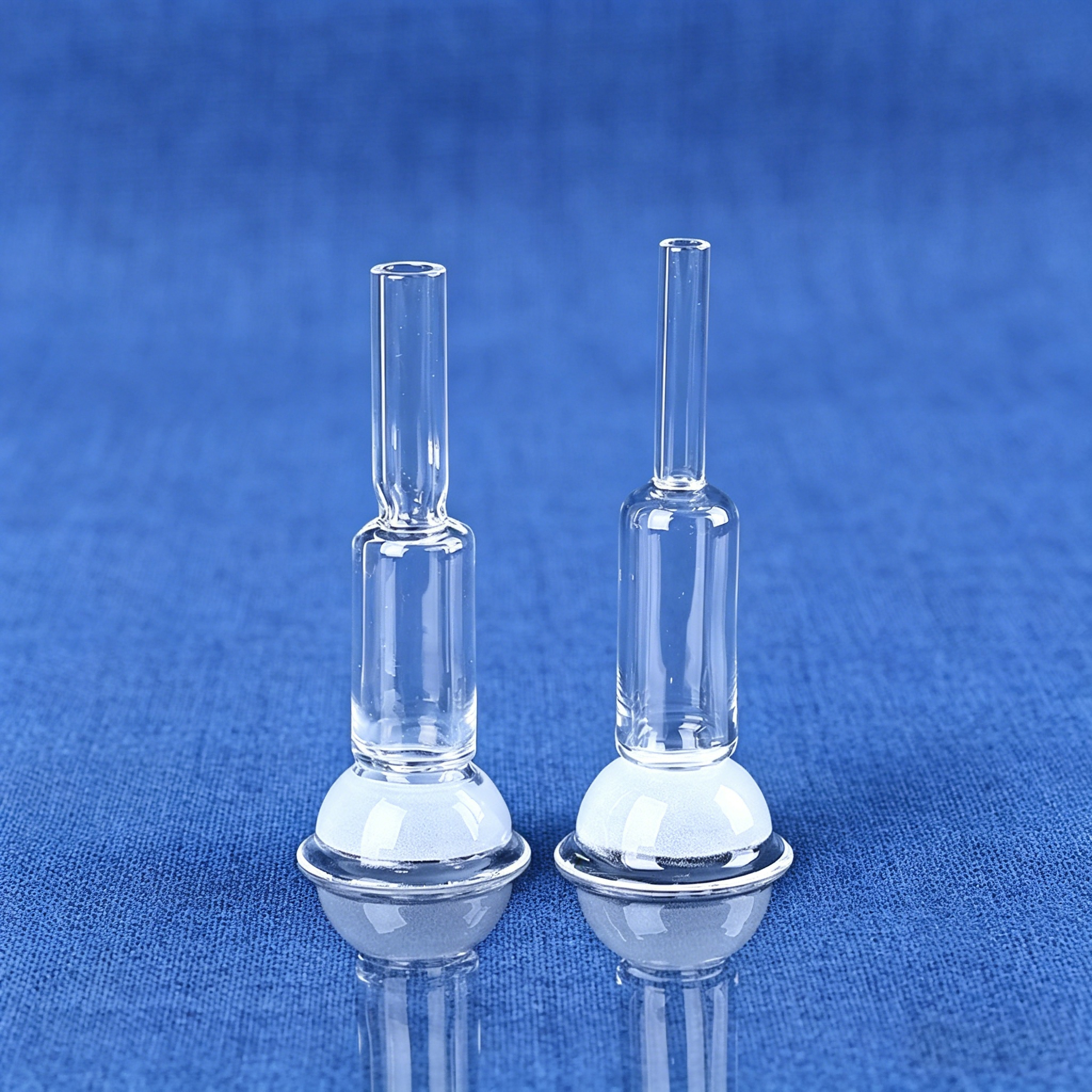
Custom C-Shaped High-Purity Quartz Micro-Bent BET Tube
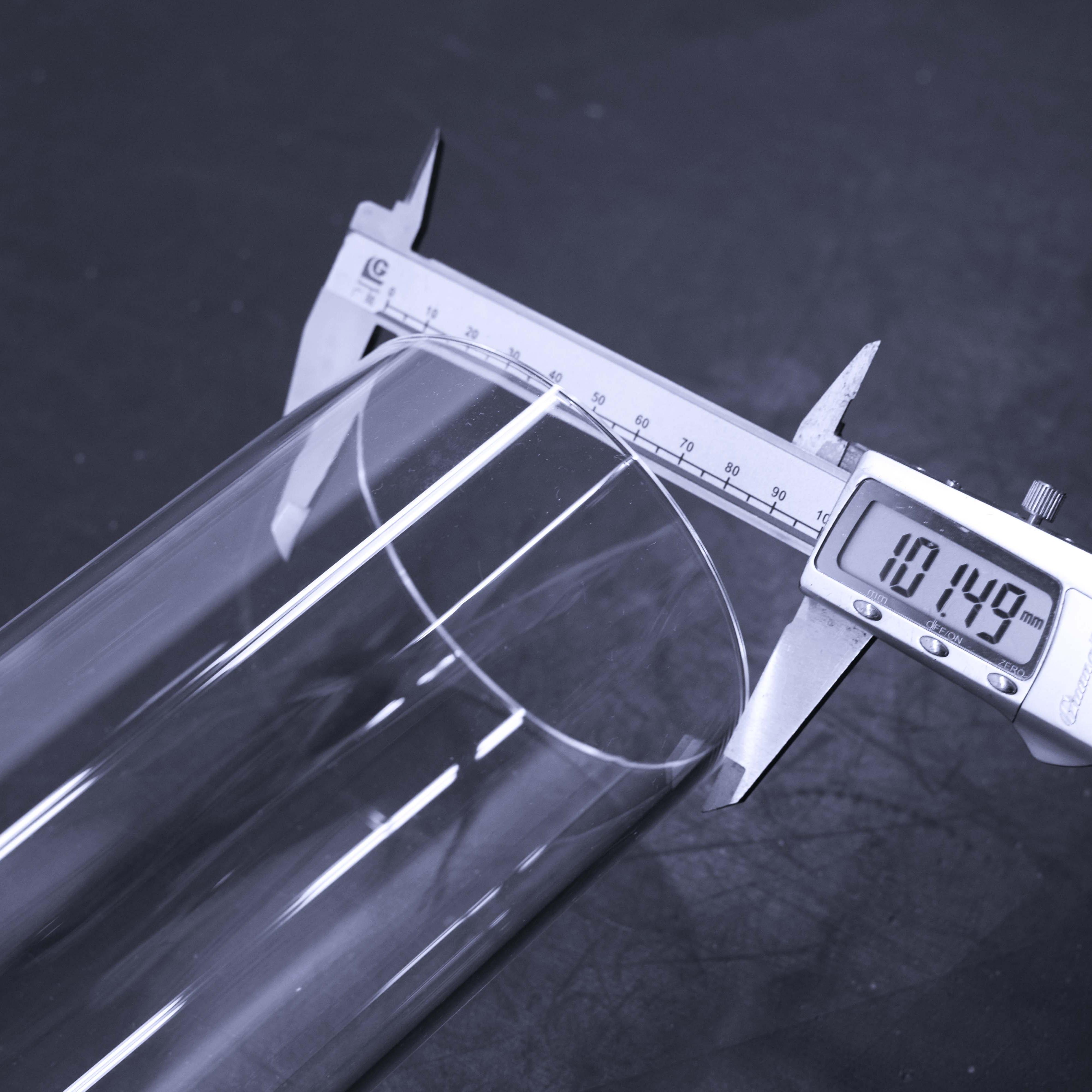
Hollow Clear Quartz Glass Tube for Custom Flame Bending
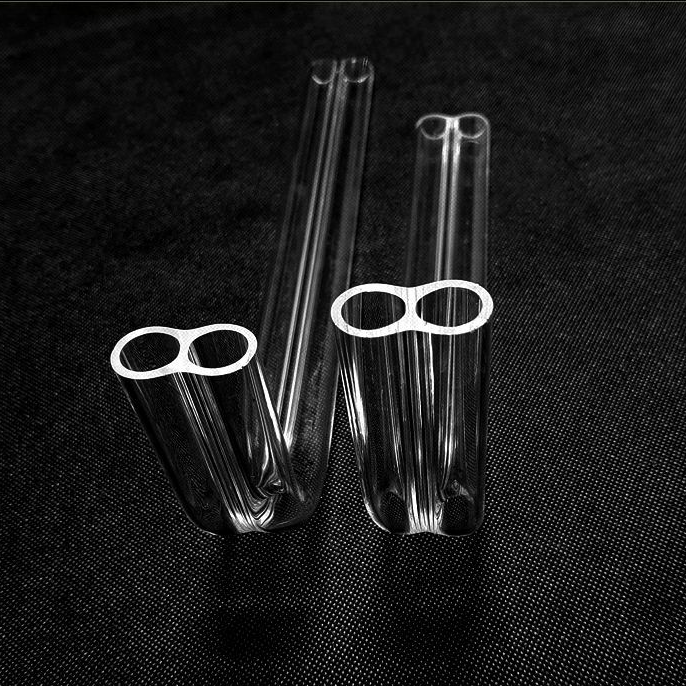
Corrosion-Resistant Fused Quartz Right-Angle Elbow Tube
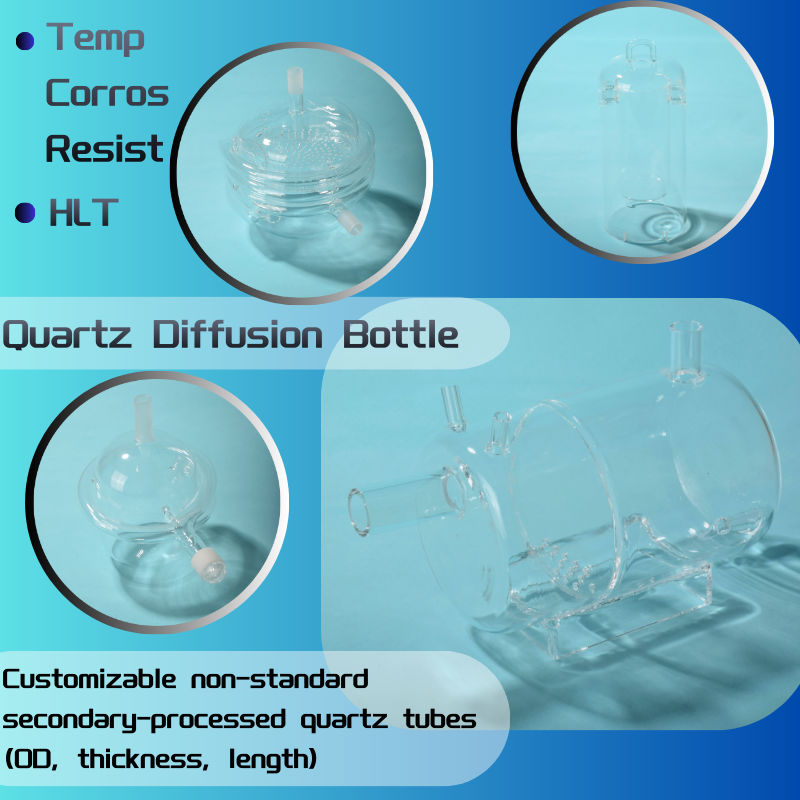
Custom Clear Quartz Tube Condenser & Separator Core
Engineering Integrity of Bent Quartz Glass Tubes in Hostile Environments
In high-demand industrial centers like Dnipro, Kamianske, and Kryvyi Rih, industrial process lines cannot afford structural tube failures. Standard borosilicate and aluminosilicate glasses fail under acute thermal shock and reactive atmospheres. Fused quartz glass—distinguished by its near-zero coefficient of thermal expansion and molecular amorphous silica structure—delivers unparalleled structural stability.
The Science of Hot Flame Bending & Annealing
Fabricating a bent quartz glass tube is not merely a mechanical deformation; it is a thermo-chemical operation demanding absolute atmospheric and thermal regulation. Natural quartz crystallites melt at approximately 1710°C. Cold tube sections must be brought to their working temperature window between 1650°C and 1800°C using calibrated oxy-hydrogen (H₂-O₂) torch arrays to avoid carbon deposition or micro-surface devitrification.
- Internal Gas Purging: Pressurized dry nitrogen prevents internal wall collapse and cross-sectional ovalization during bend formation.
- Wall Thinning Compensation: Controlled feed-rate algorithms prevent dangerous outer-radius tensile stress concentrations and localized erosion.
- Multi-Stage Vacuum Annealing: Continuous dwell periods at 1180°C relieve strain-point energy, followed by linear cool-down protocols that eradicate residual birefringence.
High-Purity Quartz Implementations in the Dnipropetrovsk Industrial Core
Dnipro is the engine of Ukrainian metallurgy, aerospace engineering, defense fabrication, and chemical transformation. Industrial modernization across the Prydniprovya region requires quartz glass components that survive continuous 1100°C duty cycles, reactive molten slag exposures, and aggressive gas vapor condensates.
Pyrometry & Melt Sampling in Metallurgy
Applied directly within blast furnace zones, ladle refining furnaces, and ferroalloy casting lines in Kryvyi Rih and Kamianske. Custom right-angle bent quartz sight tubes and double-jacketed thermocouple protective sleeves isolate optical pyrometers from furnace dust and slag while conducting thermal radiation with minimal spectral distortion.
Aerospace Propulsion & Vacuum Chambers
Dnipro's world-renowned space and rocket cluster (Pivdenne / Yuzhmash design bureau ecosystem) leverages precision C-bent quartz tubes and clear observation conduits for test rigs simulating high-vacuum orbital and thermal reentry dynamics. Non-outgassing properties guarantee pristine diagnostic clarity in sensor manifolds.
Specialty Chemical Synthesis & Acids
Chemical processing installations throughout the Dnieper industrial basin rely on continuous fused quartz condensers, separatory funnels, and right-angle transfer loops for condensing heated nitric, sulfuric, and hydrochloric acids. Amorphous silica remains inert to all acids (excluding hydrofluoric and hot phosphoric), eliminating contamination.
Material Science & BET Surface Testing
Regional scientific institutes (including Dnipro National University laboratories and metallurgy testing centers) employ our micro-bent U-tubes and C-tubes for BET surface area analysis, catalyst characterization, and high-frequency furnace boats. Uniform inner diameter ensures laminar carrier gas velocity without turbulence.
Modernization Trends Shaping Industrial Quartz Demand in Ukraine
The Ukrainian industrial matrix is undergoing structural realignment toward European Union standard harmonization (EN / DIN) and rapid modernization of energy-intensive processes. These macro shifts directly drive the requirement for specialized high-purity fused silica componentry.
Transition from Legacy GOST to ISO/EN Norms
Industrial engineers across Kamianske pipe facilities and Kryvyi Rih iron works are systematically phasing out Soviet-era GOST technical glassware specifications in favor of EN 10204-3.1 inspection protocols, RoHS compliant compositions, and strict trace-metal ceilings (Al, Fe, Ti < 15 ppm). Our manufacturing facilities in Donghai provide complete analytical batch certification for every export consignment.
Electrification & Infrared Process Heating
Skyrocketing natural gas prices and structural grid dependencies have spurred Ukrainian heavy machinery plants to adopt localized medium-wave and short-wave infrared quartz heating modules. Bent quartz radiant emitter tubes enable directed thermal targeting during metal annealing, tube extrusion pre-heating, and protective lacquer curing, reducing energy waste by up to 34%.
Resilient Supply Logistics via EU Land Corridors
Procuring raw quartz materials from intermediate European resellers has created prohibitive lead times and inflated tariff markups for Ukrainian buyers. By establishing dedicated freight partnerships utilizing multi-modal customs clearance through Poland, Slovakia, and Romania straight into Dnipro logistics terminals, we ensure seamless supply security for recurring production runs.
Comparative Performance: Fused Quartz vs. Industrial Technical Glasses
Selecting the incorrect glass grade in high-temperature bent tubing leads to premature devitrification, stress rupture, and catastrophic furnace downtime. Review the empirical material benchmarks below.
| Performance Metric | High-Purity Fused Quartz (Vulra) | Borosilicate Glass 3.3 | Aluminosilicate Glass | Synthetic Fused Silica |
|---|---|---|---|---|
| SiO₂ Purity Content | 99.99% – 99.999% | ~81% | ~57% | > 99.9999% |
| Continuous Service Temp | 1100 °C | 450 °C | 650 °C | 1150 °C |
| Maximum Softening Point | 1683 °C | 820 °C | 910 °C | 1730 °C |
| Coefficient of Thermal Exp. (CTE) | 5.5 × 10⁻⁷ /°C | 33 × 10⁻⁷ /°C | 42 × 10⁻⁷ /°C | 5.2 × 10⁻⁷ /°C |
| Thermal Shock Resistance | 1100°C into 20°C H₂O (No Fracture) | ΔT = 150 °C Max | ΔT = 200 °C Max | 1150°C into 20°C H₂O |
| Optical Transmission Range | 260 nm – 2500 nm (Broad Band) | 310 nm – 2200 nm | 320 nm – 2400 nm | 185 nm – 2600 nm (Deep DUV) |
| Hydroxyl (OH⁻) Trace Level | Customizable: Standard <30 ppm / Dry <5 ppm | Not Regulated | Not Regulated | < 1 ppm – 1200 ppm |
| Cost-to-Performance Ratio | Optimal for Heavy Industry & Metallurgy | Low (Not suited for >500°C) | Moderate (Limited geometry) | Very High (Semiconductor Fab only) |
Verified Manufacturing Excellence from Donghai, China's Crystal Capital
Lianyungang Vulra Quartz Products Co., Ltd. sits at No. 9, Dingxin Road within the Jiangsu Donghai Economic Development Zone. Donghai is internationally recognized as the nexus of global natural crystal and high-purity silica sand processing, granting us immediate, uncompromised access to the world's most pristine quartz minerals.
TÜV Rheinland Assessed
Our operations, physical production lines, cleanrooms, and business integrity are on-site assessed and certified by TÜV Rheinland. We operate verified custom manufacturing lines certified under CE and RoHS directives.
End-to-End Hot & Cold Tooling
From primary drawing and precision flame bending to ultrasonic CNC coring, diamond edge polishing, and laser dimensional profiling. All secondary processing occurs under one single roof to eliminate handling damage.
Drawing-to-Prototype from 1 PC
We respect the iterative engineering cycles of industrial RnD. We gladly accept technical DWG, DXF, and STEP files for single-piece pilot prototypes before validating batch runs, eliminating arbitrary high-MOQ friction.
Shock-Proof Heavy Export Crating
Every bent quartz assembly is cleaned via ultrasonic acid baths, sealed in ESD bags, encased within high-density pre-cut polyethylene molds, and secured in steel-strapped multi-ply wooden export crates for transit safety.

Frequently Asked Questions by Dnipro Sourcing Engineers
Direct answers from our senior quartz fabrication team addressing metallurgical requirements, tolerances, logistics, and operational parameters for buyers in Ukraine.
QHow do you route shipments into Dnipro given regional logistics constraints?
We maintain streamlined export logistics pathways into Ukraine. Consignments are air-freighted or sea-shipped to major Central/Eastern European hubs (such as Warsaw, Gdansk, or Constanta), customs-bonded, and transferred via vetted express trucking routes across the Polish or Romanian border directly into Dnipro customs warehouses (Nova Poshta International or customer-designated freight brokers).
QWhat bending tolerances can be achieved on complex U-tubes and multi-turn coils?
On precision glass lathe setups, our standard mechanical bending tolerance is ±0.5 mm for outer diameter (OD) and centerline radius. For ultra-critical optical or vacuum analytical applications, we grind and inspect to ±0.15 mm. We strictly control bend thinning to ensure that the outer curvature wall retains at least 80% of nominal wall thickness.
QCan your bent quartz tubes operate continuously at 1100°C without devitrification?
Yes. Devitrification (phase transformation from amorphous SiO₂ to crystalline cristobalite) occurs primarily when surface alkali impurities (Na, K, Ca) act as nucleation seeds at temperatures exceeding 1000°C. Because our tubes use high-purity 99.999% quartz with total alkali impurities under 2.5 ppm and undergo strict acid cleaning, continuous 1100°C service life is fully preserved.
QWhat is the practical difference between flame-bent tubes and welded right-angle elbows?
Flame bending provides a seamless, smooth-radius curve (R > 1.5× OD) that promotes uninterrupted fluid and gas dynamics without turbulence—ideal for BET instruments, pyrometer line-of-sight, and condensing systems. A welded right-angle elbow combines two miter-cut tubes via an oxy-hydrogen fillet weld, providing sharp 90-degree transitions where tight spatial clearance prohibits a sweeping radius.
QDo you provide custom ozone-free quartz grades for UV applications in the region?
Yes. For water sterilization units, photochemical reaction vessels, and curing arrays across Dnipropetrovsk manufacturing lines, we offer titanium-doped ozone-free fused silica. This formulation absorbs extreme vacuum UV wavelengths below 220 nm (blocking the 185 nm line that converts atmospheric oxygen into harmful ozone) while maintaining superior transmission at 254 nm.
QWhat files and documentation are required to quote a customized drawing?
We work directly with PDF 2D engineering drawings with annotated tolerances, wall thicknesses, and angle notations, as well as 3D CAD files (.STEP, .IGS, .DWG, .DXF). Every quotation includes detailed raw material purity breakdown sheets, thermal parameter confirmations, estimated packaging dimensions, and FCA / CIF / DAP Dnipro incoterms.
Request an Engineering Review & Quotation for the Dnipro Market
Submit your CAD blueprints, tube specifications, or application parameters. Our specialized technical engineers will analyze your bend geometry, wall-ratio stress factors, and provide factory-direct pricing within 24 hours.