Featured Bent & Precision Quartz Glass Products
High-performance fused silica tubes, custom bent conduits, optical sheets, and sealed electrochemical vessels manufactured to exact engineering drawings.
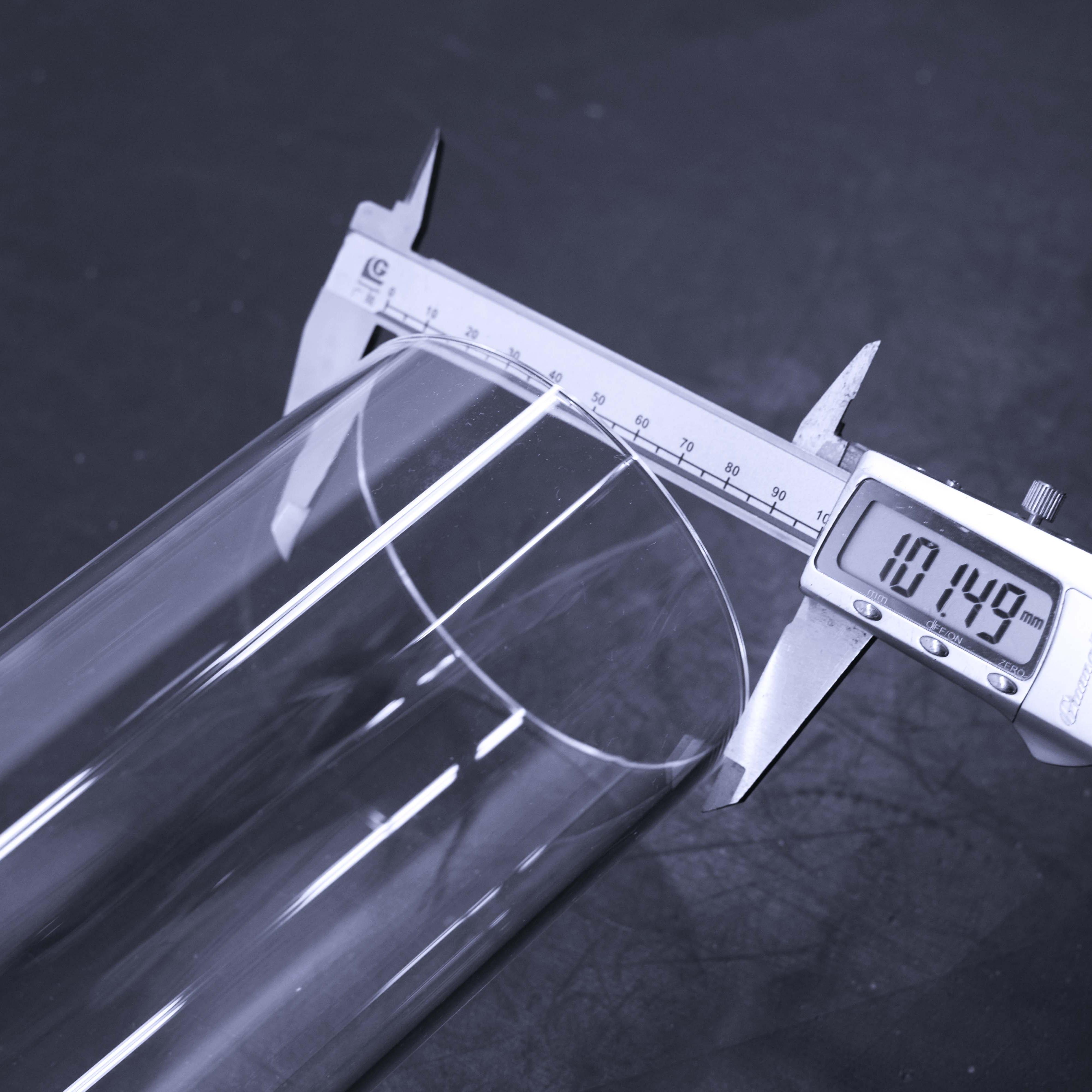
High Purity Quartz Transparent Polished Tube
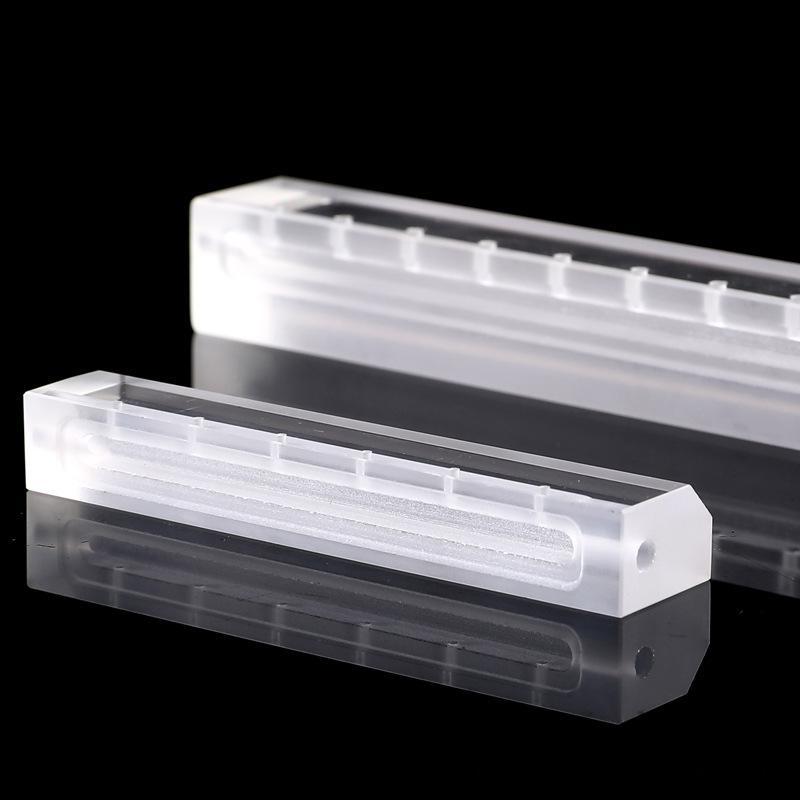
Ultra-Thin Optical Clear Quartz Testing Sheet
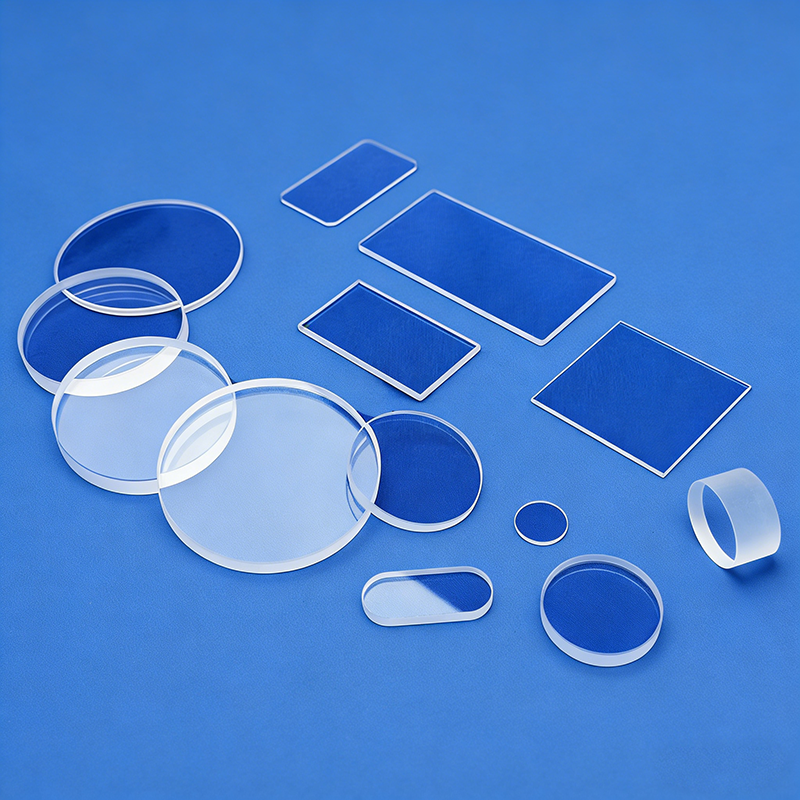
Custom Translucent Fused Quartz Arc-Welded Flat
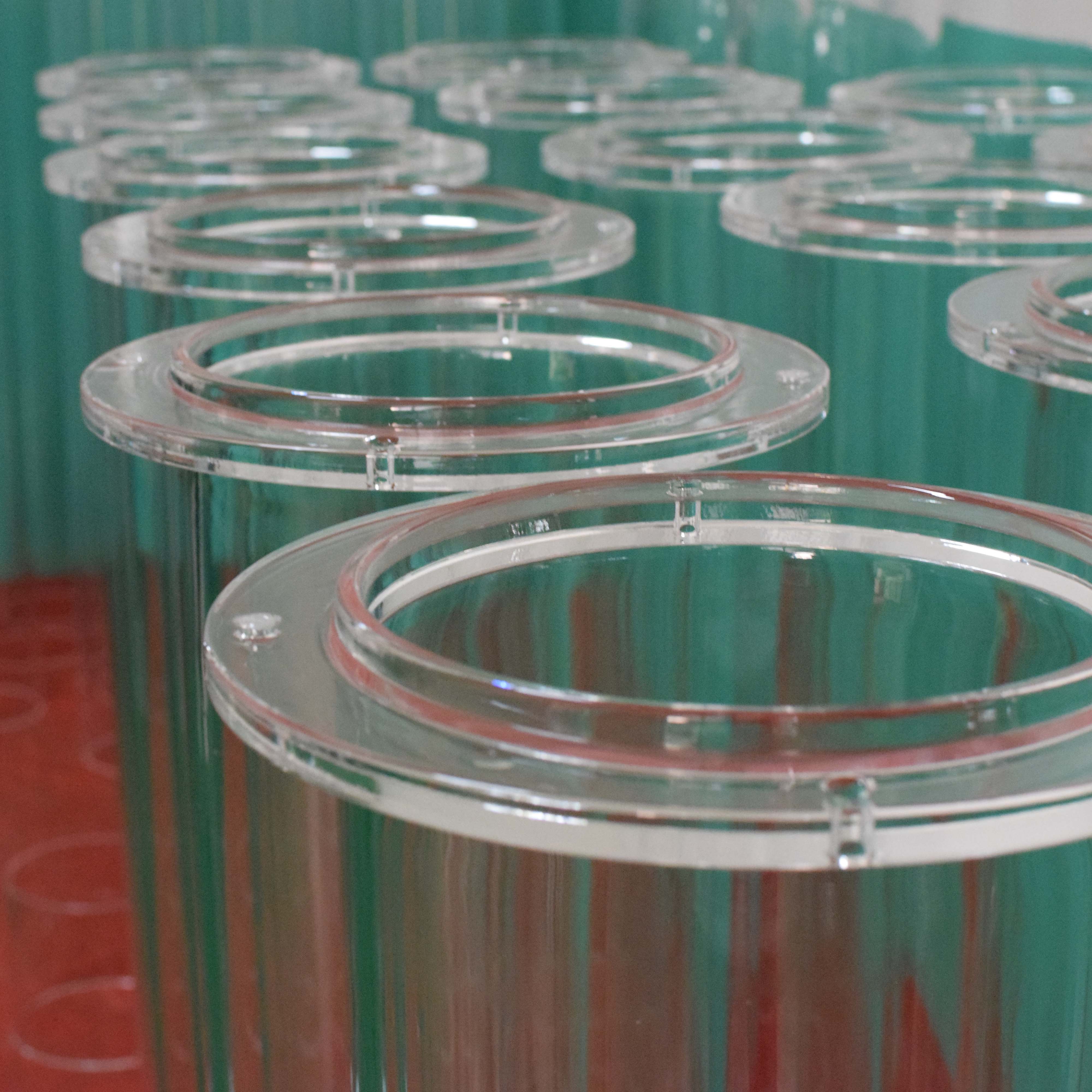
99.999% High-Purity Flanged Quartz Tube
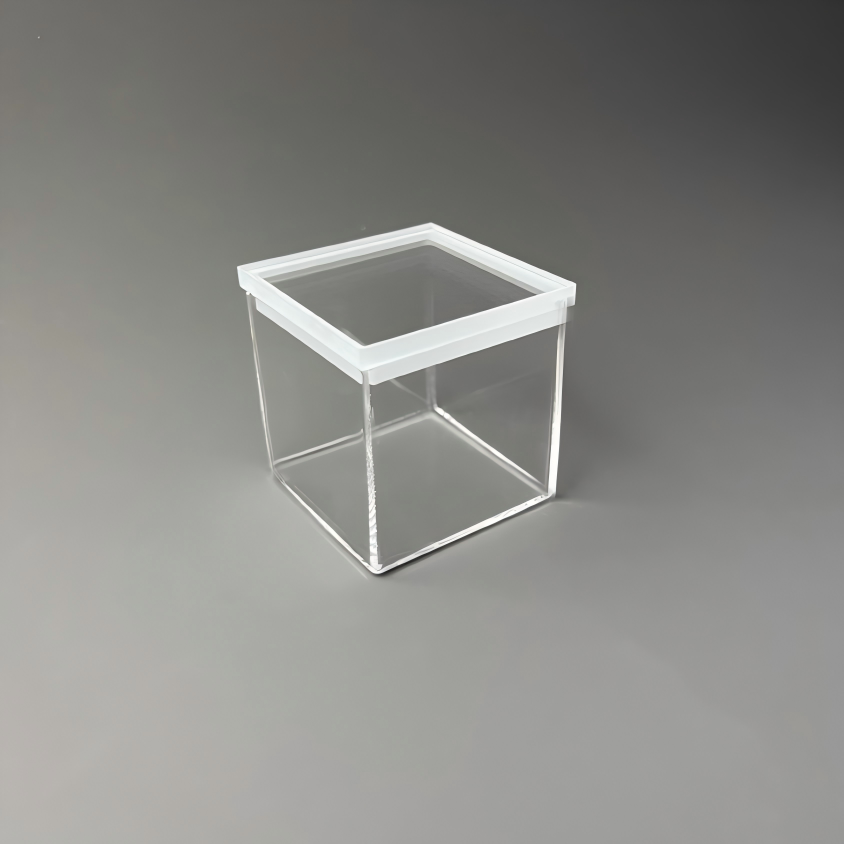
Sealed Quartz Photoelectrochemical Dome Cell
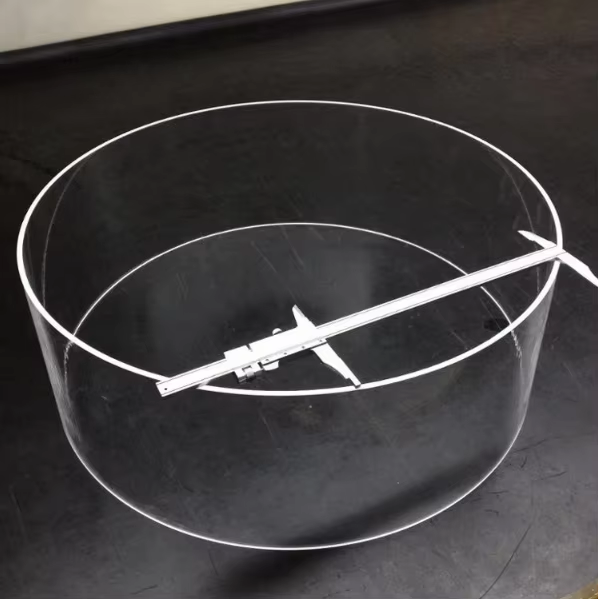
Optical Quartz & Sapphire Composite Tubes
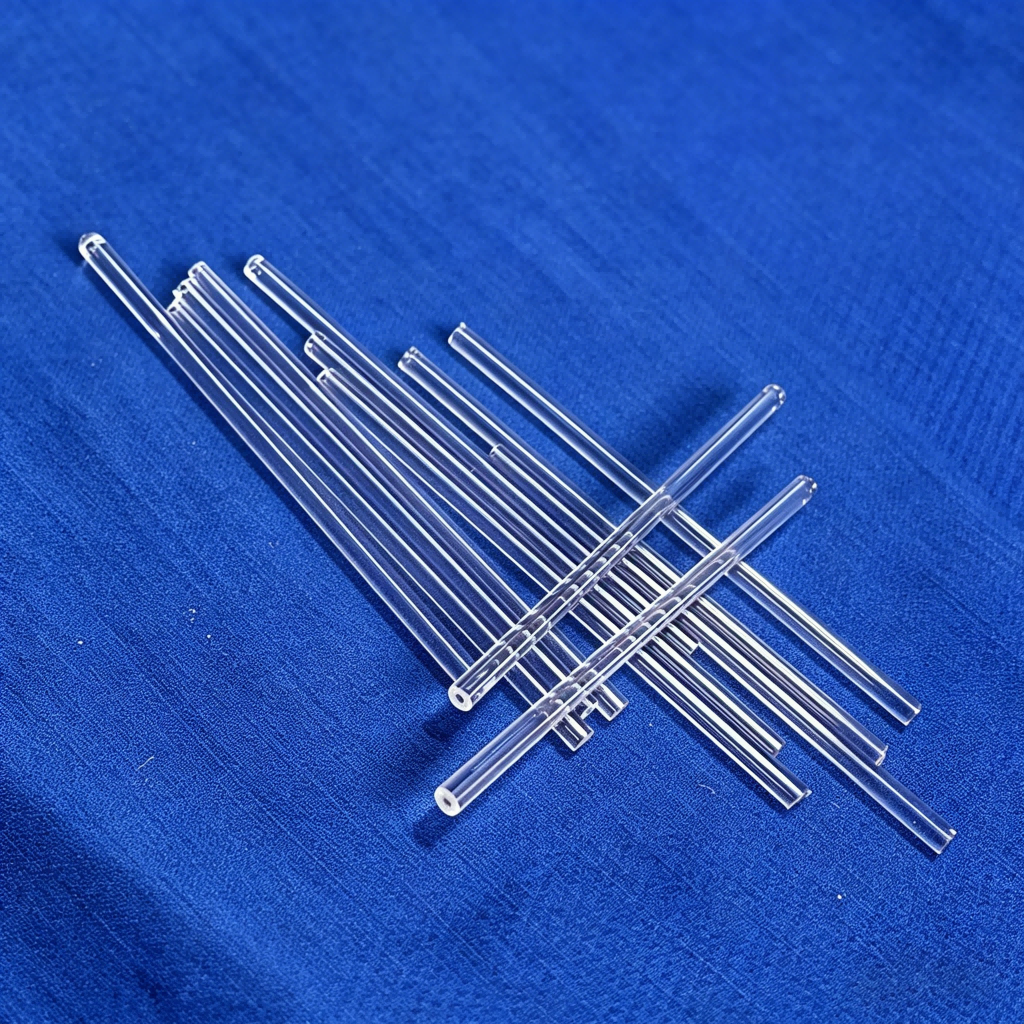
Opaque Micro-Capillary Quartz Exhaust Tube
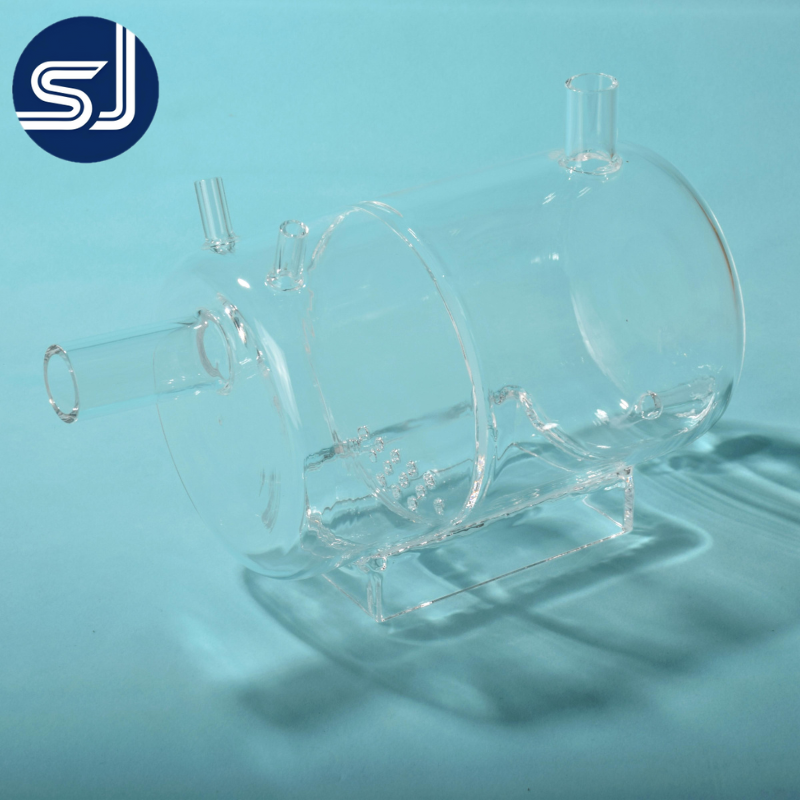
Corrosion-Resistant Quartz Flow Splitting Bottle
Technical Whitepaper: Engineering Custom Bent Quartz Glass Conduits
In high-temperature thermal processing, aggressive chemical synthesis, and specialized optical research, standard straight fused silica tubing often fails to accommodate complex geometric pathways and tight spatial envelopes. Bent quartz glass tubes represent an engineering synthesis of material science and precision hot-forming glassblowing. Manufactured by altering the physical geometry of high-purity fused silica ($SiO_2 \ge 99.99\%$) under controlled thermal energy, these specialized conduits facilitate fluid, gas, and electromagnetic transmission in environmental conditions that destroy metals, polymers, and ordinary borosilicate glasses.
1. Material Physics and Thermal Shock Resilience
Fused quartz is produced by melting naturally occurring high-purity quartz crystal sand in specialized electric or gas-fueled furnaces at temperatures exceeding $2000^\circ\text{C}$. The resulting non-crystalline, amorphous glass exhibits an exceptionally low coefficient of thermal expansion ($5.5 \times 10^{-7} /^\circ\text{C}$ from $20^\circ\text{C}$ to $320^\circ\text{C}$). This atomic arrangement imparts unrivaled thermal shock resistance: a clear bent quartz tube can be heated to over $1100^\circ\text{C}$ and immediately quenched in cold water without structural cracking or micro-fracturing.
When bending quartz glass, maintaining structural integrity demands tight thermal envelope management. During localized heating with oxy-hydrogen flames ($>1800^\circ\text{C}$), the glass enters a viscous flow state. Without precise interior pressure support and CNC mechanical positioning, wall thinning, ovality deformation, and internal stress buildup will occur, compromising the burst pressure rating of the final tube bend.
Information Gain Note: Micro-Stress & Devitrification Control
Standard cold bending methods are impossible with fused quartz due to its high hardness (Mohs 7.0). Hot bending must be immediately followed by a targeted stress-relief annealing cycle at $1140^\circ\text{C}$ to $1150^\circ\text{C}$ for 30 to 60 minutes, followed by slow cooling to the strain point ($1070^\circ\text{C}$). This procedure neutralizes residual mechanical stress caused by thermal gradients, preventing spontaneous failure during subsequent high-pressure or vacuum operation.
2. Key Physical & Chemical Properties Matrix
The table below illustrates the mechanical, thermal, and optical baseline parameters of industrial-grade clear bent quartz glass manufactured by Lianyungang Vulra Quartz Products Co., Ltd.:
| Physical / Chemical Parameter | Standard Value / Spec | Engineering Significance for Buyers |
|---|---|---|
| Chemical Composition | $SiO_2 \ge 99.99\%$ (Up to 99.999% single crystal grade) | Prevents trace element leaching in ultra-pure chemical processes and semiconductor doping. |
| Density | $2.2 \text{ g/cm}^3$ | Lightweight structural material with exceptional strength-to-weight balance. |
| Softening Point | $1683^\circ\text{C}$ | Ensures structural stability well above maximum operating limits of metals like aluminum or steel. |
| Annealing Point | $1215^\circ\text{C}$ | Defines the thermal zone where structural stress relaxation occurs under controlled conditions. |
| Mohs Hardness | 7.0 | High resistance to mechanical abrasion, particle erosion, and surface scratching. |
| Spectral Transmittance | $> 90\%$ (UV-Vis-IR Spectrum: 190nm – 2500nm) | Optimal for photochemical reaction vessels, UV sterilizers, and pyrometric monitoring. |
| Acid Resistance | Resistant to all acids except Hydrofluoric ($HF$) and Phosphoric ($>300^\circ\text{C}$) | Ideal conduit material for handling hot concentrated nitric, sulfuric, and hydrochloric vapors. |
Localized Application Scenarios in North Korea Industry
North Korea’s industrial framework relies heavily on domestic chemical manufacturing, heavy metallurgical production, mineral processing, and specialized research institutes. Bent quartz glass tubes provide crucial thermal and corrosion infrastructure across major regional manufacturing hubs.
1. Heavy Chemical & Petrochemical Processing (Hamhung Region)
The industrial complexes in Hamhung represent a major center for chemical synthesis, fertilizer production, and acid refining. High-purity bent quartz tubes serve as specialized gas manifolds, condensation traps, and sight lines in chlor-alkali and acid distillation units. Standard metal pipes corrode within hours under hot nitric or chlorine gas exposure; bent quartz conduits withstand these acidic vapors indefinitely while maintaining a completely leak-tight, inert fluidic path.
2. Metallurgical Smelting & Thermal Monitoring (Chongjin & Nampo)
In heavy iron, steel, and non-ferrous metal smelting facilities located around Chongjin and Nampo, extreme temperatures make contact measurement impossible. Custom 90-degree and 45-degree bent quartz sight tubes act as protective optical conduits for pyrometers and infrared sensors. They allow continuous optical temperature monitoring inside induction blast furnaces while physically shielding delicate sensor heads from molten metal splash, slag, and corrosive combustion gases.
3. Research Laboratories & Analytical Calibration (Pyongyang)
Academic institutes and analytical laboratories across Pyongyang demand highly customized glassware. Bent micro-capillary tubes, flow-splitting bottles, and photoelectrochemical cells are critical for gas chromatography, catalyst testing, and electrochemical water-splitting research. The ultra-low metallic impurity content ($< 10 \text{ ppm}$) of Vulra Quartz guarantees zero sample contamination during high-precision chemical trace analysis.
4. Industrial UV Sterilization & Effluent Treatment
Industrial facilities requiring water treatment utilize U-bent and helical-bent ozone-free quartz jacket tubes. These bent quartz jackets enclose powerful UVC germicidal lamps, submerged directly into process water or wastewater streams. High UV transmittance ($>90\%$ at 254nm) ensures maximum germicidal efficiency, while the high mechanical strength prevents sleeve rupture under fluid pressure surges.
Localized Industry Trends in North Korea Quartz Market
As industrial procurement strategies evolve, regional technical buyers in North Korea are shifting away from generic off-the-shelf components toward engineered, drawing-based OEM quartz fabrications. Understanding these key localized trends allows engineering managers to optimize their supply chain resilience and lower operational downtime.
Demand for High Thermal Gradient Stability
Modernizing industrial furnaces requires components that operate continuously at $1100^\circ\text{C}$ while suffering rapid localized cooling cycles. Buyers increasingly specify vacuum-annealed quartz tubing to prevent micro-fracturing and devitrification.
Integration of Flanged & Modular Joints
Instead of manual glassblowing on-site, chemical plants prefer factory-welded ground joints, ball-and-socket connections, and precision ground flanges on bent quartz manifolds to facilitate fast maintenance turnarounds.
Strict Dimensional & Bend Angle Tolerances
With increased automation in process machinery, bent quartz conduits must adhere to strict angular ($\pm 0.5^\circ$) and wall-thickness ($\pm 0.1\text{mm}$) tolerances to fit tightly into tight metal housing assemblies.
Enterprise Advantage: Why Partner with Vulra Quartz?
Lianyungang Vulra Quartz Products Co., Ltd. is a TÜV Rheinland-verified manufacturer located in Donghai County, Jiangsu Province — recognized globally as China’s premier crystal and high-purity quartz manufacturing cluster. We provide end-to-end custom quartz glass fabrication for global industrial buyers.
Frequently Asked Questions (FAQ) for Quartz Procurement
Addressing technical concerns, material selection, custom fabrication tolerances, and shipping procedures for industrial buyers.
What is the minimum radius achievable when bending custom quartz tubes?
How does Vulra Quartz prevent devitrification in high-temperature applications?
Can you manufacture complex 3D-bent quartz manifolds from technical drawings?
What is the difference between clear fused quartz and opaque capillary quartz?
How are delicate quartz items protected against breakage during freight?
What thermal limits apply to vacuum-sealed quartz electrolytic cells?
Need Custom Bent Quartz Tubes or Specialized Quartzware?
Submit your technical drawings, CAD files, or custom dimensions directly to our engineering department. Receive a comprehensive feasibility review and formal factory quote within 24 hours.