Featured High-Purity Quartz Glassware Products
Precision-engineered fused quartz components for analytical laboratories, chemical processing, semiconductor fabrication, and photochemical immersion systems.
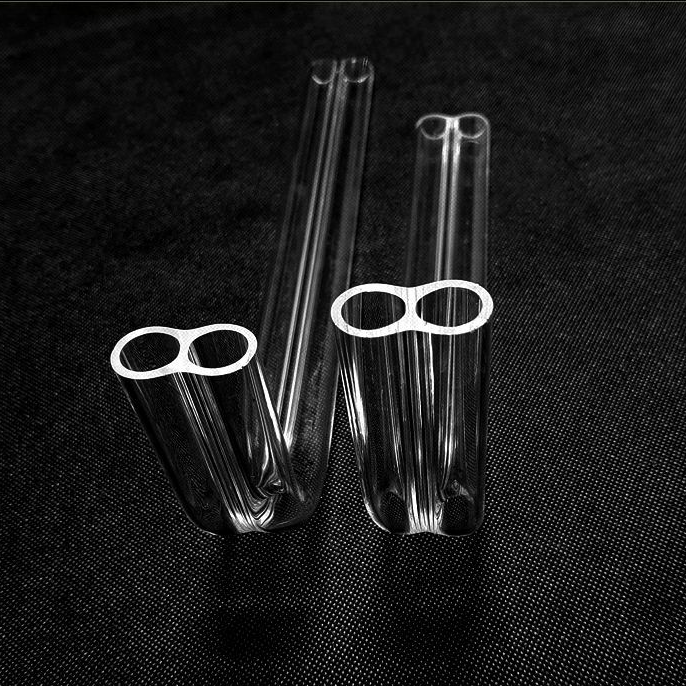
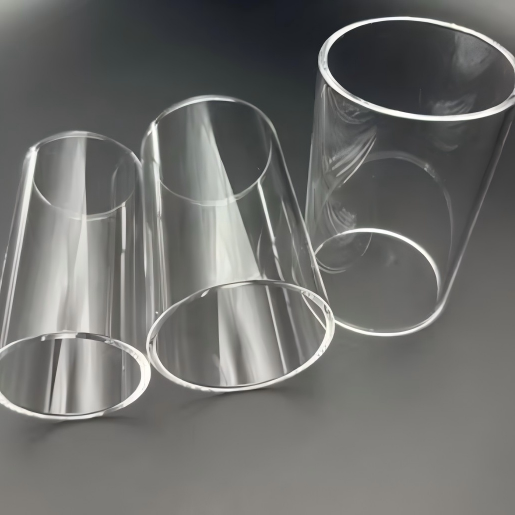
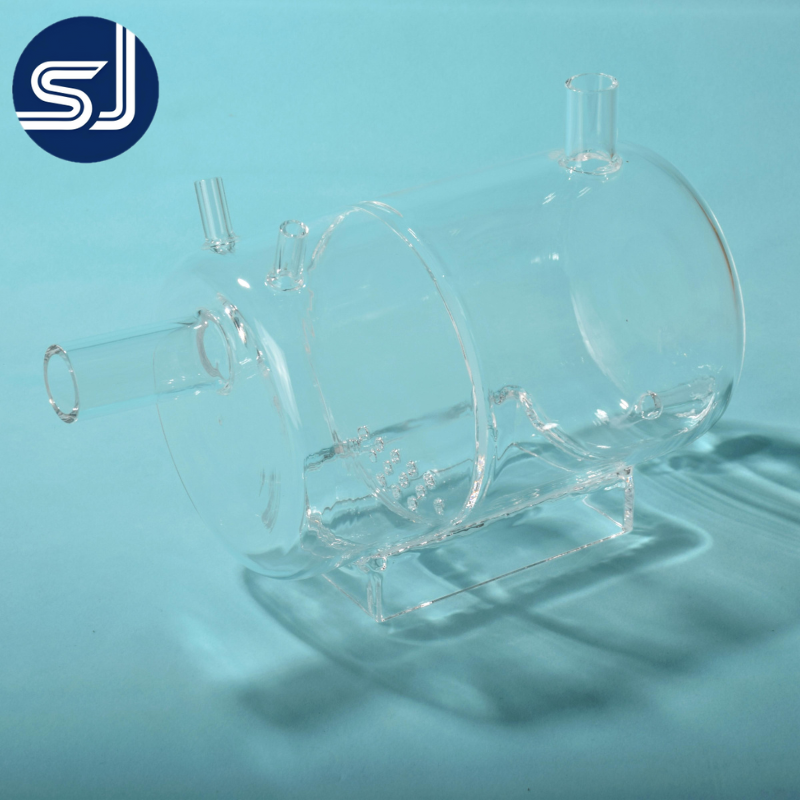
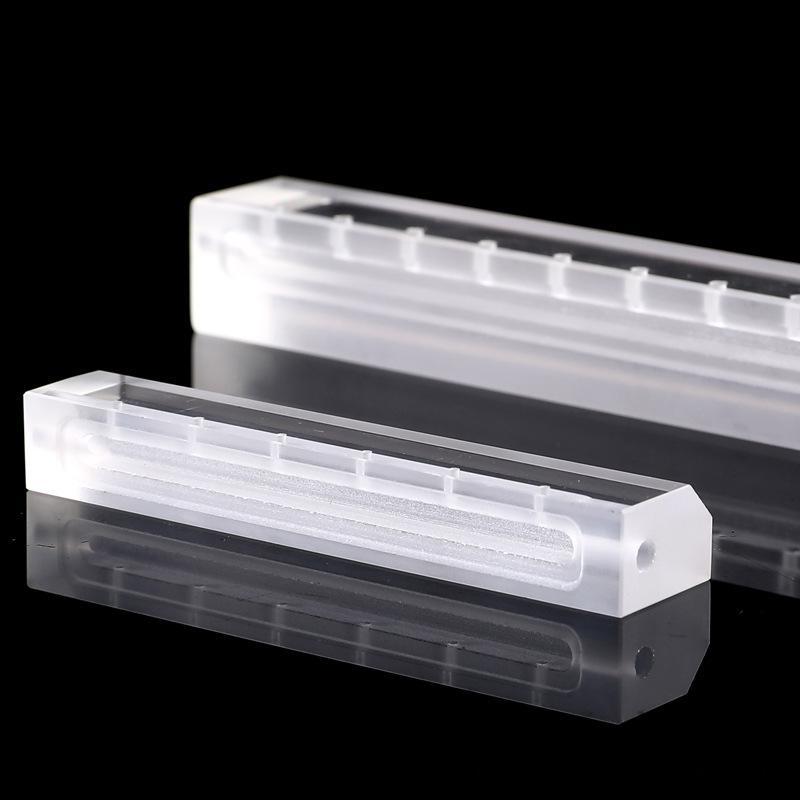
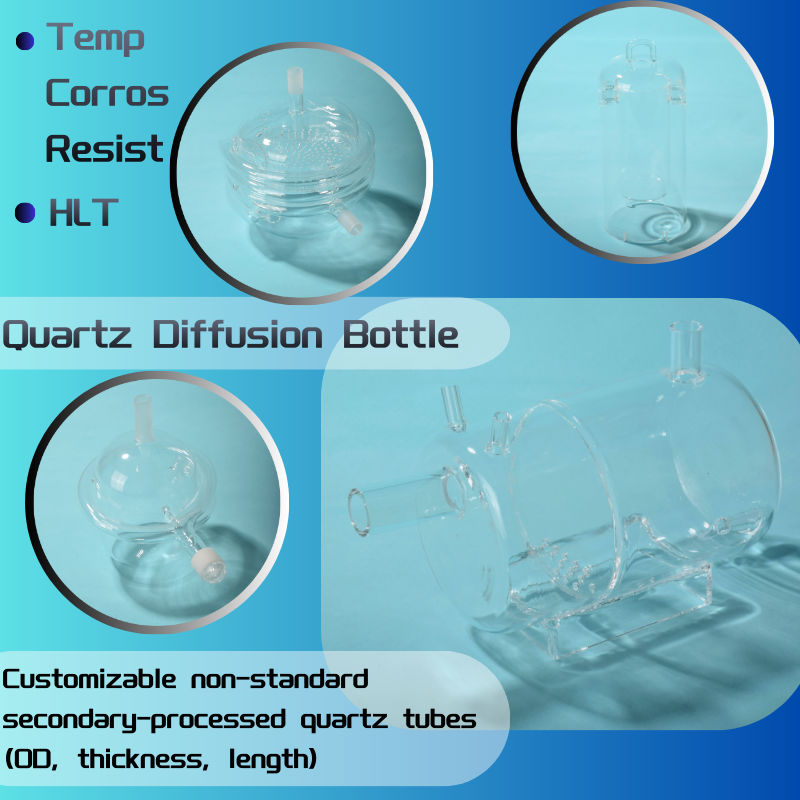
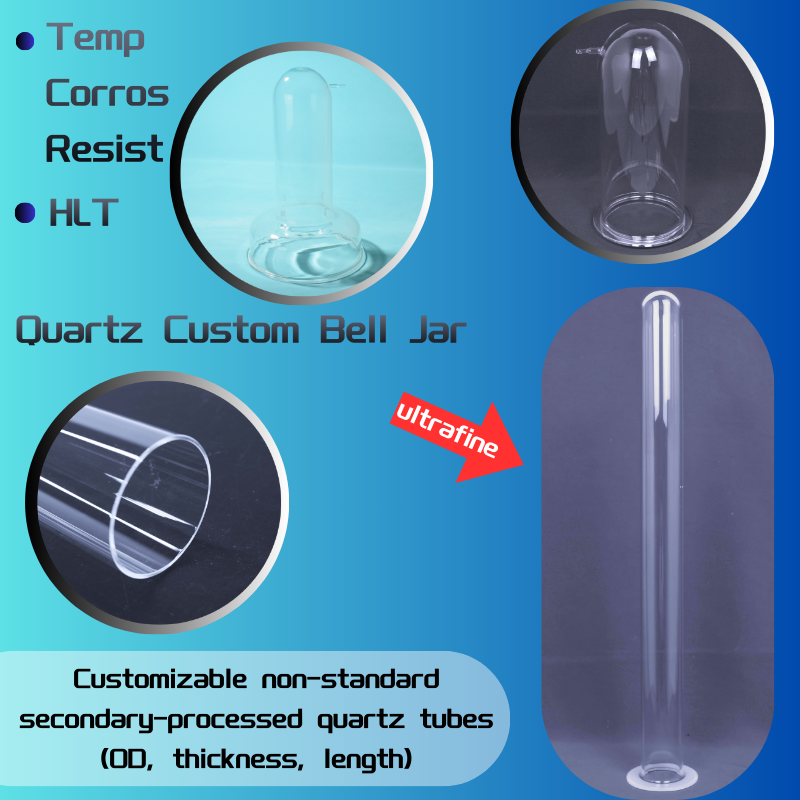
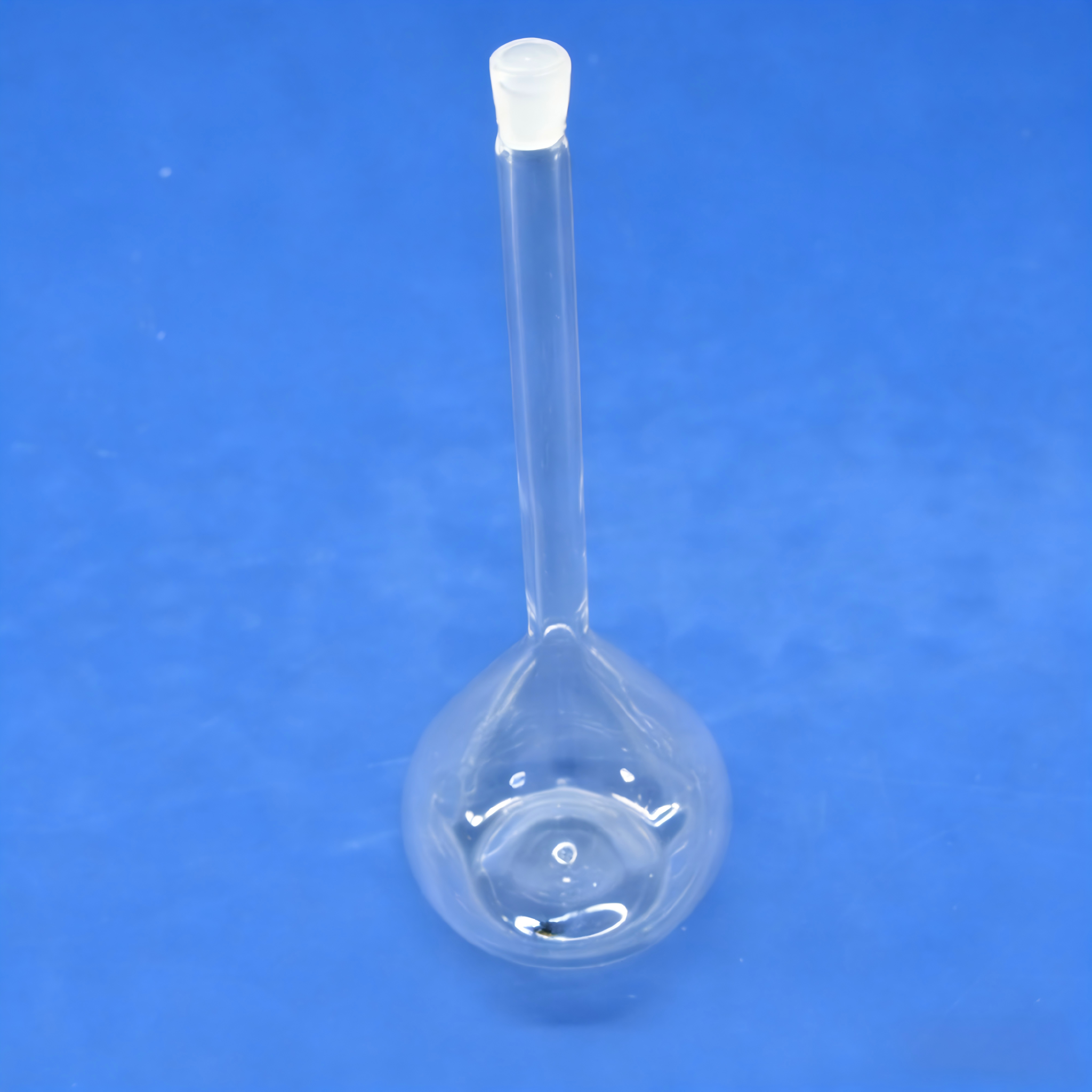
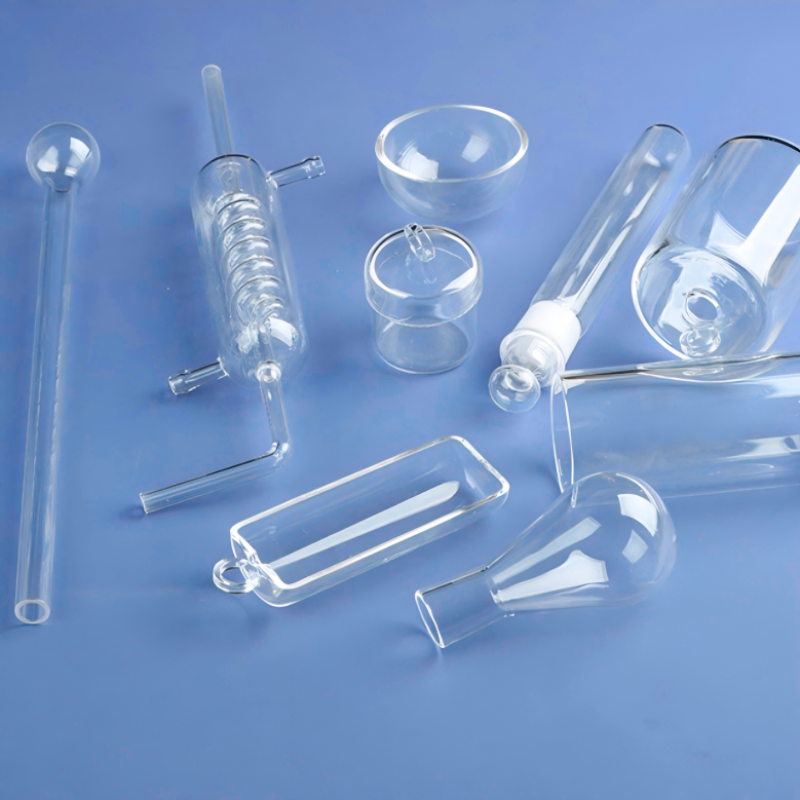
Key Engineering Parameters of Our Fused Quartzware
1. Technical Foundations & Material Architecture of Quartz Immersion Wells
When engineering high-efficiency photochemical reactors, UV disinfection modules, high-temperature thermal processing systems, and aggressive chemical immersion cells, selecting the correct immersion sleeve material directly dictates system longevity, radiant yield, and operational safety. Fused quartz ($SiO_2$) stands as the quintessential material for critical immersion applications due to its extraordinary mechanical, optical, and thermal characteristics.
Technical Insight: Standard borosilicate glass degrades rapidly under intense UV radiation (solarization) and fails chemically in hot acidic environments. In contrast, 99.99%+ fused quartz offers unmatched spectral transparency down to 185 nm and withstands severe thermal shocks exceeding 1000°C temperature differentials without cracking.
1.1 Chemical Purity & Trace Elemental Distribution
The performance of quartz immersion wells is governed by chemical purity. Impurities such as aluminum (Al), iron (Fe), sodium (Na), and lithium (Li) introduce crystalline micro-defects and ionic mobility channels that accelerate devitrification (crystallization into cristobalite) at elevated temperatures. Our manufacturing process utilizes premium natural quartz crystal sand sourced from Donghai, combined with advanced chemical purification technologies to achieve silica purity levels ranging from 99.99% to 99.999%.
| Quartz Quality Grade | SiO₂ Purity Level | Fe Trace Limit | Al Trace Limit | Primary Industrial Applications |
|---|---|---|---|---|
| Standard Industrial Grade | 99.99% | < 1.0 ppm | < 20.0 ppm | General HVAC UV sleeves, heating element jackets, acid bath tubes |
| High-Purity Ozone-Free Grade | 99.995% | < 0.3 ppm | < 12.0 ppm | Photochemical reaction immersion wells, UV-C water sterilization |
| Semiconductor & Optical Grade | 99.999% | < 0.1 ppm | < 5.0 ppm | Epitaxial furnace tubes, laser optics, deep UV photocatalysis |
1.2 Optical Transmittance Dynamics & Hydroxyl (OH⁻) Control
For photochemical immersion wells—specifically those utilized in photo-chlorination, advanced oxidation processes (AOP), and photocatalytic water splitting—optical spectral efficiency is paramount. Fused quartz immersion wells are classified by their UV spectral bandwidth transmission:
- JGS1 (Synthetic Fused Silica): Exceptional transparency across the deep vacuum UV spectrum (185 nm – 2500 nm). Ideal for 185 nm ozone generation and specialized photochemical synthesis.
- JGS2 (Fused Quartz from Natural Crystal): High transmittance in the UV-A, UV-B, and UV-C spectrum (>85-90% at 254 nm). The preferred industry standard for medium-pressure and low-pressure UV lamp immersion wells.
- JGS3 (Infrared Synthetic Quartz): Doped for low hydroxyl content (<5 ppm OH⁻), eliminating the 2.7 µm IR absorption band. Essential for optical immersion sensing and high-temperature thermal pyrometry.
Thermal Shock Resistance
Coefficient of Thermal Expansion (CTE) as low as $5.5 \times 10^{-7} / \text{K}$. Can be heated to 1100°C and immediately quenched into ice water without structural failure.
Ozone Control Doping
Titanium-doped ozone-free quartz selectively blocks shortwave UV wavelengths below 220 nm, suppressing unwanted ozone gas formation while maximizing 254 nm germicidal output.
Acid Immersion Stability
Inert to almost all organic and inorganic acids (hydrochloric, nitric, sulfuric) even at boiling temperatures. Hydrofluoric acid (HF) and hot phosphoric acid are the sole exceptions.
2. Industrial Applications & Development Trends for Quartz Immersion Wells
The global transition toward sustainable chemical synthesis, advanced semiconductor node fabrication, and high-efficiency wastewater purification has catalyzed technological evolution in fused quartz fabrication. Quartz immersion wells are no longer viewed as simple passive sleeves, but as highly engineered, multifunctional reactor components.
2.1 Photochemical Reactor Immersion Wells (Double-Wall & Triple-Wall Jackets)
In classical organic photochemical reactions—such as photo-bromination, photo-nitrosation, and Vitamin D synthesis—temperature control of the UV emission lamp is critical. Standard UV lamps generate significant heat, which can lead to thermal degradation of sensitive reactants. Modern quartz immersion wells feature coaxial double-wall or triple-wall jacketed designs with integral right-angle elbow flanged joints. Water or cooling liquid circulates continuously through the outer annular jacket, maintaining precise reaction temperatures while transmitting maximum UV energy.
2.2 Emerging Semiconductor & Epitaxial Growth Thermal Wells
Within semiconductor chemical vapor deposition (CVD), atomic layer deposition (ALD), and diffusion furnaces, quartz immersion tubes function as high-precision thermocouple sleeves and vacuum negative-pressure barrier housings. Recent engineering trends mandate tight dimensional tolerances ($\pm 0.05 \text{ mm}$ wall thickness variation) and micro-polished surfaces to eliminate surface nucleation points that cause premature devitrification under repeated thermal cycling up to 1200°C.
2.3 Advanced Wastewater Disinfection & AOP Systems
Municipal and industrial wastewater treatment plants utilizing High-Output (HO) and Amalgam UV lamps require quartz immersion sleeves with high thermal conductivity and anti-fouling surface characteristics. Precision fire-polishing and cold-laser edge chamfering prevent mineral scale deposition and stress cracking along seal interfaces.
3. Future Procurement Trends for Quartz Immersion Wells & Glassware
B2B procurement leaders and supply chain directors in the chemical, pharmaceutical, and electronics manufacturing sectors face evolving quality standards and geopolitical logistics dynamics. Key trends shaping quartzware procurement include:
1. Demand for Drawing-Based Precision OEM Customization
Off-the-shelf standard sizes rarely fulfill complex reactor requirements. Buyers increasingly prioritize suppliers with full in-house hot-working (glass lathe welding, bending, flanging) and CNC cold-working (grinding, drilling, polishing) capabilities from 1-piece prototypes to high-volume production.
2. Rigorous Third-Party Audits & Verification
To mitigate quality risks, global exporters are evaluated via third-party technical assessments (such as TÜV Rheinland). verified production facility capabilities, CE markings, and RoHS compliance certificates are becoming non-negotiable procurement prerequisites.
3. Supply Chain Integration & Raw Material Security
Sourcing directly from manufacturing hubs located near primary high-purity crystal deposits—such as Donghai County in Jiangsu, China—ensures stable raw material supply, reduced lead times, and competitive price-to-performance ratios.
4. Enterprise Advantages: Lianyungang Vulra Quartz Products Co., Ltd.
As a TÜV Rheinland-verified manufacturer situated in the heart of China's crystal capital—Donghai County, Lianyungang City—Lianyungang Vulra Quartz Products Co., Ltd. delivers high-purity fused quartz solutions engineered to exacting international standards.
| Core Competency | Vulra Quartz Capability & Standard | Buyer Procurement Value |
|---|---|---|
| Raw Material Supply | 99.99% – 99.999% SiO₂ fused quartz sand processed on-site | Eliminates contamination, guarantees thermal & optical repeatability |
| Manufacturing Capability | Integrated hot-working glass lathes, cold CNC diamond milling, stress-relief annealing furnaces | Full custom OEM/ODM drawing support from 1 piece to batch quantities |
| Quality Assurance | Polarizing stress testers, optical spectrophotometers, helium leak detectors | Zero-leak vacuum integrity, long service life under thermal stress |
| Export Packaging | Custom molded high-density foam, vacuum-sealed polyethylene, reinforced export wooden crates | Zero transport breakage across air, ocean, and express logistics routes |
5. Frequently Asked Questions (FAQ) for Quartz Immersion Wells
What is the maximum working temperature limit for fused quartz immersion wells?
Our fused quartz immersion wells are rated for continuous continuous operation at 1100°C (2012°F) and short-term peak thermal exposures up to 1450°C. The softening point of our high-purity silica glass is approximately 1683°C. For vacuum or pressurized applications at temperatures exceeding 1000°C, we recommend thicker wall designs to prevent structural deformation over extended operation cycles.
How do I choose between Ozone-Free quartz and Standard Clear quartz for UV immersion wells?
Ozone-Free quartz is micro-doped with titanium oxides to block shortwave UV emission below 220 nm—specifically absorbing the 185 nm wavelength that splits atmospheric oxygen molecules into ozone ($O_3$). Select Ozone-Free quartz if your process operates in unvented rooms or where ambient ozone poses a health or equipment corrosion hazard. Select Standard Clear (Ozone-Generating) quartz if your application specifically requires 185 nm UV light for TOC reduction, water purification, or photolytic ozone generation.
What tolerances can be achieved for custom drawing-based quartz immersion wells?
Utilizing high-precision CNC diamond grinding and automated glass lathes, our standard manufacturing tolerances range from $\pm 0.1 \text{ mm}$ to $\pm 0.3 \text{ mm}$ for outer diameters and lengths. For critical optical windows, polished ground joints, and semiconductor vacuum components, tight precision tolerances down to $\pm 0.02 \text{ mm}$ can be achieved upon engineering review.
What is your Minimum Order Quantity (MOQ) for custom quartz prototypes?
To support scientific research, pilot plant development, and custom OEM engineering projects, we offer a Minimum Order Quantity of just 1 piece for customized quartz immersion wells, double-wall elbows, flasks, and specialized labware. Standardized stock tubing and rods typically start at 5 to 10 pieces depending on outer diameter.
How does fused quartz perform in strong acid or chemical environments?
Fused quartz exhibits nearly complete chemical inertness to all inorganic and organic acids—including concentrated hydrochloric acid ($HCl$), nitric acid ($HNO_3$), sulfuric acid ($H_2SO_4$), and aqua regia—even at elevated temperatures up to boiling points. The only chemicals that attack quartz are Hydrofluoric Acid ($HF$) at any temperature, Phosphoric Acid ($H_3PO_4$) above 150°C, and strong concentrated alkaline solutions at high temperatures.
How do you ensure fragile quartz glass products do not break during international shipping?
We implement a multi-layered export packaging protocol. Each individual quartz item is thoroughly acid-cleaned, dried in cleanrooms, wrapped in protective film, and encapsulated within custom die-cut high-density shock-absorbing EPE foam. The inner boxes are placed into heavy-duty corrugated export cartons and sealed within IPPC-certified fumigated wooden crates with corner guards. We maintain a transport damage rate of under 0.1% across global express, air, and ocean shipping routes.
Ready to Engineer Your Custom Quartz System?
Send your technical drawings, CAD files, or custom dimensions to our engineering team for a rapid feasibility review and competitive factory quote.
Get Catalog