Featured Precision Fused Silica & Fabricated Quartzware
Every part is fabricated directly from high-purity fused silica ingots or electric-vacuum fused quartz sand, providing extreme dimensional tolerance, zero bubble clustering, and chemical inertness under corrosive atmospheres.
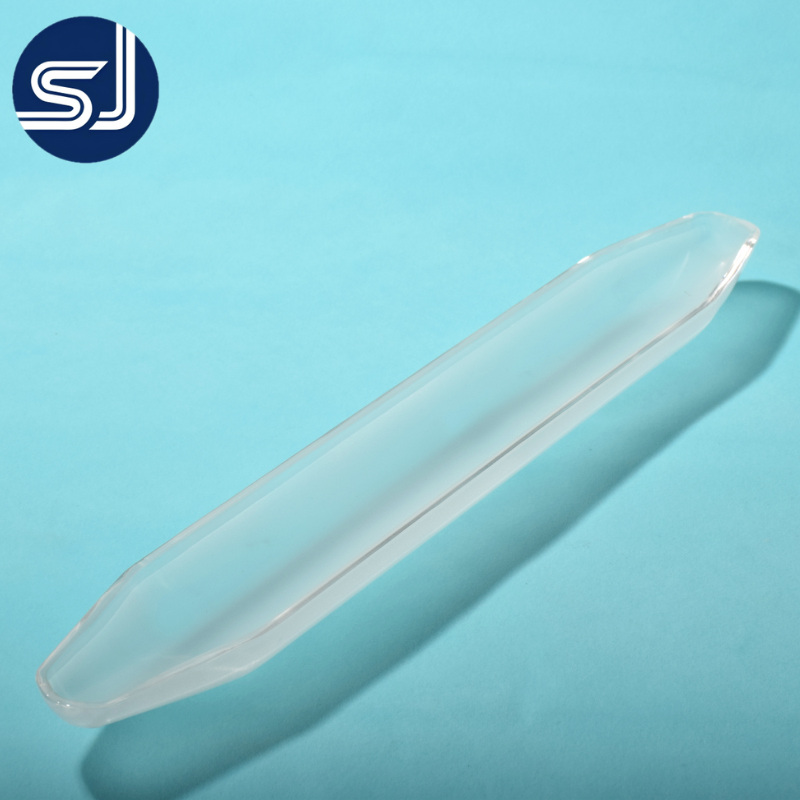
SJ 140 Transparent High Purity Precision Polished Quartz Boat
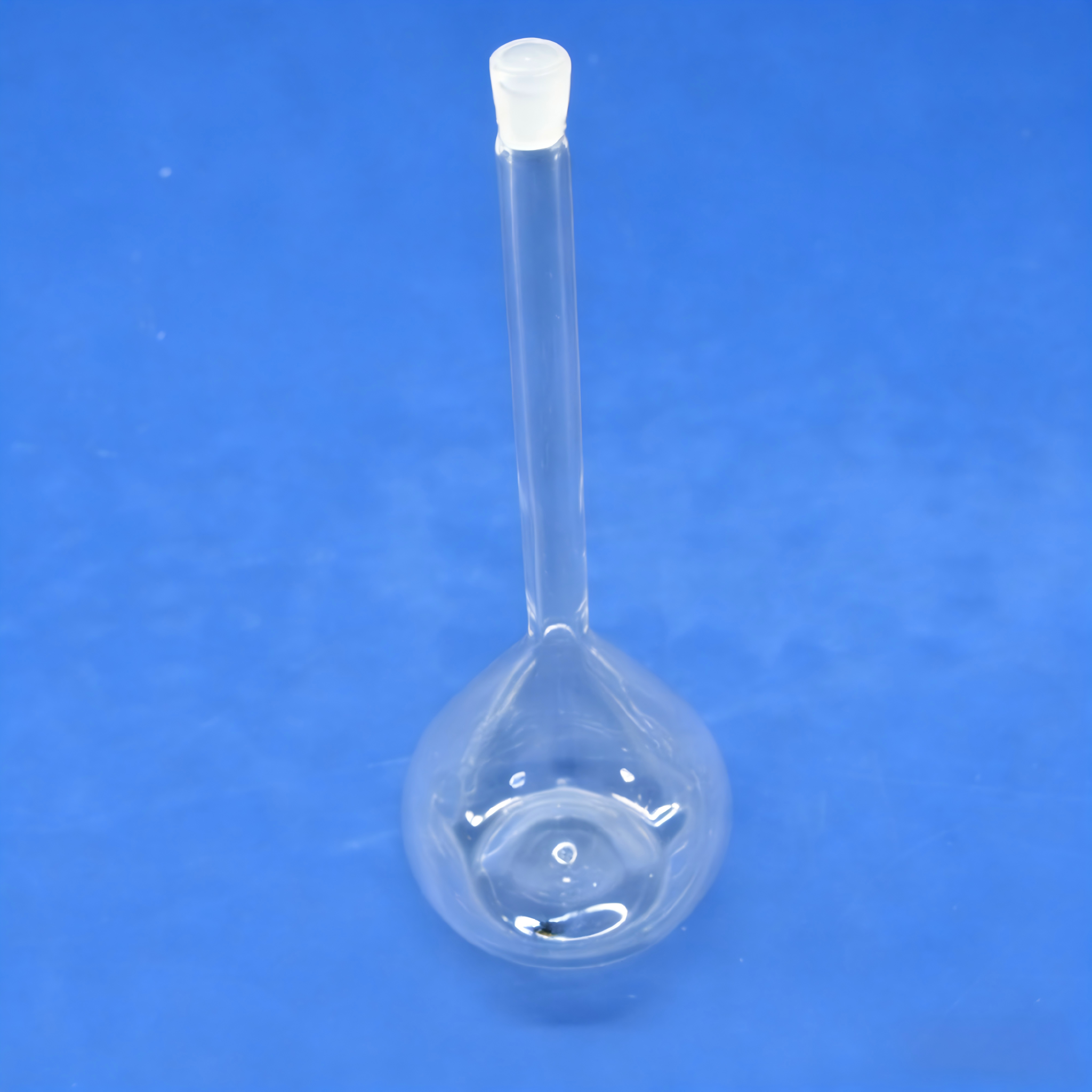
High Purity Transparent Quartz Glass Ampoule & Lab Flask
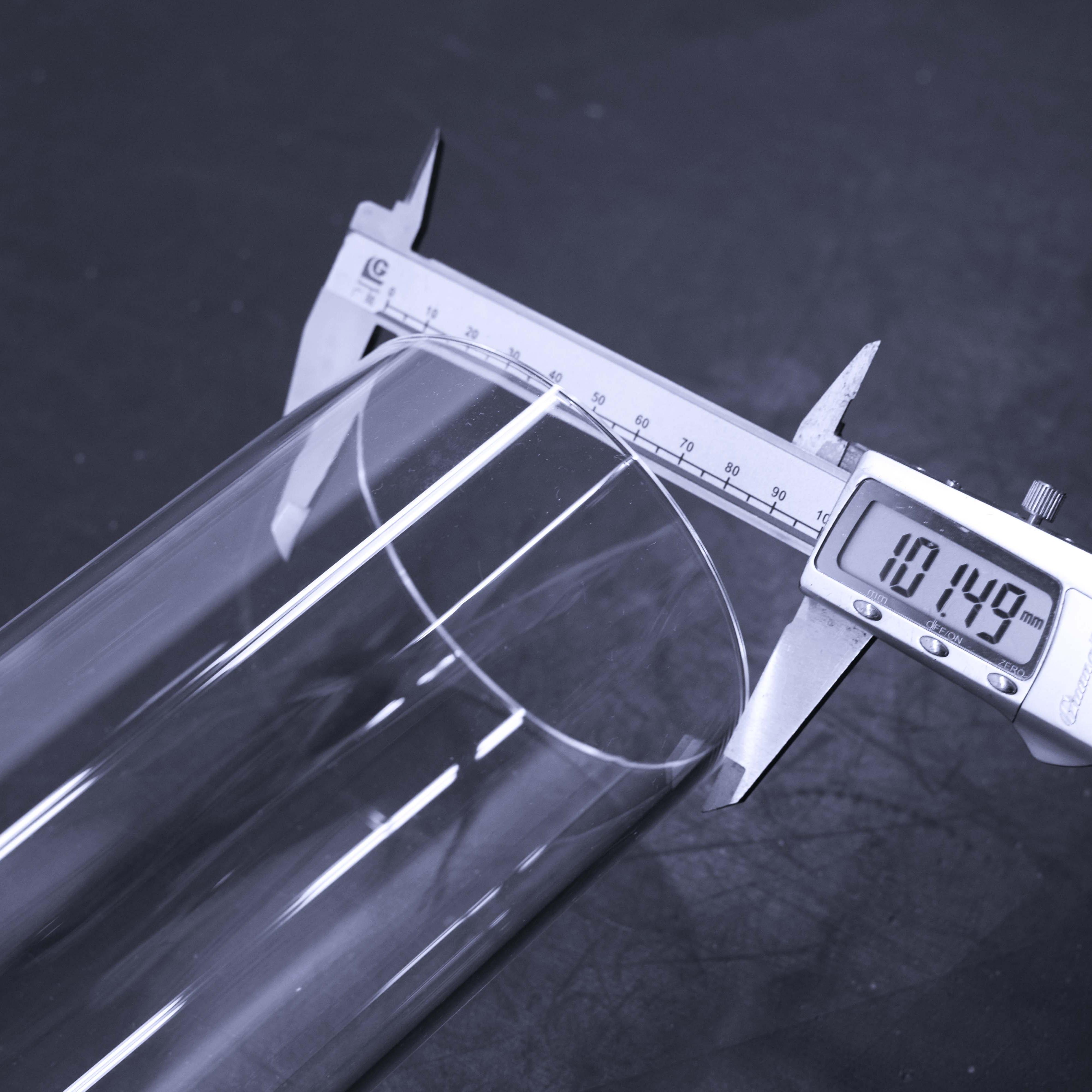
High Temperature Ozone Free One End Closed Quartz Tube
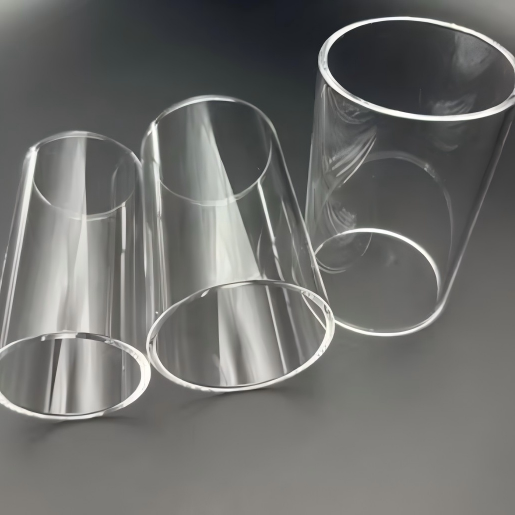
High Purity Quartz Transparent Polished Hollow Glass Tube
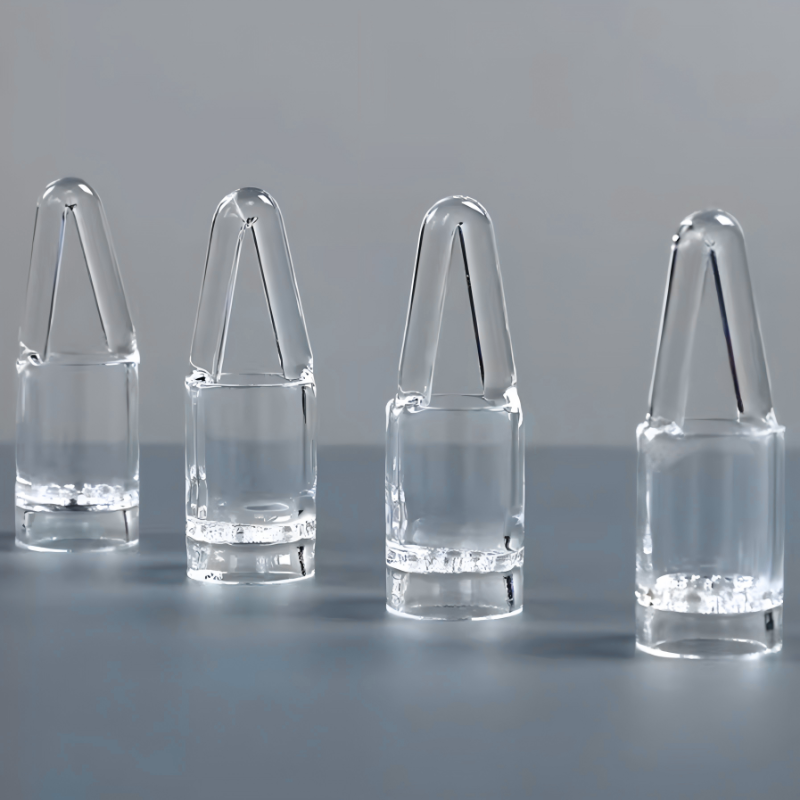
Acid & Alkali Resistant Polished Fused Quartz Crucible
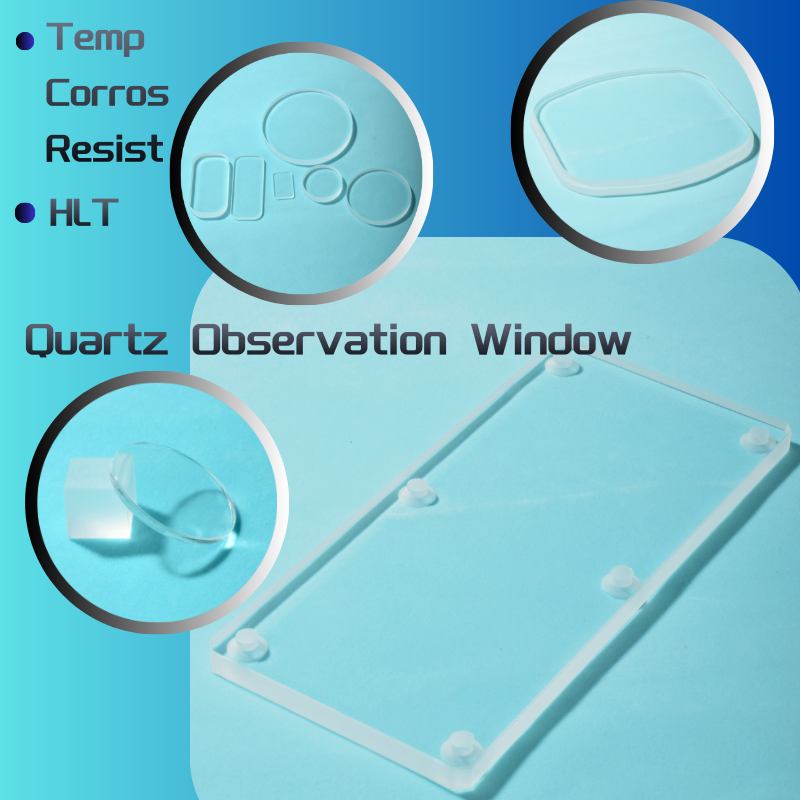
SJ Natural Fused Quartz Polished Plate Optical Clear
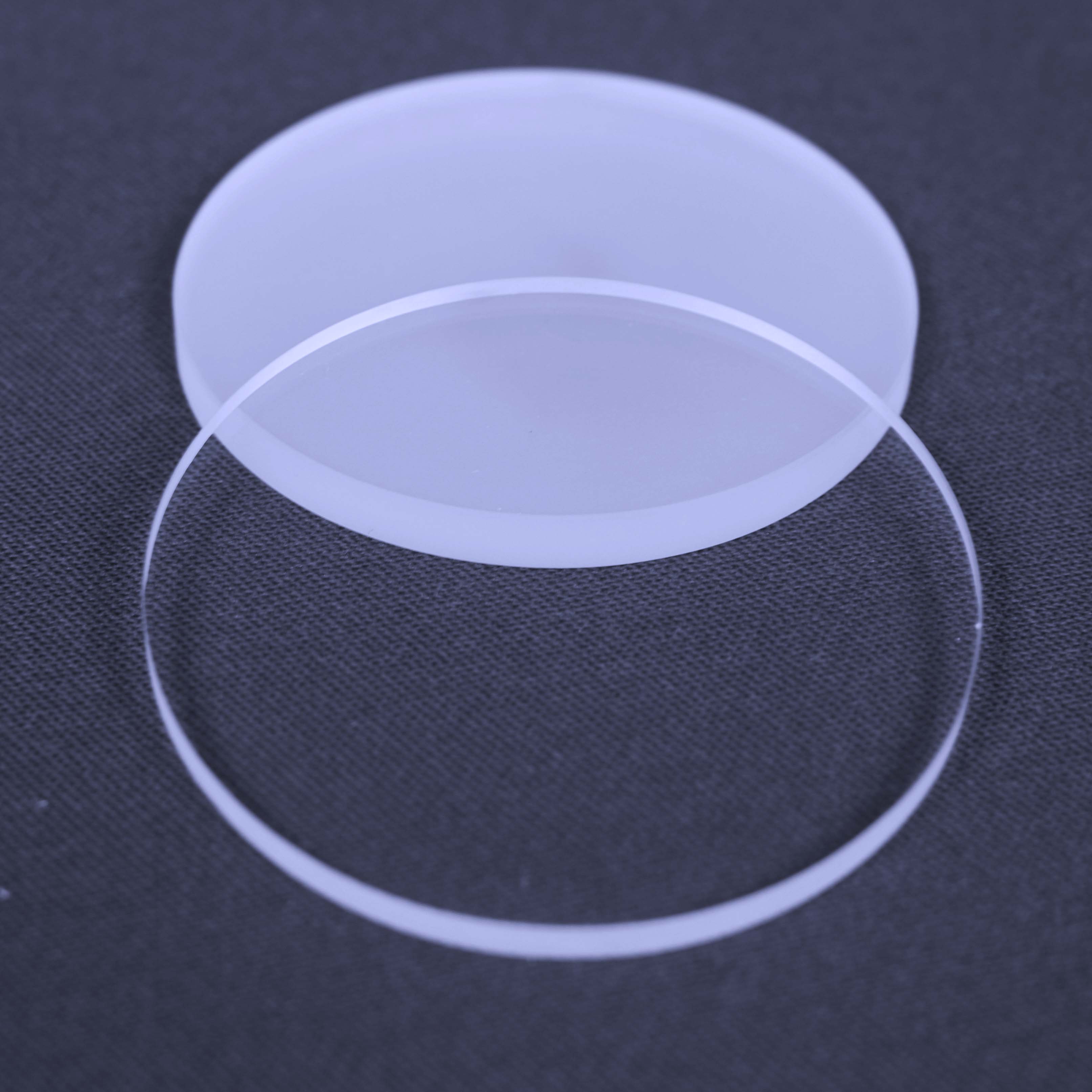
XRD High-Transmittance Quartz Sample Holder Substrates
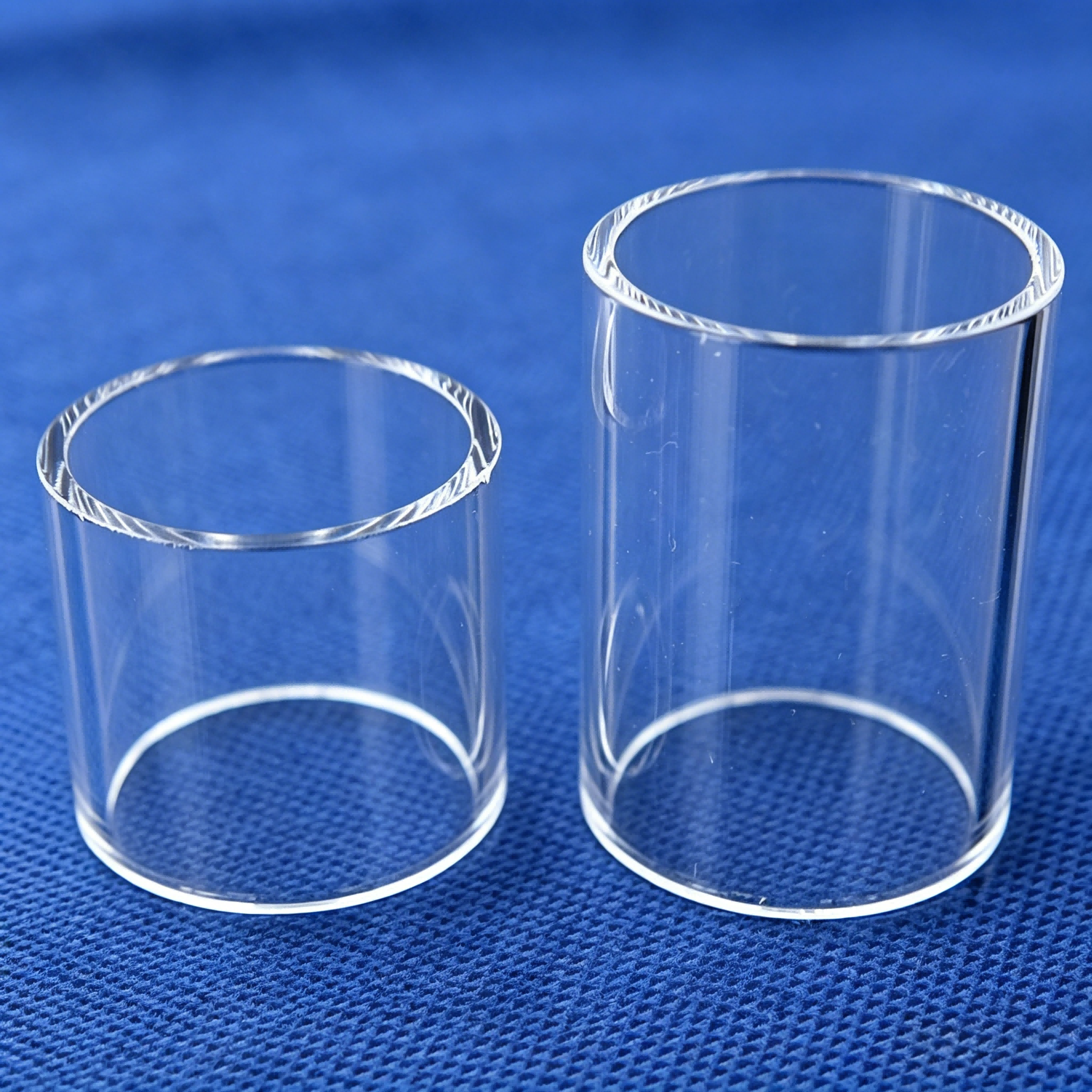
Custom Twin-Tube Corrosion-Resistant Fused Quartz Pipe
Fused Silica Ingot Taxonomy: Natural Quartzite vs. Synthetic Boules
Navigating industrial procurement requires understanding the microstructural, chemical, and synthesis distinctions between Natural Electrically Fused Quartz (Type II) and Synthetic Chemical Vapor Deposition Fused Silica (Type III/IV). Sourcing decisions directly govern optical absorption bands, trace metal outgassing in vacuum furnaces, and etch resistance under fluorinated plasma.
| Material Classification | Raw Precursor & Synthesis Route | Typical Purity (SiO₂) | Hydroxyl [OH⁻] Level | Primary Spectral Band | Prime Industrial Application |
|---|---|---|---|---|---|
| Type I Fused Quartz | Natural quartz crystal sand melted in an electric vacuum furnace | 99.99% – 99.995% | < 5 ppm (Dry) | Visible & Near-Infrared (NIR) | High-temperature furnace tubes, thermocouple protection, IR lamps |
| Type II Fused Quartz | Natural quartz fused via oxy-hydrogen flame burner | 99.99% – 99.998% | 150 – 400 ppm (Wet) | Near-UV to Visible | Diffusion furnace boats, solar PV crucibles, sight windows |
| Type III Synthetic Silica | Direct flame hydrolysis of Silicon Tetrachloride (SiCl₄) vapor | 99.9999% (6N) | 800 – 1200 ppm | Deep UV (193nm / 248nm) | Excimer laser optics, semiconductor lithography masks, UV windows |
| Type IV Plasma Silica | Moisture-free plasma chemical oxidation of SiCl₄ gas | > 99.99999% (7N) | < 1 ppm (Ultra-Dry) | Extreme UV through Mid-IR | Spaceborne telescope blanks, fiber optic core rods, gyro mirrors |
Thermal Shock & Zero CTE
Fused silica exhibits an exceptionally low Coefficient of Thermal Expansion (CTE) of approximately 5.5 × 10⁻⁷ / K from 20°C to 1000°C. Monolithic ingots can endure instantaneous thermal differentials in excess of 1100°C without mechanical rupture, making them uniquely indispensable for rapid thermal annealers (RTA) and wafer furnace boats.
ppb-Level Trace Contaminants
Under strict ICP-MS analytical testing, our semiconductor-grade fused silica ingots limit trace metal impurities (Al, Fe, Ti, Na, K, Li, Cu) to sub-ppm levels. Alkali metals (Na⁺, K⁺), the prime catalysts for devitrification at temperatures above 1150°C and wafer threshold voltage shift, are held strictly under 0.5 ppm cumulative.
Plasma Etch Durability
In aggressive fluorocarbon plasma etching environments (CF₄, C₄F₈, NF₃, and SF₆), microscopic air bubbles or striation voids accelerate local erosion and particle contamination. Our dense, zero-porosity ingots maintain smooth recession profiles, extending consumable life in wafer fab chamber rings and gas distribution plates.
Future Ingot Sourcing Trends Shaping 2025–2030
Enterprise procurement specialists face dynamic supply constraints driven by next-generation chip architectures, high-power solid-state lasers, and photovoltaic silicon crystal pulling. Sourcing strategies are actively adapting to four critical market shifts.
1. Sub-3nm Lithography Boules
As advanced fabs scale beyond 3nm nodes toward GAA (Gate-All-Around) architectures, demand for synthetic fused silica with extreme refractive index homogeneity (Δn ≤ 1 × 10⁻⁶) and low internal stress birefringence (≤ 1 nm/cm) has surged. Suppliers must guarantee Zero Inclusions (Class 0 per DIN 58927) across macroscopic ingot volumes to prevent beam distortion.
2. Large-Format N-Type PV Crucibles
The photovoltaic transition to N-Type TOPCon and Perovskite-Tandem silicon ingots requires 36-inch to 44-inch synthetic-lined fused quartz crucibles. Inner layers require synthetic silica powder linings to prevent oxygen and transition metal migration during prolonged multi-day silicon crystal pulling runs exceeding 1450°C.
3. Donghai Cluster Supply Consolidation
Supply chain security concerns have redirected global buyers toward integrated clusters. Donghai County, China—housing the world’s most concentrated quartz refining ecosystem—enables direct access from raw crystalline pebble beneficiation to secondary 5-axis CNC machining, dramatically curtailing tier-2 freight risk and lead times.
Monolithic Ingot Conversion: From Raw Silica to Optical Classware
Translating massive fused silica ingots into functional semiconductor and optical components requires tightly regulated thermal handling and high-rigidity CNC machining to preserve structural integrity and prevent surface micro-fracturing.
Electromagnetic Ingot Fusion
Ultra-pure natural granular quartz (99.999%) or vaporized chemical precursors undergo vacuum electric-arc sintering in tungsten crucibles at temperatures exceeding 2050°C, stripping micro-bubbles and forming dense, bubble-free cylindrical ingots.
Diamond Wire Slicing
Ingot cylinders are precision-sliced using continuous diamond wire saws with real-time coolant flush, controlling kerf loss and ensuring minimal sub-surface micro-cracking across plate and disc substrate blanks.
CNC 5-Axis Ultrasonic Milling
Complex profiles, wafer boat slots, circular flange joints, and thermocouple wells are shaped using multi-axis diamond tools with ultrasonic vibration assistance, achieving dimensional tolerances down to ±0.01 mm.
Thermal Stress Annealing
Every hot-worked and cold-machined component undergoes computer-controlled annealing up to 1150°C with gradual step-down cooling. This completely neutralizes residual shear stresses, avoiding brittle failure in buyer vacuum chambers.
Lianyungang Vulra Quartz: Verified Ingot & Quartzware Foundry
Headquartered at No. 9, Dingxin Road within the Jiangsu Donghai Economic Development Zone, Lianyungang Vulra Quartz Products Co., Ltd. anchors its production directly at the heart of global crystal refinement. With end-to-end integration covering ingot processing, hot oxy-hydrogen torch lathe forming, and optical double-side polishing, we remove intermediary brokerage costs.
Our facility is audited on-site by TÜV Rheinland, confirming our status as an authentic verified Custom Manufacturer. From a single bespoke prototype machined from buyer CAD/DWG drawings to recurring full-container shipments for semiconductor and analytical equipment OEMs, we uphold unyielding metallurgical standards.
| Verified Foundry Operational Bounds | |
|---|---|
| Factory Geographical Hub: | Donghai Crystal Capital, Jiangsu, CN |
| Verification Authority: | TÜV Rheinland Supplier Assessment |
| Ingot Raw Purity: | 99.99% – 99.999% SiO₂ |
| Tube / Pipe Range: | Ø 5 mm to Ø 800 mm |
| Plate Thickness Capability: | 0.5 mm up to 50 mm |
| Surface Quality Level: | Ra ≤ 0.2 nm (Optically Polished) |
| Customization Pipeline: | Drawing-based OEM/ODM from 1 PC |
| Packaging Verification: | Custom Foam Nesting & Plywood Crates |