2025–2026 Technical Evaluation, Global Foundry Matrix & High-Purity Fused Silica Procurement Guide for Trace Element Analysis
Precision Thermal & Analytical Glassware
Featured Industrial Ashing Dishes & Lab Quartzware
Engineered from natural and synthetic fused silica with 99.99%–99.999% SiO₂ content. Designed to endure extreme thermal cycling up to 1450°C and aggressive acid environments.
Critical Specifications of Fused Quartz Ashing Vessels
In gravimetric analysis, trace metal identification (ICP-OES / ICP-MS), and ASTM LOI procedures, vessel inertia is paramount. Fused quartz dishes mitigate sample contamination risks common with porcelain, alumina, and borosilicate vessels.
Evaluation Parameter
High Purity Fused Quartz (Natural)
Synthetic Fused Silica (Chemical CVD)
Standard Porcelain / Alumina Dish
SiO₂ Purity Level
99.99% – 99.995%
> 99.9999%
65% – 75% SiO₂ / 20–30% Al₂O₃
Coefficient of Thermal Expansion
5.5 × 10⁻⁷ /°C (Near-Zero Shock)
5.0 × 10⁻⁷ /°C (Zero Shock)
55.0 × 10⁻⁷ /°C (Prone to Spalling)
Maximum Short-Term Peak
1450°C (Softening at 1683°C)
1550°C (Softening at 1710°C)
1150°C (Glaze breakdown)
Trace Leaching Profile
Al < 15ppm, Fe < 0.2ppm, Na < 0.5ppm
Metallic elements < 1 ppb each
Severe alkali/metal ion elution
Acid Resistance (Hot HNO₃, HCl, H₂SO₄)
Immune (except HF & >150°C H₃PO₄)
Immune (except HF & >150°C H₃PO₄)
Moderate (Glaze degrades over cycles)
Primary Lab Application
Coal/Petroleum LOI, Food Residue, ASTM D5630
Semiconductor ICP-MS, Pharma API Ashing
General educational & non-trace ash
Ashing dishes made from high-purity fused quartz represent the gold standard in high-temperature gravimetric analytics. During the dry ashing of polymer formulations, biological tissues, or geological ores, reactions take place in temperatures oscillating between 550°C and 1100°C. Standard ceramic crucibles release alkaline oxides (potassium, sodium, and calcium) into acidic sample digestion matrices, distorting baseline trace calibrations. Fused quartz eliminates this failure mode, preserving an isotropic chemical structure with virtually undetectable background blank interference.
Comprehensive Global Sourcing Evaluation
Top 10 Quartz Ashing Dish Factories & Exporters (2025–2026)
A rigorous assessment based on melting technology, chemical trace-metal thresholds, ISO/TÜV regulatory certifications, OEM custom glassblowing capability, and international export logistics.
Premier OEM/ODM Exporter#1 Verified Custom Foundry
Donghai County, Jiangsu, China (World Crystal Hub)
Positioned directly within the global quartz epicenter in Donghai, Vulra Quartz is a TÜV Rheinland-assessed custom manufacturer. The facility specializes in fused quartz ashing dishes, circular evaporating capsules, and rectangular combustion boats fabricated from 99.99% to 99.999% SiO₂ natural and synthetic quartz. Featuring automated cold diamond cutting, multi-axis CNC profiling, oxy-hydrogen bench fire polishing, and multi-stage batch annealing furnaces, Vulra produces high-tolerance vessels that resist thermal shock up to 1450°C. Rapid OEM prototyping is available from a 1-piece minimum order quantity.
Core Purity:99.99% – 99.999% SiO₂
Certifications:TÜV Rheinland, CE Marked, RoHS
Customization:1-Piece Prototype to Container Scale
Lead Times:7–12 Business Days (Custom Drawing)
#2 Global Tier-1 Brand
Heraeus Conamic
Hanau, Germany / Global Facilities
A worldwide pioneer in advanced silica solutions, Heraeus produces high-end synthetic and natural quartzware under trademarks such as Suprasil and Spectrosil. Their crucibles and ashing capsules excel in semiconductor fab laboratories and ultra-trace sub-ppb analytical environments where metallic impurities must remain below sub-ppb limits.
Core Purity:99.9999% Synthetic Silica
Primary Segment:Semiconductor & Metrology Fabs
Distribution:Global Direct & Authorized Partners
Price Point:Premium Enterprise Tier
#3 North American Standard
Momentive Technologies
Strongsville, Ohio, United States
Formerly GE Quartz, Momentive Technologies provides fused quartz boules, tubing, and fabricated laboratory crucibles. Renowned for its Type 214 clear fused quartz, Momentive vessels deliver predictable devitrification kinetics and high viscosity at sustained furnace temperatures up to 1200°C.
Core Purity:Type 214 Clear Fused Quartz
Primary Segment:ASTM Testing & Thermal Processing
Key Advantage:High Viscosity at Elevated Temps
MOQ Requirement:Standard Bulk Packaging
#4 European High-Temp Specialist
Saint-Gobain Quartz
Courbevoie, France / Nemours
Saint-Gobain manufactures high-grade translucent and clear fused silica wares (Quarzel®). Known for heavy-wall refractory ashing trays and calcination boats, their dishes are tailored for continuous high-temperature exposure in metallurgic calcination and inorganic thermal fusion.
Core Purity:99.98% – 99.99% SiO₂
Specialty:Thermal Shock Resistance & Wool
Compliance:ISO 9001 / REACH Compliant
Supply Profile:Industrial Heavy-Duty Assays
#5 Precision Micro-Fabricator
Tosoh Quartz Corporation
Tokyo, Japan
A core subsidiary of the Tosoh Group, Tosoh Quartz produces precision quartz glassware for microelectronics fabrication and sensitive biochemical analytics. Their ashing dishes exhibit uniform wall thicknesses, optical bottom polishing, and sub-micron dimensional tolerances.
Core Purity:Semiconductor Ultra-High Purity
Key Advantage:Sub-Micron Dimensional Stability
Applications:Thin-Film Ashing & Photomasks
Export Reach:Asia-Pacific, EU, North America
#6 Advanced Synthetic Leader
Shin-Etsu Quartz Products Co.
Tokyo, Japan / Koriyama
A joint venture between Shin-Etsu Chemical and Heraeus, Shin-Etsu Quartz integrates silicon manufacturing know-how into synthesized glass conversion. Their ashing crucibles demonstrate zero hydroxyl (OH) bubble defects and virtually zero trace aluminum and alkali content.
Core Purity:Synthetic VAD / Dry Silica
OH Content:Low OH (< 1 ppm available)
Target Market:Cleanroom Wet Chemical Assays
Lead Time:Long-Cycle Enterprise Contracts
#7 Hollow Glass Specialist
QSIL GmbH Advanced Glass
Ilmenau, Thuringia, Germany
QSIL is a central European powerhouse in plasma-melted fused quartz tubing and laboratory apparatus. Their ashing trays and circular dishes provide high chemical resistance, making them a preferred alternative for European geochemical research and municipal water testing facilities.
Material:Plasma-Melted Fused Quartz
Thermal Rating:1150°C Continuous Service
Regional Presence:Direct Delivery Across Europe
Specialty:Cylindrical Flat-Base Crucibles
#8 Raw Material & Ingot Foundry
Jiangsu Pacific Quartz Co., Ltd.
Donghai, Lianyungang, China
A publicly traded enterprise holding extensive raw quartz refining capacity in China. Pacific Quartz manufactures upstream high-purity quartz sand and structural quartz tubing used by fabrication plants globally to blow and mold standardized lab ashing vessels.
CoorsTek brings a century of technical ceramics and engineered materials production into vitreous silica analytical wares. While heavily weighted toward advanced ceramic compositions, their fused silica labware catalog is broadly utilized in mining assayers throughout the Americas.
Core Competence:Mining Assay & Ashing Vessels
Supply Channel:Broad B2B Catalog Networks
Thermal Performance:Thermal Shock Engineered
Catalog MOQ:Standard Pack Quantities
#10 International OEM Supplier
National Scientific (Thermo Fisher Scientific)
Rockwood, Tennessee, USA / Global
A staple brand distributed through Thermo Fisher channels, offering standardized quartz ashing capsules, volatile matter crucibles, and combustion boats. Their products meet standard ASTM/EPA analytical frameworks for environmental, agricultural, and petrochemical laboratories.
Certifications:Standardized ASTM Protocols
Distribution:Global Scientific Catalog Hubs
Application:Routine Analytical LOI Assays
Availability:Pre-Packaged Off-The-Shelf
Enterprise Manufacturing Authority
Why Global Laboratories & OEMs Choose Vulra Quartz
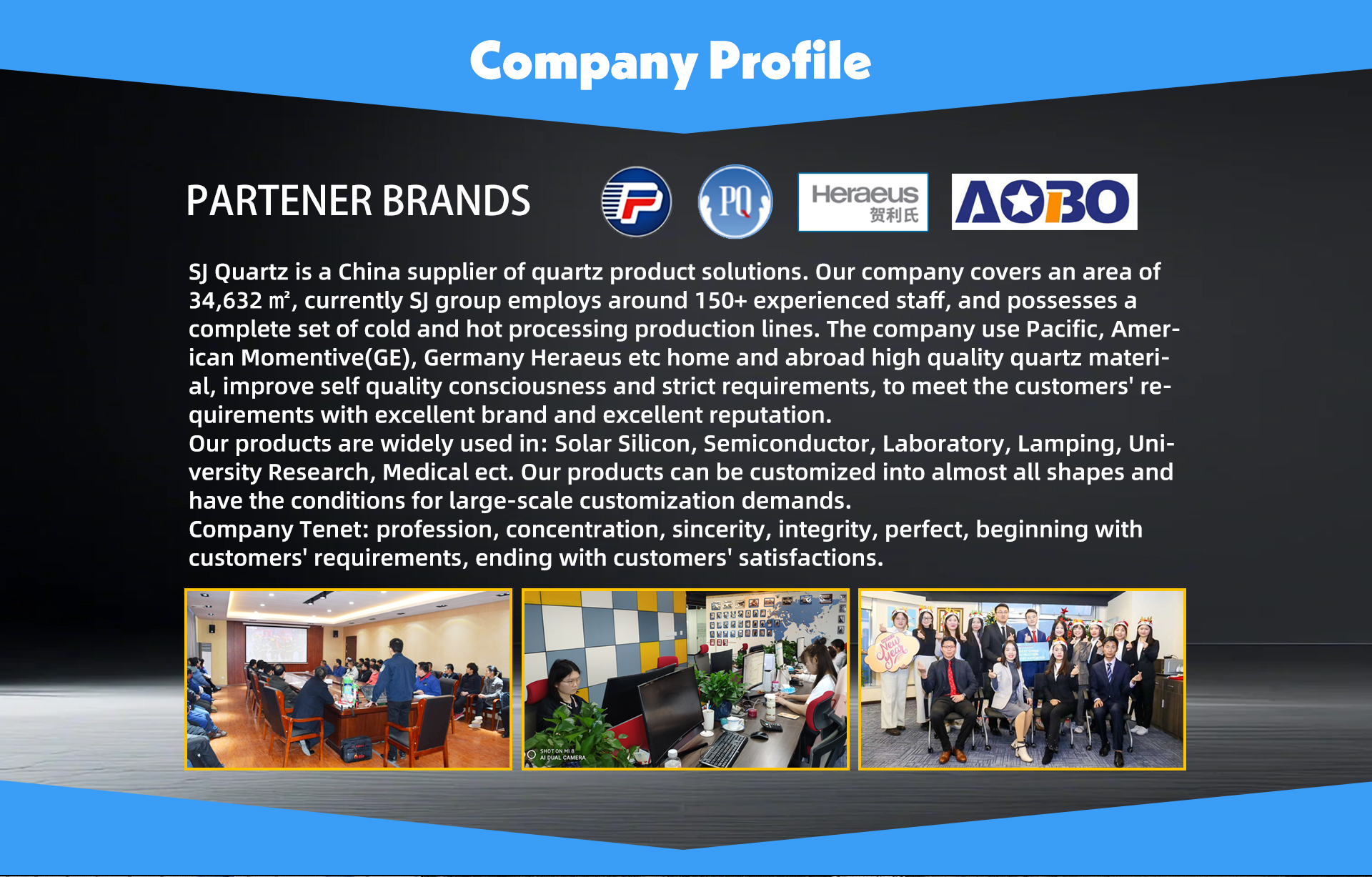
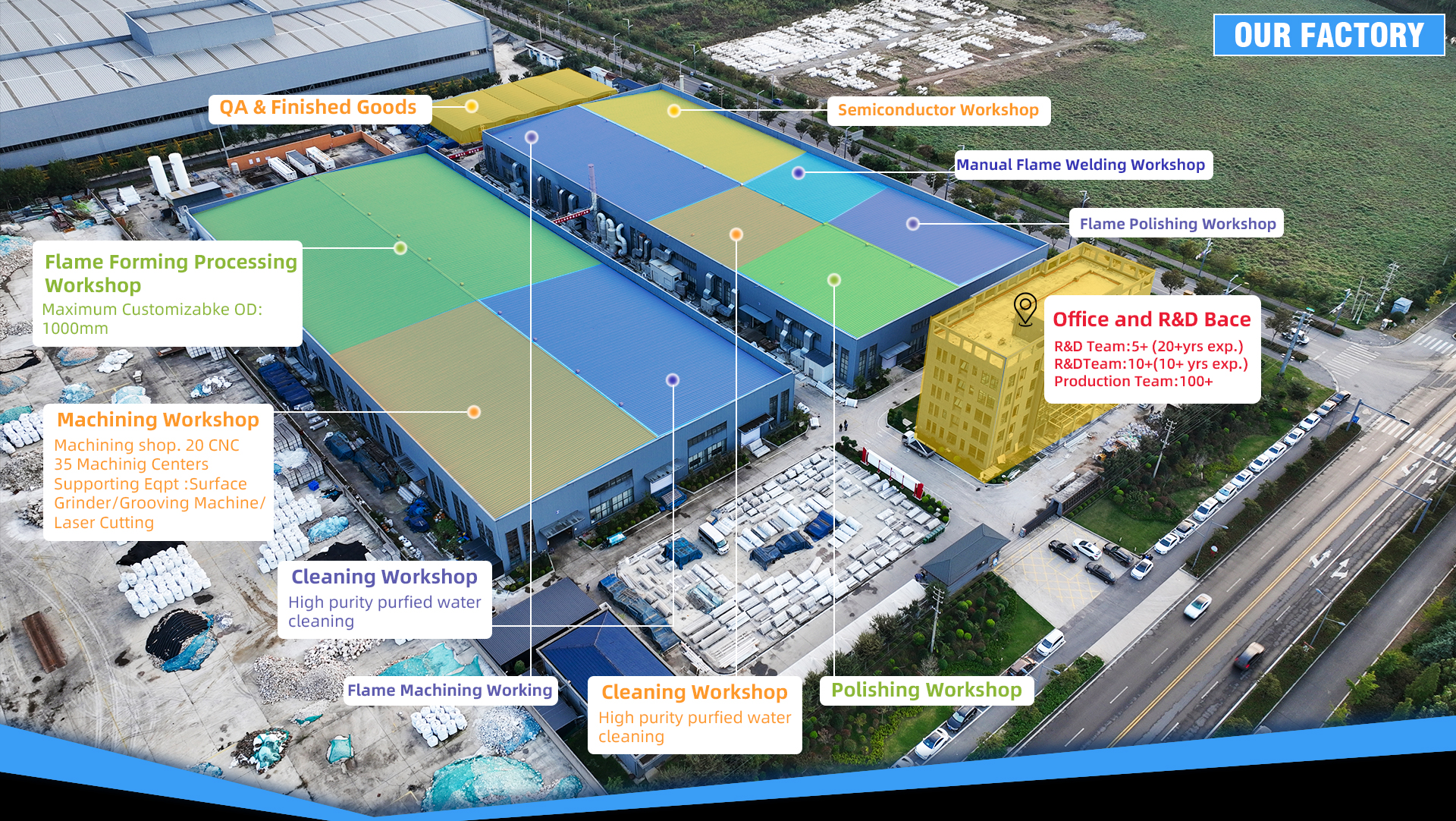
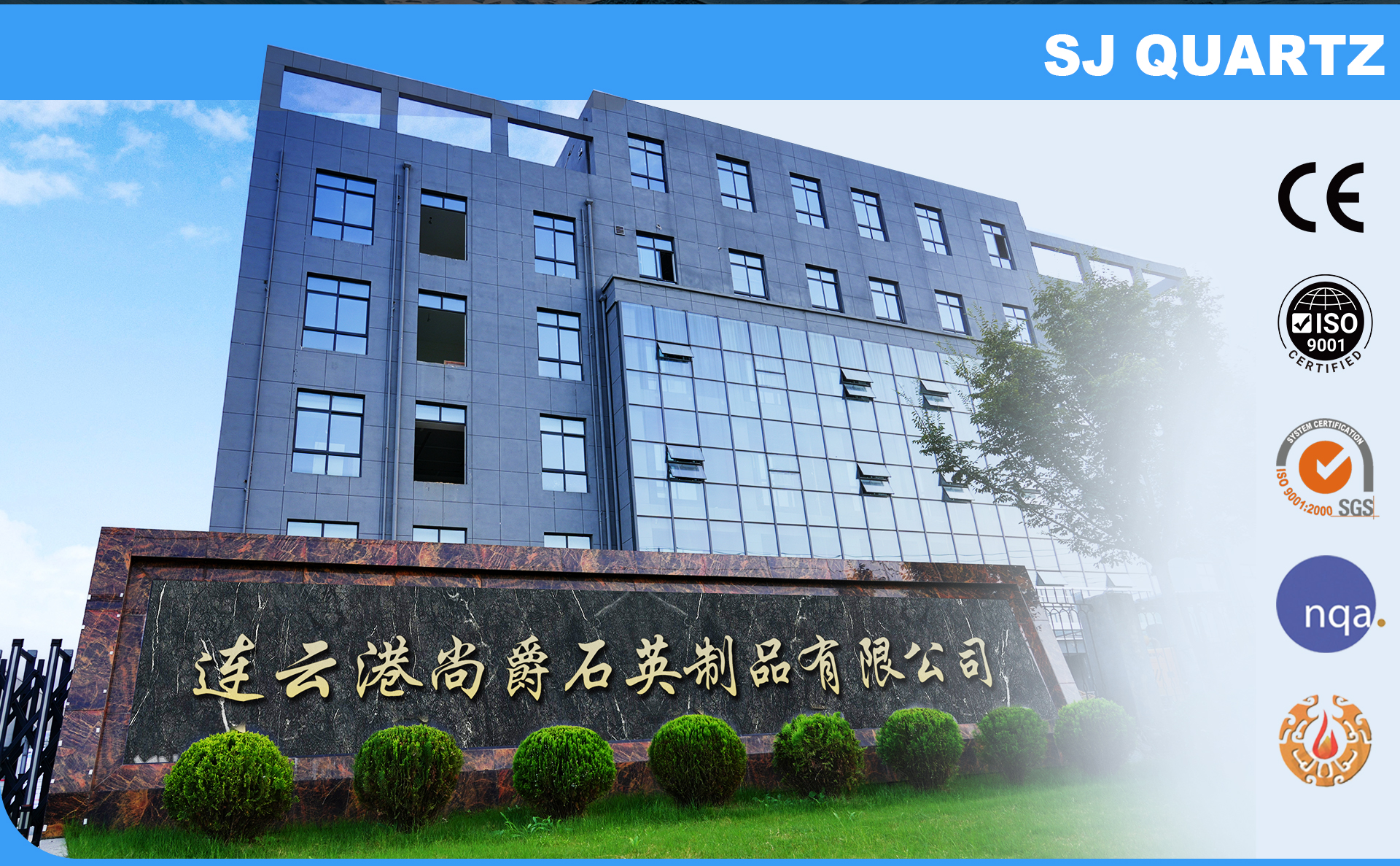
Operating out of No. 9 Dingxin Road in the Jiangsu Donghai Economic Development Zone, Lianyungang Vulra Quartz Products Co., Ltd. capitalizes on China's premier mineral and silicon refining corridor. This geographic consolidation translates into a continuous, audited supply of high-purity natural quartz sand containing 99.99% to 99.999% SiO₂ with total metallic impurities strictly below 5 ppm.
Unlike trading companies or broker networks, Vulra Quartz is a TÜV Rheinland-verified Custom Manufacturer. Every ashing dish, flat combustion plate, and quartz distillation setup undergoes rigorous engineering evaluation before physical tooling. We review dimensional aspect ratios, fire-polishing stress points, and thermal devitrification risks directly against the client’s target chemical atmosphere and peak furnace schedules.
Dual-stage mechanical lapping creates a smooth base for direct, uniform heat transfer across furnace plates.
Annealing & Metrology QC
Stress-relief annealing at 1150°C prevents cracking, followed by polariscope checks for residual stress.
Industry Strategic Roadmap
Future Sourcing & Product Development Trends (2025–2030)
How changing environmental regulations, ultra-trace testing, and automation are reshaping high-purity quartzware manufacturing.
Trend 01
Sub-PPB Trace Metals for Next-Gen Semiconductor Fabs
As microchip nodes advance to 3nm and below, chemical reagent suppliers face tightening impurity limits. Ashing dishes used to measure non-volatile residues in photoresists, wet etchants, and wafer cleaning agents must show zero detectable leaching of boron, iron, and heavy metals. Synthetic fused silica dishes produced via plasma-chemical vapor deposition (CVD) are increasingly specified to replace standard natural silica across critical inspection lines.
Trend 02
Automated Carousel Geometry & Robotic Handling
Robotic autosamplers and automated carousel systems (such as prep stations for LECO® and ELTRA® analyzers) are replacing manual crucible handling. This shift demands tighter external dimensional tolerances (±0.05 mm) and standardized bottom rim lip angles. Dish makers must move away from traditional free-hand bench fire shaping toward CNC-guided hot-forming setups that guarantee robotic gripper compatibility.
Trend 03
Surface Passivation & Devitrification Resistance
When alkali salts (such as lithium borate fluxes) contact vitreous quartz at high temperatures (>1000°C), they accelerate devitrification, converting amorphous SiO₂ into brittle cristobalite. New developments in superficial chemical etching, flame glazing, and micro-doping with trace rare-earth elements help delay crystal growth nucleation, extending dish service life by up to 40% under repeated thermal cycling.
Engineering Consultation
Frequently Asked Questions on Quartz Ashing Dishes
Review key technical considerations regarding chemical compatibility, furnace cycle limits, and cleaning protocols to protect analytical accuracy.
Need customized drawings, wall-thickness adjustments, or custom rim spouts?
What is the operational temperature limit for quartz ashing dishes?
High-purity fused quartz has a softening point around 1683°C and an annealing point near 1215°C. For routine continuous operation in muffle furnaces, the recommended maximum working temperature is approximately 1100°C to 1150°C. Brief thermal excursions up to 1350°C–1450°C are possible if the vessel is supported evenly. Above 1150°C, prolonged holds increase the rate of surface devitrification (transition into cristobalite), especially in the presence of atmospheric dust or alkali contaminants.
Why choose fused quartz over porcelain or platinum for dry ashing?
While porcelain dishes are economical, their glazed surfaces release trace aluminum, iron, sodium, and potassium when exposed to hot acidic digestion reagents, skewing ICP-OES results. Platinum crucibles provide excellent chemical resistance but cost 50 to 100 times more, pose severe theft risks, and react unfavorably with trace bismuth, lead, or reduced phosphorus at high temperatures. Fused quartz delivers the optimal balance: near-zero metal background contamination, excellent thermal shock resistance, transparent inspection of sample digestion, and a manageable unit cost.
How do thermal shock properties compare during rapid water quenching?
Fused quartz features an exceptionally low coefficient of thermal expansion (5.5 × 10⁻⁷ /°C), roughly 1/10th that of borosilicate glass and 1/12th that of standard laboratory porcelain. You can safely remove a quartz ashing dish directly from a 1000°C furnace and expose it to room-temperature ambient air or plunge it into cold water without thermal shock breakage. However, rapid cooling can create internal strain if walls are thick (>4 mm) and unevenly cooled, so controlled bench cooling remains best practice.
What is the recommended cleaning protocol to prevent devitrification?
Fingerprints contain sodium and potassium chlorides, which act as catalytic nucleation centers for cristobalite formation at elevated temperatures. Always handle vessels using lint-free cleanroom gloves or clean tongs. To recondition dishes, soak them in a 5% to 10% analytical-grade nitric acid (HNO₃) bath or warm aqua regia for 2 to 4 hours to dissolve trace metal salts. For stubborn residues, a brief rinse in dilute (2%–5%) hydrofluoric acid (HF) for under 60 seconds strips surface contamination. Rinse thoroughly with 18.2 MΩ·cm deionized water and dry in an oven at 120°C before furnace placement.
Can Vulra Quartz fabricate custom ashing dish shapes from buyer drawings?
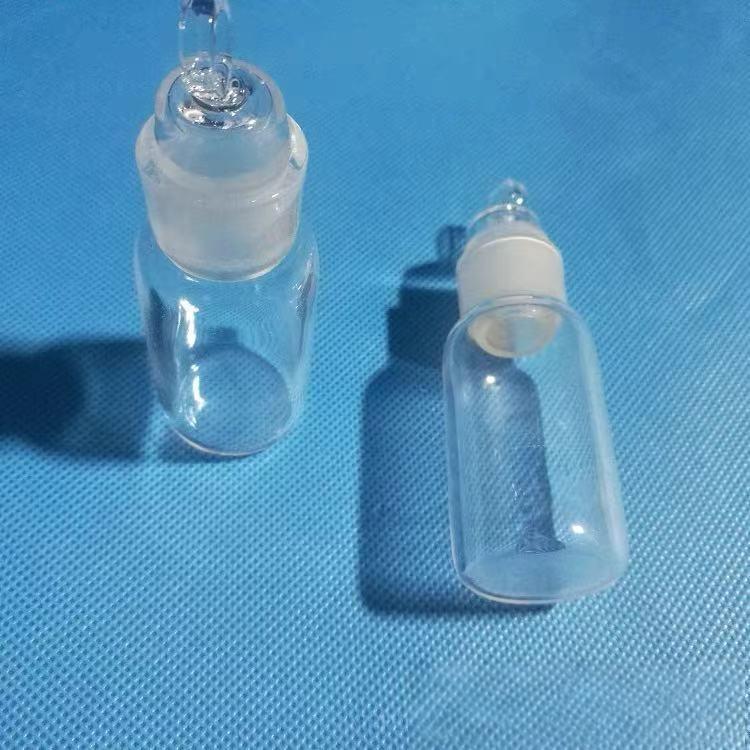
Yes. We regularly manufacture custom quartzware to client specifications, including flat-bottom circular dishes with pour spouts, rectangular calcination trays with partition ribs, cylindrical capsules with ground-glass stoppers, and micro-ashing boats for tube combustion analyzers. Customers can submit PDF, STEP, or DXF drawings indicating their target tolerances, wall thickness requirements, and operating temperatures for review.
What is your MOQ and standard packaging for international export?
Most custom ashing dishes and fabricated parts carry a minimum order quantity (MOQ) of just 1 piece for pilot validation, while standardized catalog shapes are typically supplied in lots of 5 to 10 pieces. To safeguard fragile quartz glass during international transit, each dish is cleaned, sealed in individual dust-free polyethylene film, encased in custom-cut shock-absorbent EPE foam compartments, and packed into reinforced double-wall corrugated cartons or export-grade plywood crates.
Request an Engineering Review & Quotation
Connect directly with our quartz glass technicians in Donghai. Receive a detailed feasibility review, tolerance validation, and quote for prototypes or production batches within 24 hours.