Featured High-Purity Fused Quartz Products
Engineered to withstand extreme thermal environments up to 1450°C. Standard and custom drawing-based manufacturing for worldwide research and OEM supply chains.
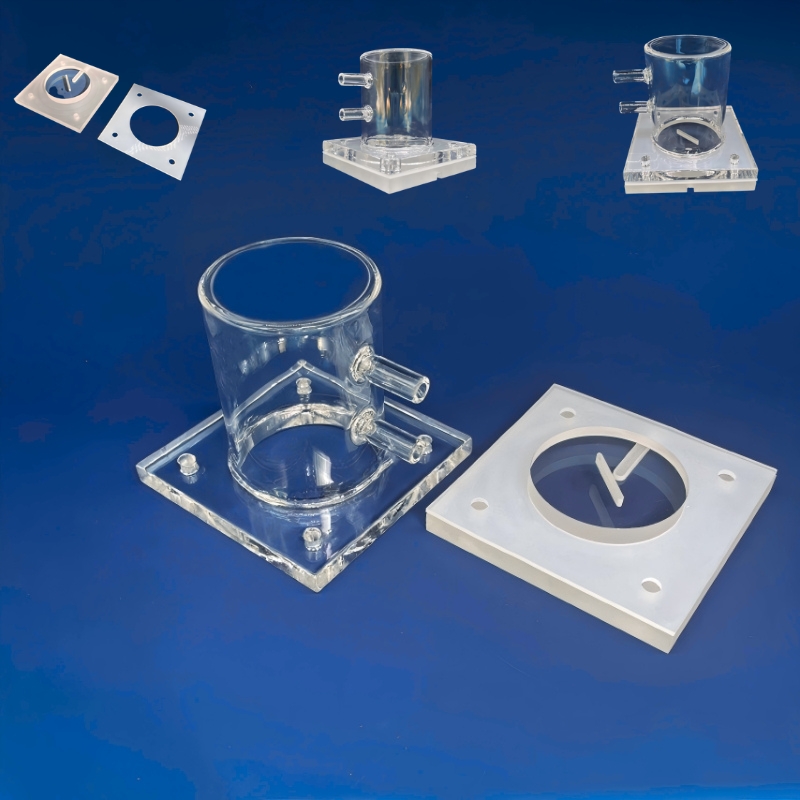
Quartz Photocatalytic Reactor Hydrogen Oxygen Production Via UV Photodegradation Ozone Free Translucent Quartz Moulding Cutting
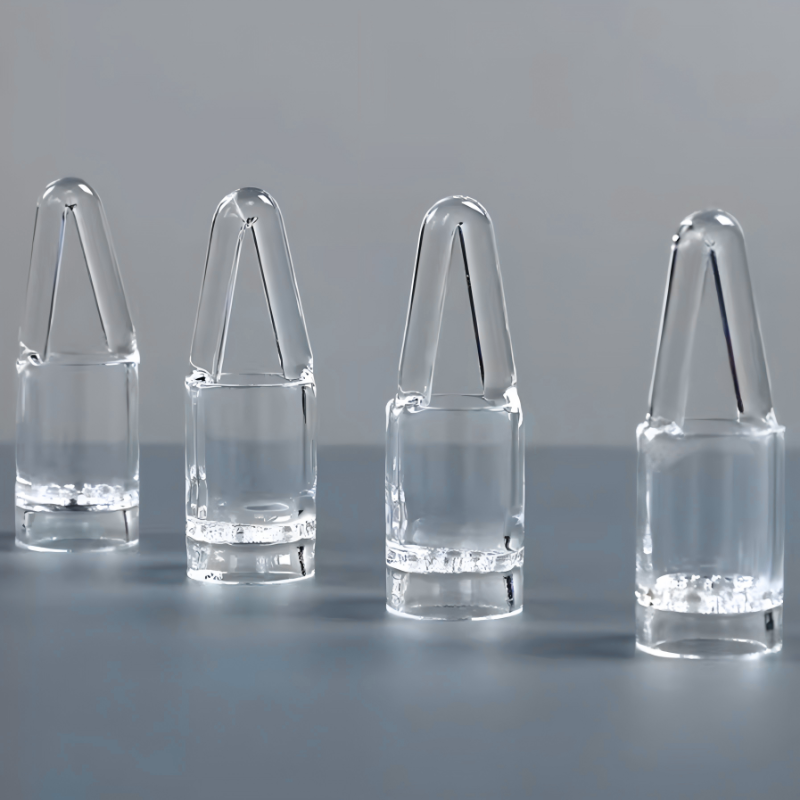
Quartz Crucible Acid/Alkali Resistant Polished Ozone Free Quartz Glass Basket Beaker Dome Closed End 200 Mesh High Temperature
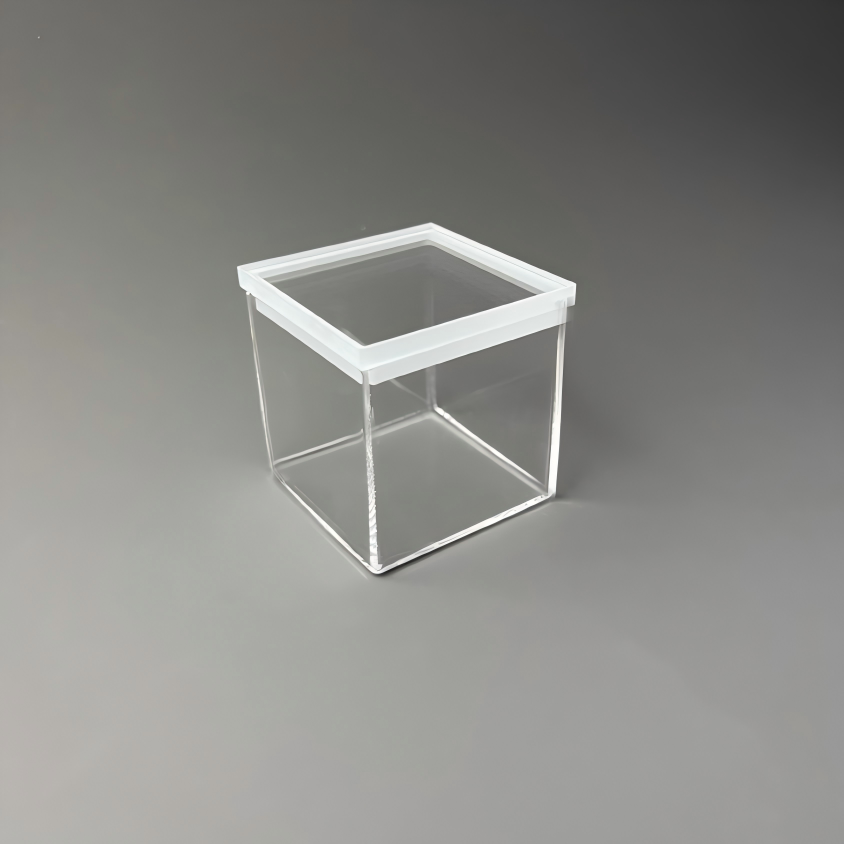
Quartz Glass Sealed Electrolytic Cell Dome Closed End Custom Dimensions Photocatalytic Photoelectrochemical Ozone Free Polished
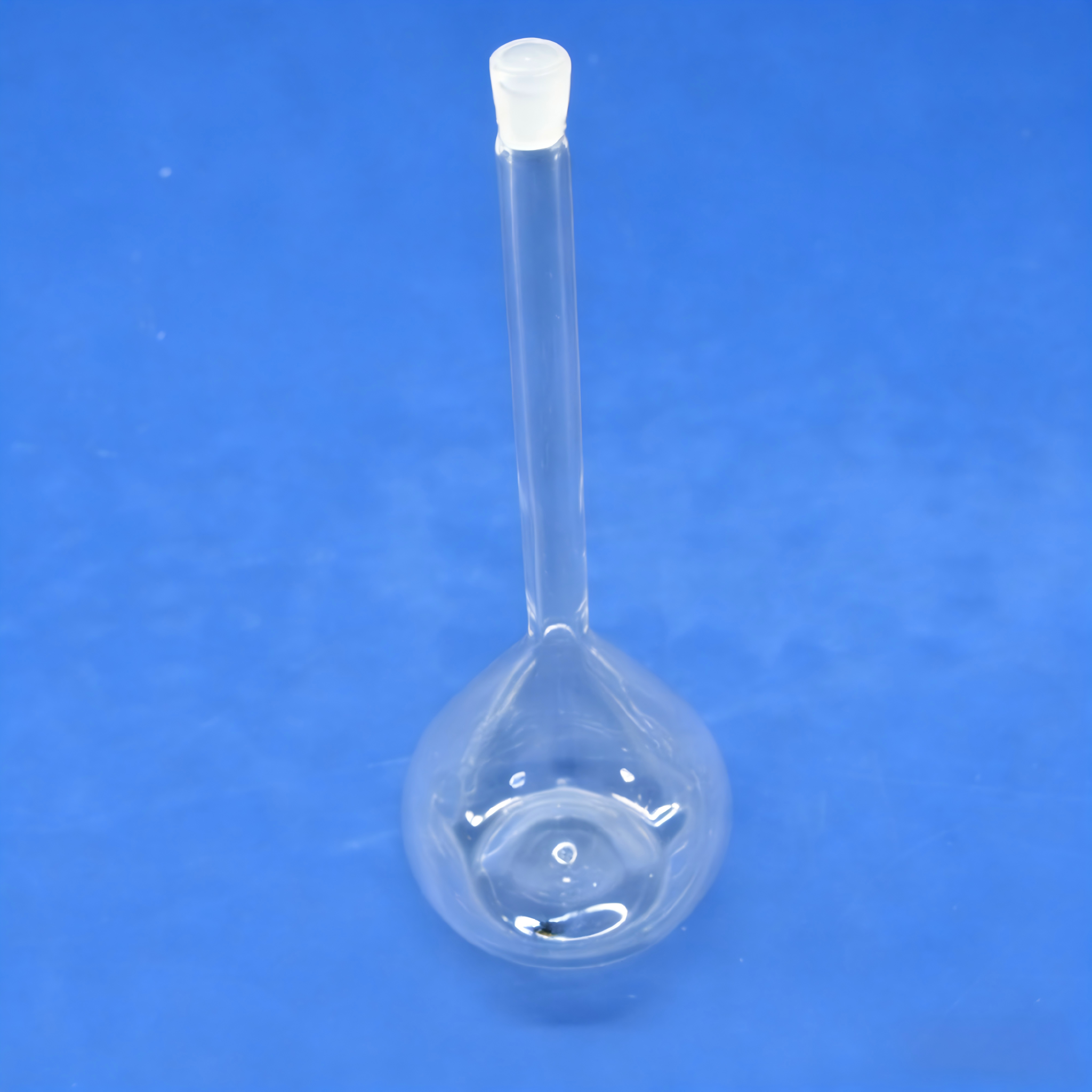
High Purity Transparent Quartz Glass Ampoule Customized Clear Quartz Flask Bending Cutting Welding Lab Use Ozone Free Polished
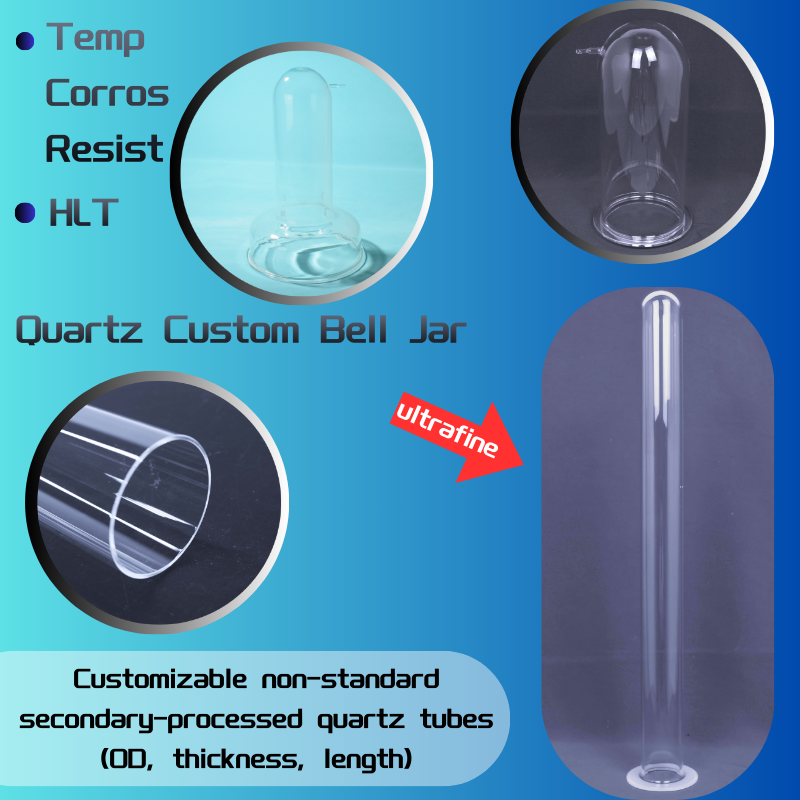
SJ 130 QUARTZ Clear Customizable High-Precision Quartz Negative Pressure Leak-Proof Vacuum Tube 99.99% SiO2 Semiconductor
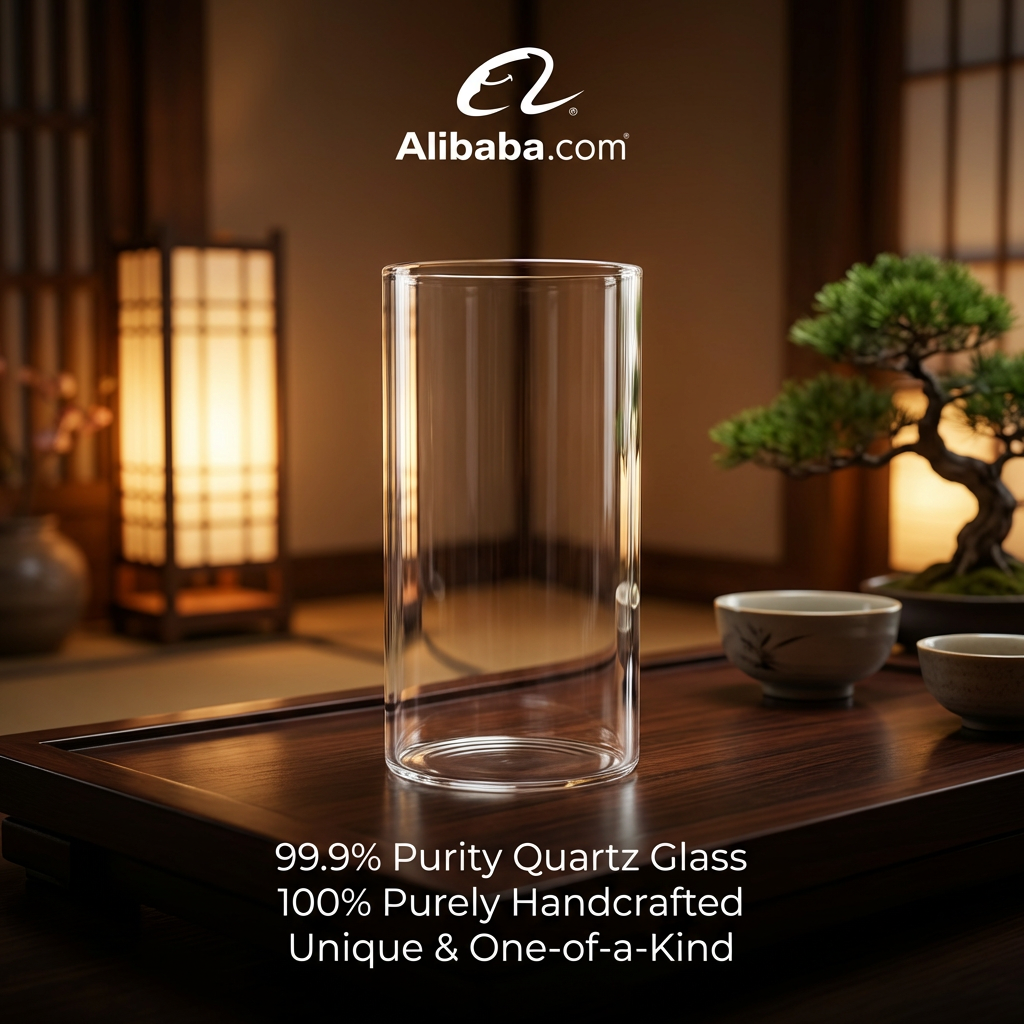
Custom Clear Fused Quartz Tube With/Without Handle Fire Polished Hand-blown Silica Glass Drinking Cup SJ SJ 226 99.999% Purity
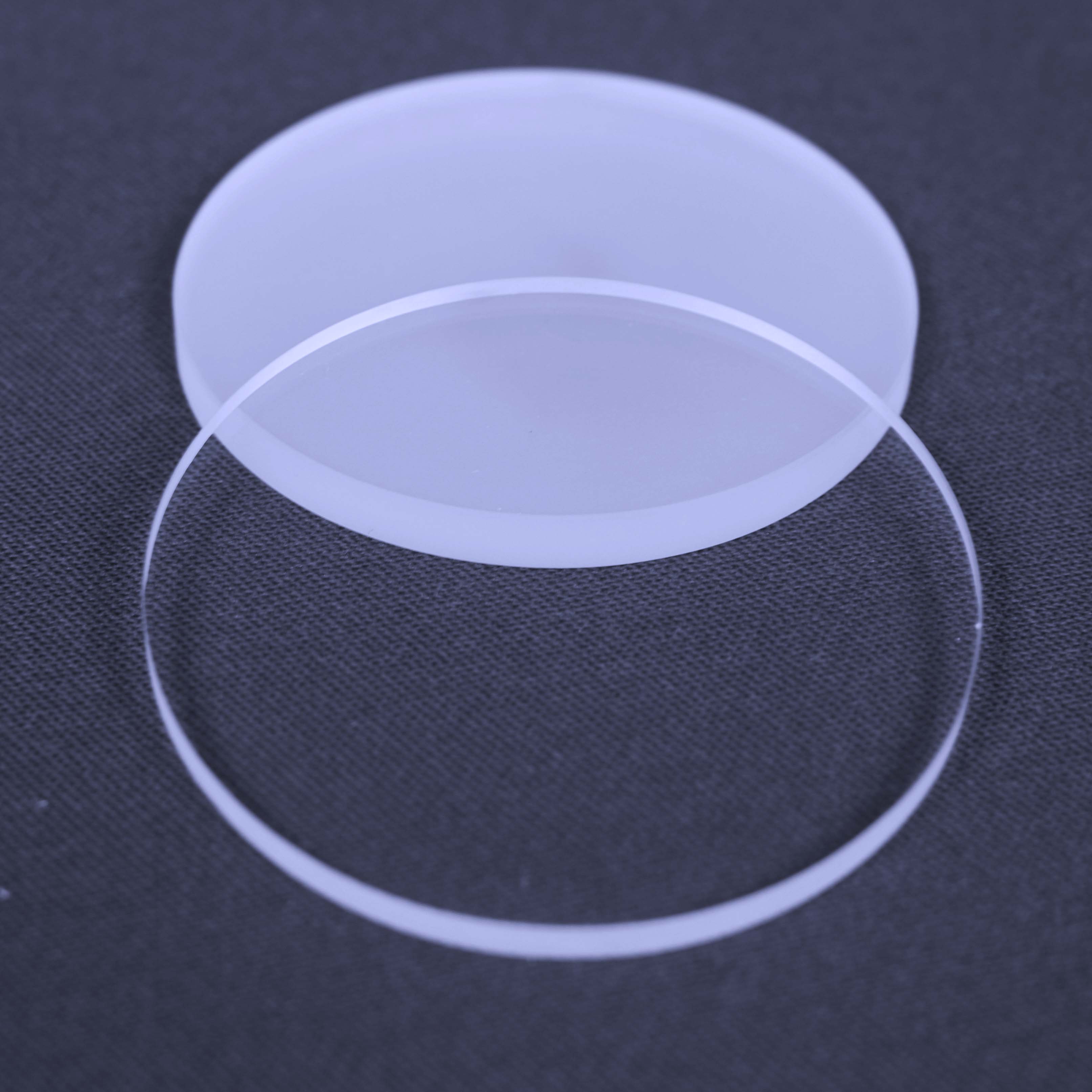
XRD Quartz Holder Test Samples High Transmittance Clear Plate Circular Shape High Melting Point Optical Grade Welding Cutting SJ
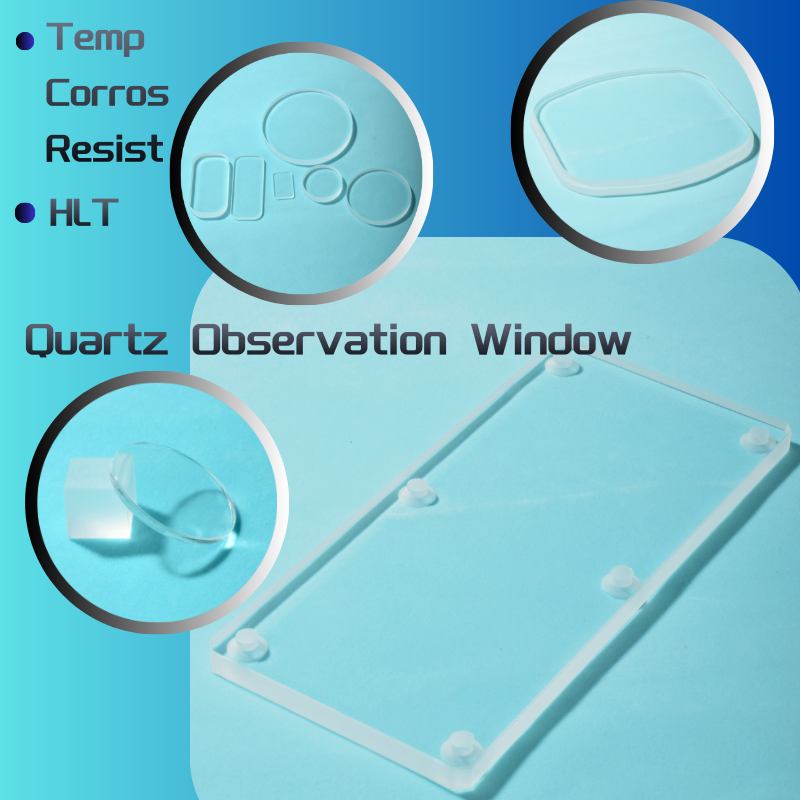
SJ Natural Fused Quartz Polished Plate Optical Clear Heat-Resistant Chemical-Resistant Cutting High Melting Point Laser 5.5-6.5
Industry Whitepaper: The Global Halogen Quartz Tube Manufacturing & Procurement Landscape
In modern industrial thermal processing, semiconductor wafer fabrication, photovoltaic cell sintering, and optical curing, halogen quartz tubes represent an irreplaceable thermal enclosure and light transmission envelope. Manufactured by melting high-purity natural silica sand (SiO2 > 99.99%) or synthetically synthesized silicon tetrachloride, these high-performance glass tubes offer a unique combination of extreme temperature tolerance, optical transparency across ultraviolet to infrared spectra, near-zero thermal expansion, and exceptional chemical inertness.
As industrial automation and high-density heating systems advance, procurement officers, OEM design engineers, and scientific researchers face heightened requirements when choosing a qualified halogen quartz tube manufacturer and exporter. A comprehensive evaluation requires deep analysis of raw crystal sand origin, hydroxyl (OH-) content control, dimensional tolerances, physical stress relief via annealing, and customized cold/hot working processing capabilities.
Key Technical Takeaway for B2B Buyers: Standard borosilicate glass softens at approximately 820°C, rendering it unusable for high-power halogen infrared heaters and semiconductor furnace tubes. Fused quartz features a softening point of 1683°C, a continuous working temperature of 1100°C, and a peak thermal tolerance of 1450°C, combined with an extremely low thermal expansion coefficient of 5.5 × 10⁻⁷/°C (from 20°C to 320°C).
1. Technical Classification & Material Selection Guide
A qualified halogen quartz tube manufacturer must offer multiple material grades tailored to specific spectral, thermal, and chemical environments. The principal classifications include:
Clear Fused Natural Quartz (SiO₂ ≥ 99.99%)
Ozone-Free Halogen Quartz Tubes
Synthetic Fused Silica (SiO₂ ≥ 99.9999%)
2. Critical Physical & Thermal Parameters Table
When engineering halogen heating modules or high-vacuum thermal chambers, design engineers rely on rigorous physical property metrics to ensure long-term structural integrity and prevent furnace deformation:
| Physical / Thermal Property | Standard Value | Testing Standard / Note |
|---|---|---|
| Chemical Composition (SiO₂ Purity) | 99.99% – 99.999% | ICP-MS verified for trace metal contaminants |
| Density | 2.20 g/cm³ | ASTM C693 standard measurement |
| Softening Point | 1683 °C | Viscosity log η (Pa·s) = 6.6 |
| Annealing Point | 1215 °C | Internal thermal strain relief point |
| Strain Point | 1120 °C | Maximum continuous load-bearing limit |
| Max Short-Term Peak Temperature | 1450 °C | Short duration operational limit |
| Thermal Expansion Coefficient (20–320°C) | 5.5 × 10⁻⁷ / °C | Immune to extreme thermal shock (e.g. red-hot immersion in cold water) |
| Hydroxyl (OH⁻) Content | < 5 ppm to < 100 ppm | Controlled via vacuum baking and furnace atmosphere |
| Refractive Index (Nd = 589.3 nm) | 1.4585 | High optical precision grade |
3. Future Procurement & Technological Trends (2025–2030)
The global industrial demand for high-purity halogen quartz tubing is accelerating, driven by expansion across renewable energy, microelectronics, and advanced photonics. Global B2B buyers must navigate several evolving industry shifts:
- Semiconductor Wafer Scaling & Ultra-Low OH Content: Next-generation 3nm and 2nm semiconductor fabs demand quartz process tubes with hydroxyl content controlled strictly below 1 ppm. Low-hydroxyl quartz prevents thermal sagging under prolonged high-vacuum anneal cycles above 1150°C and eliminates hydrogen outgassing that interferes with delicate CVD and ALD processes.
- High-Speed Photovoltaic Cell Sintering: The rapid transition to TOPCon and HJT solar cell architectures requires high-density halogen infrared emitter tubes. These tubes must handle extremely high power outputs (up to 80 W/cm) with ruby-red or gold reflector coatings that direct directional IR thermal radiation without degrading outer tube integrity.
- Photocatalytic Clean Energy & Green Hydrogen: High-transmittance clear quartz reactors for UV-assisted water splitting and photocatalytic photodegradation are moving from lab prototypes to industrial-scale production. Quartz components for hydrogen-oxygen generation must maintain dimensional accuracy and zero bubble inclusions under aggressive chemical solutions.
- CNC Machining & Complex Fire-Polished Geometries: Conventional manual glass-blowing is increasingly supplemented by 5-axis CNC diamond ultrasonic machining, laser glass cutting, and robotic flame welding. Buyers are sourcing custom integrated quartz assemblies that combine tube flanges, closed-end domes, spiral coils, and fluid connections into a single seamless unit.
4. Manufacturing Strength & Strategic Enterprise Advantage
Rooted in Donghai County, Jiangsu Province—globally recognized as China’s premier crystal capital—Lianyungang Vulra Quartz Products Co., Ltd. (Vulra Quartz) represents the benchmark in advanced fused silica manufacturing. Supported by TÜV Rheinland on-site supplier verification and ISO9001 quality management, Vulra Quartz operates state-of-the-art cold machining and hot flame working production lines that serve international OEMs across 50+ countries.
Our complete vertically integrated production capability spans raw sand purification, continuous furnace drawing, mechanical diamond cutting, precision grinding, fire polishing, and annealing stress relief. Key company strengths include:
Drawing-Based OEM/ODM Engineering
Integrated Hot & Cold Processing
Export-Grade Shockproof Packaging
Frequently Asked Questions (FAQ) for Quartz Tube Procurement
Practical engineering answers to common technical queries encountered during quartz component selection and purchasing.