Featured High-Purity Fused Quartz Hardware
High-temperature fused silica, reactor tubes, injectors, and custom glassware engineered for high thermal loads, radical plasma resistance, and chemical containment.
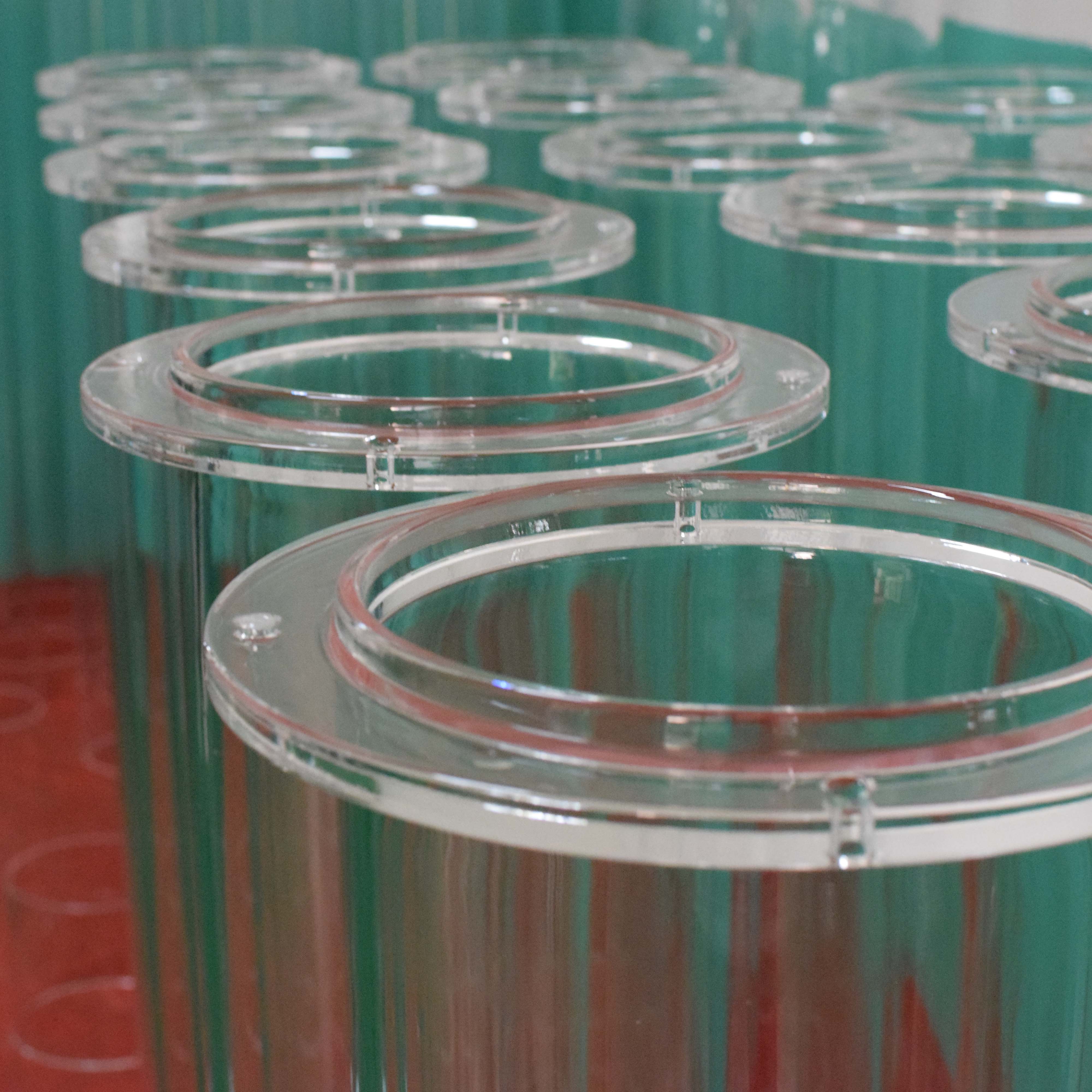
High Purity 99.999% Single Crystal Quartz Glass Tube Flange Re-feeder Container
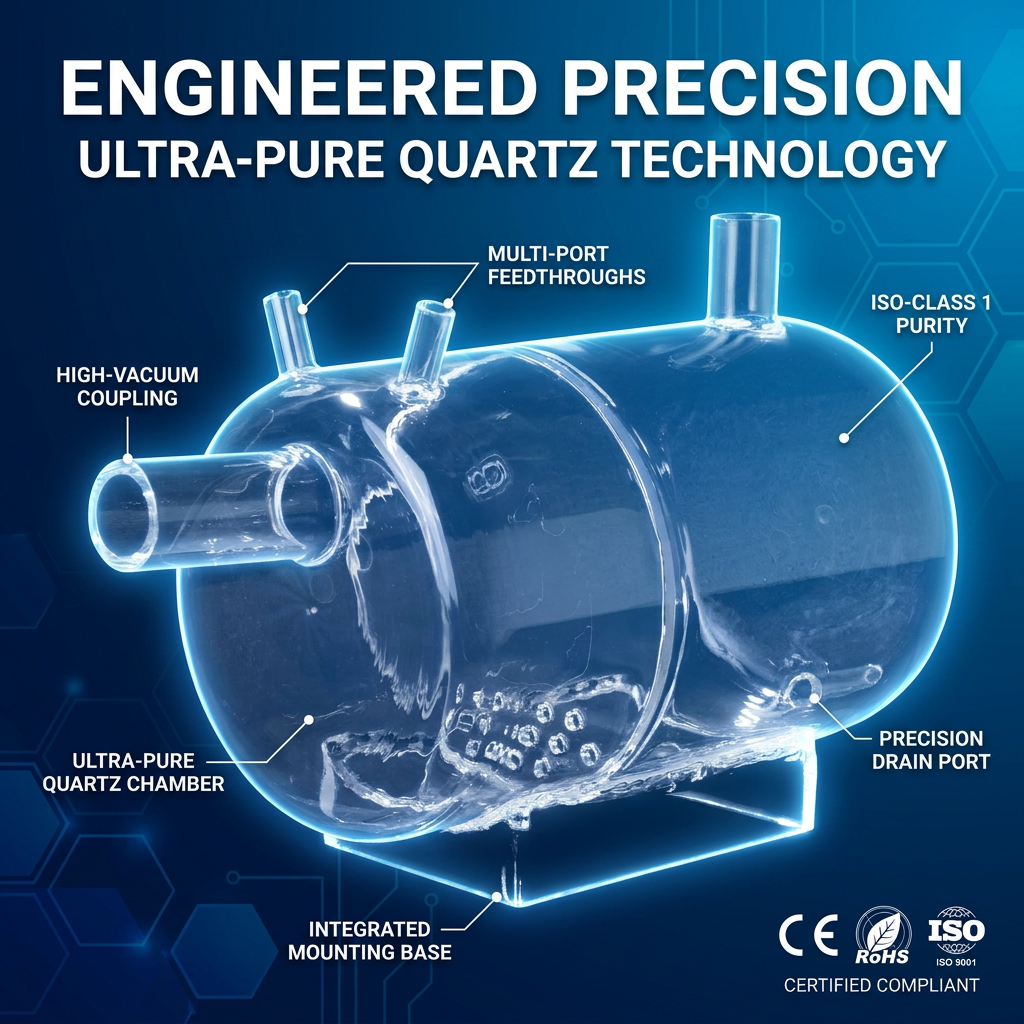
Customized Precision Quartz Separating Container Semiconductor Grade 99.9%-99.999%
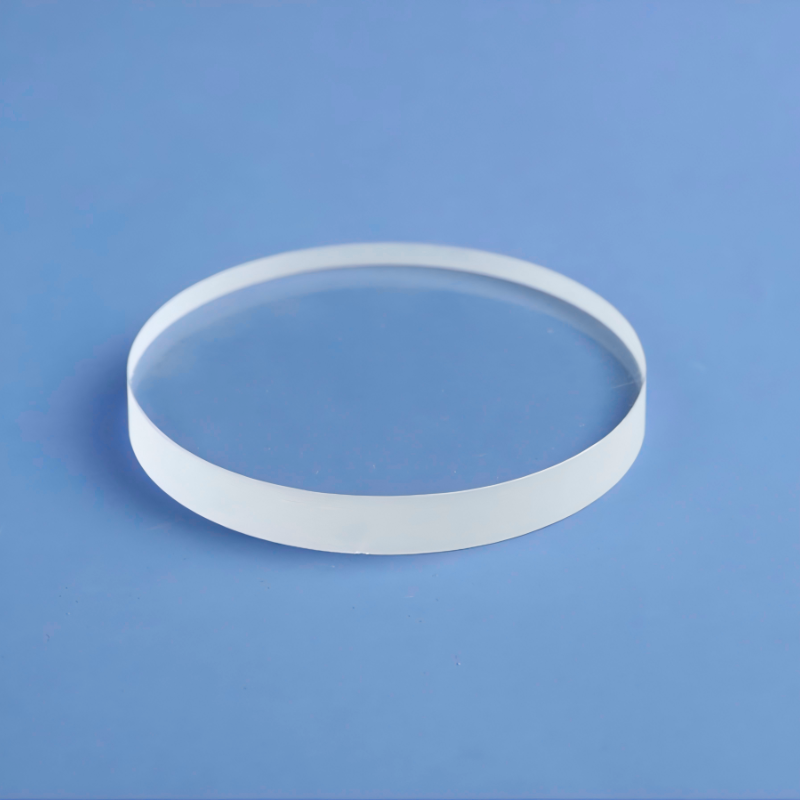
High Temperature Resistant Clear Sapphire Quartz Tablets Fused Silica Glass Sheets
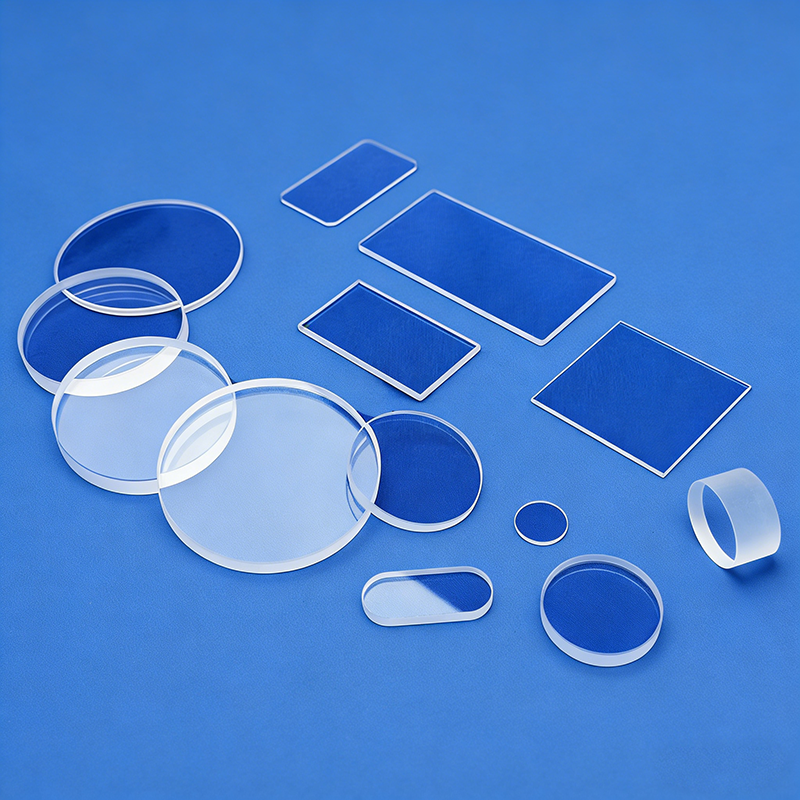
SJ QUARTZ Customized Translucent Natural Fused Quartz Arc-Welding Cutting Services
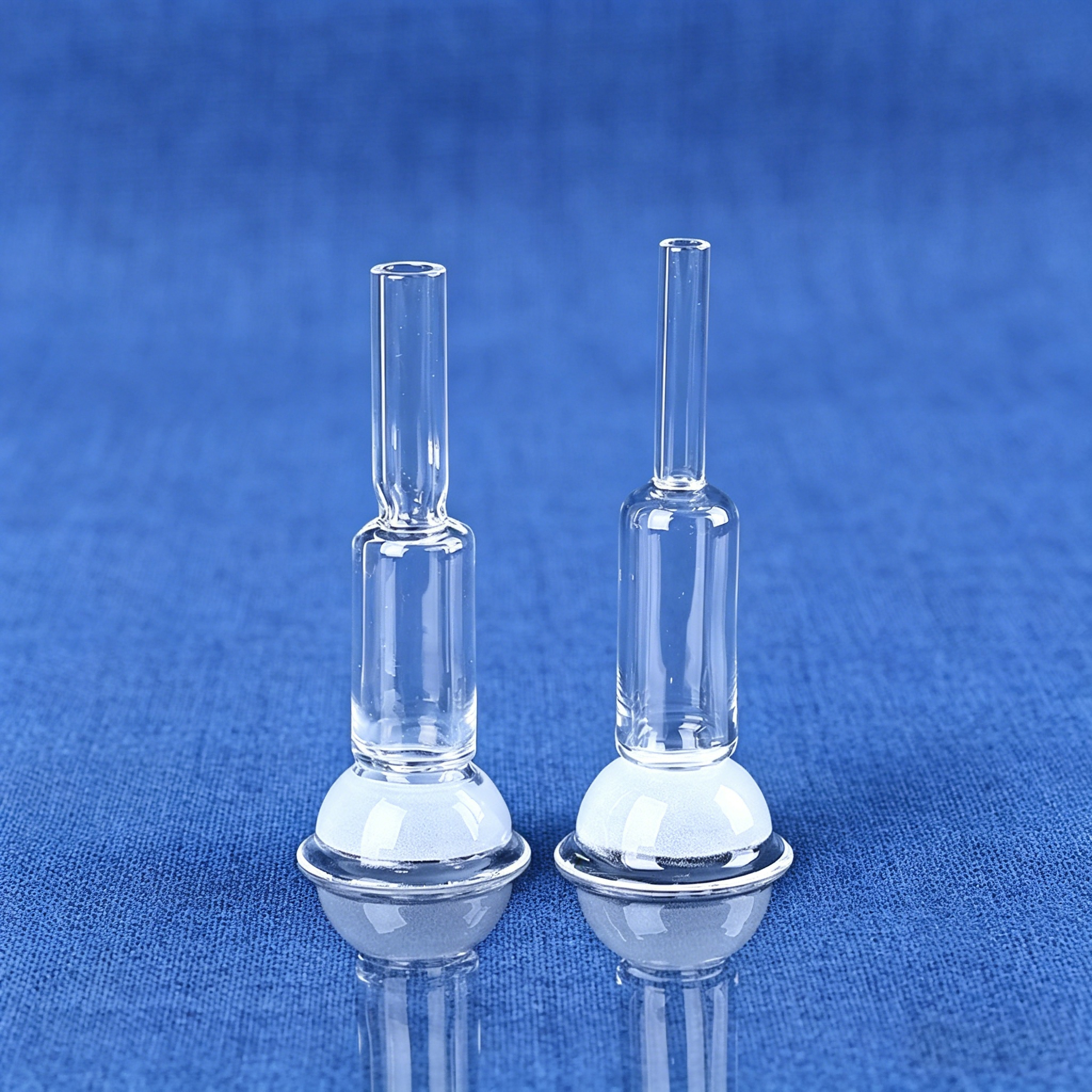
Custom High Purity Quartz C-shaped Small-sized BET Tube Welding Bending Cutting
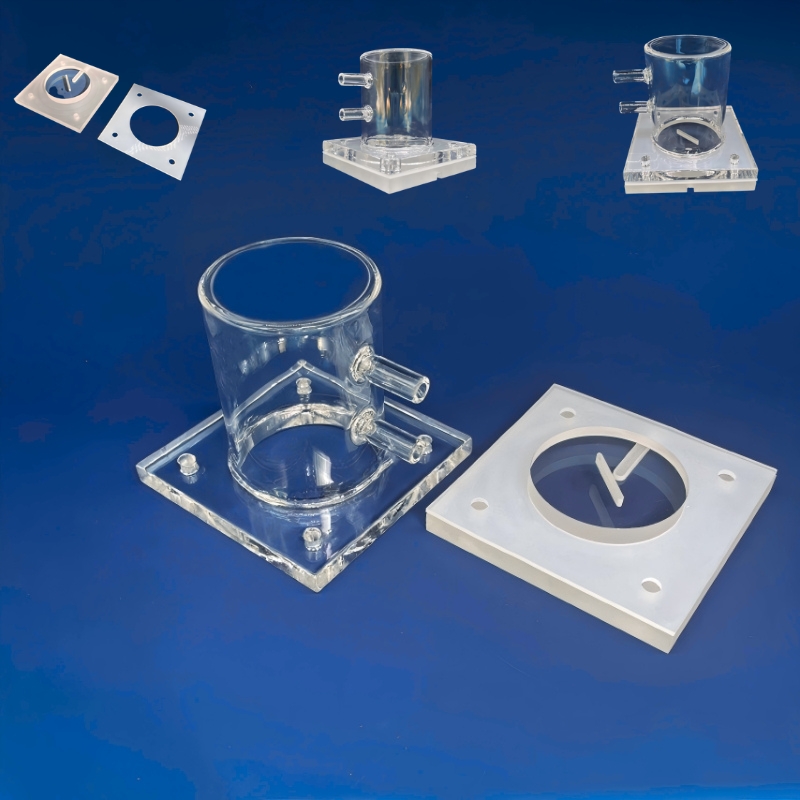
Quartz Photocatalytic Reactor Hydrogen Oxygen Production Via UV Photodegradation
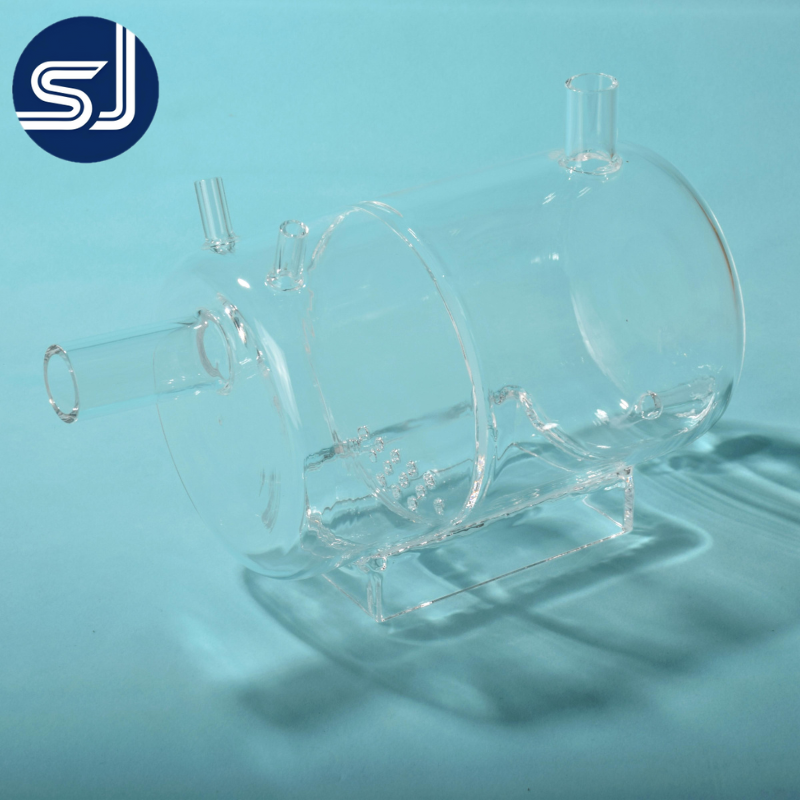
SJ QUARTZ High-Temperature Corrosion-Resistant 99.99% SiO2 Flow Splitting Bottle
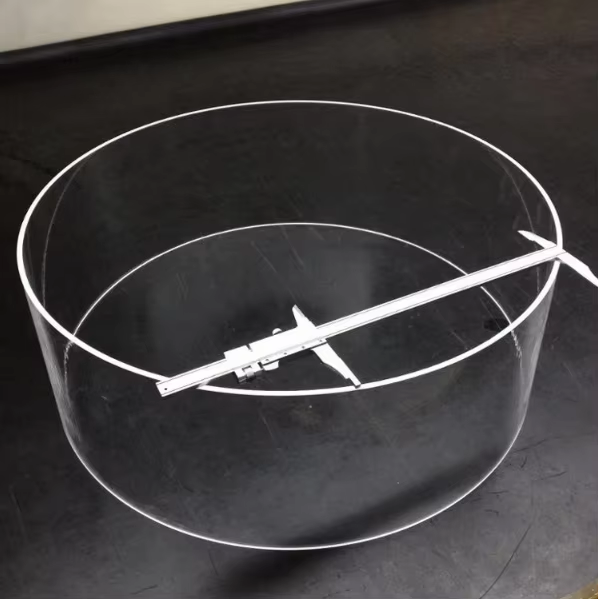
Factory Supply Optical Quartz Sapphire Tubes High Temperature Resistant UV Glass Pipe
The Critical Role of Fused Quartz Gas Injectors in Sub-Micron Thermal Processing
In advanced thin-film semiconductor fabrication, atomic layer deposition (ALD), low-pressure chemical vapor deposition (LPCVD), and metal-organic chemical vapor deposition (MOCVD), process homogeneity is fundamentally governed by fluid gas dynamics. The quartz gas injector (frequently designated as a gas distribution lance, feed tube, or diffusion nozzle) serves as the primary conduit delivering volatile precursor chemicals, silane (SiH₄), dichlorosilane (DCS), ammonia (NH₃), and corrosive dopants directly into high-temperature vacuum chambers.
Because these operations typically execute at sustained operating envelopes between 800°C and 1250°C, structural mechanical integrity and material contamination thresholds become critical. Metal injectors corrode and yield intolerable iron, nickel, or chromium trace impurities that devastate minority carrier lifetimes in silicon wafers. Conversely, transparent synthetic and natural fused silica (SiO₂ purity ≥ 99.999%) demonstrates an exceptionally low thermal expansion coefficient (CTE ≈ 5.5 × 10⁻⁷ /°C), eliminating thermal shock vulnerability during rapid thermal cycling while preventing metallic dopant cross-contamination.
Thermodynamic & Physical Benchmark Matrix
When drafting procurement specifications for export grade quartz gas injectors and furnace accessories, process engineers must weigh key mechanical and crystallographic properties against aggressive cleaning cycles (HF/HNO₃ acid etching) and high thermal gradients:
| Analytical Parameter | Semiconductor Grade (Thermal) | Synthetic Fused Silica (Optical/ALD) | Relevance to Gas Delivery Yield |
|---|---|---|---|
| SiO₂ Purity Grade | ≥ 99.995% – 99.999% | ≥ 99.9999% (Low Metallic) | Prevents trace transition metals from migrating into substrate crystal lattices. |
| Hydroxyl (OH⁻) Fraction | < 20 ppm (Standard Low-OH) | < 5 ppm (Dry Grade) or > 1000 ppm | Low hydroxyl content drastically reduces high-temperature viscous sag & devitrification. |
| Softening Point (η = 10⁷.⁶ dPa·s) | 1683 °C | 1600 °C – 1710 °C | Determines ceiling resistance to injector droop inside cantilever horizontal furnaces. |
| Annealing Point (η = 10¹³ dPa·s) | 1215 °C | 1180 °C | Ensures zero latent residual stress after flame bending, lathe welding, and nozzle sealing. |
| Micro-Orifice Tolerances | ± 0.02 mm to ± 0.05 mm | ± 0.01 mm (Laser Micro-Bored) | Directly determines precursor velocity, laminar Reynolds number, and deposition yield. |
| Surface Roughness (Ra) | < 0.4 µm (Fire-Polished) | < 0.1 µm (Optical Polish) | Smooth internal and external walls prevent premature CVD byproduct particulate flake-off. |
The transition from traditional thermal quartz tubes to high-integrity gas injectors requires meticulous hot-working artistry combined with CNC cold-machining. Each custom welded joint, whether joining an ultra-pure ground glass spherical joint, a KF/NW vacuum flange, or a C-shaped positioning guide, represents a potential thermal stress point. At Lianyungang Vulra Quartz Products Co., Ltd., post-weld structural annealing at 1180°C in programmable kilns completely neutralizes internal birefringence stress rings, ensuring dimensional linearity throughout thousands of thermal excursion hours.
Engineered Quartz Gas Injector Configurations
From single-wafer ALD toolheads to mass-volume multi-tube horizontal diffusion furnaces, selecting the correct gas injector architecture is vital to process repeatability.
LPCVD Multi-Point Cascade Injectors
Designed for horizontal and vertical low-pressure silicon nitride, polysilicon, and LTO diffusion systems. Features laser-drilled, fire-polished orifices progressively spaced to counterbalance flow pressure drops along the quartz lance, maintaining uniform gaseous concentration across 50 to 150 wafer batches.
ALD Fast-Switching Nozzle Manifolds
Constructed specifically for atomic layer deposition where sharp chemical precursor pulses require near-zero internal dead-space. Internal passages are precision-bored with polished radii to avoid precursor eddy recirculation, condensation, or premature gas-phase parasitic nucleation.
Flanged & Bent Cantilever Injectors
Integrated with high-precision quartz ground flanges, O-ring sealing grooves, and mechanical alignment dowels. These robust assemblies directly interface with load-lock entry mechanisms and gas delivery lines without requiring metallic adaptors in hot reaction zones.
Emerging Procurement Trends for Global Semiconductor Buyers
How progressive semiconductor foundries, solar PV gigafactories, and research institutions are evolving their quartz component procurement strategies through 2026–2030.
Total Cost of Ownership (TCO)
Global fabs are moving away from frequent injector replacements. Procuring injectors processed with synthetic-grade quartz and specialized thermal annealing extends operational bath cycles, cutting downtime costs during critical batch campaigns.
Tighter Orifice Geometry
As gate pitch shrinks toward advanced nodes, tolerance windows on injector hole profiles have tightened from ±0.1 mm to sub-0.02 mm. CNC micro-machining with automated optical inspection (AOI) has become an essential baseline requirement.
Direct Cluster Sourcing
Tier-1 wafer processors bypass secondary trading layers to secure long-term capacity reservations directly from primary fused silica manufacturing hubs like Donghai, safeguarding production schedules against supply fluctuations.
Certified Verification
Quality directors increasingly demand verified on-site credentialing (such as TÜV Rheinland factory assessments and CE/RoHS chemical conformity) before onboarding custom quartz glass vendors into their corporate approved vendor lists (AVL).
Technological Advances in Quartz Injector Manufacturing
The engineering of quartz gas injectors is currently undergoing rapid technological transformation driven by higher process temperatures, aggressive fluorine/chlorine cleaning plasmas, and the need to eliminate defect-causing particulate shedding. The following primary evolutionary paths define current manufacturing advancements:
1. Laser Orifice Micro-Drilling
Traditional diamond micro-drills introduce micro-cracks and subsurface fracture damage around nozzle margins, risking particulate flaking under thermal cycling. Femtosecond pulsed laser ablation now yields clean, conical or cylindrical injector holes with zero micro-fracturing and naturally fire-glazed perimeters.
2. Hydroxyl Mitigation (Low-OH)
Standard quartz containing > 30 ppm OH⁻ displays lower viscosity at elevated process temperatures (> 1100°C), resulting in cantilever injector droop. Advanced vacuum thermal baking processes reduce internal hydroxyl levels below 5 ppm, preventing long-tube deflection over extended furnace runs.
3. Plasma Etch Resistance
Plasma-enhanced CVD chambers regularly utilize NF₃ and SF₆ cleans that chemically attack standard quartz glassware. Controlled synthetic quartz doping and ultra-smooth surface micro-finishing minimize chemical pitting, extending component lifetime in corrosive plasma atmospheres.
Why Global Fabs Partner with Vulra Quartz
Located at Dingxin Road in China’s crystal capital (Donghai Economic Development Zone), Lianyungang Vulra Quartz Products Co., Ltd. combines raw high-purity natural silica access with world-class hot and cold processing infrastructure. We deliver end-to-end reliability for custom semiconductor, photovoltaic, and laboratory hardware.
- TÜV Rheinland Verified: Complete independent factory, legal status, and manufacturing capability validation.
- Comprehensive Hot & Cold Lines: Oxy-hydrogen flame bench welding, precision glass lathes, diamond cutting, and optical polishing.
- Flexible Prototyping: Drawing-based OEM/ODM manufacturing starting from a single piece (MOQ 1 PC) for pilot development.
- Export-Ready Clean Packing: Multi-stage acid decontamination, DI-water rinse, cleanroom shrink-wrapping, and foam-cushioned wood crating.
Frequently Asked Questions by Sourcing Engineers
Direct technical answers addressing purity grading, dimensional tolerances, cleaning protocols, and global export packaging.
Request an Engineering Review & Quotation
Consult directly with our quartz fabrication engineers. Send your mechanical drawings, tolerances, and material purity requirements for rapid quote turnaround and manufacturability feedback.
Contact Us