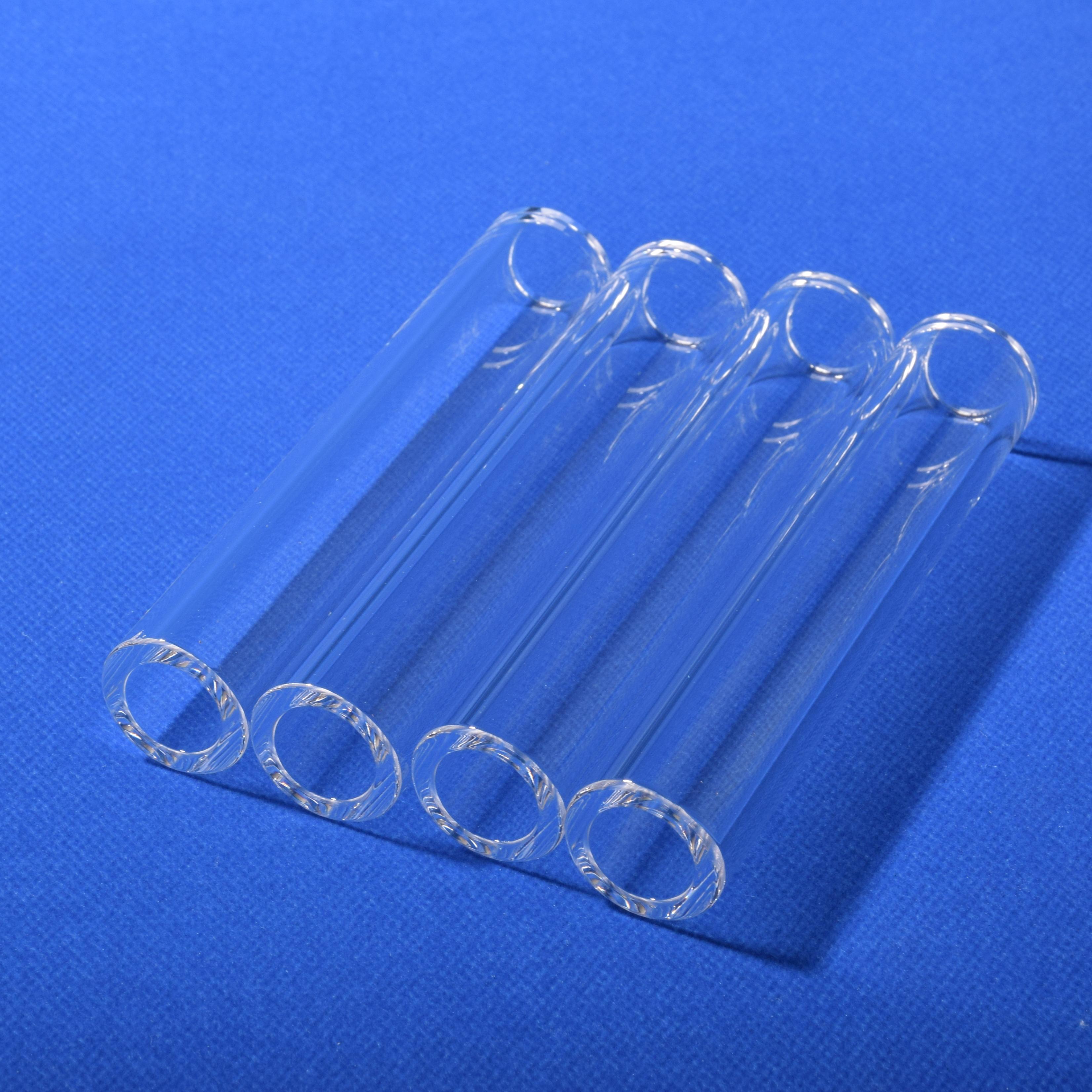
SJ 150 Oversized Thick Wall Quartz Tube
1100°C heat resistant, corrosion-resistant, ozone-free translucent quartz tube tailored for heavy industrial welding & furnaces.
Get a Quote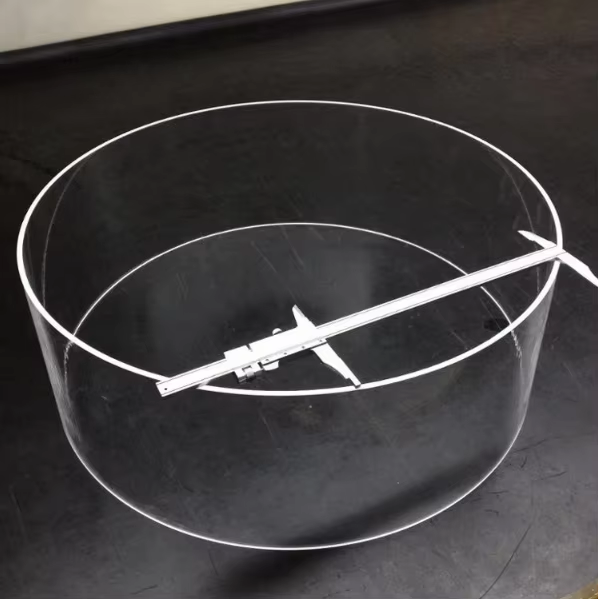
Optical Quartz & Sapphire Tubes
High-temperature optical UV glass test pipes designed for powder sintering, flame bending, and laser processing precision.
Get a Quote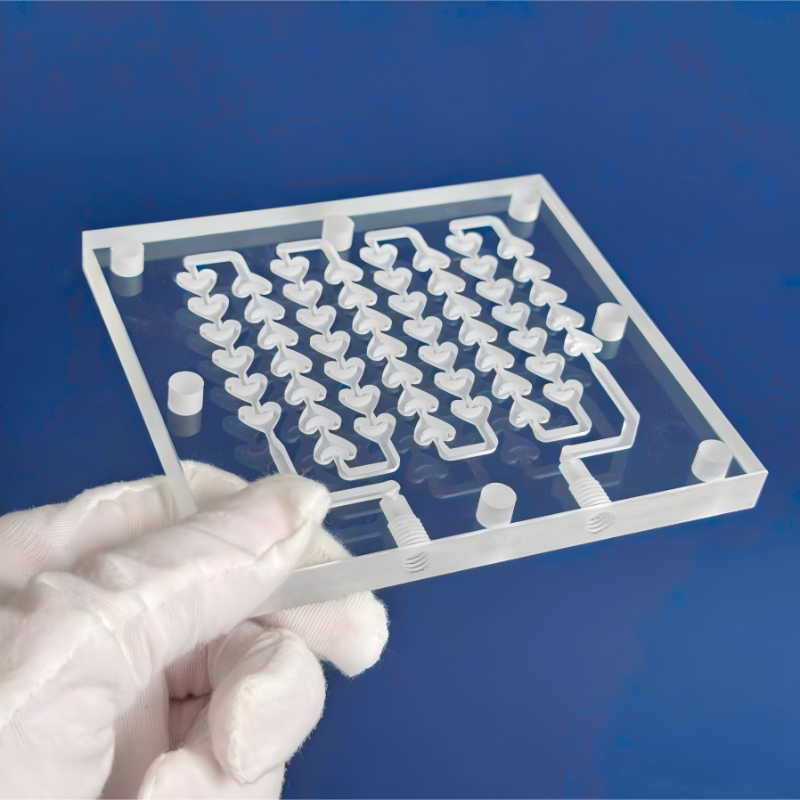
High Thermal Conductance Quartz Chips
1750°C melting point heat-exchange glass interlayer circular chips optimized for ultra-high thermal stress environments.
Get a Quote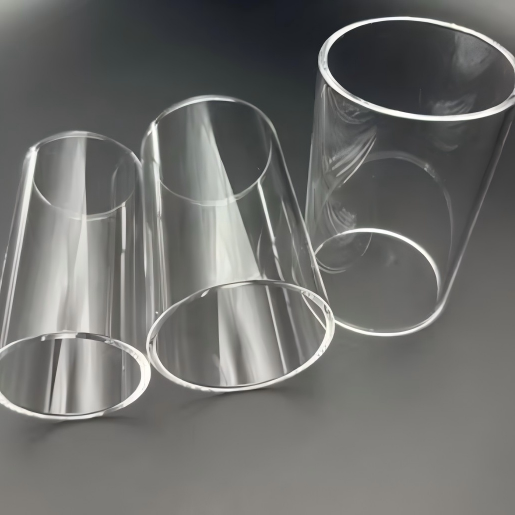
One End Closed Quartz Tube (5-800mm)
Transparent polished ozone-free closed-end quartz tubes engineered via precision flame bending, cutting, and dome welding.
Get a Quote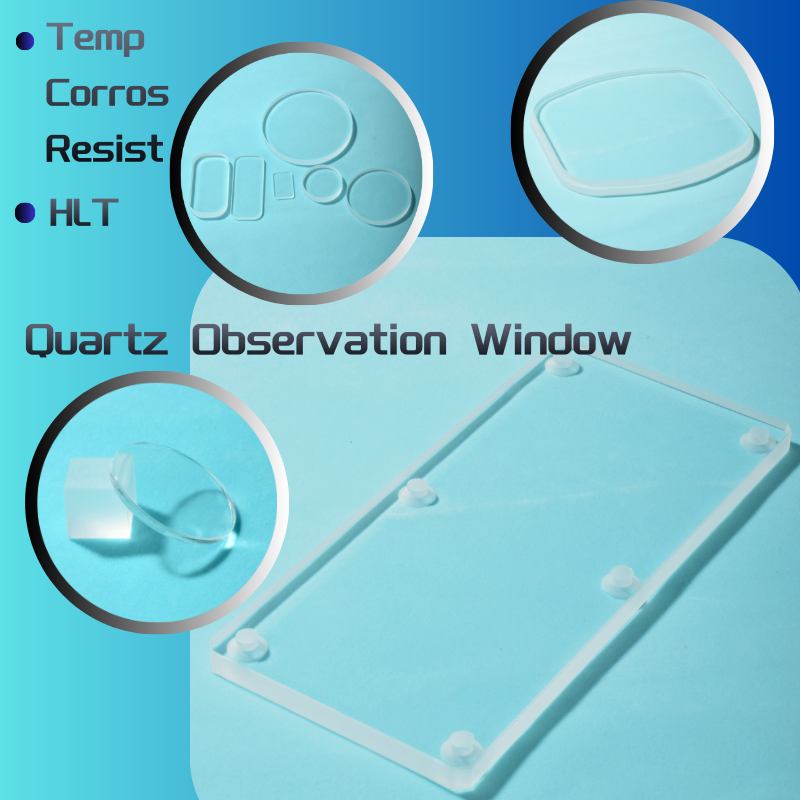
Optical Clear Polished Fused Quartz Plate
High melting point optical plate (Mohs 5.5-6.5) engineered for laser observation windows, chemical etching, and optical instruments.
Get a Quote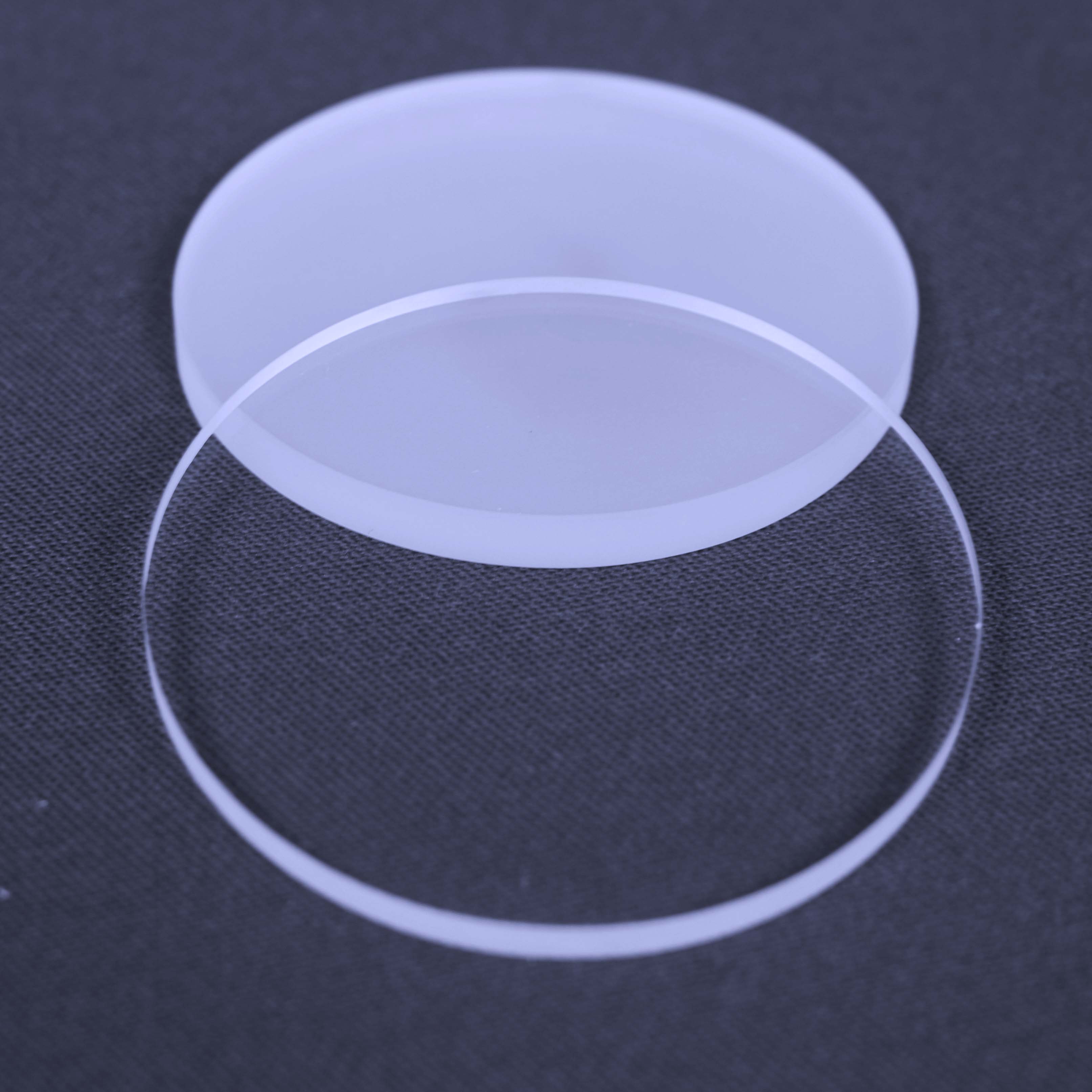
High Transmittance XRD Quartz Sample Holder
Optical-grade circular sample holders featuring exceptional transmittance and zero background interference for diffraction analysis.
Get a Quote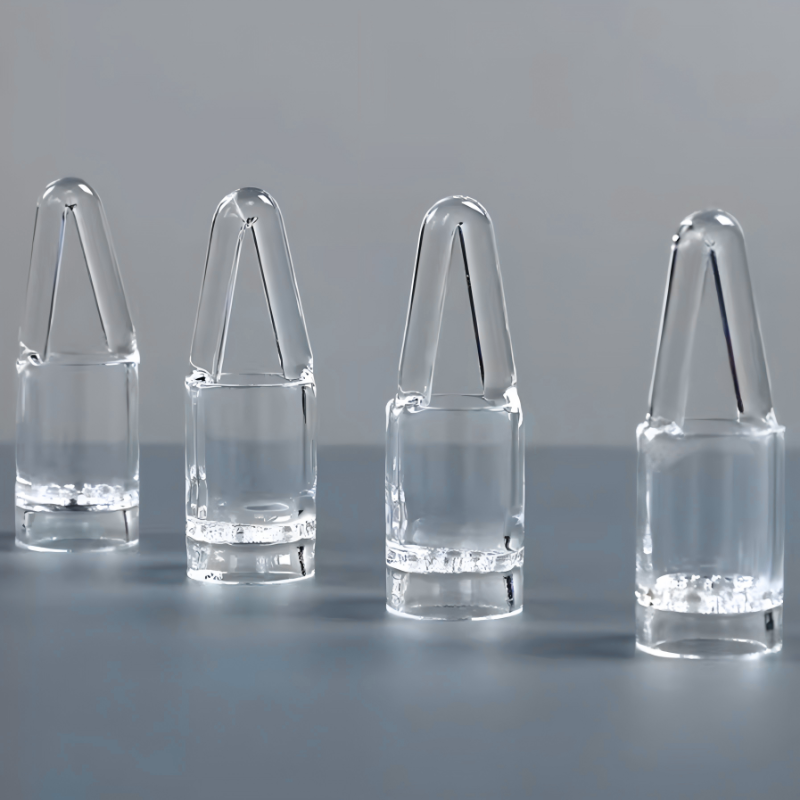
Acid/Alkali Resistant Quartz Crucible
Refractory polished fused quartz crucible, basket, beaker, and dome unit built for intense thermal chemical reactions.
Get a Quote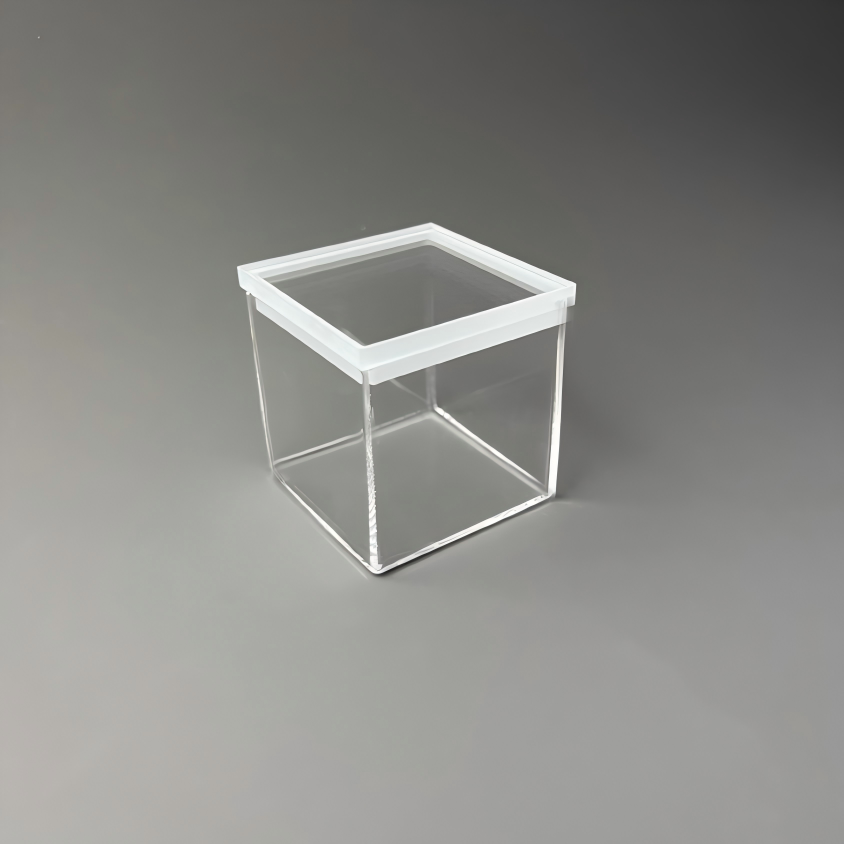
Sealed Photoelectrochemical Quartz Cell
Custom-dimension electrolytic reaction cell with high light transmission for photocatalytic and electrochemistry applications.
Get a QuoteIndustrial Fused Quartz Tubing Engineering Whitepaper
In modern high-technology manufacturing—spanning sub-nanometer semiconductor fabrication, solar photovoltaic cell processing, precision optics, and electrochemical synthesis—fused quartz tubing serves as a foundational material. Valued for its unmatched optical clarity, extraordinary thermal shock resistance, near-zero coefficient of thermal expansion, and near-absolute chemical inertness against aggressive acids, high-purity silica glass ($SiO_2$) is an indispensable component in extreme thermal and corrosive operating environments.
As a premier OEM/ODM Fused Quartz Tubing Factory & Supplier headquartered in Donghai County, Jiangsu Province—globally acknowledged as China's premier crystal and high-purity quartz cluster—Lianyungang Vulra Quartz Products Co., Ltd. bridges raw material material science with advanced hot and cold fabrication processes. This technical document explores the material fundamentals, critical fabrication methodologies, industry market trends, and procurement considerations that engineering procurement teams must evaluate when sourcing custom fused quartz components.
Fused Quartz Material Property Specifications
The table below provides an authoritative comparison of key physical, chemical, thermal, and optical properties of our semiconductor and optical-grade fused quartz tubing compared to standard industrial-grade quartz glass:
| Property Parameter | Semiconductor Grade (High Purity) | Optical / UV Grade (Synthetic/Selected) | Standard Industrial Grade |
|---|---|---|---|
| $SiO_2$ Purity Level | ≥ 99.999% (5N) | ≥ 99.9999% (6N) | ≥ 99.99% (4N) |
| Hydroxyl ($OH^-$) Content | < 5 ppm to 15 ppm (Low OH) | 100 ppm to 1000 ppm (Standard/High) | < 30 ppm |
| Maximum Continuous Temp | 1150°C | 1100°C | 1050°C - 1100°C |
| Peak Short-Term Temp | 1450°C | 1400°C | 1350°C |
| Softening Point | 1683°C | 1660°C - 1683°C | 1670°C |
| Thermal Expansion (0-300°C) | $5.5 \times 10^{-7} \text{ K}^{-1}$ | $5.4 \times 10^{-7} \text{ K}^{-1}$ | $5.5 \times 10^{-7} \text{ K}^{-1}$ |
| Dielectric Strength (20°C) | 25 - 40 kV/mm | 25 - 30 kV/mm | 20 - 25 kV/mm |
| UV Transmittance (254 nm) | ≥ 85% | ≥ 90% (Ozone Free / Deep UV) | ≥ 75% |
Our Manufacturing Strengths & Enterprise OEM/ODM Advantages
Operating as an authenticated direct manufacturer backed by third-party TÜV Rheinland on-site verification, our factory integrates the full production chain—from raw sand thermal processing to diamond cold machining and thermal stress annealing.
Geographic Raw Material Supply
Situated directly in Donghai, China’s primary crystal processing zone, we maintain secured access to top-tier silica sand, minimizing material cost fluctuations while upholding extreme purity standards.
Integrated Hot & Cold Machining
In-house capabilities include oxy-hydrogen glass lathe drawing, high-precision CNC ultrasonic drilling, surface grinding, optical flame polishing, and large-diameter tube end-sealing.
Drawing-Based 1-Piece Customization
We eliminate high MOQ barriers for custom specialized parts. Whether you require a single pilot-line prototype or 10,000 mass-production units, our engineering team works directly from your 2D/3D CAD drawings.
Thermal Stress Relief & QA
Every fabricated quartz component undergoes computer-controlled annealing cycles to remove internal mechanical stress, preventing catastrophic thermal shock cracking during operational thermal ramping.
Ozone Control Engineering
Proprietary titanium/titanium-doped quartz formulation allows precise tuning of UV spectral transmission—offering ozone-free spectral cutoffs below 220 nm or high-efficiency synthetic 185 nm generation tubes.
Export Shock-Proof Packaging
Custom multi-layer foam cutouts, anti-static sealed vacuum wraps, and heavy-duty ISPM-15 wooden crates ensure fragile thin-wall or oversized quartz glass arrives undamaged worldwide.
Future Procurement & Technology Trends in Fused Quartz
As global industrial sectors pivot toward extreme precision, high efficiency, and cleaner processing energy, the procurement dynamics for fused quartz tubing are experiencing structural shifts. Strategic buyers and process engineers must align their vendor selection with the following technological trends:
1. Semiconductor Transition to Sub-3nm Nodes & Ultra-Low Trace Contamination
In advanced wafer fabrication (ALD, LPCVD, Diffusion Furnaces), metallic impurities in furnace tubes can migrate into silicon substrates under high thermal budgets. Modern procurement specs mandate cumulative alkali metal concentrations ($Na + K + Li$) to remain strictly under 1.0 ppm. Furthermore, demand for ultra-low hydroxyl ($OH^- < 5 \text{ ppm}$) quartz is surging due to its higher sag resistance at processing temperatures exceeding 1200°C.
2. Photovoltaic Scale-up: N-Type TOPCon and HJT Solar Cell Diffusion
The solar industry's rapid adoption of N-Type TOPCon and Heterojunction (HJT) cell architectures requires significantly larger quartz diffusion tubes (OD 500mm to 800mm) and high-density quartz boats. Buyers are prioritizing OEM suppliers capable of flame-welding oversized, heavy-wall quartz tubing without introducing weld seams or structural devitrification seeds.
3. Synthetic Fused Silica vs. Natural Fused Quartz Allocation
While natural quartz tubing (derived from purified quartz sand) remains the economic standard for general furnace tubes, synthetic fused silica (produced via chemical vapor deposition of gas precursors) is commanding a growing market share in high-energy laser optics and deep-UV semiconductor lithography due to its near-total absence of bubble defects and superior transmission at 193 nm.
4. Custom Micro-Fluidic and Electrochemistry Quartzware Integration
Beyond traditional cylindrical tubing, there is a marked spike in inquiries for micro-bore capillary quartz tubes, precision polished quartz chips, and hermetically sealed photoelectrochemical reaction cells. Specialized laboratory instruments require integrated quartz components capable of withstanding both high vacuum and aggressive electrolytic solvents.
Technical Development Trends of Fused Quartz Products
Manufacturing methodologies for quartz glass have evolved dramatically from early continuous electric furnace melting. Key technical milestones redefining product capabilities include:
- Dehydroxylation via Vacuum Baking: Thermal processing in vacuum furnaces at 1050°C effectively drives off internal hydroxyl ions, raising the strain point of natural quartz tubing by up to 50°C and reducing structural sagging during prolonged high-temperature furnace cycles.
- Doped Anti-Ozone & Heat Barrier Formations: By introducing trace elements such as Titanium ($Ti$) or Cerium ($Ce$) during the fusion process, engineers can selectively block harmful UV spectrum ranges ($< 220 \text{ nm}$) to produce ozone-free heating tubes, or enhance thermal radiation absorption in specialized infrared quartz heaters.
- Precision CNC Ultrasonic Machining: Traditional mechanical grinding of hard, brittle quartz glass frequently resulted in micro-fractations and chipping along hole edges. Five-axis ultrasonic CNC milling allows automated, high-speed drilling of complex port geometries, internal flutes, and polished threads with sub-millimeter tolerances.
Frequently Asked Procurement & Technical Questions (FAQ)
Review authoritative responses to the most critical technical and logistical questions faced by engineering buyers when specifying custom quartz glass products:
Ready to Engineer Your Custom Fused Quartz Component?
Submit your 2D/3D CAD technical drawings or detailed specifications. Our engineering team will review thermal stress constraints, purity parameters, and process feasibility to provide a factory-direct quote within 24 hours.
Get a Quote