High-Performance Quartz Reaction Vessels & Components
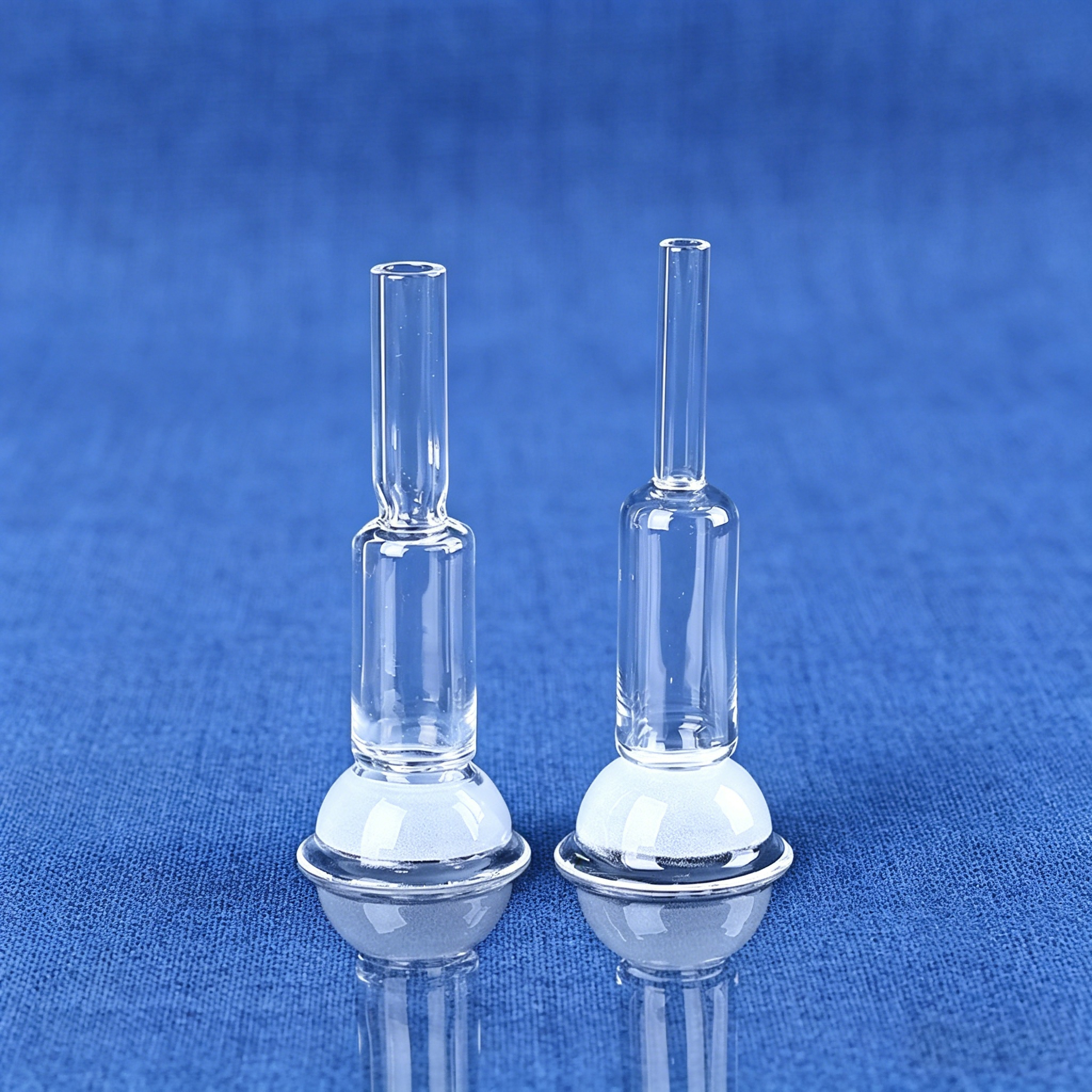
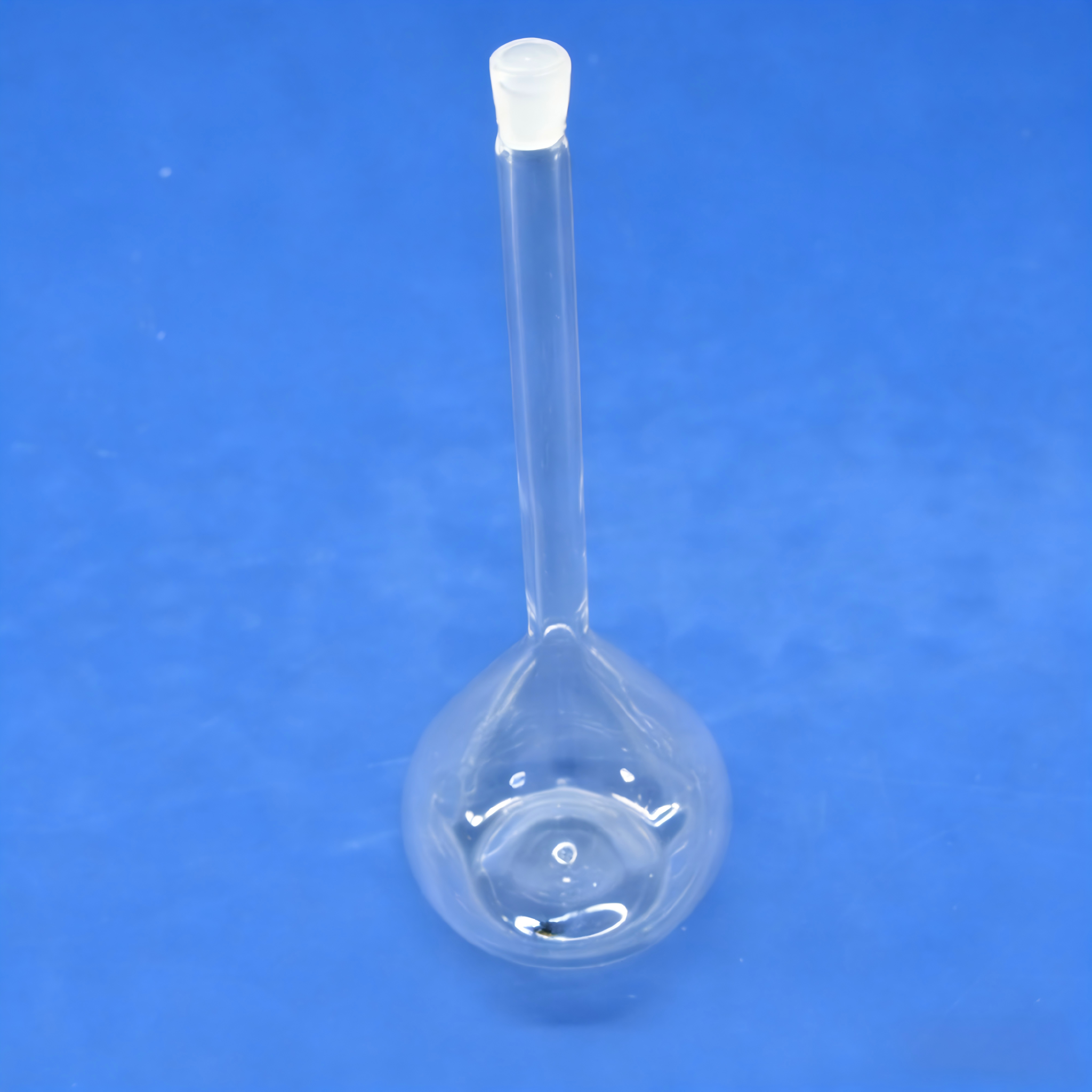
Direct from our Donghai manufacturing center: engineered fused quartz vessels optimized for photocatalysis, high-temperature thermal synthesis, semiconductor gas distribution, and vacuum CVD applications.
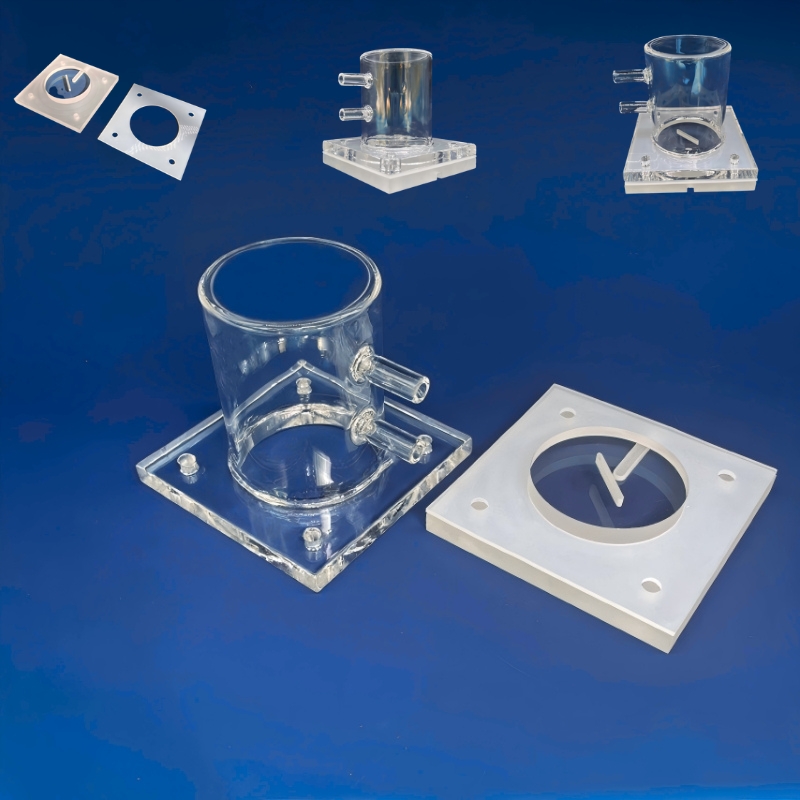
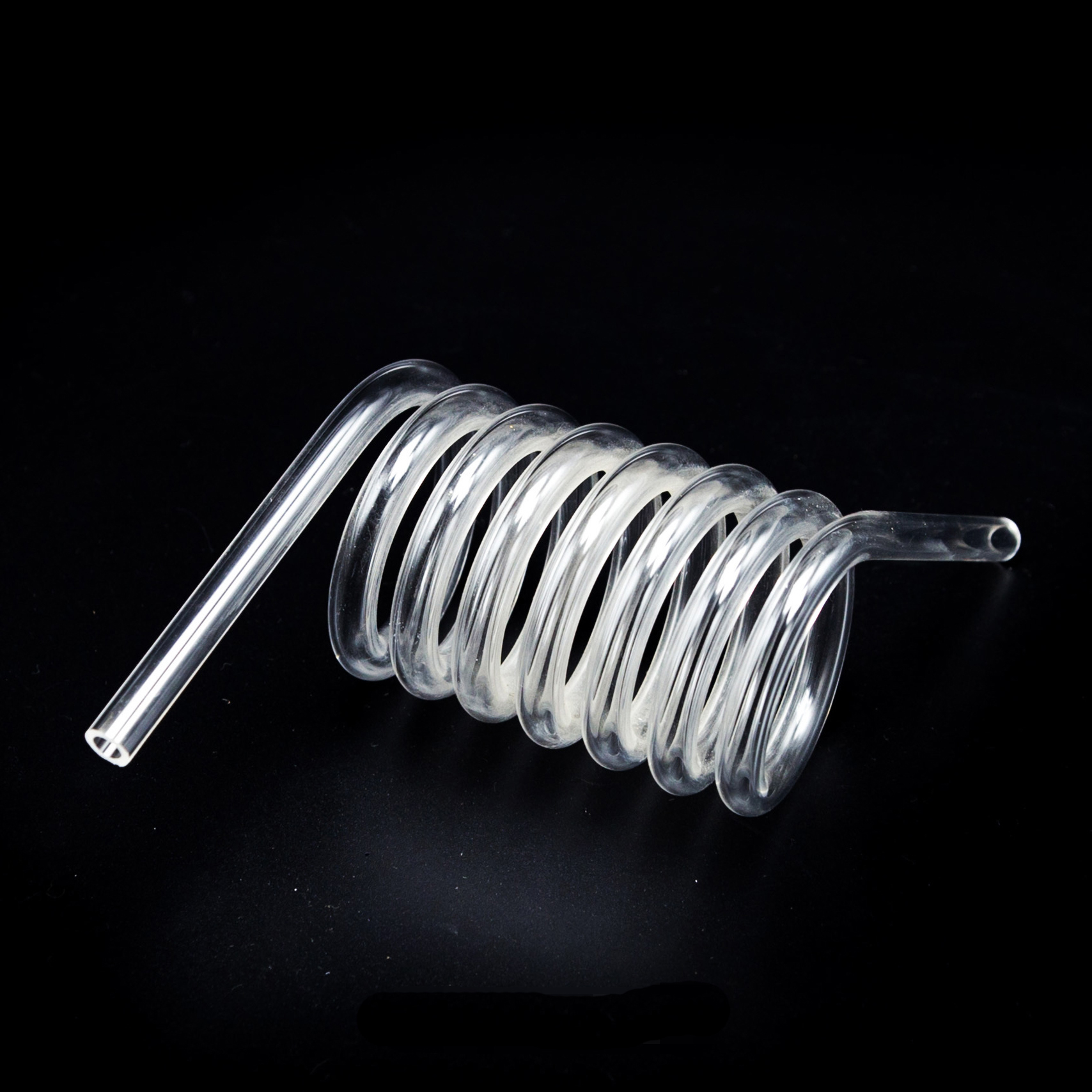
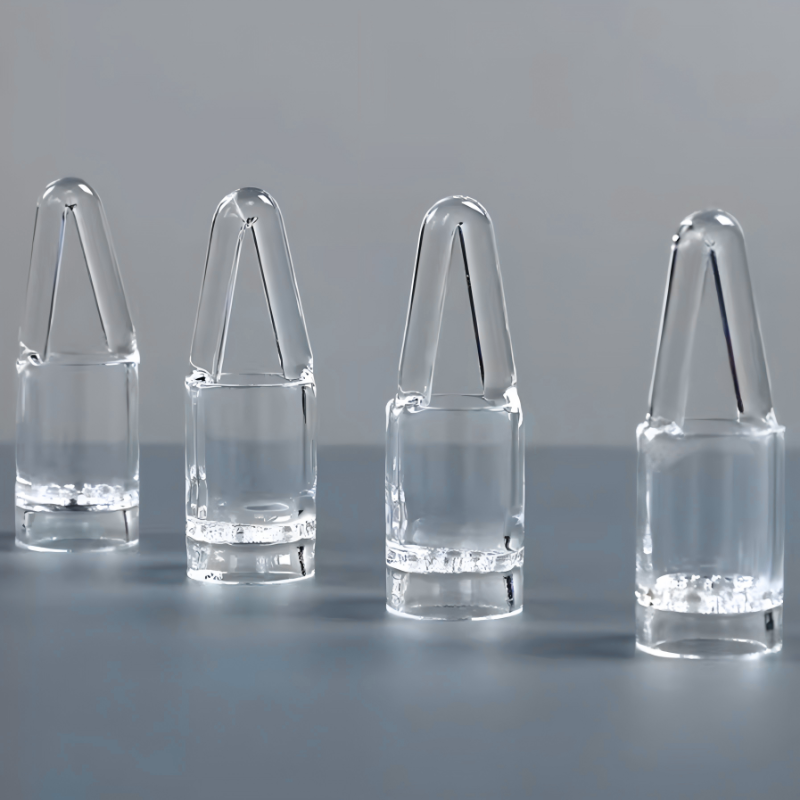
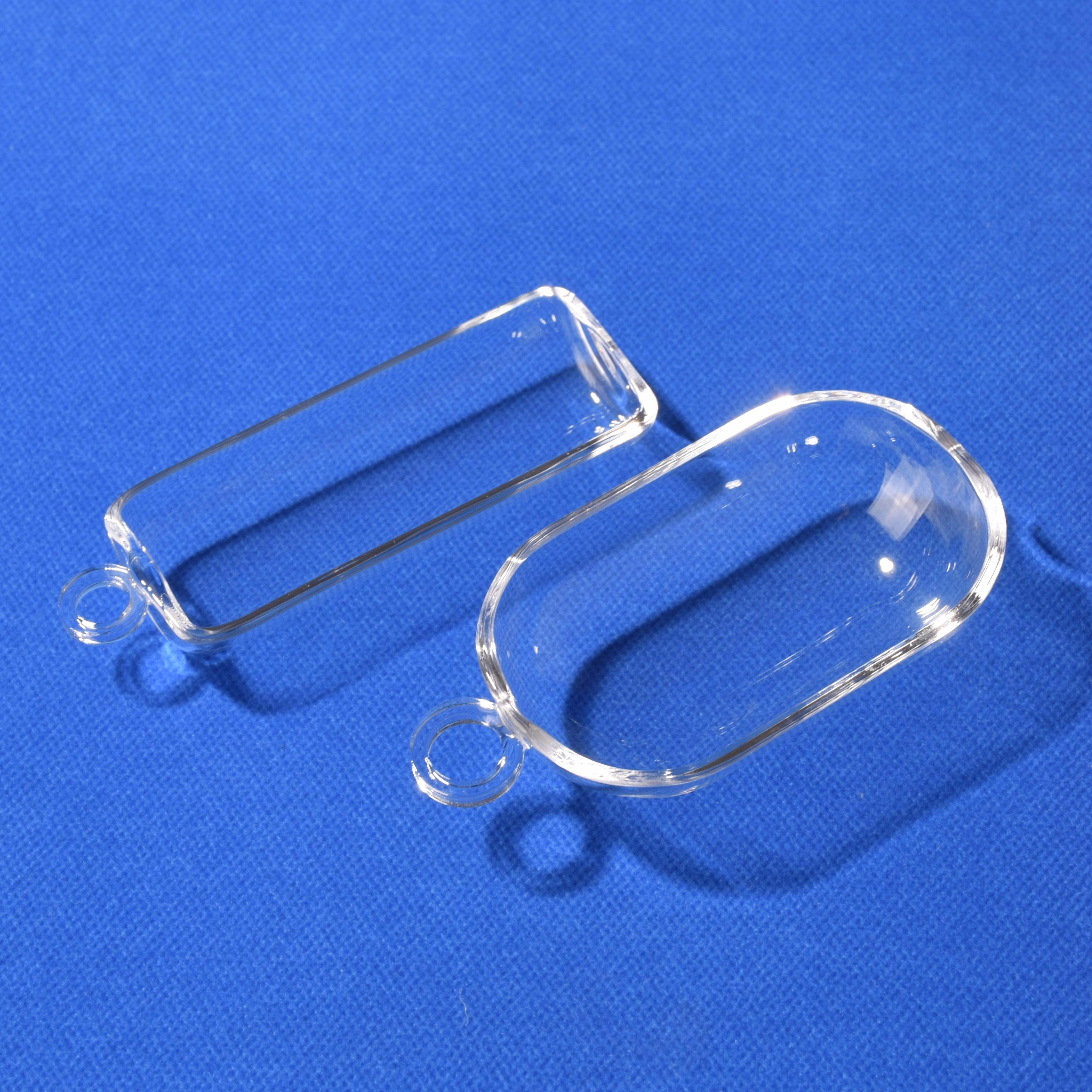
Material Science & Structural Engineering of Quartz Vessels
A comprehensive analysis of why fused silica and fused quartz represent the gold standard in severe-service chemical synthesis, semiconductor processing, and photocatalysis.
Thermodynamic Equilibrium & Thermal Shock Resistance
In high-pressure synthetic chemistry and rapid-quench pyrolytic reactions, conventional borosilicate glass 3.3 fails catastrophically due to its coefficient of thermal expansion (CTE) of approximately 3.3 × 10⁻⁶ K⁻¹. In contrast, high-purity fused quartz manufactured by Lianyungang Vulra Quartz Products Co., Ltd. possesses an extraordinarily low CTE of 5.5 × 10⁻⁷ K⁻¹ (between 20°C and 1000°C). This molecular stability allows Vulra quartz reaction vessels to endure instantaneous thermal deltas (ΔT) exceeding 1000°C without mechanical rupture. A vessel can be brought to 1150°C and plunged directly into ice water without micro-cracking.
The softening point of our optical-grade fused silica reaches 1683°C, with an annealing point of 1215°C and a strain point of 1120°C. For industrial continuous processing, vessels safely operate at a continuous threshold of 1100°C, providing structural containment for chemical reactions where metallic alloys like Inconel or Hastelloy introduce detrimental transition metal ion contamination.
| Engineering Parameter | Vulra Semiconductor Grade Quartz | Standard Fused Silica (Type II) | Borosilicate 3.3 Lab Glass |
|---|---|---|---|
| SiO₂ Purity Grade | ≥ 99.999% (Sub-ppm metallic trace) | ≥ 99.99% | ≈ 81% (Contains B₂O₃, Na₂O, Al₂O₃) |
| Continuous Service Temp | 1150°C (Short peak to 1450°C) | 1100°C | 450°C (Peak 500°C) |
| Thermal Expansion (CTE) | 5.5 × 10⁻⁷ K⁻¹ | 5.5 × 10⁻⁷ K⁻¹ | 33 × 10⁻⁷ K⁻¹ (6x higher thermal risk) |
| UV Transmission (254 nm) | > 90% (JGS1 / Optical Equivalent) | 80% – 85% (JGS2) | < 10% (Blocks active photochemical band) |
| Alkali Metal Impurities | < 1.5 ppm (Li, Na, K combined) | < 10 ppm | > 40,000 ppm (Unsuitable for clean synthesis) |
| Hydrodynamic Burst Strength | ≈ 48 N/mm² Tensile / 1150 N/mm² Comp. | ≈ 48 N/mm² Tensile | ≈ 35 N/mm² Tensile |
Corrosion Kinetics Across Acidic & Alkaline Media
Fused silica forms an inert, fully cross-linked silicon-oxygen tetrahedron matrix [SiO₄]. It is chemically inert to almost all organic solvents, halogens, boiling nitric acid (HNO₃), concentrated sulfuric acid (H₂SO₄), and aqua regia even at elevated temperatures. The only chemical species capable of degrading high-purity quartz are Hydrofluoric Acid (HF) at any temperature, and Phosphoric Acid (H₃PO₄) above 150°C. When handling alkaline reagents (NaOH, KOH) at high temperatures, surface etching occurs slowly as silicates form; however, unlike borosilicate glass, fused quartz contains no alumina or borate fluxes that leach into reaction products, safeguarding analytical integrity in trace ICP-MS reaction analyses.
Why Tier-1 Laboratories & OEMs Choose Vulra Quartz
Strategically headquartered in Donghai County—the crystal capital of China—Lianyungang Vulra Quartz Products Co., Ltd. combines raw-material vertical integration with TÜV Rheinland-certified manufacturing lines.
Donghai Mineral Epicenter
Direct adjacency to world-class quartz sand reserves and chemical purification infrastructure ensures consistent silica raw stock with iron content below 0.1 ppm and sodium below 0.5 ppm.
TÜV Rheinland Audited Site
Our Donghai Economic Development Zone production base is audited on-site by TÜV Rheinland, certifying legal legitimacy, actual equipment ownership, precision lathe assets, and QA protocols.
Hot & Cold Integrated Machining
From high-temperature oxy-hydrogen lathe flame blowing and vacuum flange fusing to 5-axis diamond cold grinding, ultrasonic hole drilling, and optical polishing—executed entirely in-house.
Polariscope Annealing Cycle
Every welded reaction chamber undergoes long-duration thermal annealing in programmable vacuum furnaces at 1150°C to completely eliminate residual micro-strains, verified by cross-polarization inspection.
Flexible 1-Piece Prototype MOQ
We lower R&D barriers for universities and research institutions: custom drawing-based bespoke reaction vessels, modified Schlenk tubes, and flanged pilot chambers available from single-piece volumes.
Zero-Damage Export Packaging
Using custom pre-formed expanded polyethylene (EPE) enclosures, vacuum polybags, and fumigated international plywood crates, we guarantee zero breakages for delicate thin-wall and flanged glassware.
Global Quartz Reaction Vessel Procurement Trends
Market dynamics, supply chain shifts, and compliance pressures influencing how research heads and global purchasing directors source custom quartzware over the next 5–10 years.
Direct OEM Disintermediation
Procurement departments are bypassing third-party regional glass distributors to work directly with certified Chinese manufacturing facilities, capturing 35–55% cost reductions and shortening custom design iterations from months to days.
Sub-ppm Impurity Traceability
Driven by 2nm/3nm semiconductor wafer fabrication and clean battery material synthesis, buyers require full Certificate of Analysis (CoA) documentation detailing ICP-MS trace metal content (Fe, Cu, Ni, Cr) down to single-digit ppb levels.
3D CAD & Digital Twin RFQs
The days of imprecise hand sketches are over. Modern procurement teams submit native 3D STEP/IGES CAD models. Vulra's engineering team simulates wall-thickness stresses and lathe clearance before firing oxy-hydrogen torches.
Rapid Photocatalytic Hydrogen Demand
Global net-zero energy initiatives are accelerating bulk purchasing of specialized UV-transparent quartz reactors, high-pressure ozone-free digestion tubes, and dual-chamber photochemical H₂ evolution systems.
Future Technology & Manufacturing Developments (2025–2035)
How cutting-edge chemical synthesis, microfluidics, and advanced semiconductor deposition architectures are redefining fused quartz component fabrication.
Continuous Flow Microreactors
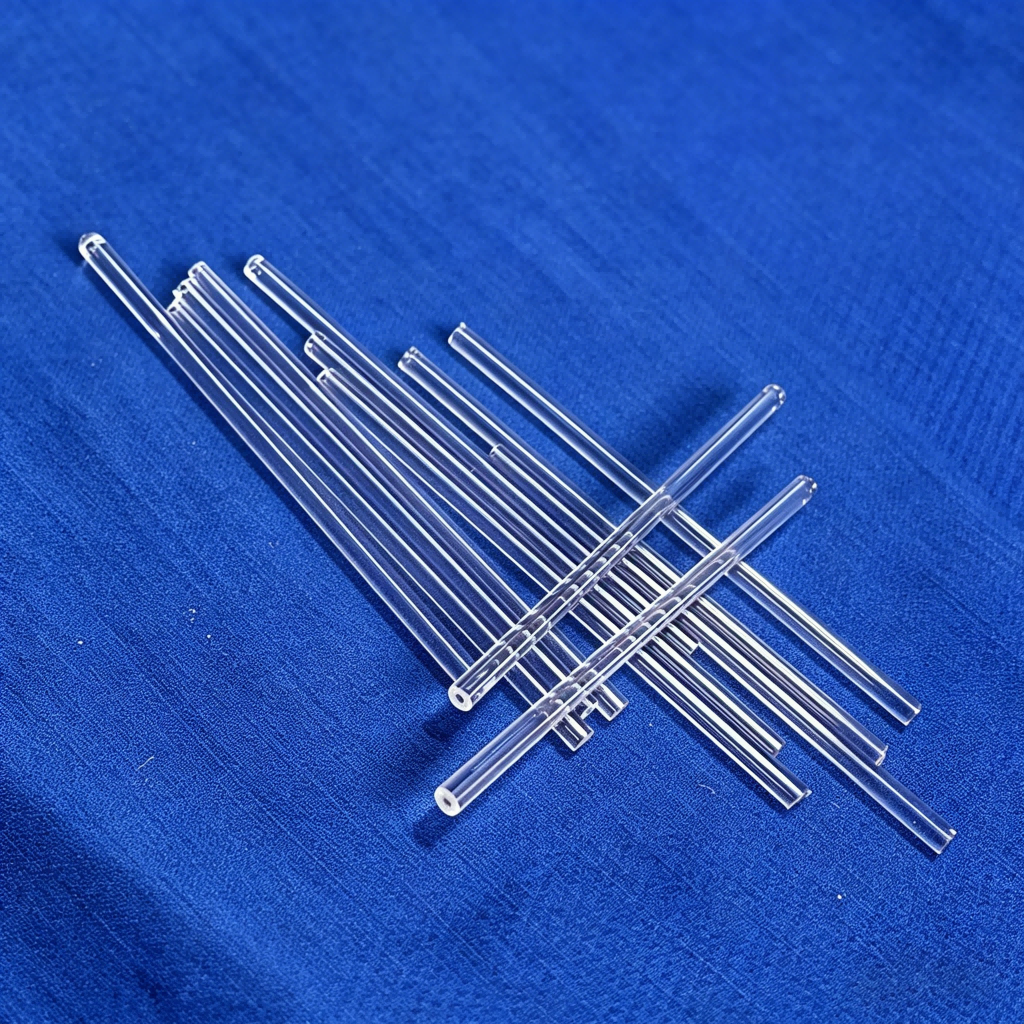
Moving away from massive batch autoclave vessels toward integrated microchannel quartz reactors. Micro-bore capillaries (0.5–2.0 mm ID) ensure instant heat transfer, laminar reaction kinetics, and inherent runaway-reaction prevention.
Graded Glass-to-Metal Transitions
Eliminating fragile O-ring seals by utilizing direct glass-to-Kovar or graded quartz-to-molybdenum transitions. This unlocks operational conditions with ultra-high vacuum (10⁻⁸ Torr) while maintaining structural seals up to 600°C.
Femtosecond Laser Micro-Machining
Transitioning from mechanical abrasive slurry drilling to ultrafast cold laser ablation. Achieves sub-micron micro-hole arrays, crack-free capillary inlet junctions, and optical sensor ports directly in vessel sidewalls.
Doped Synthetic Silica Formulations
Tailored hydroxyl (OH) tuning and titanium/cerium dopants to engineer narrow optical bandpass filtration—enabling vessels to transmit deep photochemical 222 nm excimer lines while absorbing destructive ozone-generating 185 nm radiation.
Frequently Asked Questions on Quartz Reaction Vessels
Authoritative technical guidance compiled by Vulra's Chief Glass Technologists for chemical process engineers, laboratory managers, and international supply chain teams.
What hydrostatic burst pressure can custom quartz reaction vessels tolerate?
Fused silica exhibits compressive strength exceeding 1150 N/mm², but its design tensile strength is roughly 48 N/mm². Standard spherical or cylindrical vessels with a 3.0 to 5.0 mm wall thickness are rated for full vacuum (< 10⁻⁶ mbar) and positive internal gauge pressures up to 3 to 6 bar, depending on diameter. For severe autoclave synthesis exceeding 10 bar, we engineer reinforced heavy-wall tubes (8–12 mm wall) or hemispherical closed-end designs.
How do you avoid devitrification (recrystallization into cristobalite) during use?
Devitrification occurs when fused amorphous silica converts into crystalline cristobalite at temperatures above 1150°C, leading to hazing and embrittlement upon cooling. Contaminants such as finger oils, alkaline dust (Na, K), or hard water salts catalyze this process at much lower temperatures (≈ 950°C). Always handle quartz with powder-free gloves, wash with 5–10% HF or high-purity ethanol, and rinse with 18 MΩ DI water before thermal processing.
What is the optical difference between transparent and translucent quartz?
Clear (transparent) fused quartz is melted under vacuum or hydrogen atmospheres to completely dissolve trapped gas bubbles, delivering optical transmittance above 90% across 220 nm to 2500 nm wavelengths. Translucent (opaque) quartz is fabricated by electric fusion with micro-air bubbles intentionally dispersed within the wall, providing excellent diffuse infrared thermal insulation and heat radiation containment for furnace outer shells.
Can you machine standard laboratory joints and semiconductor vacuum flanges?
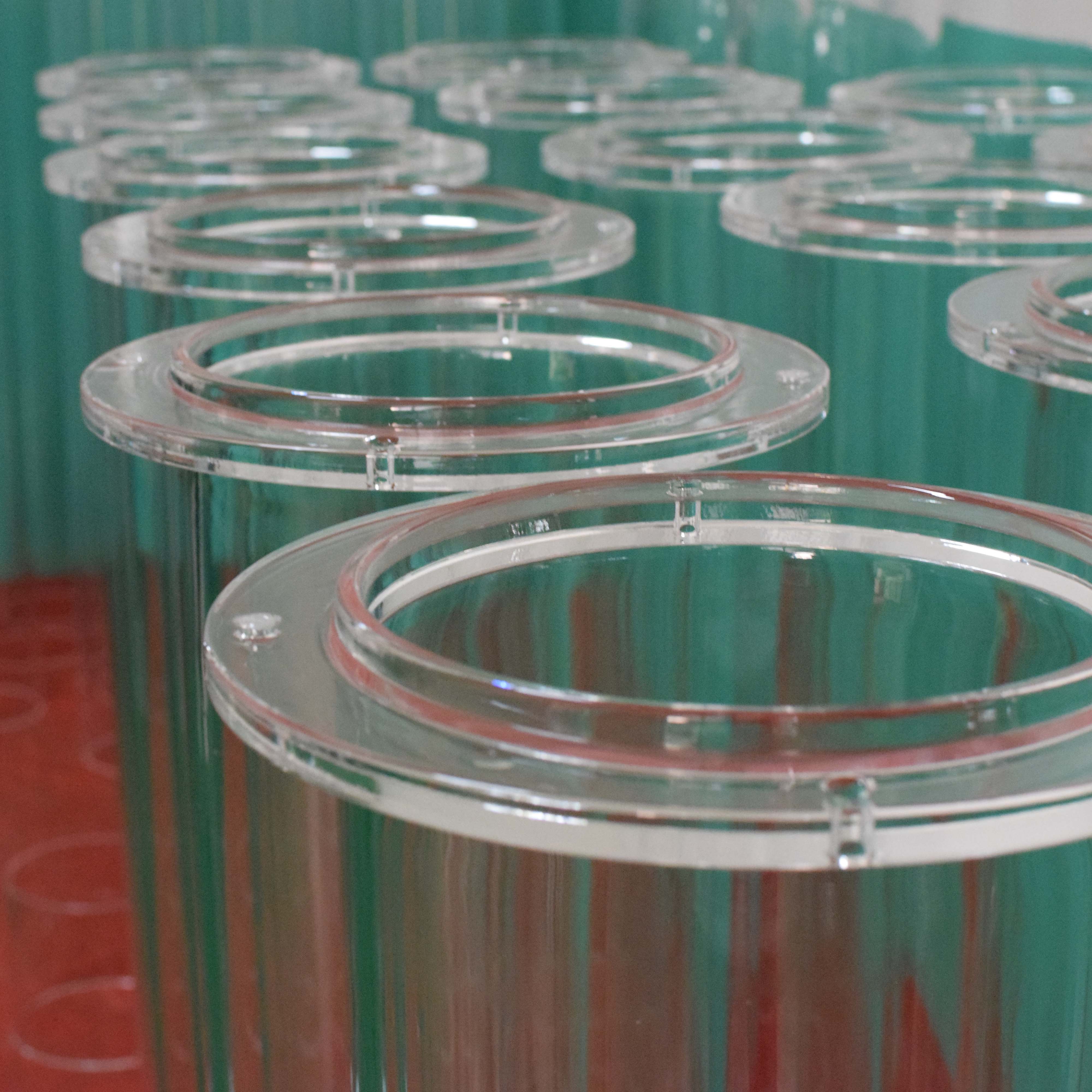
Yes. We manufacture standard taper ground joints (ST 14/20, 19/22, 24/40, 29/42), spherical ball-and-socket joints, GL-threaded caps with PTFE liners, and precision ISO-KF (NW16 to NW50), CF (ConFlat), or ASA quartz flanges. All sealing faces are diamond-lapped to achieve helium mass spectrometer vacuum leak rates below 1 × 10⁻⁹ mbar·L/s.
What is an "ozone-free" quartz vessel and where is it mandatory?
Standard clear quartz transmits down to 180 nm, meaning UV light interaction with atmospheric oxygen generates high concentrations of ozone gas (O₃). Ozone-free quartz is chemically doped with trace titanium dioxide during raw sand electrofusion to create an optical cutoff at roughly 220 nm. It transmits the germicidal and photocatalytic 254 nm lines while preventing ozone formation, safeguarding personnel and sensitive surrounding equipment.
What dimensional tolerances can Vulra maintain on custom drawing fabrications?
For standard hot-worked tube diameters (OD 10–200 mm), our dimensional tolerance is typically ±0.5% of outer diameter with wall thickness variation within ±8%. For cold-machined components, optical windows, and CNC-cut flange surfaces, we hold precision tolerances within ±0.05 mm, flatness to λ/4, and surface roughness down to Ra < 0.5 nm upon request.
How do you ensure zero breakage during international air and sea freight?
Fragile quartz glassware shipping is an engineering discipline in itself. Each vessel is cleaned, vacuum-sealed in static-shielded polybags, encapsulated within high-density pre-cast EPE foam cavities, and nested in double-wall corrugated inner boxes. Multiple inner boxes are then secured inside a suspended heavy-duty plywood crate with drop-indicators (ShockWatch) and tilt monitors.
What is the standard turnaround time from CAD drawing to prototype delivery?
Following design review and engineering confirmation, single-piece custom prototypes and small pilot runs (1–10 pcs) are fabricated, annealed, and cleaned within 7 to 10 working days. Repeat volume production batches (50–500 pcs) typically ship in 18 to 25 working days, with express air cargo options (DHL/FedEx/UPS air door-to-door in 4–6 days) worldwide.
Request an Engineering Review & Wholesale Quote
Upload your 2D PDF or 3D STEP drawings. Our Donghai factory engineering team will assess thermal expansion, wall-thickness integrity, and joint tolerances within 24 hours.