Featured High-Purity Quartz Components & Liners
Direct factory supply from Donghai, China. Custom engineered fused quartz tubes, liners, plates, and chemical apparatus designed for extreme high-temperature and high-corrosion environments.
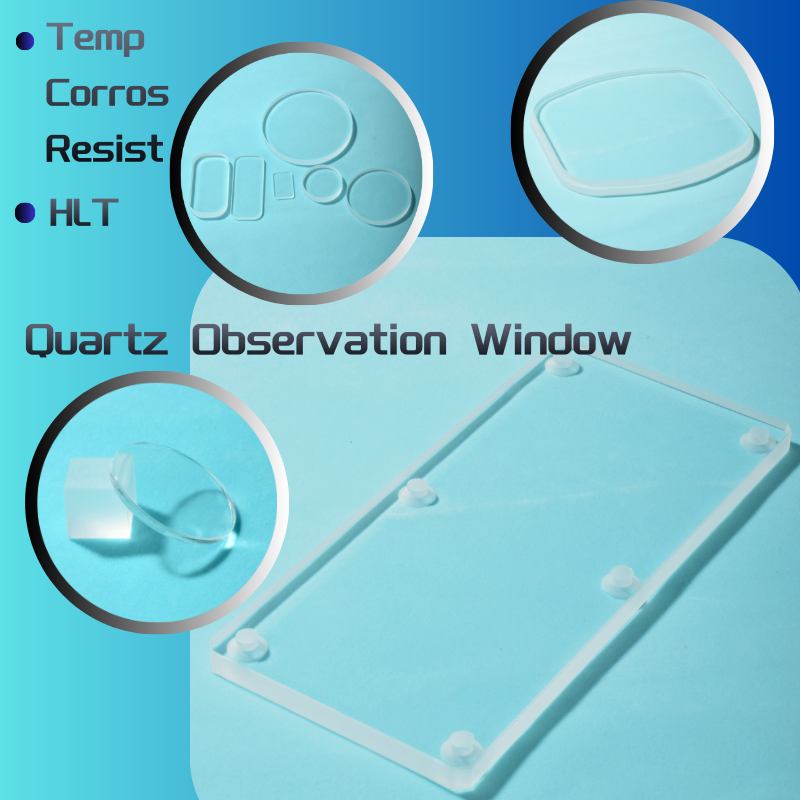
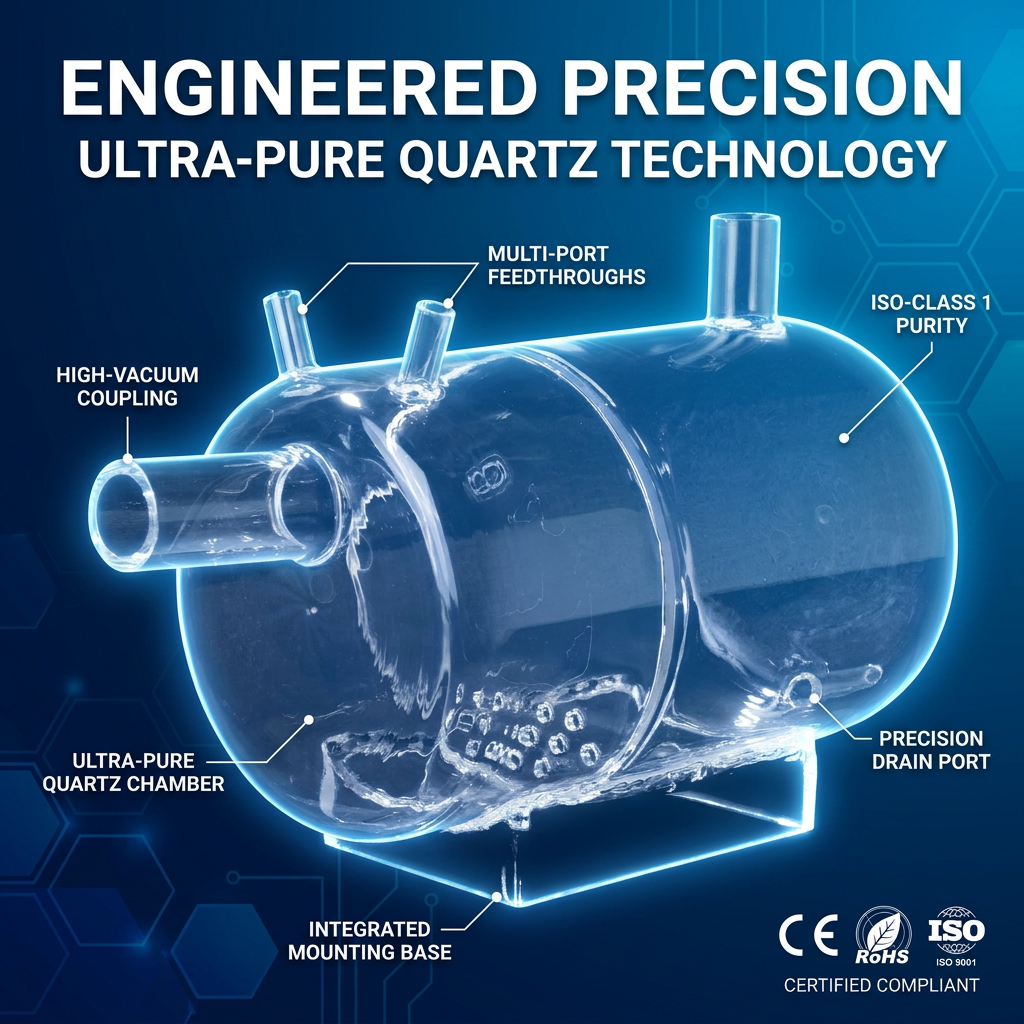
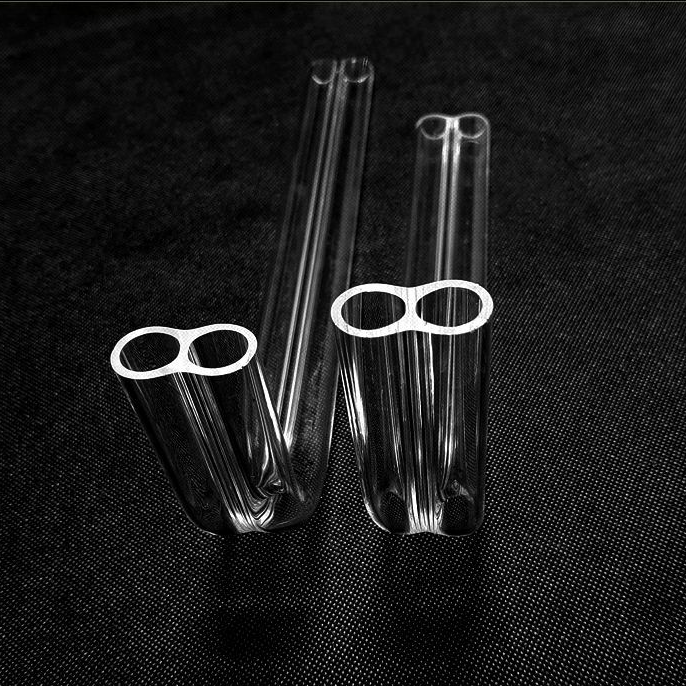
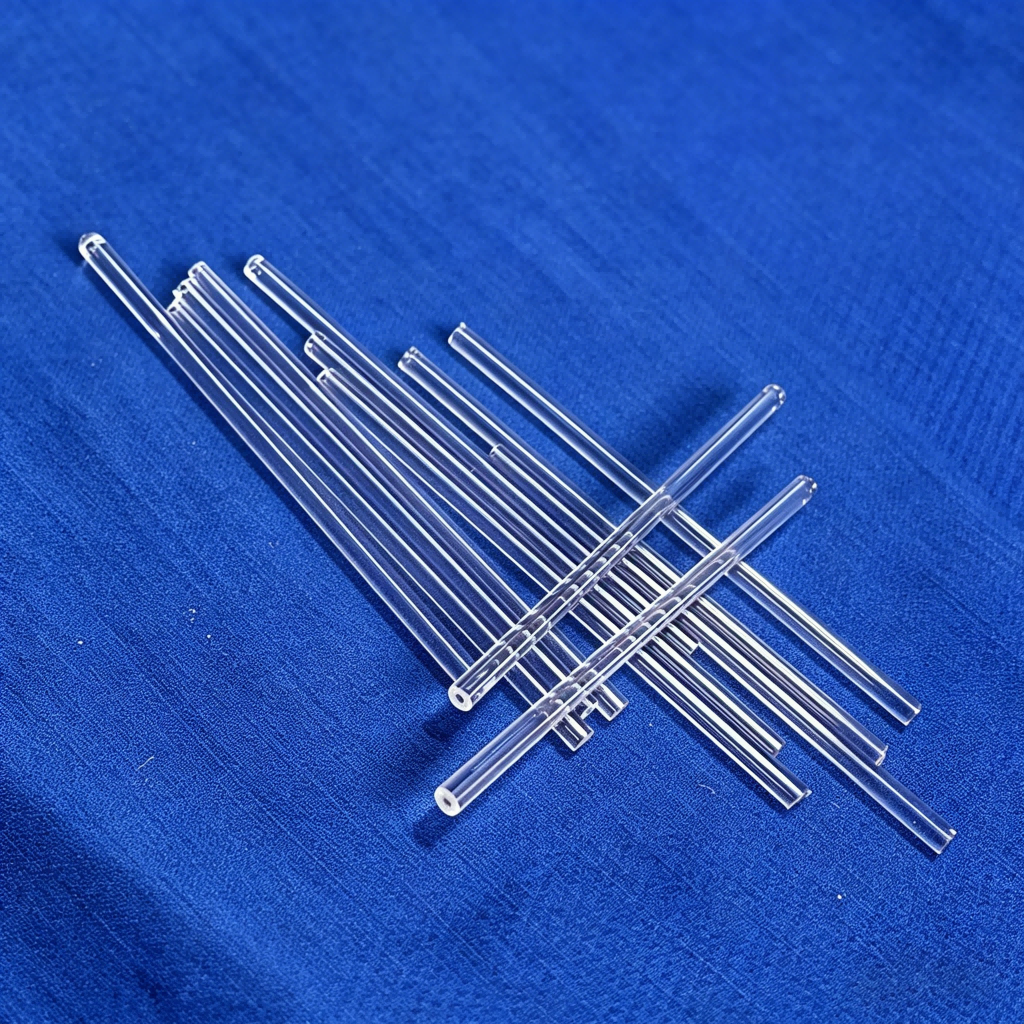
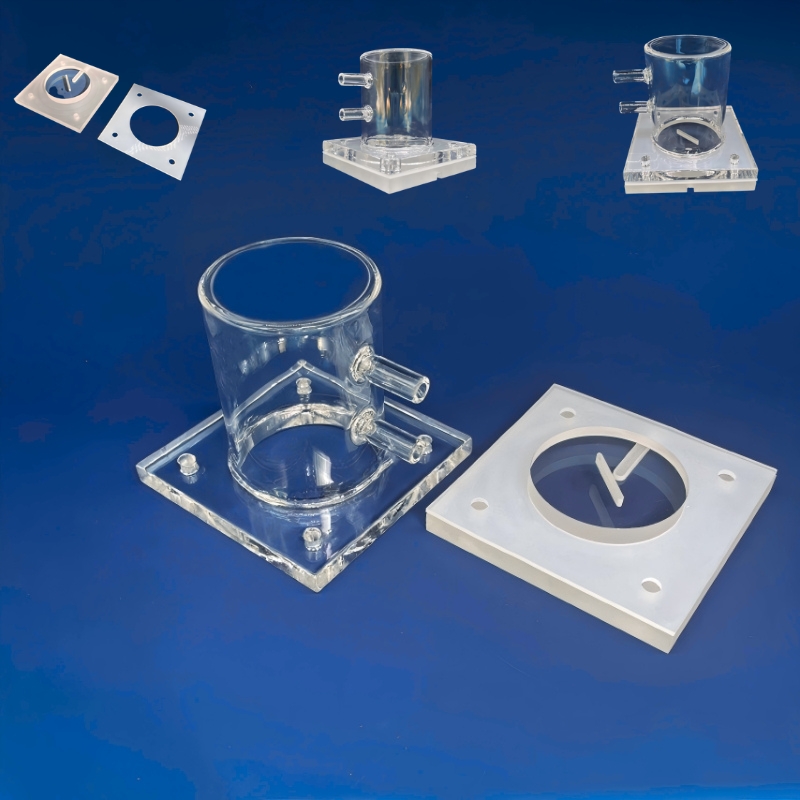
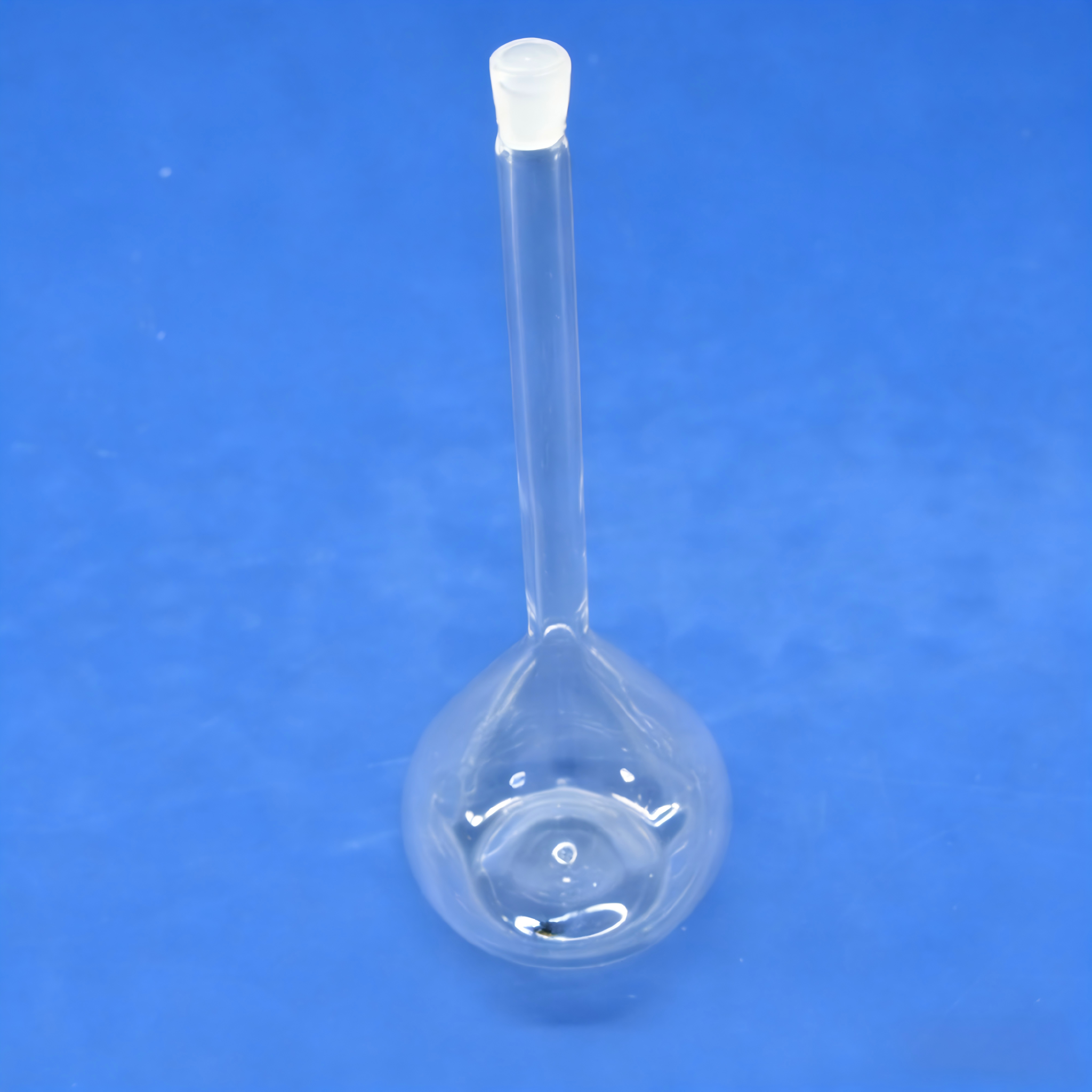
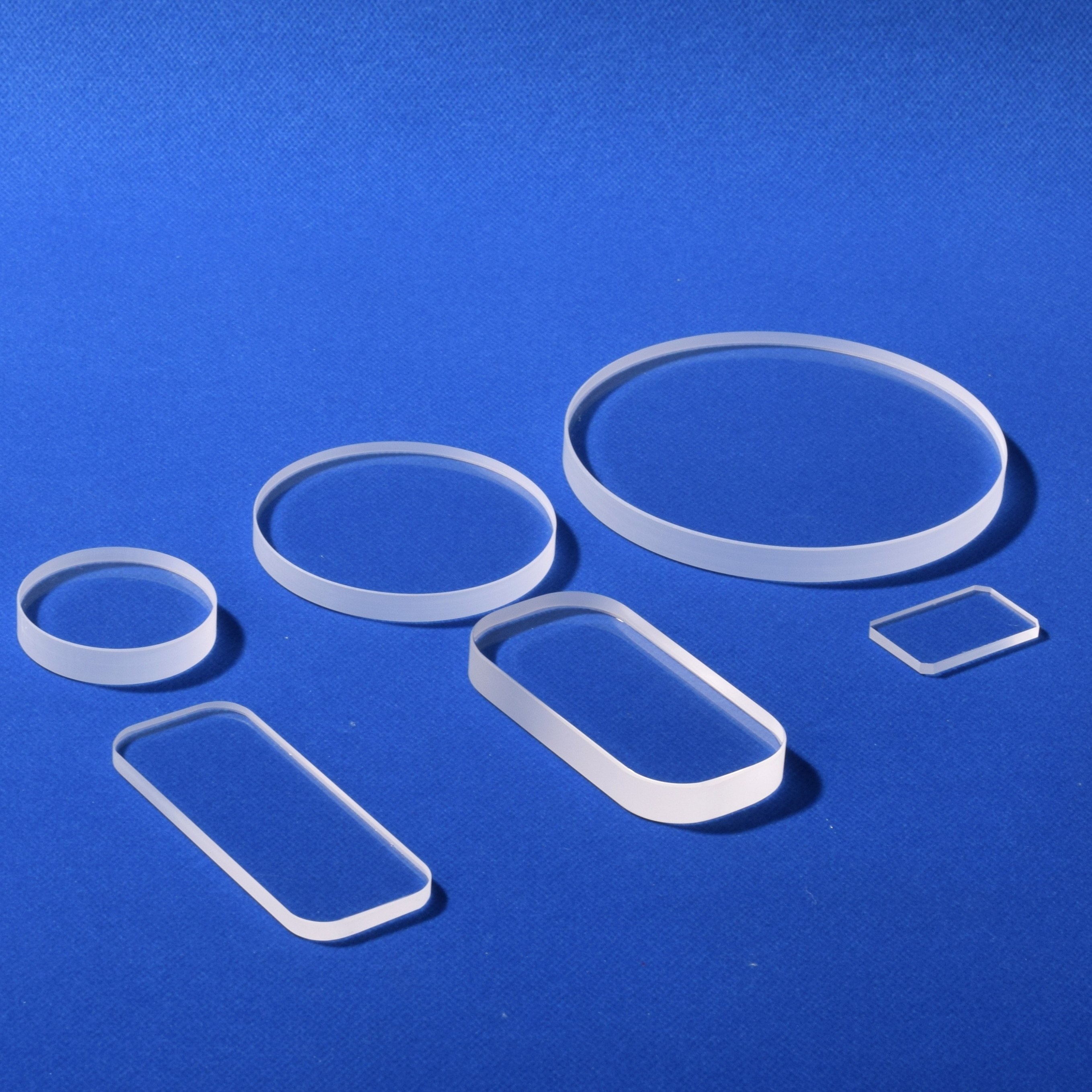
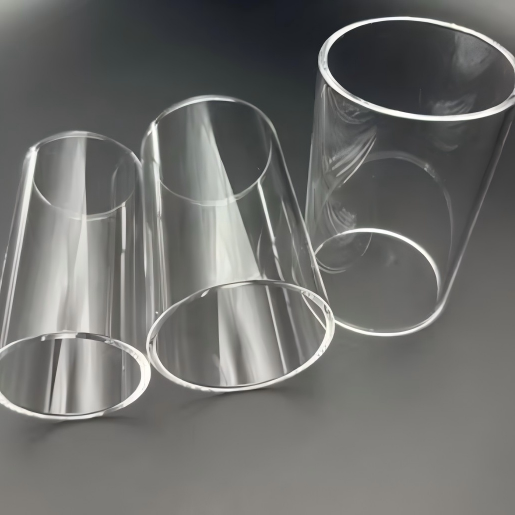
Need Drawing-Based Custom Dimensions? We support OEM prototype manufacturing from 1 piece up to full container shipments with strict wall-thickness tolerances.
1. Technical Sourcing Framework: High-Purity Fused Quartz Furnace Liners
In thermal processing industries—ranging from 300mm silicon wafer semiconductor diffusion to photovoltaic cell emitter formation (TOPCon/PERC) and advanced powder metallurgy—the furnace liner acts as the primary thermal and atmospheric containment barrier. A Quartz Furnace Liner (fused silica tube sleeve) must simultaneously withstand elevated operational temperatures (up to 1100°C continuously, and 1450°C peak), prevent heavy metal ionic contamination, resist chemical erosion from corrosive gases (such as $Cl_2$, $HCl$, and $POCl_3$), and maintain structural integrity under extreme vacuum conditions.
As a leading verified China manufacturer based in Donghai County—the global epicenter of raw high-purity quartz crystal processing—Lianyungang Vulra Quartz Products Co., Ltd. specializes in converting raw natural quartz sand ($SiO_2 \ge 99.99\% - 99.999\%$) into precision thermal equipment liners. Understanding the chemical and thermodynamic parameters of fused silica is critical for procurement officers and process engineers seeking to maximize thermal campaign life and reduce total cost of ownership (TCO).
| Material Property | High-Purity Natural Fused Quartz | Synthetic Fused Silica | Standard Borosilicate Glass |
|---|---|---|---|
| SiO₂ Purity Grade | 99.99% – 99.999% (4N – 5N) | > 99.9999% (6N) | ~ 80% |
| Hydroxyl (OH⁻) Content | < 5 ppm to 30 ppm (Custom Annealed) | < 1 ppm (Ultra-Low) | Variable |
| Max Continuous Temp | 1100 °C | 1150 °C | 450 °C |
| Thermal Expansion Coeff. | 5.5 × 10⁻⁷ / K (0–300°C) | 5.2 × 10⁻⁷ / K | 33 × 10⁻⁷ / K |
| Softening Point | ~ 1683 °C | ~ 1730 °C | ~ 820 °C |
| Devitrification Rate | Low (Controlled Impurities) | Ultra-Low | High at > 500°C |
The operational longevity of a quartz furnace liner is primarily dictated by two physical degradation mechanisms: Devitrification (the phase transformation of amorphous silica into crystalline cristobalite at temperatures exceeding 1150°C) and Thermal Sagging/Warping under vacuum. Controlling alkali metal impurities ($Na, K, Li$) to sub-ppm levels during natural quartz refining dramatically retards cristobalite nucleation, extending liner operational cycles by up to 35% in horizontal and vertical diffusion furnaces.
2. Enterprise Advantages: Manufacturing Heritage & Quality Engineering
Lianyungang Vulra Quartz Products Co., Ltd. operates state-of-the-art cold machining, flame-working, and thermal annealing workshops located at No. 9, Dingxin Road, Jiangsu Donghai Economic Development Zone. Authenticated and verified on-site by TÜV Rheinland, our plant integrates full raw-material refining, glass lathe tube resizing, diamond CNC milling, oxy-hydrogen manual welding, and cleanroom acid-cleaning facilities.
Geographical Raw Material Edge
Situated in Donghai, China’s crystal capital, Vulra Quartz sources pristine silica deposits, enabling low-cost, ultra-pure natural fused quartz production with trace alkali impurities ($Na, K, Li \le 1.5\text{ ppm}$).
Integrated Hot & Cold Processing
Equipped with heavy-duty glass lathes capable of turning quartz tubes up to 800mm in diameter, paired with 5-axis CNC diamond grinding for tight dimensional tolerance ($\pm 0.1\text{ mm}$).
TÜV Rheinland Verified Credibility
Independently audited supplier profile confirming verified manufacturing lines, export compliance, CE product safety marking, and RoHS chemical compliance across all quartz product lines.
Drawing-to-Part OEM Capability
Engineers perform finite-element thermal-stress analysis on client-provided CAD/2D drawings before flame cutting, bending, or flange welding, ensuring zero fitment failures during furnace installation.
To prevent catastrophic thermal stress cracking during initial thermal ramp-up, all Vulra Quartz furnace liners undergo computer-controlled multi-stage annealing cycles in dedicated electric furnaces. This process relieves internal strain to under $2.0 \text{ MPa}$, ensuring structural stability during rapid thermal cycling between 400°C and 1200°C.
3. Future Procurement Trends in Industrial & Semiconductor Quartz Liners
The global quartzware supply chain is undergoing structural shifts driven by semiconductor node scaling and photovoltaic efficiency upgrades. Global procurement teams must align their sourcing strategies with four critical technological trends:
Key Takeaway for B2B Sourcing Directors: Transitioning to ultra-large diameter liners (>600mm OD) and low-OH content quartz drastically cuts per-wafer processing costs while minimizing process downtime caused by premature thermal sag.
- Trend 1: Demand for Large Outer Diameters (OD 600mm - 800mm): As solar cell manufacturing shifts to larger M10 and G12 wafer formats, diffusion furnace liners are scaling in size. Manufacturing massive quartz tubes with uniform wall thickness (e.g., $10\text{mm} \pm 0.5\text{mm}$) over lengths exceeding $3000\text{mm}$ requires specialized thermal drawing lathes and precise flame control.
- Trend 2: Ultra-Low OH Content (<2 ppm) via Vacuum Dehydroxylation: High hydroxyl ion concentrations weaken the $Si-O-Si$ network, reducing viscosity at elevated temperatures. Future procurement contracts increasingly specify vacuum-baked low-OH quartz liners to resist vacuum deformation during LPCVD (Low Pressure Chemical Vapor Deposition) processes.
- Trend 3: Hybrid Synthetic-Natural Quartz Liner Assemblies: To balance cost and performance, furnace manufacturers are adopting hybrid designs: utilizing cost-effective natural fused quartz for outer structural sleeves and lining inner chemical reaction chambers with synthetic fused silica to withstand intense fluorine and plasma etching.
- Trend 4: Traceability and ICP-MS Elemental Certification: Leading international semiconductor foundries now require lot-specific Inductively Coupled Plasma Mass Spectrometry (ICP-MS) trace metal certificates. Standard quality protocols mandate total trace metallic elements ($Fe, Cu, Ni, Cr, Mn$) to remain below $5 \text{ ppm}$ cumulative.
4. Global Quartz Material Technology & Manufacturing Development
Advancements in quartz glass synthesis and automated hot working are redefining what is achievable in extreme-temperature thermal processing equipment. Key technical developments include:
Automated Laser-Assisted Welding
Replacing manual oxy-hydrogen torch welding with robotic CO2 laser fusion reduces localized thermal stress zones, creating seamless joints on quartz flange rings and injector ports.
Ozone-Free Doped Quartz Formulation
Doping natural quartz with micro-amounts of titanium ($Ti$) blocks deep ultraviolet emissions below $220\text{ nm}$, eliminating hazardous ozone generation in UV-assisted thermal curing and pyrolizers.
Fire-Polished Surface Passivation
Advanced mechanized flame polishing closes microscopic surface micro-cracks left by cold mechanical diamond cutting, raising the bending strength of quartz liners from $48 \text{ MPa}$ to over $70 \text{ MPa}$.
Furthermore, sustainable manufacturing practices have led to zero-waste quartz sand recycling loops, where high-purity quartz offcuts from liner manufacturing are re-purposed into opaque micro-capillary tubes, insulation sleeves, and crucible bowls—lowering raw material waste while maintaining material circularity.
5. Frequently Asked Questions (B2B Sourcing & Procurement FAQ)
Practical technical answers compiled by Vulra Quartz senior thermal application engineers to assist global purchasing managers during technical evaluations.
What is the maximum continuous working temperature for Vulra quartz furnace liners?
How does hydroxyl (OH⁻) concentration affect quartz tube performance under vacuum?
What are the lead times and Minimum Order Quantities (MOQ) for custom drawing-based liners?
How do you protect fragile, large-diameter quartz liners during international transport?
What chemical cleaning agents are safe for maintaining quartz furnace liners?
Request an OEM Technical Engineering Review
Submit your CAD files, 2D drawings, or thermal specification requirements directly to our engineering desk. Our experts will evaluate wall thickness ratios, joint stress risks, and purity requirements within 24 business hours.