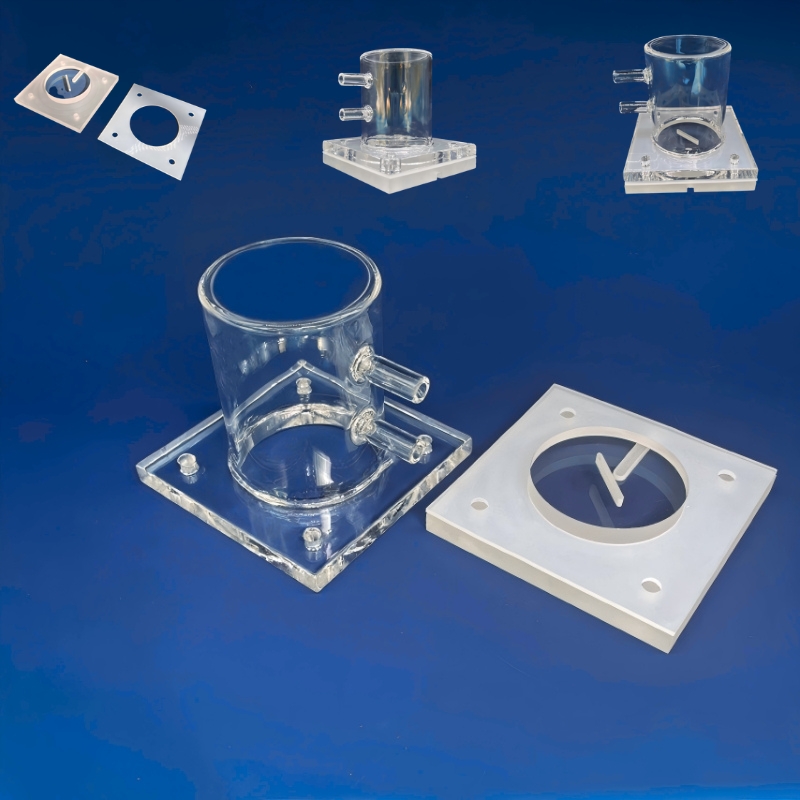
Quartz Photocatalytic Reactor for Hydrogen Oxygen Production
99.99% SiO₂
UV Grade
Direct factory export of certified fused quartz reactors, precision sample holders, right-angle elbows, optical sheets, and high-purity chemical processing components engineered for sub-nanometer thermal and optical fidelity.
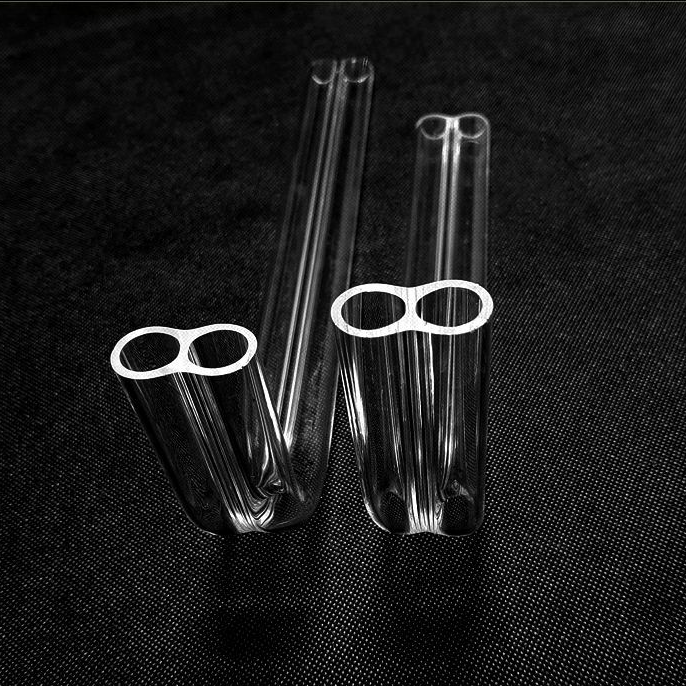
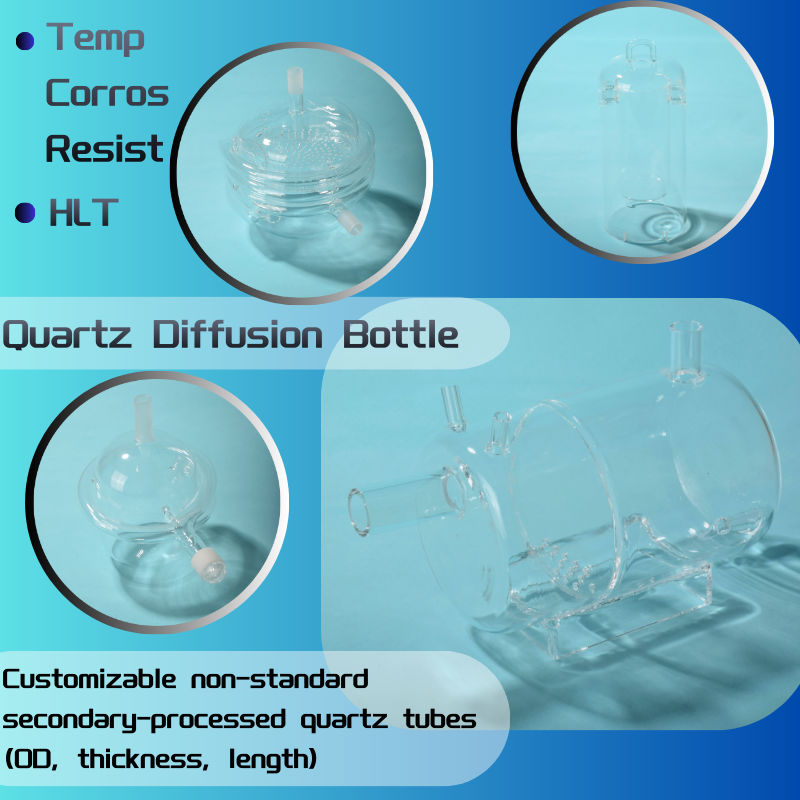
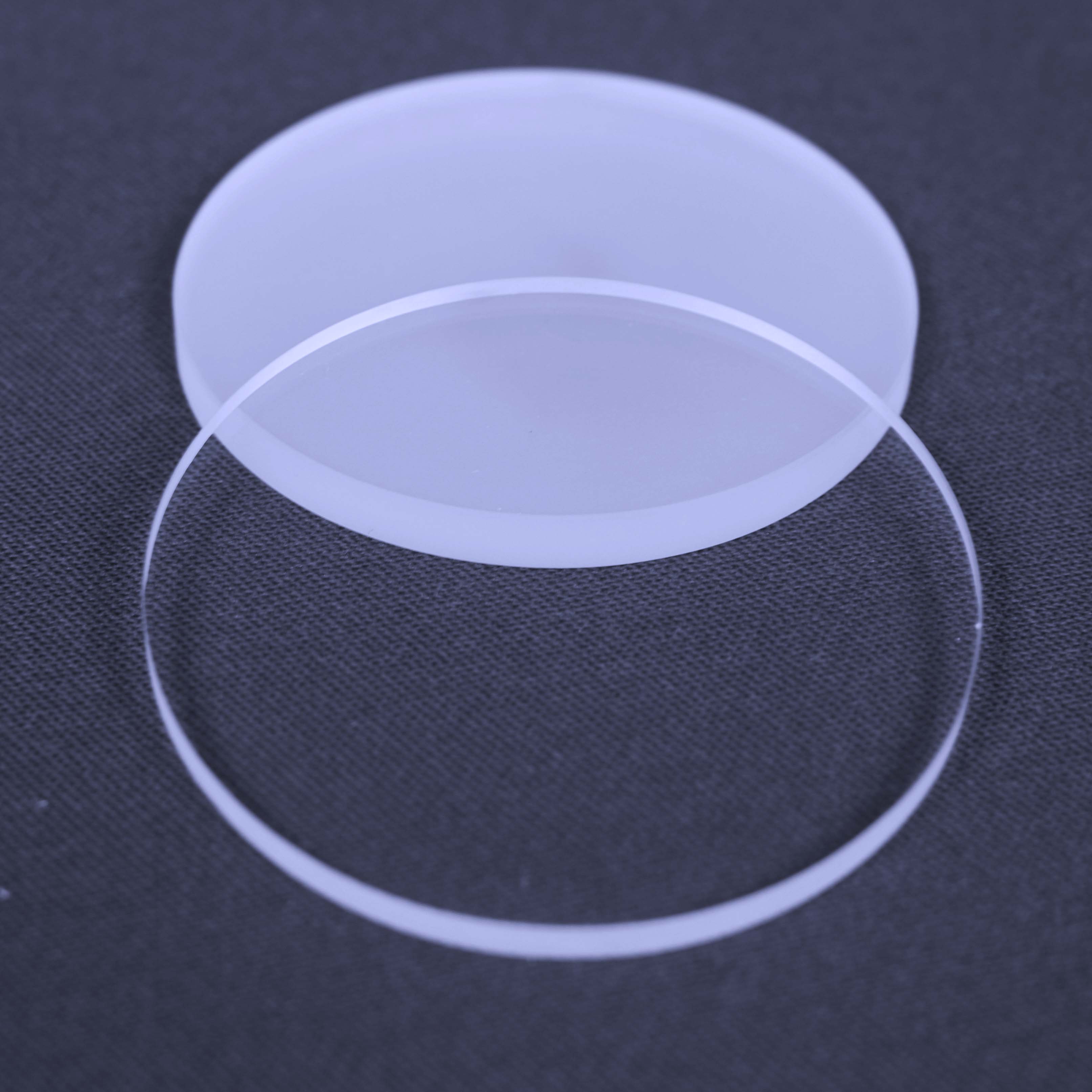
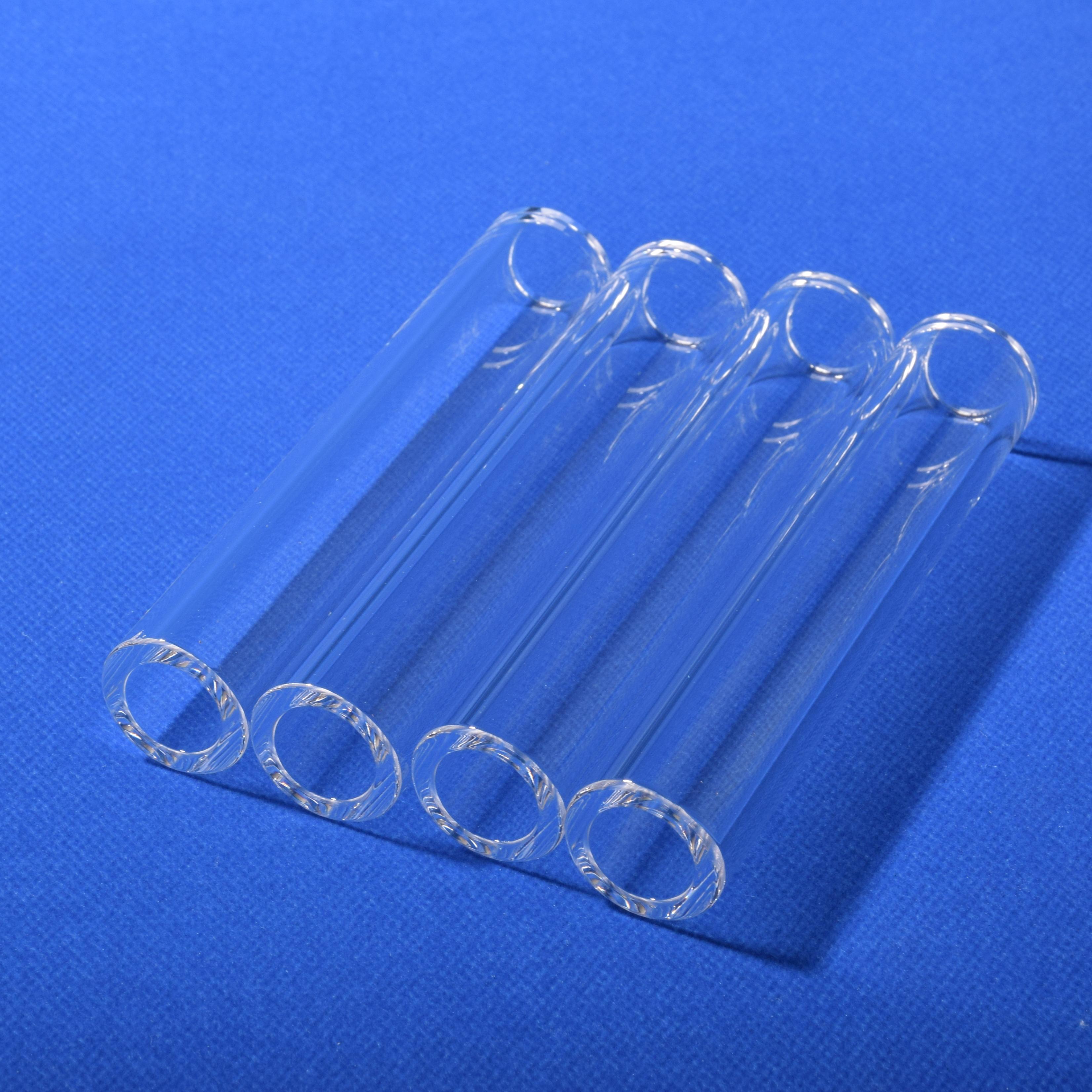
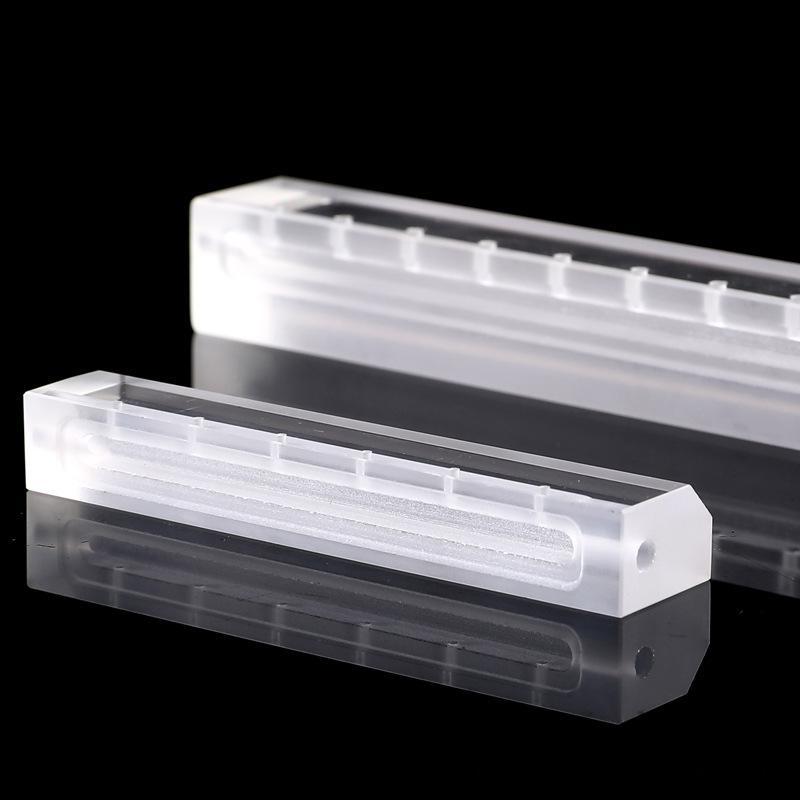
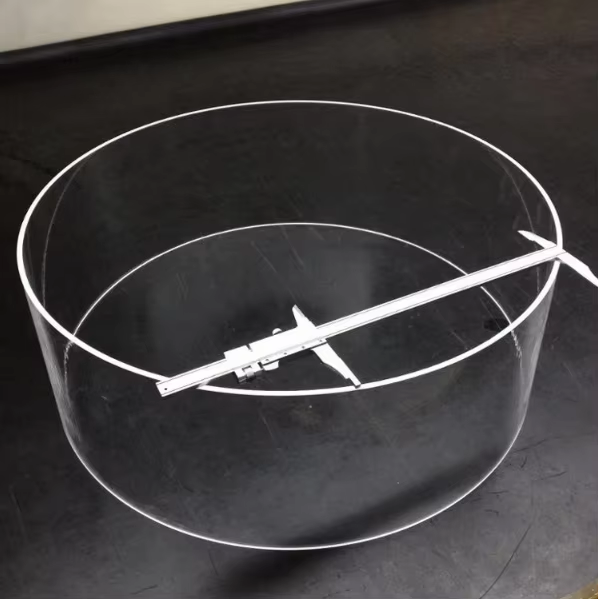
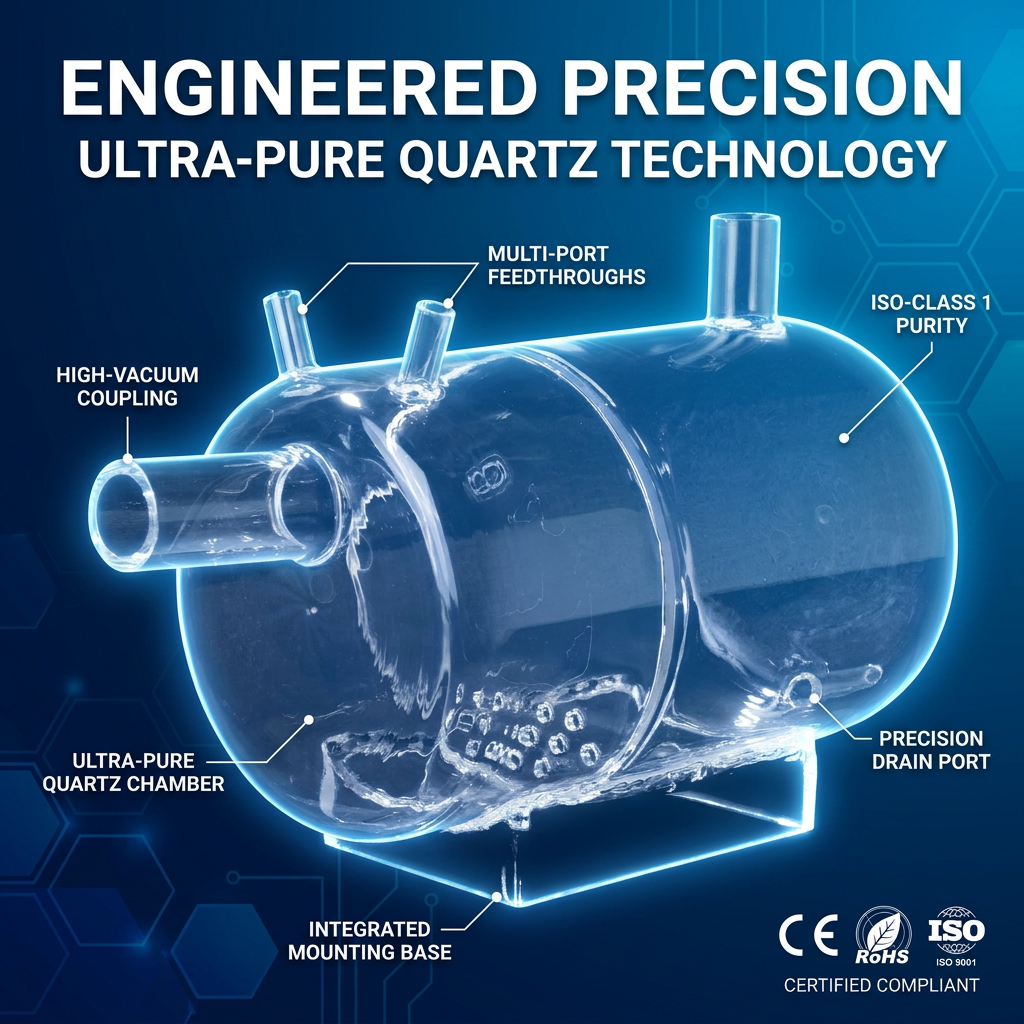
A comprehensive procurement framework covering refractive index homogeneity, laser-induced damage thresholds (LIDT), and thermal shock resistance across ultraviolet, visible, and infrared spectra.
Right-angle fused quartz prisms utilize total internal reflection to redirect collimated light beams by 90° or 180°. Unlike metallic mirrors, TIR achieves virtually 100% theoretical reflectance across wide bandwidths without thin-film degradation. Our double-sided planetary pitch-polishing ensures transmitted wavefront error (TWE) below λ/10 @ 632.8 nm, eliminating beam distortion in high-power excimer, Nd:YAG, and ultrafast titanium-sapphire laser systems.
Penta prisms provide constant 90° deflection without optical inversion or reversion, regardless of minor mechanical tilt during installation—making them vital for precision surveying, military target designation, and photolithography aligners. Trihedral corner-cube retroreflectors reflect incoming light back to the source with sub-arcsecond accuracy, utilizing 99.999% purity natural fused quartz to eliminate thermal drift in demanding aerospace environments.
For laser cavity tuning and multi-wavelength spectroscopy, equilateral, Littrow, and Pellin-Broca prisms offer precise angular dispersion with minimal transmissive attenuation. Fabricated using high-grade synthetic fused silica (JGS1) with ultra-low OH content (<1 ppm) or deep-UV optimized silica, these dispersive optics eliminate solarization and micro-bubble scatter across deep UV down to 185 nm and extending to near-infrared up to 2500 nm.
| Optical Material Grade | Primary Transmission Band | Hydroxyl [OH⁻] Content | Refractive Index Homogeneity | Thermal Expansion (CTE) | Target Applications |
|---|---|---|---|---|---|
| Synthetic Fused Silica (JGS1) | 185 nm – 2500 nm (Deep UV to NIR) | ≤ 1200 ppm (UV) / ≤ 1 ppm (Dry) | Δn ≤ 1 × 10⁻⁶ (Class A) | 0.54 × 10⁻⁶ / °C | DUV Excimer Optics, Laser Cavities, Lithography |
| Natural Fused Quartz (JGS2) | 220 nm – 2600 nm (Standard Optical) | ≤ 30 ppm | Δn ≤ 4 × 10⁻⁶ (Class C) | 0.55 × 10⁻⁶ / °C | Right-Angle Prisms, Windows, Furnace Sight Glasses |
| Infrared Fused Silica (JGS3) | 260 nm – 3500 nm (Extended IR) | ≤ 5 ppm (Water-Free) | Δn ≤ 2 × 10⁻⁶ (Class B) | 0.55 × 10⁻⁶ / °C | IR Spectroscopy, Thermal Imaging, Gas Pyrometry |
| Semiconductor Quartz (SJ 135/150) | Thermal & Chemical Containment | Ultra-Low Trace Impurity (<10 ppb Fe, Cu, Na) | N/A (Structural/Process) | 0.55 × 10⁻⁶ / °C | Wafer Boats, Diffusion Tubes, Acid Scrubbers |
Lianyungang Vulra Quartz Products Co., Ltd. operates in the heart of Donghai County, Jiangsu Province—internationally recognized as China's crystal capital. Backed by an on-site assessment by TÜV Rheinland, CE marks, and RoHS compliance, we bridge world-class raw crystal silica reserves with 5-axis CNC diamond grinding, ultrasonic edging, and planetary double-sided polishing. We support OEM/ODM projects from 1-piece rapid optical prototyping to high-volume recurring wholesale container deliveries.
Key market transitions driving supply chain diversification, tighter technical parameters, and digital metrology validation across international optical procurement channels from 2025 to 2030.
The transition from continuous-wave to femtosecond and picosecond industrial laser machining has drastically shifted procurement requirements. International buyers now mandate Laser-Induced Damage Thresholds (LIDT) exceeding 15 J/cm² @ 1064 nm (10 ns pulse). Chinese wholesale manufacturers must implement cleanroom flame-fusing, acid etch defect clearing, and magnetorheological finishing (MRF) to eliminate sub-surface damage that causes catastrophic laser failure.
Next-generation photonic interconnects, quantum computing modules, and augmented reality waveguide projectors require micro-prisms with dimensions under 1.0 mm. Sourcing managers are increasingly demanding CNC ultrasonic milling capable of sub-micron linear tolerances (±0.005 mm) and angular accuracy within 1 to 3 arcseconds, shifting wholesale demand toward vertically integrated manufacturers equipped with phase-shifting interferometers.
Global tier-1 optical contractors are moving away from intermediaries and establishing direct engineering dialogues with Donghai manufacturers. Due to geopolitical raw material volatility, end-to-end traceability from high-purity natural silica sands through thermal degassing, double-sided planetary polishing, and ISO Class 5 cleanroom packaging has become a standard requirement for vendor qualification.
How advanced cold machining, Ion Beam Sputtering (IBS) coatings, and laser interferometry push optical quartz prism performance to theoretical limits.
Traditional mechanical polishing leaves microscopic sub-surface dislocations that absorb laser energy and lead to thermal lensing. Vulra Quartz utilizes computerized deterministic MRF technology to gently remove material at the atomic scale without inducing shear stress. This process consistently delivers surface roughness Ra below 0.3 nm and peak-to-valley wavefront distortion under λ/20 on complex prism geometries, critical for deep-UV laser photolithography.
Optical prism surfaces require resilient anti-reflective (AR), high-reflective (HR), or polarizing beamsplitter coatings capable of withstanding harsh laboratory and field conditions. IBS technology deposits dense, amorphous dielectric layers (SiO₂, Ta₂O₅, HfO₂) with stoichiometric perfection. This yields environmental stability compliant with MIL-C-48497A, zero moisture-induced spectral shift, and reflectivity exceeding 99.9% for high-finesse laser cavities.
Precision claims require transparent verification. Every batch of custom optical quartz prisms undergoes metrological inspection using Zygo GPI XP/D phase-shifting interferometers and Trioptics PrismMaster electronic autocollimators. We supply comprehensive inspection certificates documenting transmissive wavefront distortion, surface flatness, 10-5 Scratch-Dig cosmetic inspection, and pycnometric density verification for every production run.
Engineering clarity on material grades, thermal shock thresholds, dimensional tolerances, optical testing, and export packing standards.
Natural fused quartz (JGS2) is melted from pure natural crystalline sand; it provides high mechanical strength, 1100°C continuous thermal resistance, and optimal transmission from 220 nm to 2600 nm. Synthetic fused silica (JGS1) is synthesized chemically via silicon tetrachloride (SiCl₄) vapor phase oxidation. JGS1 contains virtually zero metallic trace impurities (<10 ppb), is bubble-free, and delivers superior DUV transmission down to 185 nm with exceptional refractive index homogeneity (Δn ≤ 10⁻⁶).
Under standard production, we achieve linear tolerances of ±0.05 mm and angular tolerances within ±30 arcseconds. For high-precision metrology and laser cavity applications, our high-precision CNC finishing and autocollimator verification lines reliably deliver linear tolerances down to ±0.005 mm, angular accuracy under 1 to 3 arcseconds, surface flatness of λ/10 to λ/20, and MIL-PRF-13830B surface scratch-dig qualities of 20-10 or 10-5.
Fused quartz features an extraordinarily low coefficient of thermal expansion (CTE ≈ 5.5 × 10⁻⁷ / °C between -50°C and +600°C)—roughly one-tenth the CTE of standard optical crown glass (e.g., N-BK7). Consequently, when subjected to multi-kilowatt laser radiation or acute thermal gradients, our optical quartz prisms undergo negligible thermal lensing and optical path distortion, ensuring stable beam pointing in high-duty cycle applications.
We support research labs, optical engineers, and OEM integrators with an MOQ starting from just 1 piece for custom prototypes. Standard prototype fabrication typically takes 7 to 14 business days depending on geometric complexity and coating specifications. Wholesale batch runs (100 to 10,000+ pieces) benefit from our modular automated CNC lines, ensuring expedited production schedules and competitive wholesale tier pricing.
Optical components are cleaned in an ultrasonic acid-deionized water cascade, dried, and vacuum-sealed in lens tissue within cleanroom gel-pack blister trays to prevent cosmetic scuffing. Bulk quartz containers and thick tubes are cushioned with multi-layer high-density EPE shock-absorbent foam and packed into ISPM-15 compliant export plywood crates with built-in tip-and-tell shock indicators, ensuring intact delivery via air express or sea freight.
Yes. Lianyungang Vulra Quartz Products Co., Ltd. has completed on-site supplier verification through TÜV Rheinland, confirming legitimate production facilities, cleanroom assembly capabilities, and strict quality control standards. Our product catalog complies with European CE directives and RoHS environmental hazardous substance guidelines, with full inspection reports available to procurement auditors upon request.
Connect directly with our senior quartz fabrication engineers in Donghai. Submit your 2D/3D technical drawings (STEP, DWG, PDF) with specific tolerance, angle, and coating parameters for a prompt technical review and wholesale quotation.