High-Purity Quartz Glass Components & Fabrication
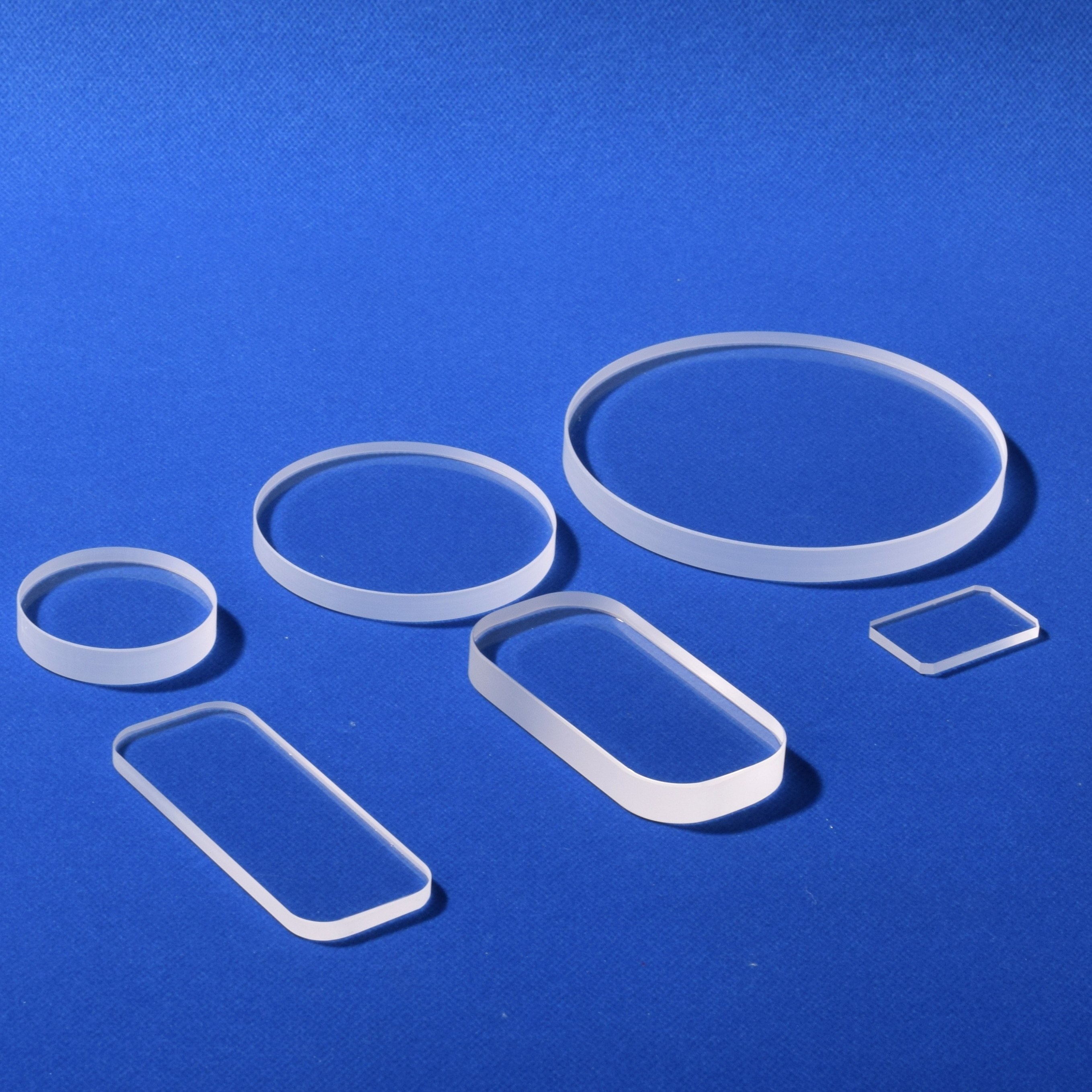
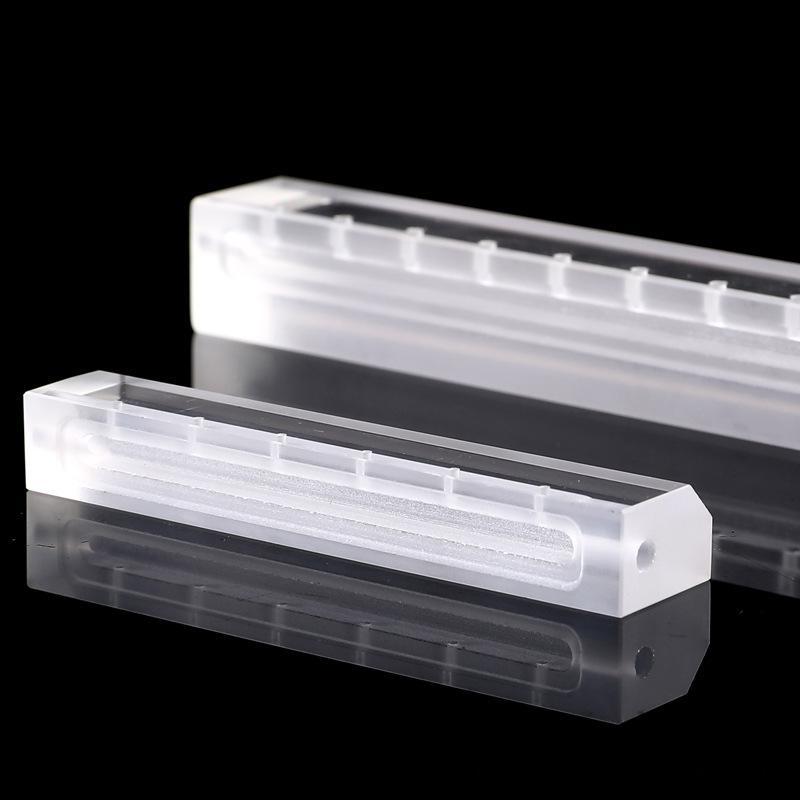
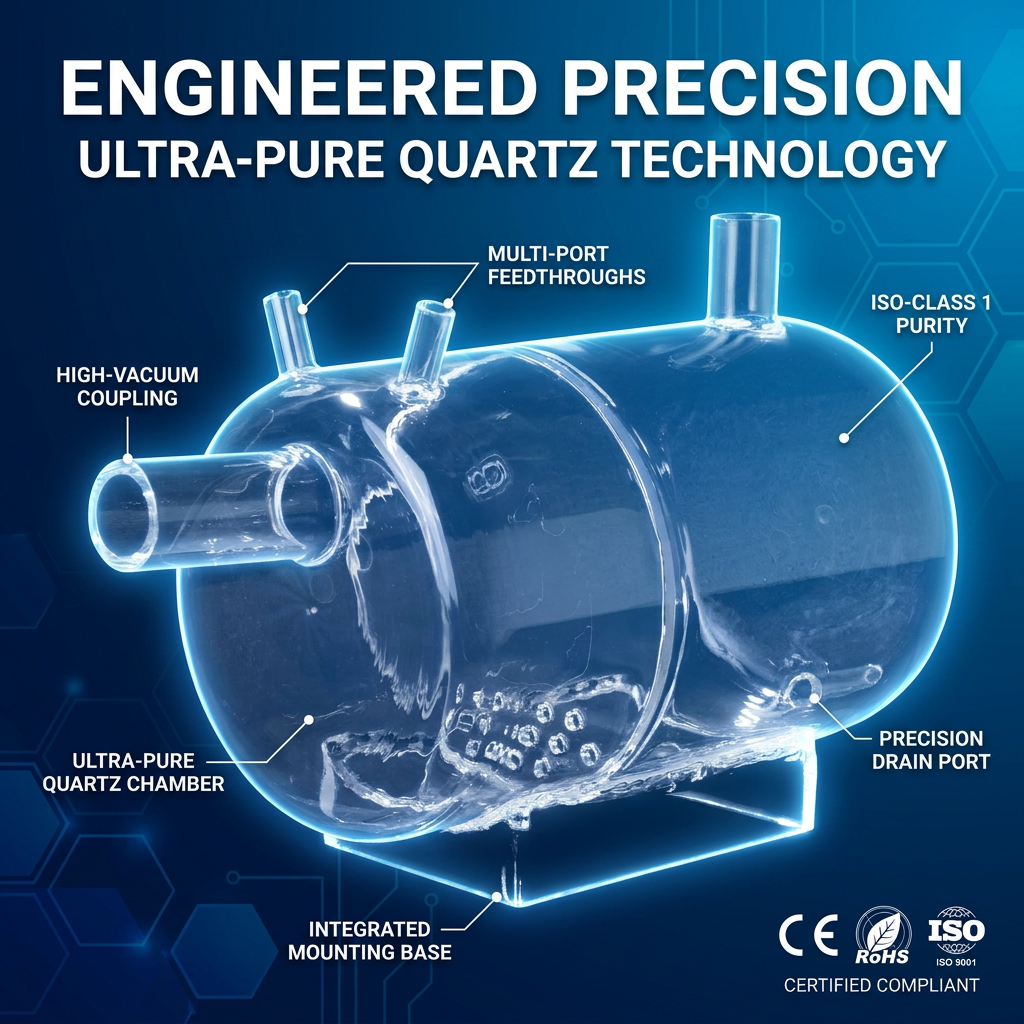
Direct from Donghai County—the crystal center of China. Rigorous dimensional tolerance control (±0.05mm), 99.999% SiO₂ chemical purity, and fire-polished optical clarity.
The Engineering Demands Behind Helical & Spiral Quartz Architectures
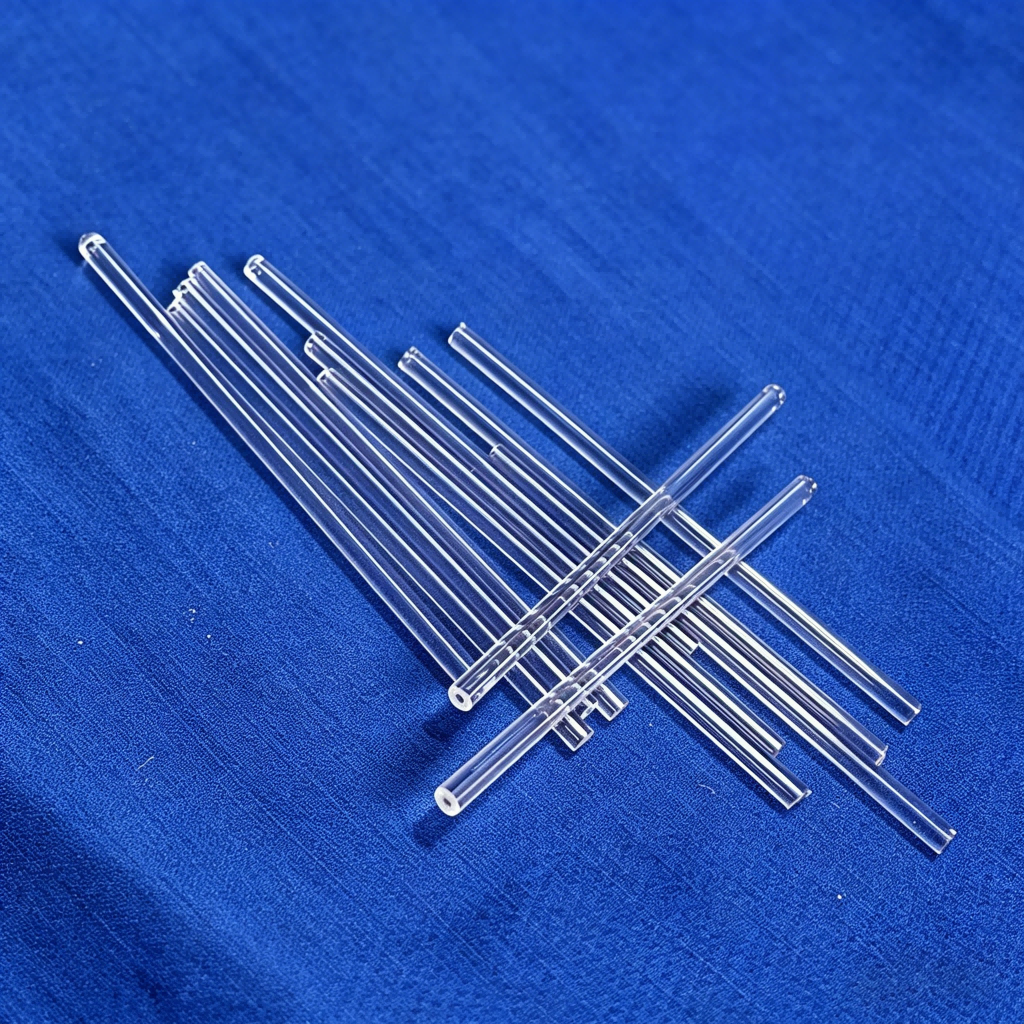
Spiral quartz tubes (also classified as helical fused silica coils, quartz condenser spirals, and serpentine process tubes) represent one of the most mechanically demanding niches within high-temperature glassblowing.
Unlike standard straight cylindrical tubing, a spiral quartz tube introduces compound torsional and thermal stress vectors along its helical geometry. During industrial operations—such as continuous photochemical microreactors, extreme ultraviolet (EUV) cooling systems, analytical gas condensers, and semiconductor CVD exhaust lines—these tubes are simultaneously subjected to severe thermal cycling and aggressive internal fluid friction.
Procuring engineers must navigate tight geometric criteria: coil pitch consistency (±0.5mm), axial concentricity, cross-sectional ovality (out-of-roundness ≤ 1.2%), and uniform wall thickness along both inner and outer bend radii. A failure to control wall thickness during hot lathe winding produces thin localized wall sectors prone to devitrification, thermal shock failure, and vacuum collapse above 1000°C.
Critical Quality Differentiators in Spiral Fabrication
- Hydroxyl ([OH⁻]) Concentration: Standard tubes retain 30-150 ppm OH, inducing bubble nucleation and dimensional sagging at high temperatures. Dehydroxylated grades (<5 ppm OH) ensure geometric integrity up to 1250°C.
- Polariscope Stress Elimination: Flame bending creates concentrated strain points. Controlled secondary electrical furnace annealing at 1120°C relieves residual internal stress below 4 nm/cm birefringence.
- Feedstock Purity (Trace Elements): Low total alkali metal contamination (Σ Li, Na, K < 1.5 ppm; Σ Fe, Ti, Cu < 1.0 ppm) prevents premature surface crystallization.
Macro Trends Transforming Global Quartz Sourcing
Key technical shifts procurement directors, R&D labs, and system OEMs must incorporate into their 2025–2030 supply chain models.
1. Surge in High-Efficiency Continuous Flow Photochemistry
Pharmaceutical synthesis and green chemical production are rapidly migrating from conventional batch reactors to continuous flow microreactors. Helical fused silica quartz coils serve as the gold standard for photoreactors due to their deep-UV optical transmission (>85% at 254 nm) and expansive surface-area-to-volume ratio. Sourcing trends highlight a 42% year-on-year increase in demand for multi-layer nested spiral tubes with custom inlet/outlet ground glass balls and precision GL-threaded fittings.
2. Advanced Sub-7nm Semiconductor Wet Processing & Thermal Pre-Heating
Next-generation wafer fabrication equipment requires ultra-pure fluid pre-heating coils that produce zero trace ionic leaching. Contaminants such as aluminum, boron, and iron must remain below single-digit parts-per-billion (ppb) thresholds to prevent wafer lattice disruption. Buyers are steadily shifting from PFA/fluoropolymer heating jackets to high-purity synthetic or double-melt natural quartz spirals that safely withstand temperatures above 400°C in harsh inorganic acids (e.g., hot sulfuric and phosphoric acid mixtures).
3. Consolidation Toward Integrated Chinese Industrial Clusters (Donghai Factor)
Western and Southeast Asian purchasers face escalating overheads with boutique regional glass shops. The market is consolidating around vertically integrated Chinese manufacturing hubs—primarily Lianyungang (Donghai County)—where raw crystalline quartz reserves, mechanized automated hot lathe operations, cleanroom acid pickling, and global shipping logistics exist within a 20-kilometer radius. This cluster effect slashes prototype lead times from 12 weeks to under 10 business days while maintaining competitive tooling economies.
Fused Quartz Performance Characteristics
Compare standard chemical, thermal, and optical properties across engineered quartz glass grades.
| Property / Specification Parameter | Semiconductor Natural Fused Quartz (SJ Grade) | Synthetic Fused Silica (Optical UV Grade) | Opaque / Micro-Porous Quartz Glass |
|---|---|---|---|
| SiO₂ Chemical Purity | ≥ 99.995% – 99.999% | ≥ 99.9999% (Electronic Grade) | ≥ 99.9% |
| Continuous Service Temperature | 1100 °C | 1150 °C | 1050 °C |
| Maximum Short-Term Peak Temp | 1450 °C (Softening: 1683°C) | 1500 °C (Softening: 1720°C) | 1350 °C (Softening: 1650°C) |
| Coefficient of Thermal Expansion (CTE) | 5.5 × 10⁻⁷ /°C (20°C – 320°C) | 5.2 × 10⁻⁷ /°C | 5.4 × 10⁻⁷ /°C |
| Spectral Transmission (185nm – 2500nm) | > 90% (260nm – 2000nm range) | > 92% (from 185nm deep VUV) | Diffusion / Opaque Scattering |
| Tensile Strength & Micro-Hardness | 48 N/mm² | 8.8 GPa (Mohs 7) | 52 N/mm² | 9.0 GPa (Mohs 7) | 42 N/mm² | 7.5 GPa |
| Primary Target Application | Spiral coils, furnace tubes, wafer boats | Excimer laser optics, EUV windows | Thermal insulation shields, gas bubblers |
Integrated Manufacturing Excellence From Donghai
Combining localized crystal supply lines with precision robotic lathes, cleanroom acid treatment, and rigorous Western-standard quality auditing.
TÜV Rheinland Verified
Our physical premises, capital asset registration, and production capacities are fully verified on-site by TÜV Rheinland for maximum buyer security.
Precision Hot & Cold Machining
Full suite of oxy-hydrogen automated glassblowing lathes, CNC diamond slicing wheels, laser tube cutters, ultrasonic drillers, and double-sided optical polishers.
Zero-Stress Annealing Cycles
All bent and welded helical components undergo long-duration programmable electric oven stress-relief annealing to eliminate cracking risks during intense heating cycles.
Shock-Absorbent Export Crating
Custom-molded EPE foam shells, double-layer corrugated boxes, and fumigated solid timber export crates guarantee break-free delivery via sea, air, or global express.
Frequently Asked Questions on Spiral Quartz Tube Procurement
Authoritative technical answers prepared by our senior quartz glass fabrication engineers.
What are the key technical challenges in producing high-precision spiral quartz coils?
How does hydroxyl ([OH⁻]) concentration impact quartz performance at high temperatures?
Can you manufacture custom quartz parts directly from customer CAD drawings?
What dimensional tolerances can your factory maintain on helical coils and custom joints?
What are the minimum order quantities (MOQ) and sample lead times?
How do you protect fragile spiral quartz glassware from breakage during international transit?
Ready to Expedite Your Custom Quartz Fabrication?
Submit your CAD drawing, specifications, or operating parameters today. Our engineering sales team will provide a comprehensive DFM assessment and formal quotation within 12 hours.