Engineered Fused Quartz Solutions for Critical Thermal & Chemical Regimes
Lianyungang Vulra Quartz Products Co., Ltd. delivers high-purity (99.99%–99.999% SiO₂) fused quartz beakers, crucibles, and customized analytical glassware. Operating from Donghai County—the global nucleus of high-purity natural silica sand—we provide drawing-based OEM/ODM manufacturing, TÜV Rheinland-certified fabrication, and rigorous quality control for demanding thermal applications up to 1450°C.
Featured Quartz Glass Vessels & Precision Components
Manufactured from premium Donghai natural crystal fused silica and high-grade synthetic precursors for optimal transmittance, minimal thermal shock, and outstanding chemical resistance.
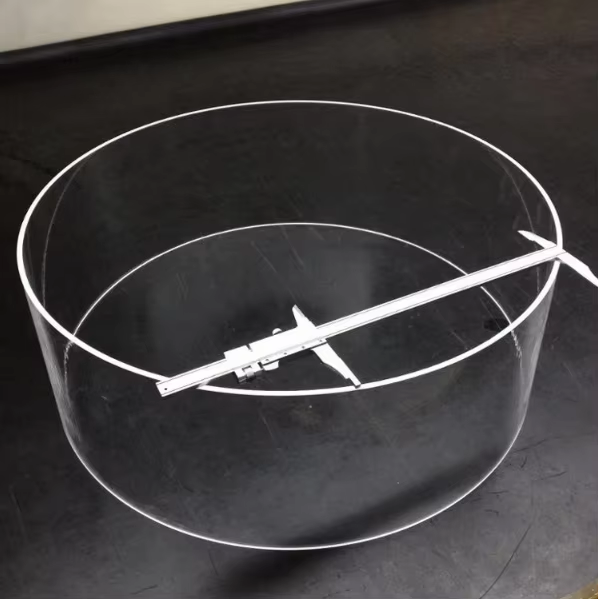
Factory Supply Optical Quartz Sapphire Tubes High Temperature UV Glass Pipe
Precision-drawn optical test tubes engineered for powder sintering, oxy-hydrogen flame welding, and extreme thermal cycling.
- Working Temp: 1100°C Cont. / 1450°C Peak
- UV Transmittance: >90% @ 254 nm
- Tolerance: ±0.05 mm OD/ID
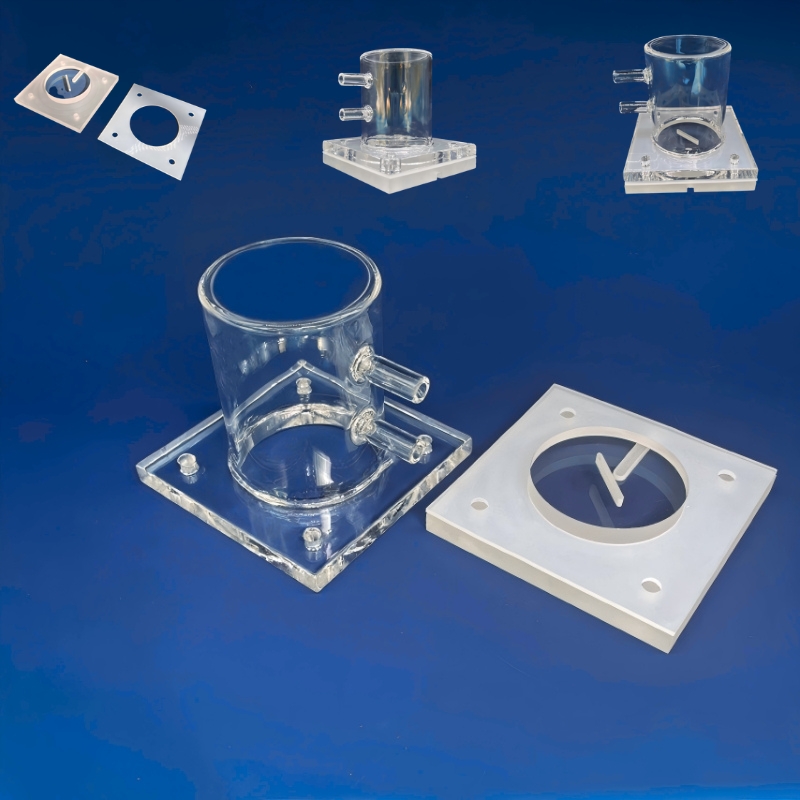
Quartz Photocatalytic Reactor Hydrogen Oxygen Production Cell
Ozone-free translucent and clear quartz reactor body tailored for UV photodegradation, water splitting, and photoelectrochemical cells.
- Material: Ozone-Free Fused Quartz
- Design: Integrated Optical Windows
- Pressure Class: Vacuum up to 0.3 MPa
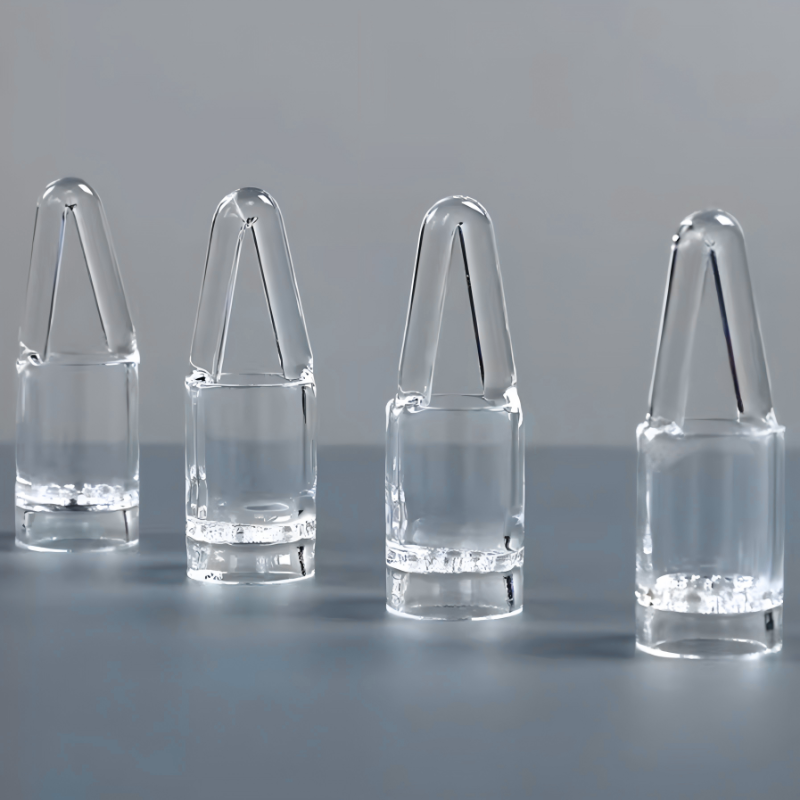
Quartz Crucible Acid/Alkali Resistant Polished Basket Beaker
Thick-walled fused silica beaker and crucible basket with 200-mesh sintered bottoms or dome closures for severe acid leaching baths.
- Corrosion Rating: HF except, 99.8% Acid Inactive
- Structure: Sintered / Welded Net Base
- Purity: 99.99% SiO₂ Base
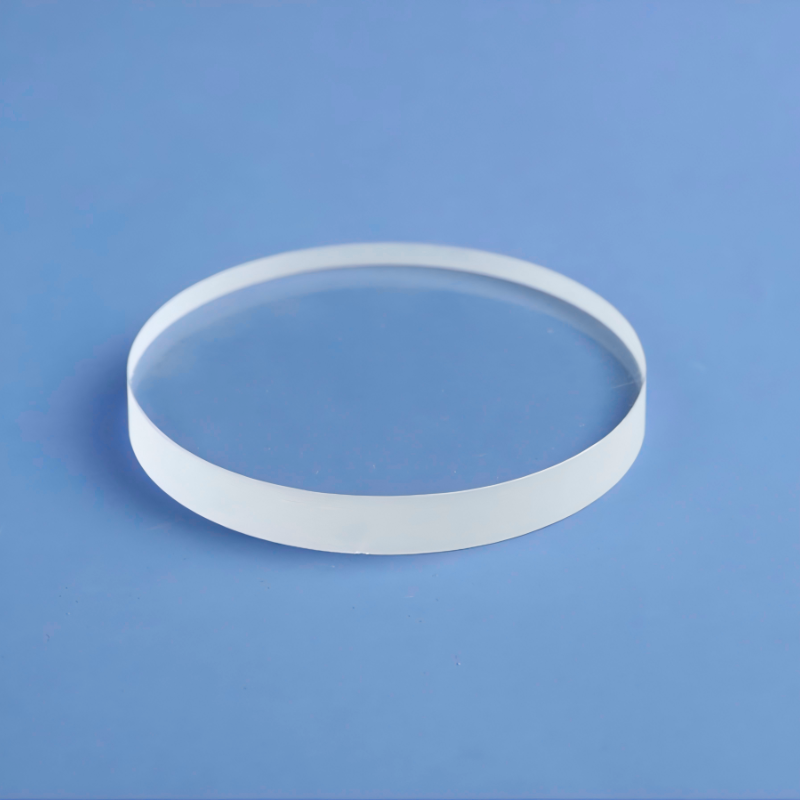
High Temperature Clear Sapphire Quartz Tablets & Fused Silica Sheets
Double-sided optically polished quartz substrate plates, furnace sight windows, and high-frequency dielectric insulation bases.
- Surface Polish: 60/40 or 40/20 Scratch/Dig
- Parallelism: <3 arc min
- Thickness Range: 0.5 mm – 25.0 mm
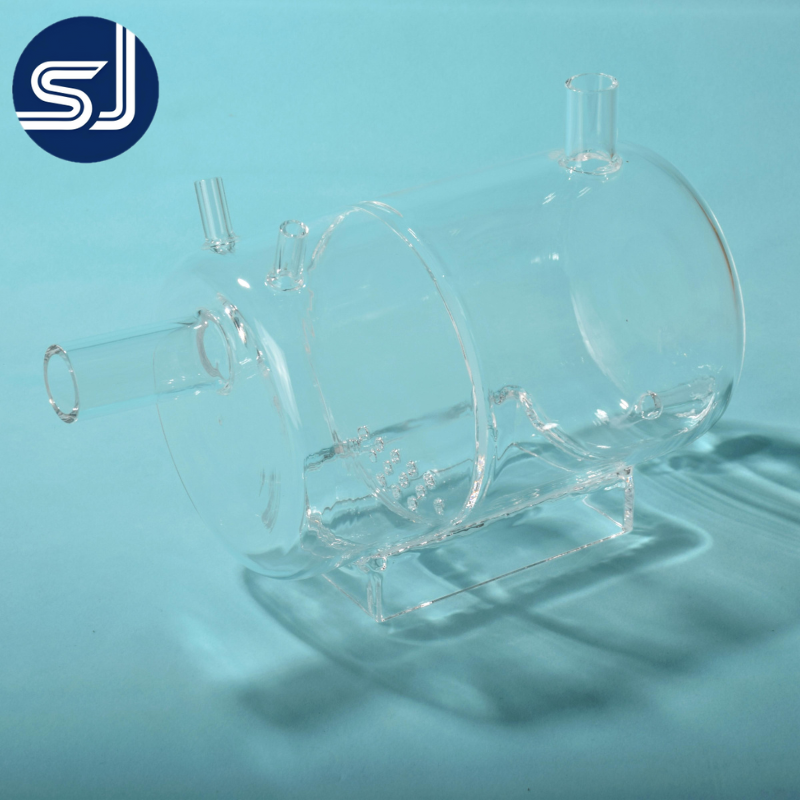
SJ QUARTZ High-Temperature Laboratory Flow Splitting Vessel
Precision multi-neck quartz distillation and flow-metering vessels with ground joints for contamination-free chromatographic fractionation.
- Joint Tolerances: Standard Cone 14/23, 24/29
- Optical Transmission: >85% Across Visible
- Chemical Leach: <0.01 mg/L Trace Metal
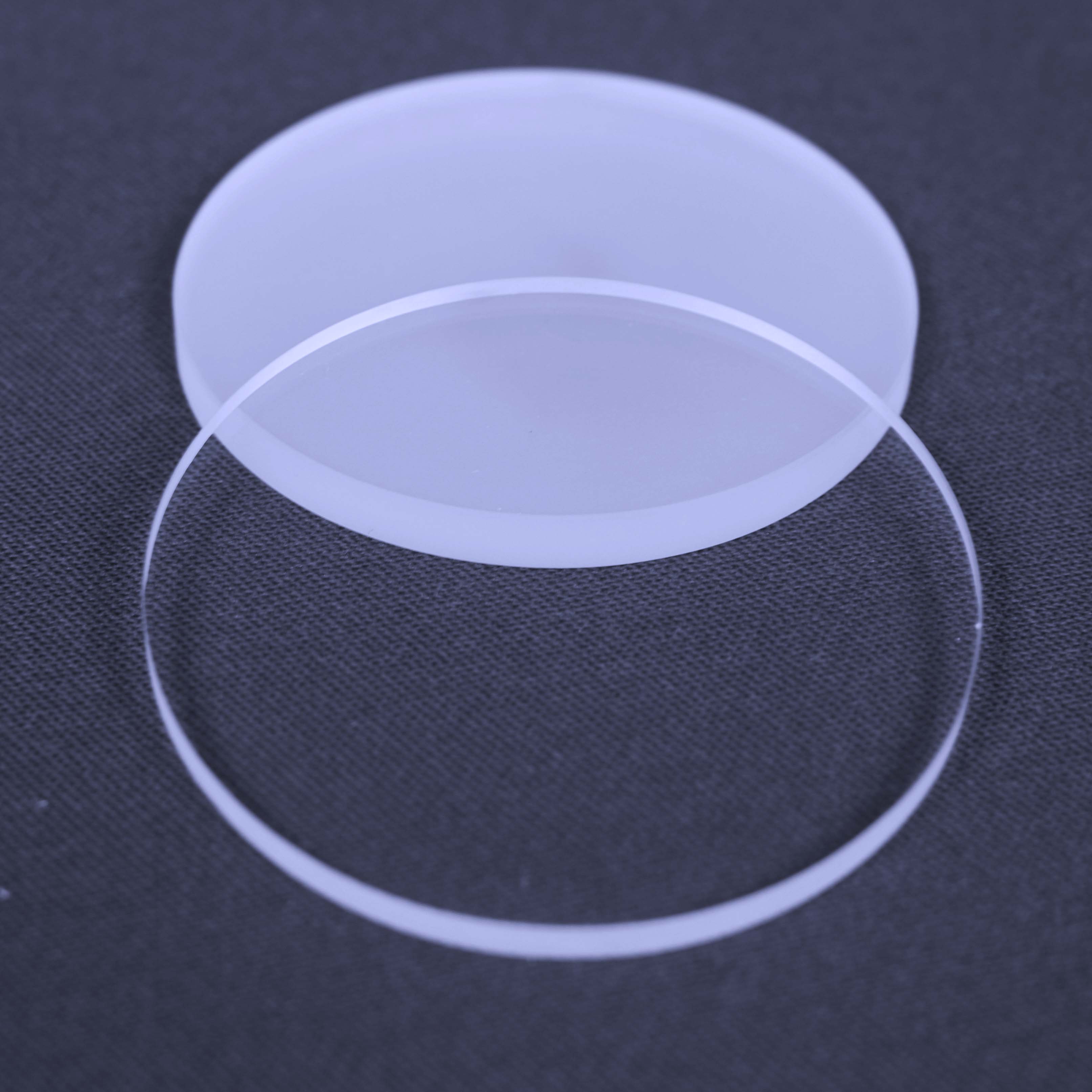
High-Transmittance XRD Quartz Zero-Background Sample Holder
Specialized cut-angle crystal and amorphous silica sample holders that eliminate amorphous background humps during X-ray diffraction tests.
- Diffraction BG: Ultra-low baseline scatter
- Profile Flatness: λ/4 over 25mm diameter
- Cavity Depth: 0.1 mm to 2.0 mm Precision
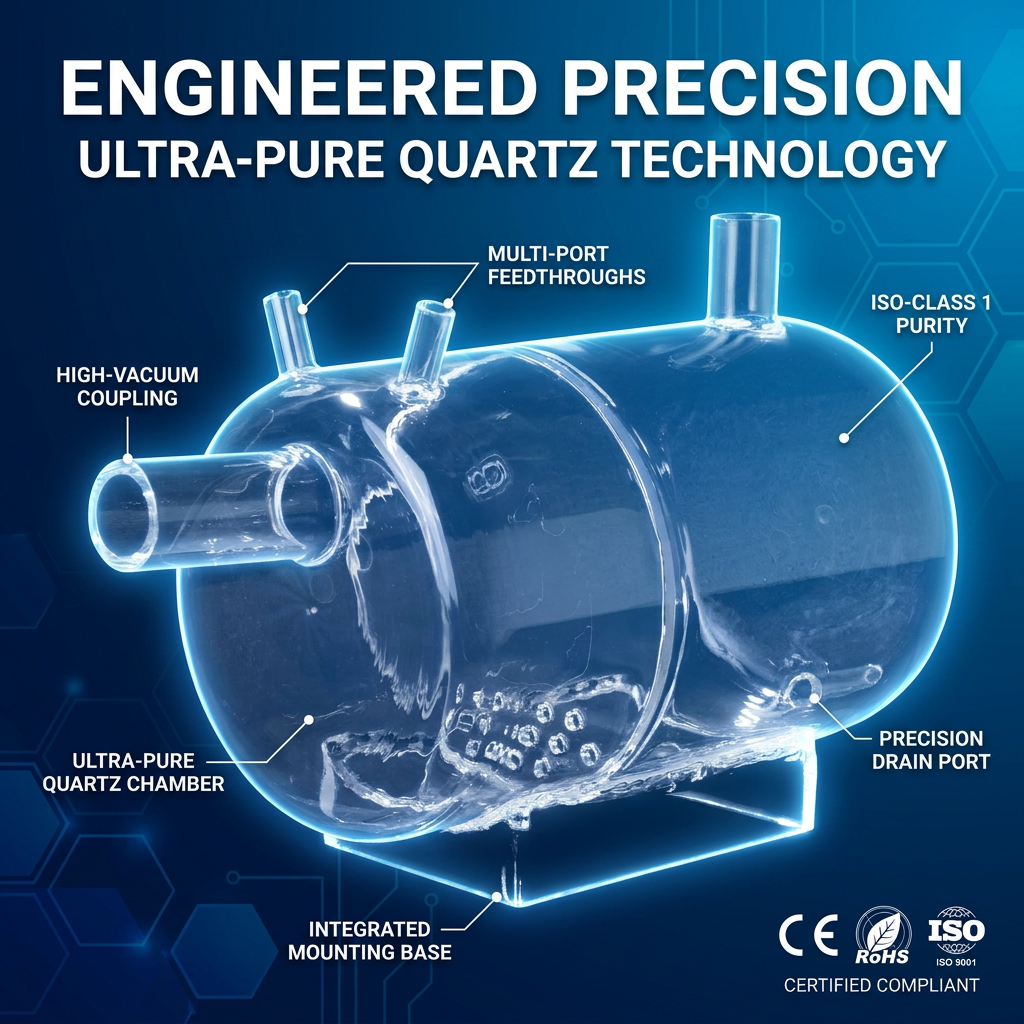
Semiconductor-Grade High-Purity Quartz Separating Tank
Heavy-duty 99.999% purity square/cylindrical tanks for wet bench etch cleaning, chemical bath deposition, and solar wafer etching.
- Purity Metric: Fe <0.2 ppm, Al <14 ppm
- Weld Integrity: Bubble-free flame seam
- Cleanroom Class: Class 10,000 Packaging
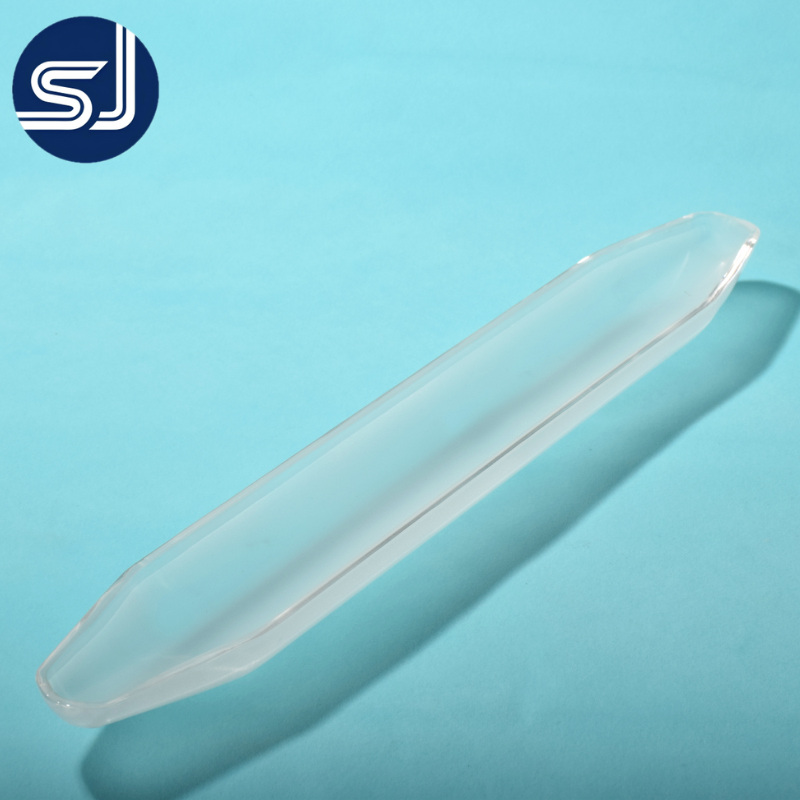
SJ 140 Customizable Transparent Quartz Diffusion Boat Carrier
Precision-slotted quartz wafer boat carrier designed for horizontal tube furnace diffusion, PECVD deposition, and high-temp calcination.
- Slot Pitch: Accurate within ±0.02 mm
- Continuous Use: 1150°C without warp
- Compatibility: 2" to 8" Silicon Wafers
The Thermodynamics of High-Purity Fused Quartz Beakers vs. Borosilicate 3.3
In high-performance industrial and analytical chemistry, selecting the appropriate vitreous silica vessel is essential for process consistency and experimental safety. Conventional laboratory beakers fabricated from borosilicate 3.3 glass (such as Pyrex® or Duran®) possess an alkali-borosilicate structure with approximately 81% SiO₂, 13% B₂O₃, 4% Na₂O/K₂O, and 2% Al₂O₃. While adequate for standard aqueous digestions at temperatures below 450°C, borosilicate glass fails catastrophically under extreme thermal shock, plasma exposures, high-energy electromagnetic irradiation, or aggressive chemical environments.
Conversely, fused quartz beakers and crucibles manufactured by Lianyungang Vulra Quartz Products Co., Ltd. are composed of single-component vitreous silicon dioxide (SiO₂ > 99.99%). The absence of network-modifying flux agents (such as sodium and potassium oxides) yields a fully polymerized three-dimensional tetrahedral network of Si-O-Si bridging bonds. This molecular configuration exhibits an exceptionally low coefficient of thermal expansion ($\alpha \approx 5.5 \times 10^{-7} \text{ K}^{-1}$ across the 20°C to 1000°C spectrum), providing virtually absolute immunity to catastrophic thermal shock. A Vulra quartz beaker heated to 1100°C can be plunged immediately into ice water at 0°C without fracturing, structural micro-crazing, or mechanical failure.
| Physical / Chemical Property | Natural Fused Quartz (Vulra SJ Grade) | Synthetic Fused Silica (Optical Grade) | Standard Borosilicate 3.3 Glass |
|---|---|---|---|
| SiO₂ Content (Purity by Wt) | ≥ 99.99% (4N) to 99.999% (5N) | ≥ 99.9999% (6N) | ~ 80.5% – 81.0% |
| Maximum Working Temp (Continuous) | 1100°C – 1150°C | 1150°C – 1200°C | 450°C – 500°C |
| Maximum Peak Temp (Short-Term) | 1450°C (Softening @ 1683°C) | 1500°C (Softening @ 1710°C) | 520°C (Softening @ 820°C) |
| Thermal Expansion Coeff. (20–300°C) | 5.5 × 10⁻⁷ / °C | 5.2 × 10⁻⁷ / °C | 33.0 × 10⁻⁷ / °C |
| Thermal Shock Resistance (ΔT) | > 1100°C quench to cold water | > 1150°C quench to cold water | ~ 150°C – 180°C limit |
| Optical Transmittance Window | 220 nm – 3500 nm (Broad UV-Vis-NIR) | 185 nm – 2500 nm (Deep DUV-Vis) | 350 nm – 2200 nm (Absorbs UV) |
| Hydrofluoric Acid (HF) Leaching Rate | Extremely Low Surface Loss | Ultra-Low Uniform Etch | Rapid Degradation / Pitting |
| Trace Alkali Impurities (Na + K + Li) | < 1.5 – 3.0 ppm total | < 0.05 ppm total | > 40,000 ppm (Structural Matrix) |
Future Procurement Trends in Industrial & Analytical Quartzware
Procurement directors and laboratory supply chain managers are shifting sourcing strategies to address tightening contamination tolerances, green manufacturing mandates, and specialized geometries.
1. Sub-ppb Metal Purity Traceability
Advanced semiconductor wet benches (3nm/2nm logic nodes) and high-efficiency photovoltaic cell fabrication (TOPCon & Perovskite tandems) require quartz vessels with certified trace metal leachates below 0.1 ppb, demanding ICP-MS lot documentation directly from Chinese exporters.
2. Monolithic CNC Integration
Procurement is moving away from hand-blown quartz beakers with manual torch welds toward 5-axis CNC ultrasonic machined vessels. Ultrasonic milling eliminates thermal stress zones, wall thickness discrepancies, and premature devitrification points along joint seams.
3. Cluster-Based OEM Consolidation
Global procurement teams prioritize tier-1 vertically integrated manufacturers located in natural mineral clusters such as Donghai, China. Direct factory integration across raw sand beneficiation, tube drawing, and flame blowing cuts lead times by 40% and reduces supply chain exposure.
4. Pre-Cleaned Cleanroom Packaging
High-end buyers require quartz beakers and lab containers to arrive pre-conditioned: etched with electronic-grade hydrofluoric acid, rinsed with 18.2 MΩ·cm deionized water, and sealed in Class 10,000 double-vacuum cleanroom foil to permit immediate deployment in ultra-clean environments.
Technological Frontiers in Quartz Glass Vessel Manufacturing
Our engineering laboratory actively explores advanced fabrication methodologies that extend operating life, enhance optical clarity, and prevent crystallization at elevated temperatures.
Dehydroxylation & OH⁻ Suppression
Standard quartz glass contains 15–30 ppm of bonded hydroxyl groups (OH⁻), which can induce micro-foaming and accelerated devitrification into cristobalite above 1050°C. By implementing deep vacuum thermal dehydroxylation, Vulra reduces OH⁻ levels to below 3 ppm, elevating continuous service stability to 1180°C.
Robotic Oxy-Hydrogen Lathes
Manual bench flame-working introduces micro-variations in wall thickness, which can create localized thermal stress gradients. Vulra uses multi-axis computerized glass-working lathes with real-time infrared pyrometry feedback to execute beaker lip pouring spouts, flange collars, and planar bases with ±0.03 mm concentricity.
Laser Surface Fire-Polishing
Conventional acid-polishing with hydrofluoric/nitric mixtures can generate chemical residues and micro-etch pits that harbor contaminants. Utilizing 10.6 µm CO₂ laser ablation and high-temperature plasma polishing creates molecularly uniform, defect-free interior vessel surfaces that prevent devitrification nucleation.
Digital Annealing Validation
Residual stresses from high-temperature hot-working can lead to stress-corrosion fractures under aggressive acid attacks. Every production run undergoes automated multi-stage electrical furnace annealing cycles (1150°C soak, controlled ramp cooling) with complete optical polariscope stress-birefringence verification.
Lianyungang Vulra Quartz Products Co., Ltd.
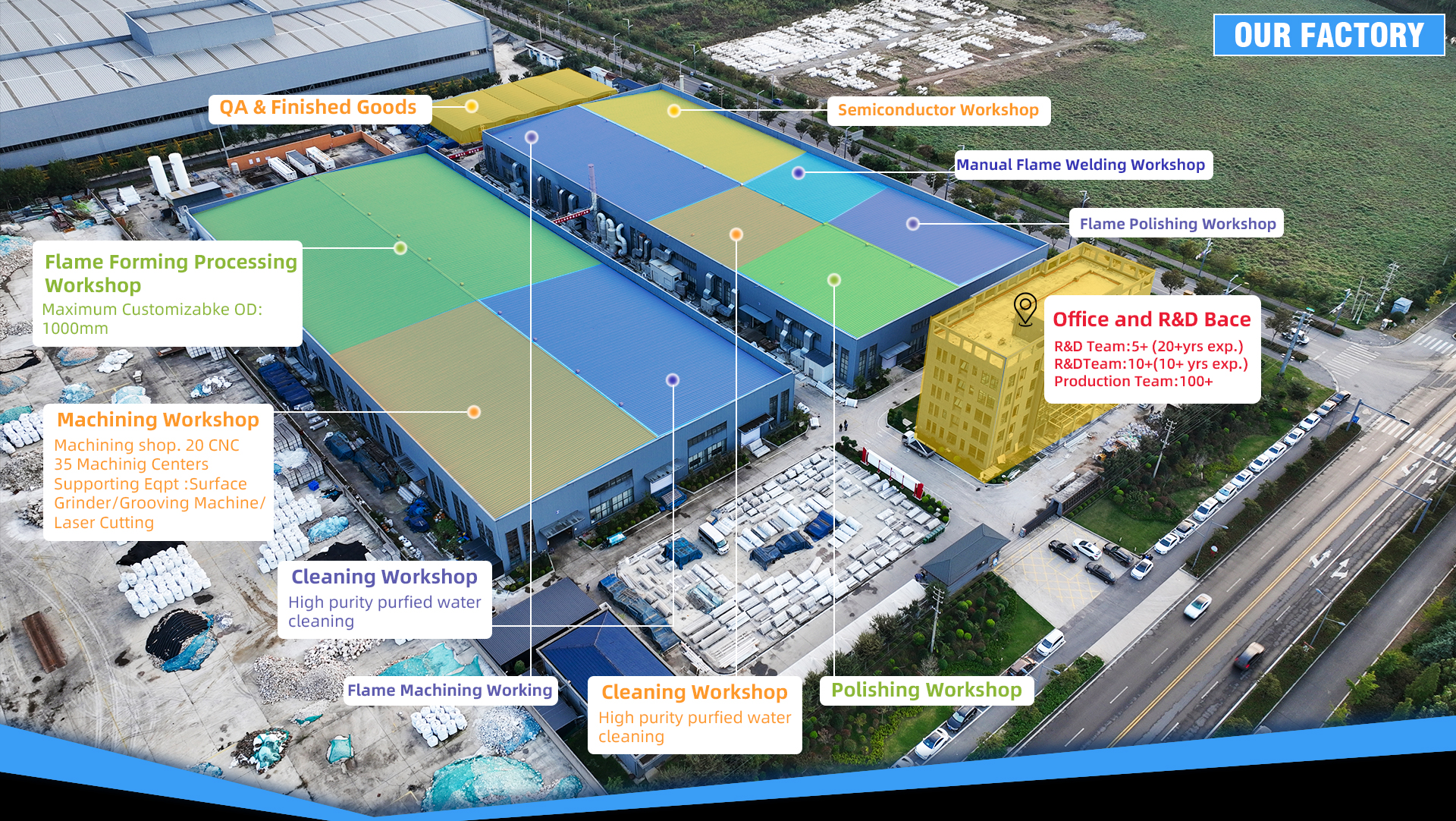
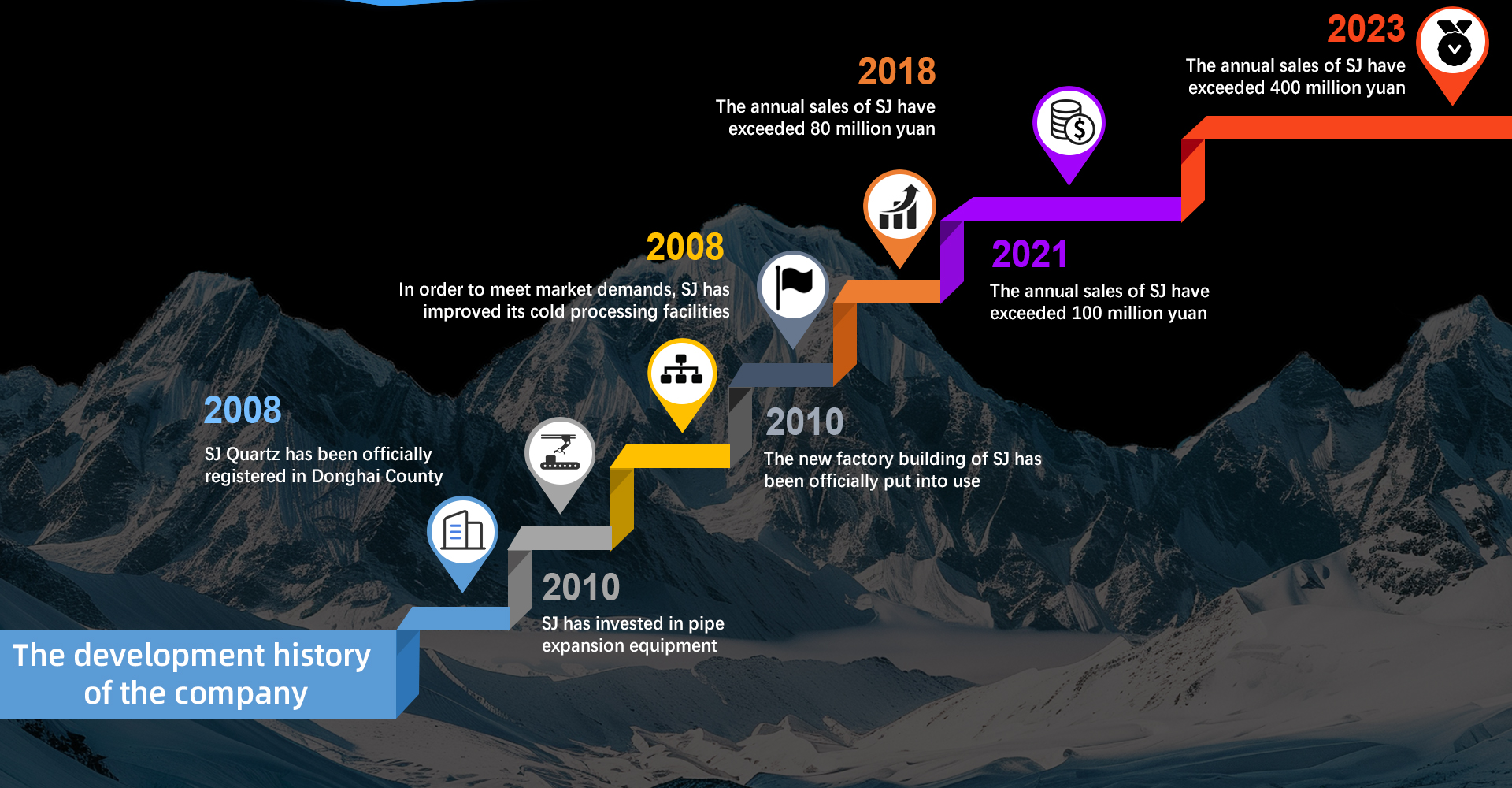
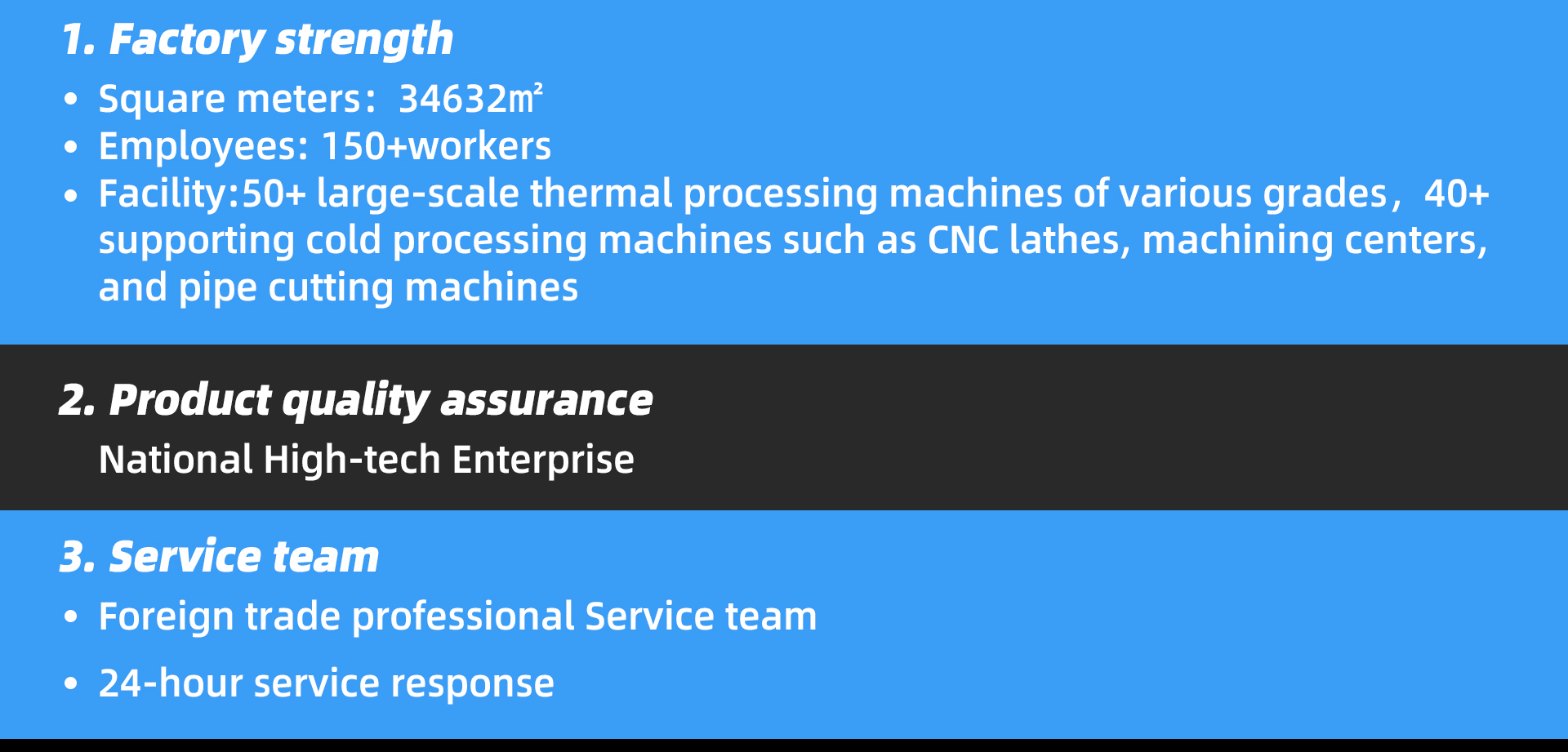
Situated at No. 9, Dingxin Road within the Jiangsu Donghai Economic Development Zone, Vulra Quartz leverages the geographical advantage of China's primary crystal capital. With direct access to high-purity natural silica sand mines, our integrated industrial campus spans raw mineral refinement, hot flame working, precision cold CNC grinding, and certified metrology.
As a verified custom manufacturer assessed on-site by TÜV Rheinland, our manufacturing workflows comply with CE mark directives and RoHS environmental compliance frameworks. Our engineers evaluate every technical CAD drawing for wall-thickness ratios, weld safety margins, and thermal gradients before manufacturing prototypes or full production batches.
Enterprise Strengths & Export Infrastructure
Combining mineral resource integration, precision hot-and-cold processing, and international export logistics to provide reliable delivery performance for overseas clients.
1. Verified Mineral Source
Headquartered in Donghai County, we maintain direct oversight of high-purity natural silica sand supplies. This prevents unexpected supply shortages, guarantees raw material chemical homogeneity (SiO₂ ≥ 99.99%), and insulates export pricing from raw material market fluctuations.
2. Integrated Hot & Cold Processing
We combine computerized oxy-hydrogen flame manipulation lathes with diamond-wheel cold cutting, milling, core drilling, and chemical-mechanical polishing under one roof. Complex customer designs do not require external processing, helping protect intellectual property.
3. Design For Manufacturability (DFM)
Our senior glassware engineers conduct comprehensive DFM reviews of all client-supplied 2D drawings (DWG/PDF) and 3D CAD files (STEP/IGES). We evaluate structural junctions, fillet radii, thermal expansion interfaces, and wall ratios to identify stress concentrations before initiating hot fabrication.
4. Prototyping Flexibility (MOQ: 1 PC)
We support university research groups, pilot-line startups, and corporate R&D laboratories by offering single-piece custom prototyping for specialized beakers, flow-through reactors, and crucibles. Successful prototypes transition smoothly into full commercial production runs.
5. Independent Third-Party Credentials
Our production facilities, commercial operations, and administrative systems have undergone comprehensive on-site audits by TÜV Rheinland. Our quartz product lines carry CE declarations of conformity and RoHS hazardous substance screening certificates.
6. Heavy-Duty Export Crating
To eliminate maritime and airfreight transit breakages, all export quartz items receive multi-layer high-density EPE shock absorption, vacuum heat-sealed barrier wrapping, and external crating in fumigated solid timber cases conforming to ISPM-15 international freight standards.
Frequently Asked Questions: Sourcing Quartz Glass Beakers & Vessels
Key technical answers, procurement considerations, and operational guidelines compiled by our engineering and international export divisions.
Request an Engineering Review & Direct Factory Quotation
Submit your CAD blueprints, application operating limits, or target procurement volumes to our application engineering division. Receive a comprehensive DFM feasibility analysis, material certificate breakdown, and transparent tiered factory pricing within 24 hours.