Featured High-Purity Quartz Solutions
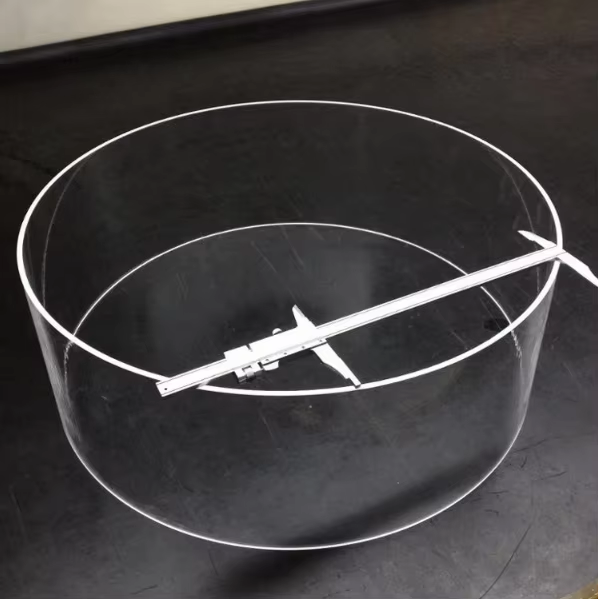
Factory Supply Optical Quartz Sapphire Tubes High Temperature UV Glass
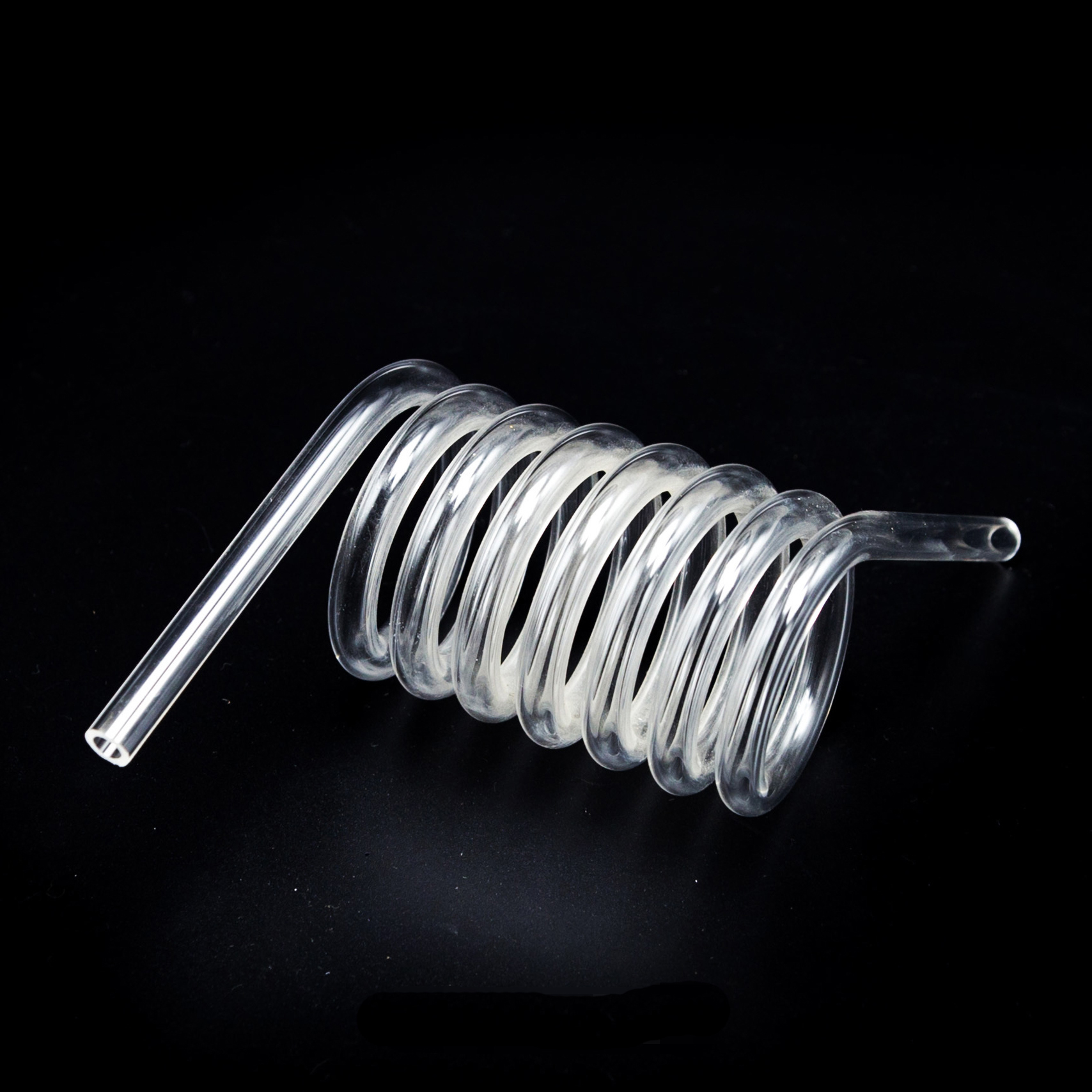
High Purity Polished Clear Quartz C Shape Spiral / Bent Custom Tubes
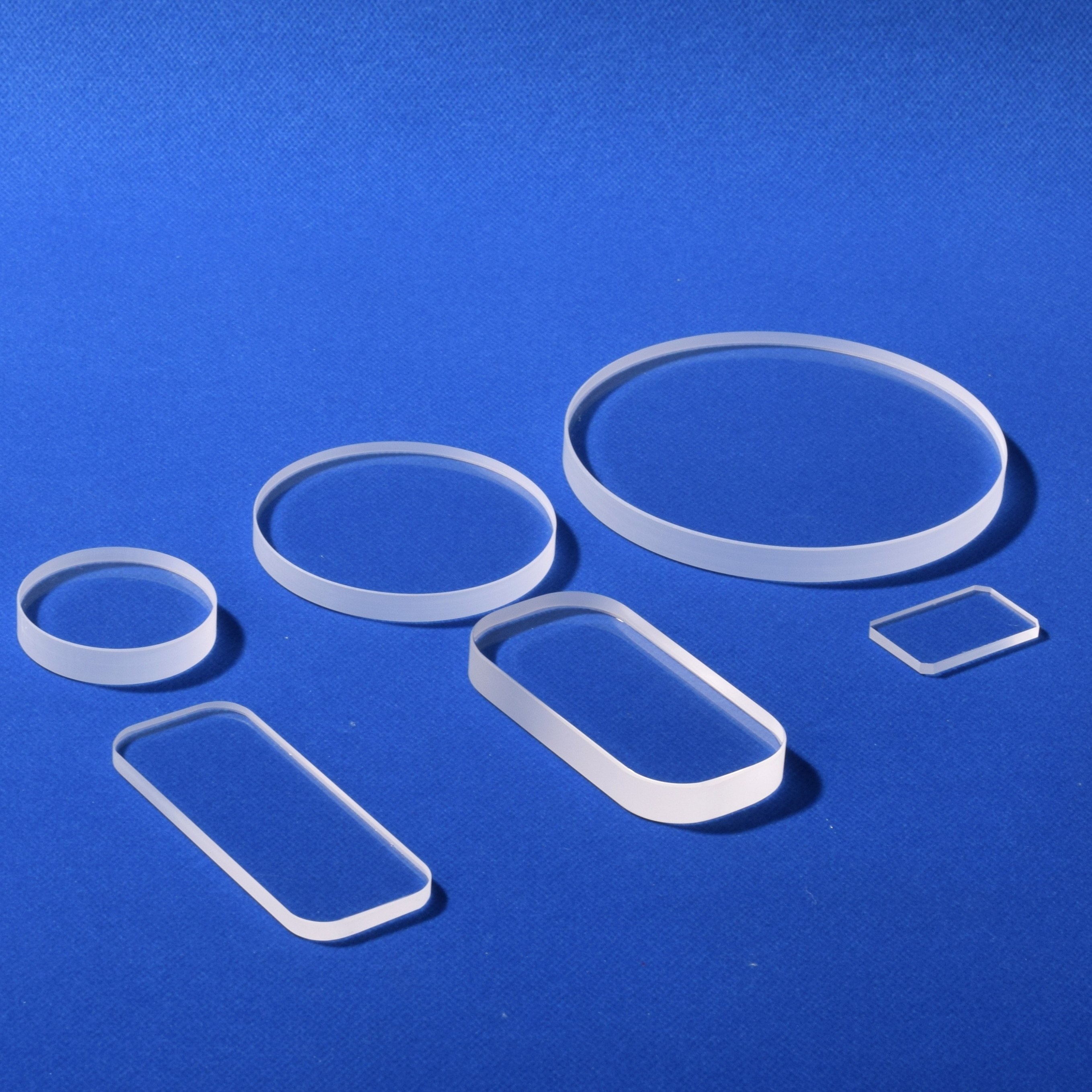
High Transmittance Heat Resistant Quartz Glass Watch Window Plate
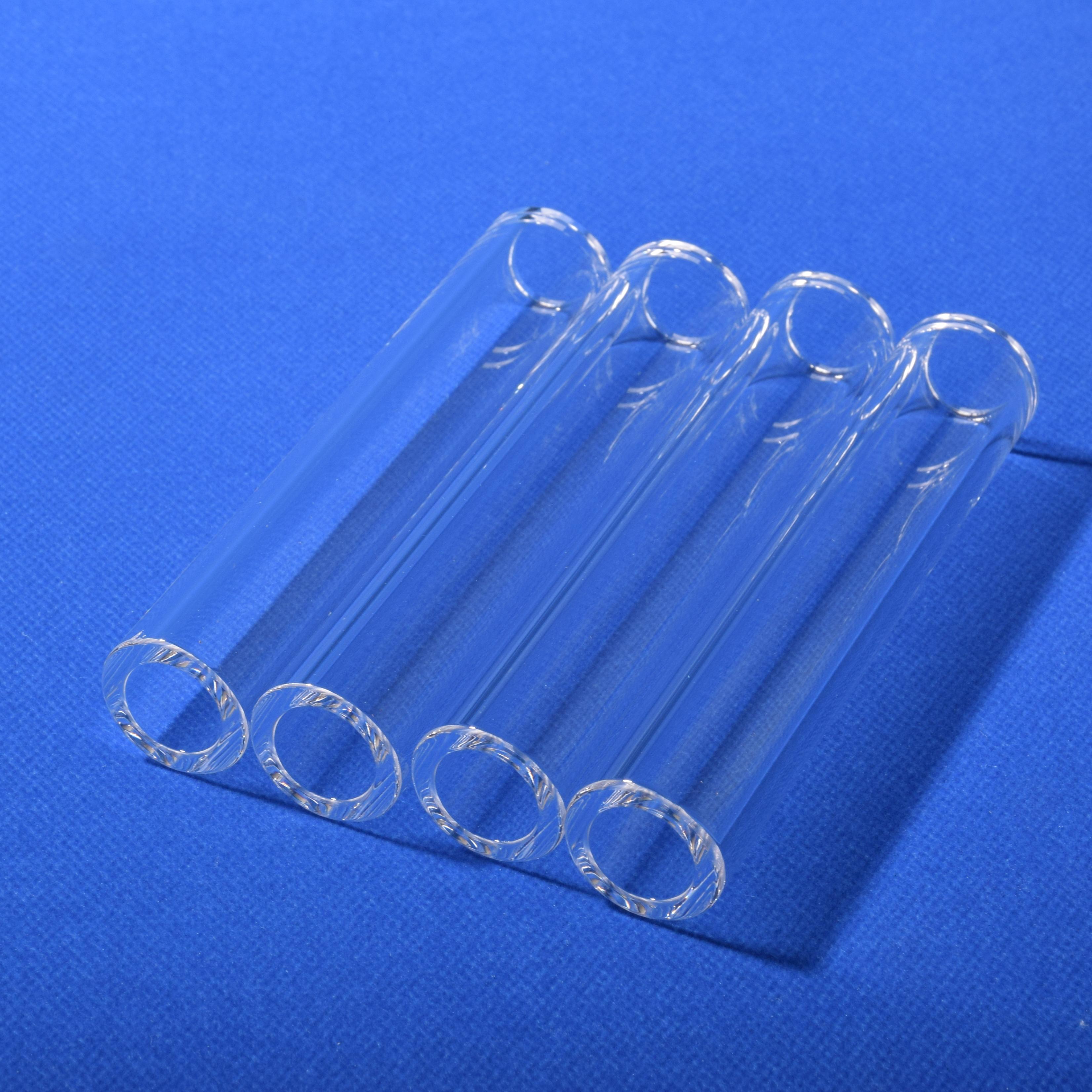
SJ 150 Translucent Oversized Thick Wall Polished Quartz Tube 1100°C
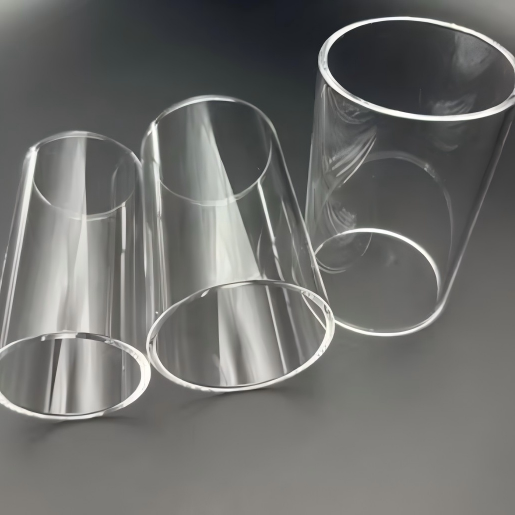
High Temperature Ozone Free One End Closed Quartz Tube 5-800mm

SJ 130 High-Precision Quartz Vacuum Tube 99.99% SiO2 Semiconductor
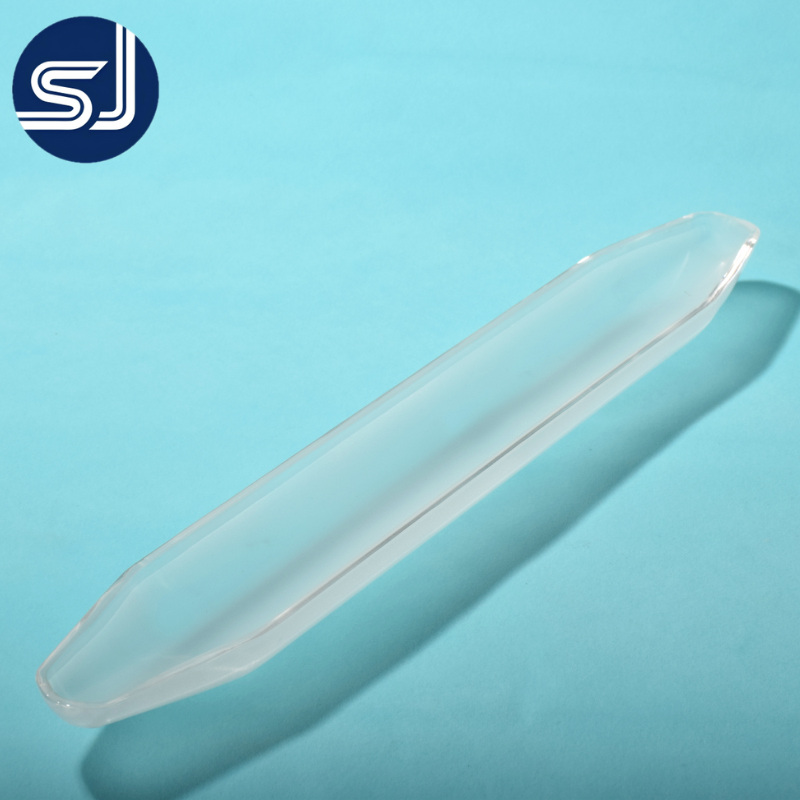
SJ 140 Precision Polished Quartz Boat 99.999% Transmittance >85%
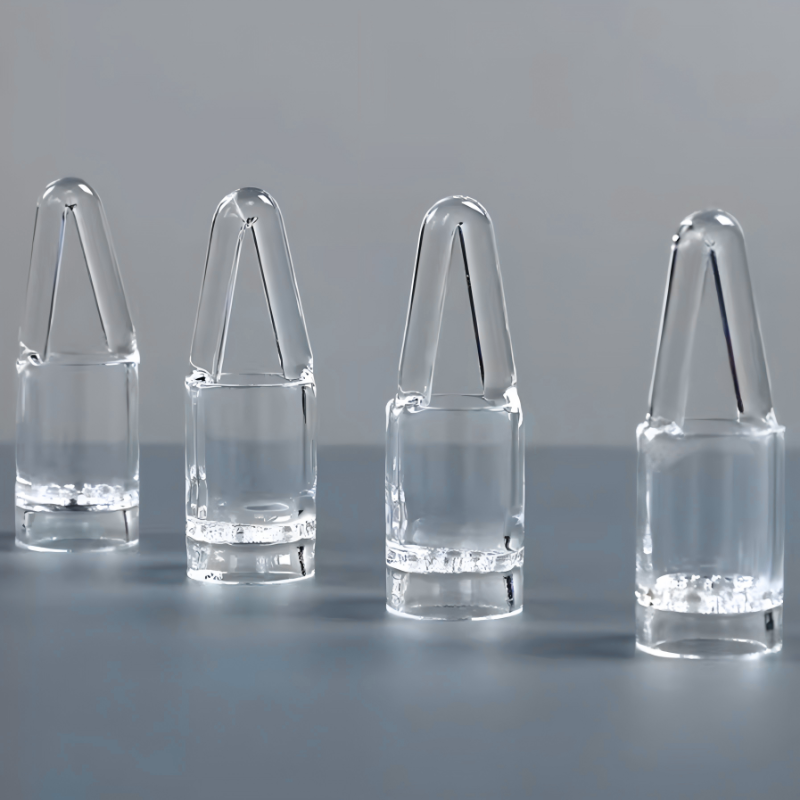
Quartz Crucible Acid/Alkali Resistant Ozone Free High Temp Glass
Engineering Principles of Infrared Quartz Plates & Optical Substrates
An exhaustive technical analysis for optical engineers, semiconductor procurement directors, and high-temperature furnace manufacturers seeking to optimize thermal performance and spectral throughput.
1. Executive Summary & Material Science Overview
Infrared (IR) quartz plates—commonly known in Chinese industrial optical classification as JGS3 grade optical fused quartz—represent a critical class of synthetic and electrically melted silica components engineered specifically to eliminate optical absorption bands in the near-to-mid infrared spectrum. While standard clear fused quartz (JGS2) exhibits exceptional mechanical strength and thermal stability up to 1100°C, its optical efficiency collapses in the 2.6 µm to 2.8 µm waveband due to fundamental fundamental molecular vibrations caused by trapped hydroxyl groups (OH- ions).
As a premier Chinese manufacturer headquartered in Donghai County—the recognized capital of global high-purity quartz raw material—Lianyungang Vulra Quartz Products Co., Ltd. integrates advanced vacuum electro-fusion and specialized plasma synthesis technologies to produce infrared quartz plates with hydroxyl concentrations maintained strictly below 1 ppm to 5 ppm. This extreme chemical control ensures continuous spectral transmittance exceeding 85-90% from 260 nm all the way through 3.6 µm, rendering our substrates indispensable for high-power fiber laser windows, semiconductor RTP (Rapid Thermal Processing) chambers, FTIR spectroscopy cells, and aerospace thermal imaging systems.
2. Spectral Transmission Dynamics: JGS1 vs. JGS2 vs. JGS3
When sourcing industrial quartz plates from China, procurement engineers often encounter confusing nomenclature regarding material grades. To establish clear technical clarity, the optical transmission characteristics are categorized according to three distinct physical synthesis methods:
| Grade Standard | Material Type | OH- Concentration | Primary Spectral Window | Key Industrial Applications |
|---|---|---|---|---|
| JGS1 | Synthetic Fused Silica | 200 – 1000 ppm | Deep UV (185 nm – 2500 nm) | Lithography optics, UV curing, excimer laser windows |
| JGS2 | Natural Fused Quartz | 30 – 150 ppm | Visible to Near-IR (220 nm – 2500 nm) | Sight glasses, furnace observation tubes, laboratory quartzware |
| JGS3 | Infrared Fused Silica | < 1 – 5 ppm | Near/Mid IR (260 nm – 3600 nm) | IR sensors, thermal pyrometry, CO2 laser windows, RTP chambers |
As demonstrated in the comparison matrix above, standard natural fused quartz (JGS2) retains a deep absorption trough centered precisely at 2.72 µm (the fundamental stretching vibration mode of Si-OH bonds). In high-power IR heating or laser transmission, this absorption band converts optical energy directly into structural heat, causing steep thermal gradients, optical distortion, and eventual catastrophic thermal breakage. JGS3 infrared quartz plates produced by Vulra Quartz undergo specialized vacuum degassing during the melting phase, removing virtually all OH radical impurities and extending the usable optical window up to 3.6 micrometers.
3. Thermal Stress Resistance & Mechanical Integrity
One of the primary advantages of utilizing fused quartz plates over traditional borosilicate or soda-lime glass is their near-zero coefficient of thermal expansion (CTE). With a mean CTE of approximately 5.5 × 10⁻⁷ /°C between 20°C and 320°C, high-purity infrared quartz plates exhibit world-class thermal shock resistance.
A fully annealed Vulra infrared quartz plate can be heated uniformly to 1100°C and instantly plunged into cold water at 20°C without structural failure or micro-cracking. This makes our quartz plates the preferred choice for extreme environment sight glasses, high-vacuum viewports, and high-frequency induction furnace heat shields.
Infrared Quartz Plate Material Specification Sheet
Comprehensive physical, optical, mechanical, and thermal parameters for Vulra Quartz JGS3 substrates.
| Physical Property | Metric Value | Engineering Testing Condition / Standard |
|---|---|---|
| Chemical Composition | SiO₂ ≥ 99.999% | Trace metal impurities (Fe, Al, Ti, Na, K, Li) < 8 ppm total |
| Hydroxyl (OH⁻) Content | < 1 ppm (Ultra-Pure IR) / < 5 ppm (Std JGS3) | FTIR absorption analysis at 2.72 µm wavelength |
| Density | 2.203 g/cm³ | At room temperature (20°C) |
| Mohs Hardness | 5.5 – 6.5 | Scratch resistance benchmark |
| Refractive Index (nD) | 1.4585 | At 589.3 nm sodium D line |
| Infrared Transmittance | ≥ 90% (Uncoated) | Across 800 nm – 3200 nm band (10mm thickness sample) |
| Softening Point | 1683 °C | Viscosity log η = 7.65 poise |
| Annealing Point | 1215 °C | Viscosity log η = 13.0 poise |
| Maximum Operating Temp | 1100 °C (Continuous) / 1350 °C (Short-term) | Under non-vacuum atmospheric heating |
| Coefficient of Thermal Expansion | 5.5 × 10⁻⁷ / °C | Range 20 °C to 300 °C |
| Surface Polish Quality | 60/40 to 20/10 Scratch-Dig | MIL-PRF-13830B optical polishing standard |
| Flatness / Parallelism | Up to λ/4 per 25mm / < 30 arcseconds | Custom double-sided CNC optical polishing |
Why Direct OEM Sourcing from Donghai Matters
Lianyungang Vulra Quartz Products Co., Ltd. combines geographic raw material dominance with certified third-party quality verification.
Donghai Raw Material Hub
Situated in Jiangsu Donghai Economic Development Zone—the world’s primary processing cluster for natural crystal sand—we possess direct, cost-optimized access to high-purity silica raw material, cutting raw material lead times by up to 40%.
TÜV Rheinland Audited
Our manufacturing facility, legal registration, equipment inventory, and production workflows have undergone rigorous on-site verification by TÜV Rheinland. We offer fully compliant CE and RoHS product documentation.
Full In-House Cold & Hot Machining
From automated diamond blade slicing, ultrasonic drilling, waterjet cutting, and double-sided planetary polishing to high-temperature flame bending and stress annealing ovens, we retain 100% process control.
Flexible OEM/ODM Prototyping
Whether you require a single 1-piece custom prototype according to CAD drawings or high-volume quarterly supply for production equipment lines, we accommodate flexible order quantities without setup penalties.
Deep-Submicron Cleanroom Cleaning
Optical infrared plates undergo ultrasonic acid etching (HF/HNO3 blend), multi-stage deionized water cascade rinsing, and cleanroom vacuum packaging to guarantee zero particulate contamination upon receipt.
Export Protection Packaging
Fragile optics are packed using custom shock-absorbing EVA foam, vacuum-sealed barrier bags, and reinforced international plywood crates engineered to survive ocean transit, air cargo drops, and courier vibration.
Future Procurement Trends in Infrared Quartz Substrates
Key technological shifts and supply chain developments impacting industrial procurement over the next decade (2025–2035).
Trend 1: Demand Surge in Semiconductor Thermal Annealing (RTP)
As global semiconductor fabrication nodes shrink below 3nm, rapid thermal processing (RTP) and laser spike annealing (LSA) equipment rely heavily on ultra-large diameter (300mm+ to 450mm+) infrared quartz plates. These plates act as critical isolation windows between high-power IR tungsten-halogen lamp arrays and sensitive silicon wafers. Future procurement strategy mandates sourcing vendors capable of maintaining strict optical homogeneity (Δn < 2 × 10⁻⁶) across ultra-large apertures.
Trend 2: Transition to Hybrid AR & Hydrophobic Coatings
Uncoated fused quartz exhibits a Fresnel reflection loss of approximately 3.5% per surface (7% total for a flat plate). Future industrial optical specifications increasingly specify thin-film optical coatings applied via Ion-Assisted Deposition (IAD). Multi-layer anti-reflective (AR) coatings targeting the 1064 nm, 2100 nm, or broad 1.5–3.0 µm ranges boost total IR transmission to over 98.5%, while oleophobic top-coats prevent environmental oil fogging in harsh factory environments.
Trend 3: Miniaturization & Micro-Optics Fabrication
The expansion of MEMS gas sensors, non-dispersive infrared (NDIR) spectroscopic sensors, and military micro-drones is accelerating demand for micro-sized infrared quartz plates with thicknesses down to 0.15 mm – 0.3 mm. Slicing and polishing such thin, brittle quartz substrates without introducing subsurface micro-fractures requires advanced ultrasonic CNC machining and chemical-mechanical planarization (CMP).
Trend 4: Supply Chain Transparency & E-E-A-T Vendor Verification
Western industrial buyers are shifting away from unverified middle-tier trading agencies towards factory-direct Chinese manufacturers who demonstrate full material traceability. Sourcing contracts are increasingly contingent on independent, third-party audits (such as TÜV Rheinland verification), batch FTIR spectrometry certificates, and direct engineering access for OEM drawing reviews.
Frequently Asked Questions
Direct technical answers from our engineering team to common buyer inquiries.