Flagship Semiconductor & Optical Quartz Products
Engineered to withstand aggressive plasma etching, high thermal shocks, and intense excimer laser irradiation. Fully customizable to customer 2D/3D CAD specifications.
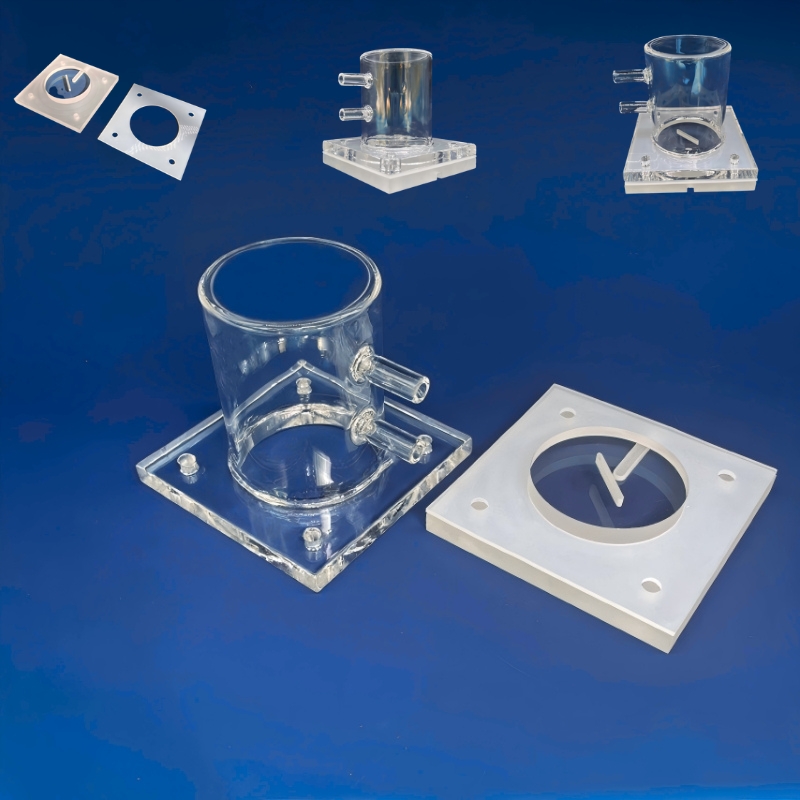
Quartz Photocatalytic Reactor for H₂/O₂ Production
Precision-molded UV-photodegradation reactor crafted from high-transmittance ozone-free synthetic fused quartz. Ideal for extreme photocatalytic water splitting and clean energy electrolysis research.
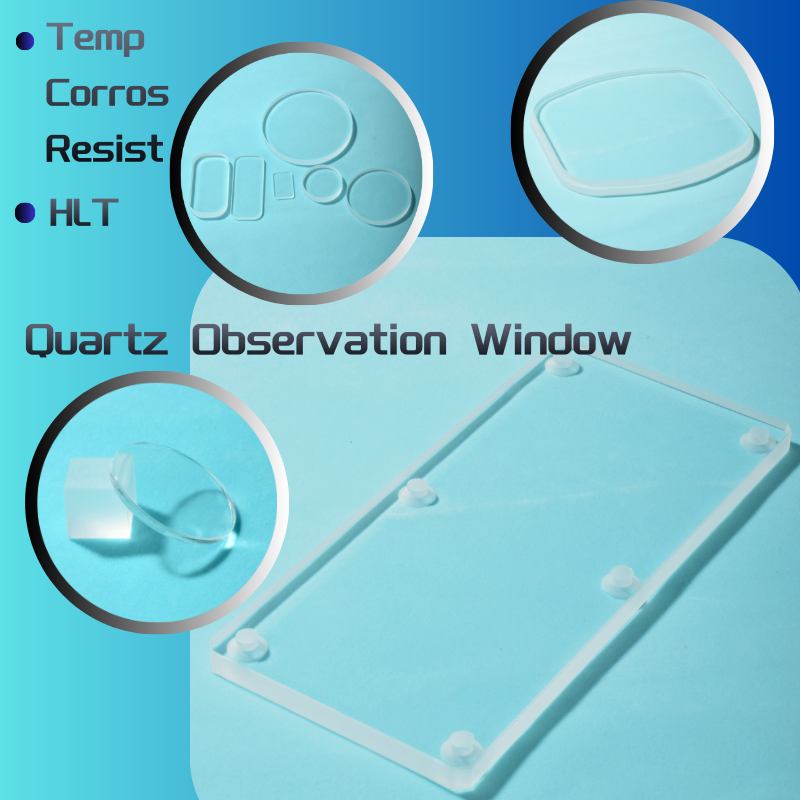
SJ Natural & Synthetic Optical Clear Polished Plate
Double-side optical pitch-polished quartz substrate offering extreme chemical inertness, high refractive index consistency, Mohs 5.5-6.5 surface hardness, and zero bubble striae for laser observation.
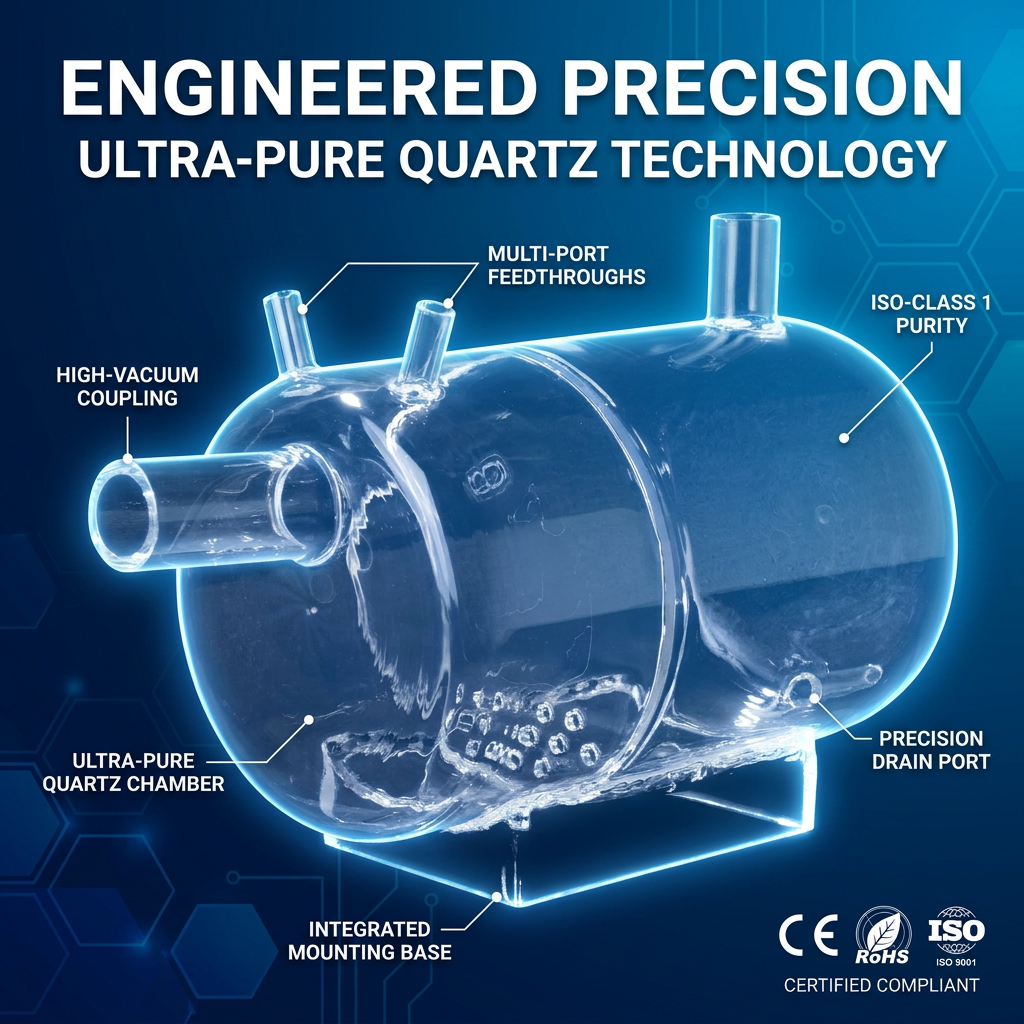
Semiconductor-Grade Precision Separating Container
Ultra-pure 99.999% synthetic quartzware container designed for microelectronics chemical purification, wafer wet-bench acid etching, and critical phase-separation processes without ion leaching.
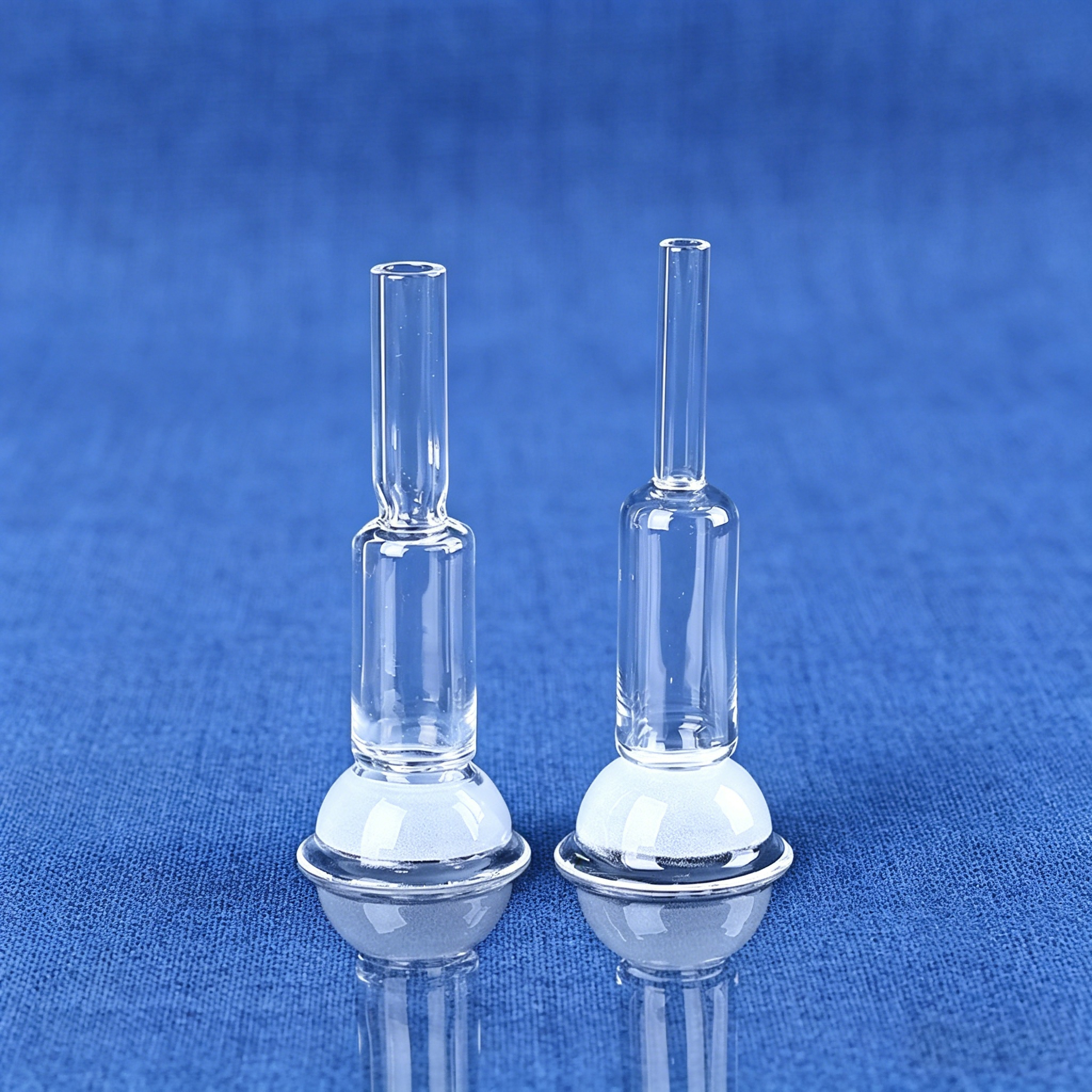
Custom High-Purity C-Shaped Micro BET Analyzer Tube
Specialized C-form capillary quartz glass tubing manufactured via oxy-hydrogen precision bending and diamond cutting. Built for high-vacuum gas sorption analyzers (BELSORP / Micromeritics).
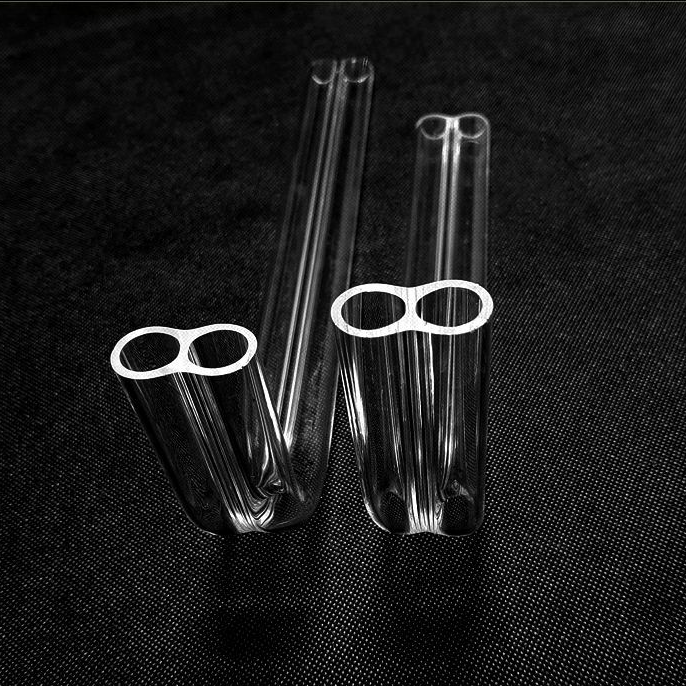
1100°C Fused Quartz Double-Tube Right-Angle Elbow
Dual-jacketed quartz fluidic elbow for CVD process exhaust and corrosive gas transport. Engineered with ozone-free silica to prevent devitrification and thermal expansion fatigue at peak process heat.
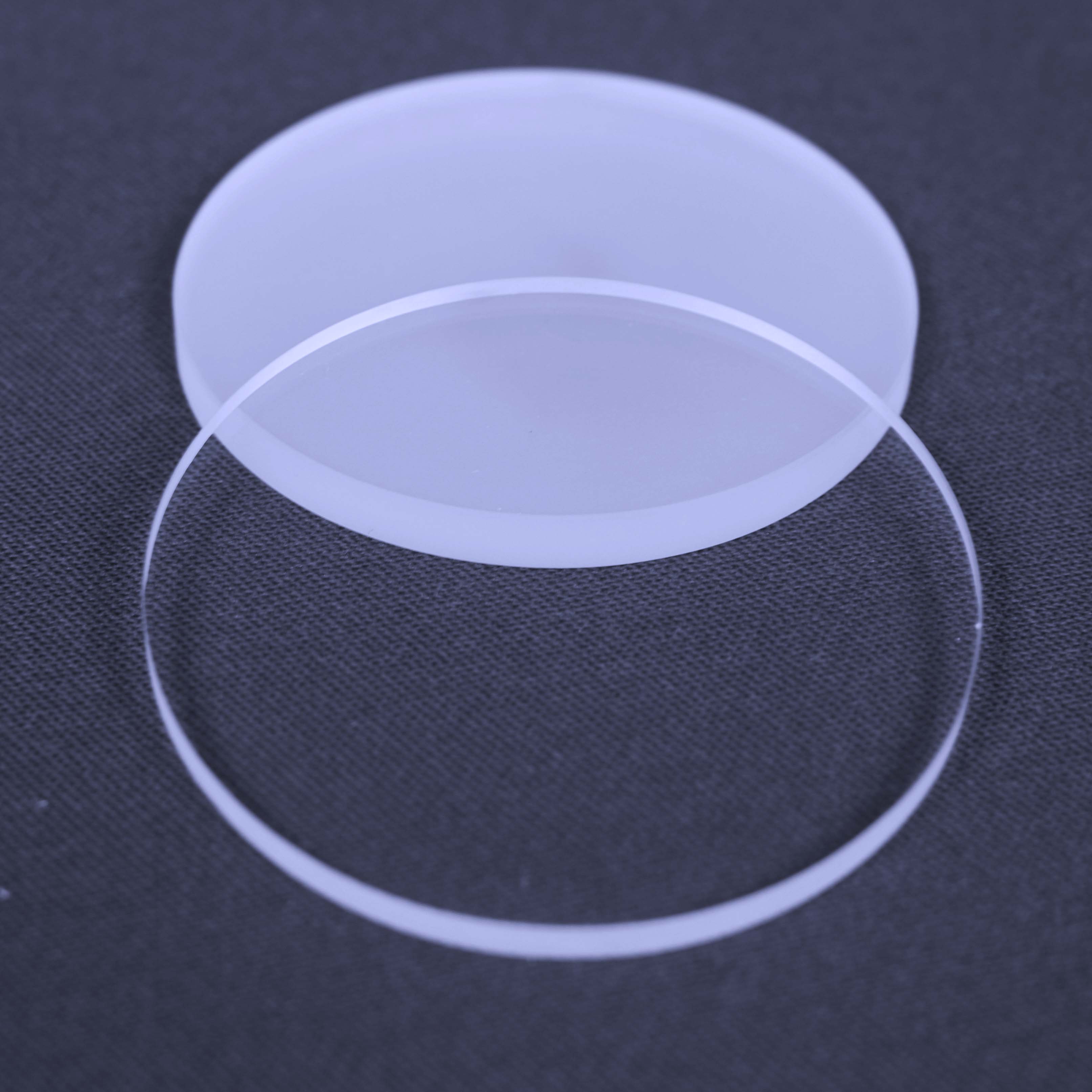
Zero-Background XRD High-Transmittance Sample Holder
Ultra-low background noise single-crystal orientation cut or pure amorphous fused silica disc. Delivers outstanding signal-to-noise ratio in X-Ray Diffraction phase qualitative and quantitative tests.
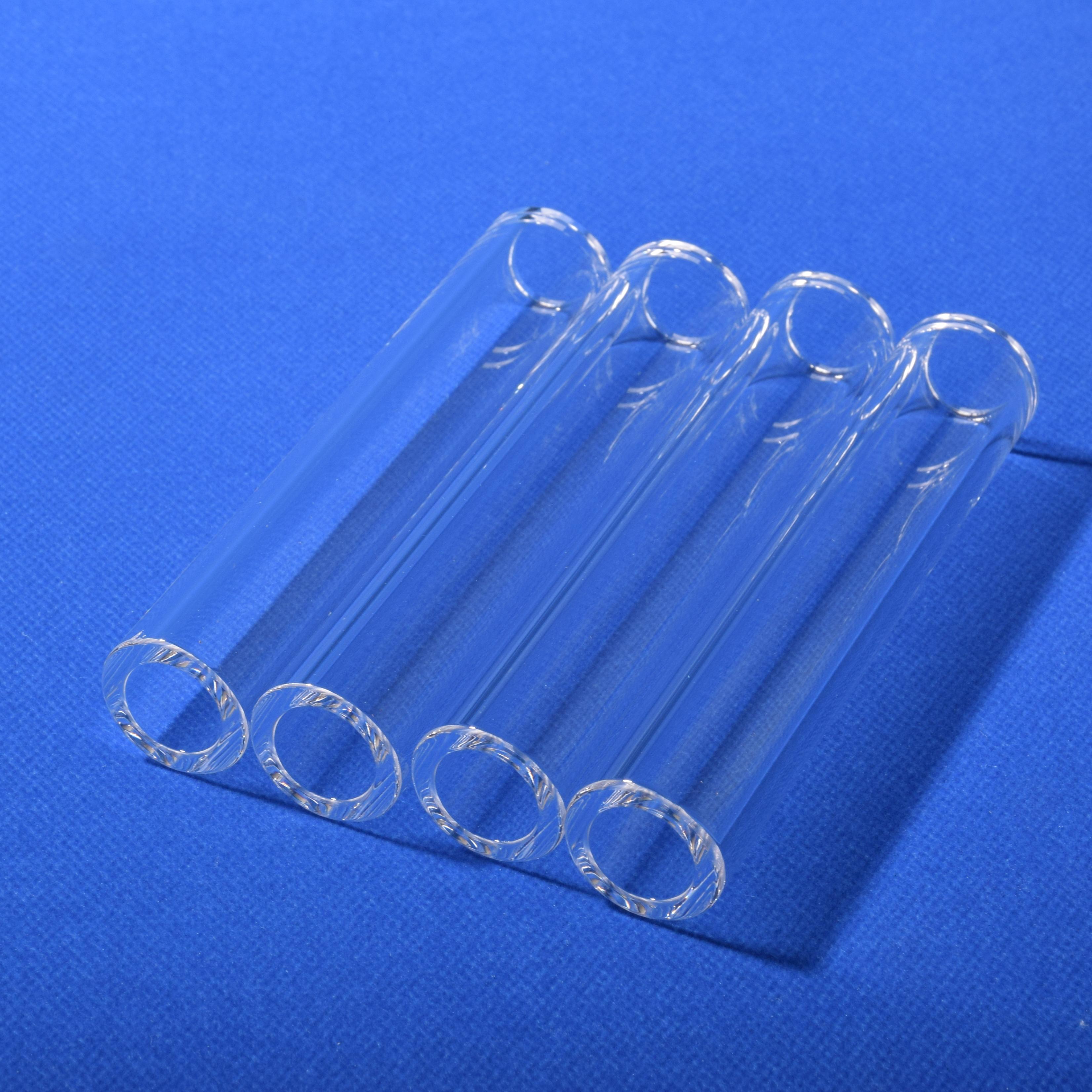
SJ-150 Oversized Heavy-Wall Polished Quartz Tube
Large-diameter, thick-walled fused quartz process tube (OD up to 800 mm). Precision-flanged and annealed to resist mechanical vacuum pressure and eliminate thermal sagging inside diffusion furnaces.
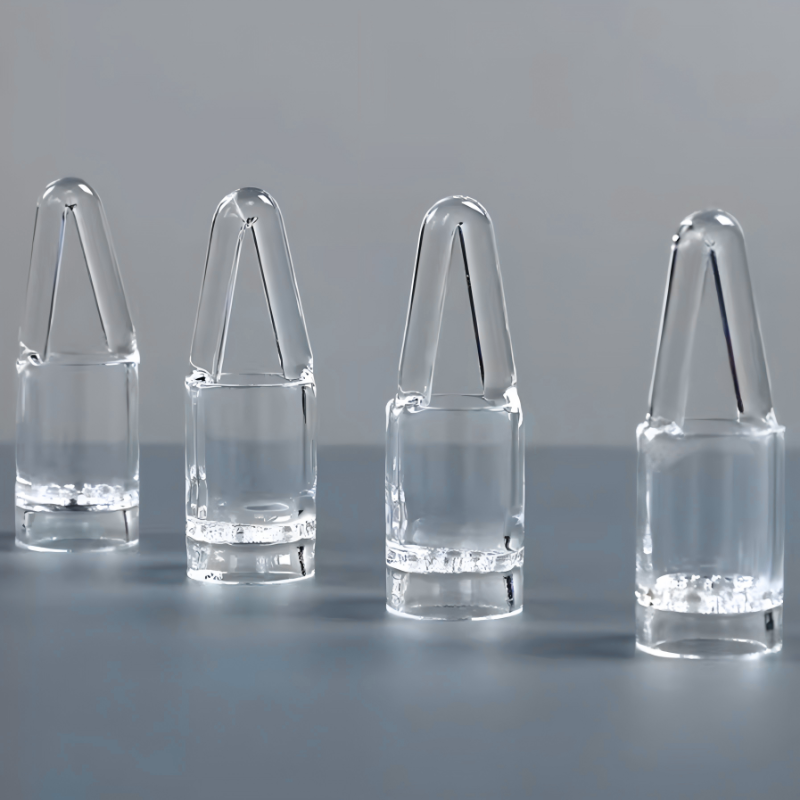
Acid/Alkali Resistant Fused Quartz Crucible & Basket
Thermal shock-proof quartz melting crucibles, porous mesh baskets, and cylindrical dome-bottom beakers. Essential for high-purity rare-earth sintering, silicon ingot melting, and chemical calcination.
Engineering Architecture of Synthetic Quartz Glass
A comprehensive analysis of chemical vapor deposition silica vs. natural crystal fusion for procurement engineers, QA managers, and semiconductor process integrators.
In modern high-precision industries—most notably semiconductor wafer lithography, deep-ultraviolet (DUV/EUV) laser optics, and chemical vapor deposition (CVD) processing—the choice of quartz glass substrates directly impacts production yields, optical transmission efficiency, and chemical corrosion life cycles. As China’s preeminent manufacturer and verified exporter situated in Donghai County (the global epicenter of silicon raw materials), Lianyungang Vulra Quartz Products Co., Ltd. provides global buyers with authoritative guidance on quartz substrate selection.
While standard fused quartz is manufactured through the high-temperature electric arc or oxy-hydrogen gas melting of natural crystalline silica sand (yielding purity levels between 99.99% and 99.999% SiO₂), Synthetic Fused Silica (Synthetic Quartz Glass) is synthesized through chemical vapor deposition processes, specifically via the flame hydrolysis or plasma-assisted oxidation of silicon tetrachloride (SiCl₄) or organic silane precursors such as octamethylcyclotetrasiloxane (OMCTS). This vapor-phase chemical synthesis completely bypasses geological rock mineral contaminants, yielding an amorphously perfect silicon dioxide matrix with total metallic impurity levels below 0.1 parts per million (ppm), total elimination of bubble and particulate inclusions, and pristine transmission reaching down into the deep ultraviolet spectrum at 185 nm and 193 nm (ArF excimer laser line).
Core Engineering Rule: When your process involves wavelengths below 260 nm, intense laser fluence exceeding 5 J/cm², or aggressive halogen plasma chemistry (NF₃, CF₄, Cl₂), synthetic quartz glass is mandatory to avoid rapid solarization, color center formation, and bubble-induced micro-fracturing.
| Material Property Parameter | Synthetic Quartz (Chemical Vapor CVD) | Natural Fused Quartz (Electric Arc Melted) | Natural Fused Quartz (Gas Flame Melted) | Industrial Borosilicate Glass |
|---|---|---|---|---|
| Chemical Purity (SiO₂ Weight %) | ≥ 99.9999% (6N Purity) | 99.99% – 99.995% (4N–4.5N) | 99.995% – 99.999% (5N) | 80% – 81% (Contains B, Na, Al) |
| Total Metallic Impurities (Al, Fe, Ti, Na, K, Li) | < 0.1 ppm total | 15.0 – 25.0 ppm | 8.0 – 15.0 ppm | > 5,000 ppm |
| Hydroxyl (OH⁻) Ion Concentration | Grade A: < 1 ppm (Dry) | Grade B: > 1000 ppm | < 5 ppm – 30 ppm | 150 – 250 ppm | Not controlled |
| Deep UV Transmittance (T% @ 193 nm, 10mm) | ≥ 90.5% (Internal T ≥ 99.0%) | < 10% (Severe Cut-off) | < 30% (High Absorption) | 0% (Opaque below 300 nm) |
| Coefficient of Thermal Expansion (CTE, 20–320°C) | 0.52 × 10⁻⁶ / K | 0.55 × 10⁻⁶ / K | 0.54 × 10⁻⁶ / K | 3.3 × 10⁻⁶ / K |
| Softening Point (°C) | 1585°C – 1683°C | 1680°C – 1710°C | 1660°C – 1680°C | 820°C |
| Refractive Index Homogeneity (Δn) | ≤ 1 × 10⁻⁶ (Class 0A Striae Free) | ≤ 2 × 10⁻⁵ | ≤ 1 × 10⁻⁵ | ≤ 1 × 10⁻⁴ |
| Excimer Laser Damage Threshold (193 nm, 20ns) | > 5.0 J/cm² (No Color Center Decay) | Rapid solarization / darkening | Unsuitable for high fluence | Catastrophic destruction |
The comparative data matrix illustrates that while high-temperature diffusion tubes for solar ingot pulling benefit economically from natural quartz glass (due to higher viscosity and slightly higher softening points from low hydroxyl content), optical instruments, semiconductor chamber viewports, and photocatalytic hydrogen production systems demand synthetic quartz. Synthetic fused silica ensures absolute optical isotropy, meaning polarized light passing through the glass suffers negligible birefringence (optical retardation < 2 nm/cm in our precision-annealed batches).
State-of-the-Art Processing in Donghai Crystal Hub
Integrating vertical supply chains with rigorous German TÜV Rheinland-audited quality management systems. From raw chemical synthesis to ultra-clean packaging.
Oxy-Hydrogen Lathe Working
Equipped with heavy-duty glass-blowing lathes capable of spinning tubes up to 800 mm in diameter. Our master glass blowers execute bubble-free seam welding, multi-port manifold bending, and customized ground-joint fusing with micrometer precision.
5-Axis Ultrasonic CNC Milling
Brittle quartz machining requires specialized high-frequency ultrasonic spindle vibration to eliminate micro-cracking and subsurface edge chipping. We routinely drill blind holes, cut micro-fluidic channels, and achieve step tolerances within ±0.005 mm.
Precision Optical Polishing
Utilizing double-sided planetary lapping and chemical mechanical polishing (CMP), our optical surfaces achieve surface roughness Ra < 0.5 nm, laser wavefront distortion of λ/10 @ 633 nm, and scratch/dig specifications of 20/10 per MIL-PRF-13830B.
Multi-Zone Annealing Ovens
Every welded component is subjected to a programmable 48-hour thermal annealing cycle up to 1180°C followed by a controlled 1.5°C/min cooling ramp. This relieves internal shear stress, eliminating spontaneous explosion risks during high-vacuum thermal cycling.
Semiconductor Cleanroom Leaching
Post-fabrication parts undergo ultra-pure nitric (HNO₃) and hydrofluoric (HF) acid chemical de-smearing followed by 18.2 MΩ·cm deionized (DI) water ultrasonic cascading rinse in an ISO Class 5 (Class 100) cleanroom environment prior to vacuum packaging.
TÜV Verified & Export Certified
Our manufacturing infrastructure is on-site audited and verified by TÜV Rheinland. Our export facilities adhere fully to RoHS hazardous substance compliance, CE conformity, and utilize customs-certified suspended wooden crates with shock indicators.
Future Procurement Trends in Synthetic Quartz (2025–2030)
Navigating supply chain disruptions, geopolitical material constraints, and the technological migration toward sub-3nm node fabrication.
The global quartz glass ecosystem is experiencing a profound paradigm shift driven by three primary catalysts: the escalation of advanced semiconductor lithography into extreme ultraviolet (EUV) regimes, the global transition to third-generation compound semiconductors (Silicon Carbide SiC and Gallium Nitride GaN), and aggressive ESG mandates targeting energy consumption in quartz melting operations. Procurement teams and engineering directors must account for the following emerging procurement realities:
Transition to 6N/7N Synthetic Silica
As wafer fab nodes shrink below 3nm, microscopic micro-bubbles (< 10 μm) and trace metallic impurities (such as alkali ions Na and K) present in natural quartz cause dielectric breakdown and wafer contamination. Top-tier chipmakers are formally replacing natural quartz furnace liners with chemical vapor synthetic silica.
Demand for Zero-OH (< 1 ppm) Silica
In high-power industrial fiber lasers and near-infrared (NIR) spectroscopy, absorption peaks around 1380 nm and 2720 nm caused by hydroxyl (OH⁻) radicals cause severe thermal lensing. Chinese synthetic factories have developed soot remelting and chlorine plasma dehydroxylation to deliver dry synthetic quartz at competitive prices.
China Cost Advantage & Supply Security
Historically dominated by Western and Japanese conglomerates, synthetic quartz glass production in China has reached technical parity. Donghai manufacturers provide a 30% to 45% procurement cost reduction and lead-time compressions from 24 weeks down to 3–5 weeks, insulating international buyers from supply-chain choke points.
Green Precursors (Halogen-Free Synthesis)
Driven by stringent carbon neutrality regulations, leading synthetic quartz facilities are replacing corrosive silicon tetrachloride (SiCl₄)—which generates hazardous hydrochloric acid gas—with chlorine-free organosilicon precursors (OMCTS), producing sustainable, optical-quality quartz glass.
Technological Roadmap: From Raw Soot to Nanometer Tolerances
The manufacturing architecture for synthetic quartz glass relies on either Direct Flame Hydrolysis or Vapor-phase Axial Deposition (VAD). In the direct method, gaseous precursors are fed into oxy-hydrogen burner nozzles where they react at temperatures exceeding 1900°C:
SiCl₄ + 2H₂ + O₂ → SiO₂ (solid glass ingot) + 4HCl (gas)
The molten synthetic silica builds up continuously into a monolithic, bubble-free cylindrical ingot. For optical grades requiring zero hydroxyl absorption, the two-step soot remelting process is deployed: silica particles (soot) are first deposited at low temperatures into a porous boule, dehydrated inside an anhydrous chlorine/fluorine atmosphere at 1100°C, and subsequently vitrified in an electric vacuum furnace at 1500°C. The resulting glass offers internal transmission exceeding 99.9% across both UV and infrared ranges.
Frequently Asked Questions by International Buyers
Straightforward technical and commercial answers directly from our chief glass metallurgists and international export documentation team.
What distinguishes Synthetic Quartz from Natural Fused Silica in daily operations?
The difference lies in raw material source and metallic contamination. Natural fused quartz is melted from refined rock crystal and contains 10–30 ppm of metallic impurities, causing UV absorption below 240 nm. Synthetic quartz is synthesized from distilled chemical vapors, reaching 99.9999% purity with < 0.1 ppm impurities, making it transparent down to 185 nm and resistant to laser darkening.
What is the absolute maximum thermal operating limit before devitrification occurs?
Our high-purity quartz products support continuous long-term service at 1100°C and short-term thermal excursions up to 1450°C. The softening point is 1683°C. Devitrification (conversion back to cristobalite crystalline phase) is catalyzed by surface alkali contamination; keeping quartz surfaces clean ensures stable high-temperature operational lifespans.
Why should process chambers choose Ozone-Free Quartz Glass?
Standard pure silica transmits the deep 184.9 nm mercury resonance line which converts ambient oxygen (O₂) into toxic, highly corrosive ozone gas (O₃). Ozone-free quartz glass is doped with trace titanium dioxide (TiO₂) during chemical synthesis to completely attenuate UV transmission below 220 nm while maintaining 90%+ transmission at 253.7 nm.
What is your Minimum Order Quantity (MOQ) and rapid prototype turn-around?
We support research labs, pilot plants, and OEM machine builders with a flexible 1-piece MOQ for custom quartz plates, CNC machined blocks, reaction flasks, and furnace tubes. Standard custom prototypes ship within 7 to 10 working days, while emergency semiconductor fab replacements can be expedited in 72 hours.
How do you safeguard fragile, long-dimension quartz against export transit breakage?
We deploy an engineered five-tier export packaging system: 1) Cleanroom PE vacuum sealed bags, 2) Custom form-fit high-density polyethylene foam padding, 3) Individual triple-wall corrugated boxes, 4) Heavy-duty fumigated plywood crates with steel reinforcement bands, and 5) Exterior international ShockWatch and TiltWatch impact sensors.
What quality inspection certifications and metrology reports accompany shipments?
Every production batch leaves our facility with a comprehensive Quality Inspection Certificate comprising: ICP-MS trace metal analysis certificates, Zygo laser interferometer surface flatness profiles, spectrophotometer UV-Vis-NIR transmission curves, CMM dimensional measurement sheets, and TÜV Rheinland factory audit verifications.