Precision Fused Quartz & Silica Product Showcase
Manufactured from our integrated Donghai production base, our CE-certified fused silica sheets, cover slips, and custom lab vessels undergo strict interferometric and spectrophotometric verification to satisfy demanding micro-analytical and semiconductor criteria.
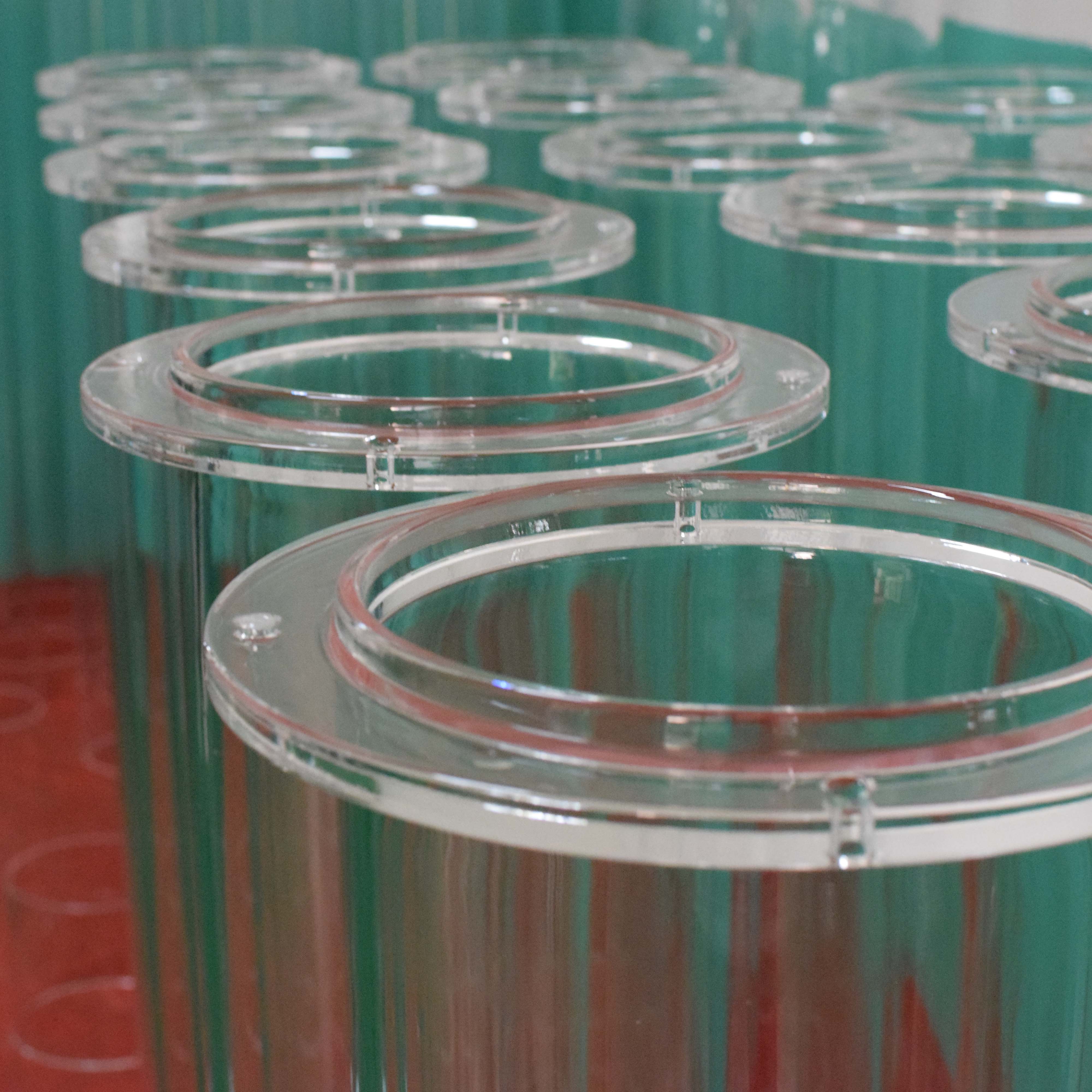
High Purity 99.999% Single Crystal Quartz Tube Flange
Re-feeder container with precision-welded vacuum flange, flame-polished surface, and zero ozone emission under vacuum thermal cycles.
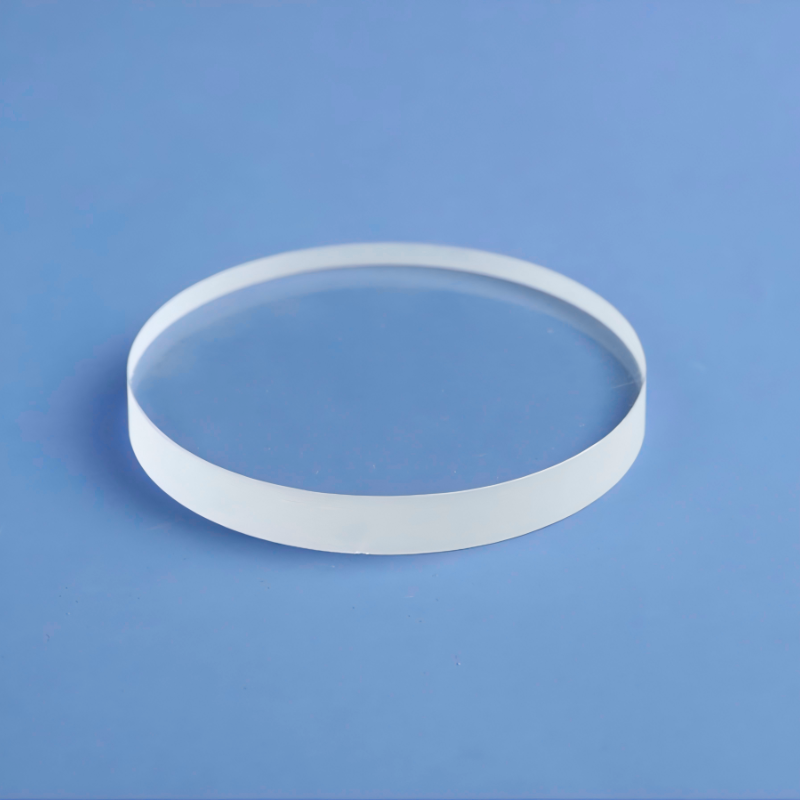
Fused Silica Sheets & Clear Sapphire Quartz Tablets
Customizable dimension optical tablets, chemical mechanical polished (CMP) for ultra-flat inspection windows and laser cover plates.
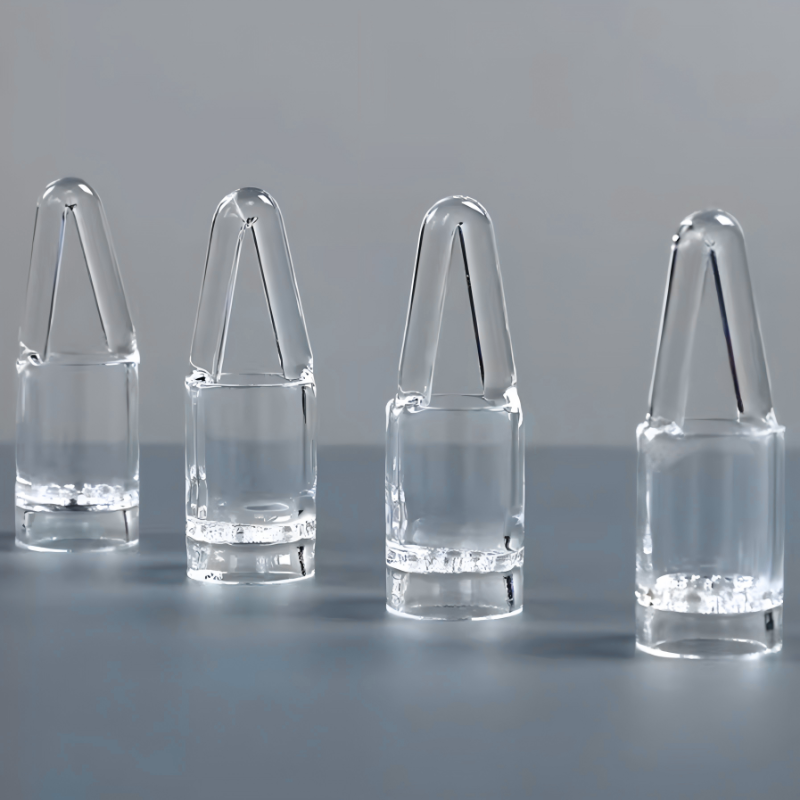
Acid/Alkali Resistant Quartz Crucible & Basket
Dome closed-end, 200-mesh refractory quartz beaker designed for acid digestion, high-purity metallurgy, and molten salt immersion.
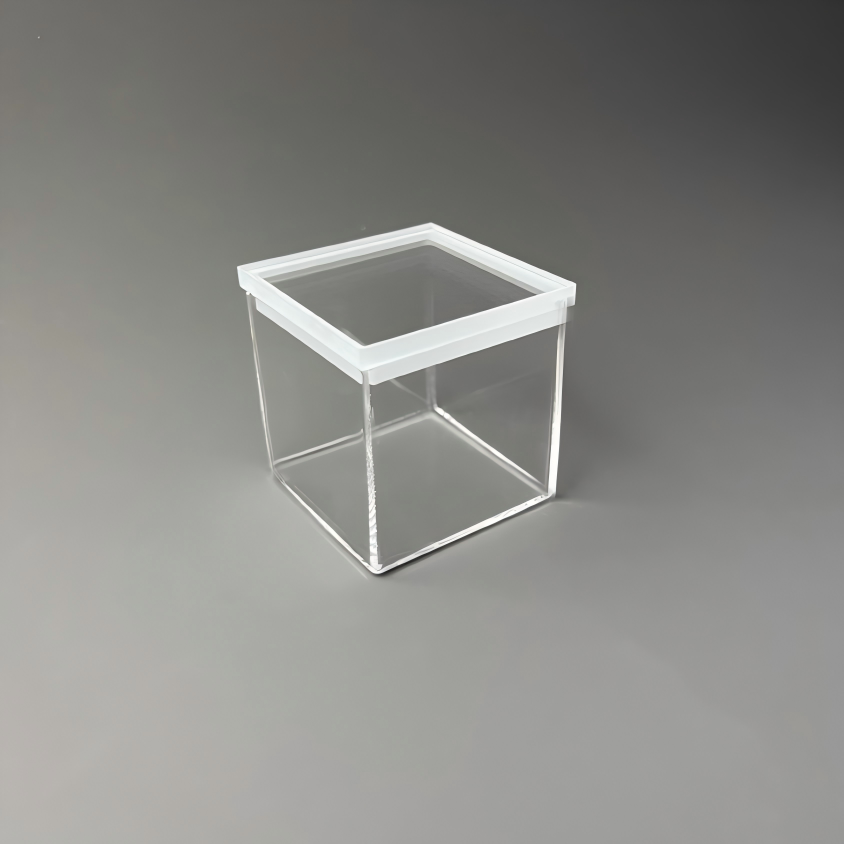
Sealed Photoelectrochemical Quartz Reaction Cell
Dome closed-end photocatalytic reaction chamber with high UV-transmittance optical inspection ports and hermetic port seals.
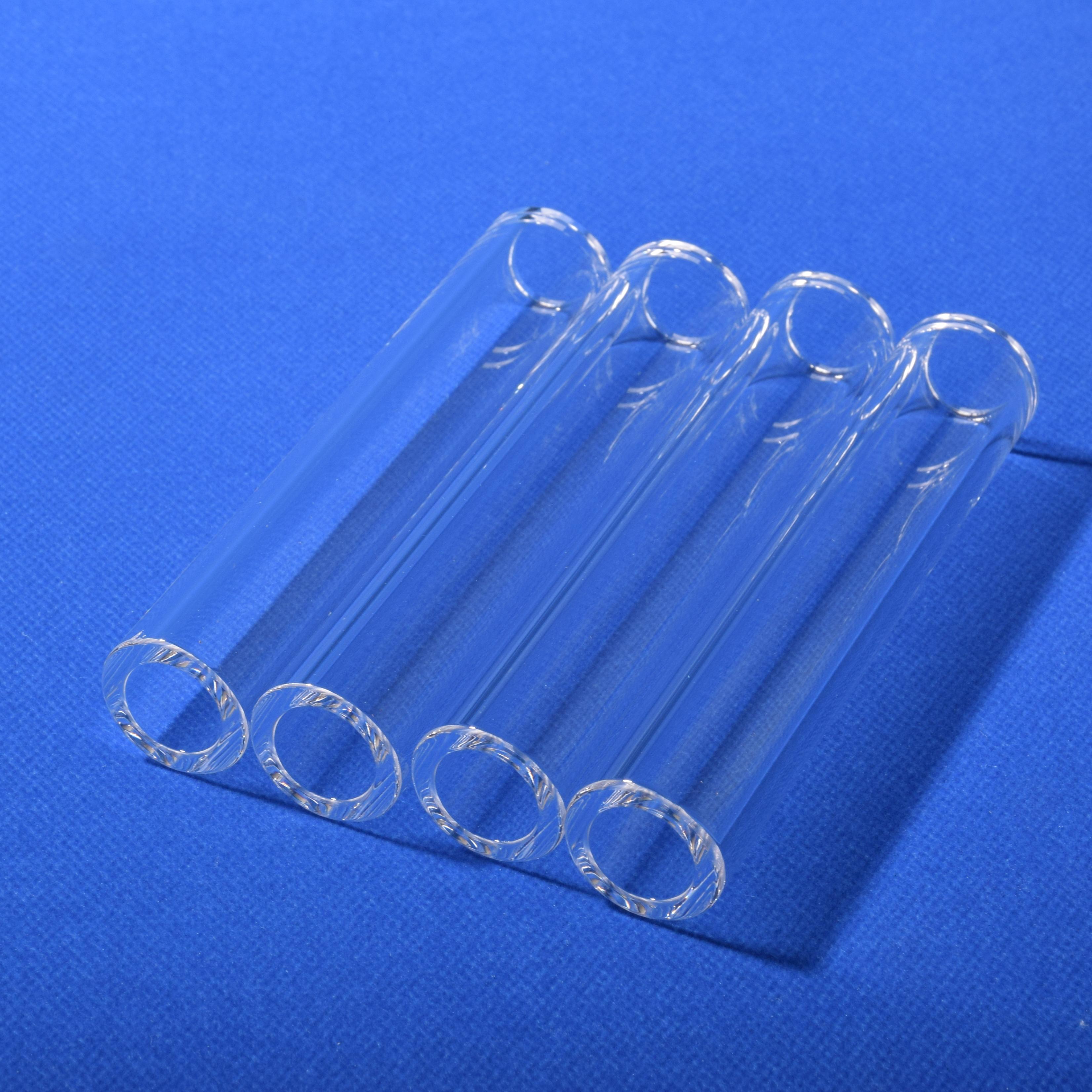
SJ 150 Heavy-Wall Polished Quartz Furnace Tube
Oversized translucent thick-wall process tube engineered for 1100°C horizontal tube furnaces, CVD reactors, and semiconductor annealing.
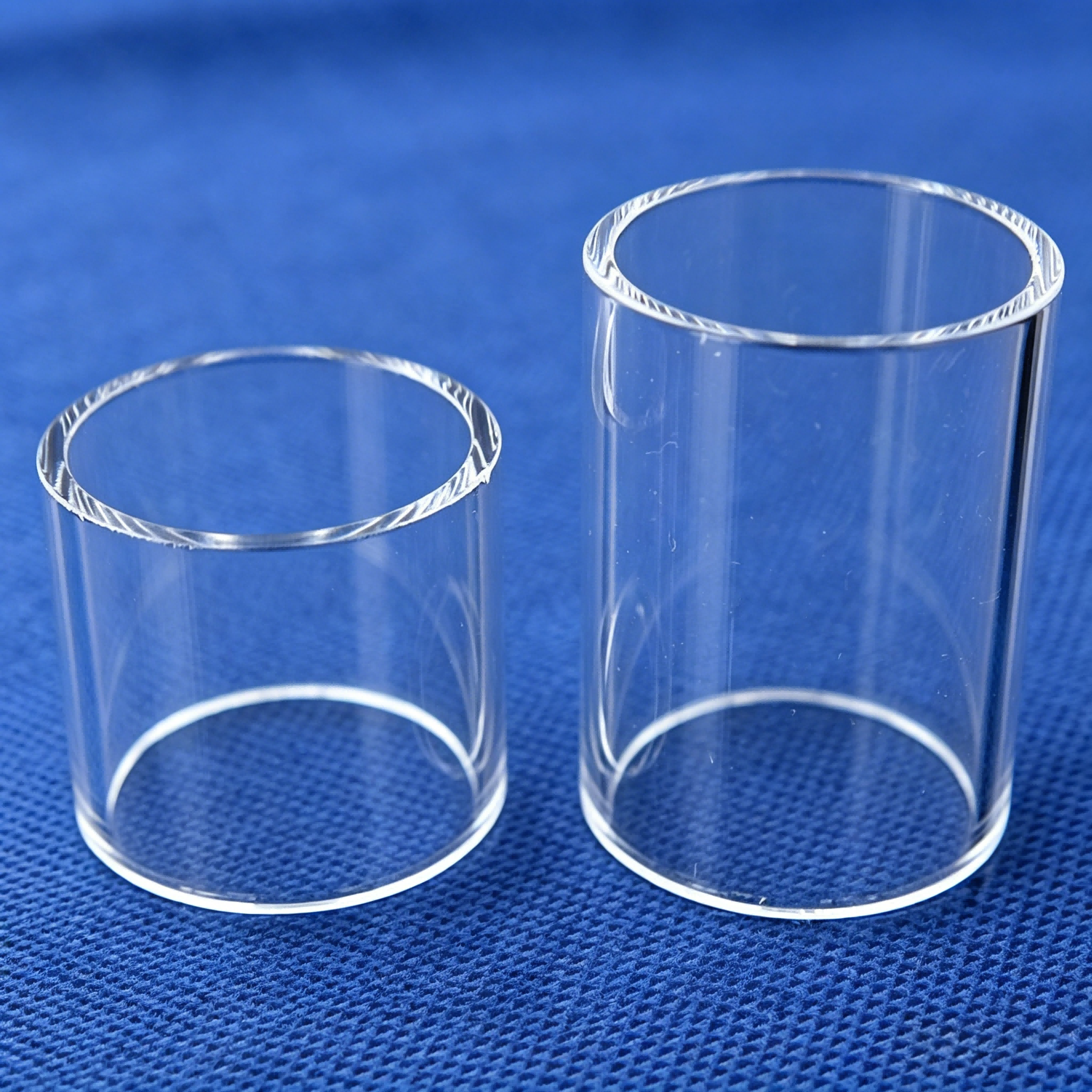
Custom Twin-Tube Quartz Heat Exchanger Pipe
Engineered twin-tube configuration with tight CNC-machined bends, diamond-ground joints, and zero internal micro-fissure welding.
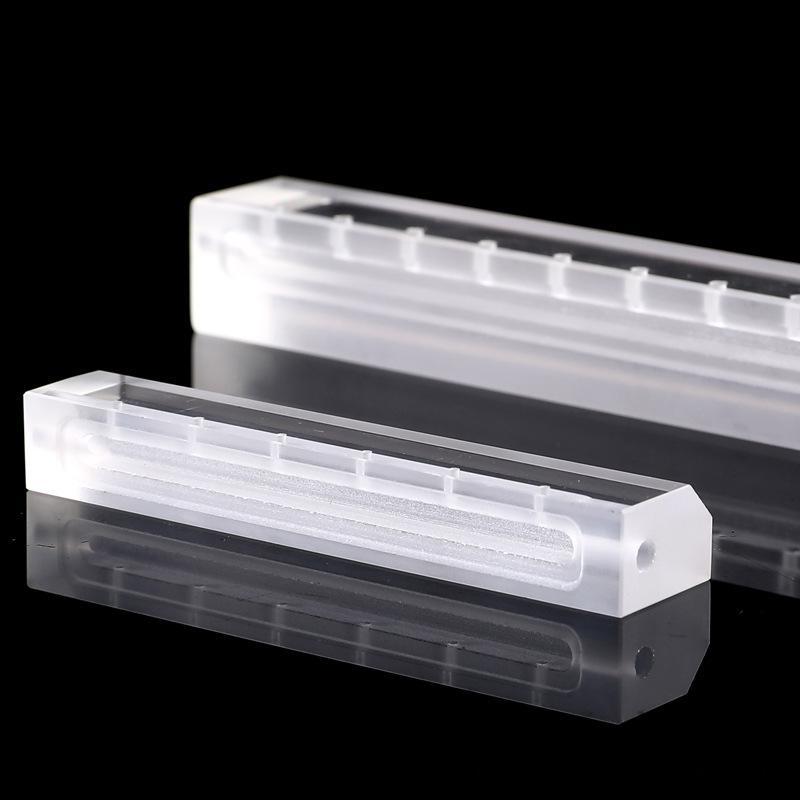
Ultra-Thin Optical Quartz Cover Slips (SJ 077)
Precision circular & square cover slips down to 0.10 mm thickness. Ideal for confocal fluorescence microscopy, TIRF, and cell bio-imaging.
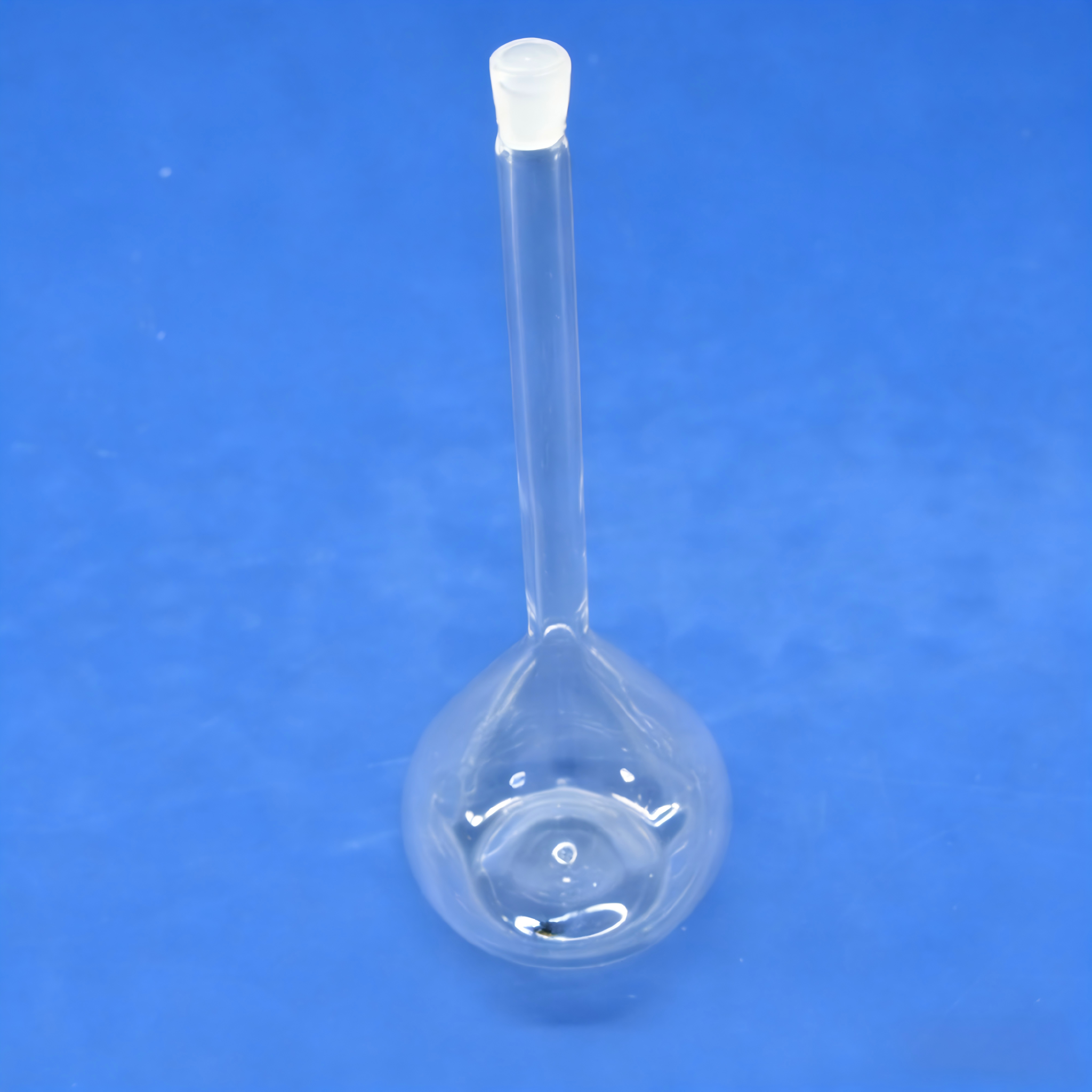
Custom High-Purity Quartz Glass Ampoules & Flasks
Flame-sealed, vacuum-tight ampoules and distillation glassware designed for analytical trace-element sampling and cryogenic preservation.
Material Physics & Critical Advantages of Fused Quartz Cover Slips
In high-resolution fluorophore detection, deep ultraviolet spectroscopy, and semiconductor laser diagnostics, the substrate material fundamentally dictates the signal-to-noise ratio. Fused quartz ($SiO_2$) outperforms standard borosilicate and soda-lime glass across every optical, thermal, and mechanical parameter.
Deep-UV Transparency Down to 170 nm
Standard microscope cover slips (such as Schott D263 or generic borosilicates) exhibit severe absorption bands starting below 320 nm, rendering them completely opaque in the DUV/UV-C spectrum. Our synthetic fused silica cover slips provide greater than 90% transmission down to 170 nm, empowering real-time nucleic acid quantification, UV laser ablation tracking, and 193 nm/248 nm photolithography metrology without edge-scatter attenuation.
Negligible Autofluorescence in Single-Molecule TIRF
Under continuous excitation from 355 nm, 405 nm, and 488 nm solid-state lasers, commercial glass substrates generate intrinsic luminescence that obscures weak fluorophores. Vulra fused quartz cover slips feature metallic cation impurities (Fe, Ti, Al) below 0.1 ppm. This near-zero baseline autofluorescence ensures exceptional photon counting contrast in Super-Resolution STORM, PALM, and Single-Molecule Real-Time (SMRT) sequencing architectures.
Extreme Thermal Shock Immunity (CTE 5.5×10⁻⁷/K)
With a coefficient of thermal expansion nearly 20 times lower than standard float glass, our fused quartz slides endure rapid temperature deltas exceeding 1000°C without crack propagation. Research teams routinely transfer sample slides directly from cryogenic LN2 chambers (-196°C) into heating stages (+600°C) during in-situ X-ray diffraction (XRD) and Raman spectroscopy sweeps without loss of parallelism or structural integrity.
| Substrate Parameter | Vulra Synthetic Fused Silica (J-Grade) | High-Purity Natural Fused Quartz | Borosilicate Cover Glass (D263) | Soda-Lime Standard Glass |
|---|---|---|---|---|
| Transmission Range (T > 85%) | 170 nm – 2600 nm | 220 nm – 2500 nm | 330 nm – 2200 nm | 380 nm – 2000 nm |
| Autofluorescence (365 nm Excitation) | Undetectable (< 0.01 cps) | Extremely Low (< 0.05 cps) | Moderate to High | Severe / Strong Background |
| Softening Point (°C) | 1683 °C | 1665 °C | 725 °C | 570 °C |
| Linear Thermal Expansion (CTE, 10⁻⁷/K) | 5.5 | 5.5 | 72.0 | 90.0 |
| Refractive Index ($n_d$ at 589.3 nm) | 1.4585 | 1.4584 | 1.5230 | 1.5180 |
| Total Trace Metals Impurity (ppm) | < 0.5 ppm | < 10 ppm | Doped / Alkali-rich | High Sodium/Calcium Matrix |
| Hydrolytic & Acid Resistance | ISO 719 Class HGB 1 (Inert) | ISO 719 Class HGB 1 (Inert) | Class HGB 1 | Class HGB 3 (Leaches alkali) |
Integrated Engineering & Verified Supply Chain Advantage
Operating from Lianyungang Donghai County — the globally recognized hub for crystalline quartz processing — Vulra Quartz integrates raw silica refinement, high-temperature thermal glassblowing, diamond cold-grinding, and cleanroom vacuum packaging into an unbroken quality lifecycle.
TÜV Rheinland Audited
Our production premises, registered business status, and quality management systems are independently audited on-site by TÜV Rheinland, providing risk-free factory authentication for procurement directors.
Drawing-Based OEM/ODM
Whether you require sub-millimeter thickness steps (0.08 mm to 0.50 mm), circular CNC bevelling, laser-drilled microfluidic via holes, or stepped edges, our engineering team manufactures to your exact CAD/DWG tolerances.
1-Piece Prototype Agility
Eliminate costly initial procurement risk. We support R&D labs and specialized optics OEMs with custom wafer and cover slip prototypes starting from 1 piece, transitioning smoothly into recurring scheduled supply contracts.
Cleanroom Pack & Zero Scratch
Every optical cover slip undergoes ultrasonic pure DI-water degreasing, cleanroom Class 100 particle inspection, lens tissue interleaving, and vacuum-sealed nitrogen purged packaging to prevent inter-plate rubbing.
Future Procurement Trends in Quartz Substrates (2025–2032)
Strategic sourcing directors in analytical equipment, advanced packaging, and biophotonics must align procurement strategies with evolving technological parameters. Below is our industry analysis of the critical forces reshaping the quartz and fused silica market.
1. Nanoscale Flatness for Super-Resolution Microscopy
With the commercialization of STED, MINFLUX, and automated light-sheet fluorescence systems, traditional cover slip waviness introduces unacceptable spherical aberration. Global laboratories are migrating rapidly toward No. 1.5H (170 µm ± 5 µm) precision cover slips made exclusively of fused silica. Sourcing contracts are explicitly mandating Total Thickness Variation (TTV) < 2 µm and wavefront distortion below $\lambda/10$, forcing manufacturers without optical double-sided CMP capabilities out of tier-one research supply chains.
2. Optofluidic Biochips & Monolithic Flowcells
Next-generation DNA sequencers and liquid biopsy analyzers are phasing out multi-component PDMS-glass assemblies due to chemical leaching and swelling. Instead, engineers are demanding monolithic synthetic fused silica cover slips with ultrasonic micro-milled fluid channels, picosecond laser-drilled inlet ports, and direct molecular wafer bonding. Sourcing teams are bundling flat quartz slip supply directly with laser micro-machining and low-temperature sealing partners to compress sub-assembly lead times.
3. Semiconductor Heterogeneous Integration & Carrier Wafers
The push toward 2.5D/3D chiplet architectures and Fan-Out Wafer-Level Packaging (FOWLP) has triggered exponential demand for high-transmission quartz temporary carrier substrates. Because fused quartz retains structural rigidity across extreme solder-reflow cycles (260°C) and facilitates high-throughput UV laser debonding (308 nm / 355 nm), fabs are securing multi-year bulk capacity contracts for precision polished 200 mm and 300 mm quartz plates.
Need Custom Quartz Cover Slips or Windows to Engineering Print?
Submit your 2D/3D technical drawings (tolerance, thickness grade, surface scratch/dig rating). Our application engineering team will deliver a comprehensive DFM feasibility review and formal quote within 12 hours.
Frequently Asked Questions for Quartz Procurement
Direct answers from our senior materials scientists and export compliance officers addressing quality verification, optical performance, and international logistics.
What is the optical difference between J-Grade Synthetic Silica and Natural Fused Quartz?
Natural fused quartz is melted from high-grade natural silica crystal sand ($99.99\%+ SiO_2$). It offers outstanding broad-spectrum thermal and acid performance from 220 nm to 2500 nm. Synthetic fused silica (J-Grade) is synthesized through chemical gas phase hydrolysis ($SiCl_4 + 2H_2 + O_2 \rightarrow SiO_2 + 4HCl$), yielding higher chemical purity ($99.9999\%$) with virtually zero bubble count and superior deep-UV transmission down to 170 nm, making it essential for excimer lasers and sub-300 nm bio-imaging.
What thickness standards and dimensional tolerances do you supply for cover slips?
We manufacture all global standard thickness codes: #0 (0.08–0.12 mm), #1 (0.13–0.16 mm), #1.5 (0.16–0.19 mm), #1.5H High-Precision (0.170 ± 0.005 mm), and #2 (0.19–0.23 mm), alongside heavy industrial substrate slabs from 0.5 mm up to 20 mm. Dimensional tolerances on length, width, or diameter can be held to ±0.05 mm via diamond CNC profiling, with parallelism maintained within < 1 arcminute.
Can fused quartz cover slips be reused after aggressive acid and piranha cleaning?
Yes. Unlike standard borosilicate glass which slowly leaches boron, sodium, and aluminum ions—leading to surface cloudiness when exposed to Piranha solutions ($H_2SO_4 + H_2O_2$) or hot aqua regia—fused quartz is chemically unreactive against all mineral acids (with the single exception of hydrofluoric acid $HF$). Researchers routinely regenerate and reuse our quartz cover slips through repeated ultrasonic acid cleans and high-temperature furnace bake-outs ($500^\circ C$) without optical degradation.
How do you verify surface flatness, scratch-dig, and wavefront distortion?
Every production batch intended for laser or microscopy optics is inspected under Zygo laser interferometers for surface figure accuracy ($\lambda/4$ or $\lambda/10$ at 632.8 nm). Scratch and dig ratings are verified to MIL-PRF-13830B standards (typically 40/20 standard, or 20/10 and 10/5 for advanced laser optics). Spectrophotometric transmission scans from 190 nm to 1100 nm can be provided with full lot traceability certificates upon shipment.
What is your minimum order quantity (MOQ) and sample turnaround time?
Because we maintain on-site raw fused silica ingot stocks and automated precision slicing machines, our MOQ for custom-dimension prototypes is just 1 piece. Rapid prototyping orders typically ship within 5 to 7 business days following engineering drawing sign-off. High-volume repetitive production runs benefit from locked blanket-order schedules with tiered volume pricing.
How is breakable ultra-thin quartz packaged to guarantee safe export freight?
We employ a specialized multi-tier protective packaging system. Thin slips are individually separated by chemical-free optical tissue or static-dissipative cleanroom gel-boxes, hermetically vacuum-sealed in moisture-barrier aluminum foil packets, suspended within multi-layer shock-absorbent high-density EVA foam, and crated in impact-resistant reinforced export wooden cases. We guarantee 100% intact arrival across all air express, door-to-door, and ocean consignments.
Partner with an Audited Leader in Advanced Quartz Engineering
Join hundreds of high-tech research centers, medical device innovators, and global semiconductor leaders who trust Vulra Quartz for mission-critical quartz components. Experience true factory-direct pricing, certified material compliance, and dedicated technical consultation.