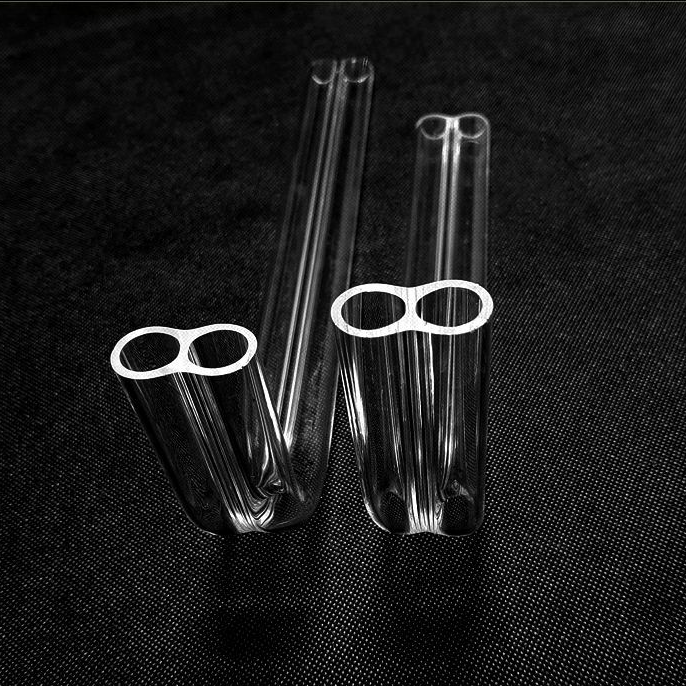
SJ 210 Twin Tube
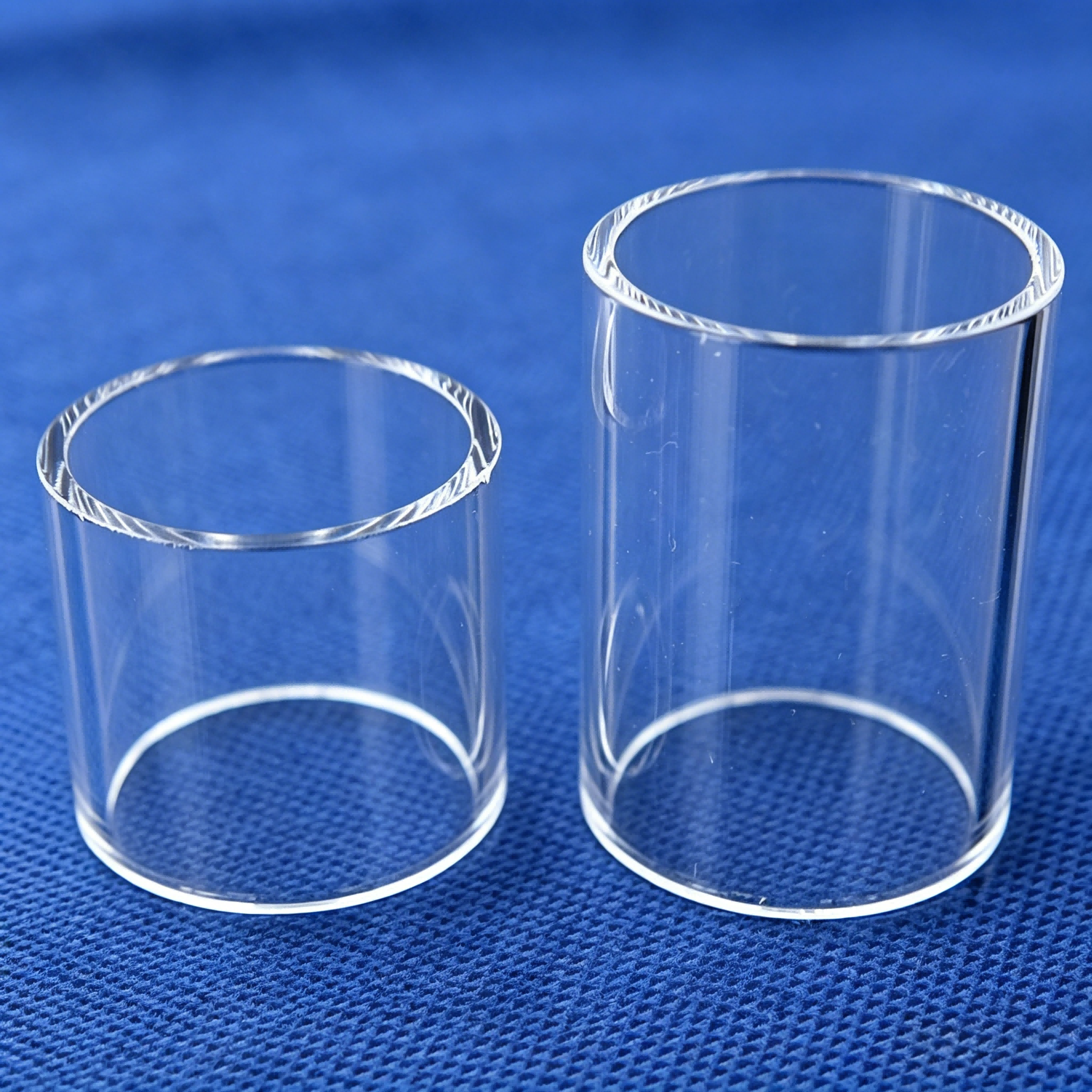
Custom High Temp Clear Quartz Glass Pipe | Twin Tube Polished SJ 210
1100°C Cont.
Custom Bending
Fire Polished
Engineered to meet DIN ISO 2768-m tolerances, our continuous electric-fused and flame-worked silica glass products are fully certified for Czech automotive testing, semiconductor synthesis, nanotech research, and chemical reactors.
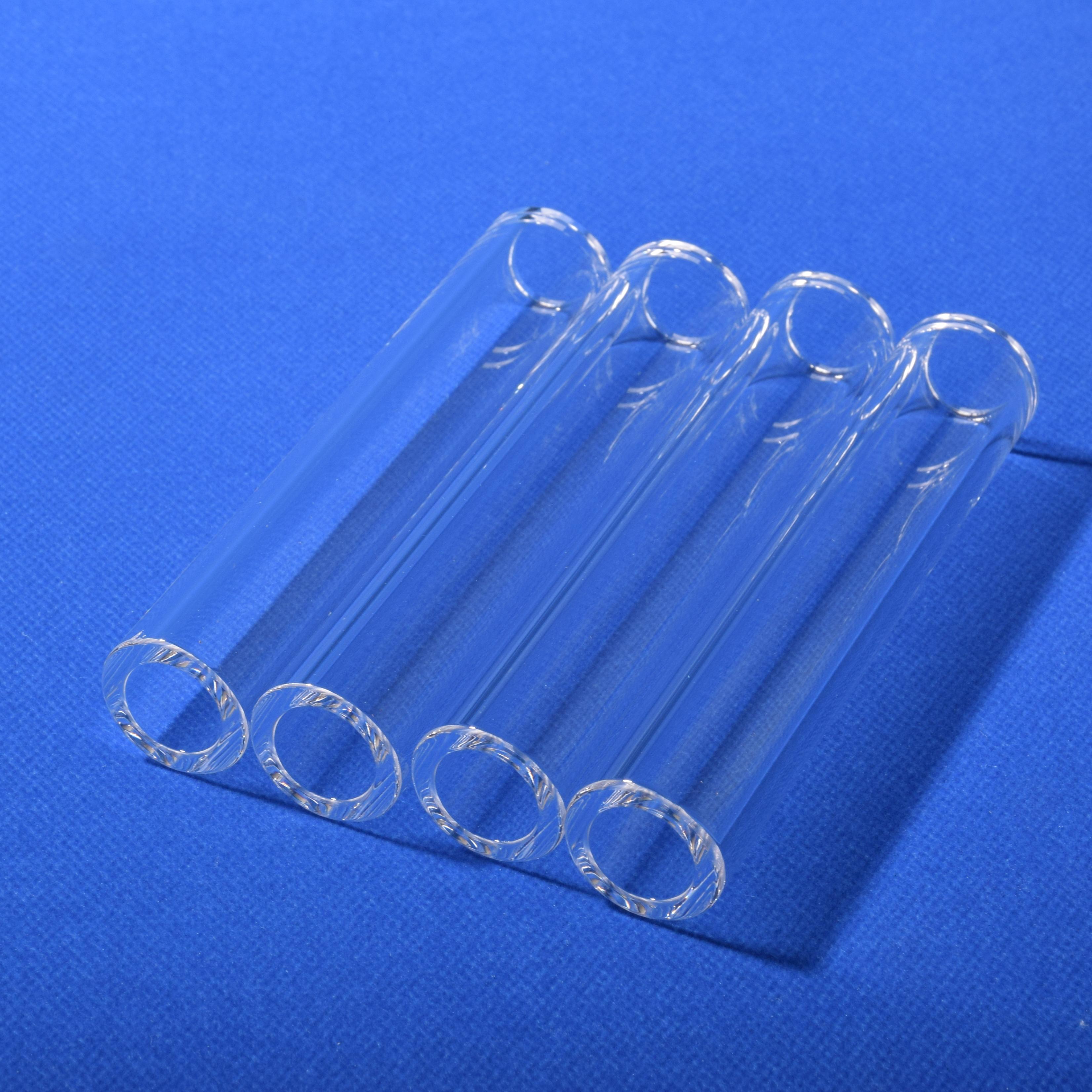
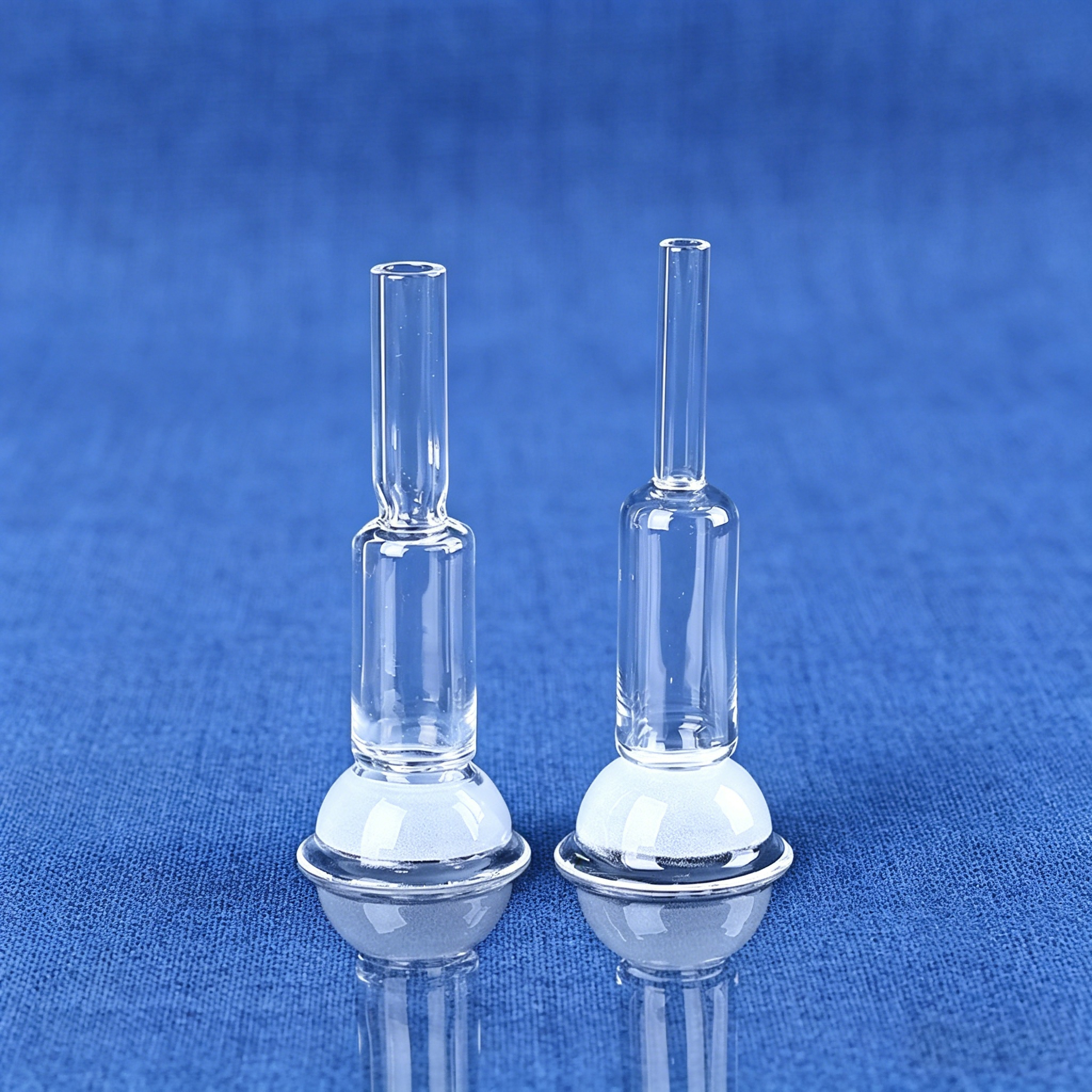
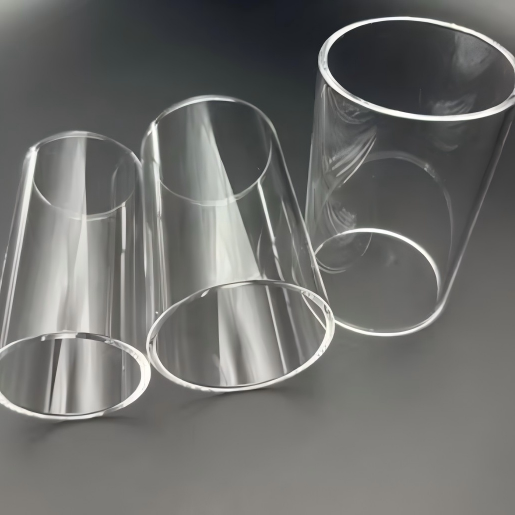
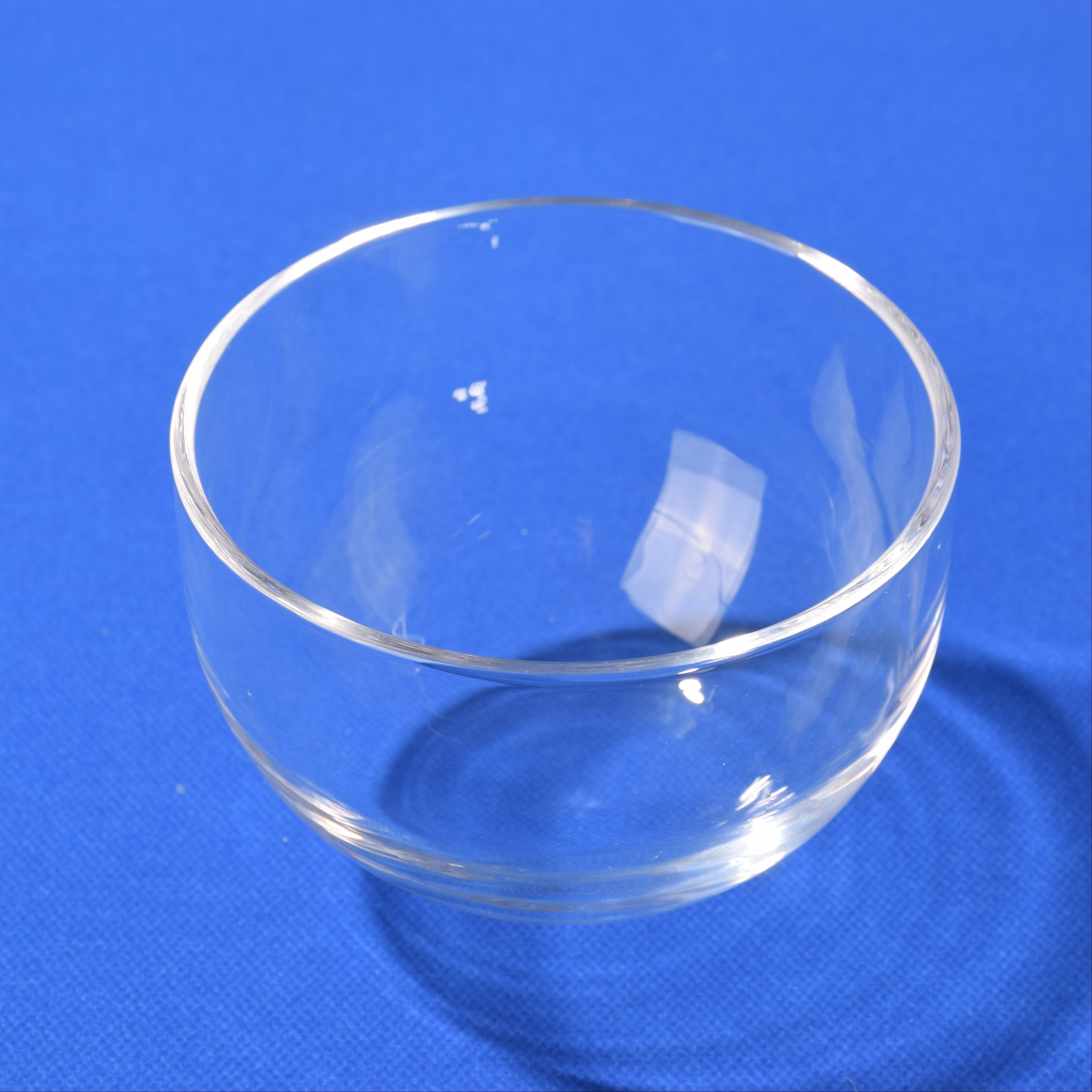
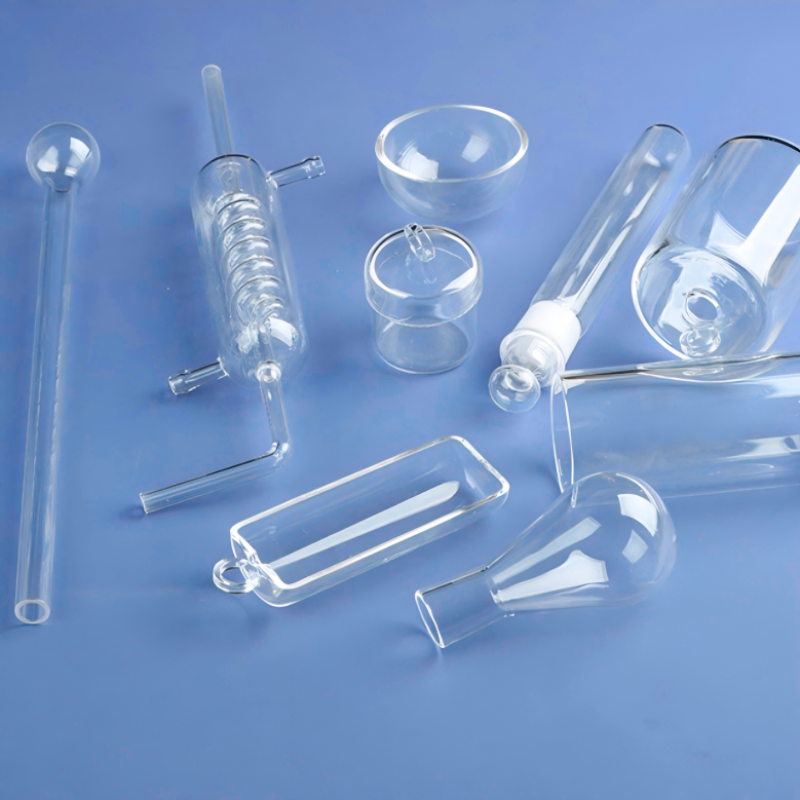
In high-specification manufacturing centers like Liberec, engineering requirements extend far beyond basic commercial glass parameters. Transparent fused quartz (amorphous silicon dioxide, SiO₂) produced at our Donghai manufacturing base represents an elite tier of glass technology characterized by zero-porosity tetrahedral bonding [SiO₄]⁴⁻, an exceptionally low coefficient of thermal expansion, and unmatched electromagnetic transparency from the deep ultraviolet (UV-C) spectrum through the near-infrared (NIR) wavelengths.
Information Gain Insight: Unlike standard borosilicate glasses (which degrade rapidly above 500°C and contain metallic network-modifiers such as Na₂O, B₂O₃, and Al₂O₃), our electric-fused silica guarantees total metallic impurity contents below 15–20 ppm, permitting continuous uninterrupted operating cycles at 1100°C and surviving direct water quenching from 1100°C to 20°C without micro-fracturing.
The operational ceiling of transparent quartz tubing is governed by its phase equilibrium. At sustained temperatures surpassing 1150°C, metastable amorphous silica begins its heterogeneous nucleation transition toward crystalline high-cristobalite. Cristobalite displays an abrupt volumetric contraction (~2.8%) during cooling around 220°C–270°C (the β-to-α inversion), causing fatal surface spalling. Our continuous vacuum melting and hydrogen-oxygen flame refining processes drastically suppress alkali impurities (Lithium, Sodium, Potassium < 1.0 ppm total), retarding cristobalite growth rates and enabling peak short-term resistance up to 1450°C with a softening point of 1683°C.
Optical absorption bands in fused quartz are heavily influenced by bound hydroxyl radicals ([OH⁻]). Standard electrical-fused tubing exhibits strong vibrational absorption at 2.73 µm. For high-temperature tubular furnace windows, infrared drying tubes, and laser cavity shrouds, our proprietary high-temperature vacuum baking protocol drops internal [OH⁻] levels to less than 15 ppm (Low-OH grade). This yields superior transmission (>92% across 220nm–2600nm) and substantially diminishes thermal sagging under deep vacuum or pressurized reactor atmospheres.
With the exception of hydrofluoric acid (HF) and concentrated orthophosphoric acid at temperatures above 300°C, our fused quartz tubing is chemically non-reactive to virtually all organic solvents, halogens, mineral acids (HCl, HNO₃, H₂SO₄, aqua regia), and neutral salts. In analytical digestion tubes and high-purity chemical distillation systems, zero ion leaching preserves specimen integrity down to parts-per-billion (ppb) detection thresholds.
| Material Property | Vulra Semiconductor Grade Quartz | Standard Clear Fused Quartz | Borosilicate Glass 3.3 | Transparent Polycrystalline Alumina |
|---|---|---|---|---|
| SiO₂ Purity Level | ≥ 99.999% (<10 ppm impurities) | ≥ 99.99% (<50 ppm impurities) | ≈ 81% (Contains Na/B/Al) | N/A (Al₂O₃ > 99.9%) |
| Continuous Service Temp. | 1150°C (1450°C Peak) | 1100°C (1300°C Peak) | 500°C | 1600°C |
| Softening Point | 1683°C | 1680°C | 825°C | 2072°C (Melting Point) |
| Thermal Expansion (20–320°C) | 5.5 × 10⁻⁷ / K | 5.5 × 10⁻⁷ / K | 33 × 10⁻⁷ / K | 80 × 10⁻⁷ / K |
| Thermal Shock Tolerance (ΔT) | 1100°C to 20°C Water Quench | 1000°C to 20°C Water Quench | ≈ 150°C Quench Resistance | Brittle Fracture under ΔT > 300°C |
| UV-C Transmission (at 254nm, 1mm) | > 90% (JGS1 / Synthetic) / > 85% (JGS2) | 70% – 85% (Ozone-free doped) | < 5% (Opaque in UV-C) | Translucent / Diffuse |
| Dielectric Strength (20°C) | 25–40 kV/mm | 25–35 kV/mm | 15–20 kV/mm | 20 kV/mm |
Liberec and the broader Northern Bohemian district represent a nexus of advanced automotive component engineering, technical textile spinning, photonics research, and traditional European glass excellence. Here is how our transparent quartz tubing integrates directly into local operations.
Liberec hosts tier-1 and tier-2 automotive lighting and composite manufacturers. Our ozone-free transparent quartz sleeves enclose high-intensity UV lamps and NIR halogen heaters, delivering instantaneous cross-linking of headlamp hardcoats and precision adhesive curing without degrading under intense UV flux.
Pioneered by the Technical University of Liberec (TUL), regional polymer nanofiber fabrication depends on inert thermal pyrolysis and sol-gel carbonization. Our vacuum-annealed quartz process tubes maintain contamination-free environments for advanced membrane and nonwoven carbon fiber calcination.
Situated in the historic Jablonec-Liberec crystal glass corridor, local specialty glasshouses and laser engraving labs utilize our custom-dimensioned fused silica preforms, sight glass viewports, and fire-polished tubes to replace standard glass in high-temperature laser processing and fiber drawing benches.
Chemical analysis centers and university labs across Northern Bohemia rely on our C-shaped small-bore BET sample cells. Precision geometric symmetry, verified internal surface smoothness, and resilience against degassing at 400°C ensure sub-percentage repeatability in adsorption isotherm measurements.
A transformation is taking place across industrial supply chains in the Liberecký kraj. Companies balancing high energy expenditures in central Europe are modernizing thermal processing furnaces and laser drying stations. Sourcing transparent quartz products directly from primary crystal refining hubs delivers distinct operational advantages:
Historically, Czech fabricators purchased quartz glass tubing through multi-tiered European distributors, adding up to 45%–70% in middleman markups and suffering weeks of delivery latency. By collaborating directly with Vulra Quartz, engineers in Liberec gain drawing-to-bench customization, CAD-to-flame prototyping from a single piece (MOQ 1 pc), and factory-direct batch consistency backed by raw crystal mining integration in Donghai.
Decarbonization programs in the Czech Republic have accelerated the phase-out of fossil-fueled glass annealing lehrs in favor of infrared electric quartz emitter cascades. Clear quartz tubes housing coiled tungsten/carbon filaments must withstand continuous cyclic heating without wall deformation or optical yellowing. Our hydroxyl-controlled tubing guarantees sustained radiative transmission exceeding 90% in the 0.8–2.0 µm infrared waveband.
Industrial components entering the Czech Republic must comply strictly with European chemical safety regulations. All Vulra quartz products undergo third-party testing validating non-detectable levels of lead, mercury, cadmium, hexavalent chromium, and hazardous phthalates. Our CE-marked products and RoHS conformity reports provide frictionless documentation for your corporate ISO 9001 and ISO 14001 audits.
Located in Donghai County—recognized globally as the crystal capital—Lianyungang Vulra Quartz Products Co., Ltd. couples vertical raw mineral integration with state-of-the-art cold CNC grinding and hot oxy-hydrogen flame forming.
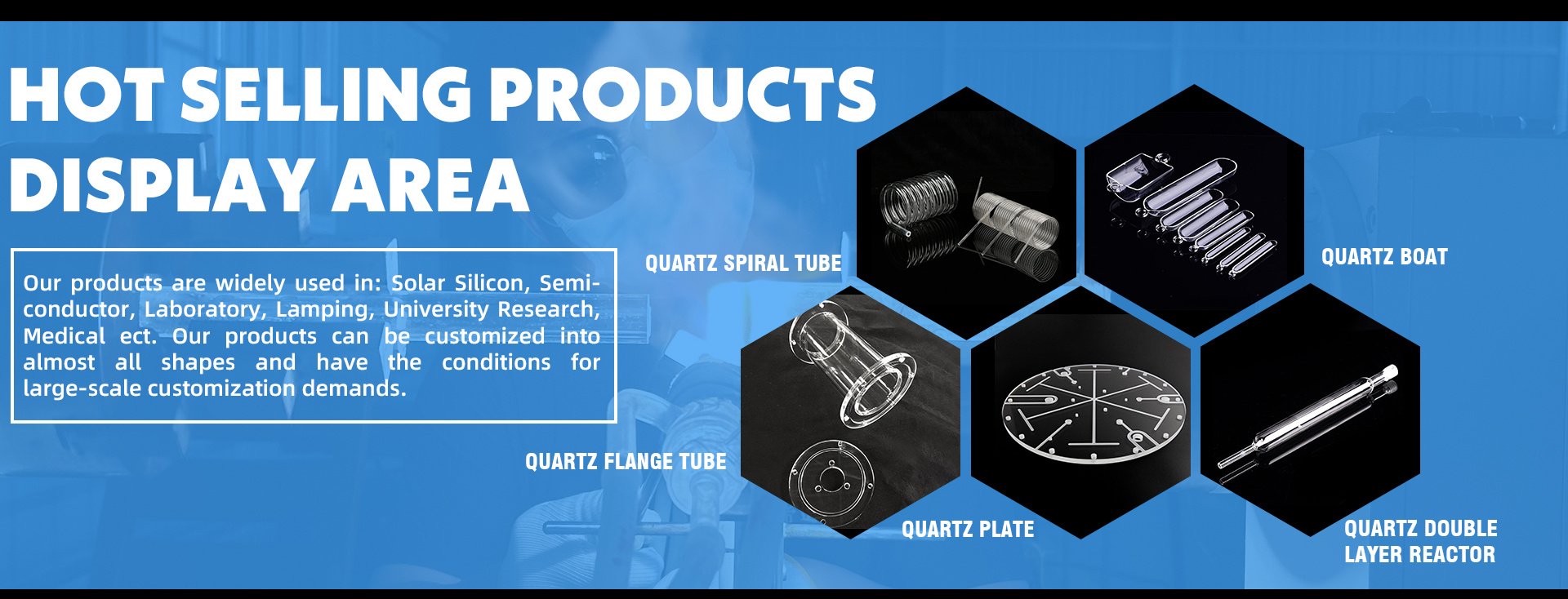
On-site assessment conducted by TÜV Rheinland confirms our physical manufacturing footprint, legal registration, precision capabilities, and drawing-based ODM/OEM capacity.
Standard capillary tubing, ultra-thick walled reaction tubes, and oversized single-draw quartz columns up to 800 mm in diameter, with wall thicknesses spanning 0.8 mm to 30 mm.
In-house computerized CNC diamond cutting, precision hole drilling, surface fire-polishing, 90° elbow bending, multi-port manifold welding, and full thermal stress-relief annealing.
Eliminate speculative inventory risks. We welcome 1-piece custom component fabrication for university researchers and engineering R&D teams prior to commercial volume scaling.
 CE Compliant Line
 RoHS Certified Non-Hazardous
 TÜV Verified Facility
Direct answers from our senior materials engineers addressing transit logistics to Czech Republic, custom drawing tolerances, and quality verification standards.
Send your CAD drawing, target dimensions, operating temperatures, or project specifications. Our material engineering team will review feasibility, calculate thermal load envelopes, and deliver an official factory quote within 24 hours.