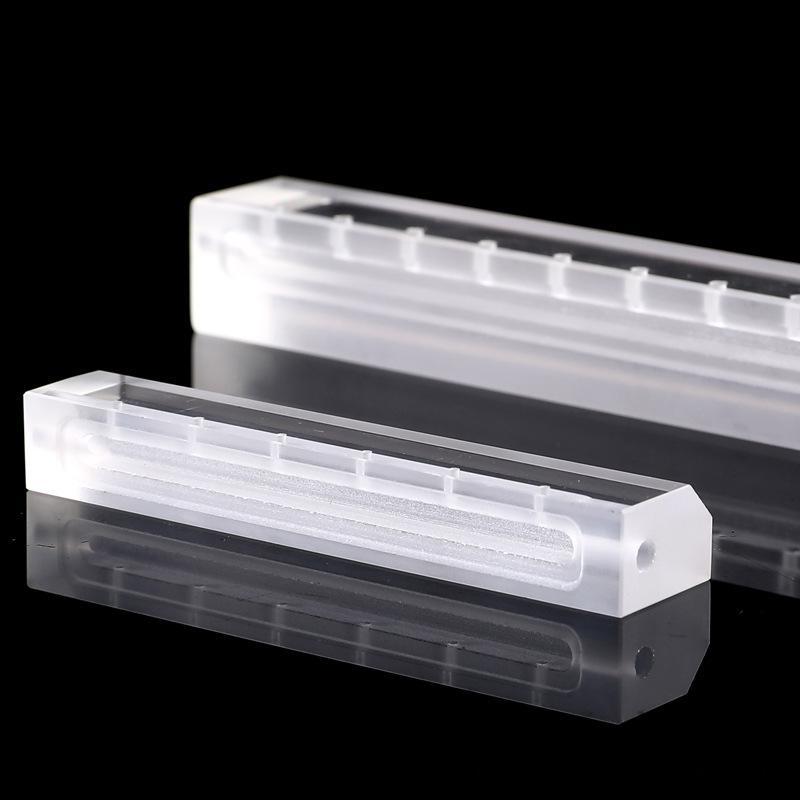
Clear Quartz Testing Sheet Ultra-Thin Optical Grade
SJ Brand Model SJ 077 circular quartz substrate offering ultra-high thermal conductance, micro-thickness precision, and stress-relieved flame welding for lab analytics.
Industrial-Grade Doped Red Quartzware • Precision Optical Cutoff (<600 nm) • Tailored Thermal & CVD Solutions for North Rhine-Westphalia’s Advanced Manufacturing Corridors
From high-frequency infrared emitters to vacuum diffusion reactors, explore our catalog of precision-machined fused silica and specialized ruby/clear quartz components engineered to DIN standards.
SJ Brand Model SJ 077 circular quartz substrate offering ultra-high thermal conductance, micro-thickness precision, and stress-relieved flame welding for lab analytics.
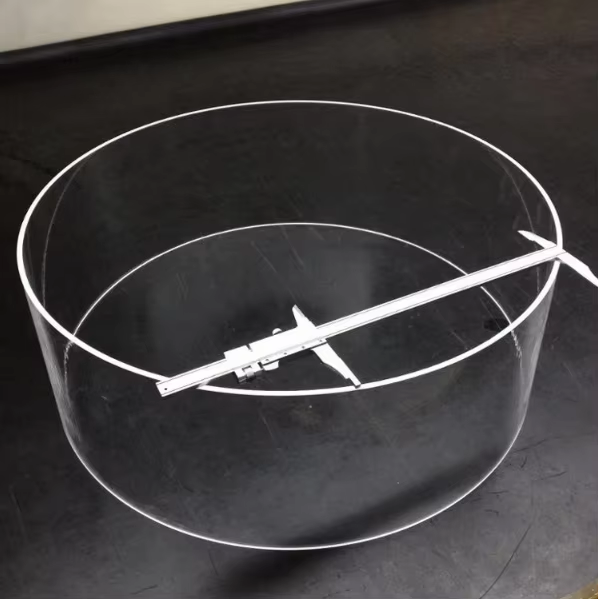
Factory-engineered test pipes and reactor tubes built for extreme powder sintering, UV transmission control, precision bending, and seamless thermal welding.

High-purity sintered laboratory quartz vessels with unmatched acid attack resistance, prolonged lifecycle, and stable integrity under volatile halide environments.
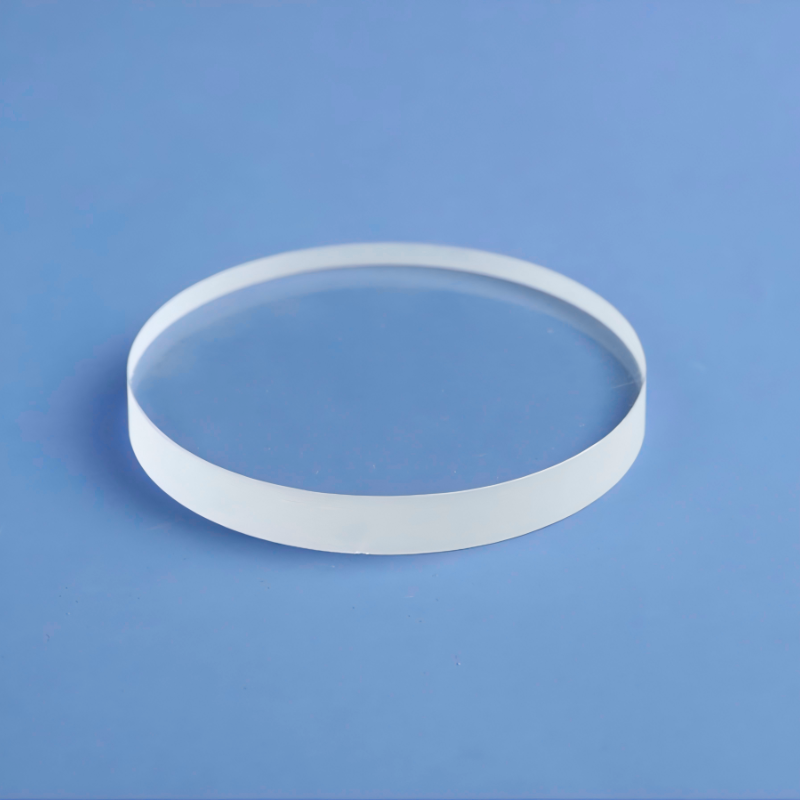
Double-sided optical polishing and high-precision laser water-jet cutting for sight glasses, high-pressure viewport windows, and extreme heat containment.
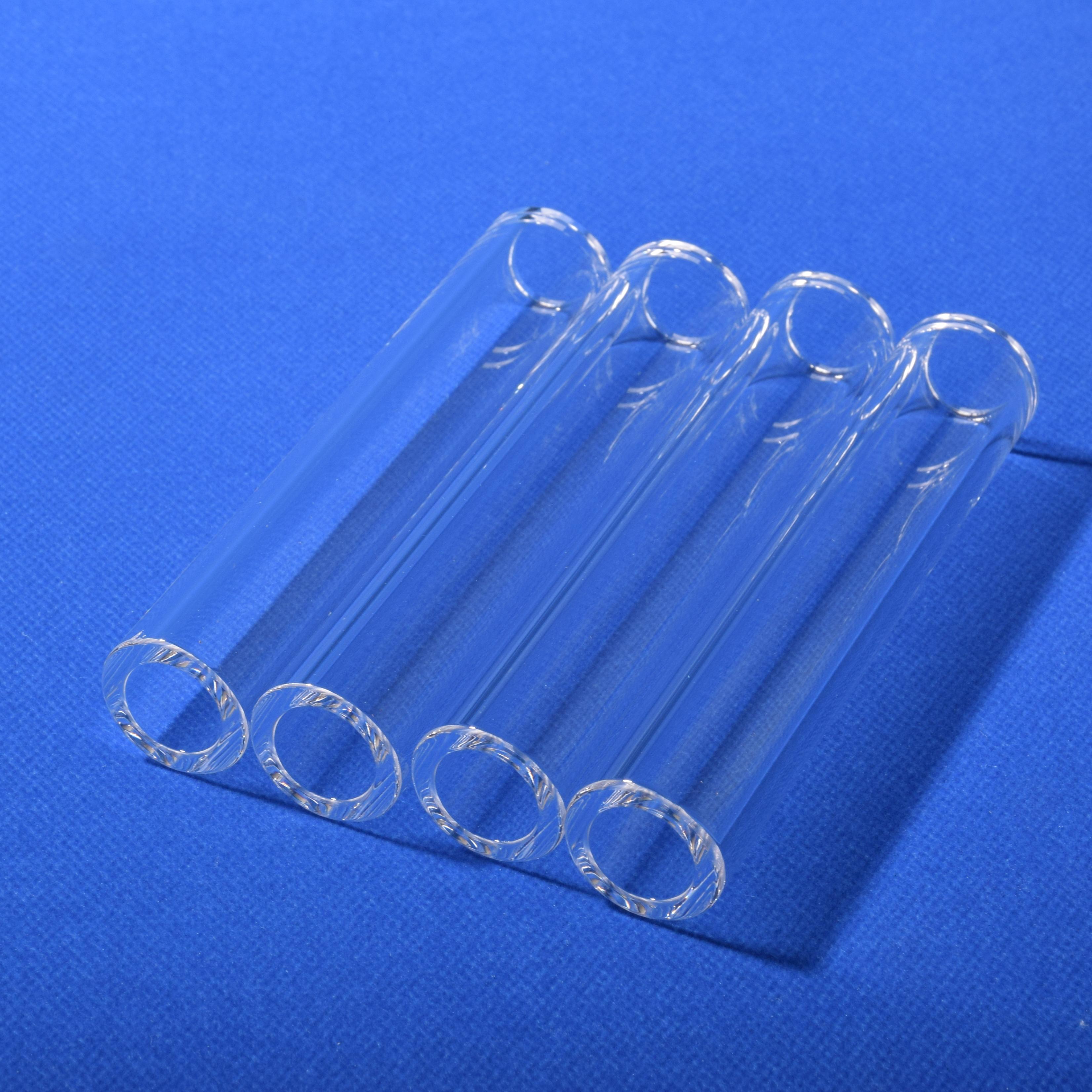
Engineered for 1100°C long-term duty; features thick-wall vacuum integrity, zero-sag thermal capacity, and ozone-free operation for heavy industrial heating.
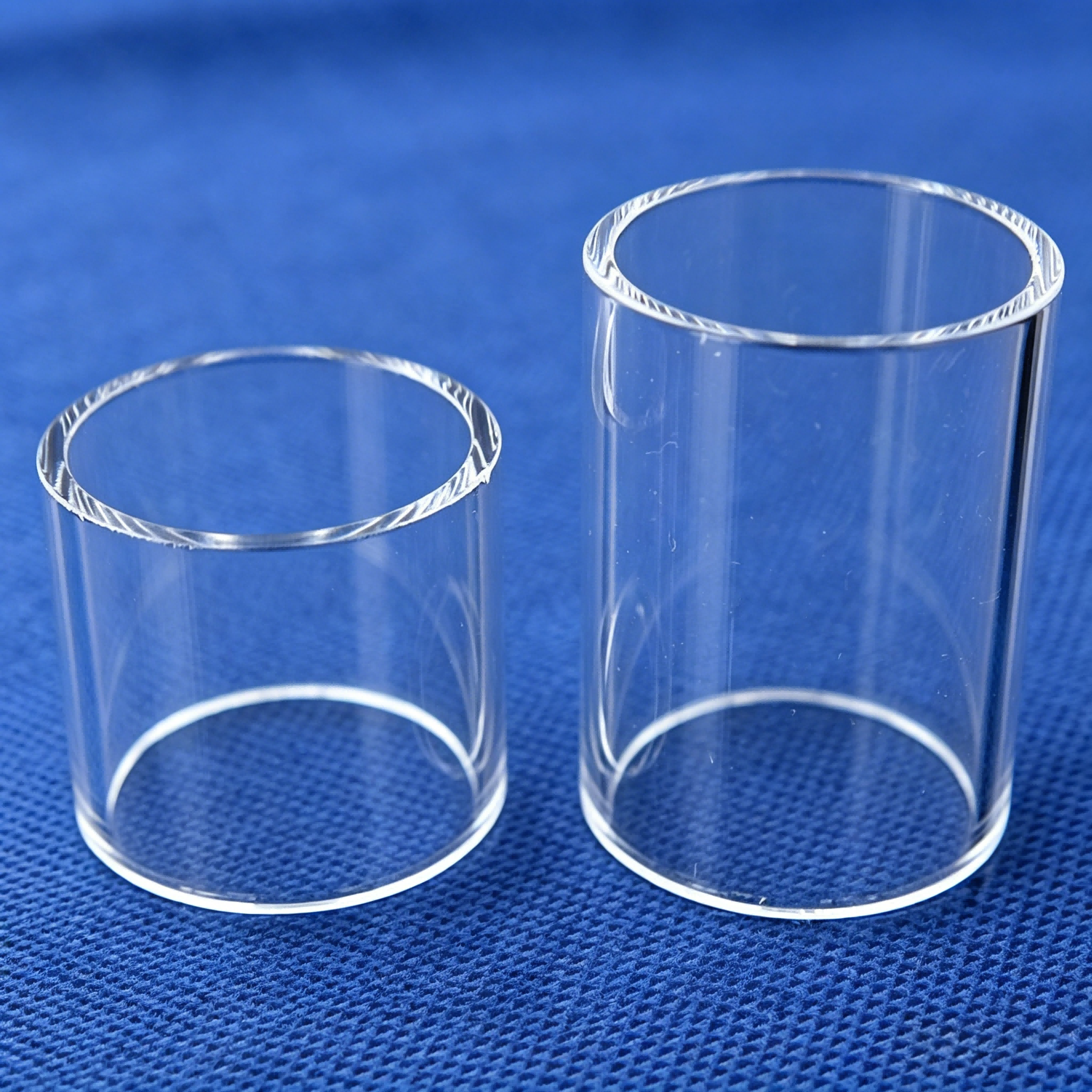
Dual-bore ruby and clear fused silica configurations for infrared heating arrays, specialized fluid heat exchangers, and precision bending geometries.
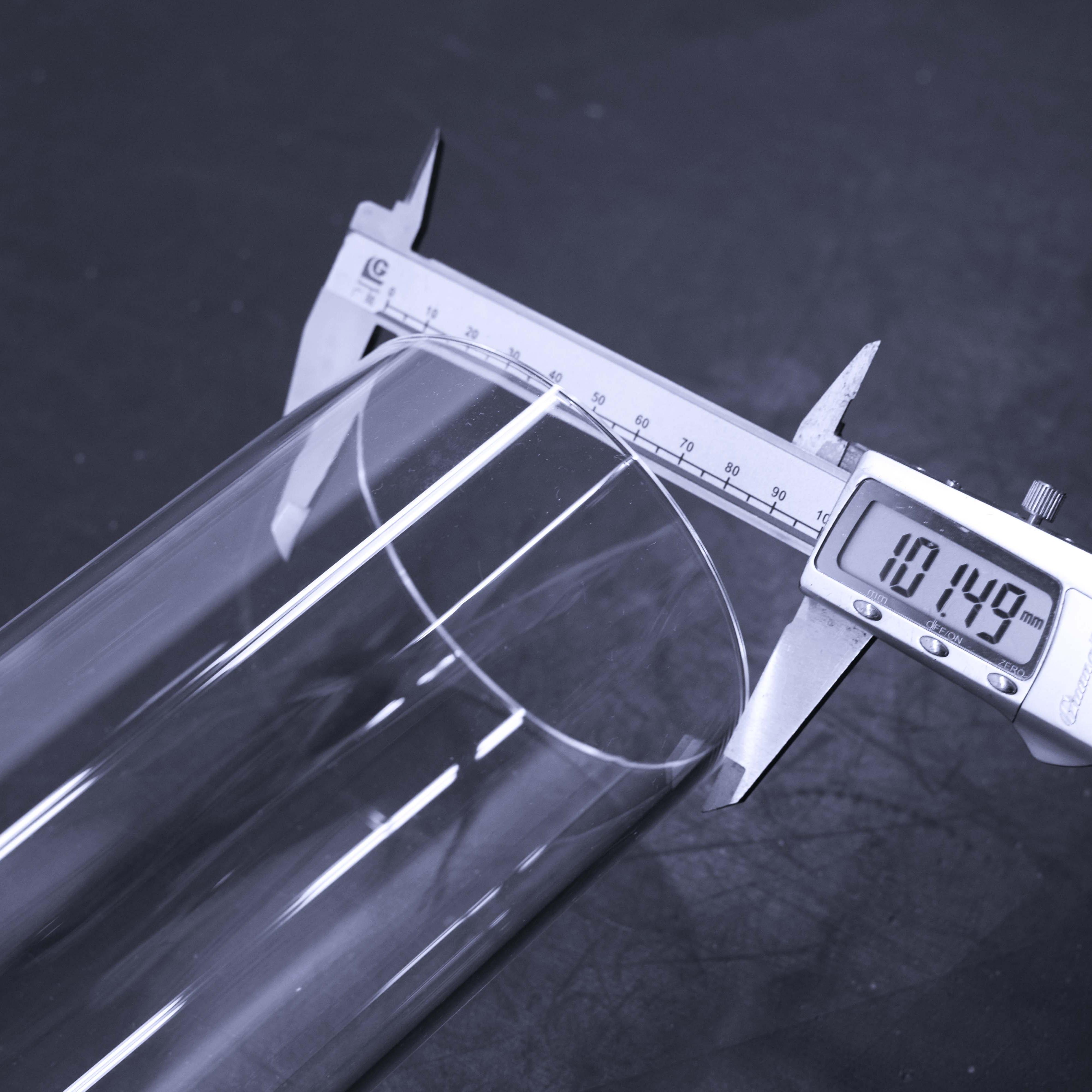
Strict dimensional tolerances with tight inner/outer diameter concentricity, polished fire-sealed finishes, and tailored wall thicknesses from 1.0 mm to 12 mm.
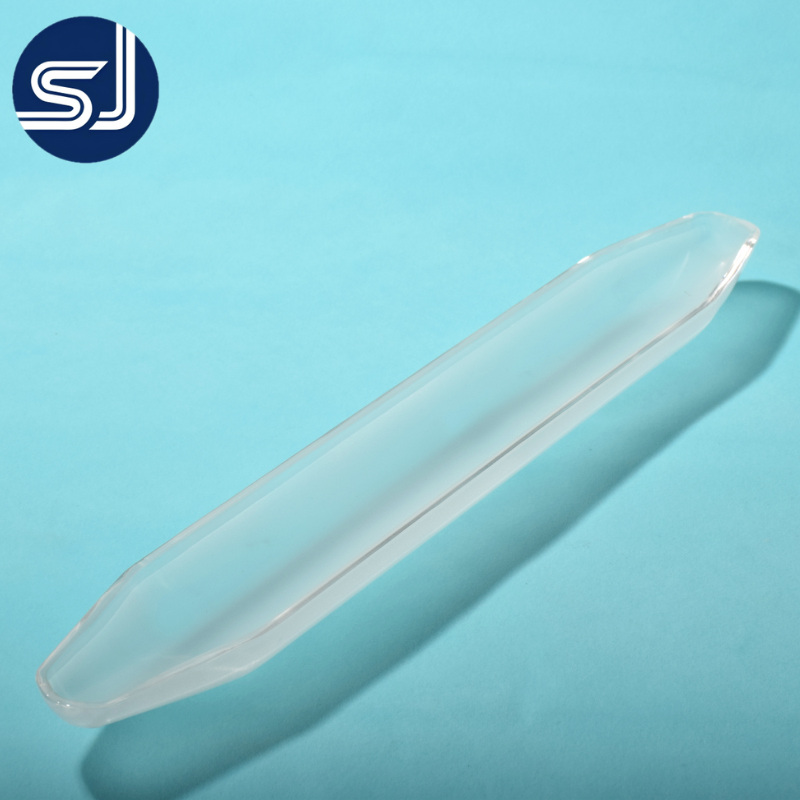
99.999% purity silica carrier for semiconductor diffusion furnaces, CVD deposition, and high-temperature calcination with transmittances exceeding 85%.
Ruby quartz (frequently designated as red quartz or infrared-transmitting quartz) is synthesized by uniformly doping high-purity fused silica (SiO₂ ≥ 99.99%) with specific trace transition metal elements—primarily precise valence iron (Fe), copper (Cu), or rare earth ions during the fusion phase. This alters the internal lattice structure to create a sharp optical absorption edge around 600 nm.
For thermal-processing engineers in North Rhine-Westphalia, ruby quartz provides a twofold physical advantage over standard transparent tubing: it suppresses eye-damaging, harsh visible glare in high-intensity quartz heating modules while preserving exceptional transmission in the medium-to-shortwave infrared spectrum (0.8 μm to 3.5 μm). This results in targeted radiative heat transfer without chromatic degradation or premature micro-crystallization (devitrification).
| Physical / Chemical Property | Engineering Specification Value |
|---|---|
| Base Material Purity | ≥ 99.99% SiO₂ matrix |
| Spectral Absorption Edge | Cutoff below 580 nm – 620 nm |
| Peak Infrared Transmittance | ≥ 88% (at 1000 nm – 2500 nm range) |
| Thermal Expansion Coefficient | 5.5 × 10⁻⁷ cm/cm·°C (20°C–320°C) |
| Annealing Point / Softening | 1180°C / 1683°C |
| Thermal Shock Resistance | 1100°C water quench (ΔT ≥ 1000°C) No Crack |
| Dielectric Strength | 25–40 kV/mm (at 20°C) |
Düsseldorf serves as the commercial heart and engineering nucleus of North Rhine-Westphalia (NRW). Our specialized ruby quartz products integrate directly into the high-precision processing hubs throughout the Rhine-Ruhr corridor.
Düsseldorf’s historic lineage in steel tube rolling and metallurgy requires non-contact infrared thermal drying and heat treatment. Ruby quartz tubes serve as protective sleeves in rapid annealing furnaces, reducing surface glare for plant operators while delivering intense, focused heat to strip steel and precision wire redraw lines.
Flanking the Rhine adjacent to Düsseldorf, global chemical titans rely on our heavy-wall quartz tubing and glass manifolds for aggressive chlorination processes, acid evaporation, and high-purity catalyst analysis where ordinary borosilicate glass degrades through ionic leaching.
NRW's expanding electric mobility ecosystem utilizes twin-tube ruby quartz heaters for roll-to-roll electrode drying (cathode slurry drying) and automotive paint curing tunnels, ensuring zero particulate contamination and uniform radiant energy across high-speed web conveyors.
Integrated cleanroom facilities around Aachen and Düsseldorf leverage our 99.999% pure silica quartz boats (such as model SJ 140) and wafer carriers during chemical vapor deposition (CVD) and rapid thermal annealing (RTP) to prevent heavy metal wafer cross-contamination.
The Heinrich Heine University Düsseldorf and regional Max Planck Institutes utilize custom drawing-based quartzware, sealed photoelectrochemical cells, and BET bulb tubes for cutting-edge materials science, organometallic synthesis, and advanced synchrotron beamline experiments.
Düsseldorf’s machine builders require quick replacement of damaged heating quartz tubes. Our rapid-response custom fabrication allows identical reverse engineering of broken OEM glass sleeves, flange adapters, and cooling pipes from hand sketches or CAD models.
Germany’s ambitious energy transformation (Energiewende) directly dictates how industrial manufacturers in Düsseldorf upgrade their thermal and chemical infrastructure.
With rising carbon taxes and tightening emissions mandates across Germany, Düsseldorf factories are progressively replacing convective natural-gas ovens with high-efficiency electrified infrared heating systems. Doped ruby quartz tubes play a vital role by targeting the infrared spectrum directly at workpieces, slashing thermal loss by up to 38% compared to ambient air heating.
Procurement teams at major German OEMs require exhaustive traceability and strict compliance with EU RoHS and REACH regulations. Our ruby quartz is formulated with environmentally safe dopants, completely free of restricted heavy metals (lead, cadmium, or mercury), ensuring regulatory approval across German industrial installations.
Engineering consortia across NRW increasingly demand "drawing-to-batch" agility. Instead of locking into rigid catalog-only supply lines, buyers seek verified custom manufacturers offering 1-piece prototypes, custom flange dimensions, and quick dimensional verification before ordering full production runs.
Critical answers concerning technical compliance, customs clearance, logistics, and material certification when importing quartzware to Düsseldorf.
While both materials share an ultra-pure SiO₂ base matrix (≥ 99.99%) and identical thermal shock thresholds (ΔT ≥ 1000°C), ruby quartz is doped with optical filters that eliminate short-wave visible glare below 600 nm. In industrial settings around Düsseldorf—such as automotive paint shops, textile drying lines, and cleanroom heating—ruby quartz prevents operator eye fatigue while transmitting more than 88% of beneficial infrared energy directly to the target substrate.
Fused quartz tubes and customized laboratory quartzware typically enter Germany under HS Code 7002.31.00 (Tubes of fused quartz or other fused silica) or HS Code 7017.10.00 (Laboratory, hygienic or pharmaceutical glassware of fused quartz). Vulra Quartz supplies comprehensive export documentation, including commercial invoices, detailed packing lists, Certificates of Origin (COO), and Material Safety Data Sheets (MSDS) to ensure prompt customs clearance at Frankfurt Airport (FRA), Düsseldorf Airport (DUS), or the Port of Rotterdam.
Yes. We operate a full-service custom manufacturing base in Donghai County with comprehensive CNC cold machining, grinding, laser drilling, and oxy-hydrogen flame lathe welding. German engineering teams can supply 2D drawings (PDF/DXF) or 3D STEP files with DIN ISO 2768 tolerances. Our engineering department reviews wall thickness ratios, stress relief points, and thermal expansion dynamics prior to machining.
Transit protection is vital for long quartz tubes (up to 2500 mm in length). We use multi-layered export-grade packaging: each tube is sealed in dust-free PE sleeves, nested inside custom-molded high-density polyethylene (EPE) shock-absorbing foam, and encased within rigid, fumigated plywood export crates. Crates feature tip-n-tell indicators and impact sensors. Shipments arrive reliably via express air freight (DAP Düsseldorf) or consolidated sea container freight.
For custom-engineered items—including specialized ruby quartz sleeves, twin-bore tubes, quartz boats, and crucibles—our MOQ starts at just 1 piece. This enables pilot-line validation, trial fit checks, and specialized university research runs without burdensome capital outlays. Standard diameter transparent tubing typically carries an MOQ of 5 to 10 pieces depending on outer diameter and length.
Our manufacturing operations undergo independent on-site assessments by TÜV Rheinland. Products are certified with CE marks and conform to RoHS/REACH environmental standards. Every order can be accompanied by a Factory Quality Certificate specifying SiO₂ purity grade (up to 99.999%), spectrophotometer optical transmission data curves, and dimensional inspection reports.
Strategically located in Donghai County—the world’s recognized crystal and natural quartz hub—Lianyungang Vulra Quartz Products Co., Ltd. combines supply-chain advantages with strict quality protocols.
Our facilities, production lines, and business credentials have been independently assessed on-site by TÜV Rheinland, providing complete auditing transparency for corporate German procurement.
Located in Donghai’s crystalline silica cluster, we source ultra-low-impurity natural quartz sand directly. This vertical integration guarantees cost stability and consistent quality across batch orders.
Integrated capabilities under one roof: oxy-hydrogen glass lathe welding, furnace annealing for internal stress relief, ultrasonic drilling, optical lapping, and laser profile cutting.
Over six years of specialized export experience serving European accounts. Standardized door-to-door air freight (DDP/DAP) ensures rapid deliveries to industrial parks across Düsseldorf and the Ruhr valley.