High-Purity Quartzware & Substrate Solutions
Manufactured from 99.99%–99.999% synthetic and natural fused silica. Certified for thermal shock resistance up to 1450°C and chemical tolerance against aggressive hydrofluoric and piranha clean stages.
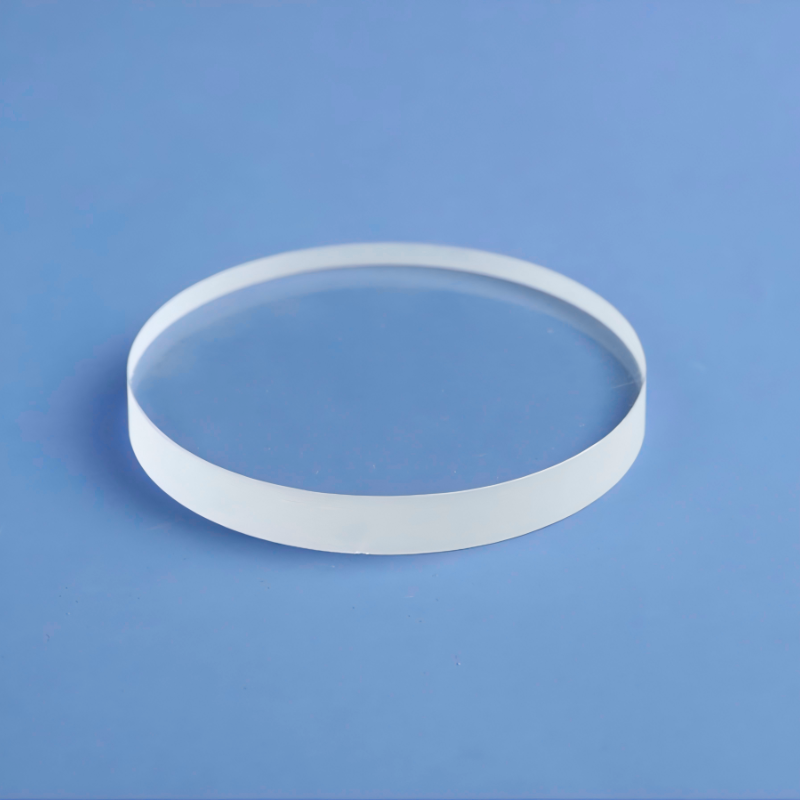
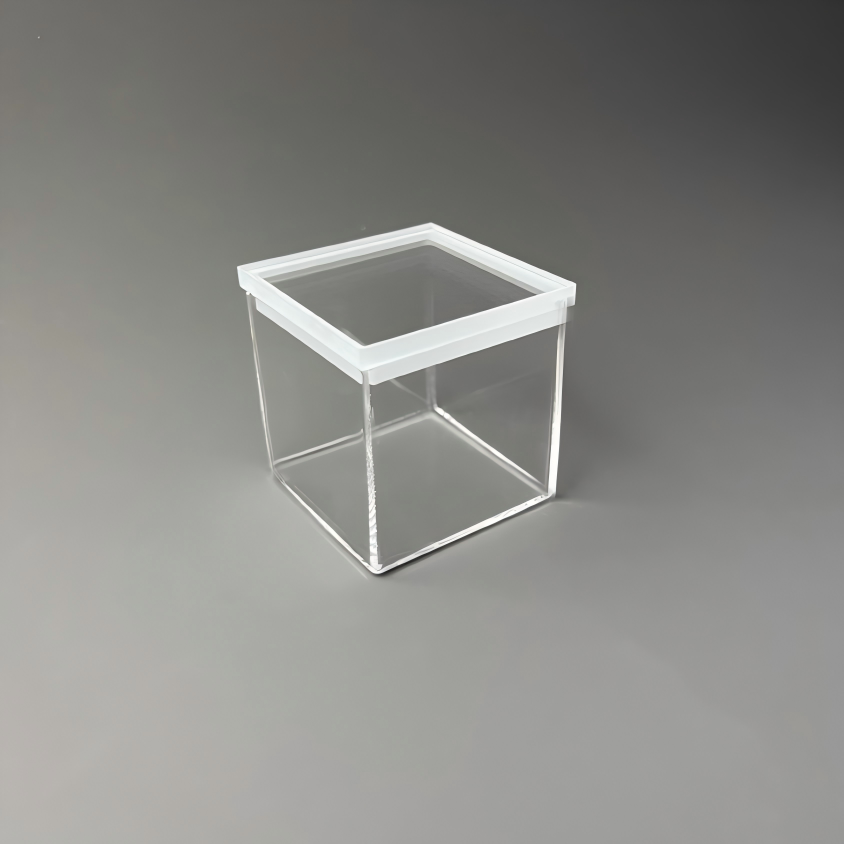
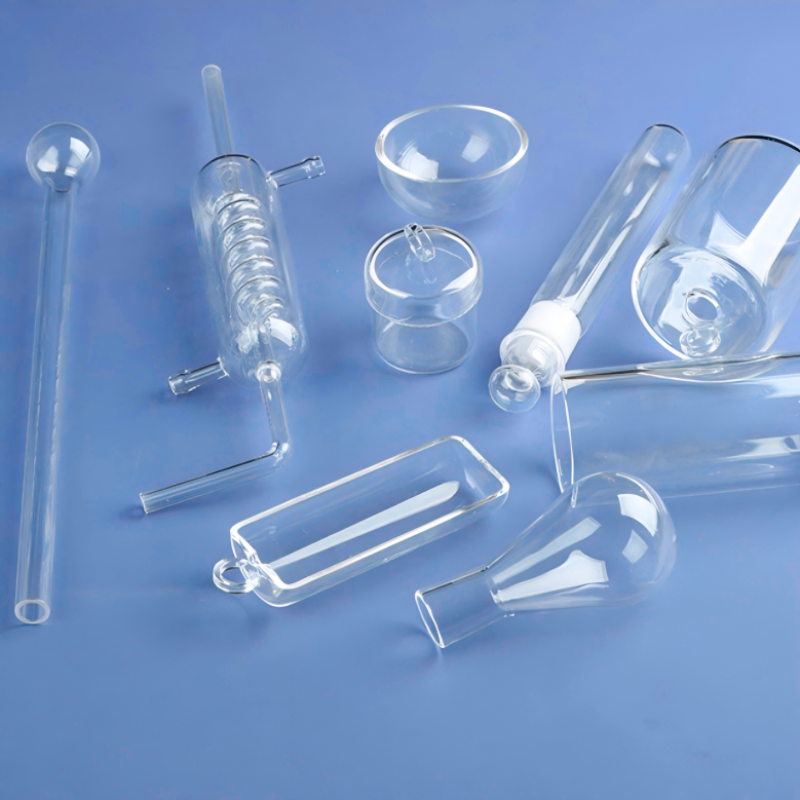
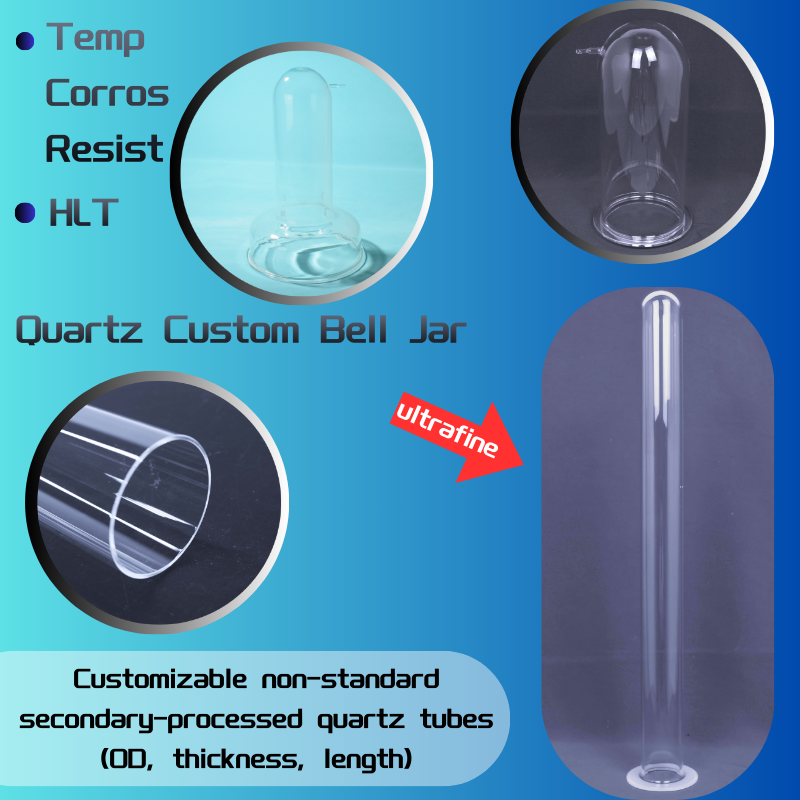
Thermodynamic Integrity & Purity Standards of Quartz Wafer Carriers
In high-yield semiconductor fabrication, the wafer carrier represents the primary physical boundary between sensitive silicon substrates and ultra-clean thermal process chambers. Vulcanized quartzware failure translates directly to wafer slip, surface particulate defects, or toxic heavy-metal diffusion.
Sub-PPM Trace Elemental Control
Ionic contaminants like Sodium (Na), Potassium (K), Lithium (Li), and transition metals (Fe, Cu, Ni) drastically shift gate oxide thresholds. Vulra Quartz carriers maintain total alkali metal contents <0.8 ppm and heavy metals <0.1 ppm, securing zero ionic back-contamination during 1050°C–1250°C drive-in cycles.
Thermal Viscosity & Sag Resistance
With an annealing point of 1215°C and a softening point of 1683°C, our fused silica components withstand repetitive thermal cycling across rapid thermal processing (RTP) and horizontal oxidation tubes without plastic deformation, preserving precision wafer-slot pitch tolerances over hundreds of furnace hours.
CNC Micro-Slotting & Flame Polishing
Wafer edge chipping causes irreversible microcracking. Our custom boats feature 5-axis CNC diamond-ground slots with uniform width (±0.02 mm) and controlled angular profiles (typically 1° to 3° tilt), followed by micro-torch gas fire polishing to eliminate micro-burrs and surface stress raisers.
| Property Parameter | Semiconductor Grade (SG-999) | High-Purity Optical Grade (OG-99) | Testing Protocol / Compliance |
|---|---|---|---|
| Purity Matrix (SiO₂) | ≥ 99.999% | ≥ 99.99% | ICP-MS Elemental Analysis |
| Hydroxyl (OH⁻) Concentration | < 5 ppm (Standard) / < 1 ppm (Dry) | 15 – 30 ppm | FTIR Infrared Absorption |
| Coefficient of Thermal Expansion | 5.5 × 10⁻⁷ cm/cm·°C (20°C–320°C) | 5.4 × 10⁻⁷ cm/cm·°C | ASTM E228 Dilatometry |
| Continuous Safe Working Temp | 1150 °C | 1100 °C | Continuous In-Furnace Validation |
| Maximum Transient Peak Temp | 1450 °C | 1350 °C | Short-duration thermal testing |
| Dimensional Tolerance (Slot Width) | ± 0.020 mm | ± 0.050 mm | Mitutoyo Optical Coordinate CMM |
| Dielectric Strength (20°C, 1MHz) | 2.5 × 10⁷ V/m | 2.0 × 10⁷ V/m | IEC 60243 Breakdown Voltage |
Need Custom Slot Spacing or CAD Validation for Bulgarian Wafer Lines?
Our application engineers review STEP, DXF, or technical drawings within 24 hours.
Supporting Bulgaria's Microelectronics & Industrial Clusters
Bulgaria possesses a deeply established legacy in precision electronics, sensor packaging, and power semiconductors. From Botevgrad's semiconductor production history to Sofia's advanced engineering facilities, high-purity quartzware serves as a linchpin for stable yields.
Sofia Tech Park & Research Centers
Academic laboratories at Sofia University, the Bulgarian Academy of Sciences (BAS), and Sofia Tech Park demand customizable, small-batch quartz boats, XRD sample holders, and closed electrolytic dome cells for cutting-edge nanotechnology, thin-film deposition, and 2D material research.
Flexible 1-piece prototype manufacturing, custom slot pitch for irregular substrate dimensions, zero-background optical holders.
Botevgrad Microelectronics Belt
Known across Eastern Europe as a center for semiconductor assembly and testing, Botevgrad's specialized lines focus on integrated automotive sensors, mixed-signal ASICs, and discrete power transistors. These production facilities rely heavily on quartz diffusion boats that provide zero ionic drift under continuous production.
Horizontal furnace quartz boats (25 to 50 wafer slots), high durability push rods, and wafer transfer carriers handling 100mm to 200mm wafers.
Plovdiv (Trakia Economic Zone)
As the premier industrial manufacturing center of Southern Bulgaria, the Trakia Economic Zone (TEZ) hosts multinational electronics manufacturers, solar technology plants, and industrial sensor integrators requiring robust chemical immersion carriers and high-temperature quartz vacuum tubes.
Acid-resistant quartz wet-bench carriers for piranha/SC-1 cleaning cycles and precision observation sight windows for high-temp reactors.
Trends Shaping the Bulgarian & European Semiconductor Supply Chain
The European Union's aggressive push toward technological sovereignty—formalized through the European Chips Act—has sparked a significant nearshoring movement across Central and Eastern Europe (CEE).
1. Nearshoring of Critical Consumables
Bulgarian procurement teams are shifting away from vulnerable multi-tiered middleman networks. Direct engineering partnerships with certified manufacturers like Vulra Quartz ensure supply stability, transparent technical documentation (CoA), and competitive unit pricing without the distributor markups typical in Western European logistics.
2. Transition to Wide-Bandgap (SiC & GaN)
Automotive electrification in Europe is accelerating demand for Silicon Carbide (SiC) and Gallium Nitride (GaN) power devices. These substrates require thermal oxidation and annealing temperatures upwards of 1300°C. Standard borosilicate or low-purity quartz degrades rapidly; fabs now mandate low-hydroxyl, semiconductor-grade quartzware to prevent premature crystal devitrification.
3. Strict Cleanliness & Particle Yield Metrics
With Bulgarian fabs supporting Tier-1 automotive electronics (ISO/TS 16949 standards), particulate contamination tolerance is practically zero. Wafer carriers must arrive cleanroom-cleaned (Class 10/100 certified), double-vacuum-bagged, and accompanied by full spectroscopic impurity data sheets.
4. Custom Geometry for Legacy & Modern Tools
Many Bulgarian facilities run customized or modified tube furnaces alongside modern robotic platforms. Vulra Quartz offers complete CAD-to-part reverse engineering, reproducing legacy quartz carrier dimensions that are no longer supported by original European OEMs.
Why Bulgarian Engineers & Fabs Partner with Vulra Quartz
Headquartered in Donghai County—globally recognized as the epicenter of natural quartz resources—Lianyungang Vulra Quartz Products Co., Ltd. combines raw material sovereignty with world-class hot and cold glass-forming capabilities.
TÜV Rheinland Audited
Our manufacturing facility, legal corporate standing, and precision machining lines undergo on-site audit and verification by TÜV Rheinland, offering total procurement transparency and risk mitigation for European buyers.
Integrated Production
From raw ingot slicing to computerized CNC slot milling, oxy-hydrogen flame welding, programmable stress-relief annealing, and final acid pickling, 100% of fabrication occurs within our single facility.
1-Piece Customization
We eliminate standard industry order minimums. Whether you require a single bespoke wafer holder for laboratory testing at BAS or recurring batch deliveries for automated fab cassettes, our minimum order quantity starts at 1 unit.
Shockproof Export Crating
Fragile quartz parts are sealed in antistatic cleanroom bags, cushioned within high-density polyurethane suspension chambers, and encased in reinforced wooden export crates engineered for international air express transit.
Frequently Asked Questions by Bulgarian Sourcing Teams
Critical considerations regarding technical specifications, customs clearance, thermal maintenance, and drawing evaluations for quartz wafer boat orders.
What are the shipping routes, typical transit lead times, and customs clearance protocols for deliveries into Bulgaria?
We routinely export directly to Sofia Airport (SOF), Varna (VAR), or door-to-door across Plovdiv and Botevgrad industrial parks via DHL Express, FedEx Priority, and air cargo forwarders. Transit time typically ranges between 4 to 7 business days from dispatch. We provide complete EU-standard commercial invoices, packing lists with accurate TARIC/HS codes (7017.10 - Fused Quartz / Silica Ware), and Certificates of Conformity (CoC) to ensure hassle-free customs clearance via Bulgarian Customs Agency (Агенция „Митници”).
How do you prevent thermal devitrification and sagging during sustained 1200°C furnace operations?
Devitrification (cristobalite crystal growth) occurs when fused silica is exposed to surface alkali contamination (Na, K) at elevated temperatures or when high-OH glass undergoes structural relaxation. Vulra Quartz utilizes ultra-low alkali raw sand (<0.8 ppm total alkali) and applies an in-house thermal annealing sequence in clean atmosphere muffle ovens to eliminate residual mechanical stresses. For continuous operation above 1150°C, we specify low-hydroxyl (dry) synthetic or high-viscosity natural silica to maximize long-term dimensional retention.
Can you manufacture quartz boats directly from our proprietary CAD models (STEP/DWG)?
Yes. Our engineering division operates advanced CAD/CAM software capable of importing STEP, IGES, DXF, and DWG files. Prior to cutting, our engineers review your model to check wall thickness consistency, thermal expansion gaps, structural weld gusset positions, and mechanical clearance for automatic wafer loader forks (end-effectors). A formal production drawing with all GD&T parameters is returned for your engineering sign-off prior to production initiation.
What cleaning and chemical pre-treatment procedures do you recommend before placing quartzware into a fab line?
While our quartzware undergoes 18MΩ·cm deionized water ultrasonic rinsing and acid pickling prior to packaging, we advise fabs to perform standard pre-diffusion clean protocols upon receiving: immersion in a 5%–10% ultra-pure Hydrofluoric (HF) acid bath for 3–5 minutes to strip surface native oxide and airborne impurities, followed by a thorough DI water rinse until effluent resistivity exceeds 15MΩ·cm, and clean dry air (CDA) or nitrogen blow-drying inside a Class 100 hood.
How does Vulra Quartz guarantee zero transit breakage for high-precision slotted carriers?
Wafer carriers possess delicate cross-members and slot teeth susceptible to shock. We employ an engineered packaging system: first, the part is double-vacuum-sealed in anti-static PE cleanroom bags; second, it is nested within a custom-molded high-resilience EPE (Expanded Polyethylene) cradle that suspends all fragile edges; third, this internal block is placed inside a heavy-duty double-wall carton, which is subsequently secured within a foam-lined plywood crate equipped with external 'TiltWatch' and 'ShockWatch' indicator sensors.
What documentation and quality certifications accompany each shipment to Bulgaria?
Every commercial batch is supplied with an official Certificate of Analysis (CoA) documenting ICP-MS trace metal impurity limits, dimensional inspection reports showing key CMM measurements (slot pitch, parallelism, runout), CE compliance declarations, and RoHS/REACH compliance documentation certifying zero hazardous substance inclusions.