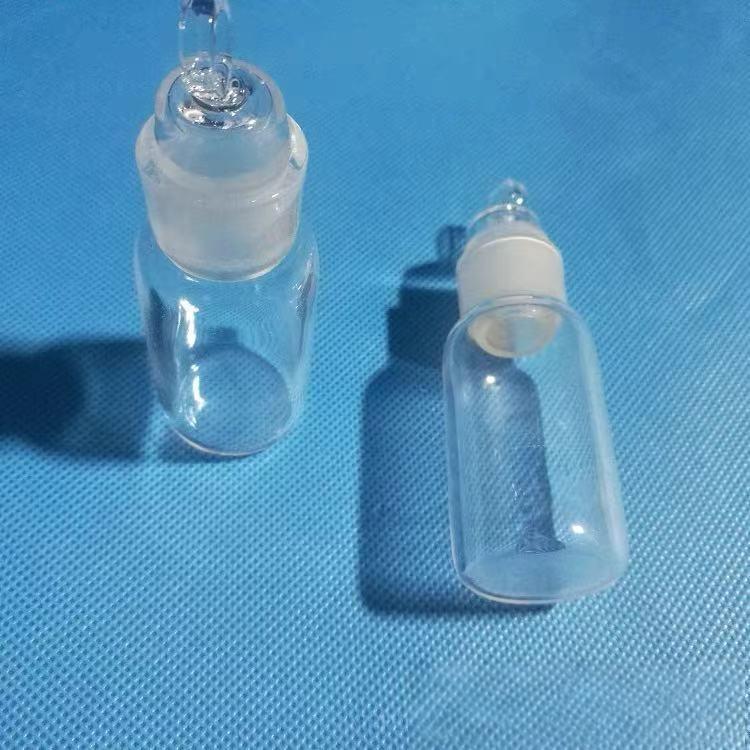
Direct Mill Inventory
Factory-Direct Quartz Glass Substrates & Engineering Components
Browse our certified range of high-transmittance, thermal shock-resistant quartz components manufactured from 99.99%–99.999% high-purity SiO₂ crystals. Custom thickness, laser cutting, optical polishing, and edge beveling supported per drawing.
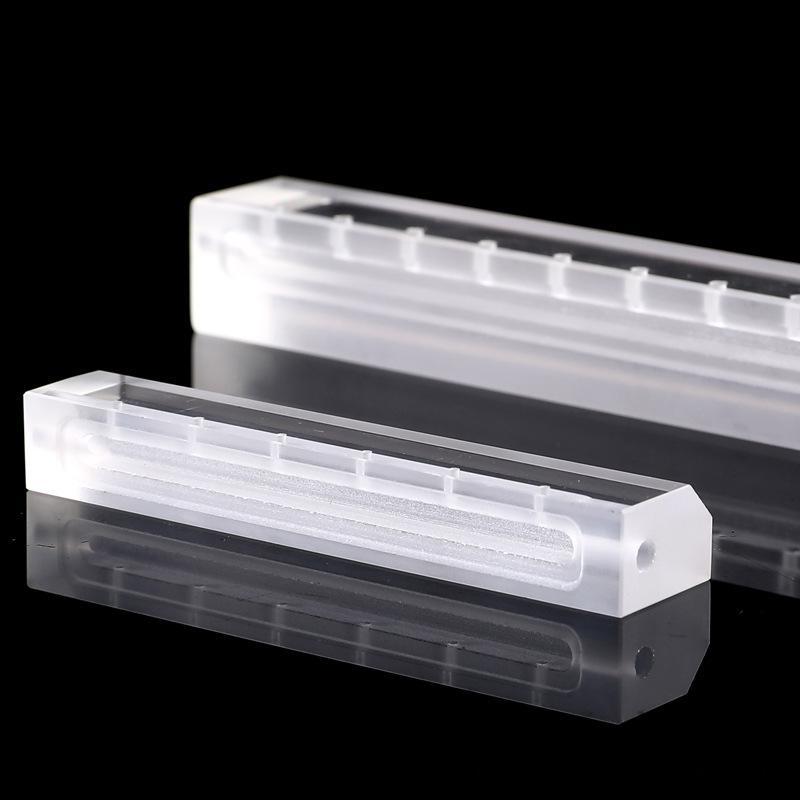
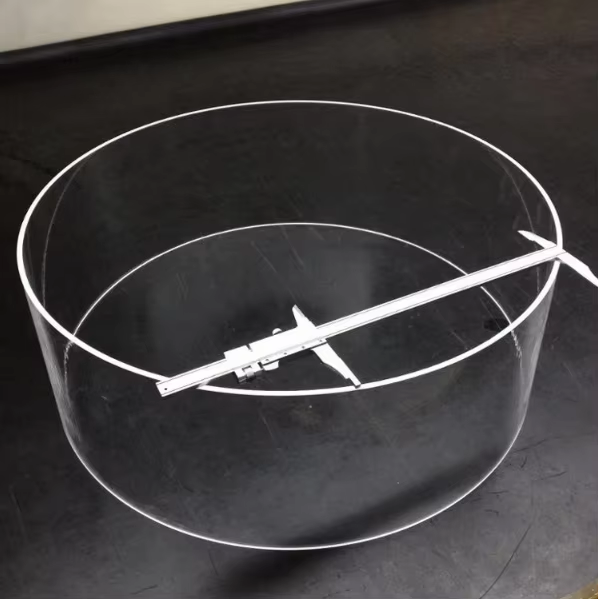
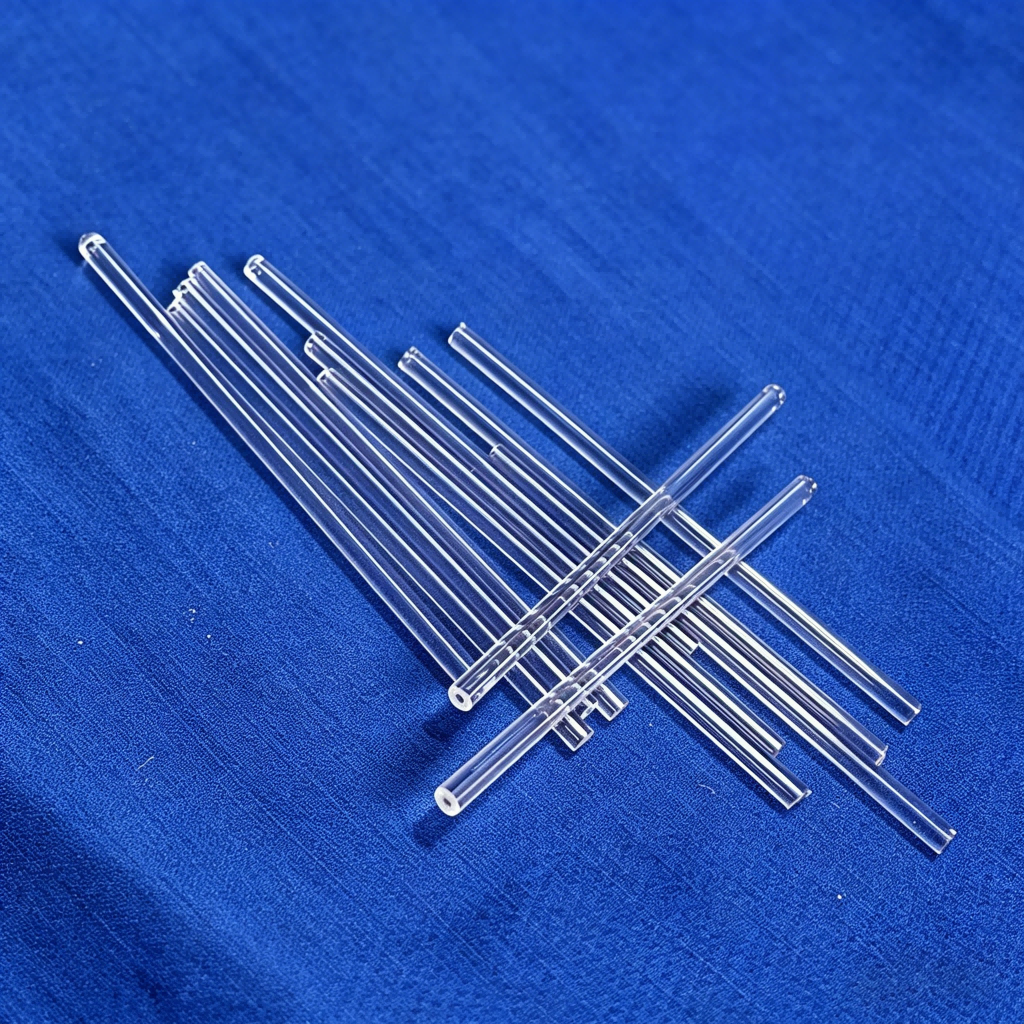
1750°C Melt Point
High Conductance
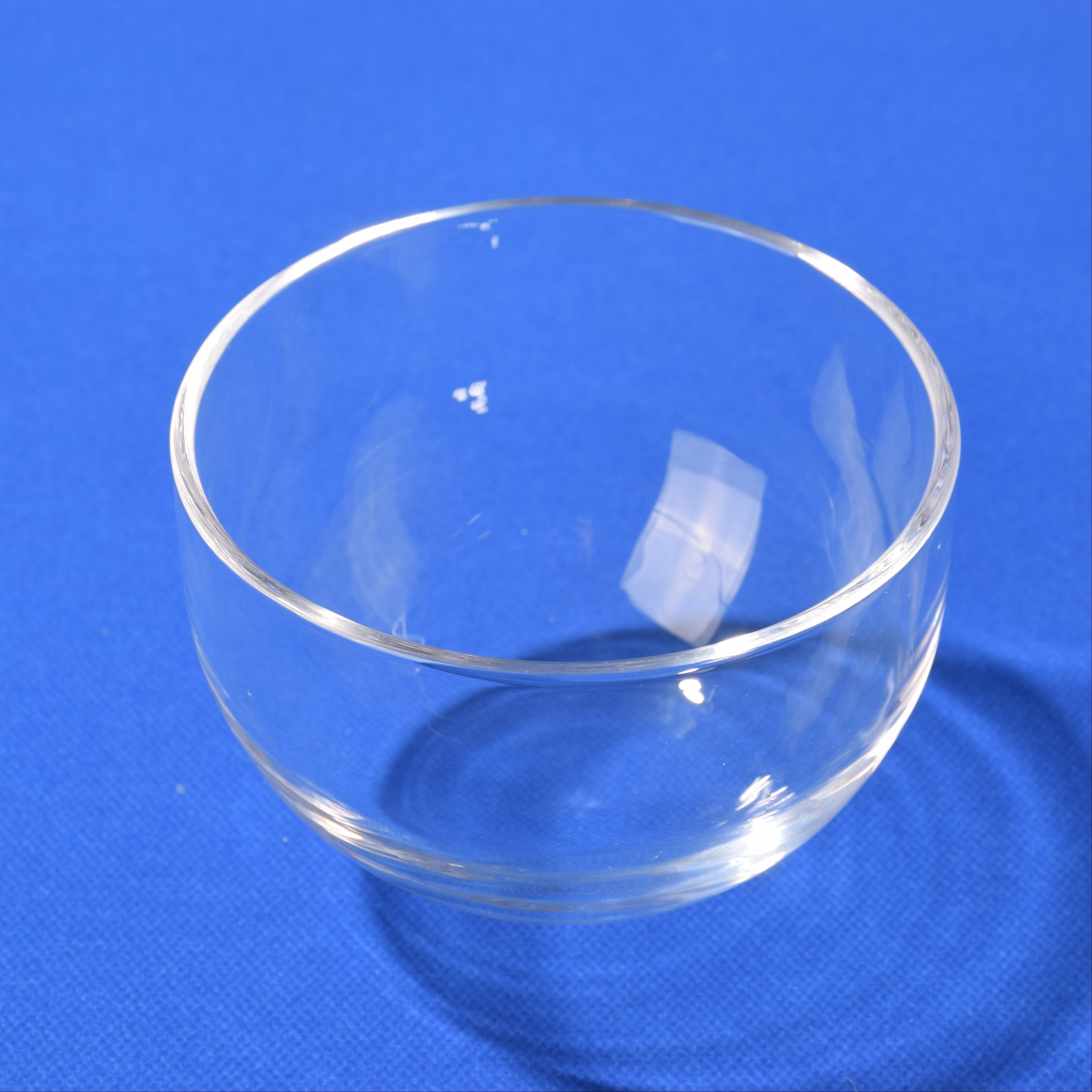
Customized High Thermal Conductance 1750C Melting Point Heat-Exchange Glass Interlayer Chips Circular Shape Quartz
99.999%
Peak Silicon Dioxide (SiO₂) Purity
1,683°C
Thermal Softening Point
0.55×10⁻⁶/K
Ultra-Low Expansion (CTE)
1PC
OEM Prototype Minimum Order
Technical Insight & Engineering Gain
Fused Quartz vs. Synthetic Fused Silica Substrates: The Engineering Trade-Offs
When sourcing quartz glass substrates for high-tech applications in Charlotte, NC, understanding the distinction between naturally fused quartz and synthetic fused silica is critical to project success. Natural fused quartz is manufactured by electro-fusion or oxy-hydrogen gas fusion of high-purity natural silica sand (SiO₂ ≥ 99.99%). This material provides outstanding mechanical robustness, a continuous service threshold reaching 1100°C, and exceptional resistance to sagging under sustained thermal loads.
Synthetic fused silica, by contrast, is synthesized through the vapor-phase hydrolysis of silicon tetrachloride (SiCl₄). This chemical precursor route reduces metallic impurity content (Fe, Al, Ti, Na) to less than 1 part per billion (ppb). For applications involving deep-ultraviolet (DUV) laser transmission, excimer laser optics, or sub-nanometer lithography inspection masks, synthetic silica provides superior optical homogeneity and eliminates inclusion-driven laser damage.
Factory Engineering Note: For RF power amplifiers, advanced battery thermal test fixtures, and high-temperature observation windows common across North Carolina industrial parks, high-purity natural fused quartz delivers 95% of the performance at 40–60% of the material acquisition cost.
Machining & Surface Integrity
Sub-Nanometer Roughness and Thermal Shock Elasticity
Thermal shock resistance is governed by the extremely low coefficient of thermal expansion (CTE) of quartz glass, rated at approximately 5.5 × 10⁻⁷ cm/cm·°C between 20°C and 320°C. A properly annealed quartz glass wafer can be repeatedly plunged from a 1000°C furnace into ambient water without mechanical fracture. However, the true vulnerability of a quartz substrate originates at the micro-fracture level generated during mechanical sawing.
Our Donghai production line utilizes precision multi-wire diamond slurry slicing coupled with automated planetary double-side chemical mechanical polishing (CMP). By removing subsurface micro-cracks through successive lapping stages (1200 mesh down to 0.5 µm cerium oxide polishing), we deliver quartz substrate discs with surface roughness down to Ra < 0.5 nm (5 Å) and flatness of λ/4 per 100 mm aperture, drastically mitigating thermal fracturing under mechanical clamp stresses.
Every substrate order destined for Charlotte laboratories is treated with ultrasonic deionized-water scrubbing and acid leaching (HF/HNO₃) to strip trace alkali metals, preventing high-temperature devitrification.
Verified Factory Benchmark
Direct Manufacturer Advantages & Verification
Lianyungang Vulra Quartz Products Co., Ltd. brings the raw material advantages of China's silica capital directly to the industrial corridors of North Carolina. Third-party verified for end-to-end traceability.
| Physical & Material Metric | Certified Factory Performance |
|---|---|
| Chemical Purity | 99.99% – 99.999% Silicon Dioxide (SiO₂) |
| Operating Temperature (Continuous) | 1,100 °C (2,012 °F) Continuous Service |
| Peak Maximum Temperature | 1,450 °C (2,642 °F) Short-Term Thermal Cycling |
| Annealing Point | 1,215 °C ± 20 °C (Residual Stress < 5 nm/cm) |
| Softening Temperature | 1,683 °C (3,061 °F) Refractory Limit |
| Thermal Expansion Coefficient | 5.5 × 10⁻⁷ cm/cm·°C (0–300 °C) |
| Tensile Strength / Bending | 48 N/mm² Tensile / 67 N/mm² Flexural |
| Substrate Dimensional Range | Thickness 0.2mm – 50mm; Diameter / Square up to 800mm |
TÜV Rheinland On-Site Assessed
Independently verified physical plant, cleanroom finishing lines, optical measurement spectrometers, and legal entity accreditation.
Raw Material Cluster Advantage
Situated in Donghai, China's premier high-purity quartz mining hub, providing consistent granular silica supply and competitive mill pricing without intermediary markups.
Drawing-to-Part Customization (MOQ: 1 PC)
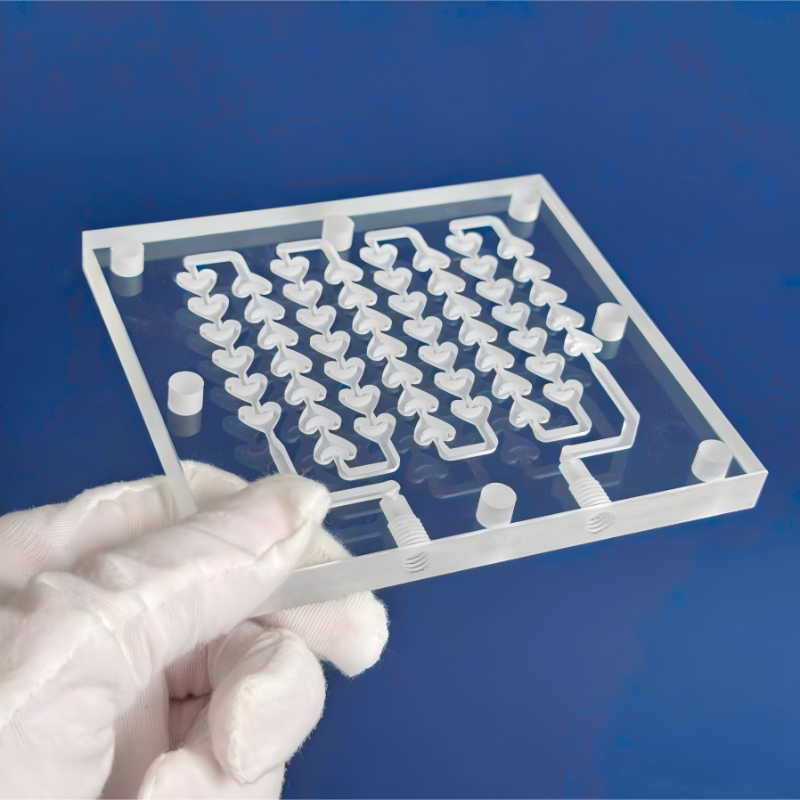
Full CAD/STEP file execution for specialized microfluidic etching, custom square apertures, edge chamfering, and customized laser drilling from single prototypes to mass production.
Reinforced Export Packaging
Custom shock-absorbing EVA foam suspension cases, double-wall hermetic vapor sealing, and heavy wooden pallet crates guaranteeing zero transport cleavage to CLT distribution hubs.
Local Ecosystem Integration
Serving Charlotte's Advanced Manufacturing & Energy Innovation Hubs
Greater Charlotte, North Carolina has rapidly transformed from a financial hub into a powerhouse of advanced materials, clean energy battery research, and defense photonics. Here is how our quartz glass substrates empower local engineering firms.
Lithium Battery & Energy Storage R&D
With major battery manufacturing clusters and energy storage laboratories expanding around the Charlotte region, our ultra-pure quartz test sheets and reaction interlayers provide inert, non-reactive platforms for solid-state electrolyte thermal testing up to 1200°C without lithium-ion contamination.
Wide-Bandgap Power Semiconductor Testing
In close proximity to North Carolina's Silicon Carbide (SiC) and Gallium Nitride (GaN) corridor, our high-transparency semiconductor-grade quartz wafer carriers and vacuum inspection substrates withstand aggressive plasma etching, high-temperature epitaxy, and rapid thermal processing (RTP).
Industrial Laser Cutting & Optical Sensor Windows
Heavy machinery and precision motorsport facilities in Concord and Mooresville depend on our optical-grade circular quartz testing sheets and protective laser debris shields, guaranteeing 92% broadband optical transmittance from 260 nm UV through 2500 nm near-infrared.
Biomedical Spectrophotometry & Microfluidics
Research hospitals and clinical diagnostic device makers throughout Mecklenburg County utilize our micro-machined capillary quartz glass and thin polished observation windows for fluorescence spectroscopy, benefiting from quartz's near-zero background autofluorescence.
High-Temperature Aerospace & Defense Pyrometry
Aerospace defense suppliers in the Carolinas rely on custom refractory fused quartz inspection viewports to visually monitor combustion chambers and turbine alloy heat treatments, leveraging quartz's unmatched 1683°C softening barrier and vacuum hermetic seal capability.
Market Evolution & Regional Trends
Future Supply Trends: Advanced Substrates in the Carolinas
As North Carolina strengthens its position as the premier clean-tech and electric vehicle (EV) battery capital of the Southeast, procurement requirements for quartz glass substrates are undergoing critical transitions.
Trend 1: Transition Toward Thinner, Large-Format Wafers
Local R&D cleanrooms are shifting from standard 50mm and 100mm quartz discs to ultra-thin (≤ 0.3 mm) 200mm and 300mm substrate panels. These larger formats allow high-throughput parallel screening of photovoltaic thin films and catalytic coatings. Achieving structural integrity on large, ultra-thin quartz panels demands precision edge chamfering (C-shape or R-shape bevels) to stop edge chipping during automatic vacuum robot handling.
Our factory's automated edge-profiling CNC machinery guarantees defect-free peripheral finishes that prevent micro-stress concentrations, directly serving next-generation automation lines.
Trend 2: Demand for Direct-from-Factory Agile Lead Times
Charlotte project engineers are increasingly bypassing high-markup domestic stockists who hold stale inventory with unknown anneal states. Direct collaboration with audited overseas manufacturers offering verified test certifications (CE, RoHS, TÜV) and rapid courier shipping through Charlotte Douglas International Airport (CLT) enables 10–14 day turnaround on fully customized drawings, lowering prototype iteration cycles by over 60%.
With transparent batch spectral data and trace-element impurity reports accompanying each shipment, QA teams eliminate redundant incoming inspection delays.
Procurement Clarity
Frequently Asked Questions for Charlotte Quartz Buyers
Answers to common technical, logistics, and quality assurance questions raised by North Carolina engineering teams and procurement specialists.
Q
How does quartz substrate thermal expansion compare to borosilicate glass?
Quartz glass possesses a CTE of roughly 0.55 × 10⁻⁶/K, which is nearly six times lower than standard borosilicate glass (approx. 3.3 × 10⁻⁶/K). This enables fused quartz substrates to maintain absolute optical flatness and dimensional tolerance during severe thermal gradients where borosilicate would buckle or fracture.
Q
What surface finish parameters (Roughness & Flatness) can you achieve?
Our standard optical double-side polishing delivers surface roughness of Ra < 0.5 nm (5 Å) with scratch-dig specifications of 40/20 or 20/10 per MIL-PRF-13830B. Substrate flatness can be calibrated to λ/4 per 25mm or better, validated by laser interferometer test certificates.
Q
What are the standard shipping timelines to industrial facilities in Charlotte, NC?
For expedited custom prototypes (1–50 pieces), air freight delivery via DHL, FedEx, or air cargo directly to Charlotte Douglas International Airport (CLT) takes 4 to 7 business days following manufacturing completion. Sea container logistics to the Port of Wilmington or Charleston followed by inland rail typically require 22 to 30 days.
Q
Can you produce custom drilled holes, slots, or micro-recesses in the substrates?
Yes. Utilizing multi-axis ultrasonic CNC diamond machining and CO2 laser drilling, we create hole diameters down to 0.2 mm with minimal edge chipping (< 0.05 mm), precision counterbores, stepped channels, and customized slots according to your DXF, DWG, or STEP CAD models.
Q
How do you eliminate breakage risk during transpacific shipping?
We implement an export-certified packaging protocol: individual dust-free vacuum wrapping, separated by high-density closed-cell polyethylene foam, nested within reinforced corrugated inner cartons, and encased in shock-isolated plywood crates. Our international transit breakage rate remains below 0.15%.
Q
Do your quartz substrates come with material analysis certificates (COA)?
Every shipment can be bundled with an ICP-OES trace element impurity report verifying SiO₂ purity (99.99% or 99.999%), dimensional CMM inspection reports, and transmission curves covering 190 nm through 3000 nm wavelengths upon request.