Top Trusted Quartz Ashing Dish Factories Serving the Łódź Market
Precision Thermal Decomposition Vessels, High-Purity Fused Silica Crucibles, and Custom Lab Quartzware Engineered for Central Poland’s Advanced Materials, Environmental, and Biopharmaceutical Research Laboratories.
Direct Factory Inventory & Custom Prototyping
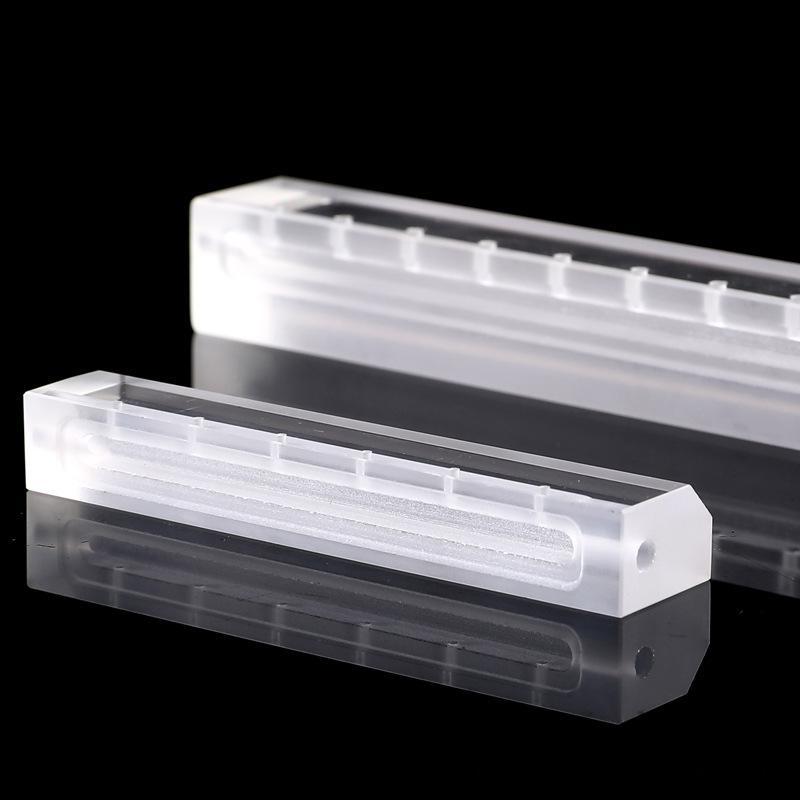
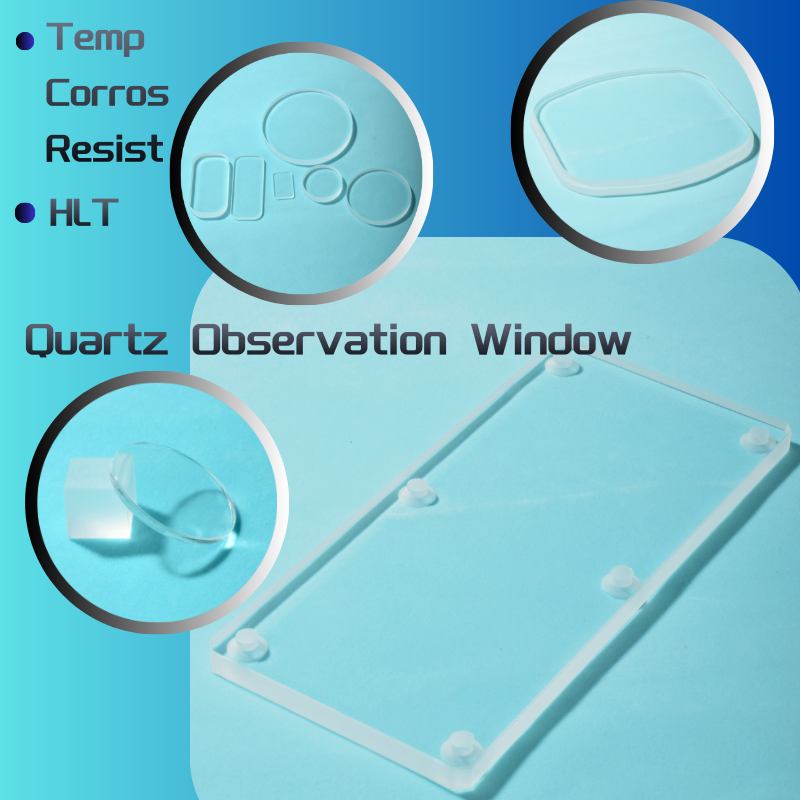
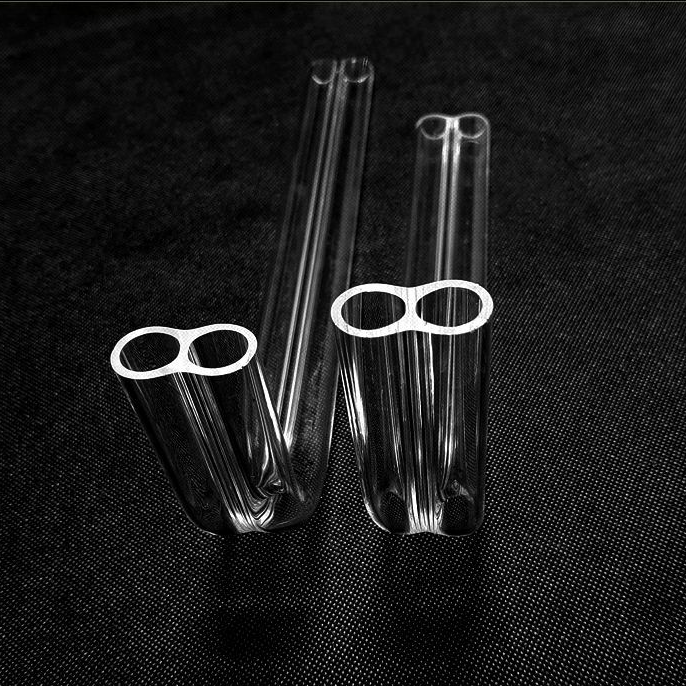
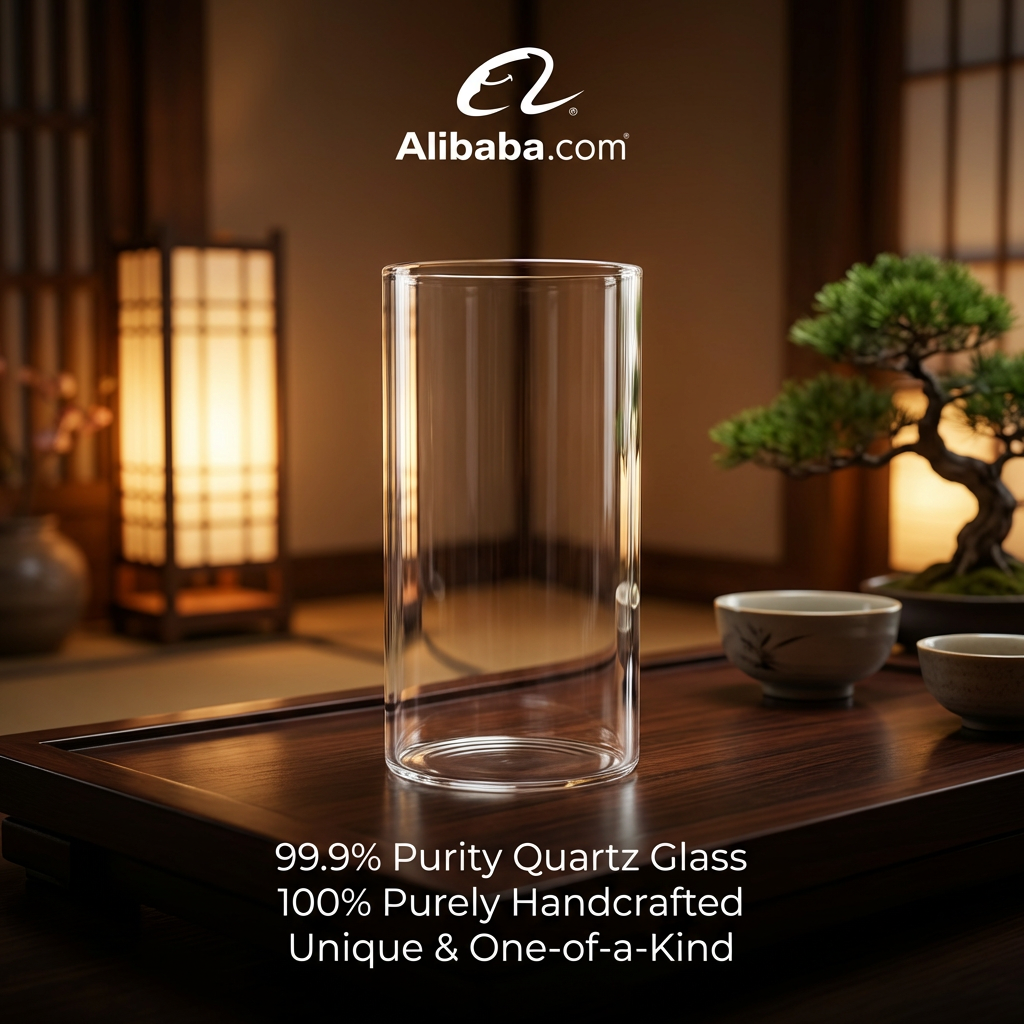
Featured Industrial & Laboratory Quartz Solutions
Manufactured from ultra-pure natural quartz sand (SiO₂ ≥ 99.99% to 99.999%), offering an ultra-low thermal expansion coefficient of 5.5 × 10⁻⁷ /°C and sustained thermal resistance up to 1100°C.
Engineering Fused Quartz Ashing Dishes for the Łódź Industrial Hub
A comprehensive analysis of pyrochemical sample preparation, high-temperature devitrification kinetics, and direct supply-chain dynamics serving Central Poland.
In analytical gravimetry, dry ashing, and pyrolytic decomposition, the integrity of the sample vessel determines the boundary of detection. For research facilities and industrial testing complexes throughout the Łódź Voivodeship—encompassing the bio-nanotechnology clusters at Bionanopark Łódź, the research centers of Politechnika Łódzka (Lodz University of Technology), the advanced polymers industry in Zgierz, and the modern pharmaceutical production corridors surrounding Pabianice—sample vessels must withstand continuous operating temperatures exceeding 1000°C without mechanical failure or chemical leach-out.
A quartz ashing dish serves as the foundational crucible for determining ash content, loss on ignition (LOI), sulfated ash in pharmaceutical compounds, and trace heavy metal residues in technical textiles and polymers. When using low-grade porcelain or soda-lime laboratory glass, sample contamination occurs via the leaching of alkali metals (sodium, potassium) and alumina into acidic sample residues. In contrast, Lianyungang Vulra Quartz Products Co., Ltd. produces fused quartz ashing vessels from natural crystal raw materials with silicon dioxide (SiO₂) purity surpassing 99.99% (4N) to 99.999% (5N). This guarantees near-zero background contamination during subsequent ICP-OES and ICP-MS analyses.
Material Science Note: Thermal Shock Resistance & Low Thermal Expansion
The linear coefficient of thermal expansion (CTE) of fused quartz is exceptionally low at α = 5.5 × 10⁻⁷ K⁻¹ (from 20°C to 1000°C). This is roughly 1/20th the expansion rate of standard borosilicate glass. As a result, a red-hot quartz ashing dish heated to 1100°C inside a muffle furnace can be extracted and immediately immersed into cold deionized water or placed upon an ambient quenching block without undergoing thermal cracking or structural spalling.
Material Comparison: Quartz Ashing Dishes vs. Platinum, Porcelain, and Borosilicate
Selecting the optimal calcination vessel requires balancing thermal properties, chemical reactivity, mechanical rigidity, and capital expenditure. The following matrix illustrates why fused quartz represents the most balanced and cost-efficient choice for rigorous laboratory schedules in Central Poland.
A vital operational parameter for thermal laboratory staff in Łódź is the management of devitrification. Fused quartz is a metastably frozen amorphous state of silica. When exposed to temperatures between 1000°C and 1200°C, the amorphous matrix tends to reorganize into crystalline β-cristobalite. Upon subsequent cooling past 270°C, β-cristobalite undergoes a displacive crystallographic inversion into α-cristobalite, accompanied by a volumetric shrinkage of nearly 5%. This volume collapse causes microscopic surface micro-cracking and haziness, eventually destroying the vessel.
Vulra Quartz minimizes devitrification risks through precision flame polishing and controlled chemical leaching. By stripping alkaline surface nuclei (specifically lithium, sodium, and calcium salts) via hydrofluoric acid etching and final annealing at our Donghai facility, our quartz ashing dishes offer up to 45% longer functional lifespans under continuous calcination cycles in Polish analytical facilities.
Local Polish Ecosystem
Application Scenarios Across Central Poland
Tailored specifications designed to support the research centers, testing authorities, and manufacturing parks of the Łódź economic sphere.
Textiles & Technical Fiber Calcination
Łódź possesses a historic textile legacy that has evolved into high-performance geotextiles, medical dressings, and synthetic fire-retardant fibers. Quartz ashing dishes enable ash-content quantification and inorganic filler characterization without sodium contamination.
Biopharmaceuticals (Ph. Eur. 2.4.14)
Laboratories across Pabianice and the Łódź Bio-Cluster rely on our dishes for determining sulfated ash under European Pharmacopoeia and USP <281> guidelines. Quartz remains totally unreactive toward hot sulfuric acid fuming.
Polymer LOI & Ash Testing in Zgierz
Plastics compounders and recycling facilities use our low-form circular dishes for loss-on-ignition runs up to 850°C, verifying carbon black concentrations, fiberglass reinforcements, and mineral flame-retardant ratios.
Environmental Sludge & Soil Digestion
Regional water authorities and environmental consultancies around the Ner and Bzura basins use Vulra fused quartz dishes for thermal drying, loss on ignition, and subsequent microwave trace metal extractions without vessel degradation.
Advanced Ceramics & Energy Materials Sintering
Academic researchers at the Lodz University of Technology Department of Chemistry utilize our refractory fused quartz crucibles and custom boat geometries for experimental cathode calcination, solid-state electrolyte synthesis, and high-temperature furnace tube liners.
Origin: Donghai – Global Crystal Capital
Direct Factory Manufacturing with Verified European Compliance
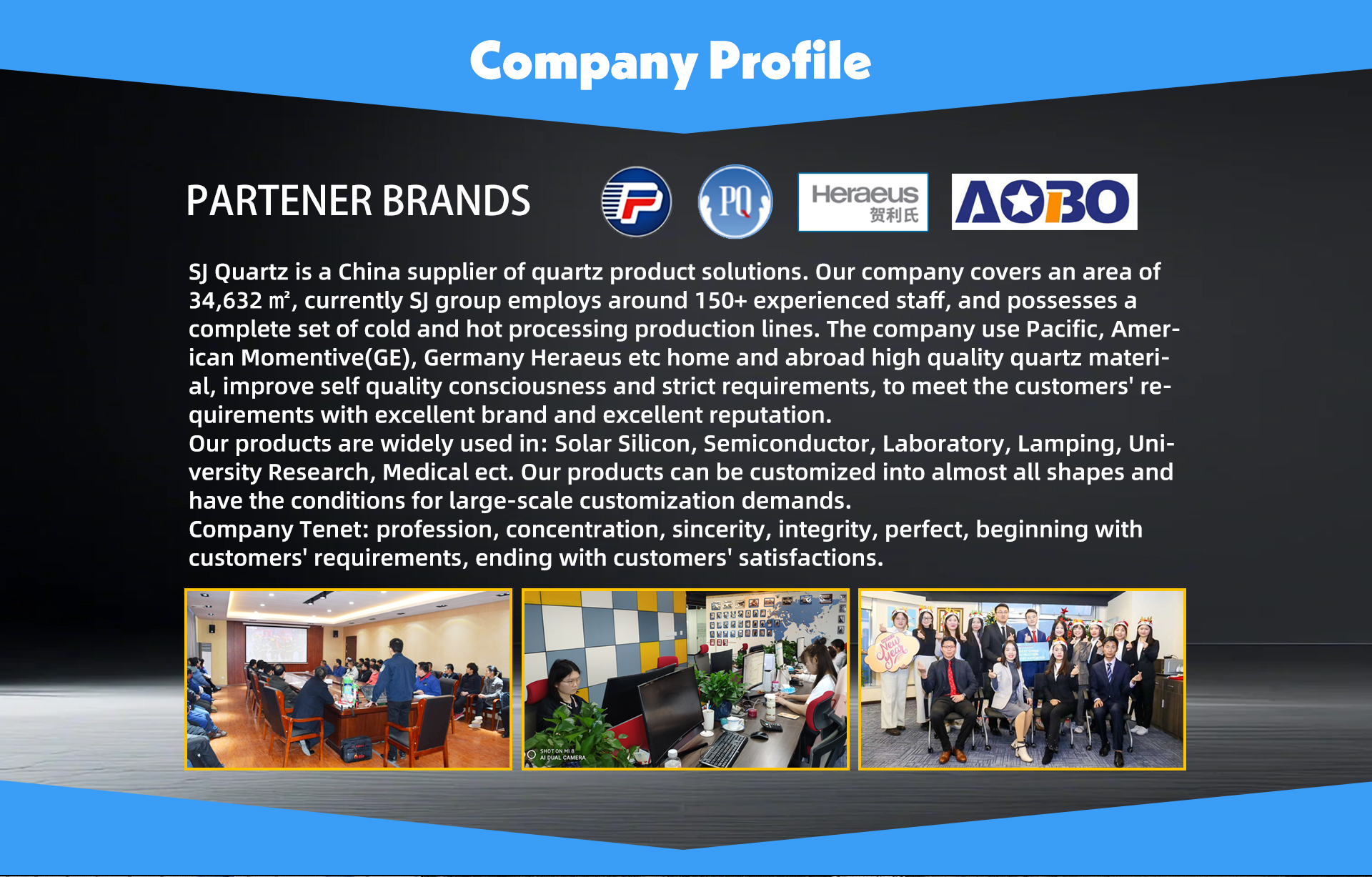
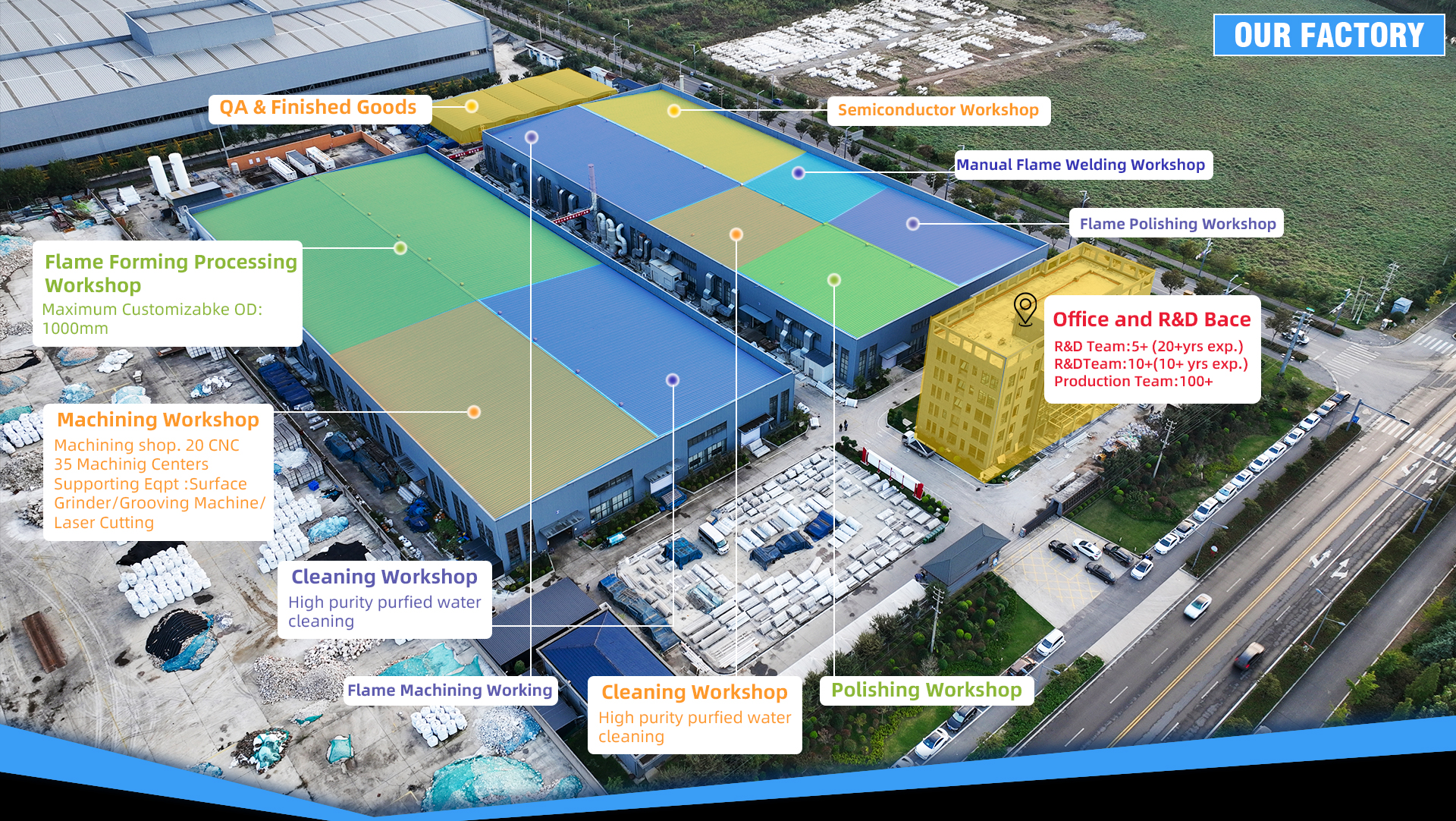
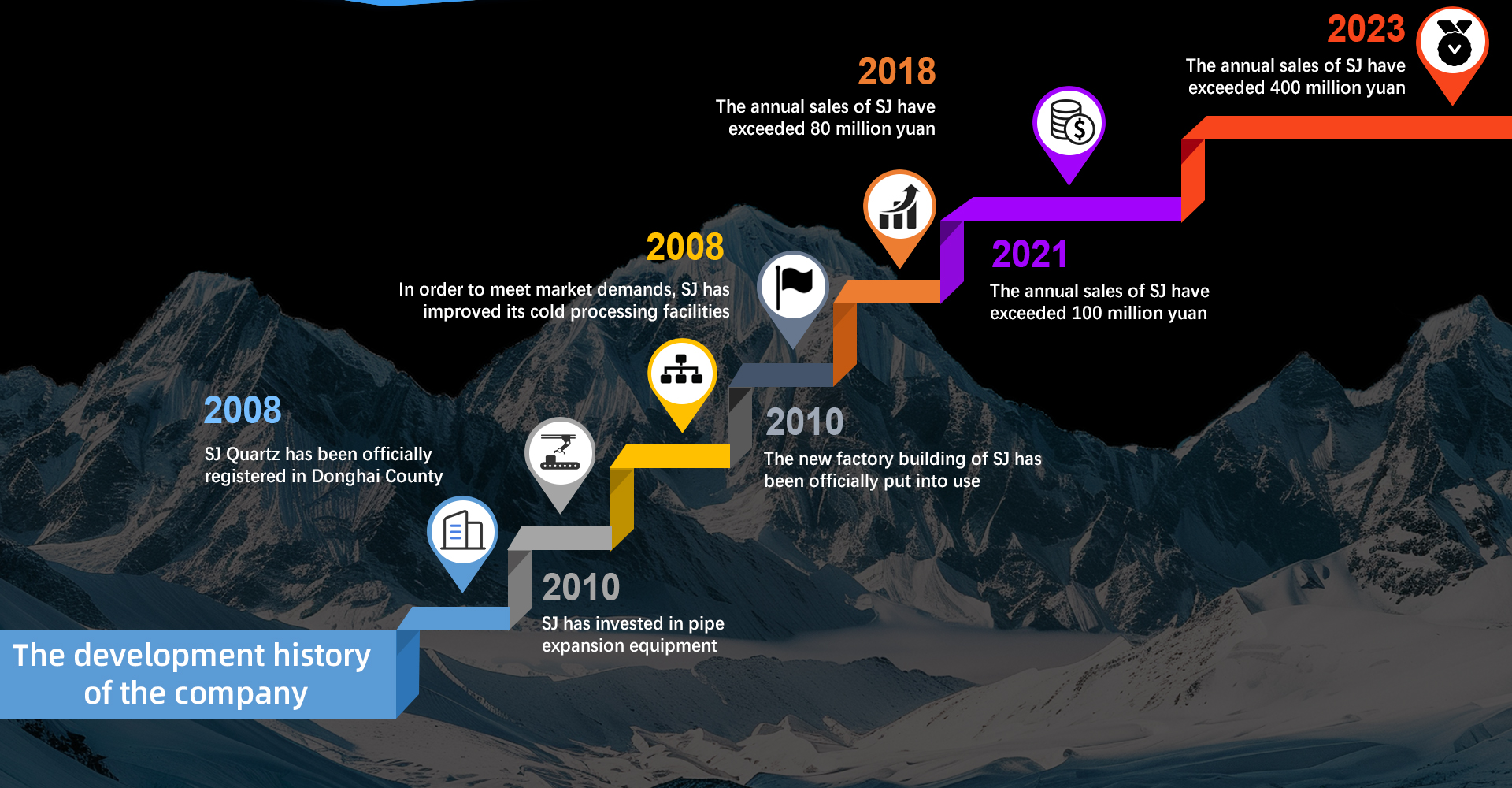
Lianyungang Vulra Quartz Products Co., Ltd. operates from No. 9, Dingxin Road within the Jiangsu Donghai Economic Development Zone. Donghai County is globally recognized as the epicenter of natural quartz resources, providing us with direct, unfettered access to raw quartz sand with purity levels up to 99.999% SiO₂.
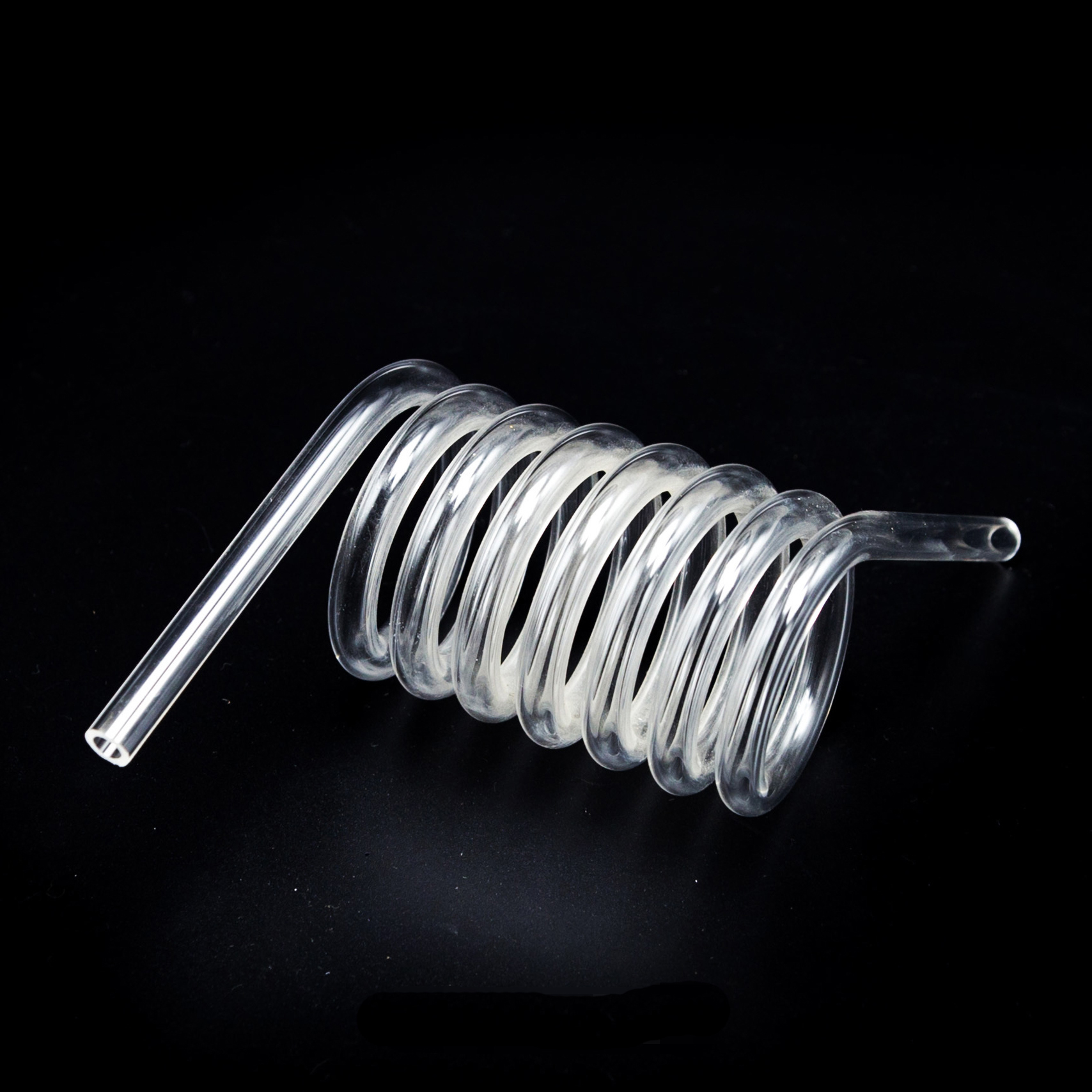
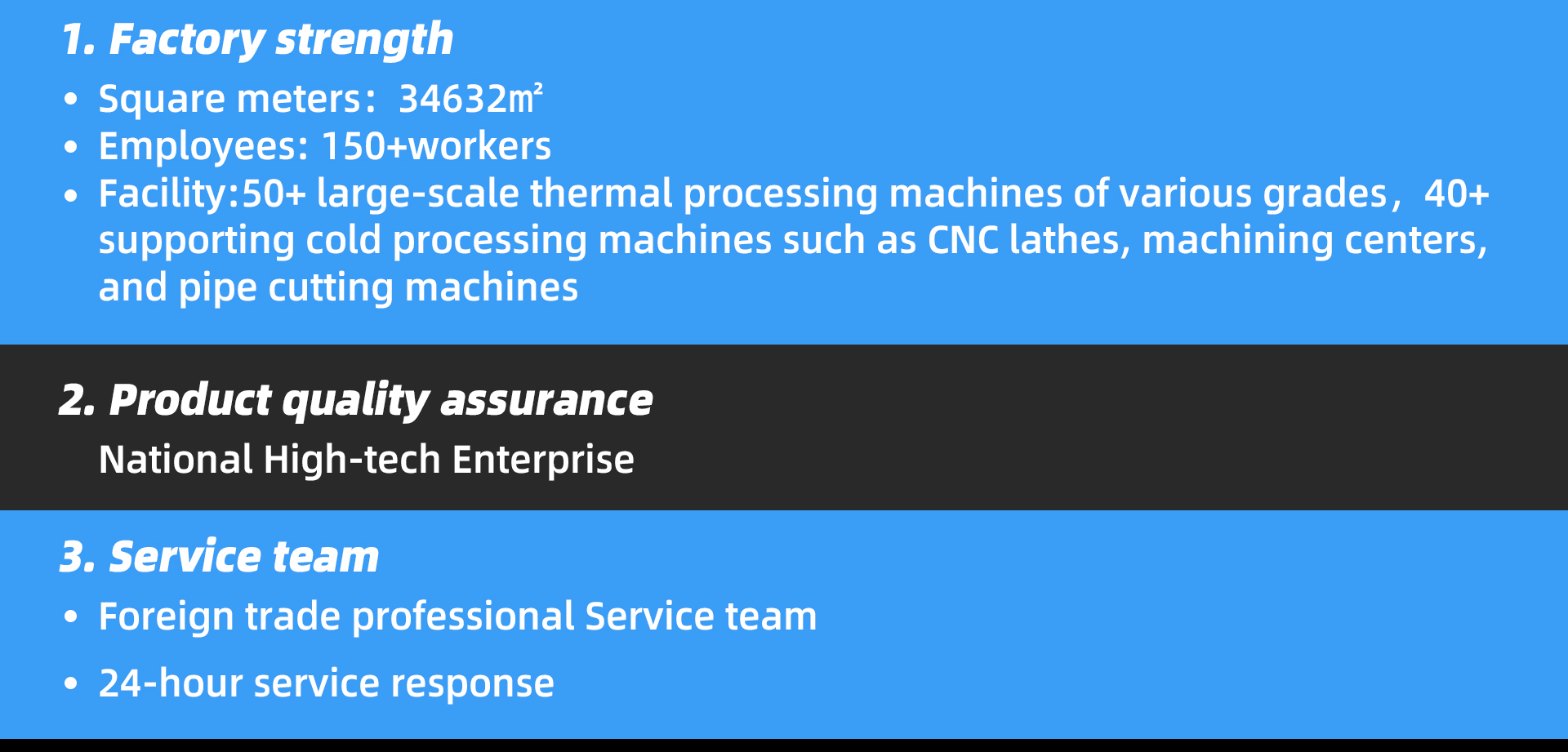
By controlling the entire process stream—from raw crystal melting, continuous tube drawing, and precision diamond cold machining to flame hand-blowing, stress-relief annealing, and ultrasonic acid washing—we provide Polish industrial procurement teams with a direct manufacturer relationship that eliminates trading intermediary margins.
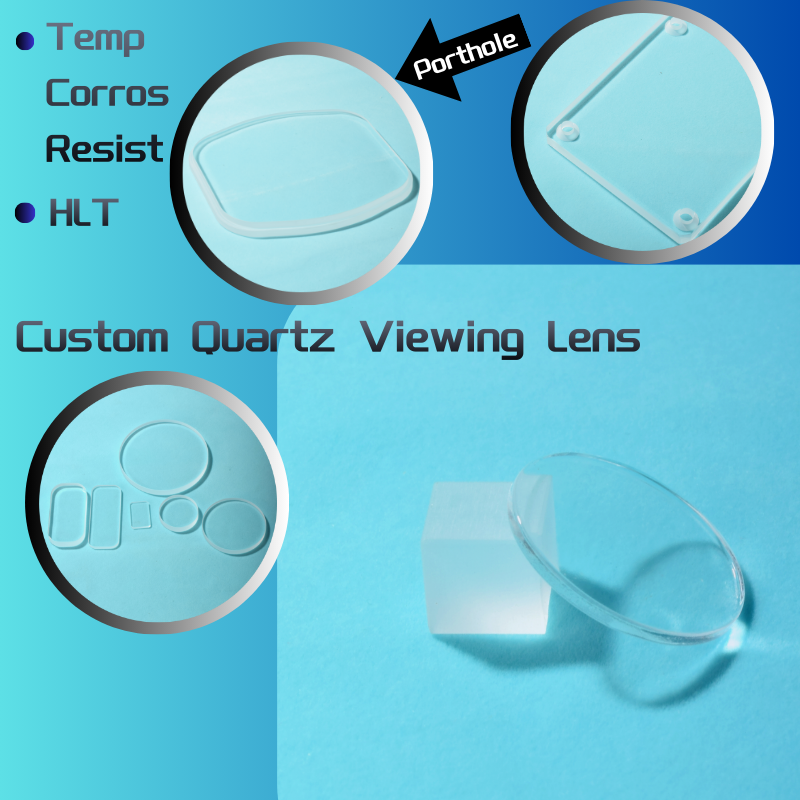
Every quartz ashing dish, optical window, and furnace tube undergoes exhaustive hot-working, mechanical cold processing, and thermal normalization.
1. Oxy-Hydrogen Flame Working
Skilled master glassblowers use computer-stabilized oxy-hydrogen burners to form circular ashing dish rims, flanged lips, and pour spouts at temperatures above 1800°C.
2. Precision Cold Machining
Diamond-edge slicing, continuous ultrasonic drilling, and computerized edging achieve tight tolerances (±0.05 mm) on wall thickness and rim coplanarity.
3. Annealing & Stress Elimination
Every piece is held at 1150°C in an automated annealing kiln followed by slow, controlled cooling. This eliminates internal mechanical stresses, preventing spontaneous shattering.
4. Polariscopic & Spectral QC
100% optical inspection under cross-polarized light verifies the elimination of thermal stress fringes, while spectral photometers certify UV-visible transmission ratings.
Engineering Support
Procurement & Technical FAQ
Key technical specifications and logistics protocols for laboratory managers and sourcing specialists across the Łódź Voivodeship and wider Poland.
Need a custom size, ground glass joint, or custom drawing review? Speak directly with our lead quartz engineering team.
What is the maximum operating temperature of Vulra quartz ashing dishes?
Our high-purity fused quartz ashing dishes are engineered for continuous thermal exposure at 1100°C and short-duration peak exposures up to 1450°C. The softening point of our material is approximately 1683°C. When carrying out standard calcination or ashing procedures in a laboratory muffle furnace (typically 550°C to 950°C), our dishes demonstrate virtually unlimited lifespans, provided they are kept clean and free from alkali contamination.
How do you ship fragile quartz items safely to industrial sites in Łódź, Poland?
We operate an export packaging protocol developed specifically for fragile scientific glassware. Each quartz ashing dish is individually sealed in antistatic dust-free poly bags, encased in shock-absorbing high-density polyethylene (EPE) custom-cut foam cavities, placed into heavy-duty multi-wall corrugated cartons, and crated in fumigated export wooden plywood boxes. Consignments destined for Łódź are dispatched via priority air cargo (direct to Warsaw Chopin WAW or Łódź Władysław Reymont LCJ) or via the direct Yiwu/Chengdu-to-Łódź rail cargo terminal (Olechów hub) for bulk procurement, complete with DDP (Delivered Duty Paid) door-to-door customs clearance.
Why choose fused quartz over platinum crucibles for analytical ashing?
While pure platinum or Pt-Au 5% crucibles deliver exceptional thermal stability, they present major operational challenges: capital costs exceeding thousands of euros per vessel, vulnerability to damage by phosphorus, sulfur, or heavy metals at elevated temperatures, and severe security/theft risks. Fused quartz provides identical chemical inertness against concentrated mineral acids (HNO₃, HCl, H₂SO₄), zero trace metal background contamination, and unmatched thermal shock resistance at a fraction of the cost, making it feasible to keep hundreds of dedicated dishes in active analytical rotation.
Can Vulra manufacture custom dimensions, shapes, or handles based on technical drawings?
Yes. We are an audited custom manufacturer with an active Minimum Order Quantity (MOQ) of just 1 piece for bespoke quartz parts. Whether your testing protocol requires a low-form shallow dish, a tall cylindrical crucible, integrated quartz handles for manipulation with furnace tongs, reinforced rims, or specific laser-engraved sample numbering, our engineers will review your CAD (DWG, DXF, STEP) or PDF sketch and deliver an engineering feasibility evaluation within 24 hours.
What is the recommended cleaning protocol for quartz ashing vessels between runs?
To prevent premature devitrification, clean the dishes immediately following calcination:
1. Acid Soak: Immerse in hot 1:1 nitric acid (HNO₃) or hydrochloric acid (HCl) to dissolve metallic residues. For organic char, use aqua regia or piranha solution.
2. Avoid Strong Hydrofluoric Acid (HF): Do not soak in concentrated HF. If surface etching is necessary to remove silicate slag, use dilute HF (no greater than 2–5%) for no longer than 2 to 3 minutes.
3. Deionized Water Rinse: Rinse thoroughly with 18.2 MΩ·cm Type I deionized water to strip all dissolved ionic salts.
4. Drying & Handling: Dry inside a clean oven at 120°C. Never touch cleaned quartz with bare hands; finger oils deposit sodium, which accelerates high-temperature devitrification.
Does your company provide Material Certification and Trace Metal Analysis?
Every production batch shipped to European Union clients includes a Certificate of Analysis (CoA) providing detailed ICP-OES trace impurity breakdowns (Al, Fe, Ti, Ca, Mg, Na, K, Li). Our quartz complies fully with EU Directive 2011/65/EU (RoHS) and Regulation (EC) No 1907/2006 (REACH), guaranteeing zero hazardous substances or heavy metal leaching.
Ready to Equip Your Łódź Laboratory with Factory-Direct Quartzware?
Submit your 2D/3D component drawings, dimensional specs, or tender requirements. Our senior glassblowing engineers provide quotation sheets, material test reports, and international logistics plans within 24 business hours.