Featured Industrial & Scientific Quartz Series
Immediate deployment for Bahamian municipal utility plants, environmental bio-laboratories, and offshore energy infrastructure. Direct factory supply from Donghai's world-class fused quartz cluster.
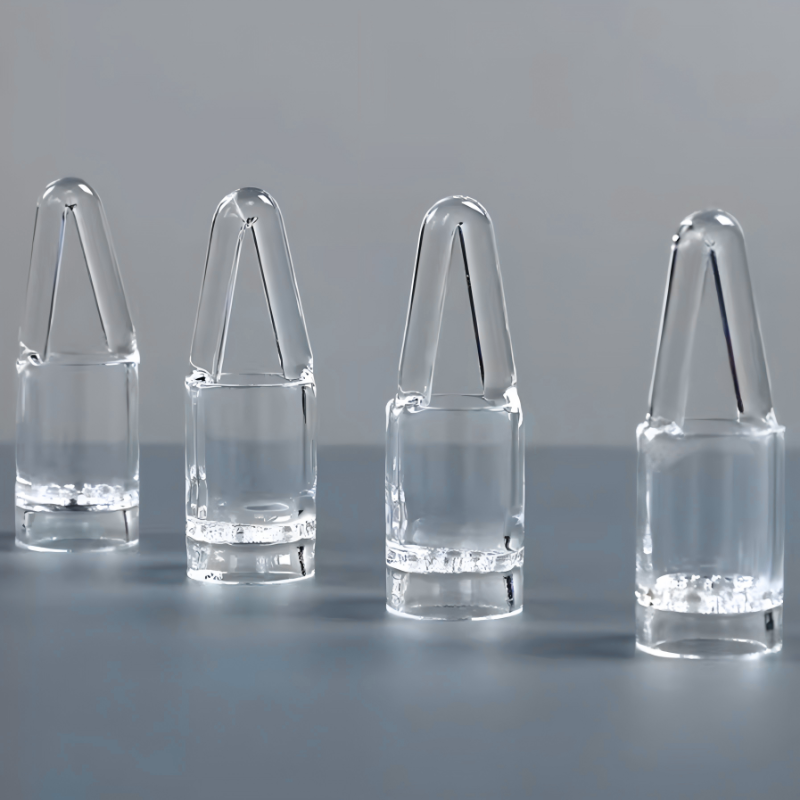
High-Temperature Acid-Resistant Quartz Glass Crucible
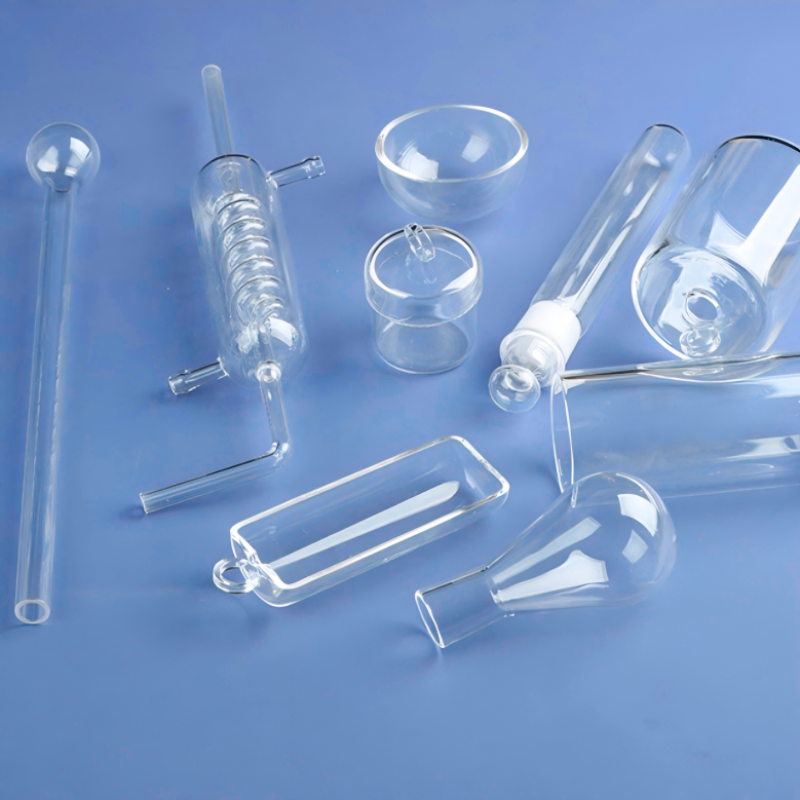
High Temperature Resistant Transparent Quartz Glass Tube & Plugging Rod
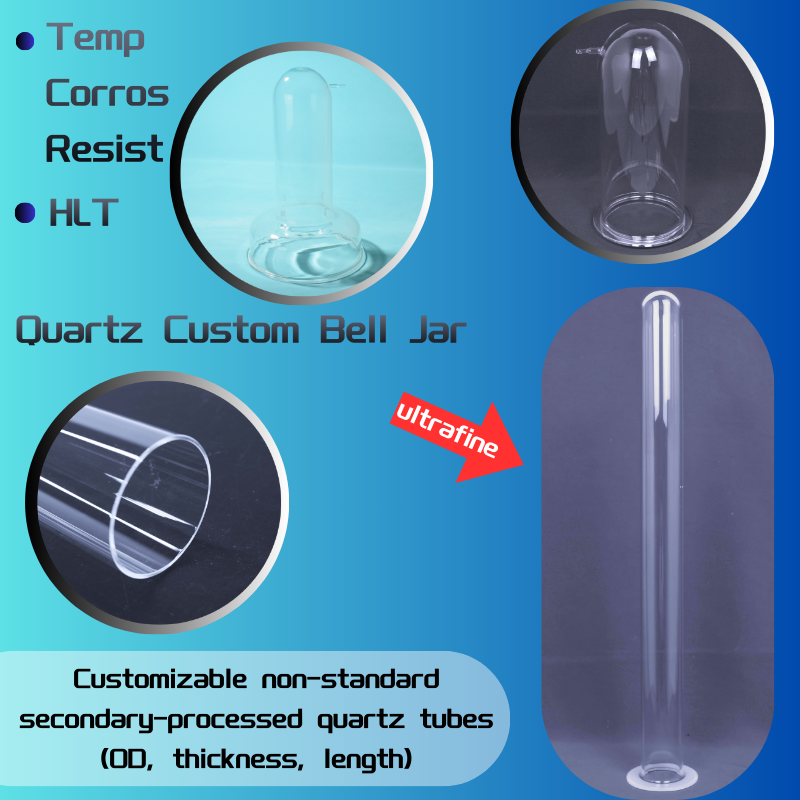
SJ 130 QUARTZ High-Precision Negative Pressure Vacuum Tube

Clear Refractory Fused Quartz Crucible Bowl SJ Series
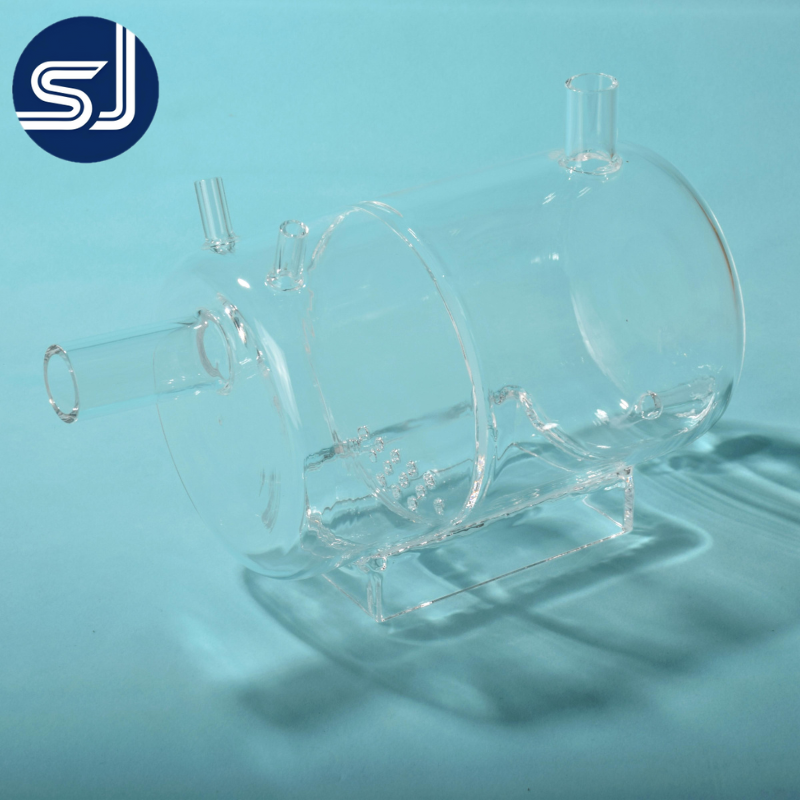
SJ QUARTZ High-Temperature Corrosion-Resistant Flow Splitting Bottle

Custom Clear Fused Silica Fire-Polished Vessel SJ 226
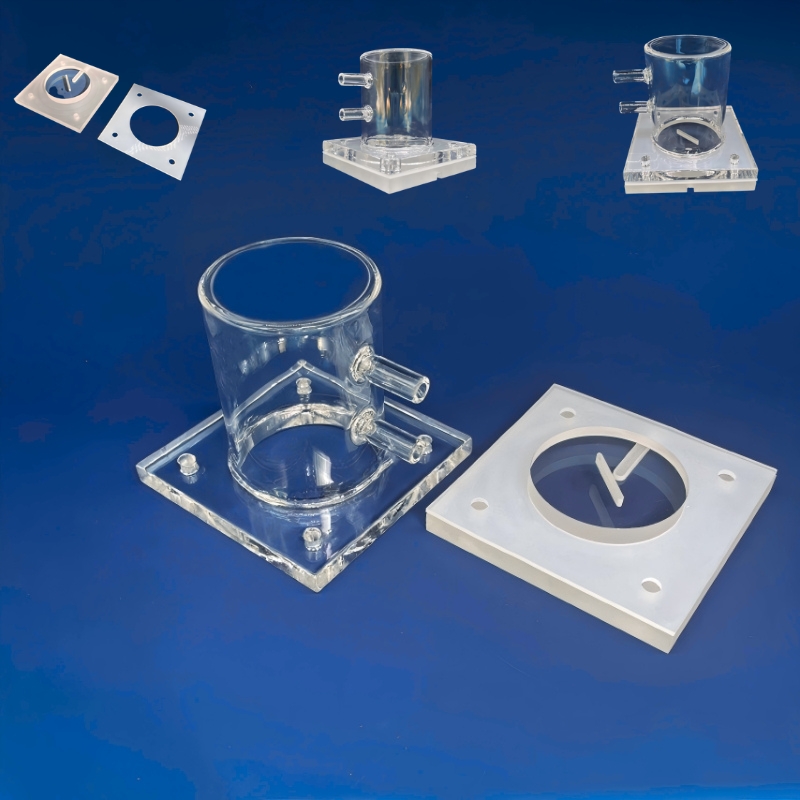
Quartz Photocatalytic Reactor for UV Hydrogen/Oxygen Production
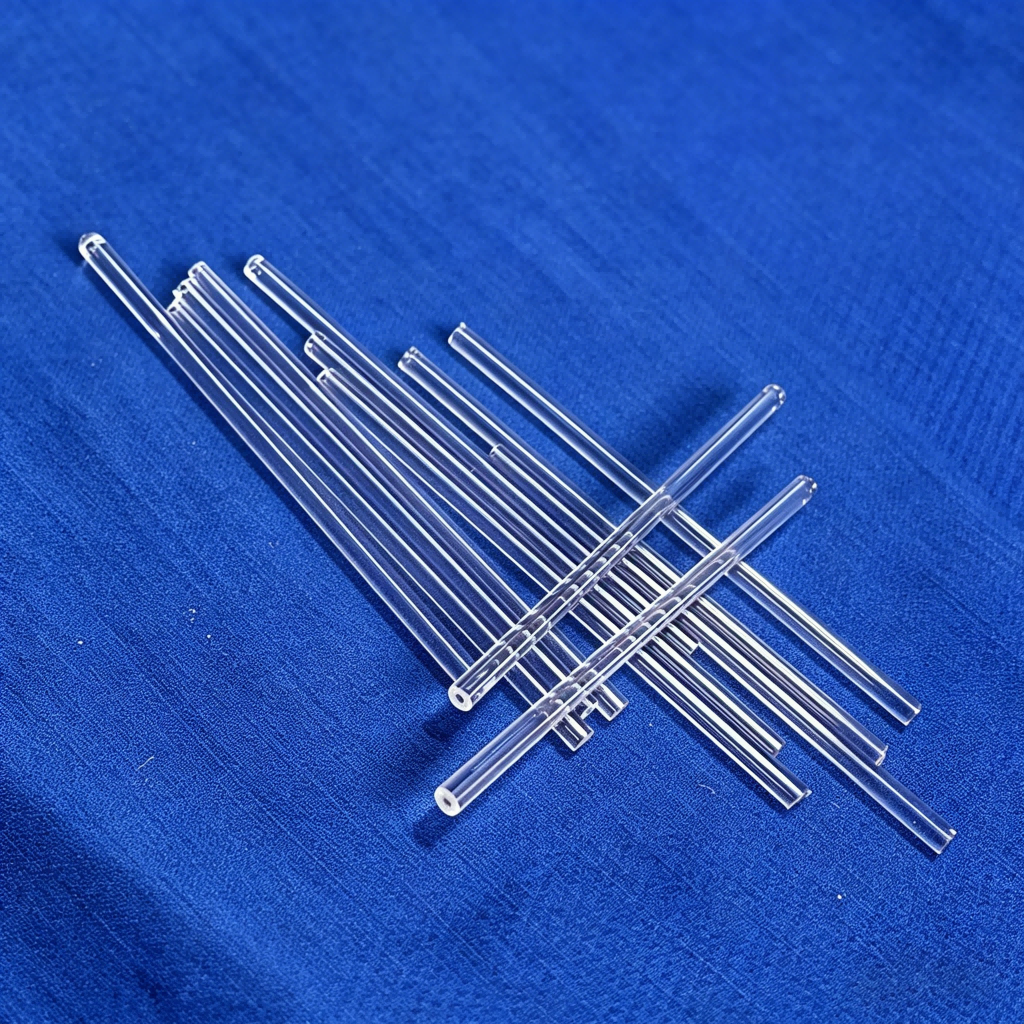
Micro-Capillary High Purity Fused Quartz Glass Tube (2–10mm OD)
Structural Crystallography & Mechanical Integrity of Clear Quartz Rods
An engineering analysis of amorphous silicon dioxide under Caribbean thermal gradients, chloride corrosion, and intense UV irradiation environments.
Fused silica and clear quartz rods produced by Lianyungang Vulra Quartz Products Co., Ltd. represent the apex of non-crystalline vitreous engineering. Sourced from the globally renowned high-purity pegmatite quartz deposits in Donghai, our feedstock undergoes high-temperature electric arc and oxy-hydrogen flame fusion at temperatures exceeding 2000°C. This converts tetrahedral alpha-quartz into a cross-linked three-dimensional network of pure SiO₂ without grain boundaries or metallic precipitation phases.
For engineering applications throughout the Commonwealth of the Bahamas—ranging from reverse-osmosis SWRO plants on New Providence to marine photobiology research platforms in the Exumas—clear quartz rods must maintain absolute physical stability under severe environmental stress. Unlike ordinary borosilicate glass or soda-lime glass which suffer from ionic exchange in marine air and chloride pit corrosion, our pure fused quartz rods feature zero porosity, an exceptionally low hydroxyl content (customizable down to <5 ppm for infrared applications or doped for zero-ozone cutoff <220 nm), and an unmatched chemical inertness against all mineral acids except hydrofluoric and boiling phosphoric acid.
| Physical / Chemical Parameter | Vulra Fused Quartz Rod (SJ-Series) | Synthetic Fused Silica (Optical Grade) | Borosilicate Glass 3.3 (Standard) | Transparent Sapphire (Al₂O₃) |
|---|---|---|---|---|
| SiO₂ / Material Purity | ≥ 99.99% – 99.999% | ≥ 99.9999% | ≈ 81% SiO₂ (Contains B₂O₃, Na₂O) | 99.99% Al₂O₃ Monocrystalline |
| Continuous Service Temperature | 1100 °C | 1150 °C | 450 °C | 1700 °C |
| Thermal Softening Point | 1683 °C | 1730 °C | 820 °C | 2040 °C (Melting Point) |
| Coeff. of Thermal Expansion (CTE) | 5.5 × 10⁻⁷ / °C (20–320°C) | 5.2 × 10⁻⁷ / °C | 33 × 10⁻⁷ / °C (6x Higher Risk) | 58 × 10⁻⁷ / °C |
| Deep UV Transmission (254 nm, 10mm) | > 90% – 92% | > 93.5% | < 5% (Opaque in UV-C) | ≈ 85% |
| Bending / Tensile Strength | 48 N/mm² (Tensile) / 1100 N/mm² (Comp) | 50 N/mm² | 35 N/mm² | 400 N/mm² |
| Thermal Shock Resistance | ΔT = 1100°C to Ice Water: No Crack | ΔT = 1150°C to Cold Water | ΔT = 150°C Max | ΔT = 200°C Max |
| Chloride / Salt-Fog Resistance | Completely Inert (Zero Leaching) | Completely Inert | Surface Micro-Etching Over Time | Inert |
Industrial & Environmental Deployment in the Bahamas
Solving real-world material degradation challenges across the 700 islands and cays of the Lucayan Archipelago through ultra-pure fused quartz mechanics.
SWRO Desalination & UV Disinfection Chambers
The Water and Sewerage Corporation (WSC) of The Bahamas and private utility operators on Grand Bahama, Abaco, and Eleuthera rely heavily on Seawater Reverse Osmosis (SWRO). In these high-pressure, extreme salinity environments, our clear quartz rods serve as structural light-guides, UV-C monitoring probes, and non-reactive supports in secondary photolysis chambers, delivering uninterrupted 254 nm germicidal irradiation without bio-fouling or chemical leaching.
Marine Oceanography & Coral Reef Bio-Probing
Marine research stations such as the Cape Eleuthera Institute and Perry Institute for Marine Science deploy submersible optical spectroradiometers. Our fire-polished quartz rods act as ultra-low-attenuation light conduits, guiding photosynthetically active radiation (PAR) and UV spectra into submersible sensors up to 100 meters underwater, completely immune to Caribbean saltwater corrosion and biogenic mineral deposits.
Offshore Solar Concentrators & Thermal Pyrolysis
As the Bahamas National Energy Policy 2013-2030 accelerates solar microgrid deployment on Family Islands, pilot concentrated solar power (CSP) and solar-thermal desalination systems require receiver components capable of surviving intense thermal fluxes. Vulra clear quartz rods withstand continuous 1100°C heat without distortion or devitrification, maximizing photonic flux concentration directly into heat exchangers.
Luxury Resort Water Systems & Aquatic Sanctuaries
In mega-resorts on Paradise Island, Cable Beach, and Bimini, maintaining closed-loop aquatic enclosures, dolphin habitats, and high-efficiency potable water systems requires chlorine-free ozone water treatment. Ozone reaction monitoring chambers incorporate our precision-ground optical quartz rods and windows to allow real-time spectrophotometric oxidation monitoring without sensor degradation.
Maritime Ballast Water & Cruise Port Disinfection
Nassau Cruise Port and the Grand Bahama Shipyard in Freeport require IMO-compliant (International Maritime Organization) Ballast Water Management Systems (BWMS). Vulra's high-purity quartz rods and heavy-wall sleeve rods shield ultra-high output UV amalgam lamps against heavy hydrodynamic shock, vibration from marine turbomachinery, and rapid cold-water pressure spikes.
Industrial Freeport Petrochemical & Chemical Processing
Freeport’s industrial free trade zone hosts chemical storage, polymer compounding, and energy processing facilities that utilize aggressive catalytic reactions. Fused quartz stirring rods, sight inspection rods, and reaction vessels remain unreactive to nitric, sulfuric, and organic acid vapors, eliminating downtime caused by borosilicate glass leaching or metallic corrosion cracking.
Bahamian Market Trends: The Rise of the Blue Economy & Resilient Infrastructure (2025–2030)
Key drivers transforming quartz and advanced silica consumption across the Caribbean archipelago.
1. Decentralized SWRO Desalination across the Family Islands
Historically, the Bahamian water grid relied on barging potable water from Andros to New Providence or utilizing shallow groundwater lenses vulnerable to saltwater intrusion. Today, under the Bahamas Climate Resilient Water Sector Project backed by international development banks, decentralized reverse osmosis systems powered by hybrid microgrids are proliferating across Cat Island, Mayaguana, Inagua, and Long Island. Fused quartz components—specifically high-transmittance UV reactor tubes and quartz light-monitoring rods—have become essential critical-spares. Plant operators demand quartz with zero devitrification tendencies in tropical heat and high tensile strength capable of resisting continuous pump pulsing.
2. Transition from Toxic Biocides to High-Energy UV-C Photolysis
Stringent environmental regulations enforced by the Bahamas Department of Environmental Planning and Protection (DEPP) increasingly discourage the excessive use of chlorine and chemical biocides in resort discharge water and marine marinas to safeguard endangered coral ecosystems. Consequently, modern resorts are retrofitting wastewater and greywater treatment trains with high-output photochemical oxidation reactors. These systems utilize Vulra’s synthetic fused silica rods and tubes to maximize transmission at 185 nm and 254 nm, generating hydroxyl radicals (•OH) that rapidly neutralize pathogens without residual toxicity.
3. Extreme Salt-Fog and Hurricane-Ready Engineering Standards
The Caribbean environment presents one of the highest atmospheric corrosion rates globally, driven by constant oceanic salt spray, 85%+ relative humidity, and intense ultraviolet solar radiation. Traditional optical plastics (such as PMMA and polycarbonate) cloud, yellow, and embrittle within 18 months under Bahamian sun. Borosilicate glasses suffer gradual micro-crazing and devitrification. Procurement engineers across New Providence and Freeport are systematically upgrading to natural fused quartz rods (SiO₂ ≥ 99.99%), which provide indefinite exterior optical clarity, a Mohs hardness of 7.0, and complete resistance to chloride stress corrosion.
Why Engineering Teams Choose Vulra Quartz
Combining China’s premier high-purity crystal cluster with rigorous German TÜV Rheinland certified on-site production lines.
Donghai Silicon Cluster Advantage
Situated in Donghai County, Jiangsu Province—the global epicenter of raw high-purity crystal refinement—Vulra enjoys direct vertical access to natural quartz sand with minimal heavy metal contamination (Fe < 0.2 ppm, Al < 15 ppm, Ti < 1.0 ppm). This raw material stability guarantees uniform refractive index and superior softening temperatures.
TÜV Rheinland Audited Quality
Unlike trading intermediaries, our factory premises, precision hot-working lathes, ultrasonic diamond cutting stations, and chemical annealing chambers are physically inspected and authenticated on-site by TÜV Rheinland. Our export quality management fulfills strict ISO 9001, CE, and RoHS international certifications.
Full OEM/ODM from 1 Piece
Whether you require a single bespoke optical quartz rod prototype with optical fire-polished ends for an experimental deep-sea benthic lander or thousands of standard 10mm × 1000mm rods for utility-scale UV disinfection banks, we support CAD/SolidWorks drawing-based production from 1 PC with CNC tolerance down to ±0.02 mm.
Specialized Transatlantic Packaging
Shipping fragile quartz products to Nassau Port or Freeport Container Terminal demands engineered shock mitigation. Every batch is wrapped in anti-static film, encased in high-density polyethylene (EPE) custom foam cells, and sealed inside fumigated, shock-damped multilayer plywood export crates engineered for ocean swell and air freight turbulence.
Frequently Asked Questions by Bahamian Importers & Engineers
Direct answers concerning customs tariffs, freight options, salt-fog performance, and precision custom fabrication.
What are the lead times and shipping routes for quartz deliveries to Nassau and Freeport?
How do your clear quartz rods perform under the extreme atmospheric salinity of the Bahamas?
What is the HS Code classification for importing fused quartz rods and tubes into The Bahamas?
Can Vulra machine custom diameters, ground flats, or optical fire-polished ends?
How is fragile quartzware protected against breakage during long ocean or air transit?
What is the optical difference between JGS1, JGS2, and JGS3 quartz material?
Can Vulra fabricate replacement parts for existing European or American equipment brands?
What payment terms and currencies do you support for Bahamian companies?
Initiate Your Engineering Consultation for the Bahamas
Whether you require precision clear quartz rods for municipal SWRO desalination, optical components for oceanographic monitoring, or custom laboratory quartzware, our senior glass-forming engineers are standing by to review your CAD files and technical specifications.