Precision Fused Quartz Components for Pyrometry & Thermal Processing
Engineered to exact drawing specifications with high optical transmittance (UV to Near-IR), extreme thermal stability up to 1450°C, and certified DIN ISO 10110 surface figures.
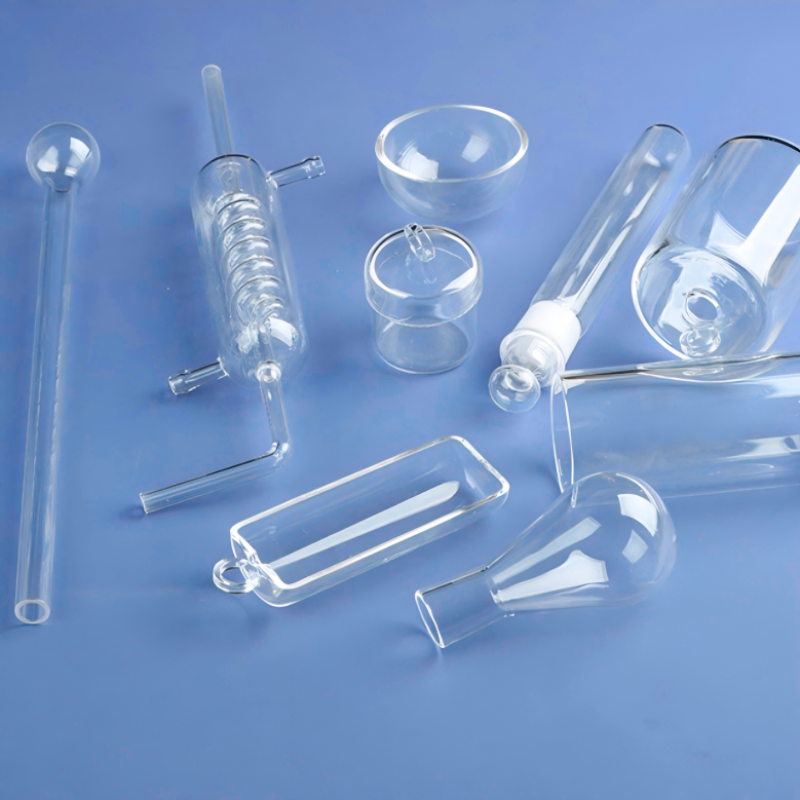
Quartz Glass Tube Plugging Rod Heating Test Tube Boat High Temperature Resistant High Frequency Transparent Polished Surface
Thermal Rating: 1100°C Cont. / 1450°C Peak
Application: High-frequency furnace viewport tubes
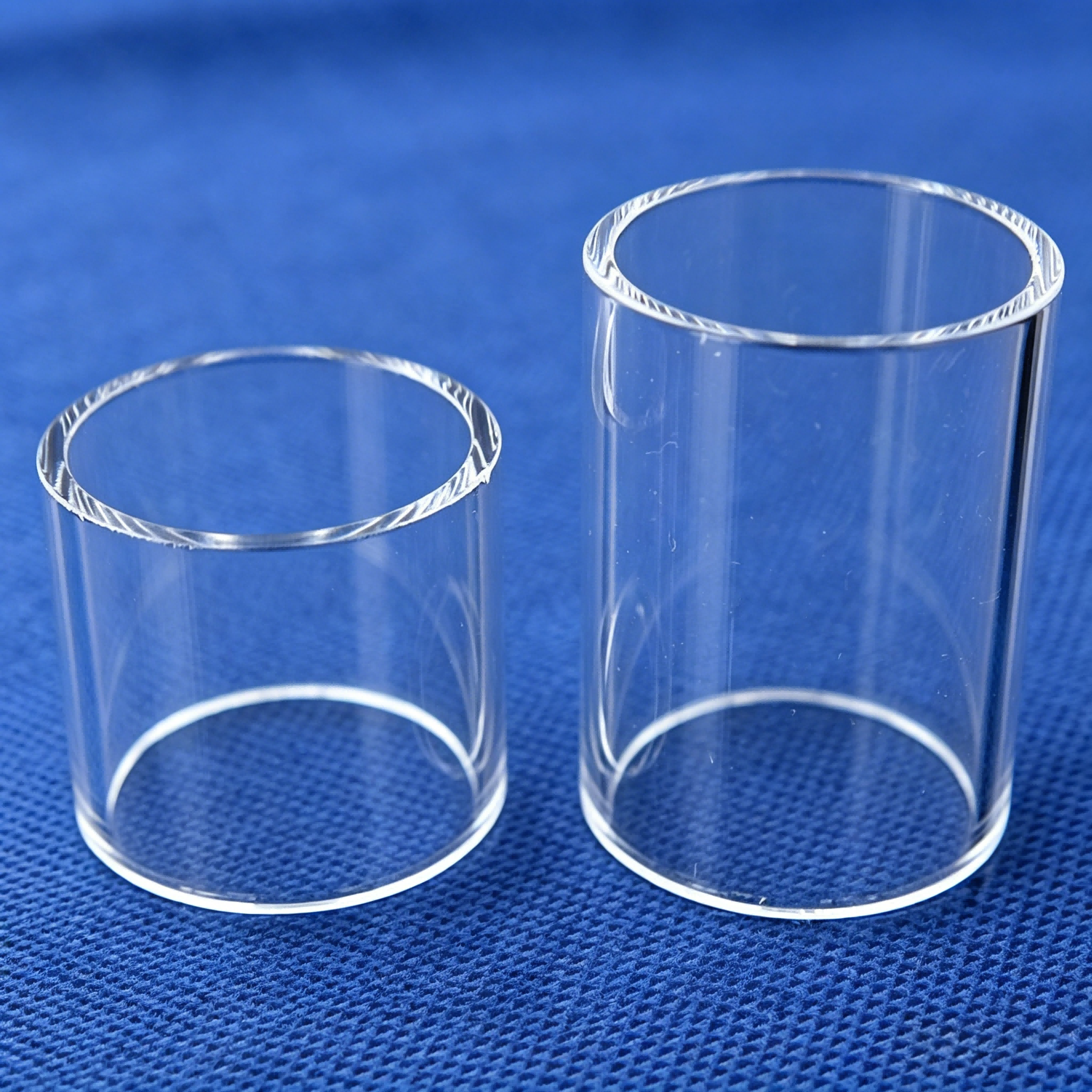
Custom High Temperature Corrosion Resistant Clear Quartz Glass Pipe | Twin Tube Polished Surface Bending/Welding/Cutting SJ 210
Processing: Precision flame welding & cutting
Application: Thermal sight port sleeves & pipes
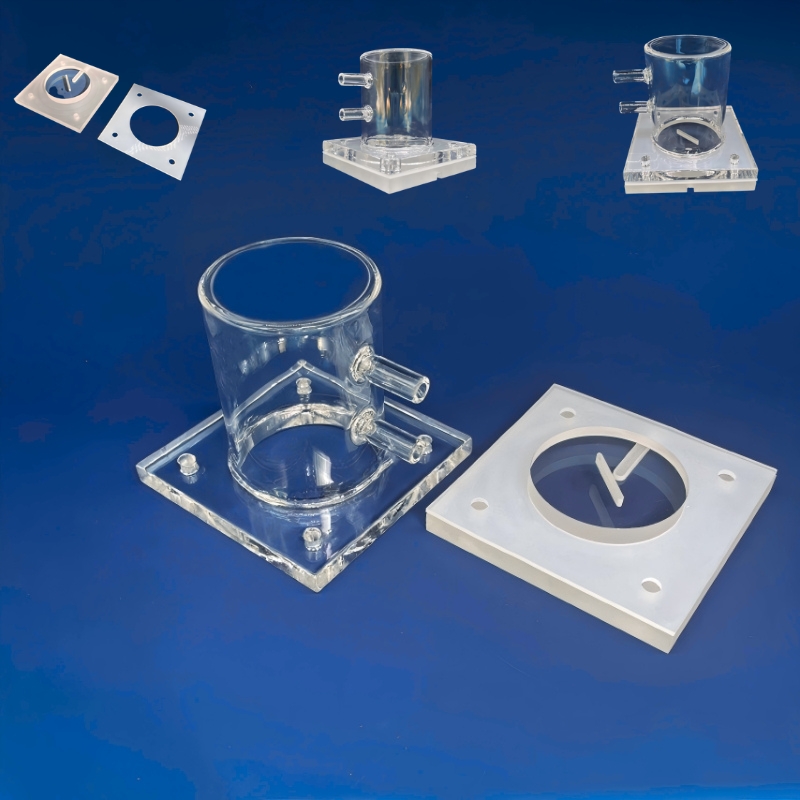
Quartz Photocatalytic Reactor Hydrogen Oxygen Production Via UV Photodegradation Ozone Free Translucent Quartz Moulding Cutting
Purity: JGS1 synthetic silica grade available
Application: Gas-tight chemical & laser reactors
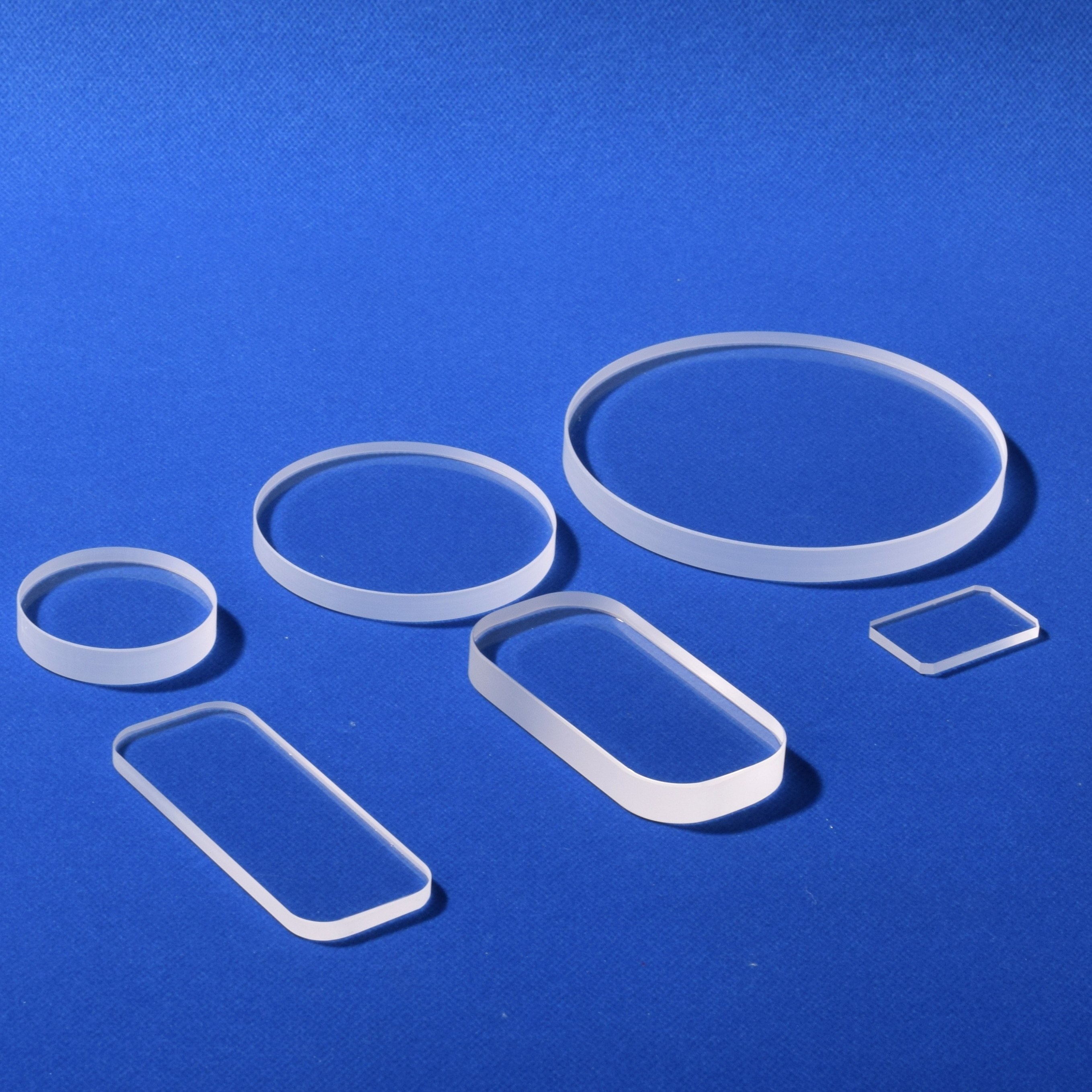
Sophisticated Technology High Transmittance Customized Heat Resistant Transparent Quartz Glass Watch Window High Insulation
Parallelism: <30 arcsec; Ra < 1.0 nm
Application: Infrared pyrometer viewing ports
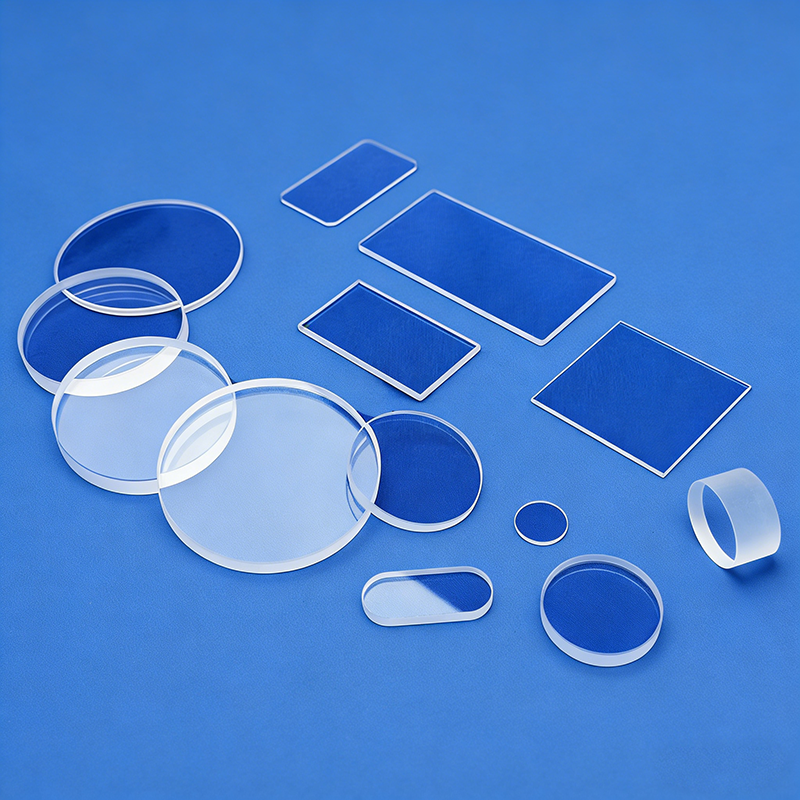
SJ QUARTZ Customized Translucent Natural Fused Quartz Arc-Welding Cutting Services Industrial Lab Applications High Purity Flat
Tolerance: ±0.05 mm dimensional precision
Application: Heavy thermal insulation flanges
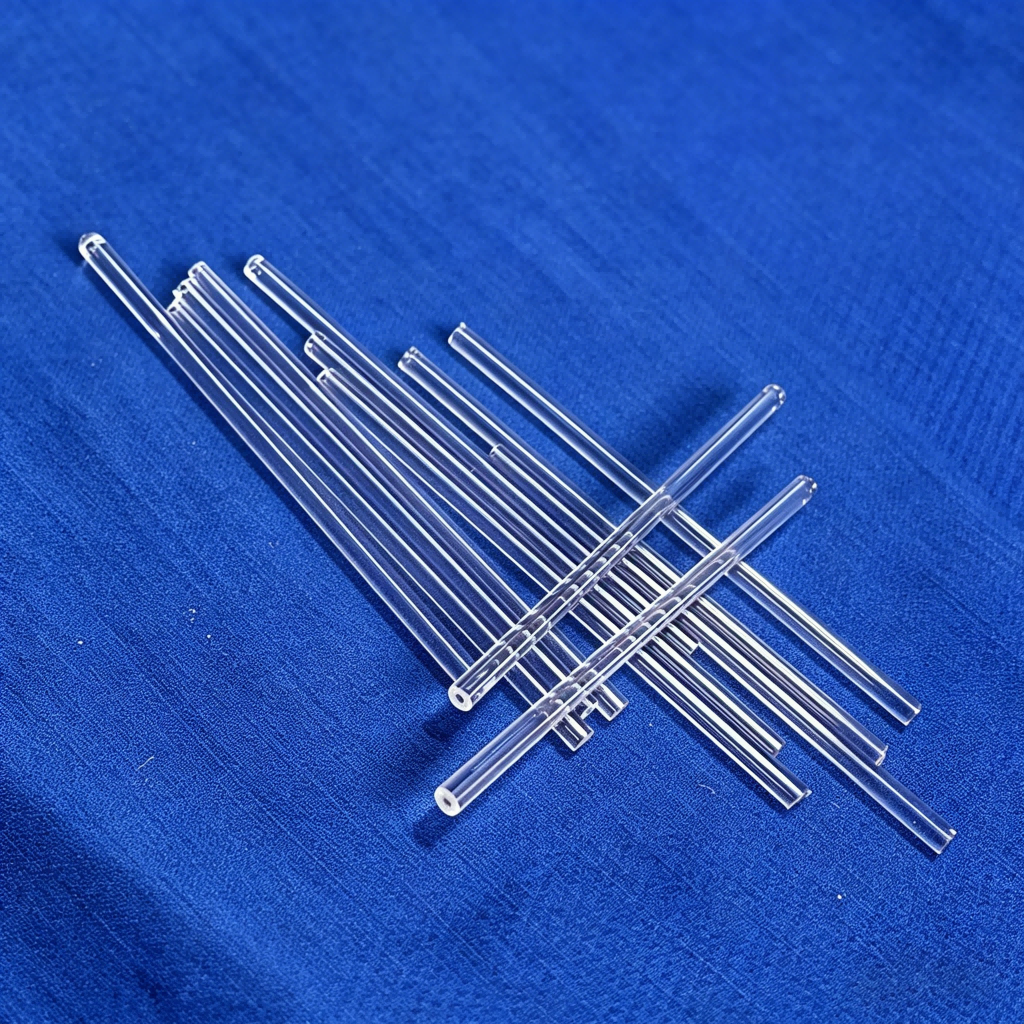
High Purity Opaque Micro Capillary Quartz Glass Tube | Laboratory Exhaust Capillary Tube 99.9%-99.999% Silicon Dioxide 2-10mm OD
Dimensions: 2–10mm OD capillary bores
Application: Sensor sheaths & pyrometry probes
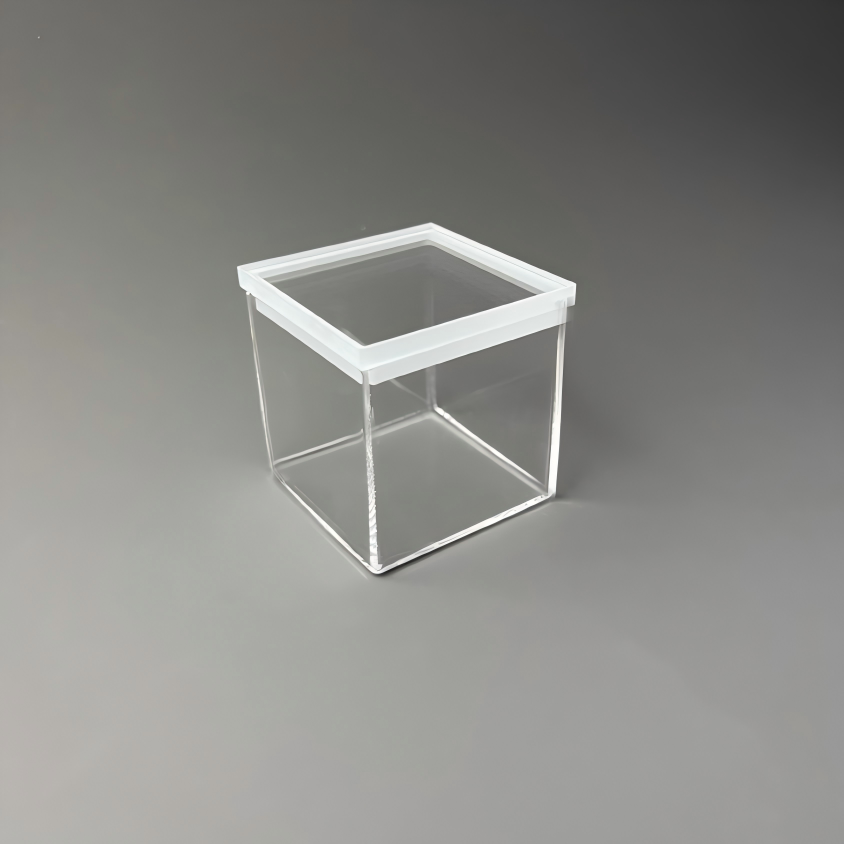
Quartz Glass Sealed Electrolytic Cell Dome Closed End Custom Dimensions Photocatalytic Photoelectrochemical Ozone Free Polished
Transmission: Distortion-free optical path
Application: Multi-angle thermal inspection cells
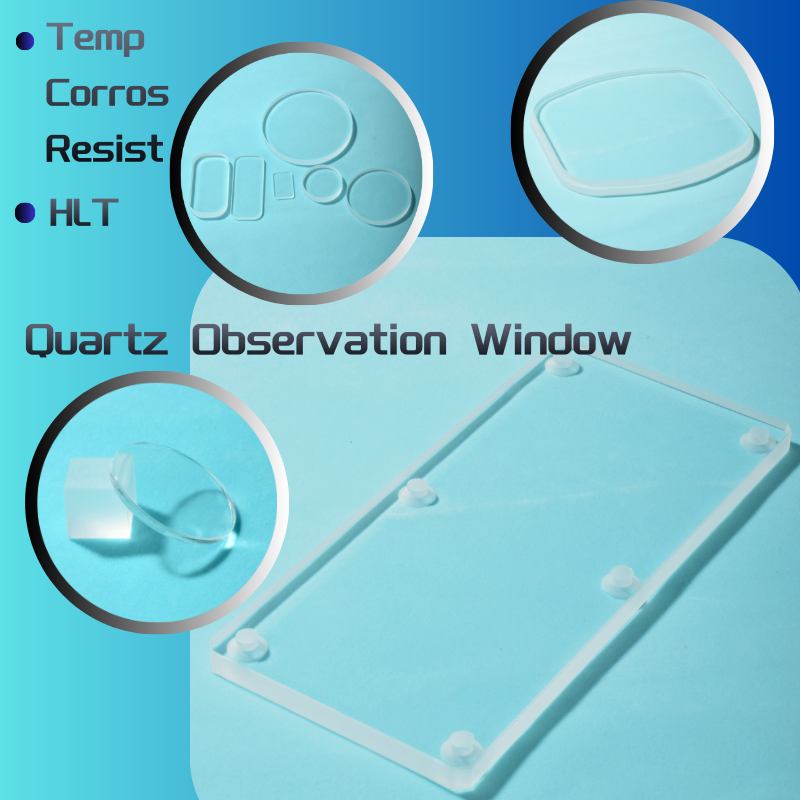
SJ Natural Fused Quartz Polished Plate Optical Clear Heat-Resistant Chemical-Resistant Cutting High Melting Point Laser 5.5-6.5
Thermal Shock: Quench 1100°C to 20°C water
Application: Flanged pyrometer viewports (CF/KF)
Physics of Quartz Pyrometer Windows: Transmittance, Emissivity & Thermal Shock
A rigorous examination of optical fused silica and synthetic quartz substrates under high-temperature radiant flux and vacuum differentials.
In non-contact optical thermometry, the pyrometer viewing window represents the most critical thermodynamic and optical interface between the measurement sensor and the thermal process chamber. In high-performance industrial environments across Borgo Maggiore, San Marino, and the surrounding Emilia-Romagna precision manufacturing corridor, engineers rely on pyrometric systems operating across ultraviolet, visible, and short-to-mid wavelength infrared bands (0.2 µm to 3.5 µm). Standard borosilicate or soda-lime sight glasses exhibit significant absorption bands, catastrophic thermal expansion coefficients, and internal stress birefringence that distort infrared pyrometric calculations.
As a specialized high-purity quartz manufacturing factory based in Donghai, China—the global capital of raw crystalline silica processing—Lianyungang Vulra Quartz Products Co., Ltd. produces optical pyrometer sight glasses from synthetic fused silica (JGS1), optical natural fused quartz (JGS2), and low-OH infrared-transparent fused silica (JGS3). By eliminating trace metallic impurities (Al, Fe, Ti, Ca, Mg below 15 ppm aggregate) and managing hydroxyl radical concentration ([OH⁻] down to <5 ppm for IR applications), our viewing windows ensure steady-state spectral transmission exceeding 92% across target wavebands, preventing temperature calibration drift in vacuum furnaces, induction brazing machines, and laser additive fabrication chambers.
Spectral Transmission Integrity
Standard quartz contains fundamental OH⁻ absorption bands at 1.38 µm, 2.22 µm, and 2.73 µm. For Borgo Maggiore pyrometer users measuring below 600°C where NIR emission peaks between 2.0 µm and 3.5 µm, Vulra provides electrically fused JGS3 quartz, eliminating water bands to deliver unobstructed, repeatable radiometric accuracy.
Thermal Shock & Zero Sag
With an extremely low coefficient of thermal expansion (CTE of 5.5 × 10⁻⁷ K⁻¹ between 20°C and 1000°C), our fused quartz pyrometer windows withstand sudden 1000°C thermal gradients without structural micro-fissuring. The 1683°C softening point ensures structural integrity under continuous vacuum mechanical loading at 1100°C.
Optical Wavefront Flatness
Every pyrometer disc undergoes double-sided precision planetary lapping and pitch polishing, achieving surface roughness Ra < 1.0 nm, scratch-dig specifications of 40/20 (or 20/10 laser-grade), and parallelism within 30 arcseconds, mitigating beam deflection and focal divergence on spot-focus pyrometers.
| Quartz Material Grade | SiO₂ Purity | Transmission Band (T > 85%) | [OH⁻] Content | Typical Pyrometer Compatibility | Thermal Shock Threshold |
|---|---|---|---|---|---|
| JGS1 (Synthetic Fused Silica) | > 99.9999% | 185 nm – 2,500 nm (Deep UV-Vis) | < 1200 ppm | Two-color UV/Vis Pyrometers, Excimer & Diode Laser Monitoring | 1100°C to cold water quench |
| JGS2 (Optical Fused Quartz) | > 99.99% | 260 nm – 2,800 nm (Vis-NIR) | < 150 ppm | Silicon Cell Pyrometers (0.9 µm – 1.1 µm), Standard Foundries | 1050°C to cold water quench |
| JGS3 (Low-OH Infrared Quartz) | > 99.995% | 260 nm – 3,700 nm (Extended NIR-MIR) | < 5 ppm | Lead Sulfide (PbS), InGaAs & Thermopile Pyrometers (2.0 – 3.9 µm) | 1100°C to cold water quench |
Calculating window thickness under vacuum differentials is critical for industrial facilities operating in Borgo Maggiore. Using Timoshenko’s plate theory for clamped circular viewports, the required minimum thickness t is determined by:
t = (D / 2) × √[(1.06 × ΔP × S_f) / σ_a]
where D represents unsupported viewing diameter, ΔP is differential pressure (typically 1.0 bar to 5.0 bar for vacuum-to-positive furnace systems), S_f is the engineering safety factor (standardly 4.0 to 6.0 for brittle vitreous substrates), and σ_a is design tensile strength (48 N/mm² for Vulra optical fused quartz). Our engineering department supplies pre-calculated, finite-element-verified window profiles for CF, KF, and custom ISO flanged sight assemblies.
Localized Applications Across Borgo Maggiore & Central Italy
Deploying specialized fused quartz viewport optics across high-precision mechanical engineering, advanced metal treatment, and laboratory research.
Vacuum Heat Treatment & Metallurgy
Borgo Maggiore's precision subcontracting machine shops utilize high-vacuum annealing and quenching chambers. Vulra quartz pyrometer windows fit standard CF/KF flanges, maintaining vacuum integrity down to 10⁻⁸ mbar while allowing infrared pyrometers to monitor tool steel austenitizing temperatures without atmospheric contamination.
High-Frequency Induction Brazing
In local electromechanical component manufacturing lines, rapid electromagnetic induction generates extreme localized thermal ramps. Vulra optical quartz plates do not couple with RF fields, presenting zero magnetic hysteresis heating while delivering pristine transmittance for fast-response ratio pyrometers.
Additive Manufacturing & Laser Sintering
With San Marino's increasing focus on advanced industrial prototyping, Selective Laser Sintering (SLS) and Direct Metal Deposition (DMD) equipment demand dual-purpose pyrometry sight windows that transmit high-power 1064 nm YAG/fiber lasers while concurrently permitting coaxial pyrometric melt-pool temperature surveillance.
Pharmaceutical Packaging Machinery
San Marino’s packaging equipment engineering sector requires non-contact infrared thermal verification during high-speed aseptic blow-fill-seal polymer molding. Vulra provides compact, chemical-resistant quartz sight disks that endure caustic washdown routines without hazing or surface de-vitrification.
Emerging Thermal Metrology Trends in the San Marino Manufacturing Sector
Strategic technological transitions shaping optical viewport specifications and procurement cycles in Borgo Maggiore.
Adoption of Multi-Wavelength Ratio Pyrometry
Modern machine builders in Borgo Maggiore are transitioning from single-channel spot sensors to two-color ratio pyrometers to compensate for window coating accumulation. Vulra supports this evolution by supplying broad-spectrum JGS1 fused silica optics with flat transmittance across disparate measurement channels (e.g., 0.95 µm and 1.05 µm).
Demand for Certified Chemical & High-Pressure Autonomy
Thermal processing of specialized nickel superalloys and advanced titanium components in the region produces aggressive metallic vapors. Regional facilities demand pre-stressed, acid-etched fused quartz plates with chemically resistant hydrophobic coatings that resist etching from volatile halides and fluxes.
Supply Chain Resiliency & Rapid Direct-to-Factory Prototyping
San Marino procurement managers seek direct relationships with primary Chinese quartz fabricators to bypass European distributor markups and protracted lead times. Vulra's low-MOQ (from 1 piece) drawing-to-part prototype cycle allows local machine engineers to validate custom geometries within 10 to 14 working days.
Why Borgo Maggiore Engineers Choose Vulra Quartz
Vertically integrated quartz melting, hot glassblowing, and high-precision optical cold machining from China’s crystal capital.
High-Purity Raw Material
Sourced from Donghai's world-class silica cluster, our quartz features ultra-low trace bubble densities (Class 0/1 DIN 58927) and virtually zero metallic inclusions, ensuring superior structural longevity.
Drawing-Based Rapid OEM
Whether you require a single replacement sight glass for an Italian-built Ipsen furnace or a series of 500 custom viewports for an OEM machinery launch, we support full custom drawings from a 1-piece MOQ.
Precision CNC Cold Working
Equipped with high-precision ultrasonic CNC centers, 4-axis waterjet cutters, and planetary optical polishers, achieving stringent dimensional tolerances, complex step-shoulders, and custom counter-bores.
Export-Certified Transit Pack
Every optical pyrometer disc is cleanroom-washed, sealed in anti-static moisture-barrier packaging, and cushioned inside high-density multi-layered foam and reinforced wooden export cases, ensuring zero transit breakage.
Frequently Asked Questions by Borgo Maggiore Industrial Buyers
Answers to technical, operational, and commercial questions regarding quartz pyrometer window procurement.
Q1: How does window thickness affect pyrometer measurement accuracy?
Thickness primarily influences optical transmission through internal absorption. In high-purity quartz (JGS1/JGS2), transmission loss across the visible and NIR spectrum (400 nm to 2000 nm) is negligible (less than 0.1% per mm of thickness). However, in the extended infrared band (>2.5 µm), excessive thickness intensifies OH⁻ absorption. Our engineers optimize thickness based on your required pressure rating (Timoshenko formula) while preserving the radiometric transmission required by your specific pyrometer wavelength.
Q2: Can your quartz pyrometer windows replace original viewport glass in European furnaces?
Yes. We frequently reverse-engineer and manufacture direct replacement viewports for major European and Italian furnace brands (e.g., TAV, Ipsen, Seco/Warwick, Schmetz). We supply quartz discs with exact metric diameters (e.g., Ø30mm, Ø50mm, Ø63mm, Ø100mm) and custom stepped edges or bevels to match standard CF (ConFlat), KF (Quick-Flange), and ISO vacuum sight glass mountings.
Q3: What is the difference between natural fused quartz and synthetic fused silica for pyrometry?
Natural fused quartz (JGS2) is manufactured by electric or flame fusion of natural high-purity crystalline silica sand (SiO₂ > 99.99%). It offers exceptional mechanical strength, a 1683°C softening point, and broad transmission from 260 nm to 2500 nm, making it cost-effective for standard thermal processing. Synthetic fused silica (JGS1) is synthesized from chemical precursors (SiCl₄), achieving 99.9999% purity with zero metallic impurities and extended deep-UV transmission down to 185 nm, ideal for UV pyrometry and excimer laser systems.
Q4: How do you prevent internal stresses that cause optical birefringence?
Every pyrometer blank produced at our Donghai factory undergoes a precision thermal annealing cycle in computer-controlled electric furnaces. We heat the quartz above the annealing point (approx. 1120°C to 1180°C) and cool it at controlled rates down to 500°C. This eliminates frozen residual stress, bringing residual optical path difference (birefringence) to < 5 nm/cm, which prevents double-refraction and polarization errors in polarized optical pyrometry.
Q5: How do we clean and maintain quartz pyrometer sight glasses without scratching?
Optical quartz has a Mohs hardness of 5.5 to 6.5. For routine furnace deposits (soot, light metal condensates), clean with spectroscopic-grade isopropanol or acetone using lint-free optical lens tissue. For stubborn inorganic or metallic oxide condensates, a short bath in 5% diluted hydrofluoric acid or warm nitric acid can be used, followed immediately by deionized water rinsing. Never use abrasive mechanical pads, which degrade the optical polish and induce micro-cracks.
Q6: What documentation and quality inspection reports accompany each shipment?
Each delivery to Borgo Maggiore includes a Certificate of Analysis (COA) specifying raw material purity (SiO₂ %), a dimensional inspection report verified via coordinate measuring machines (CMM) or digital optical comparators, and a surface roughness/scratch-dig compliance certification. Spectrophotometer optical transmission curves (UV-Vis-NIR) are provided upon request.
Q7: What are the standard lead times for custom-machined pyrometer windows to Borgo Maggiore?
For custom prototype orders (1 to 10 pieces), production typically requires 5 to 7 working days following CAD drawing sign-off. Production batches (50 to 500 pieces) require 12 to 18 working days. Express air shipping via DHL, FedEx, or UPS to the Republic of San Marino generally takes 3 to 5 business days, with all customs documentation prepared for seamless EU-San Marino transit.
Q8: Can you apply anti-reflective (AR) coatings tailored to specific pyrometer wavebands?
Yes. While uncoated fused quartz exhibits approximately 3.5% Fresnel reflection loss per surface (yielding ~93% total transmission), we can deposit vacuum physical vapor deposition (PVD) anti-reflective coatings. These can be optimized for single-band laser lines (e.g., 1064 nm) or broad near-infrared bands (e.g., 900 nm to 1700 nm), increasing transmittance through the window to >98.5% and reducing stray reflections.
Request a Custom Pyrometer Window Engineering Review
Send your dimensional drawings, required spectral range, and operating thermal parameters directly to our senior technical team. We provide formal quotations, DFM feedback, and optical transmission simulations within 24 hours.
Get a Quote