Curated Quartz Solutions for Dominican Processing Plants
Direct from Donghai—China's crystal capital—Vulra Quartz supplies 99.99%–99.999% pure vitreous silica components, precision halogen infrared heating tubes, and lab-grade glassware manufactured strictly to CAD/PDF engineering drawings.
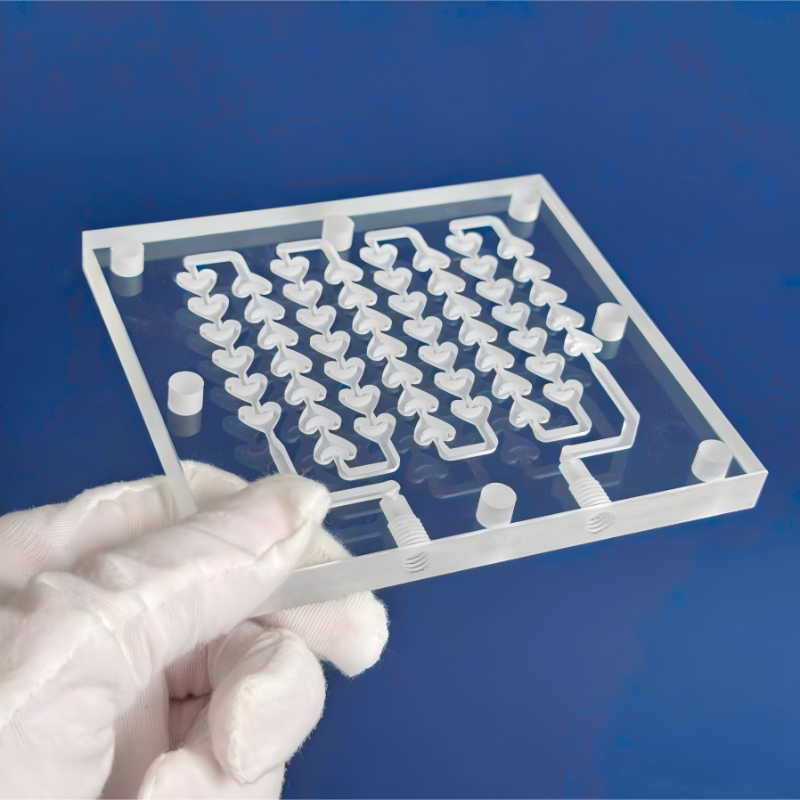
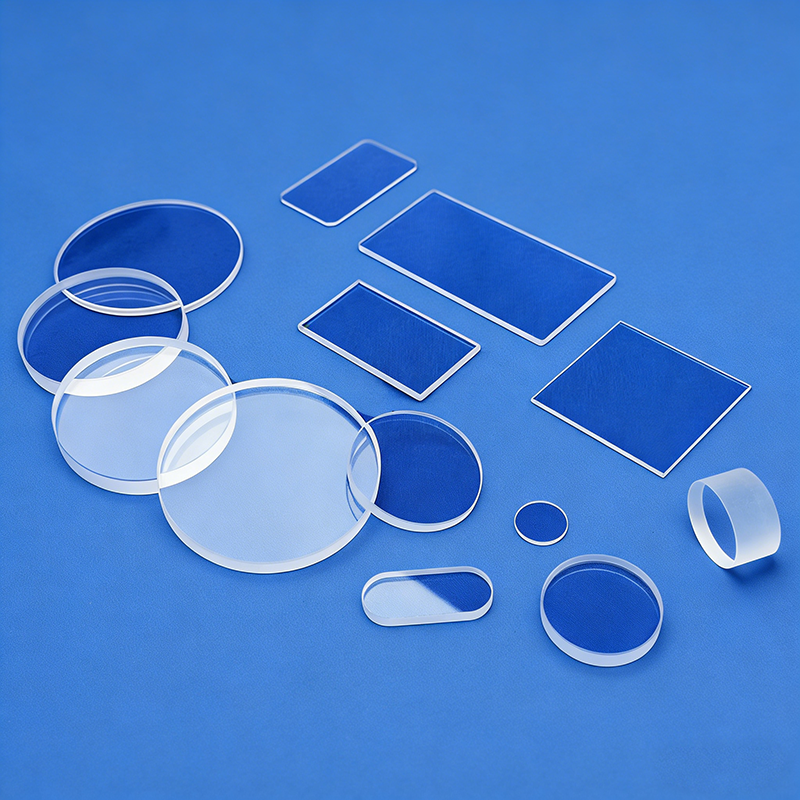
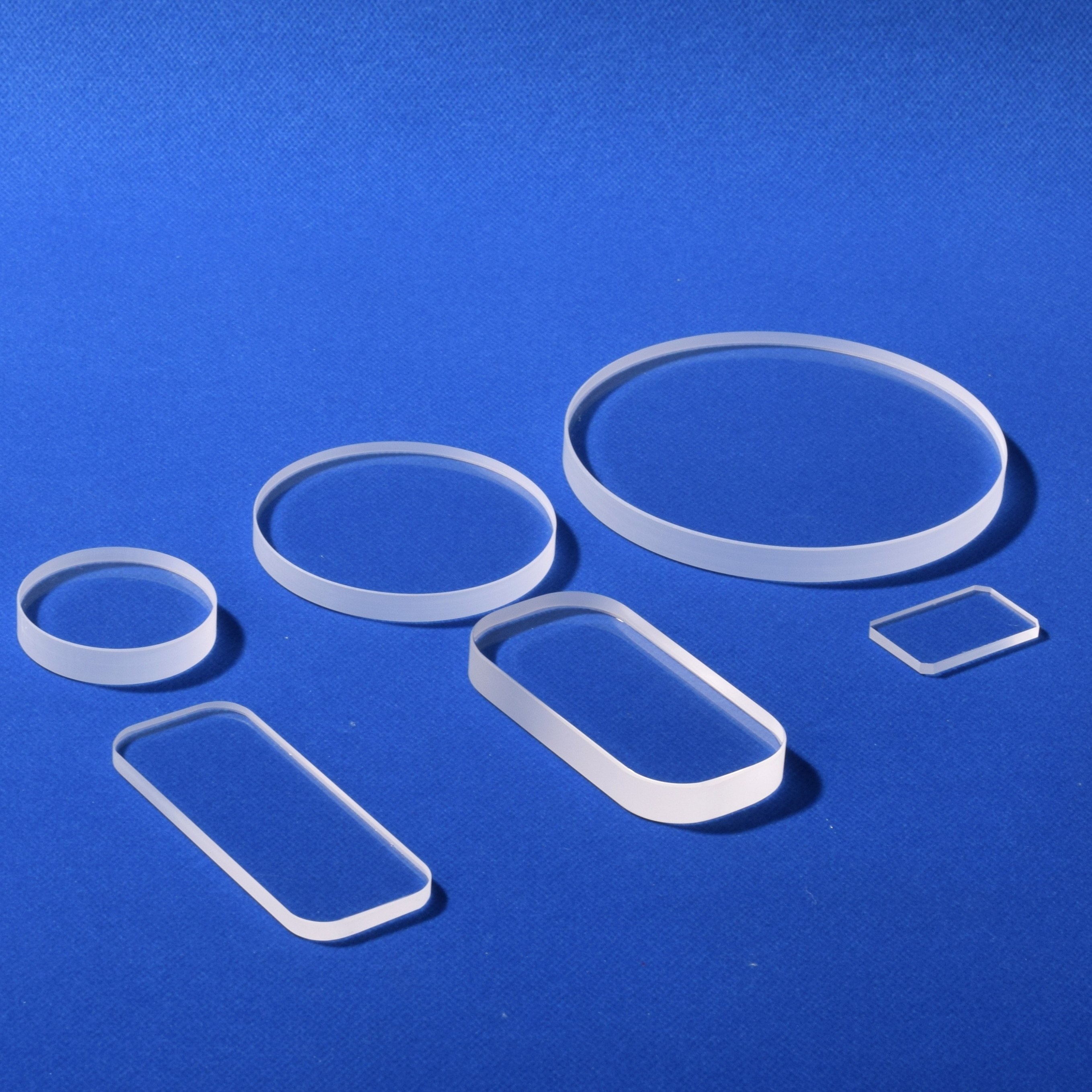
Engineering Fundamentals: Fused Quartz & Halogen Infrared Radiators in Caribbean Industrial Climates
Santo Domingo sits at the crossroads of Central American and Caribbean commerce, characterized by an aggressive tropical maritime environment. For manufacturing facilities operating across the Greater Santo Domingo metropolitan area—from the industrial maritime hub of Haina and the Herrera Industrial Zone to the high-density export cleanrooms of the Las Américas Free Trade Zone (ZFLA)—process heating and laboratory systems face unique thermodynamic challenges. High ambient relative humidity (regularly exceeding 80%) combined with airborne coastal salinity accelerates surface crystallization, devitrification, and thermal failure in sub-standard glass.
Halogen quartz tubes (often termed tungsten-halogen infrared quartz emitter tubes) represent the pinnacle of vitreous silica engineering. Unlike standard borosilicate or soda-lime glass, which suffers structural plastic deformation at temperatures above 500°C, amorphous fused silica (SiO₂) manufactured by Vulra Quartz exhibits an ultra-low linear thermal expansion coefficient ($\alpha = 5.5 \times 10^{-7} \text{ K}^{-1}$ across the 20°C to 1000°C spectrum). This near-zero expansion allows a red-hot quartz halogen tube operating at 1,100°C to be instantaneously quenched in near-freezing water without micro-fracturing or catastrophic failure.
Technical Insight on Atmospheric Devitrification: In coastal processing plants around the Port of Río Haina and Boca Chica, atmospheric sodium and potassium ions deposit onto hot heater surfaces. In borosilicate glass, alkali migration triggers rapid devitrification into cristobalite at just 550°C. Vulra's high-purity fused quartz maintains a bulk metallic impurity profile below 15 ppm, elevating the cristobalite transition threshold above 1,150°C for uncompromised lifespan under humid Caribbean air.
The transmission curve of clear fused quartz envelope glass spans from the deep ultraviolet (185 nm) through the visible spectrum and into the near/medium infrared (up to 3.5 µm). When utilized as an envelope for halogen infrared heating, the quartz tube transmits up to 93% of radiant infrared energy directly to the target workpiece, preventing parasitic convective loss and yielding rapid response times (full output achieved within 1 to 2 seconds of power activation).
Localized Application Scenarios Across Santo Domingo's Industrial Hubs
Understanding user intent across the Dominican Republic requires examining specific processing lines where halogen quartz tubes and vitreous quartz glass form critical system dependencies:
PET Bottle Blowing & Thermoforming
Dominican beverage plants and packaging converters in San Cristóbal utilize fast-response short-wave halogen quartz tubes for uniform preform heating before stretch blow molding, saving up to 38% electrical overhead over ceramic elements.
Medical Device Cleanrooms (ZFLA)
The Dominican Republic is a global leader in medical disposables. Our ozone-free synthetic fused silica tubes provide instantaneous thermal sealing of sterile blister packaging and cleanroom UV-C sterilization chambers without emitting toxic atmospheric ozone.
Sugar Cane & Rum Distilleries
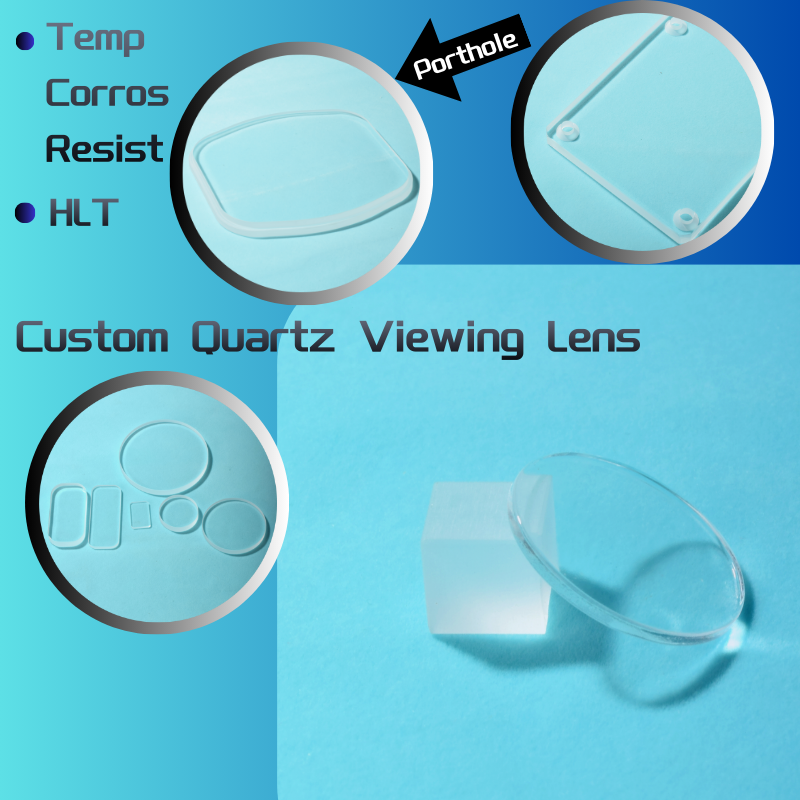
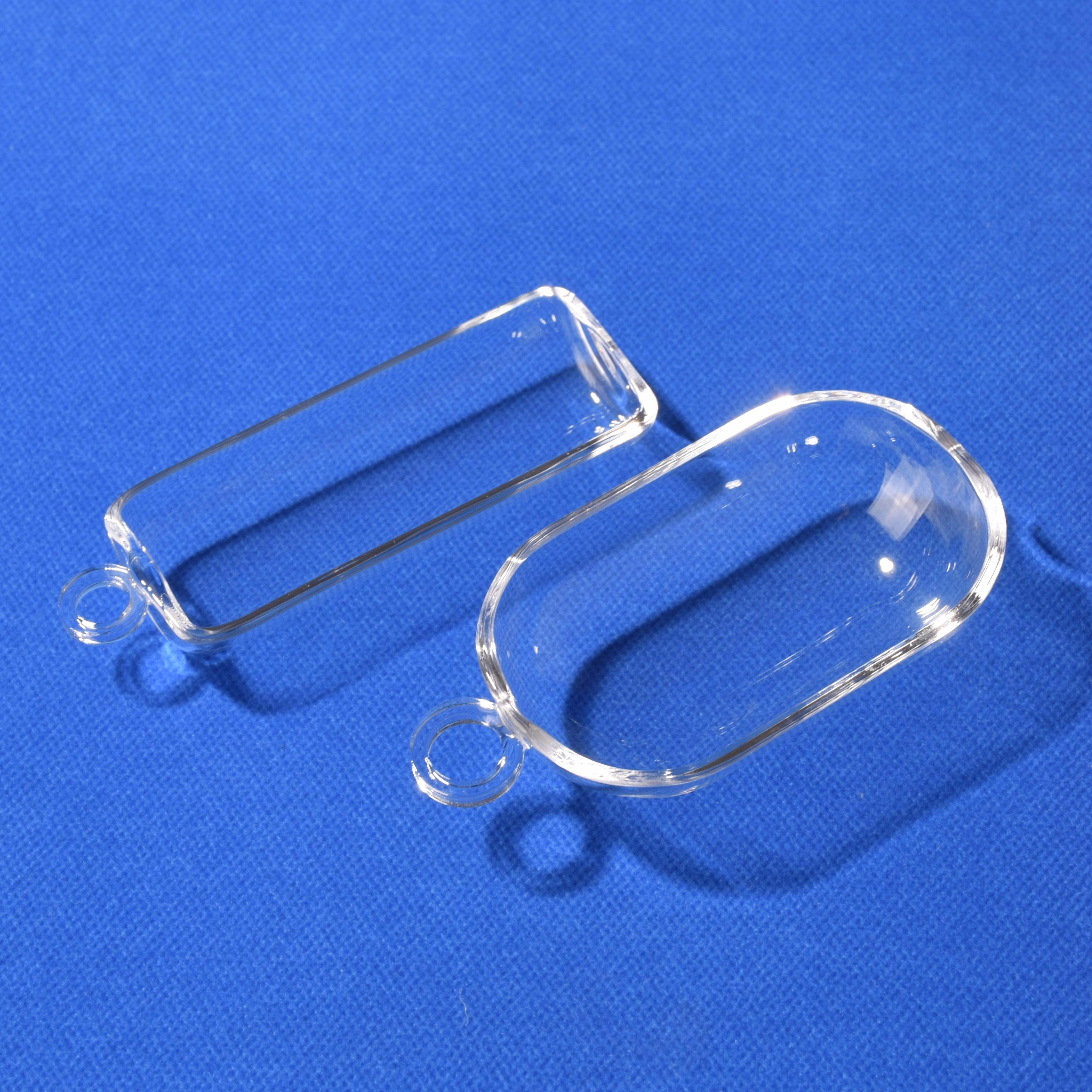
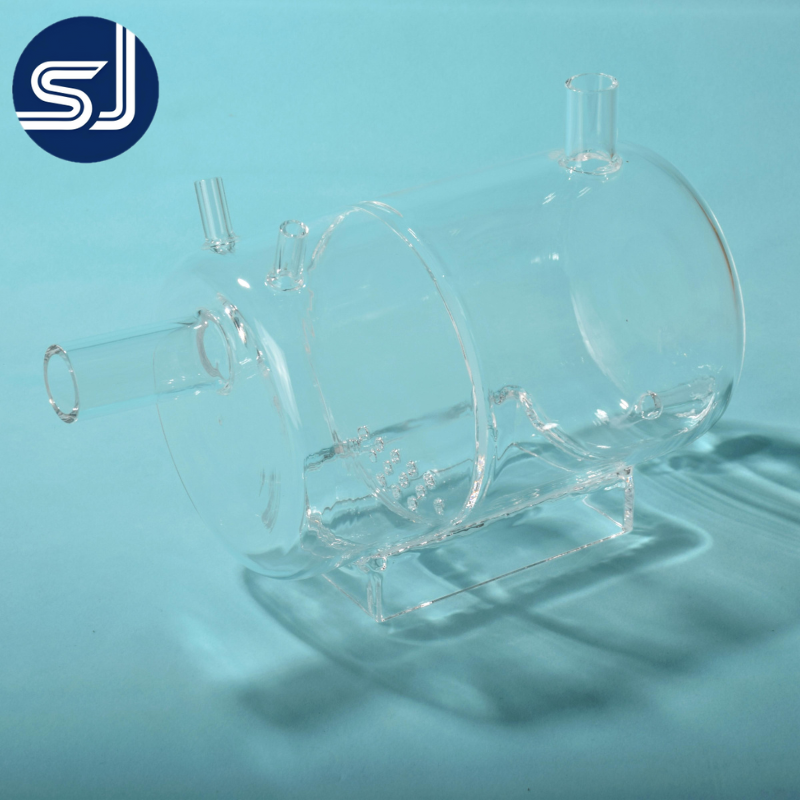
Traditional rum distillation in San Pedro de Macorís and Greater Santo Domingo relies on customized quartz flow-splitting bottles and high-temperature observation windows to monitor aggressive ethanol fractionations and volatile vapor stages.
Textile & Screen Printing Curing
Industrial textile facilities in Parque Industrial Duarte require ruby-coated or gold-reflector twin-bore quartz halogen emitters to dry screen prints and pigment dyes in milliseconds, preventing color bleeding caused by ambient Caribbean humidity.
Automotive Paint Booths & Coatings
Automotive body repair and OEM parts plants across Herrera employ mobile short-wave halogen quartz drying arrays to achieve rapid, inside-out thermal curing without trapping solvent bubbles in warm coastal atmospheres.
Municipal & Industrial UV Disinfection
Protecting potable water lines drawing from the Ozama and Haina river systems, our high-transmittance 254 nm fused quartz sleeve tubes shield mercury and amalgam lamps from turbulent flow erosion and thermal shock.
Material Property Matrix: Fused Quartz vs. Standard Industrial Glass
Dominican plant managers frequently evaluate whether to specify standard borosilicate or transition to high-purity fused quartz. The thermodynamic performance envelope below illustrates the decisive margin offered by Vulra's manufacturing process:
| Property Parameter | Commercial Borosilicate 3.3 | Vulra Clear Fused Quartz | Vulra Semiconductor Fused Silica |
|---|---|---|---|
| SiO₂ Purity Content | ~81% | >99.99% | >99.999% |
| Continuous Service Temp | 450°C – 500°C | 1,100°C | 1,200°C |
| Softening Point (ASTM C338) | 820°C | 1,683°C | 1,730°C |
| Thermal Expansion (0–300°C) | 3.3 × 10⁻⁶ /°C | 5.5 × 10⁻⁷ /°C | 5.0 × 10⁻⁷ /°C |
| Max Thermal Shock ($\Delta T$) | ~150°C to 180°C | >1,100°C (Water Quench) | >1,200°C (Water Quench) |
| Infrared Transmittance (1–3 µm) | ~72% (Early cutoff) | 92.5% | 93.8% |
| Dielectric Strength (20°C, 1MHz) | 25 kV/mm | 40 kV/mm | 50 kV/mm |
Santo Domingo Market Trends: Nearshoring, Decarbonization & Grid Resilience
The industrial landscape of the Dominican Republic is experiencing a transformative expansion driven by the global nearshoring shift. Under the framework of DR-CAFTA and proactive trade incentives managed by the National Council of Export Free Zones (CNZFE), multi-national OEMs are shifting operations from East Asia to Santo Domingo. This pivot has placed severe focus on process efficiency and infrastructure modernization:
1. Electrification and Kilowatt-Hour Optimization: With Dominican industrial power rates historically averaging between $0.14 and $0.21 per kWh, factory operators in Haina and Herrera cannot tolerate the energy losses inherent in antiquated resistance wire heating ovens. Halogen quartz lamps offer directional radiation with gold or ceramic reflectors, heating only the material and not the surrounding factory atmosphere. This direct thermal coupling cuts heating electricity consumption by up to 45%.
2. Rapid-Cycle Factory Automation: The transition from batch manufacturing to automated continuous thermoforming and packaging lines demands heat sources that turn on and off instantaneously. Halogen tubes have thermal inertia under 1.5 seconds, eliminating the 20-to-40-minute pre-heat cycles required by metal tubular heaters, thereby synchronizing directly with automated PLC cycle times.
3. Deep Cleanroom Compliance: With medical devices now ranking among the Dominican Republic's largest manufactured exports, FDA 21 CFR compliance and ISO 14644 cleanroom protocols forbid any heating element that sheds particulates, oxidizes, or generates electrostatic dust attraction. Smooth, fire-polished fused quartz envelopes are chemically non-reactive, particulate-free, and cleanable with isopropyl alcohol or mild acid baths without surface micro-etching.
Why Dominican Procurement Engineers Source from Vulra Quartz (Lianyungang Vulra)
Headquartered at No. 9, Dingxin Road within the Jiangsu Donghai Economic Development Zone, Lianyungang Vulra Quartz Products Co., Ltd. (operating globally as Vulra Quartz / SJ Quartz) represents the direct link to the world's most concentrated high-purity crystal quartz sand reserves. Unlike brokers or intermediaries, we operate an integrated, independently assessed manufacturing plant audited by TÜV Rheinland.
1-Piece Prototype OEM
Full CAD drawing review and custom tooling for prototypes from a single piece—validating fits before batch commitments.
Hot & Cold Dual Mastery
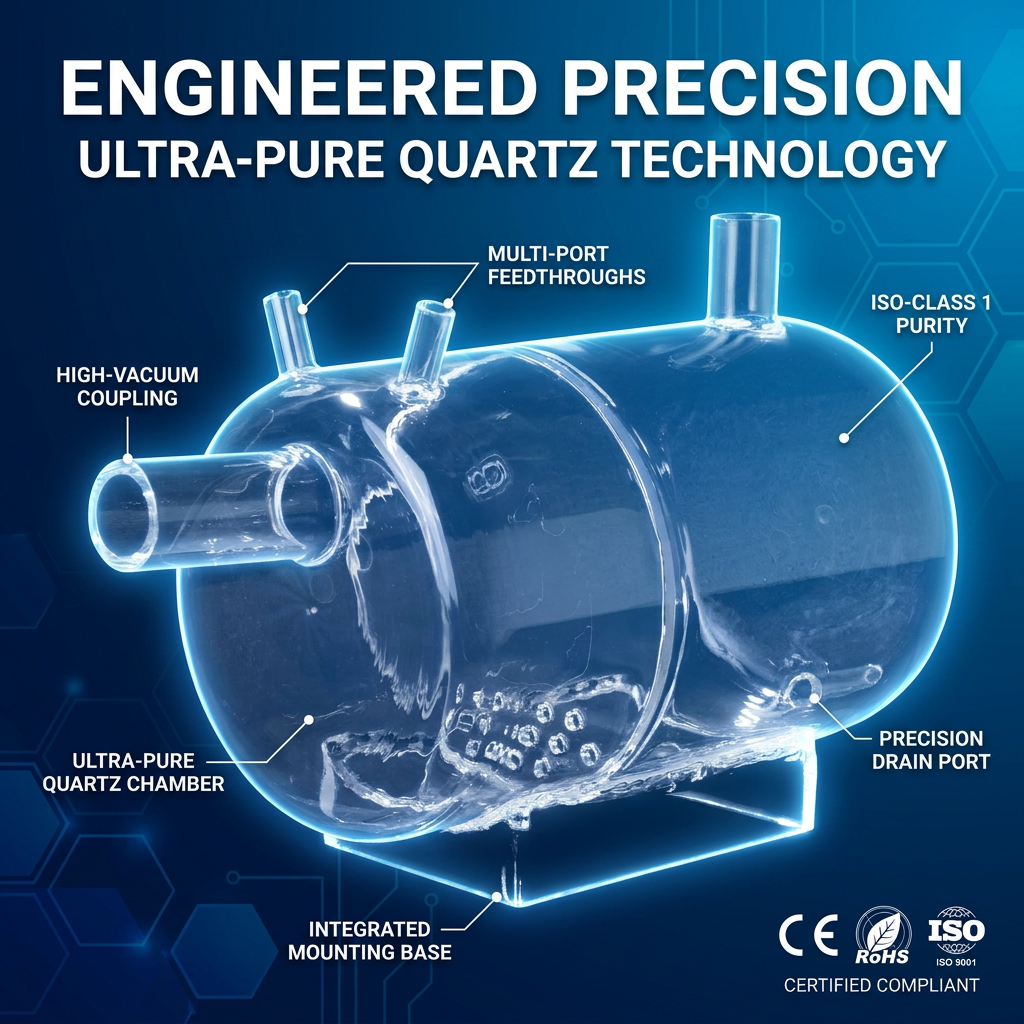
Oxy-hydrogen flame bending, welding, and dome sealing paired with multi-axis CNC slicing, drilling, and optical polishing.
CE & RoHS Certified
Fully compliant with international chemical safety and electrical directives, documented by third-party inspection reports.
Maritime Export Packing
Heavy-duty multi-layer pearl cotton foam, vacuum desiccants, and shock-isolated fumigated crates for 100% zero-breakage ocean shipping.
Santo Domingo Procurement Guide: Frequently Asked Questions
Direct responses prepared by Vulra's technical sales engineering group to streamline your sourcing workflow:
What are the typical ocean and air shipping lead times from your Lianyungang factory to Santo Domingo?
How does your packaging prevent breakage and moisture devitrification during trans-Pacific sea transit?
Can you customize halogen quartz tubes to match Dominican electrical standards (110V/220V at 60Hz)?
What are the correct HS tariff classifications for importing fused quartz into the Dominican Republic?
When should our plant specify clear quartz versus translucent or ruby-doped quartz envelopes?
Translucent/Satin Quartz: Diffuses radiant energy, ideal for uniform area heating where glare reduction and soft thermal gradients are required.
Ruby / Gold-Coated Quartz: Ruby doping filters out harsh visible glare (>85% visible light cut) while transmitting pure infrared, preferred in operator-dense textile and automotive paint workshops across Santo Domingo. Gold reflective backings redirect ~95% of rearward infrared radiation forward toward the workpiece.
What is the minimum CAD drawing detail needed to initiate an engineering quote?
Accelerate Your Dominican Production Line Efficiency
Consult with Vulra Quartz engineering specialists today. Whether you need standard replacement halogen emitter tubes, custom flame-welded labware, or optical quartz substrates, we provide quotation, drawing review, and sample validation within 24 hours.