High-Purity Quartz Components for Caribbean Research & Industry
Manufactured by Lianyungang Vulra Quartz Products Co., Ltd. from verified Donghai raw sand. Built to endure corrosive marine atmosphere, intense thermal cycles, and ultra-deep optical inspection demands.
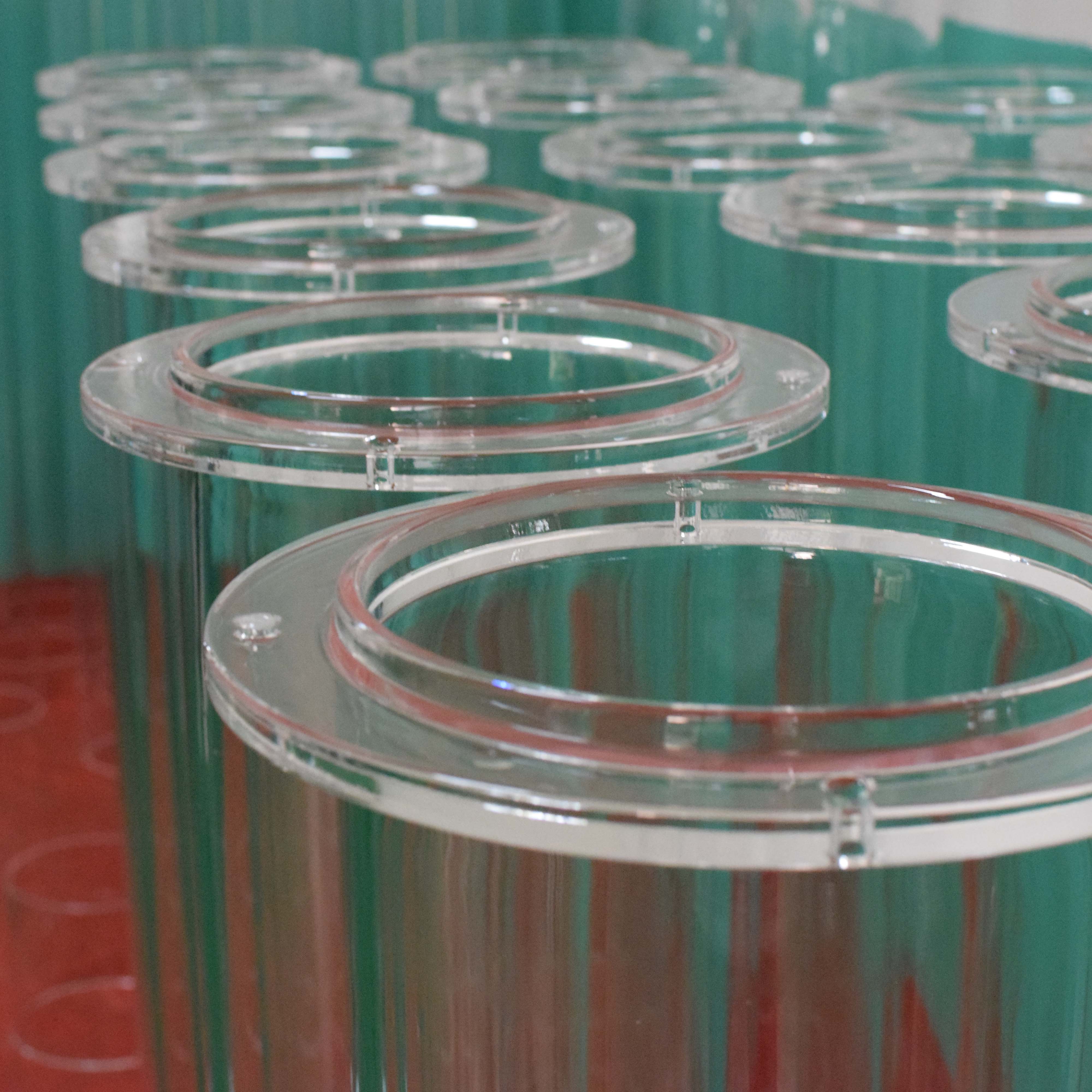
Precision-ground flange interface for high-vacuum re-feeders, distillation columns, and ozone-free thermal isolation.
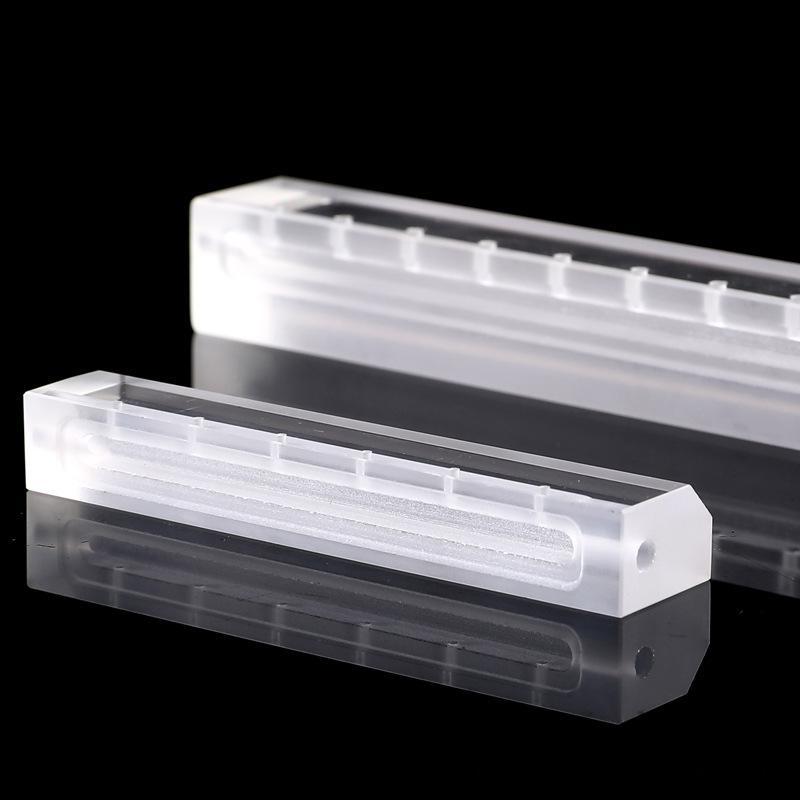
Model SJ 077 flat substrate boasting >92% deep-UV optical transmission, uniform flatness, and high thermal conductance.
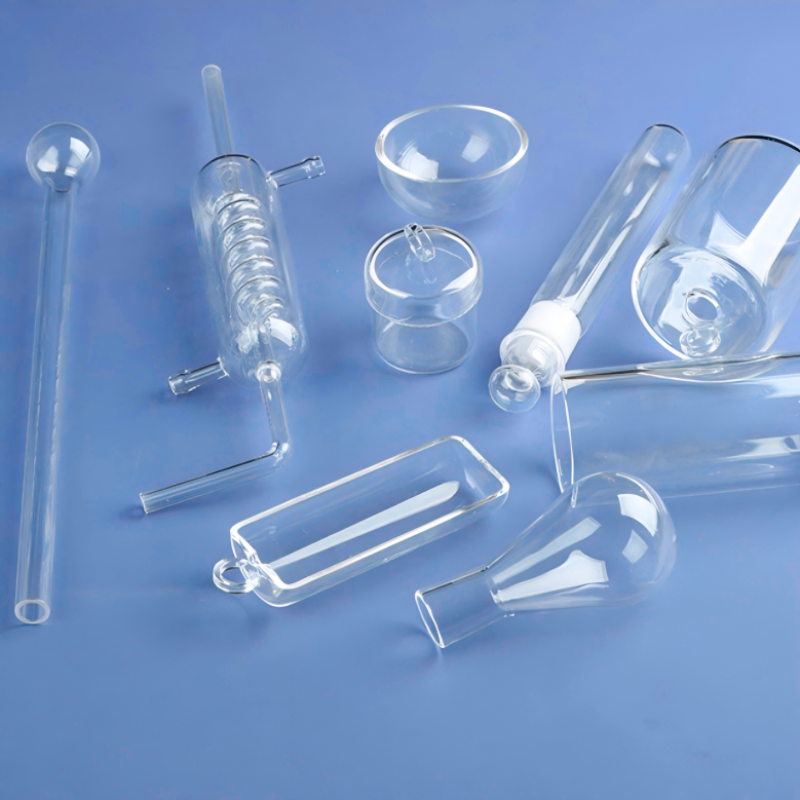
Resistant to high dielectric stresses and induction heating tests; zero contamination in rigorous laboratory calcination.
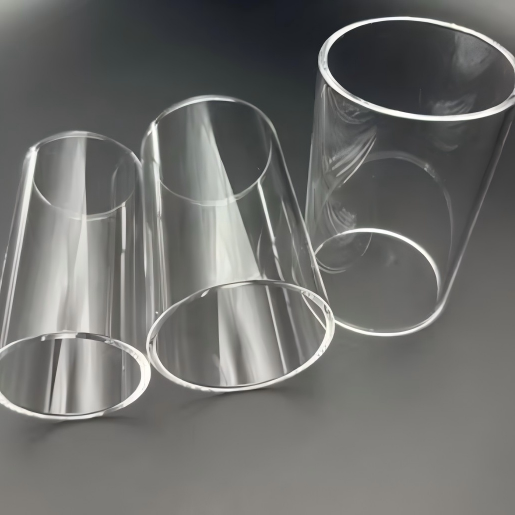
Hemispherical or flat sealed bottoms designed for thermocouple sheaths, volcanic gas sampling probes, and pyrolysis tubes.
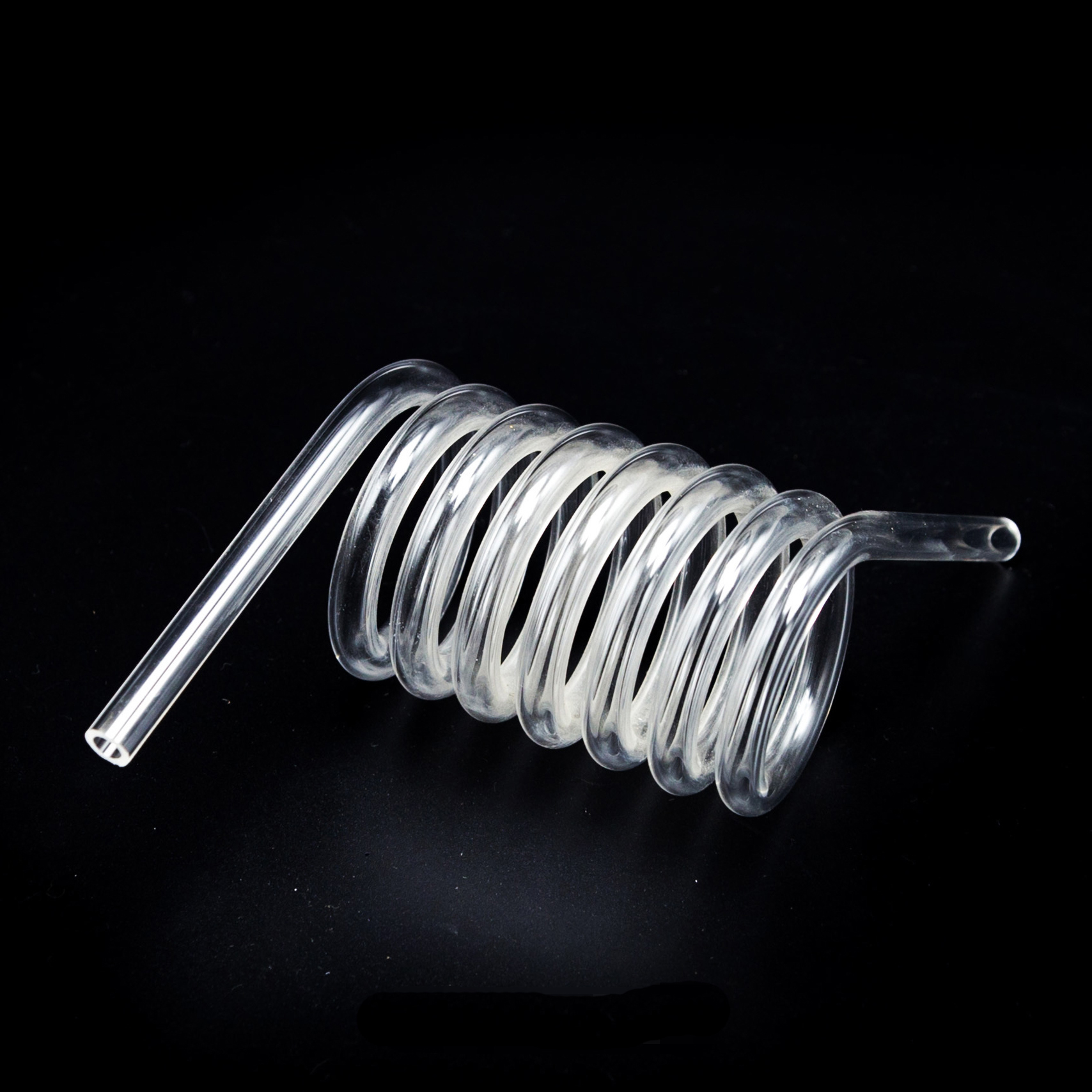
Oxy-hydrogen flame-bent condenser coils, heat exchanger tubing, and vapor traps with continuous, smooth inner bores.
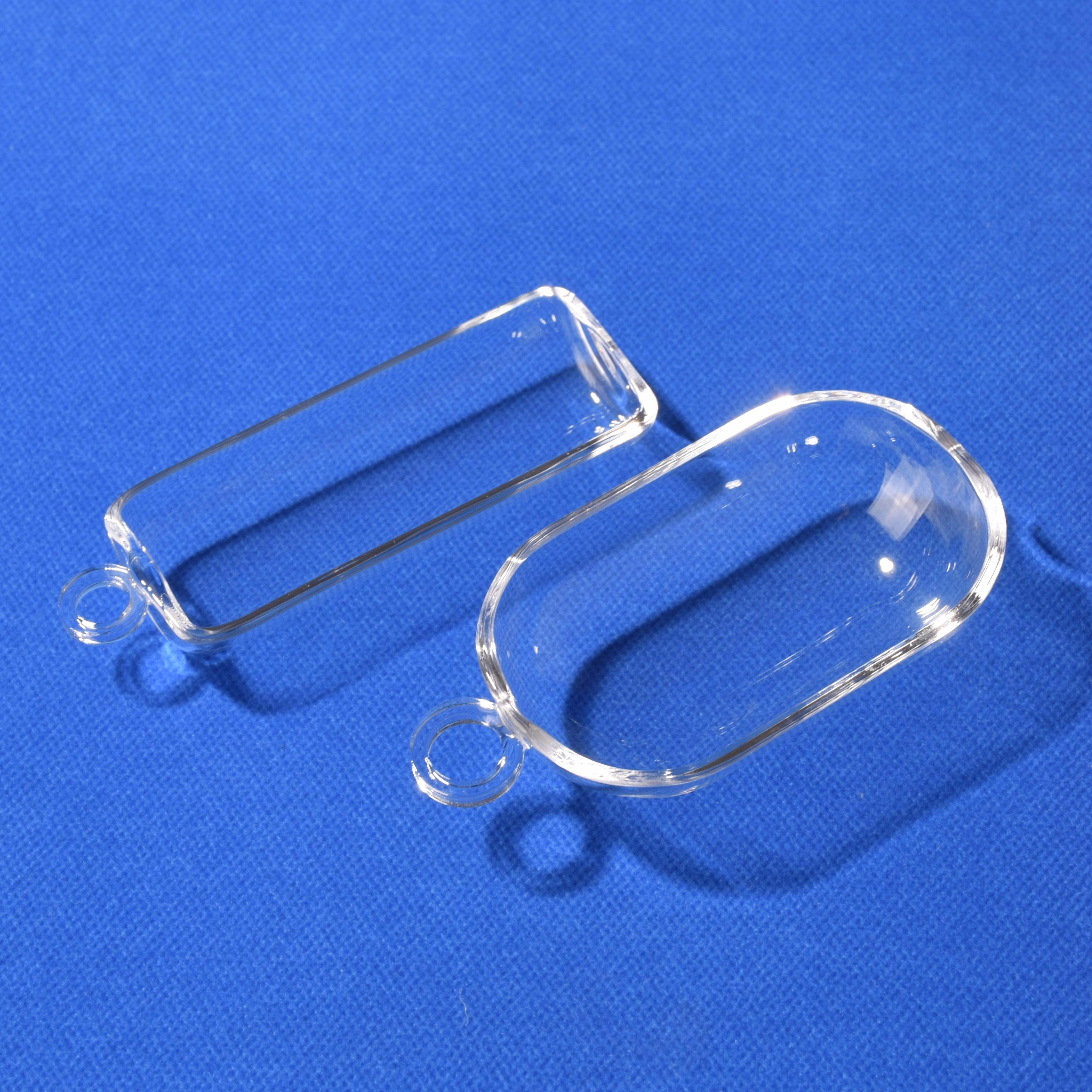
Engineered for mineral assay, powder sintering, and semiconductor dopant annealing without sagging or devitrification.
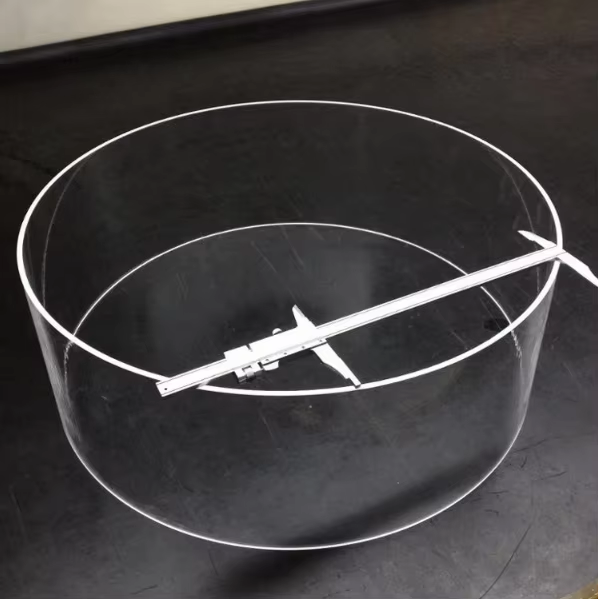
Optimized for high-pressure photochemical water testing, UV digestion, and deep corrosive fluid observation chambers.
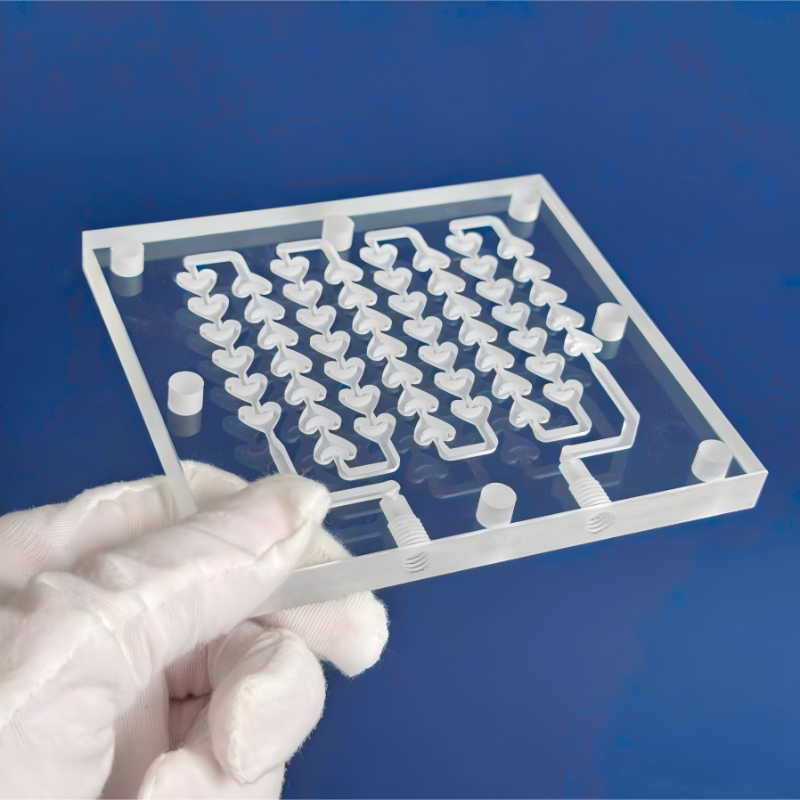
Precision-sliced quartz wafers engineered as thermal barriers, dielectric spacers, and optical sight window blanks.
Precision Fused Quartz Square Plates: The Engineering Anchor for Barrouallie
In modern high-temperature process engineering, chemical synthesis, and environmental optical spectroscopy, standard borosilicate or soda-lime glass frequently succumbs to catastrophic thermal stress and chemical leaching. In the Barrouallie market—a vital coastal and industrial corridor along the leeward coast of Saint Vincent—procurement directors face specific climatic and operational hurdles. High relative humidity, persistent coastal saline aerosol exposure, and volcanic particulate activity linked to northern St. Vincent call for engineering substrates that feature exceptional chemical inertness and extreme thermal shock tolerance.
Lianyungang Vulra Quartz Products Co., Ltd. serves this market from the historic silicon capital of Donghai County, China. Fused quartz square plates manufactured here represent a specialized amorphous allotrope of pure silicon dioxide ($SiO_2$). By maintaining purity thresholds between 99.99% and 99.999%, these plates eliminate internal micro-crystallites, volatile gaseous bubble inclusions, and elemental alkali contaminants. This high structural consistency guarantees continuous operating reliability up to 1100°C and short-duration thermal peak resilience up to 1450°C, with an ultimate softening transition point at 1683°C.
Thermodynamic Rigor and Spectral Transparency
The operational value of fused quartz square plates centers on their uniquely low Coefficient of Thermal Expansion (CTE) of approximately $5.5 \times 10^{-7} \text{ K}^{-1}$ across the 20°C to 1000°C span. This is less than one-tenth that of conventional borosilicate glass. When a quartz plate undergoes an instantaneous thermal swing—such as rapid quenching from an 1100°C tube furnace into cold room-temperature liquid—the induced thermal stress is easily absorbed by its rigid tetrahedral $SiO_4$ molecular network, preventing structural fracture.
In addition, optical-grade fused quartz square plates exhibit unmatched multi-band spectral transmission. Natural electric-fused quartz substrates provide balanced transparency spanning the ultraviolet (UV-C at 260 nm), the entire visible spectrum (400–700 nm), and extending well into the near-infrared (NIR up to 2500 nm). For analytical chemists and environmental scientists operating in the Eastern Caribbean, this allows unhindered spectral baseline fidelity during spectrophotometric evaluation, solar simulator testing, and UV-assisted water decontamination.
| Performance Metric | Vulra Fused Quartz (Donghai) | Borosilicate Glass 3.3 | Optical Sapphire ($Al_2O_3$) |
|---|---|---|---|
| $SiO_2$ / Material Purity | 99.99% – 99.999% Pure Silica | ~81% $SiO_2$, 13% $B_2O_3$, 4% Alkalis | Single Crystal Corundum (>99.9%) |
| Thermal Expansion (CTE) | $5.5 \times 10^{-7} \text{ K}^{-1}$ (Virtually Zero) | $33 \times 10^{-7} \text{ K}^{-1}$ | $58 \times 10^{-7} \text{ K}^{-1}$ |
| Continuous Service Temp | 1100°C (Short Peaks to 1450°C) | 450°C – 500°C Max | 1800°C |
| Thermal Shock Tolerance ($\Delta T$) | > 1000°C Water Quench Without Fracture | ~150°C Differential | Poor Under Asymmetric Gradient |
| UV Transmission (254 nm) | > 90% (JGS1 / JGS2 Grades) | < 5% (Opaque to Deep UV) | 85% – 88% |
| Resistance to Marine Salt Spray | Hydrolytically Inert / Acid Resistant | Moderate Leaching over Long Service | High Chemical Resistance |
Engineered Quartz Deployments in Barrouallie & St. Vincent
From marine fisheries and water purification along the coast to geothermal exploration and agricultural processing around La Soufrière, high-purity quartz substrates perform critical isolation, filtration, and analytical duties across Saint Vincent.
Marine & Fisheries Biosecurity
Barrouallie’s commercial fishing fleet, aquaculture research units, and regional processing facilities rely on closed-loop germicidal ultraviolet (UV-C) water purification. Fused quartz square plates function as non-solarizing reactor sight windows and planar optical windows. They resist constant saltwater aerosol corrosion while maintaining the high 254 nm light transmission needed to neutralize marine pathogens without chemical additives.
Geothermal Exploration & Volcanic Assay
St. Vincent's active geothermal gradients and volcanic vents expose scientific instruments to acidic sulfur dioxide ($SO_2$), hydrogen sulfide ($H_2S$), and high thermal loads. Vulra fused quartz square plates act as chemical observation sight glasses in downhole fluid sampling autoclaves and continuous gas chromatography sampling ports, withstanding corrosive geothermal brines without clouding or surface pitting.
Solar Thermal & Renewable Energy Testing
As the Eastern Caribbean shifts toward decentralized renewable energy, pilot testing of concentrated solar thermal systems and high-efficiency photovoltaic test cells requires optical covers that do not sag or degrade under focused tropical sunlight. Quartz square plates provide over 92% direct photon transmission while sealing test chambers against high-humidity marine air and tropical squalls.
Agricultural & Distillation Analytical Chemistry
Local agricultural producers and regional rum distilleries require exact purity in laboratory analysis. Fused quartz square plates serve as chemically inert digestion substrates and planar condenser plates. Unlike borosilicate glass, which can leach sodium or boron into low-pH organic distillates, quartz preserves sample integrity during atomic absorption spectroscopy (AAS) and high-performance liquid chromatography (HPLC) runs.
Industrial High-Temp Pyrolysis Sight Glasses
For municipal waste-to-energy pilot facilities and localized combustion units in St. Vincent, operators need clear furnace viewports capable of handling rapid thermal transitions. Vulra quartz observation plates allow continuous flame and melt monitoring at temperatures exceeding 1000°C without risk of thermal blowout or operator hazard.
Emerging Trends in Caribbean Precision Glass Procurement
How research teams, utilities, and engineering procurement teams in Barrouallie and the wider Caribbean Community (CARICOM) are modernizing their high-spec quartz supply chains.
Direct Factory Sourcing from Source Clusters
Caribbean operations previously relied on intermediary distributors in North America or Europe, introducing 200% to 400% markups and long delivery cycles. Sourcing directly from Donghai-based manufacturers like Vulra Quartz reduces procurement spend, gives direct access to factory engineers, and allows customized shapes matching exact CAD drawings.
Custom OEM Geometry from 1 Piece
Standard catalog glass rarely meets the needs of custom retrofit projects on island facilities. Local institutions require on-demand custom dimensions—such as odd rectangular windows, bevelled perimeter edges, or drilled access ports. Vulra’s drawing-based production from a single piece helps laboratories validate custom designs without holding expensive spare-part inventories.
Export Crating & Island Transit Protection
Shipping fragile optical glass across international waters requires careful packing. Vulra uses vacuum-sealed, lint-free PE barrier wrapping, shock-absorbing polyethylene foam cushioning, and reinforced ISPM-15 export wooden crates. This packaging withstands multi-leg transit through Caribbean regional distribution hubs without scratch damage, surface hydration, or edge chipping.
Precision Cold & Hot Processing Pipeline at Vulra Factory
Ingot Sawing
High-purity fused silica ingots are sliced into plate blanks using automated diamond-wire saws to maintain planar parallelism.
CNC Edge Chamfering
Computer-controlled CNC machining profiles edges, drills bolt openings, and creates smooth chamfers to prevent thermal stress concentrations.
Optical Polishing
Multi-stage double-sided planetary lapping achieves surface roughness of Ra < 0.5 nm with 60/40 or 40/20 scratch-dig optical standards.
Stress-Relief Annealing
Thermal soaking in programmable annealing furnaces removes residual mechanical stress before final deionized water ultrasonic cleaning.
Why International Buyers Partner with Vulra Quartz
Headquartered at No. 9 Dingxin Road, Jiangsu Donghai Economic Development Zone, Vulra Quartz combines access to China's primary high-purity crystal quartz sand deposits with rigorous third-party quality verification.
TÜV Rheinland Assessed Manufacturer
Our production facilities, engineering capabilities, legal registration, and testing procedures undergo direct on-site evaluation by TÜV Rheinland. Overseas buyers receive complete audit reports confirming true manufacturing capability, clear trade legitimacy, and full compliance with international standards.
Donghai Raw Material Supply Base
Situated in Donghai County—known globally as a premier center for crystal quartz sand processing—Vulra has direct access to high-purity quartz feedstock. This localized supply chain insulates our clients from raw material price shocks and ensures batch-to-batch chemical consistency with trace metals kept under 15 ppm.
Engineering Feasibility Reviews
Before launching fabrication, our technical engineering team reviews customer 2D and 3D CAD drawings (DWG, STEP, PDF). We evaluate edge thickness ratios, hole-edge margins, flame weld points, and thermal gradient risks, helping prevent assembly failure and extending component operating life.
Frequently Asked Questions by Caribbean Buyers
Direct technical and commercial answers from Vulra’s engineering team regarding customs, material selection, freight handling, and installation in Saint Vincent and the Grenadines.
Require Custom Quartz Substrates for Your Facility in Barrouallie?
Submit your 2D/3D CAD drawings or technical specifications. Our application engineers provide an itemized quote, material purity certificate, and thermal feasibility review within 24 hours.
Get a Quote